
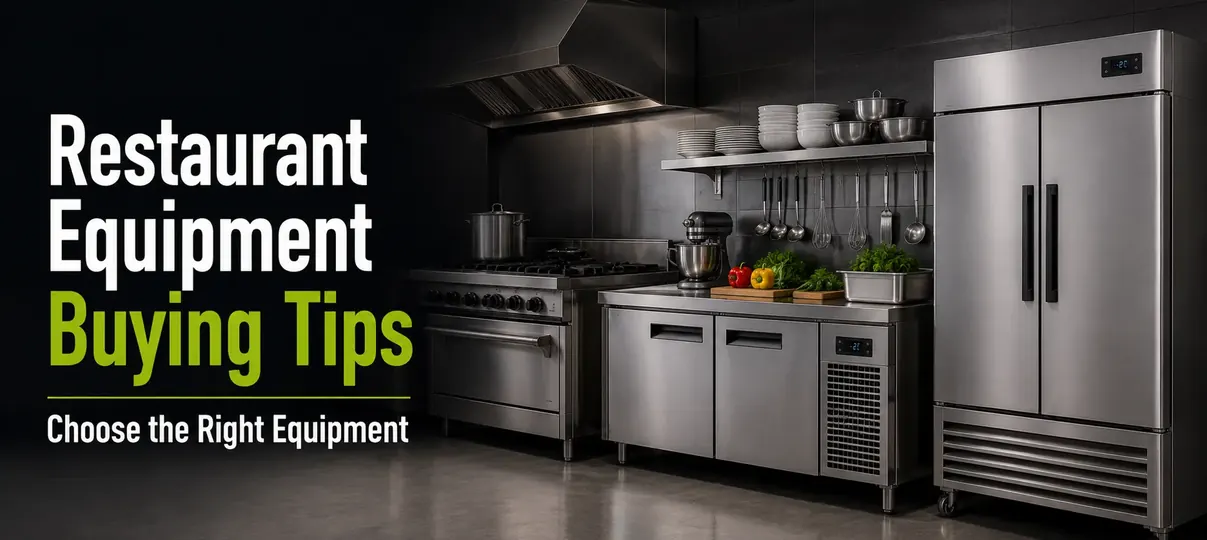
Stepping into the fast-paced, thrilling world of food service is a massive undertaking. Whether you are launching a cozy neighborhood café, a bustling downtown bistro, or a high-end fine dining establishment, your success hinges on much more than just a brilliant menu. Behind every perfectly seared steak and flawlessly plated dessert is a well-oiled machine: a thoughtfully designed commercial kitchen.
Buying Restaurant Equipment is arguably one of the most significant investments you will make as a restaurateur. The right tools empower your culinary team, streamline operations, and protect your bottom line, while the wrong choices can lead to workflow bottlenecks, high repair bills, and stressful dinner services.
In this comprehensive guide, we will walk you through everything you need to know about outfitting your back-of-house. From choosing the best heavy-duty appliances to navigating the financial realities of equipping your space, here are the essential tips for sourcing the best kitchen equipment for your new venture.
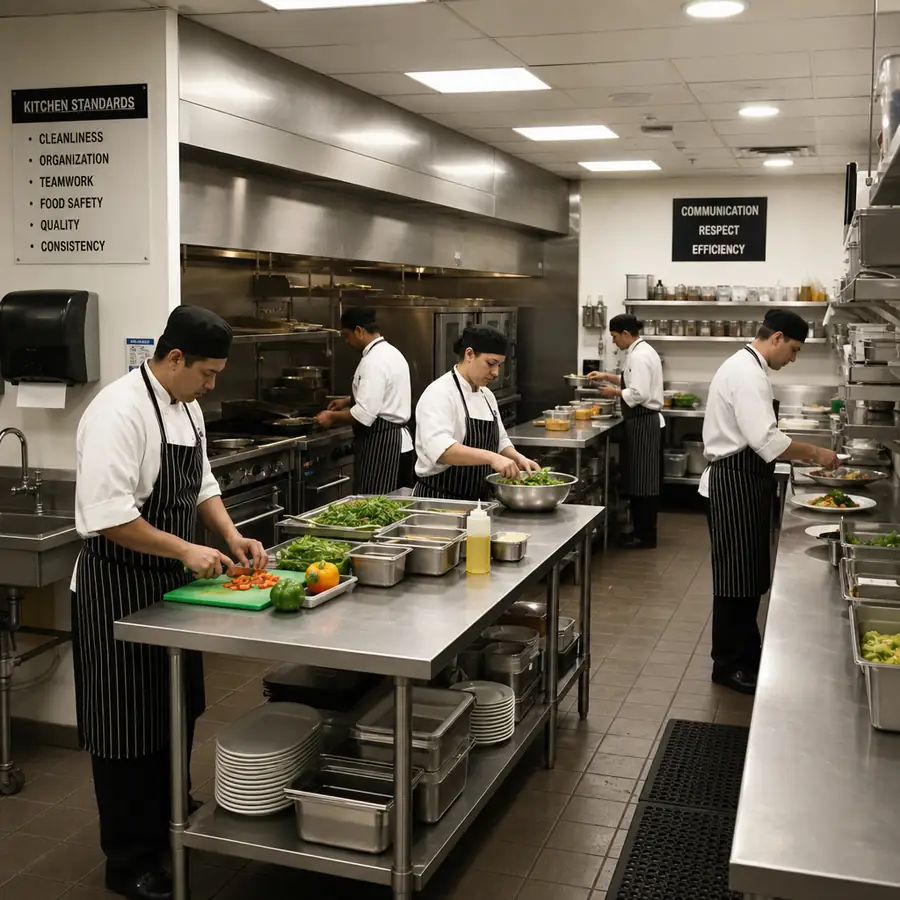
Professional Kitchen Layout Planning
Before you spend a single dollar on restaurant supplies, you must have a solid blueprint of your physical space. Buying gear without a layout is like buying furniture before you know how many rooms a house has.
Professional kitchen layout planning involves creating a logical flow that prevents cross-contamination, reduces staff collisions, and maximizes speed. The most common layouts include:
Assembly Line Layout: Ideal for fast-casual spots (like sandwich shops or pizzerias) where a dish is passed down a line.
Island Layout: Features a central cooking block with prep and cleaning stations on the perimeter. Great for spacious kitchens and executive chef oversight.
Zone-Style Layout: Divides the kitchen into distinct blocks for prep, cooking, baking, and dishwashing.
A critical step in this planning phase involves measuring kitchen space for ventilation hoods. Your exhaust system is the lungs of your kitchen. Because commercial hoods must extend beyond the cooking equipment by at least 6 inches on all sides, you must map out your exact hood footprint before purchasing ranges, fryers, or broilers. Failure to measure accurately can result in failed health inspections and costly structural modifications.
Navigating the Commercial Kitchen Supply Checklist
Once your layout is locked in, it is time to build your master inventory list. Having a detailed commercial kitchen supply checklist ensures you do not overlook critical items in the rush to opening day.
Heavy Cooking Machinery
When selecting high-volume cooking appliances, consider the specific demands of your menu. A steakhouse requires heavy-duty charbroilers, while a breakfast joint needs expansive flat-top griddles. When investing in these core restaurant appliances, prioritize recovery time (how fast a fryer or grill returns to its target temperature after cold food is added) and BTU (British Thermal Unit) output.
Prep Stations and Food Prep Tools
The prep area is where the magic begins. Equipping your staff with high-quality food prep tools and culinary equipment speeds up ticket times drastically. You will need durable stainless steel prep tables, heavy-duty cutting boards, and reliable countertop appliances like stand mixers, meat slicers, and blenders.
The Smallwares Ecosystem
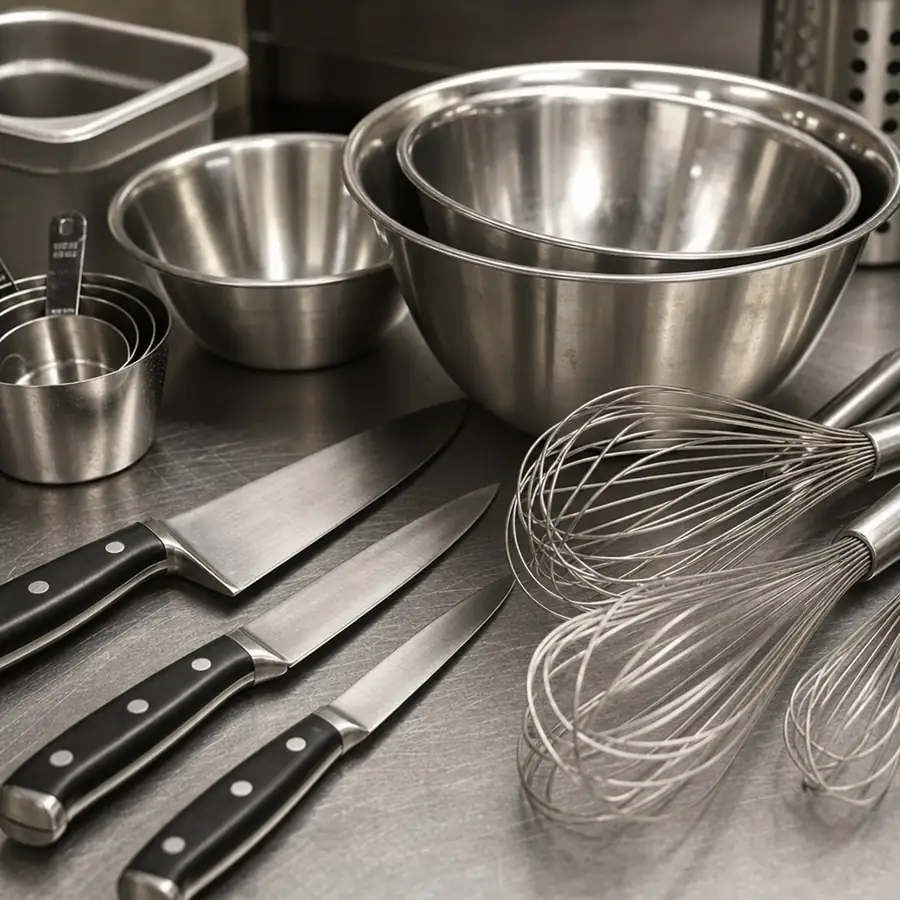
Many new owners focus so heavily on large appliances that they forget to ask: what smallwares does a new restaurant need? Smallwares refer to the hand-held restaurant tools and kitchen essentials your staff uses daily. A standard checklist should include:
- Chef's knives, paring knives, and bread knives
- Pots, pans, skillets, and roasting pans
- Spatulas, tongs, whisks, and ladles
- Mixing bowls, food storage containers, and squeeze bottles
- Thermometers and measuring cups
Keeping track of these smaller items is vital. Implementing a robust restaurant inventory management system early on will prevent your smallwares from "walking away" and help you track when supplies need replacing.
How to Choose Commercial Refrigeration Systems & Dishwashers
Two areas where you absolutely cannot cut corners are food safety and sanitation.
Understanding how to choose commercial refrigeration systems comes down to space and accessibility. Walk-in coolers are fantastic for high-volume storage, but you will also need reach-in refrigerators or under-counter low-boy coolers directly on the cook line for immediate access to ingredients. Look for units with bottom-mounted compressors if your kitchen runs hot (since heat rises), as they will not have to work as hard to draw in cool air.
Equally important is your dishwashing station. When consulting a commercial dishwasher capacity guide, you must calculate your expected "racks per hour." A small café might survive with an under-counter dishwasher that handles 20-30 racks per hour. However, a 200-seat restaurant turning over tables three times a night will require a high-capacity conveyor dishwasher capable of blasting through 200+ racks an hour. Decide between high-temp machines (which use heat to sanitize and flash-dry dishes) and low-temp machines (which use chemical sanitizers).
New vs. Used Restaurant Equipment: Making the Right Choice
One of the most common debates among owners is new vs used restaurant equipment. Both paths have distinct advantages.
The Case for Buying New
Buying brand-new gear offers absolute peace of mind. You get pristine, reliable machinery boasting the latest technology. Furthermore, new equipment comes with robust warranty coverage for commercial appliances. If the compressor on your new walk-in fails during the first year, the manufacturer covers the costly repairs. New gear is generally more energy-efficient and easier to insure.
The Case for Buying Used
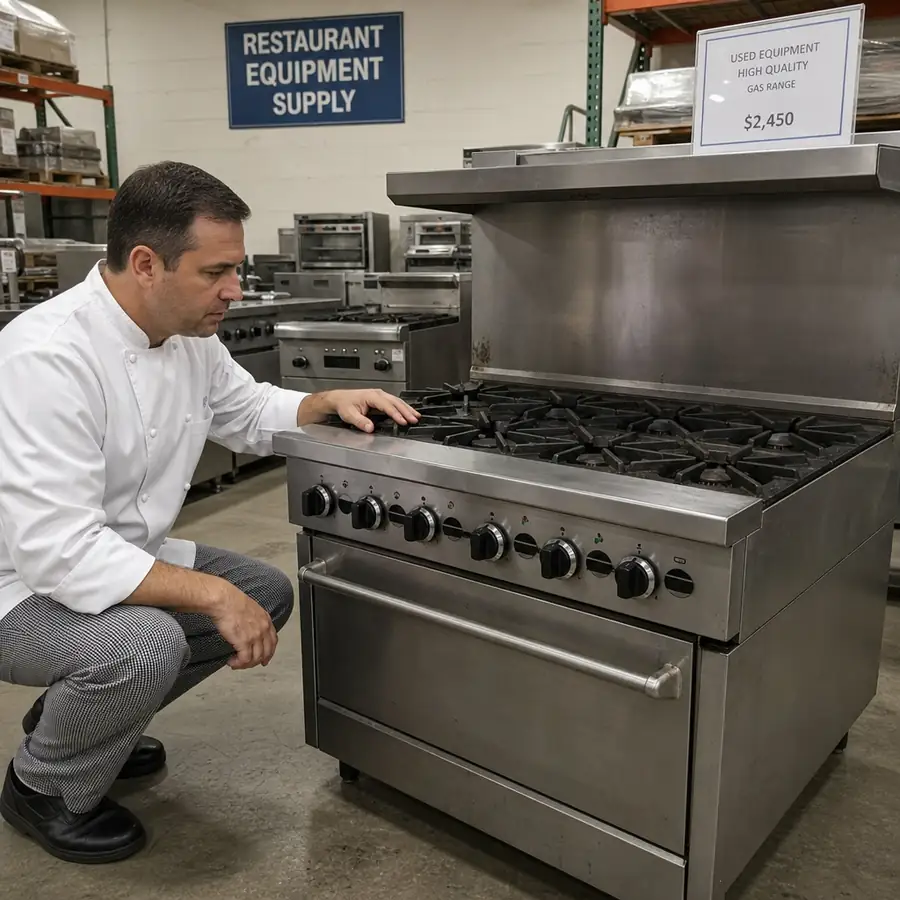
The primary advantage of buying used restaurant equipment is the dramatic cost savings. Since commercial gear depreciates rapidly, you can often find lightly used appliances for 40% to 60% off the retail price.
If you decide to go this route, a quick online search for "buying used restaurant equipment near me" will likely yield local liquidators, restaurant auctions, and scratch-and-dent warehouses.
When purchasing secondhand gear, focus on items without complex moving parts. Used stainless steel prep tables, sinks, and cast-iron gas ranges are generally safe bets. Be much more cautious when buying used refrigeration or dishwashers, as replacing a blown compressor or a faulty water pump can instantly wipe out your initial savings.
Structuring the Finances: Renting, Leasing, and Buying
Outfitting a commercial kitchen is incredibly capital-intensive. Fortunately, you don’t always have to pay completely out of pocket on day one.
Renting vs Buying Restaurant Equipment
Understanding the nuances of renting vs buying restaurant equipment can save your cash flow. Renting is ideal for short-term needs, pop-up restaurants, or testing out a new piece of equipment (like a specialized pizza oven) before committing. However, renting long-term is generally not cost-effective.
Leasing Equipment
If you want new equipment but lack the upfront capital, consider leasing. Restaurant equipment leasing benefits include manageable monthly payments, potential tax deductions (as operating expenses), and the ability to upgrade to newer models at the end of the lease term. Leasing is highly recommended for equipment that requires frequent maintenance, like commercial ice machines, because the lease agreement often includes free servicing and repairs.
Financing Options
There are numerous financing options for food service gear. Many specialized lenders and equipment dealers offer loans specifically designed for the hospitality industry. You can leverage SBA (Small Business Administration) loans, equipment financing agreements, or business lines of credit to secure the funds needed to buy your gear outright.
The Power of Group Purchasing
Another fantastic way to save money is by joining a restaurant equipment buying group. These organizations pool the purchasing power of independent restaurants to negotiate massive discounts with manufacturers. By utilizing restaurant equipment buying groups, independent owners can access the same wholesale pricing typically reserved for massive national fast-food chains.
Health, Safety, and Efficiency Standards
When Buying Restaurant Equipment, you are not just buying tools to cook food; you are buying tools that must satisfy strict local health and fire codes.
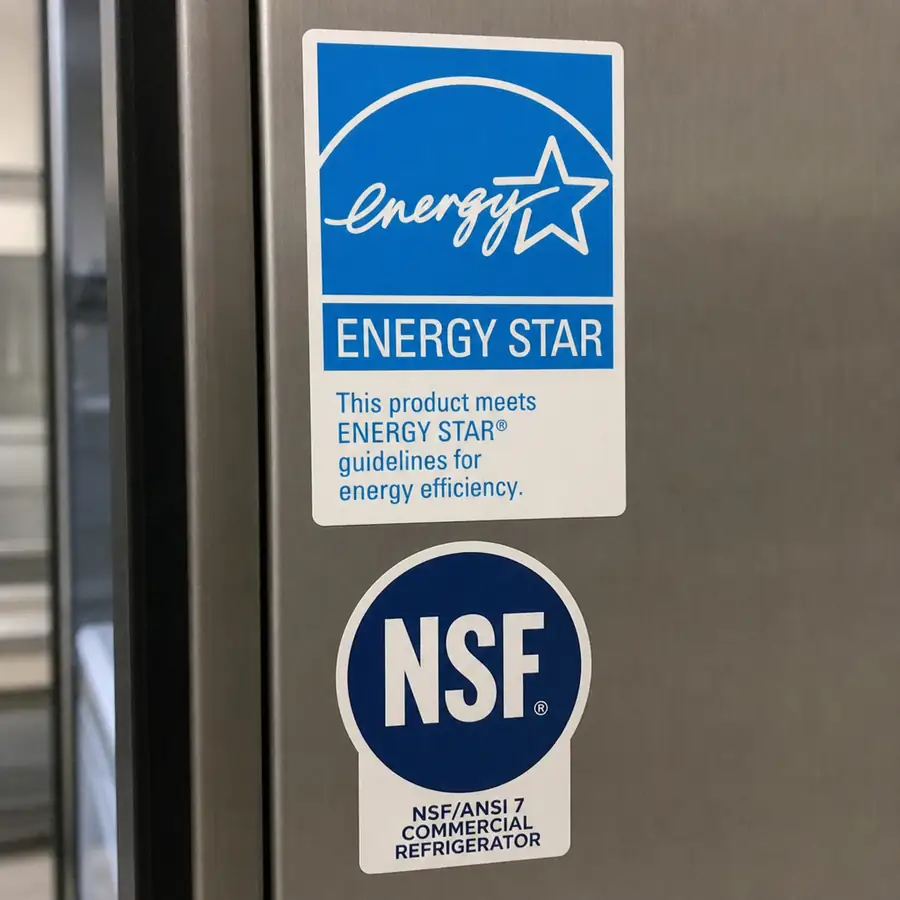
First, familiarize yourself with the NSF certification requirements for kitchens. The National Sanitation Foundation (NSF) sets the public health standards for commercial food equipment. If a prep table, cutting board, or refrigerator bears the NSF mark, it means the item is designed to be easily cleaned, non-absorbent, and resistant to bacterial growth. Many local health inspectors will penalize or fail kitchens that use residential-grade, non-NSF equipment.
Second, look for energy star rated cooking appliances. Commercial kitchens consume vastly more energy than average commercial buildings. Investing in Energy Star-rated fryers, ovens, and dishwashers can slash your monthly utility bills by thousands of dollars annually, quickly offsetting the higher initial purchase price.
Finally, never overlook safety infrastructure. Heavy-duty cooking requires heavy-duty protection. Ensure your cooking line is equipped with compliant industrial range hood fire suppression systems. These systems automatically detect extreme heat or flames, instantly shutting off the gas supply and deploying chemical fire retardants to prevent catastrophic property loss.
Maintenance and Longevity: A Mini Buying Guide
Purchasing equipment is only the first step; keeping it operational is the ongoing challenge. When drafting your internal "key features of durable restaurant equipment buying guide," train your eye to look for the following hallmarks of longevity:
High-Grade Stainless Steel: Look for 300-series (like 304) stainless steel, which offers superior corrosion resistance compared to cheaper 400-series steel.
Fully Welded Seams: Avoid equipment held together strictly by rivets or bolts, as these trap grease and eventually loosen.
Heavy-Duty Hardware: Look for solid metal knobs, robust door hinges, and heavy cast-iron grates. Flimsy plastic components will snap during a busy Friday night service.
Once the equipment is installed, proper upkeep is non-negotiable. Take, for example, simple commercial food processor maintenance tips: staff must be trained to never force ingredients through the chute, to wash blades by hand rather than in the high-temp dishwasher (which dulls them), and to regularly lubricate the motor shaft. Implementing a strict daily, weekly, and monthly preventative maintenance schedule for all your machines will double their lifespan and prevent mid-service breakdowns.
Shop Restaurant Equipment at The Horeca Store
Looking for reliable commercial restaurant equipment for your kitchen? The Horeca Store offers a wide range of professional foodservice equipment, including cooking equipment, refrigeration, food preparation equipment, dishwashing equipment, beverage equipment, and more. Whether you're opening a new restaurant, expanding your operation, or replacing existing equipment, explore The Horeca Store to find solutions that match your kitchen's space, menu, and operational needs.
Conclusion
Buying Restaurant Equipment is a complex puzzle that requires balancing your culinary ambitions with spatial limitations and budget constraints. By investing time in professional layout planning, understanding the capacity of your dishwashing and refrigeration systems, and strategically navigating the worlds of leasing, buying new, and sourcing used gear, you can build a kitchen that is both highly efficient and deeply profitable.
Remember, your kitchen equipment is the beating heart of your business. Treat the purchasing process with the same care and attention to detail that you put into crafting your menu. Equip your team with the right tools, prioritize safety and sanitation certifications, and maintain your investments religiously. When you build a solid foundation behind the swinging kitchen doors, you set the stage for years of culinary success in the dining room.