
Starting a food truck business is an exciting venture. It offers flexibility and creativity in the culinary world.
However, success requires more than just a passion for food. A well-crafted business plan is essential.
This plan serves as a roadmap for your food truck journey. It guides decisions and helps secure funding.
Understanding the key components of a business plan is crucial. From market analysis to financial projections, each part plays a role.
A clear strategy and unique value proposition set you apart. They attract customers and investors alike.
Whether you're launching a coffee truck or a food cart, planning is key. This guide will help you create an effective business plan.
Prepare to turn your food truck dream into reality.
Why You Need a Food Truck Business Plan
A practical plan also covers restaurant equipment, kitchen equipment, and food truck equipment before you buy a vehicle.
A business plan is essential for any aspiring food truck owner. It provides a clear roadmap for your venture. This document outlines strategies, goals, and financial plans.
Funding is crucial when starting out. Lenders and investors typically require a robust business plan. It demonstrates your seriousness and attention to detail.
Additionally, a business plan helps you identify potential risks. It enables you to devise solutions before issues arise. Preparedness can be a key advantage.
Consider these important elements:
- Executive Summary
- Market Analysis
- Financial Projections
Use these components to guide your planning process. A strong business plan makes all the difference. It sets the foundation for success.

Defining Your Food Truck Concept and Strategy
Concept work should include beverage equipment for drinks concepts and dessert trucks or coffee trucks if that is your niche.
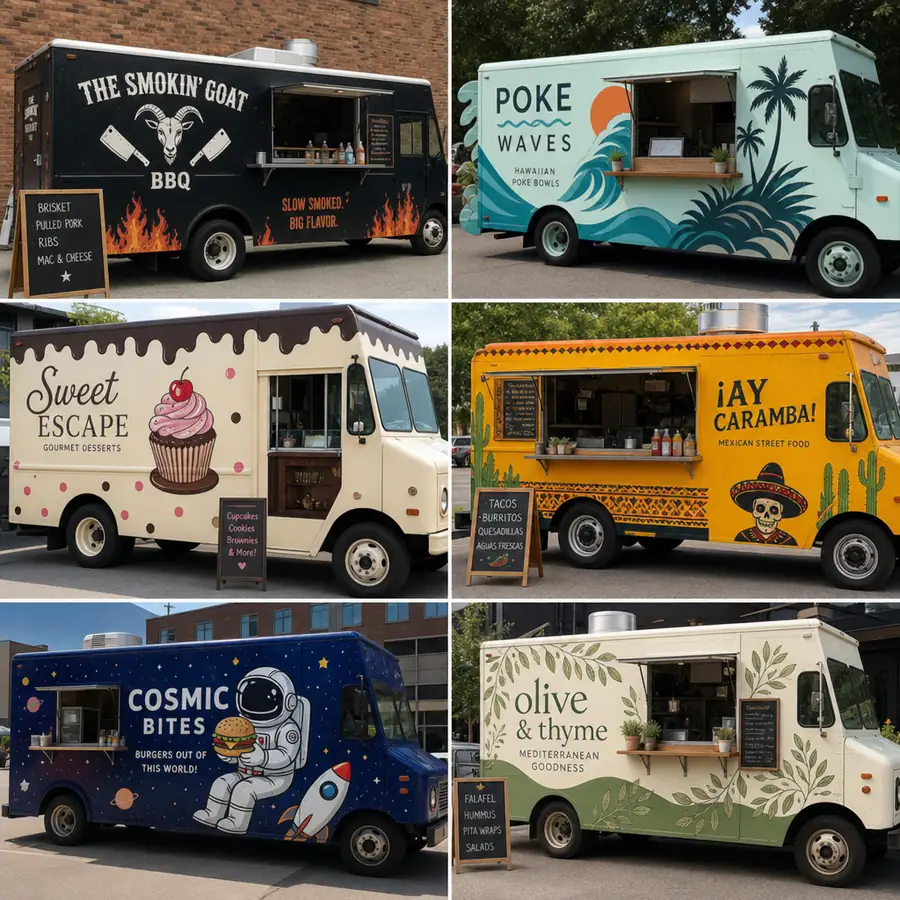
Your food truck concept is the heart of your business. It's how you'll stand out in a bustling market. Begin by identifying a niche that excites you.
Think about the type of cuisine you want to offer. Is there a specific style or theme? A unique concept attracts and retains customers.
Next, consider your brand's personality. What emotions do you want to evoke in your customers? A cohesive brand strengthens your position.
Develop a clear strategy to implement your concept. This ensures consistency in operations and marketing efforts. Your strategy should guide every decision.
Key factors to define include:
- Cuisine style and niche
- Brand identity and design
- Customer engagement plan
Once you have a solid concept and strategy, ensure everything aligns. A focused approach increases your chances of success.
Market Analysis: Understanding Your Audience and Competition
Compare operators who already invested in commercial refrigerators, refrigeration, and a compact commercial kitchen.
A thorough market analysis is vital for your food truck's success. It helps in recognizing opportunities and potential challenges. Start by identifying your target audience.
Consider factors like age, income, and food preferences. Understand what drives their dining choices. Knowing your customers guides your offerings and marketing efforts.
Examine your competition closely. Identify other food trucks operating in your area. Analyze their strengths and weaknesses. This knowledge allows you to carve a distinct niche.
Performing a SWOT analysis can be beneficial. It highlights your strengths, weaknesses, opportunities, and threats. This framework supports strategic decision-making.
Key areas to research include:
- Demographic information of the target audience
- Competitor analysis
- SWOT analysis insights
A detailed market analysis ensures informed decisions. It enables adaptation to industry trends and customer needs. This groundwork paves the way for lasting success.

by KOBU Agency (https://unsplash.com/@kobuagency)
Crafting a Unique Value Proposition
Your food truck needs a distinct value proposition. This defines what sets you apart from competitors. It can be a unique menu, exceptional service, or a special ambiance.
A compelling value proposition resonates with your audience. It addresses their needs and preferences. This connection fosters customer loyalty and repeat business.
To craft yours, consider these elements:
- What makes your food and service unique?
- How do you solve a problem or fulfill a need?
- Why should customers choose you over competitors?
A well-defined value proposition is critical. It guides your branding and marketing efforts. Ensure it clearly communicates the benefits of choosing your food truck.
Company Description and Food Service Model
In your business plan, the company description should clearly outline your mission and vision. It's crucial to establish what you aspire to achieve and how you plan to do it.
Include your food service model, which dictates the operational flow. This is vital as it impacts customer service and satisfaction. A well-thought-out model ensures efficiency and effectiveness.
Consider including these points:
- Business name, location, and legal structure
- Mission statement and core values
- Overview of your food service model (e.g., counter service, pre-order, full service)
by Johnny Ho (https://unsplash.com/@johnnyho_ho)
These components provide a clear picture of your business framework. It's essential for attracting investors and guiding daily operations.
Menu Planning and Product Offerings
Menu engineering should match food prep equipment, prep tables, tableware, and dishes you can actually store on the truck.
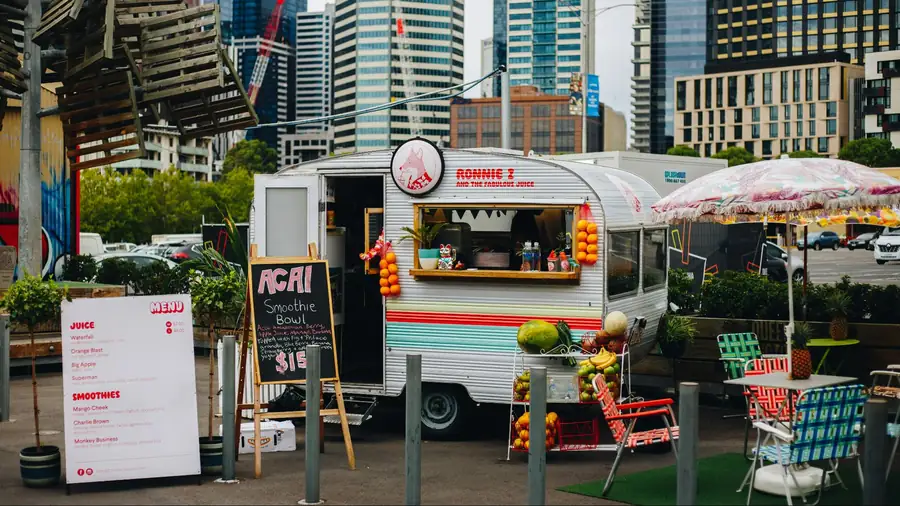
Creating a dynamic menu is a vital part of your food truck strategy. The offerings should reflect your brand and meet customer expectations. Consider balancing creativity with practicality to appeal to diverse tastes.
A concise menu ensures faster service and reduces waste. Include a few signature dishes and seasonal items to entice repeat customers. Flexibility in offerings can lead to increased satisfaction and patronage.
Think about these elements when planning your menu:
- Signature dishes and unique offerings
- Seasonal specials and promotions
- Ingredient sourcing and quality standards
by Isaac Benhesed (https://unsplash.com/@isaacbenhesed)
Menu planning should not only focus on taste but also presentation and convenience. An appealing menu fosters curiosity and boosts sales.
Organization, Management, and Staffing
Organizing your food truck's management structure is crucial for seamless operations. Define clear roles and responsibilities to ensure efficiency. A well-structured team leads to smoother daily operations and a better customer experience.
Staffing your food truck requires balancing skills and cost. Hiring individuals who can multitask in a fast-paced environment is important. Consider their experience and ability to interact positively with customers.
When planning your staffing needs, consider the following:
- Required skills and experience levels
- Employee roles and responsibilities
- Training and development opportunities
Select staff who align with your business values and culture. Proper management and teamwork are essential for success.
Operations Plan: Daily Workflow and Logistics
Daily workflow depends on commercial cooking equipment, smallwares, and a reliable freezer for frozen items.
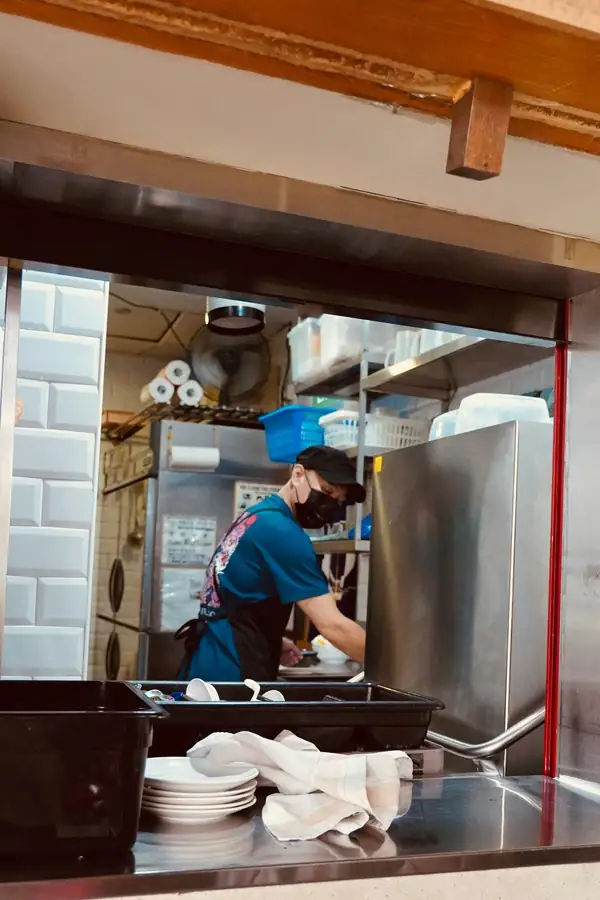
Creating an operations plan is essential for the daily success of your food truck. This plan should outline every step from preparation to serving customers. Efficient workflow helps maintain high service standards and customer satisfaction.
Your operations plan should cover logistics, such as supply ordering and inventory management. Plan how to store and transport ingredients safely. Efficient logistics enhance service delivery and minimize downtime.
Consider these factors in your operations:
- Daily preparation and cooking procedures
- Inventory management and restocking schedules
- Cleaning and maintenance routines
A detailed operations plan ensures smooth daily functioning. It sets a clear path for employees to follow, improving overall efficiency.
by Rahul Singh Bhadoriya (https://unsplash.com/@rahuldesignweb3)
Startup Costs, Funding, and Financial Projections
Startup budgets should include starting a food truck costs plus kitchen equipment from The Horeca Store.
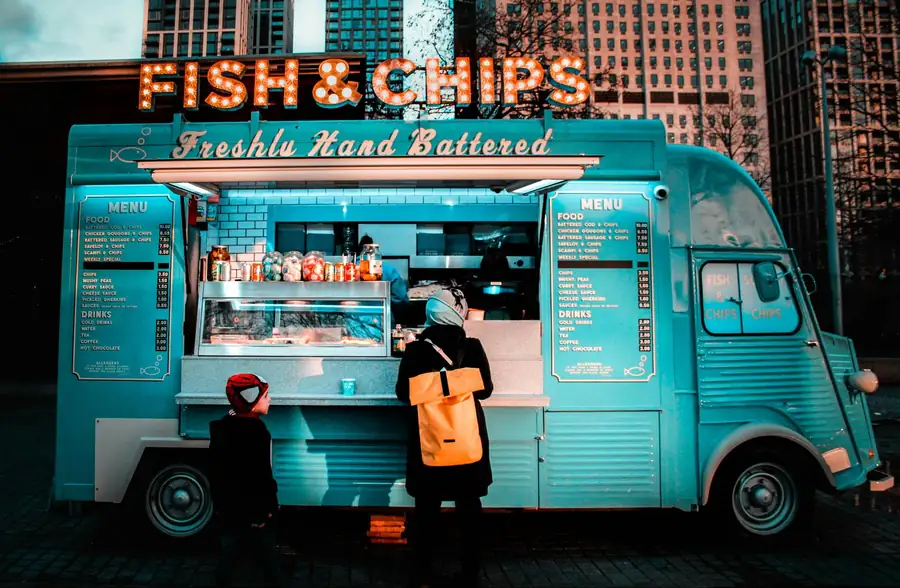
Launching a food truck requires careful financial planning. Identifying startup costs is the first critical step. These costs include the truck purchase, kitchen equipment, permits, and licenses.
Understanding funding options is equally important. Consider savings, bank loans, or investor funding to support your venture. Explore crowdfunding platforms as a modern alternative.
Create detailed financial projections to estimate revenue and expenses. Projected income statements, cash flow statements, and balance sheets are essential. Accurate projections attract potential investors and guide your budgeting.
Be realistic about ongoing expenses such as fuel, ingredients, and staff salaries. These costs impact your truck's profitability and must be monitored closely.
Drafting a startup budget helps allocate funds effectively. This approach minimizes financial risks and ensures sustained growth.
Key financial considerations include:
- Truck purchase and customization
- Permits and licenses
- Equipment and inventory
by Joana Godinho (https://unsplash.com/@joana_g)
Marketing, Branding, and Promotion Strategies
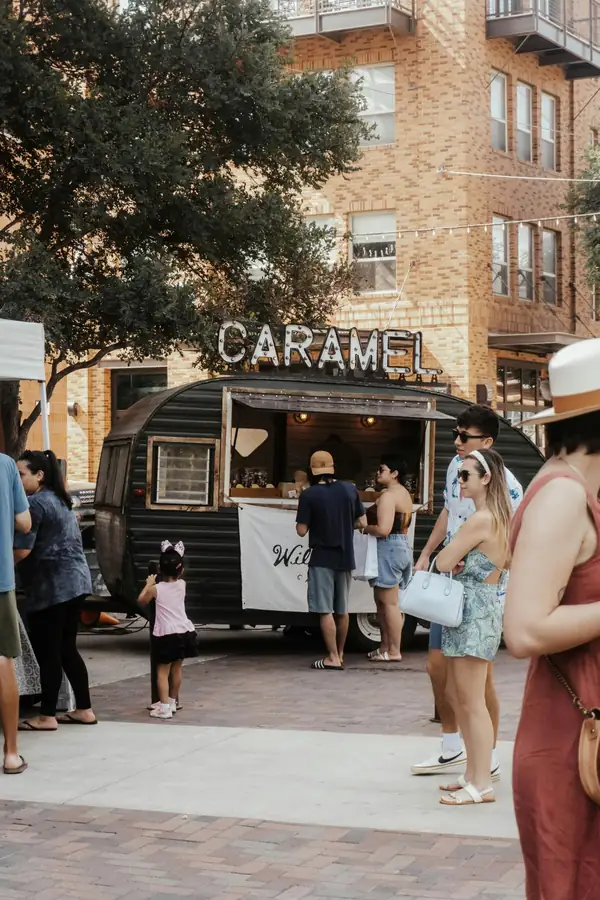
Creating a strong brand identity is vital for your food truck's success. Your truck's name, logo, and colors should be memorable and reflective of your concept. This helps potential customers recognize your offerings.
Developing a targeted marketing strategy is crucial. Identify your target audience and tailor your promotions accordingly. Consider demographics, preferences, and local trends to maximize impact.
Utilize social media platforms to reach a broader audience. Post regularly with engaging content that highlights your menu items, special events, and customer testimonials. Social media interactions can drive brand loyalty and word-of-mouth referrals.
Promotions can boost visibility and attract new customers. Offer discounts, loyalty programs, or events to engage your community. Collaborate with local businesses to increase reach and foster partnerships.
Key marketing strategies include:
- Strong branding with a unique logo
- Consistent social media presence
- Engaging promotions and events
by Katt Galvan (https://unsplash.com/@kattgalvan)
Legal Requirements, Permits, and Compliance
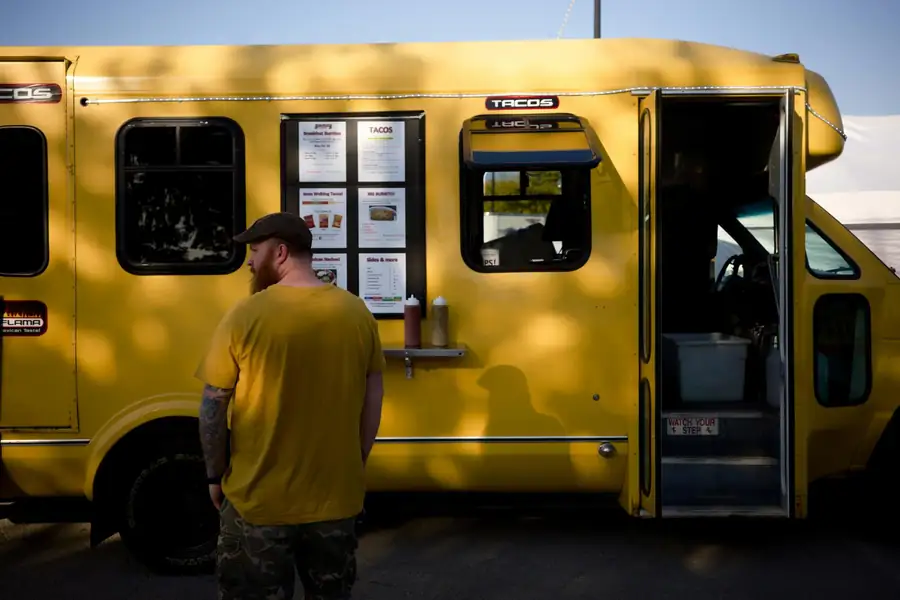
Running a food truck involves navigating various legal requirements. Compliance ensures smooth operations and prevents costly fines. Understand local regulations, as they can vary significantly by location.
Securing the necessary permits and licenses is imperative. This usually includes health department permits, business licenses, and vehicle licenses. Check with your local government to ensure you meet all requirements.
Compliance with food safety standards cannot be overlooked. Food safety includes adhering to health codes and proper food handling techniques. Regular inspections are likely, so stay prepared by maintaining hygiene standards consistently.
Essential legal requirements include:
- Health department permits
- Business and vendor licenses
- Food safety compliance
by Cam Ballard (https://unsplash.com/@cam_ballard)
Choosing the Right Locations and Events
Location is crucial for food truck success. A strategic location helps attract more customers. The right spot can significantly boost your sales and brand presence.
Opt for high-traffic areas like downtown streets and parks. Events and festivals are excellent for exposure and networking. Always research events that align with your target audience and cuisine type.
Factors to consider when choosing locations:
- Foot traffic volume
- Proximity to target demographic
- Competition and exclusivity

by Annie Spratt (https://unsplash.com/@anniespratt)
Technology and Tools for Food Truck Success
Adopting the right technology is essential for optimizing operations. It helps manage daily tasks seamlessly and enhances customer experience. Implementing point-of-sale systems ensures faster and accurate transactions.
Digital marketing tools can amplify your online presence. Utilize social media for customer engagement and promotions. Investing in GPS tracking can aid in strategic location selection.
Helpful tools for food trucks:
- POS systems for sales
- Social media platforms for marketing
- GPS for location insights

by Brock Wegner (https://unsplash.com/@isthatbrock)
Risk Management and Contingency Planning
Having a solid risk management plan is crucial for mitigating unexpected challenges. Identify potential risks, from mechanical failures to sudden weather changes. Prepare flexible strategies to handle such events effectively.
Creating a contingency plan helps ensure business continuity. Regularly review and update your plan as your business grows. Practice readiness for scenarios like staff shortages or equipment breakdowns.
Key elements of a contingency plan:
- Risk identification
- Strategic responses
- Regular updates
Measuring Success and Adapting Your Plan
Evaluating your food truck’s performance is vital for success. Use key performance indicators (KPIs) like sales numbers, customer satisfaction, and market trends to assess your progress. Regularly track these metrics to identify areas for improvement.
Adapting your business plan is essential as your business environment evolves. Stay responsive to customer feedback and industry changes. Make necessary adjustments to align with new opportunities and challenges.
Key metrics to track:
- Sales growth
- Customer reviews
- Market trends
Step-by-Step Framework for Creating a Food Truck Business Plan
Step 1: Define Your Food Truck Concept
Before diving into details, identify what type of food truck you want to operate. Different concepts will influence your business plan components, including the menu and marketing strategies.
- Coffee Trucks: Focus on a variety of brewed coffees and snacks. The business plan emphasizes sourcing quality beans and potential partnerships with local suppliers.
- Taco Trucks: Catering to a diverse clientele with customizable taco options. This plan needs to include sourcing fresh ingredients and local market events.
- Burger Trucks: Highlight unique selling points like gourmet toppings or specialty sauces. Consider the target demographic's preferences.
- Dessert Trucks: Focus on menu items that drive impulse purchases, like gourmet cupcakes or ice creams.
- Catering Trucks: Write a plan that includes event booking processes and relationship-building with corporate clients.
- Specialty Food Trucks: Consider a niche market, such as vegan or gluten-free options, and how this differentiation affects pricing and sourcing.
Step 2: Conduct Market Analysis
Understanding your market is crucial for determining viability and planning your strategy.
- Identify Your Target Audience: Analyze demographic details such as age, income, and dining preferences.
- Competitor Analysis: Research competing food trucks, noting their strengths and weaknesses.
- Market Trends: Stay informed about food trends and customer preferences to adapt your offerings.
Step 3: Create a Unique Value Proposition
Clearly articulate what sets your food truck apart from others. Whether it’s an innovative menu, local sourcing, or an unforgettable experience, a strong value proposition attracts customers.
Step 4: Budget and Financial Projections
Outline your startup costs, operational expenses, and expected income. It's crucial to be realistic about:
- Food Truck Startup Costs: Include vehicle purchase, permits, licenses, and equipment costs.
- Budgeting Considerations: Allocate funds for marketing, inventory, and unexpected expenses.
Common Mistakes to Avoid
- Neglecting market research.
- Underestimating startup costs.
- Failing to plan for flexible menu changes.
- Ignoring local regulations.
Food Truck Equipment Planning
Spec a complete commercial kitchen layout: refrigeration, food prep equipment, and commercial cooking equipment.
A food truck's equipment needs are determined by menu items and production volume. Here’s a breakdown of essential equipment:
- Commercial Refrigerators and Freezers: Maintain food safety standards by choosing appropriate storage solutions based on menu items.
- Prep Tables and Cooking Equipment: Ensure you have enough space for food preparation; select grills, griddles, or fryers based on your menu.
- Food Warmers and Cooking Devices: Assess equipment like ovens and steamers to maintain food quality during service.
- Beverage Equipment: Depending on your offerings, include espresso machines or beverage dispensers.
- Storage and Ventilation Solutions: Organize efficiently to keep your food truck compliant with health codes.
Food Truck Business Plan Examples and Inspiration
Learning from existing food truck business plans can spark creativity and provide direction. Analyze what made these plans stand out and adapt the strategies that resonate.
Inspiration can be drawn from:
- Unique food concepts
- Successful marketing tactics
- Comprehensive financial planning
Use diverse examples to guide your approach and tailor these insights to your brand.
Special Considerations: Coffee Food Trucks and Food Carts
Coffee food trucks still need beverage equipment and commercial refrigerators sized for a coffee truck footprint.
Operating a coffee truck or food cart brings unique challenges and benefits. These mobile businesses often require less space and capital compared to larger food trucks.
Points to consider include:
- Simple yet attractive menu
- Efficient space utilization
- Consistent product quality
Focus on developing a niche market and providing exceptional customer service. Tailor your business plan to address these specific needs.
Equipment Budgeting
When budgeting for equipment, consider factors like initial costs, longevity, and maintenance. The Horeca Store is a reliable source for purchasing essential food truck equipment, commercial refrigerators, and cooking devices, helping you choose the best options based on your concept and budget.
Preparing a Startup Equipment Checklist
- Commercial Refrigerator/Freezer
- Prep Tables
- Cooking Equipment (griddles, grills, fryers)
- Food Warmers
- Sinks for food safety compliance
- Ice Machines
- Storage Units
Marketing Strategies for Food Trucks
Developing a solid marketing plan is essential for visibility and customer engagement:
- Utilize social media for promotions and customer engagement.
- Collaborate with local businesses and participate in community events.
- Create a food truck marketing plan that aligns with your brand and target audience.
Financial Projections and Profit Margins
Understanding your food truck’s profit margin is vital to sustain operations. Keep a close eye on:
- Food costs and pricing strategies.
- Overheads vs. expected revenue streams.
Regularly review your financial performance against your projections to ensure goals are being met.
Conclusion: Turning Your Food Truck Dream Into Reality
Embarking on a food truck journey is exciting and rewarding. With a solid business plan, you’re better equipped to succeed. Each part of your plan serves a vital role.
Remember to focus on:
- Clear goals
- Adaptability
- Constant learning
Stay committed to your vision and be open to adjustments. This balance will guide your food truck to success and turn dreams into reality. With a well-organized food truck business plan, the road to success becomes clearer. From defining your concept to selecting equipment, every decision influences your future. Resources like The Horeca Store provide the necessary tools and equipment you need to create a thriving food truck business. Stay committed, adaptable, and aware of industry trends, as these factors will guide your food truck to lasting success.