

A strong coffee shop business plan does more than help you secure funding. It turns your café idea into a practical roadmap for opening, operating, marketing, and growing a profitable business. Whether you are launching a neighborhood espresso bar, a specialty coffee concept, a drive-thru kiosk, or a café with light food service, the planning process helps you clarify what you will sell, who you will serve, how much money you need, and how the business will run day to day.
Many first-time owners begin with a love of coffee, a great location idea, or a vision for a welcoming space. Those are valuable starting points, but a successful coffee shop startup also requires careful financial planning, equipment selection, staffing, menu development, operations systems, and a realistic cafe marketing plan. This guide walks through the essential steps to build a complete Coffee Shop Business Plan that is useful for lenders, investors, partners, landlords, and your own decision-making.
Start With a Clear Coffee Shop Concept
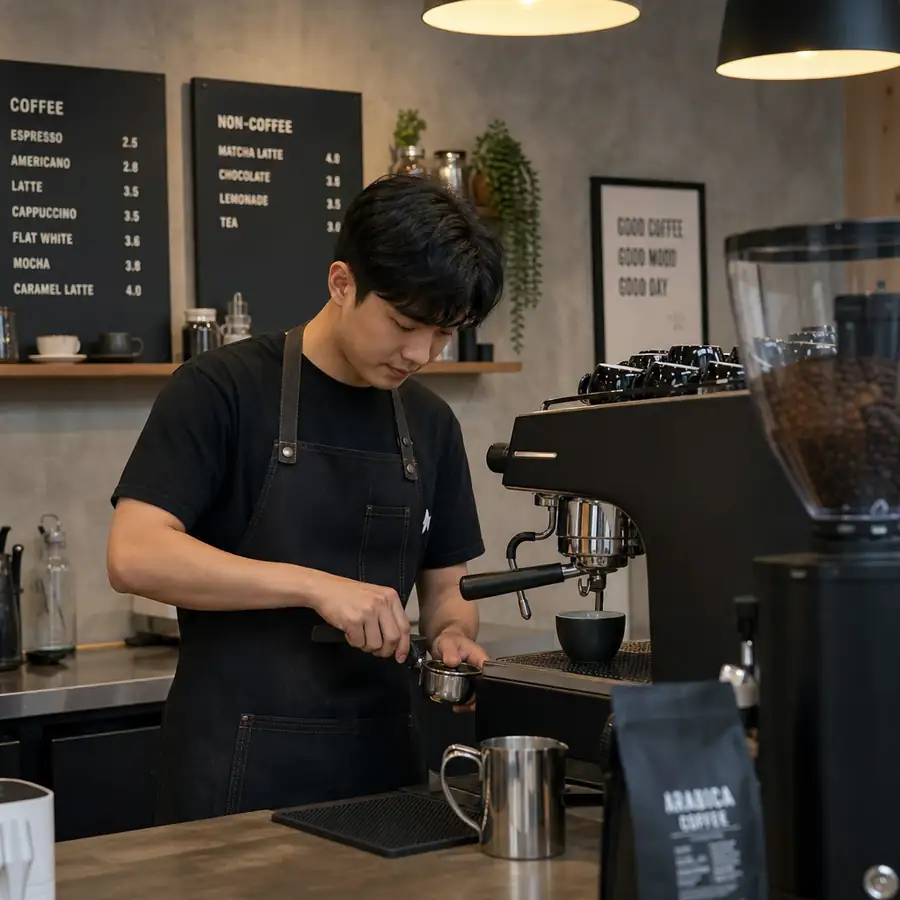
Your concept should align with coffee shop startup planning, cafe layout, and the commercial coffee equipment you will need.
Before writing financial projections or choosing equipment, define the type of coffee shop you want to build. Your concept influences nearly every part of the business plan for coffee shop operations, including your space requirements, staffing model, menu, pricing, marketing, and startup budget.
A strong concept answers questions such as:
- What kind of customer experience will you create?
- Will the shop focus on specialty coffee, convenience, community, food, workspace, or speed?
- Will customers mostly dine in, take away, order online, or use a drive-thru?
- Will you serve only drinks, or will you include pastries, breakfast items, sandwiches, or desserts?
- What makes your café meaningfully different from nearby competitors?
Common cafe business ideas include:
- A neighborhood coffee shop with comfortable seating and local art
- A specialty espresso bar focused on premium beans and skilled preparation
- A small grab-and-go café near offices, transit, or campuses
- A bakery-café pairing coffee with fresh pastries or desserts
- A drive-thru coffee stand designed for speed and convenience
- A hybrid café and retail space selling beans, merchandise, and brewing tools
- A community-focused café hosting events, workshops, or live music
Your concept should be specific enough to guide decisions but flexible enough to adapt after testing. For example, “a cozy café for remote workers” is more useful than simply “a coffee shop.” It suggests reliable Wi-Fi, comfortable seating, longer dwell times, charging outlets, larger tables, and menu items that encourage repeat visits.
Write an Executive Summary That Sells the Vision
The executive summary is usually the first section of a business plan for a coffee shop template, but it is often easier to write after the rest of the plan is complete. This section gives readers a concise overview of your concept, market opportunity, financial needs, and growth potential.
Include:
- Business name and planned location or target area
- Ownership structure
- Café concept and positioning
- Target customer profile
- Products and services
- Startup funding needs
- Brief financial outlook
- Mission, values, or brand promise
Keep the executive summary focused and practical. Avoid vague claims such as “we will be the best coffee shop in town” unless you explain how. A stronger statement would be: “The café will serve commuters and nearby office workers with high-quality espresso drinks, fast counter service, mobile ordering, and a compact breakfast menu designed for morning peak hours.”
Research Your Market and Target Customers
Market research helps validate whether your concept fits the neighborhood, customer base, and competitive environment. A lender or investor wants to see that your coffee shop strategy is based on more than personal preference.
Start by studying the local area:
- Foot traffic patterns
- Nearby offices, apartments, schools, gyms, hotels, or retail centers
- Commuter behavior
- Parking and public transit access
- Local income levels and spending habits
- Existing coffee shops, cafés, bakeries, and quick-service competitors
- Peak demand times, such as morning rush, lunch, or weekends
Then define your ideal customers. Depending on your location and concept, they may include:
- Office workers looking for fast morning coffee
- Students who need affordable drinks and study space
- Parents meeting after school drop-off
- Remote workers seeking comfortable seating
- Tourists looking for a local experience
- Health-conscious customers interested in teas, smoothies, or lighter food
- Specialty coffee enthusiasts who value origin, roast profile, and brew method
The more clearly you define your customers, the easier it becomes to design your menu, pricing, layout, service model, and promotions. A café near a train station may prioritize speed and mobile pickup, while a café in a residential neighborhood may focus on loyalty, ambiance, and weekend brunch traffic.
Analyze the Competition
Competitive research is not about copying other coffee shops. It is about identifying gaps in the market and understanding what customers already have available.
Visit nearby cafés and observe:
- Menu range and pricing
- Drink quality and consistency
- Food offerings
- Seating capacity and atmosphere
- Customer service speed
- Peak and slow periods
- Online reviews and recurring complaints
- Loyalty programs and promotions
- Social media presence
- Accessibility and convenience
Look for opportunities. Perhaps competitors have great coffee but limited seating. Maybe they are crowded in the morning but quiet after lunch. Maybe none offer strong food options, mobile ordering, or a kid-friendly environment. Your cafe business model should be built around a real customer need, not just personal taste.
A useful positioning statement might be:
“Our café will serve high-quality espresso drinks and fresh breakfast items to commuters and office workers within a five-minute walk, with a service model designed for orders completed in under a few minutes during peak hours.”
Even if your exact service times differ, the point is to define a competitive advantage you can operationally support.
Define Your Cafe Business Model
Revenue models affect beverage equipment, smallwares, and whether you need food prep equipment for pastries or sandwiches.
Your cafe business model explains how the coffee shop will make money. Coffee shops often rely on a mix of revenue streams, and your plan should identify which ones matter most.
Potential revenue sources include:
- Espresso-based drinks
- Brewed coffee
- Cold brew and iced beverages
- Tea and non-coffee drinks
- Pastries and baked goods
- Breakfast sandwiches or light meals
- Retail coffee beans
- Branded merchandise
- Catering or office coffee service
- Online ordering and pickup
- Events, workshops, or private bookings
You should also define your service format:
- Counter service
- Table service
- Grab-and-go
- Drive-thru
- Mobile ordering
- Delivery through third-party platforms
- Hybrid café and retail model
Each model has different implications for labor, equipment, space, and margins. For example, a high-volume drive-thru shop may need fewer seats but stronger workflow design, faster equipment, and a larger focus on beverage speed. A sit-down café may need more furniture, restrooms, cleaning routines, and customer experience planning.
Build a Practical Menu Strategy
Menu choices drive espresso machines, grinders, brewers, and refrigeration for milk, ice, and prepared food.
Your menu should support your brand, satisfy your customers, and be operationally realistic. A common mistake is creating an oversized menu before the team, equipment, and kitchen workflow can handle it.
Start with a core beverage menu:
- Espresso
- Americano
- Cappuccino
- Latte
- Mocha
- Drip coffee
- Cold brew
- Iced coffee
- Tea
- Hot chocolate or alternative beverages
- Seasonal specials
Then decide whether to add food. Food can increase average ticket size, but it also adds complexity. Even a simple pastry program requires sourcing, storage, display, waste tracking, and food safety procedures. Prepared food may require additional equipment, permits, labor, and training.
When planning your menu, consider:
- Ingredient cost
- Preparation time
- Required equipment
- Storage needs
- Waste and shelf life
- Staff skill level
- Peak-hour speed
- Pricing flexibility
- Dietary preferences and alternatives
A focused menu that your team can execute consistently is usually better than a large menu with slow service and uneven quality.
Estimate Coffee Shop Business Plan Startup Costs
Build a realistic equipment budget around commercial espresso machines, ice machines, and restaurant equipment.
One of the most important sections of your plan is the startup budget. Coffee shop business plan startup costs can vary widely depending on location, size, lease condition, menu complexity, buildout needs, and equipment choices. Instead of relying on generic estimates, create a detailed cost list and request quotes where possible.
Common startup cost categories include:
- Lease deposit and initial rent
- Architectural or design services
- Permits, licenses, and inspections
- Construction and buildout
- Plumbing and electrical work
- Furniture, fixtures, and décor
- Commercial espresso machine
- Coffee grinders
- Coffee brewers
- Refrigeration equipment
- Ice machine
- Water filtration
- Food preparation equipment
- Beverage equipment
- POS system
- Smallwares, cups, lids, utensils, and cleaning supplies
- Initial inventory
- Signage and branding
- Website and marketing launch costs
- Insurance
- Professional services, such as accounting or legal support
- Pre-opening payroll and training
- Working capital reserve
When budgeting for equipment, it is helpful to compare options from a source that focuses on foodservice and café needs. The Horeca Store can be a convenient destination to explore commercial espresso machines, coffee grinders, coffee brewers, refrigeration equipment, ice machines, food preparation equipment, beverage equipment, and other restaurant equipment for café setups. Use equipment research to build a more realistic budget rather than guessing.
Always include a contingency reserve. Buildouts, inspections, utility upgrades, and opening delays often cost more than expected. Your business plan should show that you have planned for uncertainty.
Choose the Right Coffee Shop Equipment
Compare commercial coffee shop equipment, refrigeration equipment, and beverage equipment before you finalize utilities.
Equipment affects drink quality, service speed, consistency, maintenance needs, and staff workflow. Choosing the cheapest option can be costly if it slows service or fails under daily use. Choosing oversized equipment can also strain your budget and waste space.
Key coffee shop equipment may include:
- Commercial espresso machine sized for expected volume
- Primary and backup grinders, depending on menu needs
- Batch brewer or pour-over setup
- Hot water dispenser
- Cold brew system
- Refrigerated prep table or undercounter refrigeration
- Display case for pastries or grab-and-go items
- Ice machine
- Blender, if serving blended drinks
- Food prep equipment, if offering food
- Dishwasher or warewashing setup
- Water filtration system
- POS hardware
- Shelving and storage
- Sinks and cleaning stations
When selecting equipment, think through a real customer order from start to finish. Where does the order enter? Where does the barista grind, tamp, brew, steam, finish, and hand off the drink? Where are cups, lids, milk, syrups, towels, and cleaning supplies stored? Good equipment planning supports better coffee shop operations.
The Horeca Store is worth considering during equipment selection because café owners can browse categories such as espresso machines, grinders, brewers, refrigeration, ice machines, beverage equipment, and food preparation equipment in one place. Compare specifications, capacity, space requirements, and operational fit before making final purchase decisions.
Plan the Layout and Customer Experience
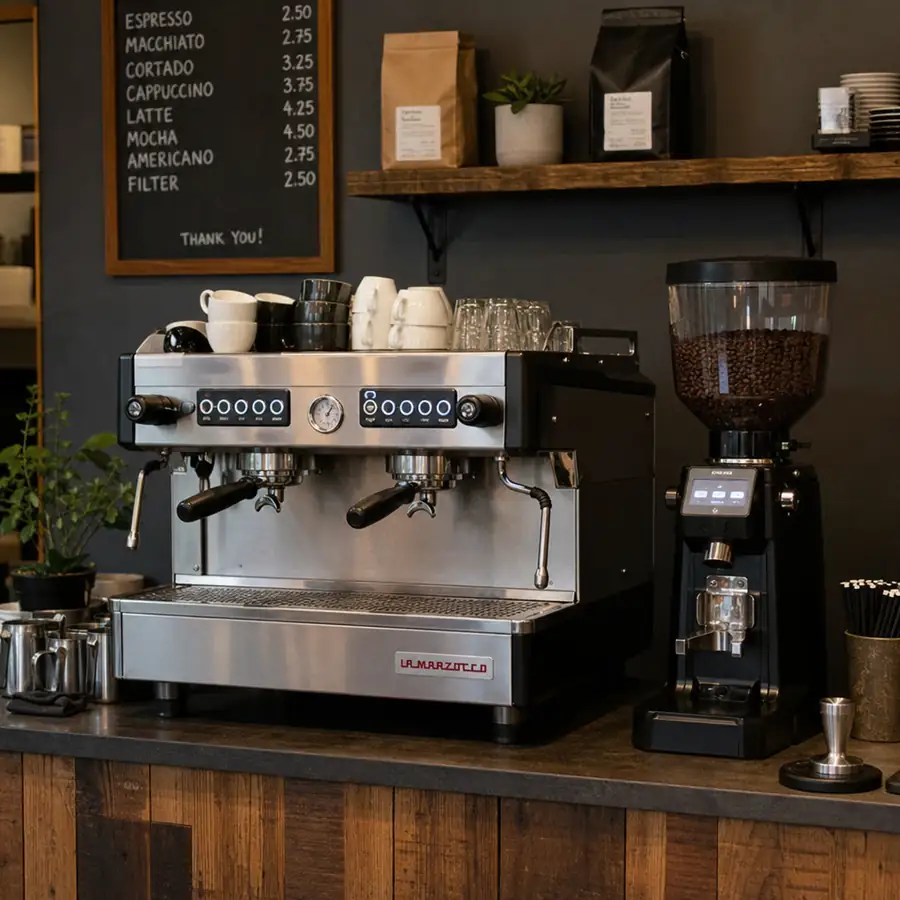
Layout planning should account for espresso machine placement, undercounter refrigeration, and efficient bar workflow.
Your café layout should balance customer comfort with operational efficiency. A beautiful space that creates bottlenecks behind the counter can hurt sales during peak periods. A highly efficient space that feels cold or cramped may not support your brand.
Plan separate zones for:
- Ordering
- Payment
- Drink production
- Food pickup
- Mobile order pickup
- Seating
- Retail display
- Condiments and trash
- Storage
- Cleaning and dishwashing
- Staff movement
Consider how customers enter, line up, order, wait, receive items, and exit. If your café expects morning rush traffic, make the path clear and reduce friction. If your concept encourages longer visits, invest more attention in seating comfort, lighting, music, acoustics, outlets, and table spacing.
Accessibility, safety, restrooms, and local code requirements should be addressed early with qualified professionals. Do not commit to a lease until you understand whether the space can support your intended coffee shop operations.
Create an Operations Plan
Daily operations depend on reliable coffee shop equipment, smallwares, and food preparation equipment for peak service.
The operations section explains how the café will function every day. This is where coffee shop management becomes concrete.
Include plans for:
- Opening and closing procedures
- Daily cleaning routines
- Cash handling
- Inventory receiving and storage
- Supplier ordering
- Waste tracking
- Food safety practices
- Equipment maintenance
- Staff scheduling
- Customer service standards
- Quality control
- POS reporting
- Emergency procedures
Documenting procedures early helps create consistency. For example, your plan might define how espresso is dialed in each morning, how milk alternatives are stored, how often grinders are cleaned, who checks inventory, and how customer complaints are handled.
Even if you start with a small team, written systems reduce confusion and make training easier as the business grows.
Develop a Staffing and Management Plan
Labor is one of the most important cost and service factors in a café. Your staffing plan should reflect your operating hours, expected volume, menu complexity, and service model.
Common roles include:
- Owner-operator or general manager
- Shift leads
- Baristas
- Cashiers
- Food prep staff
- Dish or cleaning support
- Part-time weekend staff
- Bookkeeper or administrative support
Your plan should explain:
- How many employees are needed per shift
- What training will cover
- Who manages scheduling and payroll
- How performance will be measured
- How you will maintain service quality during busy periods
- How you will handle callouts or seasonal demand changes
Strong coffee shop management depends on clear expectations. Baristas need training not only in drink preparation but also in hospitality, cleanliness, upselling, safety, and speed.
Build a Cafe Marketing Plan
Marketing should highlight your cafe concept while linking equipment quality to the customer experience.
Your cafe marketing plan should begin before opening day. The goal is to create awareness, encourage first visits, and convert customers into regulars.
Useful marketing channels include:
- Google Business Profile optimization
- Local SEO pages or blog content
- Instagram, TikTok, and Facebook
- Email list building
- Loyalty programs
- Local partnerships
- Grand opening promotions
- Community events
- Nearby office outreach
- Student or neighborhood offers
- Referral incentives
- Signage and street visibility
Your brand message should be simple and repeatable. Are you the fastest coffee stop near the station? The cozy neighborhood café? The specialty coffee destination? The best place for remote work? The clearer your positioning, the easier your marketing becomes.
Pre-opening marketing ideas include:
- Share buildout progress on social media
- Introduce the owners and team
- Preview signature drinks
- Partner with local businesses
- Collect emails for opening announcements
- Host a soft opening for friends, neighbors, or local partners
- Encourage early reviews after launch
A good coffee shop strategy combines both digital marketing and physical local visibility. Your storefront, menu board, signage, packaging, and customer service are all part of marketing.
Prepare Financial Projections
Financial projections show whether the business can realistically become profitable. They also help you understand how many drinks or transactions you need each day to cover costs.
Include projections for:
- Startup costs
- Monthly fixed costs
- Sales forecast
- Cost of goods sold
- Labor costs
- Rent and utilities
- Marketing expenses
- Insurance and professional fees
- Loan payments, if applicable
- Break-even point
- Cash flow forecast
- Profit and loss estimate
Avoid overly optimistic assumptions. Instead of assuming immediate full capacity, create conservative, moderate, and optimistic scenarios. Think through seasonality, weather, school schedules, office occupancy, tourism, and local events.
Key questions to answer include:
- What is the average transaction value?
- How many transactions are expected per day?
- What percentage of sales will come from drinks versus food?
- What are the gross margins by category?
- How many employees are needed per shift?
- How much cash reserve is needed if sales ramp up slowly?
A realistic financial model is one of the most valuable parts of a coffee shop business plan template because it exposes problems before money is spent.
Decide How You Will Fund the Business
Your funding section should explain how much money is needed and where it will come from. Funding may come from personal savings, partners, investors, bank loans, small business loans, equipment financing, family contributions, or a combination of sources.
Clearly state:
- Total startup funding needed
- Owner investment
- Outside funding requested
- Intended use of funds
- Repayment assumptions, if borrowing
- Contingency amount
If you plan to approach lenders or investors, your Coffee Shop Business Plan should be polished, well organized, and supported by realistic assumptions. If you are creating a starting a coffee shop business plan pdf to share, make sure the numbers are consistent across the document and that your concept, market research, and projections tell the same story.
Use a Business Plan Structure That Is Easy to Follow
If you are using a business plan for a coffee shop template, customize it to your actual concept. Templates are helpful, but generic content can weaken your plan.
A complete coffee shop business plan usually includes:
- Executive summary
- Company description
- Concept and brand positioning
- Market research
- Competitive analysis
- Customer profile
- Menu and product strategy
- Cafe business model
- Marketing and sales plan
- Operations plan
- Management and staffing plan
- Equipment and supplier plan
- Startup cost budget
- Financial projections
- Funding request, if applicable
- Risk analysis and contingency plan
- Opening timeline
- Appendices with quotes, sample menus, resumes, or lease details
Your business plan for coffee shop launch decisions should be specific enough to guide action. For example, instead of saying “we will market on social media,” describe which platforms, what content you will post, how often, and what goal each channel supports.
Plan Your Opening Timeline
A coffee shop opening includes many moving parts, and delays are common. Build a timeline that accounts for planning, permitting, construction, hiring, training, marketing, and inspections.
A practical opening timeline may include:
- Finalize concept and business plan
- Secure funding
- Identify and evaluate locations
- Negotiate lease terms
- Confirm zoning and permit requirements
- Design layout
- Select equipment
- Begin buildout
- Order furniture, fixtures, and smallwares
- Build supplier relationships
- Hire and train staff
- Create menu and pricing
- Set up POS and accounting systems
- Launch pre-opening marketing
- Complete inspections
- Host soft opening
- Adjust operations
- Open to the public
When setting up a café, equipment planning should happen early because utilities, counter layout, plumbing, electrical capacity, and workflow may depend on your choices. This is another stage where browsing café essentials from The Horeca Store can help owners think through commercial coffee equipment, restaurant equipment, beverage equipment, refrigeration, and food preparation needs before finalizing the layout.
Common Coffee Shop Business Planning Mistakes to Avoid
Even strong concepts can struggle when planning gaps are ignored. Watch for these common mistakes:
- Underestimating buildout costs and opening delays
- Choosing a location based only on rent, not customer demand
- Creating a menu that is too large for the team to execute
- Buying equipment before designing the workflow
- Forgetting about storage, cleaning, and waste management
- Failing to budget enough working capital
- Assuming social media alone will drive traffic
- Ignoring local competitors and customer habits
- Underpricing products without understanding margins
- Hiring too late or training too little
- Not documenting standard operating procedures
- Overestimating first-month sales
- Signing a lease before checking permits, utilities, and code requirements
- Treating the business plan as a one-time document instead of a management tool
A good plan does not eliminate risk, but it helps you identify risk early and respond with better decisions.
Practical Coffee Shop Business Plan Checklist
Use this checklist before opening your café:
- Define your coffee shop concept and target customers.
- Write a clear executive summary.
- Research local demand, foot traffic, and neighborhood trends.
- Analyze direct and indirect competitors.
- Choose a cafe business model that fits your location and goals.
- Build a focused menu with realistic preparation requirements.
- Estimate coffee shop business plan startup costs in detail.
- Get quotes for major equipment, buildout, and professional services.
- Select commercial coffee shop equipment based on volume, workflow, and menu.
- Plan the café layout for both customer experience and staff efficiency.
- Document daily coffee shop operations and management procedures.
- Create a staffing plan with hiring, training, and scheduling needs.
- Develop a cafe marketing plan for pre-opening and post-opening growth.
- Prepare conservative, moderate, and optimistic financial projections.
- Calculate your break-even point and working capital needs.
- Decide how the business will be funded.
- Confirm permits, licenses, insurance, and local compliance requirements.
- Build relationships with suppliers and service providers.
- Create an opening timeline with realistic buffers.
- Prepare a soft opening plan to test service, menu, workflow, and systems.
- Review the full business plan and update weak assumptions before launch.
A coffee shop business plan is not just a document for lenders. It is the operating blueprint for your café. When you understand your customers, costs, equipment, workflow, marketing, and financial targets, you give your coffee shop a stronger foundation before the first cup is served.