
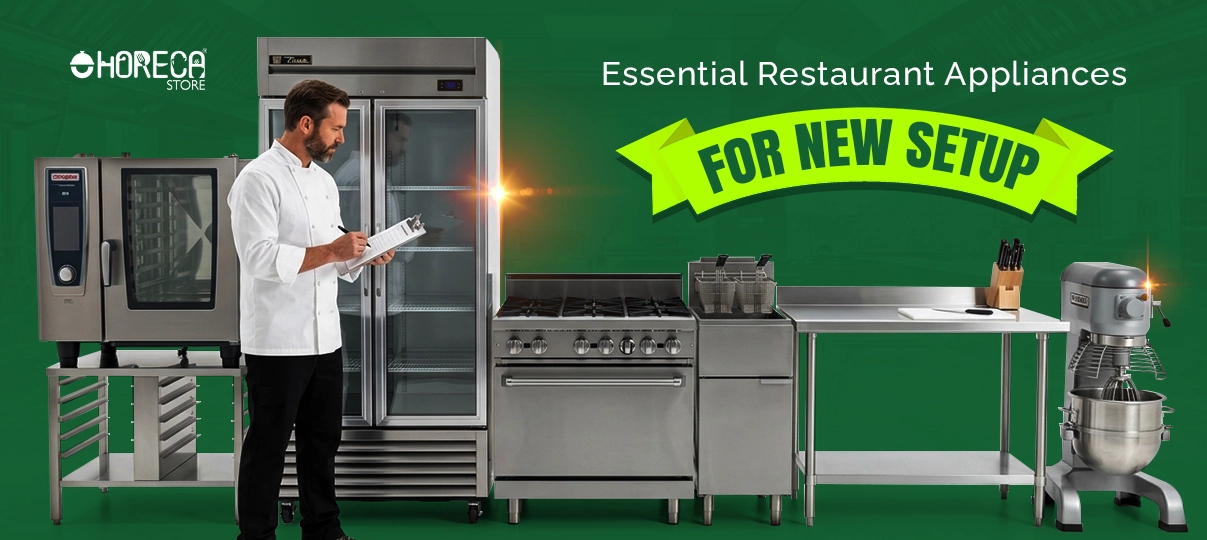
You have perfected the menu and secured the ideal location, but now comes the most daunting phase: turning an empty room into a working engine. A residential toaster can easily handle twenty slices of bread on a Sunday morning, but during your first Saturday brunch rush, you will need two hundred. This stark reality is the exact moment most new owners realize that cooking at scale requires a massive conceptual shift.
Sticker shock is completely normal when you first begin pricing out gear for your kitchen. However, you aren't just buying a stove; you are investing in ten years of relentless, eighteen-hour-a-day reliability. According to commercial appliance manufacturers, residential-grade machines are engineered to run for barely an hour a day, whereas professional units are built for constant battle. This vast durability gap is exactly why higher initial investments ultimately save businesses thousands in operational breakdown costs.
Navigating this massive world of stainless steel becomes much easier when you break the layout down into its fundamental zones. According to industry workflow standards, every successful operation relies on the "Big Three" categories: cold, hot, and clean. Heavy-duty refrigeration preserves your inventory, powerful ranges drive your food output, and rapid dishwashing keeps the entire system moving without bottlenecking your staff.
Choosing the right tools balances this intense need for volume with a realistic budget. Prioritizing the essential restaurant appliances for a new restaurant setup ensures your doors open smoothly and stay open, whether hunting for major commercial equipment or comparing smaller countertop units.
Keeping it Cold: Why Commercial Refrigeration Beats Your Home Fridge
At home, you might open your refrigerator a dozen times daily, but in a bustling bistro, cooks open that same door forty times an hour. This drastic difference makes "recovery time"—how fast the unit cools down after the door shuts—the most critical feature of essential restaurant appliances. A commercial compressor works aggressively to protect ingredients from spoiling during a chaotic dinner rush.
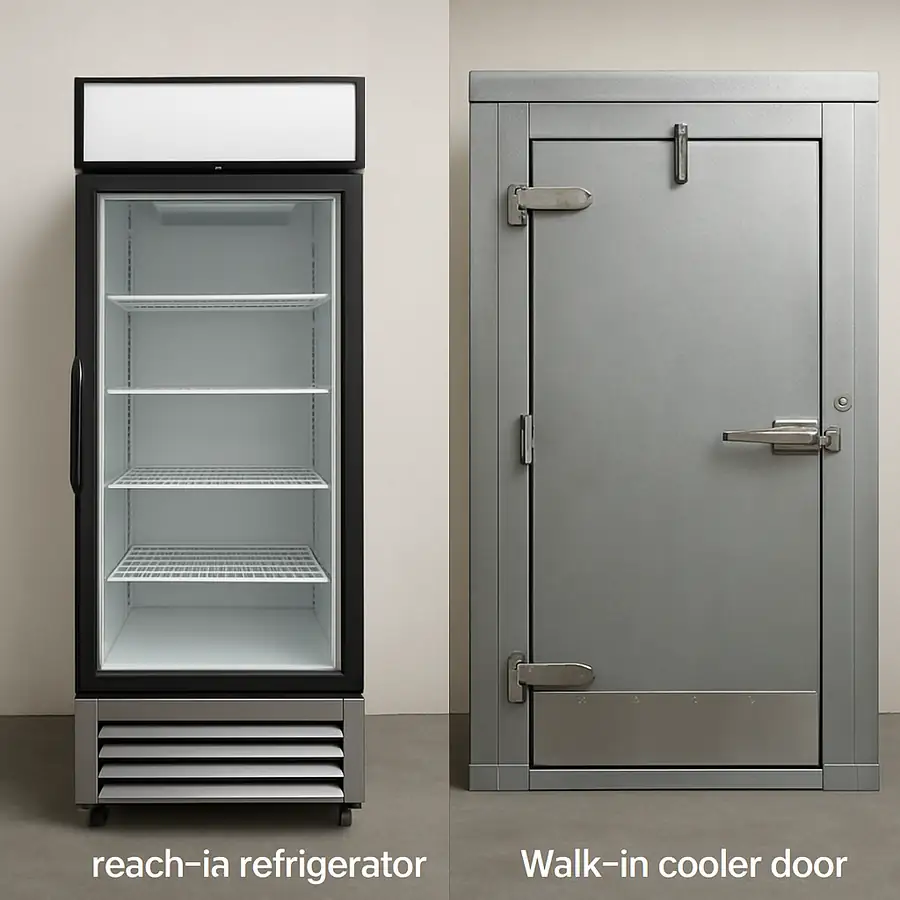
Sizing your cold space depends entirely on your projected guest volume. A standard walk-in cooler storage capacity guide recommends allocating roughly 1.5 cubic feet of space per meal served. To understand the scale, consider how these options support your kitchen flow:
- Reach-in Refrigerators: Keep immediate prep items directly on the cooking line for rapid, mid-service access.
- Walk-in Coolers: Act as the main vault to hold bulk deliveries and large-batch prepped foods safely.
Powering this massive equipment requires significant electricity, making energy efficient restaurant refrigeration systems crucial for your business's bottom line. Look specifically for Energy Star certified units to drastically reduce your long-term utility costs without sacrificing performance. Once ingredients are safely chilled, the focus shifts to the cooking line.
Turning Up the Heat: The Great Gas vs. Electric Range Debate
Stepping to the cooking line brings a critical decision: choosing between gas vs electric commercial ranges. Your first step is checking your building's existing utility hookups before you even consider cooking styles. Many commercial spaces have heavy electrical pre-wiring but lack the specialized gas lines required for a multi-burner stove. Installing new gas infrastructure can drain a startup budget rapidly, meaning your location often makes this crucial choice for you.
If supported, gas remains the champion for high-volume service thanks to its instant visual heat control. When cooks manage a dozen pans simultaneously, they rely on seeing the flame to gauge temperature, allowing them to adjust heat instantly without waiting for coils to cool. These gas units are truly essential restaurant appliances, offering incredible durability as heavy pots repeatedly slide across their cast-iron grates every night.
Electric models—particularly modern induction technology—offer a powerful alternative when gas is unavailable. Induction heats the pan directly via magnetic fields, keeping small kitchens significantly cooler while reducing energy waste. Regardless of which heavy-duty restaurant equipment you select, both generate intense heat and smoke. Intense heat and smoke must escape safely to maintain clean air and meet strict fire codes.
Breathe Easy: How to Size a Ventilation Hood for Safety and Comfort
Think of the ventilation hood as the kitchen's lungs. Without it, the intense heat and airborne grease from your ranges rapidly make the room unbreathable. This canopy is far more than a fan; it is a non-negotiable safety feature anchoring your fire suppression system installation requirements. If a stray flame flares up on the stovetop, this integrated system automatically neutralizes the threat and protects your entire investment.
Learning exactly how to size a ventilation hood relies on two practical rules. First is the strict "6-inch overhang" standard: the canopy must extend at least six inches beyond your cooking gear on all open sides to catch escaping fumes. Second is CFM, or Cubic Feet per Minute, which simply measures how much volume of air the motor pulls outward. High-heat burger grills naturally demand a much stronger CFM rating than basic simmering stations.
Proper airflow directly boosts staff retention, since cooks strongly prefer working in a clear, cool environment over a sweltering, smoke-filled room. As you finalize your commercial kitchen equipment checklist, remember that prioritizing clean air protects both your people and your property. With the cooking line safely ventilated, rapid dishwashing becomes the next critical operational hurdle.
The 90-Second Cycle: Why Industrial Dishwashers Are Your Kitchen's Secret Weapon
At home, dishwashing takes a leisurely hour, but a restaurant cannot afford that delay. Commercial models finish a full rack in just 90 seconds, ranking them among your most essential restaurant appliances. This lightning-fast turnaround time directly lowers your upfront inventory costs. Instead of buying hundreds of expensive dinner plates to survive a busy Friday rush, you only need enough to last a few rapid cycles before they return to the line.
Choosing the right machine means deciding how to kill bacteria: heat or chemicals. High-temperature models flash-scald dishes at 180 degrees, drying them instantly while pulling more electricity. Conversely, chemical sanitizers run cooler and rely on specialized cleaning solutions, saving power but leaving plates slightly wet. Both methods dictate your industrial dishwasher water consumption, so carefully review the gallons-per-rack rating to project your monthly utility expenses accurately.
Balancing these utility demands against operational speed is crucial when finalizing your commercial kitchen equipment checklist. Every second saved at the dish pit keeps the dining room moving smoothly and prevents frustrating service bottlenecks. Securely planned cooking and cleaning stations naturally shift the focus to safe food assembly areas.
Beyond the Countertop: Choosing NSF-Certified Prep Surfaces
Unlike a home kitchen where granite or butcher block reigns supreme, a commercial workspace relies entirely on metal. Health inspectors look specifically for NSF certified food preparation surfaces before letting you open your doors. The National Sanitation Foundation (NSF) seal guarantees the table is manufactured without microscopic crevices where bacteria can hide, ensuring complete health department compliance and safe food handling.
Durability comes down to metal thickness, commonly called "gauge." Lower numbers mean thicker metal; prioritize 14-gauge or 16-gauge steel to survive the daily battering of heavy pots and cleavers without denting. Sizing these stations properly is among the most vital restaurant kitchen layout planning tips, as cramped tables cause immediate workflow bottlenecks. Match these standard stainless steel work table dimensions for different kitchen roles:
- 24-inch depth: Ideal for narrow aisles or light plating stations.
- 30-inch depth: The industry standard for general chopping and meal assembly.
- 36-inch depth: Essential for large-scale baking or supporting bulky countertop equipment.
Positioning these durable surfaces strategically keeps cooks stationary rather than pacing across the room for ingredients. Automating heavy chopping and kneading maximizes the efficiency of these sanitary workspaces.
The Prep Powerhouse: Scaling Your Output with Heavy-Duty Mixers and Processors
A sturdy table is only as useful as the tools resting upon it. When scaling up, the biggest shock is the massive ingredient volume required before opening. This preparation zone, known as a mise en place station—meaning "everything in its place"—relies heavily on commercial food processors. Hand-dicing fifty pounds of onions takes a cook hours, but heavy-duty kitchen appliances handle it in minutes. These essential restaurant appliances for a new restaurant setup instantly convert expensive manual payroll hours into highly efficient prep time.
Selecting the perfect mixer depends entirely on your daily menu. If you bake dense pizza dough, a spiral mixer is crucial; its rotating bowl gently kneads massive batches without overheating the yeast. Conversely, most standard bistros utilize a planetary mixer, where the bowl stays locked while the beater spins around it. This versatile restaurant equipment acts as a culinary multi-tool. By simply swapping out front-hub attachments, you can effortlessly grind fresh burger meat or shred cheese blocks using just one machine.
Once your chopped vegetables and freshly kneaded doughs are perfectly prepped, they inevitably move toward the hot line. Managing high-volume orders often requires dedicated frying stations to keep up with the crispier side of the menu.
The Fryer Factor: Choosing Between Floor Models and Countertop Units
Dropping frozen fries into hot oil seems simple, but maintaining that sizzle through a Friday rush requires strategic choices. Deciding between countertop vs floor model deep fryers depends entirely on menu volume. If your bistro only occasionally serves calamari, a compact countertop unit saves valuable space. Conversely, if endless fries are your signature, a high-capacity floor model becomes one of your most essential restaurant appliances.
The secret to consistent crispness lies in oil recovery time. Submerging frozen foods instantly drops the oil's temperature. High-volume fryers pack enough heating power to rapidly bounce back, preventing food from absorbing excess grease and turning soggy. Larger units also feature built-in sediment zones. These cooler areas at the bottom of the vat allow heavy breading crumbs to sink without burning, protecting your oil's flavor and extending its usable life.
Maintaining that golden standard requires pristine oil, which is why built-in filtration systems belong on every commercial kitchen equipment checklist. Automated filters regularly cycle out microscopic debris, ensuring your late-night wings taste just as fresh as your midday orders. Achieving similar consistency for roasted items requires convection technology.
The Magic of Moving Air: Why Convection Ovens Are the Gold Standard
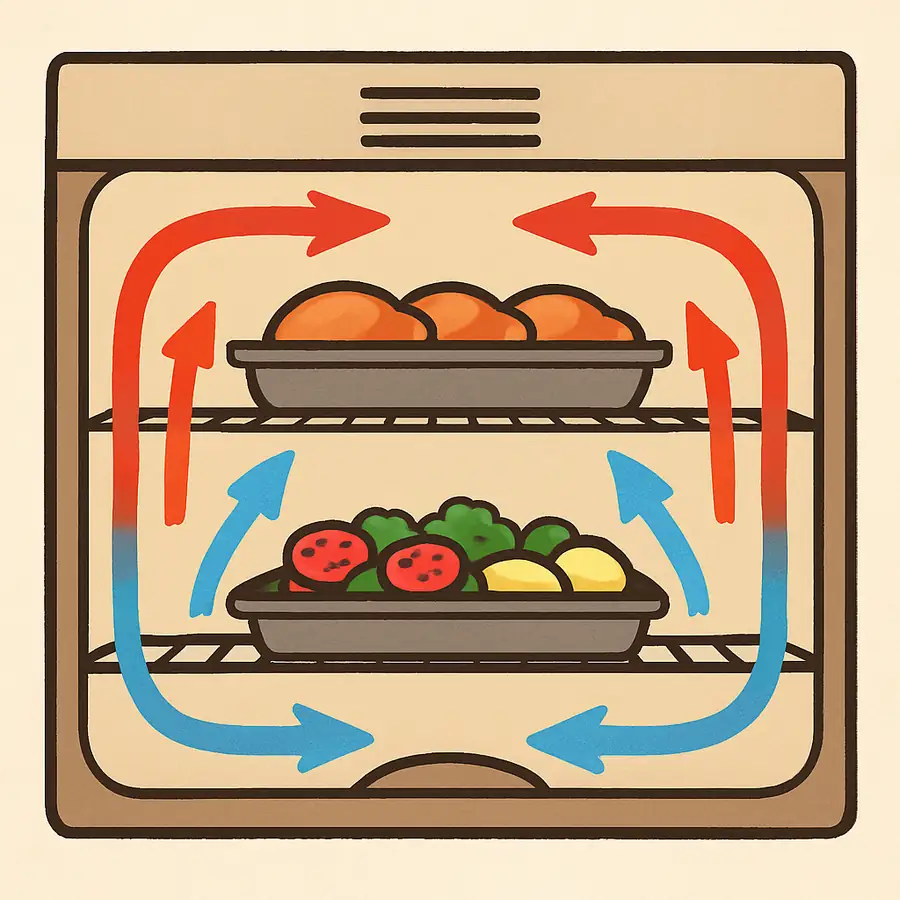
Think of a standard home oven as a campfire radiating heat upward, creating uneven zones. A convection oven is that same fire with a powerful fan behind it. This forced circulation strips away the cool air surrounding ingredients, reducing cook times by 25 percent. Because saving minutes means serving more tables, these units rank among the most essential restaurant appliances.
Serving fifty roasted chicken dinners simultaneously demands absolute consistency. While traditional ovens might burn the bottom rack, heavy-duty commercial convection ovens use fan-assisted distribution to wrap every tray in identical heat. Whether baking buns or roasting vegetables, results remain perfectly uniform across multiple levels, eliminating the dangerous chore of rotating hot pans during a dinner rush.
Beyond speed, moving air provides an unexpected advantage: improved climate control. Because convection technology utilizes thermal energy efficiently, chefs can achieve perfect crusts at lower temperatures, keeping the workspace from becoming unbreathable. Upgrading to this smart restaurant equipment protects food quality and staff comfort. With the hot line mastered, beverage service requires equal operational planning.
Ice on Demand: Calculating Your Daily Capacity Needs
Imagine a packed dining room on a sweltering evening when your bartender unexpectedly runs out of ice. Beverage service halts instantly, proving exactly why high-capacity ice makers are essential restaurant appliances. Unlike home freezers, professional units are modular, featuring a "machine head" that rapidly freezes water and a separate "storage bin" to hold the harvest. Since municipal water carries heavy minerals that calcify moving parts, installing a dedicated water filtration system is crucial to extend the machine's life and ensure clean-tasting drinks.
Sizing this setup correctly prevents Friday night panic. Instead of guessing, industry experts calculate daily capacity using reliable "poundage-per-guest" metrics based on your concept. When mapping out your expected volume, use these baselines:
- Quick Service: 0.5 to 1 pound per customer.
- Full Service: 1.5 to 2 pounds per customer (covers table water and bar drinks).
- Dedicated Bar: 3 pounds per customer (accounts for heavy shaking and chilling).
The shape of your ice also impacts service. Standard "cube" ice melts slowly, making it ideal for premium spirits, while chewable "nugget" ice brilliantly absorbs soda flavors. Finalizing this decision checks off a critical box on your commercial kitchen equipment checklist. Connecting these physical operations requires robust digital infrastructure.
The Digital Brain: Choosing POS Hardware That Survives the Kitchen Heat
While consumer tablets work perfectly for reading recipes at home, introducing standard electronics into a commercial kitchen is a disaster waiting to happen. Upgrading your technology is just as crucial as investing in other essential restaurant appliances. Purpose-built POS system hardware for new restaurants features heavy-duty enclosures designed to repel airborne grease, resist flour dust, and withstand extreme heat. You aren't just buying a touchscreen; you are buying a rugged digital terminal that will not freeze or fail when swiped by buttery fingers.
A lost paper ticket during a Friday rush instantly guarantees a delayed meal and frustrated guests. To solve this, operators replace traditional paper spindles with a Kitchen Display System (KDS)—a durable digital monitor mounted above prep stations that routes orders straight from the server to the cook. This innovation eliminates paper waste and significantly improves kitchen pacing by clearly tracking wait times.
Even the strongest digital setup becomes a massive liability if a sudden internet outage brings your dining room to a grinding halt. When purchasing this specialized restaurant equipment, always ensure the software features a reliable "offline mode" to continue processing credit card payments during network drops. Protecting this technology and the physical building itself demands rigorous fire safety compliance.
Safety First: Navigating Fire Suppression and Installation Requirements
Imagine a grease fire erupting during a busy Saturday service; a standard residential extinguisher will only spread the flames. Instead, commercial kitchens rely on two specific defenses: a manual K-class fire extinguisher designed specifically to smother high-temperature cooking oil, and an automated fire suppression system (often called an Ansul system). Think of the automated setup as a built-in panic button that automatically drops chemical suppressants from the ventilation hood the moment temperatures hit critical danger zones.
Designing this safety grid requires aligning your heavy-duty ranges and fryers exactly with those overhead chemical nozzles. When researching restaurant kitchen layout planning tips, remember that sliding a cooking appliance a few inches without adjusting the overhead drop means the chemicals will completely miss the flames. Verifying this precise alignment must be a non-negotiable priority on your commercial kitchen equipment checklist.
Attempting to install these critical safety nets yourself will instantly void your insurance and trigger failed fire inspections. Meeting strict fire suppression system installation requirements demands certified professionals who can provide the regulatory tags necessary to legally open your doors. Securing physical safety infrastructure allows the focus to shift toward smart budget allocation.
Smart Spending: When to Buy New, Lease, or Inspect Used Equipment
Equipping a commercial kitchen often triggers major sticker shock for new owners. Instead of draining your entire startup budget immediately, smart operators carefully weigh leasing vs buying restaurant equipment. Leasing preserves your critical cash flow, allowing you to afford reliable, warranty-backed models for mission-critical gear without a massive upfront investment. The real return on investment (ROI) here isn't just about owning an asset; it is about keeping enough operating capital in the bank to survive those crucial early months.
Not every item requires a pristine factory warranty, however. You can stretch your budget significantly by knowing exactly which essential restaurant appliances demand a premium. Follow this baseline strategy:
- Buy New (or Lease): Refrigerators and dishwashers. If a breakdown halts your dinner service, you absolutely need warranty protection and rapid repair guarantees.
- Buy Used: Stainless steel prep tables, shelving, and heavy-duty pans. If it lacks a plug or motor, let another business pay the depreciation.
Whenever you do hunt for secondhand mechanical bargains, a rigorous used commercial kitchen equipment inspection is vital. Never purchase a used mixer or oven without seeing it run at full capacity first. A secure purchasing strategy naturally leads to finalizing the physical kitchen layout.
Your Blueprint for Success: Finalizing Your Kitchen Layout and Checklist
Essential restaurant appliances for a new restaurant setup function not as oversized home gadgets, but as the gears of a high-performance engine. Yet, even the best machines will falter if a chaotic layout slows your staff down. Your kitchen’s flow dictates your speed, making restaurant kitchen layout planning tips just as critical as the hardware itself.
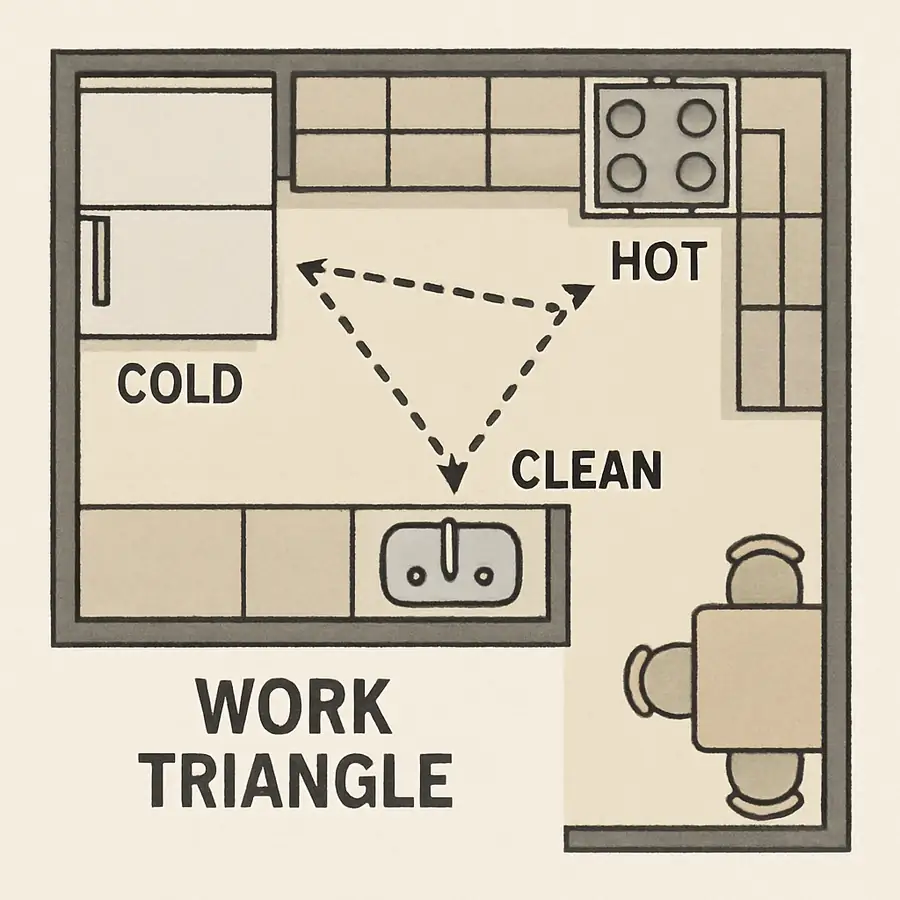
Before placing a single order, design a "work triangle" that minimizes the steps between your cold storage, hot cooking line, and cleaning stations to prevent staff collisions. Always measure twice and order once.
To guarantee a smooth transition from empty room to buzzing service line, follow this commercial kitchen equipment checklist:
- Audit Utilities: Perform a final utility audit of your gas lines and electrical outlets before equipment delivery.
- Verify Clearances: Ensure machines physically fit through your doors and under your ventilation hoods.
- Schedule Care: Implement a preventative maintenance schedule from day one to protect your investment.
You now understand these tools well enough to confidently build your space. Start by mapping your equipment dimensions on the floor with tape, and notice how visualizing the physical workflow immediately builds your operational confidence. The dining room may be where your guests fall in love, but this perfectly tuned engine is where your restaurant's success is forged.
Buy Essential Restaurant Appliances from The Horeca Store
Setting up a new restaurant requires investing in reliable, high-quality appliances that support efficient food preparation, storage, cooking, and service. The Horeca Store is your one-stop destination for commercial restaurant appliances, offering everything from refrigerators, freezers, ovens, ranges, fryers, and grills to food processors, mixers, dishwashers, and ice machines. Our extensive product range is carefully selected to meet the needs of restaurants, cafés, hotels, bakeries, catering businesses, and cloud kitchens.
Whether you're opening your first restaurant or expanding an existing operation, The Horeca Store provides commercial-grade appliances from trusted industry brands known for performance, durability, and energy efficiency. Our expert team can help you choose the right equipment based on your kitchen size, menu, and budget, ensuring a smooth and successful setup. With competitive pricing, dependable customer service, and quality products, The Horeca Store makes it easy to equip your restaurant for long-term success.