
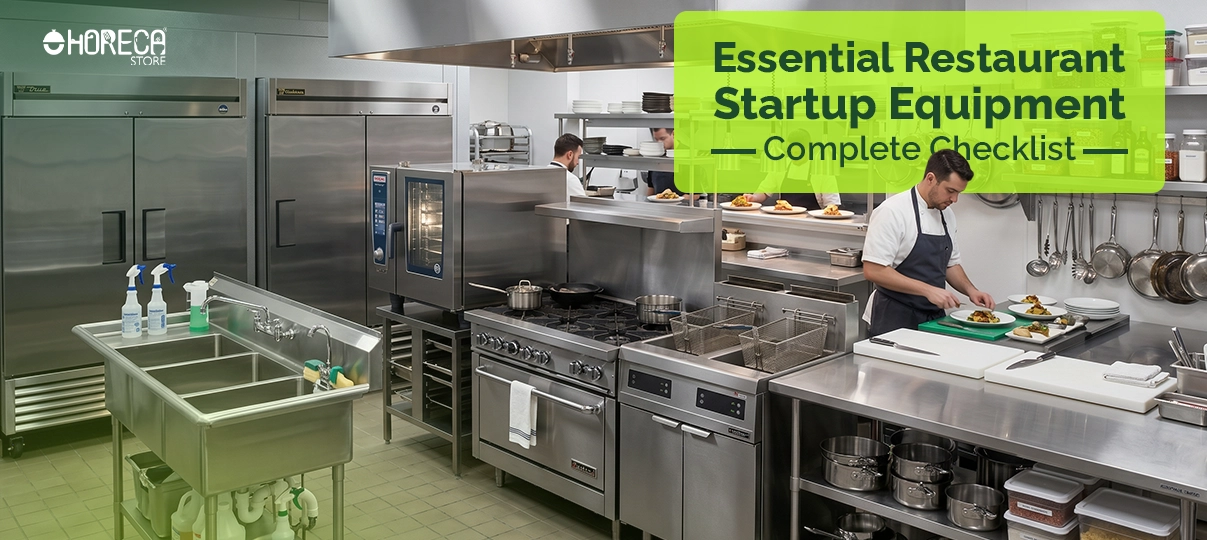
Starting a new restaurant is an exhilarating journey, blending culinary passion with entrepreneurial grit. However, behind every mouth-watering dish and flawless dinner service is a well-oiled machine: the commercial kitchen. Equipping your startup properly is arguably the most critical investment you will make.
Whether you are launching a cozy downtown cafe, a high-octane food truck, or a sprawling fine-dining establishment, partnering with a reliable Restaurant Supply Store & Commercial Equipment | HorecaStore is the first step toward long-term operational success.
In this comprehensive guide, we will walk you through everything you need to know to outfit your startup, from heavy-duty appliances to finding a trusted local distributor.
Professional vs. Residential: Setting the Record Straight
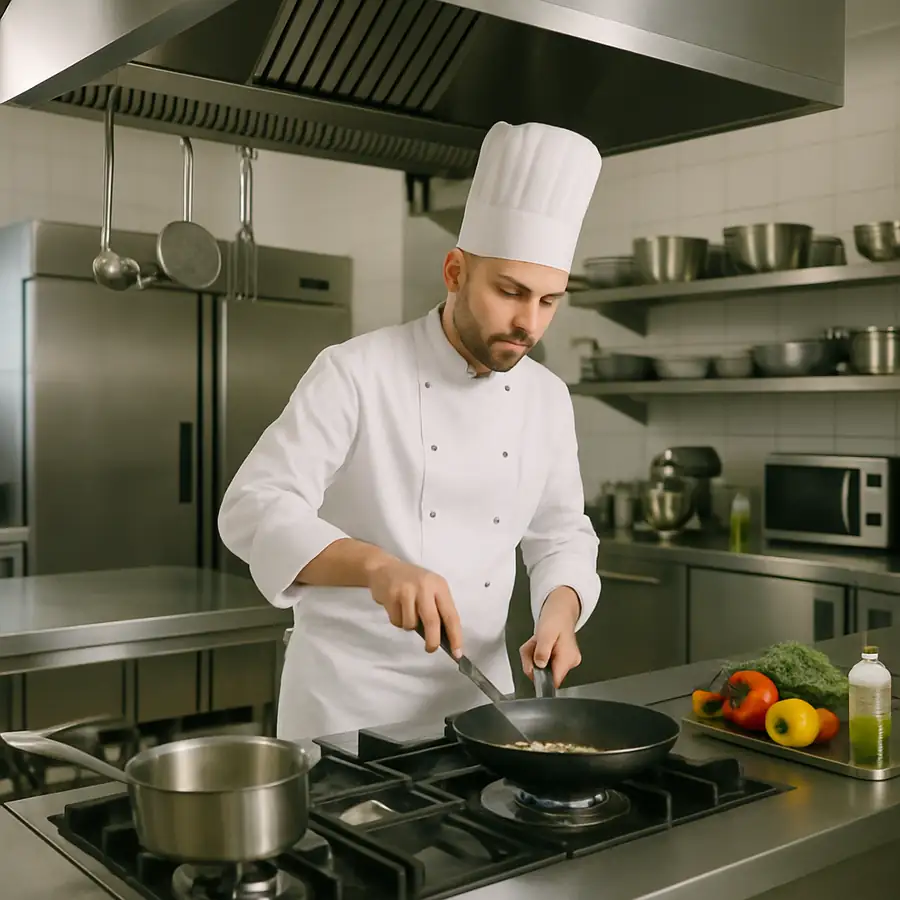
A common mistake new restaurateurs make is trying to save money by purchasing household appliances. If you are looking for a definitive professional vs residential kitchen appliances guide, the rule is simple: residential equipment is built for a family of four; commercial equipment is built to serve hundreds of people a day.
Commercial appliances are constructed from heavy-gauge stainless steel, feature higher British Thermal Unit (BTU) outputs, and are designed to pass rigorous local health and fire department codes. Using a residential stove in a commercial setting will not only void the manufacturer's warranty but will also buckle under the pressure of continuous use.
The Essential Professional Kitchen Equipment Checklist
To help you hit the ground running, we have compiled an essential professional kitchen equipment checklist. While your specific menu will dictate your exact needs, these foundational categories apply to nearly every food service business.
1. Cooking Equipment: The Heat of the Kitchen
Your cooking range is the heart of your operation. Knowing how to choose industrial grade ovens and ranges is critical. Consider the volume of food you will produce and the available space.
- Ranges and Stoves: Look for durable cast-iron grates and high-BTU burners for rapid heat recovery.
- Convection Ovens: Ideal for even baking and roasting.
- Fryers and Griddles: Essential for quick-service and traditional American menus.
2. Cold Storage: Preserving Your Investment
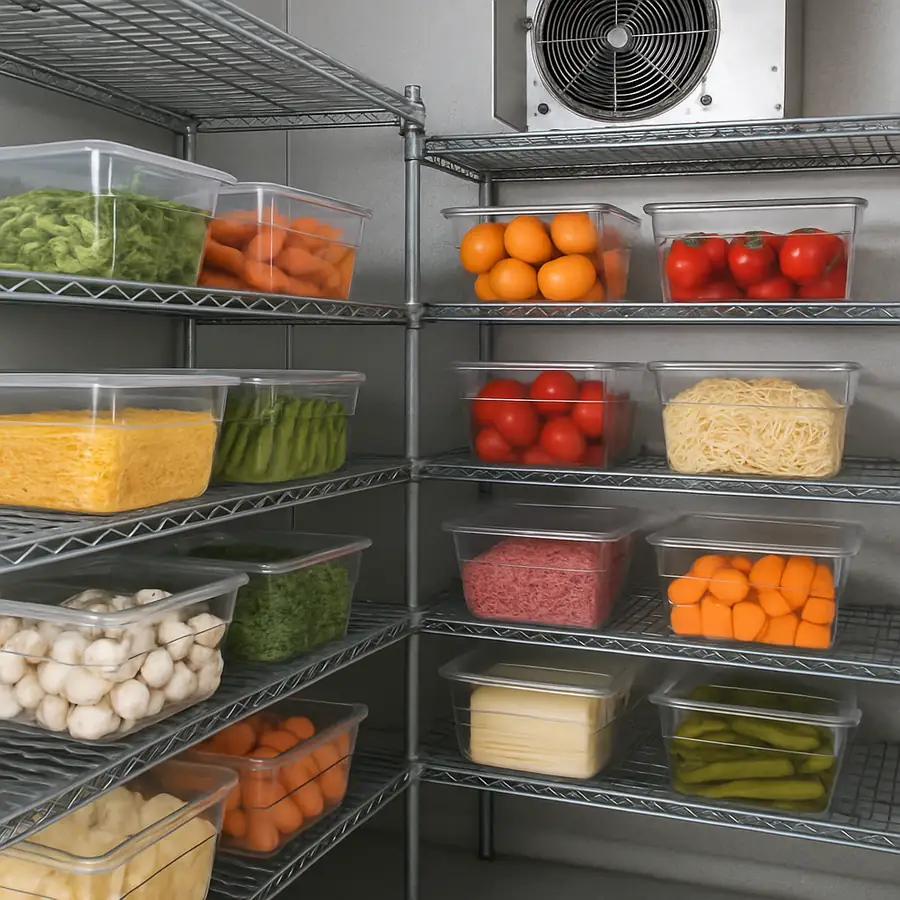
Food safety is non-negotiable. Investing in energy efficient refrigeration for restaurants not only keeps your ingredients fresh but also significantly reduces your monthly utility bills. Modern commercial refrigerators offer smart-temperature controls and rapid cooling technology. Furthermore, you must implement HACCP compliant food storage solutions. This means utilizing color-coded bins, proper shelving that keeps food at least six inches off the ground, and reliable thermometers to ensure your walk-in coolers remain in the safe temperature zone.
3. Food Preparation Stations
Before a dish hits the pan, it requires meticulous preparation. Understanding stainless steel food prep station benefits can change how your kitchen operates. Stainless steel is non-porous, incredibly easy to sanitize, and resistant to corrosion and food-borne bacteria.
- Prep Tables: Opt for tables with built-in under-counter refrigeration for easy access to ingredients.
- Mixers and Slicers: If you are baking in-house, understand your high volume bakery equipment requirements. A 20-quart commercial planetary mixer is vastly different from a countertop kitchen mixer.
Designing Your Kitchen for Maximum Efficiency
Having the right tools is only half the battle; arranging them logically is the other half. Effective industrial kitchen layout design tips focus on the ergonomic flow of food—from delivery to prep, to cooking, to the expeditor, and finally to the customer. Consider implementing a "Zone Layout," where the kitchen is divided into distinct blocks (prep, cooking, baking, washing). This prevents staff from bumping into one another during a dinner rush and minimizes cross-contamination.
Specialized Equipment for Unique Concepts
Not every restaurant requires the same gear. Tailoring your kitchen to your specific business model ensures you aren't wasting capital on unused machinery.
Cafes and Bakeries
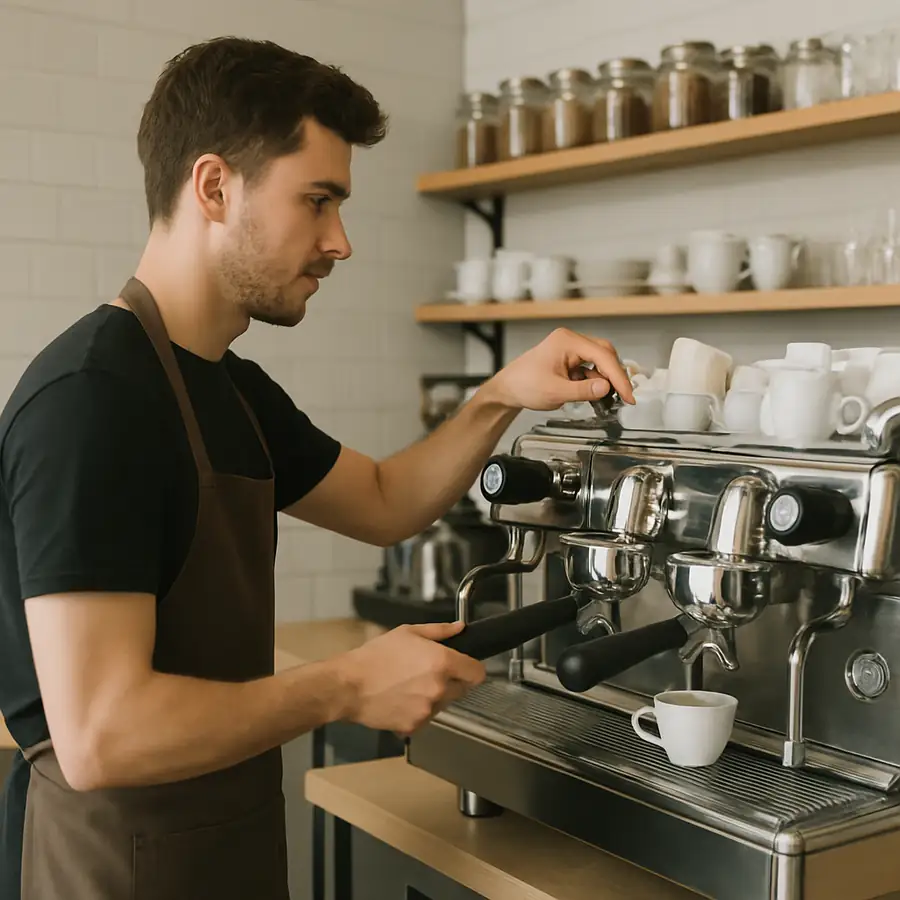
If your startup is coffee-centric, the quality of your brew is your primary selling point. Researching the best brands for commercial espresso machines (like La Marzocco or Nuova Simonelli) is vital for pulling consistent, high-quality shots. Pair this with wholesale tabletop and glassware for cafes to give your front-of-house a chic, cohesive aesthetic without breaking the bank.
Catering and Hotel Services
For off-site events and large banquets, durability and mobility are key. Startups in this niche should seek out the top rated catering supplies for hotels, such as insulated holding cabinets (cambros), portable chafing dishes, and beverage dispensers. Additionally, modern consumers care about the environment; sourcing sustainable packaging for catering businesses will help your brand stand out and appeal to eco-conscious clients.
The Front of House: Smallwares and Tabletop
While the back-of-house gets the heavy machinery, your front-of-house requires significant attention. You will need durable smallwares for high traffic restaurants. This includes everything from heavy-duty flatware and shatter-resistant drinkware to reliable waiter trays and check presenters.
- Pro Tip: Always order 20% more smallwares than your seating capacity to account for breakage, theft, and items stuck in the dish pit during a rush.
Cleaning, Sanitization, and Maintenance
No kitchen functions well if it is dirty. When outfitting your cleaning station, you will likely weigh the pros and cons of an industrial dishwasher vs manual warewashing. While a three-compartment sink is required by health codes for manual washing, a commercial high-temperature dishwasher pays for itself in labor savings and ensures 100% sanitization of plates and glasses during peak hours.
Once your equipment is installed, preserving it is paramount. Maintaining professional food service equipment involves setting up a preventative maintenance schedule. Regularly cleaning condenser coils on your refrigeration, calibrating oven thermostats, and boiling out deep fryers will extend the life of your appliances by years.
Where to Buy Restaurant Equipment: Navigating Local and Online Suppliers
One of the biggest questions for any startup owner is where to buy restaurant equipment. Many chefs prefer to see, touch, and measure the equipment in person, which inevitably leads to the search engine query: restaurant supply store near me.
The United States boasts a massive network of regional hubs catering to culinary professionals. Partnering with a comprehensive Restaurant Supply Store & Commercial Equipment | HorecaStore offers incredible value, but knowing your local landscape is also beneficial. Let's take a cross-country look at the industry:
The Texas Food Scene: Texas is a booming hub for hospitality. If you are launching in the state capital, visiting a restaurant supply store austin or looking up restaurant supply austin tx will yield plenty of options for trendy cafe gear and heavy-duty smoker equipment. Further south, chefs rely on restaurant equipment san antonio tx and restaurant supply san antonio to outfit their bustling Tex-Mex kitchens. Along the coast, a restaurant supply in corpus christi tx (often searched simply as restaurant supply corpus christi) is essential for seafood-grade refrigeration. Meanwhile, operators in major metropolises are constantly browsing the aisles of a restaurant supply store houston tx or a restaurant supply store fort worth tx to keep up with massive consumer demand.
The Mountain West: Altitude and climate change the way kitchens operate, and local suppliers understand this. Startups in the Rockies frequently source from a restaurant equipment denver colorado dealer, or utilize a restaurant supply store denver open public to find specialized baking equipment adjusted for high altitudes. Across the state, operators might visit a restaurant supply grand junction co. Over in Utah, finding reliable restaurant and store equipment utah is easy with an established salt lake restaurant supply center. Moving into Nevada, a restaurant supply store reno nv (also known as a restaurant supply store reno nevada) provides essential gear for casino buffets and independent eateries alike. Down in the desert, a dedicated restaurant supply phoenix keeps kitchens cool with top-tier refrigeration.
The East Coast and South: The East Coast has a rich culinary history. You can easily find industrial-grade pizza ovens via a restaurant supply syracuse ny (or syracuse restaurant supply) and outfit a massive catering operation through restaurant equipment philadelphia pa. Down south, hospitality is a way of life. From sourcing louisville restaurant equipment for bourbon-focused gastropubs to finding a restaurant supply store in knoxville tn for southern comfort food concepts, the options are vast. In Florida, securing gear from a restaurant supply store jacksonville or a general dealer for restaurant equipment jacksonville fl ensures you are ready for the bustling tourist season.
The Online vs. In-Store Dynamic: Even if you love browsing the aisles of a local brick-and-mortar restauraunt supply store (a common, albeit misspelled, search term!), the digital age requires comparison shopping. Many owners read katom restaurant supply reviews to gauge online customer service and shipping speeds, or they check the massive inventory of a distributor like gordon restaurant supply. Ideally, your chosen Restaurant Supply Store & Commercial Equipment | HorecaStore will offer both a robust online catalog for quick reordering and accessible customer service to help you troubleshoot layout and installation challenges.
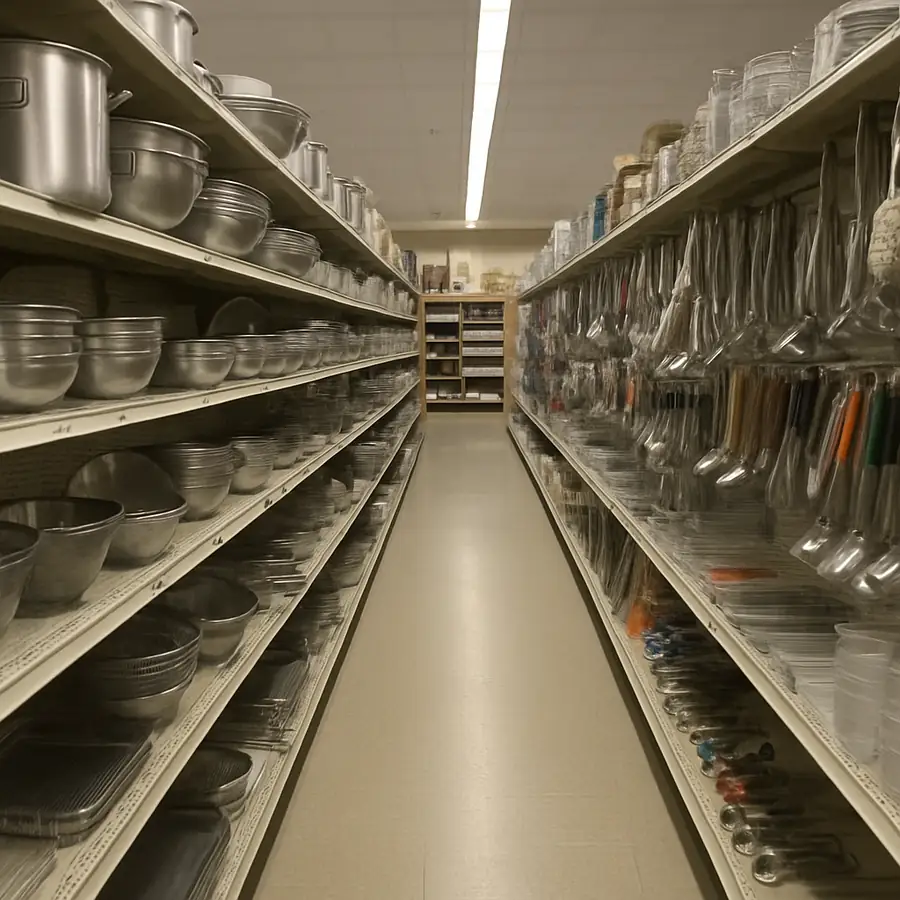
Equip Your Restaurant with The Horeca Store
Starting a restaurant requires reliable equipment that supports efficient operations from day one. The Horeca Store is your one-stop destination for commercial restaurant equipment, offering everything from cooking equipment and refrigeration units to food preparation machines, stainless steel worktables, storage solutions, cookware, smallwares, and serving essentials. Whether you're opening a café, cloud kitchen, food truck, bakery, hotel, or full-service restaurant, we provide high-quality equipment designed to meet the demands of professional kitchens.
At The Horeca Store, we understand that every restaurant has unique requirements and budget considerations. That's why we offer a wide selection of commercial-grade equipment from trusted brands at competitive prices, backed by expert guidance and dependable customer support. From planning your kitchen layout to selecting the right equipment for your menu and workflow, The Horeca Store helps you build a well-equipped, efficient, and successful foodservice business with confidence.
Conclusion
Outfitting a restaurant startup is a monumental task that requires balancing budget, menu requirements, and space limitations. By avoiding residential shortcuts and focusing on high-quality, commercial-grade investments, you set your kitchen up for safety, efficiency, and scale.
From choosing the perfect high-BTU range and designing a flawless ergonomic layout to sourcing the best local gear—whether you're searching for a supplier in Denver, Austin, or Jacksonville—knowledge is your best ingredient. Equip your kitchen wisely, treat your tools with care, and let your culinary vision take center stage.