
A well-structured restaurant business plan turns a foodservice idea into a practical roadmap. It helps you clarify your concept, estimate restaurant startup costs, plan operations, attract investors, secure financing, and make better decisions before signing a lease or buying equipment.
Whether you are researching how to start a restaurant, preparing a restaurant financial plan, or building a restaurant startup checklist, your plan should explain not only what you want to open, but how the business will operate, compete, and become profitable.
Why a Restaurant Business Plan Matters
A complete plan also covers restaurant equipment, kitchen equipment, and food prep equipment before you open.
A Restaurant Business Plan is more than a document for banks or investors. It is a working strategy that connects your concept, menu, location, staffing, marketing, equipment, and financial projections.
A strong plan helps you answer critical questions:
- Who are your target customers?
- What makes your restaurant concept different?
- How much capital do you need to open?
- What equipment and technology are required?
- How will you price your menu?
- How many sales are needed to break even?
- What risks could affect profitability?
- How will the business grow over time?
Many owners start with a restaurant business plan template, but the best plans are customized to the concept. A breakfast restaurant business plan will look different from a sushi restaurant business plan, and a delivery only restaurant business plan will have different cost and operations assumptions than a full-service dining room.
Executive Summary
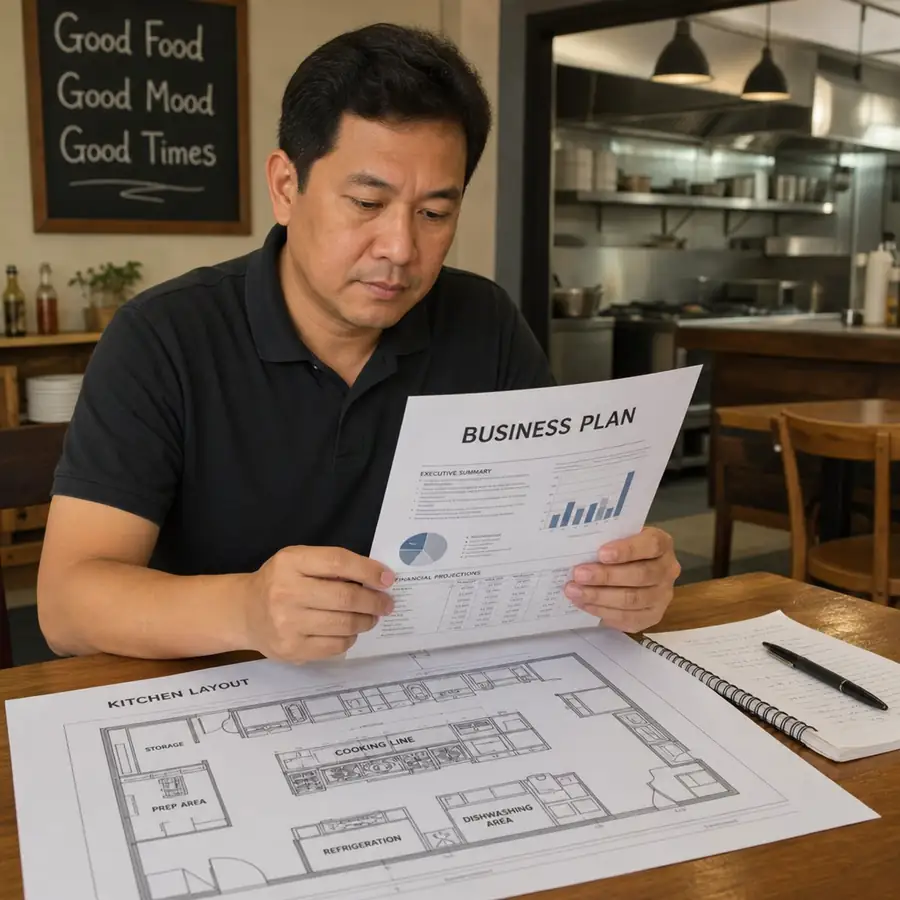
The executive summary is the first section of the plan, but it is often easiest to write last. It should provide a clear overview of the restaurant and why it can succeed.
Include:
- Restaurant name and concept
- Business model and service style
- Location or target market area
- Menu focus
- Target audience
- Startup funding needs
- Revenue potential
- Ownership and management background
- Short-term and long-term goals
Keep this section concise and compelling. If you are using the plan to raise capital, investors should quickly understand the opportunity, the amount of funding needed, and how the restaurant will generate returns.
Restaurant Concept and Business Model
Your concept defines the identity of the restaurant. It includes the cuisine, atmosphere, service style, price point, brand personality, and guest experience.
Common restaurant business ideas include:
- Full-service restaurants with table service
- Quick-service restaurants focused on speed and convenience
- Cafés and coffee shops
- Bakeries and dessert shops
- Pizzerias
- Bars and pubs
- Food trucks
- Cloud kitchens or ghost kitchens
- Delis and sandwich shops
- Sushi bars and specialty restaurants
- Franchise restaurant locations
Your business model explains how the restaurant makes money. For example, a deli restaurant business plan may focus on lunch traffic, catering, and grab-and-go sales. A franchise restaurant business plan may emphasize brand standards, franchise fees, required equipment, and corporate support. A delivery only restaurant business plan may focus on third-party delivery platforms, packaging costs, limited front-of-house labor, and kitchen efficiency.
Target Audience and Customer Profile
A restaurant cannot serve everyone equally well. Your plan should identify the customers most likely to visit, order, and return.
Define your customer profile by considering:
- Age range and household income
- Dining habits and lifestyle
- Workday routines
- Family size
- Food preferences
- Price sensitivity
- Delivery and takeout behavior
- Dietary needs
- Local culture and neighborhood patterns
For example, a breakfast restaurant business plan might target commuters, families, and weekend brunch customers. A sushi restaurant business plan may focus on professionals, date-night diners, health-conscious guests, and customers seeking premium ingredients.
The more specific your target audience is, the easier it becomes to design the menu, choose the location, set pricing, and build a restaurant marketing plan.
Market Research and Competitor Analysis
Market research shows whether demand exists for your concept. Competitor analysis helps you understand how your restaurant can stand out.
Review:
- Local population and demographics
- Nearby offices, schools, hotels, and residential areas
- Foot traffic and vehicle traffic
- Dining trends in the area
- Competitor menus and pricing
- Competitor reviews and customer complaints
- Gaps in cuisine, service, convenience, or value
- Delivery demand and online ordering patterns
Your goal is not simply to prove that restaurants exist nearby. Your goal is to show why customers would choose your restaurant instead of existing options.
Location and Site Selection
Location can strongly affect sales, labor needs, rent, build-out costs, and customer acquisition. In your business plan, explain why the proposed site supports the concept.
Consider:
- Visibility from the street
- Parking and accessibility
- Foot traffic
- Proximity to target customers
- Zoning and permitted use
- Kitchen space and utility capacity
- Outdoor seating potential
- Lease terms and rent structure
- Competition nearby
- Delivery radius and driver access
A small café may need strong pedestrian traffic, while a cloud kitchen may prioritize rent, delivery logistics, and kitchen infrastructure. A food truck plan should address parking permissions, commissary kitchen requirements, events, and route planning.
Menu Planning and Pricing Strategy
The menu is one of the most important parts of the restaurant business plan because it affects branding, equipment, staffing, inventory, pricing, and profitability.
When planning the menu, consider:
- Number of items
- Ingredient availability
- Preparation complexity
- Food cost percentage
- Portion sizes
- Prep time and cook time
- Cross-utilization of ingredients
- Dietary options
- Takeout and delivery suitability
- Seasonal changes
Pricing should reflect ingredient costs, labor, overhead, competitor pricing, perceived value, and profit goals. A restaurant with premium seafood, imported ingredients, or skilled culinary labor will need a different pricing structure than a quick-service sandwich shop.
A good menu is not just attractive. It is operationally realistic and financially sound.
Restaurant Startup Costs
Estimating restaurant startup costs is one of the most practical parts of the plan. Costs vary widely depending on location, restaurant size, lease terms, concept, menu, labor requirements, construction needs, and equipment choices.
Break startup costs into clear categories:
- Lease deposits and security deposits
- Rent before opening
- Architectural, design, and engineering fees
- Construction and build-out
- Plumbing, electrical, gas, and HVAC upgrades
- Kitchen equipment
- Furniture, fixtures, and décor
- Smallwares and tabletop items
- POS systems and technology
- Permits and licenses
- Initial food and beverage inventory
- Uniforms and training materials
- Payroll before opening
- Insurance premiums
- Grand opening marketing
- Utility deposits
- Packaging and supplies
- Working capital reserve
If you are preparing a small restaurant business plan pdf for lenders or partners, include realistic estimates, vendor quotes when available, and a cushion for unexpected costs. Underestimating startup capital is one of the most common mistakes new restaurant owners make.
Kitchen and Restaurant Equipment Costs
Budget for refrigeration, commercial cooking equipment, convection ovens, and smallwares alongside build-out.
Restaurant equipment is a major startup expense and should be planned early. Equipment decisions affect kitchen layout, speed of service, food quality, energy use, maintenance, and labor efficiency.
The Horeca Store can be a useful source when comparing commercial restaurant equipment and foodservice equipment for budgeting purposes, especially if you are planning refrigerators, freezers, cooking equipment, prep equipment, and dishwashing needs.
Your equipment budget may include:
- Commercial ranges and ovens
- Grills, griddles, and charbroilers
- Deep fryers
- Steamers and combi ovens
- Refrigerators and freezers
- Prep tables and refrigerated workstations
- Food processors, slicers, and mixers
- Ice machines
- Coffee, tea, and beverage equipment
- Dishwashers and glasswashers
- Three-compartment sinks and hand sinks
- Stainless steel worktables
- Shelving and storage racks
- Exhaust hoods and ventilation systems
- Food warmers and holding cabinets
- Pots, pans, knives, utensils, and smallwares
Equipment costs should be tied directly to your menu and expected volume. Buying too little can slow service and frustrate staff. Buying too much can waste capital and crowd the kitchen.
Detailed Restaurant Kitchen Equipment Planning
Map the restaurant kitchen around food preparation equipment, commercial shelving, and beverage equipment.
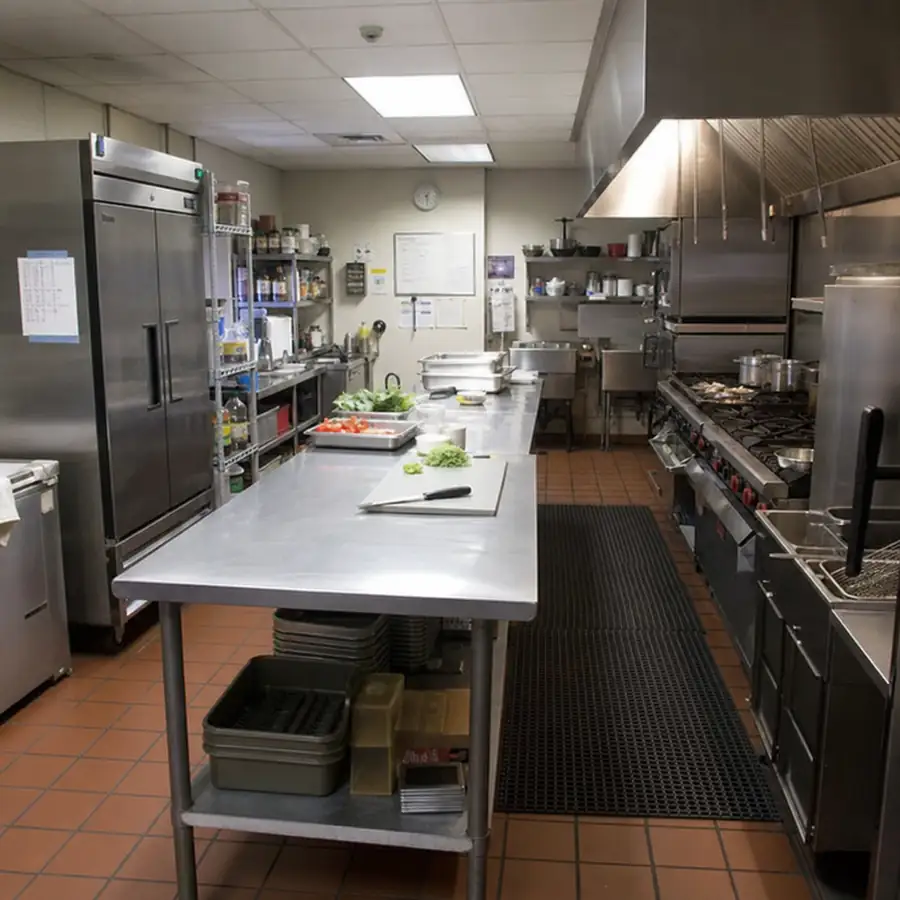
Kitchen equipment planning should begin with the menu, not with a generic shopping list. Every station should support the food you plan to produce, the speed of service you require, and the number of customers you expect to serve.
Menu and Concept
A pizzeria may need deck ovens, dough mixers, prep refrigeration, and heated delivery bags. A sushi restaurant may need specialized refrigeration, rice cookers, sushi cases, prep tables, and precise cold storage. A bakery may require mixers, proofers, convection ovens, sheet pan racks, display cases, and ingredient storage. A bar may need ice machines, undercounter refrigeration, glasswashers, beverage dispensers, and speed rails.
The equipment plan should match the concept rather than imitate another restaurant’s layout.
Kitchen Size and Layout
Kitchen size determines what equipment can fit safely and efficiently. A small kitchen may require compact, undercounter, or multi-purpose equipment. A larger restaurant may need dedicated stations for prep, cooking, plating, dishwashing, and storage.
Plan for:
- Receiving and dry storage
- Cold storage
- Prep areas
- Cooking line
- Plating or expo station
- Dishwashing area
- Waste handling
- Staff movement and safety clearance
A functional workflow reduces unnecessary steps, prevents bottlenecks, and supports faster service.
Expected Customer Volume
Volume affects equipment capacity. A high-volume quick-service restaurant may need multiple fryers, larger refrigeration, high-output ice machines, and heated holding equipment. A small café may need fewer heavy-duty cooking appliances but more beverage equipment and display refrigeration.
Estimate peak periods, not just average daily sales. Your kitchen must be able to handle the busiest breakfast rush, lunch hour, dinner service, or weekend demand.
Utilities and Building Infrastructure
Before purchasing equipment, confirm available utilities:
- Electrical capacity
- Gas lines
- Water supply
- Drainage
- Ventilation requirements
- Fire suppression needs
- Floor load capacity
- HVAC performance
Some equipment may require upgrades that add significant cost. Always consider installation, ventilation, and code compliance in the budget.
Workflow and Labor Efficiency
Equipment should support how your team actually works. Prep tables should be near refrigeration. Fryers should be positioned safely with proper ventilation. Dishwashing should not interrupt the cooking line. Storage should be accessible without blocking traffic.
When setting up a restaurant, owners can explore The Horeca Store for commercial refrigerators, freezers, cooking equipment, ovens, fryers, grills, food preparation equipment, ice machines, beverage equipment, dishwashing equipment, stainless steel worktables, shelving, and other commercial kitchen essentials.
Staffing and Management Structure
Your plan should explain who will run the restaurant and how the team will be organized.
Common roles include:
- Owner or general manager
- Executive chef or kitchen manager
- Sous chefs and line cooks
- Prep cooks
- Dishwashers
- Servers and hosts
- Bartenders or baristas
- Cashiers
- Delivery or packaging staff
- Bookkeeper or administrative support
Include hiring timelines, training plans, wage assumptions, and management responsibilities. Labor is one of the largest ongoing expenses, so your staffing model should align with service style and sales volume.
Supplier and Inventory Management
Suppliers affect food quality, consistency, and margins. Your business plan should identify how you will source ingredients, beverages, packaging, cleaning supplies, and paper goods.
Address:
- Primary and backup suppliers
- Delivery schedules
- Minimum order requirements
- Payment terms
- Inventory tracking
- Waste control
- Storage procedures
- Product quality standards
Good inventory management protects cash flow and reduces spoilage. It also helps maintain consistent menu quality.
Licenses, Permits, Insurance, and Food Safety
Operators often source tableware and smallwares from The Horeca Store once permits and suppliers are locked in.
Requirements vary by location and concept, so your plan should stay flexible and confirm local rules before opening.
Common requirements may include:
- Business license
- Food service permit
- Health department approval
- Building and occupancy permits
- Fire safety inspection
- Sign permits
- Liquor license if applicable
- Music or entertainment permits if applicable
- Food handler certifications
- Workers’ compensation coverage
- General liability insurance
- Property insurance
- Business interruption coverage
Food safety should be built into daily operations through temperature logs, cleaning schedules, allergen controls, staff training, and proper storage procedures.
Marketing and Customer Acquisition Strategy
A restaurant marketing plan explains how customers will discover, try, and return to your restaurant.
Include strategies such as:
- Local SEO and online listings
- Google Business Profile optimization
- Social media content
- Email and SMS promotions
- Loyalty programs
- Grand opening campaigns
- Influencer or community partnerships
- Catering outreach
- Delivery app visibility
- Review management
- Signage and local advertising
Marketing should begin before opening. Build awareness early with construction updates, menu previews, hiring announcements, and soft-opening invitations.
POS Systems and Restaurant Technology
Modern restaurants rely on technology for sales, operations, and reporting. Your plan should explain which systems you need and how they support efficiency.
Technology may include:
- POS system
- Online ordering
- Payment processing
- Kitchen display system
- Inventory software
- Scheduling tools
- Reservation platform
- Loyalty program
- Delivery integrations
- Accounting software
- Security cameras
- Wi-Fi and networking equipment
Choose systems that fit your concept. A full-service restaurant may need table management, while a delivery-focused kitchen may prioritize online ordering and kitchen display screens.
Daily Operations and Workflow
Daily operations show how the restaurant will function from opening to closing.
Document processes for:
- Opening procedures
- Prep lists
- Receiving deliveries
- Cooking and service standards
- Order taking
- Packaging and delivery handoff
- Cleaning and sanitation
- Cash handling
- Shift changes
- Closing duties
- Manager reporting
Clear workflows improve consistency and reduce training problems. They also help owners identify staffing needs and equipment bottlenecks before opening.
Revenue Forecasts and Sales Projections
Revenue projections estimate how much the restaurant can sell over time. Use realistic assumptions based on seat count, average check size, table turns, delivery volume, hours of operation, and seasonality.
For example, a café may project sales by morning coffee traffic, lunch items, pastries, and catering. A bar may separate beverage sales, food sales, events, and late-night traffic. A cloud kitchen may forecast orders per day by platform and average order value.
Avoid overly optimistic projections. Lenders and investors prefer conservative, well-supported estimates.
Operating Expenses and Cash-Flow Planning
A restaurant financial plan should include monthly operating expenses and cash-flow expectations.
Common operating expenses include:
- Rent
- Payroll and payroll taxes
- Food and beverage costs
- Utilities
- Insurance
- Marketing
- Repairs and maintenance
- Cleaning supplies
- Packaging
- Software subscriptions
- Loan payments
- Credit card processing fees
- Professional services
Cash flow matters because expenses often occur before revenue is collected. Build in working capital to cover early months, slow periods, repairs, and unexpected cost increases.
Break-Even Analysis
Break-even analysis shows how much revenue is needed to cover fixed and variable costs. This helps you understand whether your sales goals are realistic.
To estimate break-even, identify:
- Fixed costs such as rent, salaries, insurance, and software
- Variable costs such as food, beverages, packaging, and hourly labor
- Average gross margin
- Monthly sales needed to cover expenses
This section is especially important if you are seeking financing. It shows that you understand the relationship between pricing, volume, cost control, and profitability.
Risk Management
Every restaurant faces risk. A strong plan identifies challenges and explains how you will reduce them.
Common risks include:
- Construction delays
- Higher-than-expected build-out costs
- Labor shortages
- Food cost inflation
- Equipment breakdowns
- Health inspection issues
- Poor location performance
- Low customer awareness
- Negative reviews
- Supplier disruptions
- Cash-flow shortages
Risk management may include backup suppliers, emergency savings, preventive maintenance, insurance coverage, staff cross-training, and flexible menu engineering.
Growth and Expansion Strategy
Even if your first goal is simply to open successfully, your plan should describe future opportunities.
Growth may include:
- Catering
- Delivery expansion
- Private events
- Retail products
- Additional locations
- Franchising
- Food truck operations
- Wholesale bakery or commissary production
- Seasonal menus
- Branded merchandise
Expansion should happen only after the core operation is profitable, repeatable, and well-managed.
How Restaurant Business Plans Vary by Concept
Different restaurant types require different planning priorities.
A full-service restaurant plan should focus on dining room experience, service standards, reservations, staffing, beverage programs, and table turns.
A quick-service restaurant plan should emphasize speed, efficient ordering, compact menus, packaging, and high-volume production.
A café plan may focus on morning traffic, beverage equipment, pastries, grab-and-go items, and community loyalty.
A bakery plan should address production schedules, ovens, mixers, display cases, early staffing, and wholesale opportunities.
A pizzeria plan should cover dough production, ovens, delivery, toppings inventory, and packaging.
A bar plan should include liquor licensing, beverage cost controls, responsible service training, security, and entertainment if applicable.
A food truck plan should explain mobility, parking, commissary kitchen use, event sales, weather risks, and compact equipment.
A cloud kitchen plan should focus on online ordering, delivery platforms, packaging, kitchen throughput, and digital marketing.
Specialty restaurants, such as sushi concepts, delis, vegan cafés, or breakfast spots, should highlight ingredient sourcing, specialized equipment, customer expectations, and menu execution.
Bringing the Plan Together
Learning how to write a restaurant business plan means connecting strategy with real-world operations. The concept must fit the market. The menu must fit the kitchen. The pricing must support margins. The staffing plan must match service expectations. The equipment budget must support production without draining cash.
Before finalizing your plan, review each section and ask:
- Is the concept clearly defined?
- Are startup costs realistic?
- Does the menu support profitability?
- Is the equipment list based on actual operations?
- Are sales projections conservative and supported?
- Is there enough working capital?
- Are risks acknowledged and managed?
- Is the growth plan realistic?
For owners comparing restaurant equipment options while building a budget, The Horeca Store offers a convenient way to explore commercial kitchen essentials across refrigeration, cooking, prep, beverage, dishwashing, storage, and stainless steel categories.
A thoughtful restaurant business plan does not guarantee success, but it gives you a stronger foundation. It helps you make informed decisions, communicate your vision, control costs, and move from idea to opening day with clarity and confidence.