
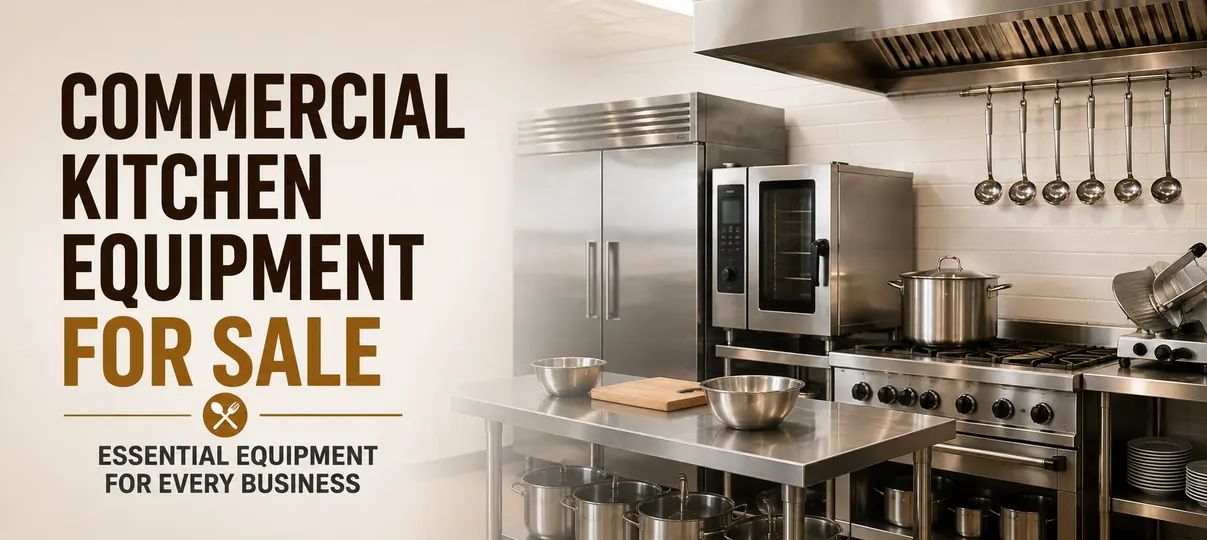
Outfitting a food business is one of the biggest make-or-break investments you'll make-because the right lineup of commercial kitchen equipment for sale determines your speed, food quality, safety, and long-term operating costs. Whether you're opening a new concept, upgrading a line, or hunting for used restaurant equipment deals, this guide walks you through what to buy, how to compare options, and how to protect your budget without sacrificing performance.
Start With a Smart Buying Plan (Before You Shop)
It's tempting to jump straight into a restaurant equipment sale, but you'll save time and money by planning first.
Define your menu + peak volume
Your menu dictates your commercial cooking tools and capacity. A burger-heavy operation needs griddles and holding; a bakery needs proofing and convection; a sushi concept needs refrigeration and rice production.
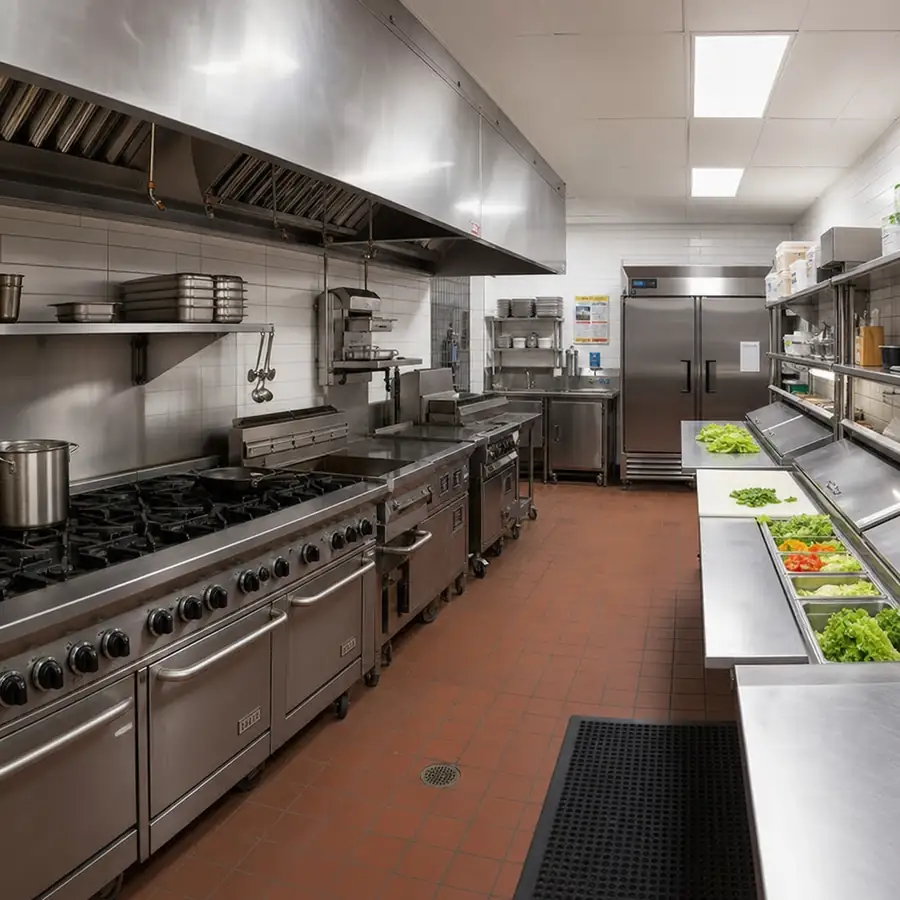
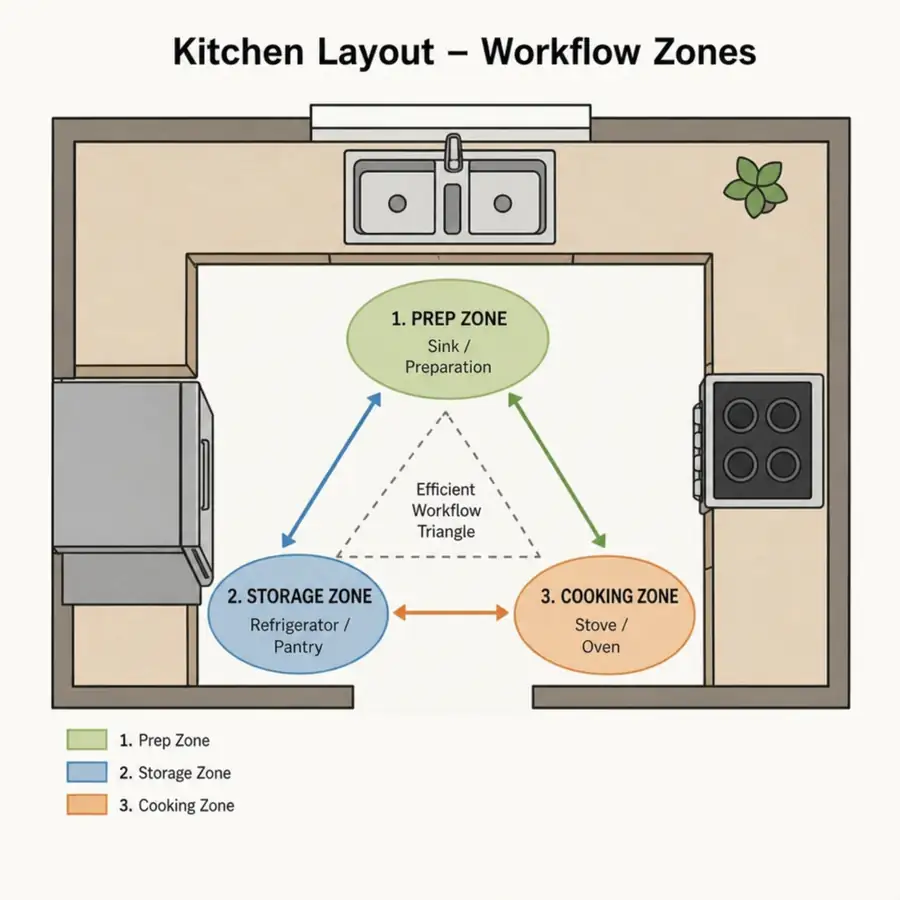
Measure the space and workflow
Map the receiving storage prep cook pass dish flow. Poor layout increases labor and ticket times more than most owners realize.
Build a priority list by must-have vs nice-to-have
Start with the equipment that impacts:
- Food safety (cold holding, dishwashing)
- Speed of service (cookline capacity)
- Consistency (ovens, holding, prep)
This is the fastest way to learn how to choose kitchen equipment without getting overwhelmed.
Core Commercial Kitchen Equipment Checklist (What Most Kitchens Need)
This commercial kitchen equipment checklist covers restaurant equipment, refrigeration, and food prep equipment most operations need.
Below is a practical baseline for food service equipment. Not every kitchen needs all items, but most operations will need a combination.
1) Cooking equipment (the revenue drivers)
For most concepts, these are the highest-usage items in your professional kitchen gear setup:
- Ranges and hot tops
- Griddles and charbroilers
- Fryers (single or battery)
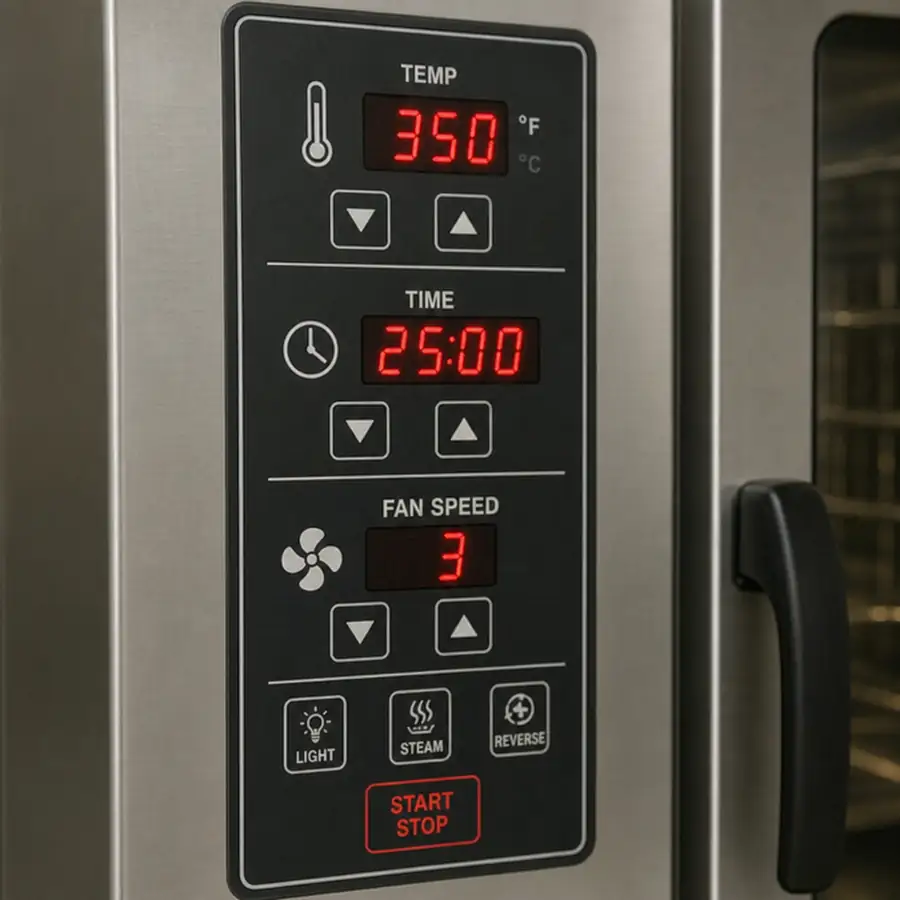
- Convection ovens / combi ovens
- Salamanders / cheese melters
- Steamers and kettles (volume operations)
- Holding cabinets and heat lamps
If you're comparing new commercial kitchen appliances vs used, consider buying new for high-heat, high-wear items (fryers, ranges) when reliability is critical.
Best brands for commercial ovens (how to evaluate)
Instead of chasing a logo, compare brands by:
- Service network in your area
- Parts availability
- Door hinge durability and gasket quality
- Control simplicity (especially for staff turnover)
- Warranty length and exclusions
This approach helps you choose the best brands for commercial ovens for your market, not just what's popular online.
2) Refrigeration & cold storage (protect your inventory)
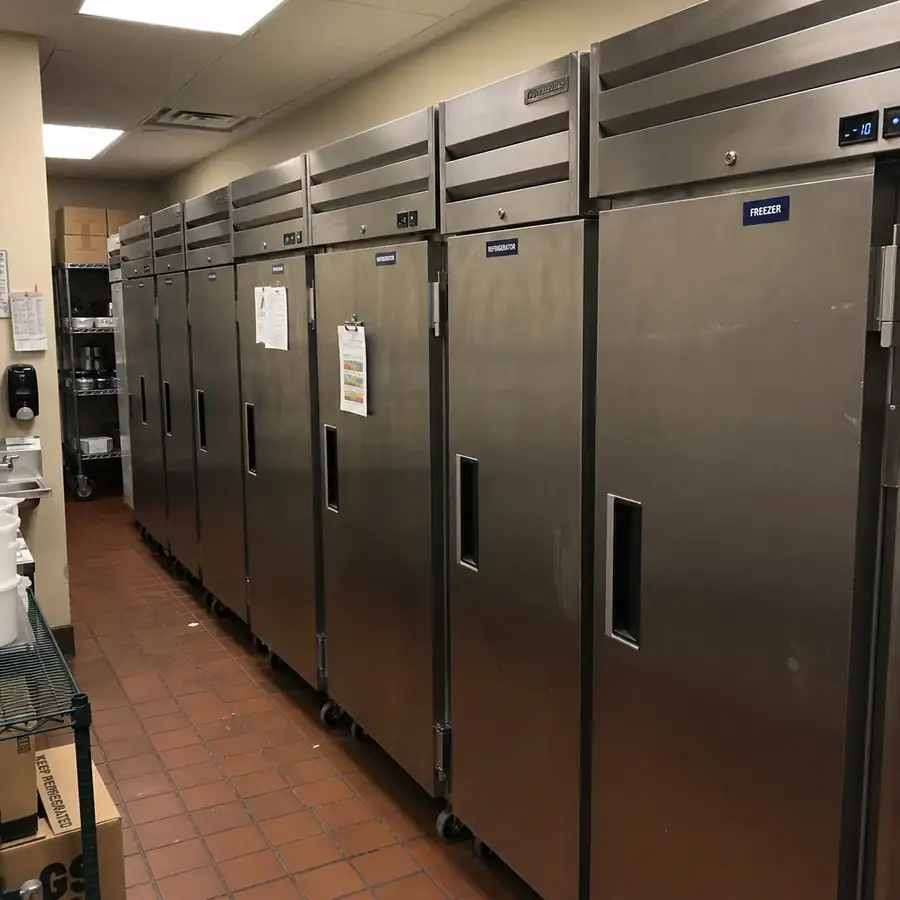
Shopping for commercial kitchen refrigeration equipment for sale isn't just about cubic feet. Temperature stability and recovery time matter most.
Common refrigeration categories:
- Reach-in refrigerators (13 door)
- Reach-in freezers
- Prep tables with refrigerated rails
- Undercounter units
- Walk-in coolers/freezers (high volume)
- Ice machines (often overlooked-plan early)
Commercial refrigerator vs freezer: choosing correctly
A quick decision framework for commercial refrigerator vs freezer:
- Choose a refrigerator for high-access items (produce, dairy, sauces) where staff opens doors frequently.
- Choose a freezer for long storage and bulk buying (proteins, par-baked items), and prioritize insulation and door seals.
Also note: freezer compressors work harder and usually cost more to run, so sizing accurately supports energy efficient kitchen equipment goals.
3) Prep and storage (where speed is built)
A fast line depends on the prep zone. The essentials in commercial kitchen supplies often include:
- Sinks (hand, prep, mop) and faucet kits
- Food processors, mixers, slicers (as needed)
- Cambros/food pans + lids
- Shelving (wire or dunnage racks)
- Knife systems and cutting boards
- Portion scales and thermometers
Stainless steel prep tables sizing (avoid expensive mistakes)
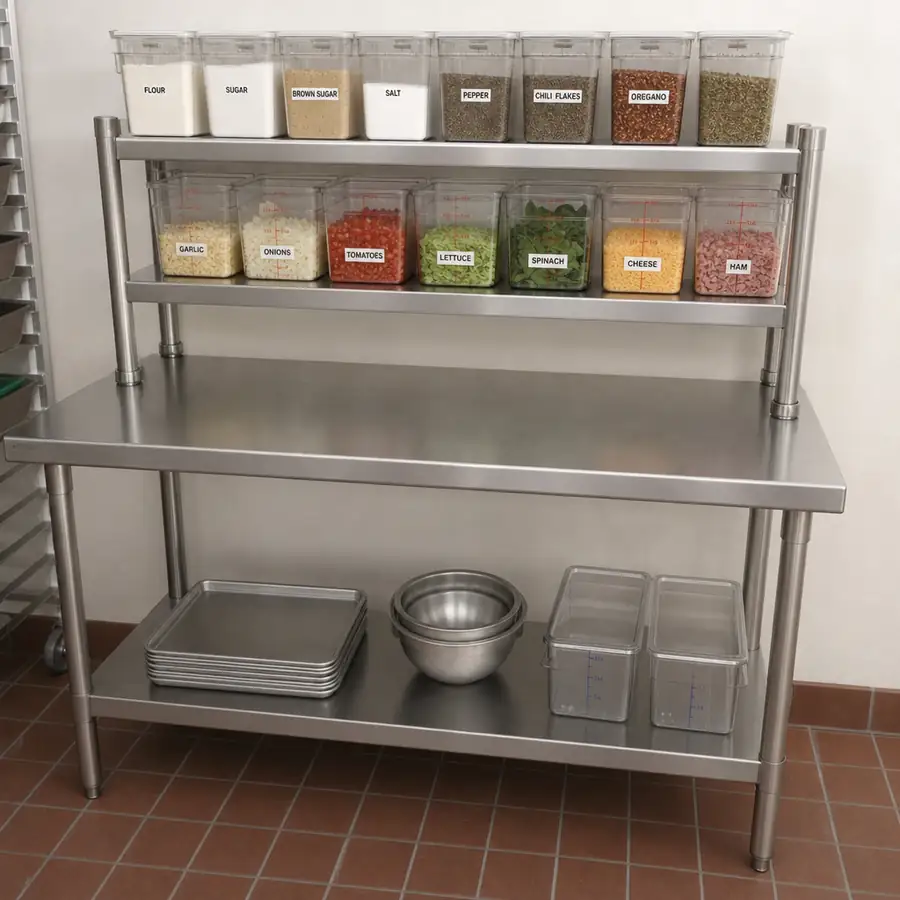
For stainless steel prep tables sizing, use these rules of thumb:
- Leave at least 36 inches for main aisles (more if carts pass)
- Standard depths: 24, 30, 36-deeper isn't always better if it blocks movement
- Plan landing space near heat equipment (plating, pans, sheet trays)
- Add undershelves only if they won't interfere with knee clearance during long prep sessions
Correct sizing improves ergonomics and reduces cross-traffic.
4) Warewashing and sanitation (non-negotiable)
You'll typically need:
- Commercial dishwasher (undercounter, door-type, or conveyor)
- 3-compartment sink setup
- Grease interceptor considerations (often required)
- Chemical dispensers + test strips
- Drying racks and bussing systems
This is also where NSF certified restaurant equipment matters most. NSF certification is widely recognized for sanitation and cleanability standards-especially for dish, cold holding, and prep-contact surfaces.
New vs Used: How to Get Value Without Risk
There are times when used restaurant equipment deals are smart-and times when they're a trap. The goal is to save money and avoid buying faulty used equipment.
Best candidates for used purchases
Often safe if inspected and tested:
- Stainless tables and shelving
- Non-powered storage (carts, racks)
- Some refrigeration (only with verification-see below)
- Smallwares/kitchenware bundles (when cleanable)
This can be a cost-effective way to find kitchenware for sale and bulk basics.
Higher-risk used purchases (buy carefully)
Proceed with caution or buy new if downtime is catastrophic:
- Ice machines (maintenance history is everything)
- Fryers (hidden wear, gas valve issues)
- Combi ovens (complex electronics, expensive repairs)
- Refrigeration without documented service
Used equipment inspection checklist (quick but thorough)
When you can, test in person:
- Plug in / fire up and run for at least 2030 minutes
- Confirm model/serial plate is intact (helps with parts)
- Check door seals, hinges, and closures
- Listen for compressor noise and short-cycling
- Inspect welds, corrosion, and pitting on stainless
- Ask for service records and reason for sale
If buying refrigeration used, bring a thermometer and verify pull-down time and steady temps.
Where to Buy Restaurant Equipment (and What to Ask)
Whether you shop online or locally, compare used restaurant equipment options alongside new to stretch your budget.
If you're wondering where to buy restaurant equipment, you typically have four main channels, each with pros/cons.
1) Local dealers and showrooms
Pros: guidance, service relationships, often restaurant equipment delivery and setup options. Ask:
- Do you provide commercial kitchen equipment installation?
- What's included in delivery (uncrating, placement, haul-away)?
2) Online retailers and marketplaces
Pros: selection, pricing. Ask:
- Freight terms and liftgate requirements
- Return policy for arrived damaged
- Lead times and backorder rules
If you want one place to source commercial kitchen equipment for sale from leading brands while still getting real buying help, an established supplier like The Horeca Store can be a practical option: look for extensive product selection across restaurant supplies and foodservice equipment, competitive pricing, expert guidance on specs and utilities, and clear policies around shipping, warranties, and returns.
3) Auctions / restaurant closeouts
Pros: deep discounts during a restaurant equipment sale event. Cons: limited testing, as-is terms-use the used checklist above.
4) Equipment liquidators
Pros: consolidated inventory, sometimes refurbished options. Ask:
- What does refurbished mean (cosmetic vs mechanical)?
- Are units tested under load?
Commercial kitchen equipment for sale near me: how to shop locally
Searching commercial kitchen equipment for sale near me is useful when you need:
- Faster fulfillment
- Onsite inspection
- Local service referrals
- Easier warranty handling
Even if prices are slightly higher, reduced downtime can outweigh the difference.
Financing, Warranties, and Total Cost (Think Beyond the Sticker Price)
Cost planning is not just purchase price-it's installation, utilities, repairs, and lost sales from downtime.
Restaurant equipment financing options
Common restaurant equipment financing options include:
- Equipment leasing (often lower upfront)
- Term loans through lenders or dealers
- Manufacturer or distributor programs (promotional rates at times)
If cash flow is tight during a build-out, it can help to buy through a supplier that offers financing and structured guidance on what to purchase first. For example, The Horeca Store provides financing options and expert buying support, which can be useful when you're comparing commercial cooking equipment, refrigeration, and installation requirements on a real-world budget.
Before signing, clarify:
- Early payoff terms
- End-of-lease buyout cost
- Insurance requirements
- Whether installation is financeable
Restaurant equipment warranty coverage: what to confirm
Restaurant equipment warranty coverage varies widely. Ask about:
- Parts vs labor (labor often limited)
- Onsite service eligibility
- Registration requirements and deadlines
- Exclusions (improper install, lack of maintenance, water filtration)
A great warranty that requires a technician three hours away may not protect you the way you expect.
Energy and Compliance: Buy Equipment That Lowers Long-Term Costs
Choosing energy efficient kitchen equipment can reduce monthly overhead and heat load in the kitchen.
Look for:
- High-efficiency fryers and water heaters
- Well-insulated refrigeration with quality gaskets
- LED-lit reach-ins
- Properly sized hoods and balanced make-up air (big impact on comfort and HVAC cost)
Also, prioritize NSF certified restaurant equipment for items that contact food, and verify local code requirements for ventilation, gas connectors, and backflow prevention.
Installation, Delivery, and Setup (Plan It Like a Project)
Even the best equipment fails if it's installed poorly.
Commercial kitchen equipment installation essentials
Coordinate early with:
- Plumber (gas/water/drain lines, floor sinks)
- Electrician (voltage, phase, breaker sizing)
- HVAC/hood contractor (airflow, fire suppression integration)
- Health inspector requirements (where applicable)
A common delay is ordering equipment before confirming utilities and hood capacity.
Restaurant equipment delivery and setup: prevent day-one surprises
Before delivery:
- Confirm door widths, hallway turns, elevator limits
- Reserve loading access and verify delivery windows
- Confirm whether the carrier uncrates and removes packaging
- Photograph equipment on arrival (damage claims)
This is especially important for large refrigeration and ovens.
Kitchen Equipment Maintenance Checklist (Protect Your Investment)
A simple kitchen equipment maintenance checklist extends lifespan and protects warranties:
Daily:
- Wipe down stainless and controls
- Empty grease trays and clean fryer surroundings
- Verify holding temps and log them
Weekly:
- Clean refrigeration gaskets and inspect tears
- Delime dish machine if needed (per chemical plan)
- Clean fryer oil filtration components
Monthly:
- Inspect gas hoses and quick-disconnects
- Check oven door seals and hinges
- Clean condenser coils (more often in greasy kitchens)
Quarterly/biannual (often pro service):
- Calibrate thermostats if drifting
- Deep clean ice machine (and replace water filters as scheduled)
- Preventive service on combi ovens and refrigeration
Maintenance is a top lever for reducing emergency calls and downtime.
Quick Buying Tips (Use This When Comparing Listings)
When reviewing commercial kitchen equipment for sale listings, prioritize:
- Right-size capacity (avoid overspending on unused output)
- Utility compatibility (gas type, electrical phase)
- Serviceability (local techs + parts availability)
- Documented condition (especially for used refrigeration)
- Safety and sanitation certifications where needed
If you're buying a mix of commercial cooking tools, refrigeration, and prep items, build your cart in phases: cold storage + sanitation first, then cookline, then upgrades.
Takeaway: Buy for Reliability, Workflow, and Total Cost
The best purchases aren't always the cheapest-they're the ones that keep service smooth, food safe, and repairs predictable. Use a workflow plan, compare new vs used intelligently, confirm financing and restaurant equipment warranty coverage, and schedule commercial kitchen equipment installation like a project.
If you're ready to buy, The Horeca Store is a reliable one-stop destination for commercial kitchen equipment for sale, restaurant equipment, and restaurant supplies-with a broad selection from leading brands, competitive pricing, expert buying guidance, financing options, fast shipping, and dependable customer support. It's a practical option for new kitchens, renovations, or business expansions where you want quality equipment and clear, professional support through the purchasing process.