
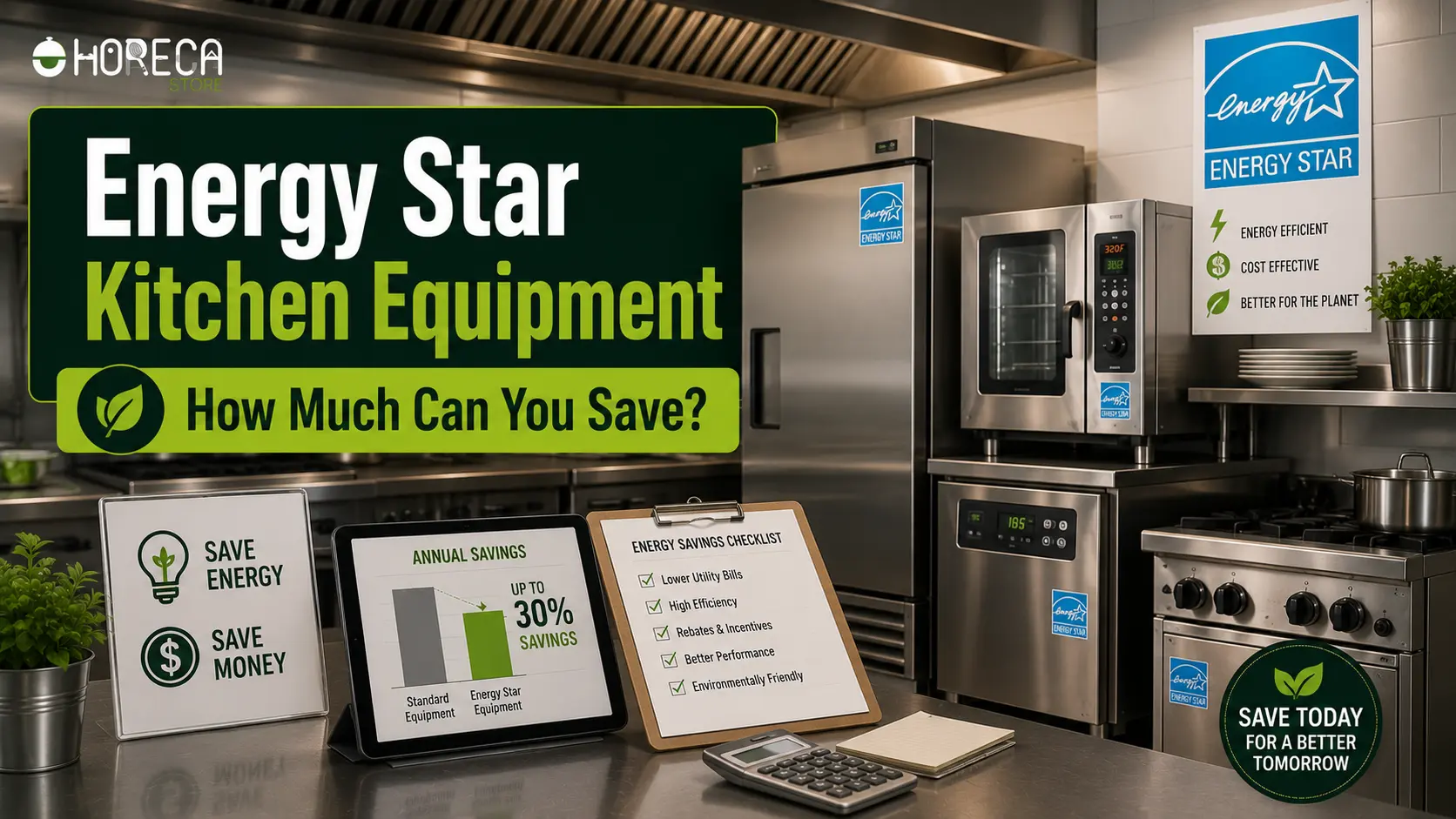
In the bustling world of commercial kitchens, energy efficiency is more important than ever. Energy Star certified equipment offers a solution. These appliances promise significant savings on energy bills. But how much can you actually save?
Energy Star equipment is designed to use less energy without sacrificing performance. This means lower utility costs and a reduced carbon footprint. For businesses, this translates to more money in the bank.
Investing in energy-efficient appliances can seem daunting at first. However, the long-term benefits often outweigh the initial costs. Rebates and incentives can further sweeten the deal.
This guide will explore the potential savings and benefits of Energy Star commercial kitchen equipment. Discover how these appliances can transform your kitchen's efficiency and sustainability.
What Is Energy Star Commercial Kitchen Equipment?
Energy Star commercial kitchen equipment includes appliances built to consume less energy. These devices meet specific guidelines set by the U.S. Environmental Protection Agency. This ensures they perform efficiently even under demanding kitchen conditions.
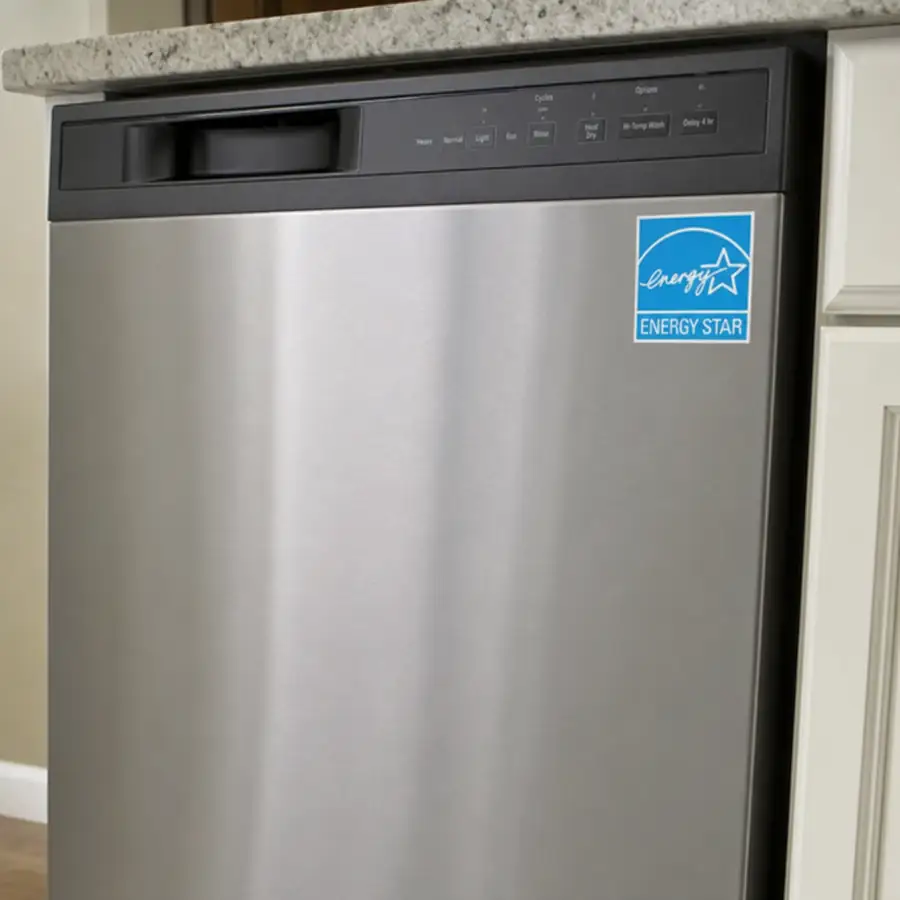
Energy Star appliances are easily recognizable by the blue and white certification logo. They are available in a variety of kitchen categories. This includes ovens, fryers, steamers, and more. Each appliance is tested to ensure it meets the standards for energy consumption and performance.
Here are some categories of Energy Star kitchen equipment:
Choosing Energy Star equipment helps the environment. It also enhances operational efficiency and reduces costs in commercial kitchens.
How Much Can You Save With Energy Star Equipment?
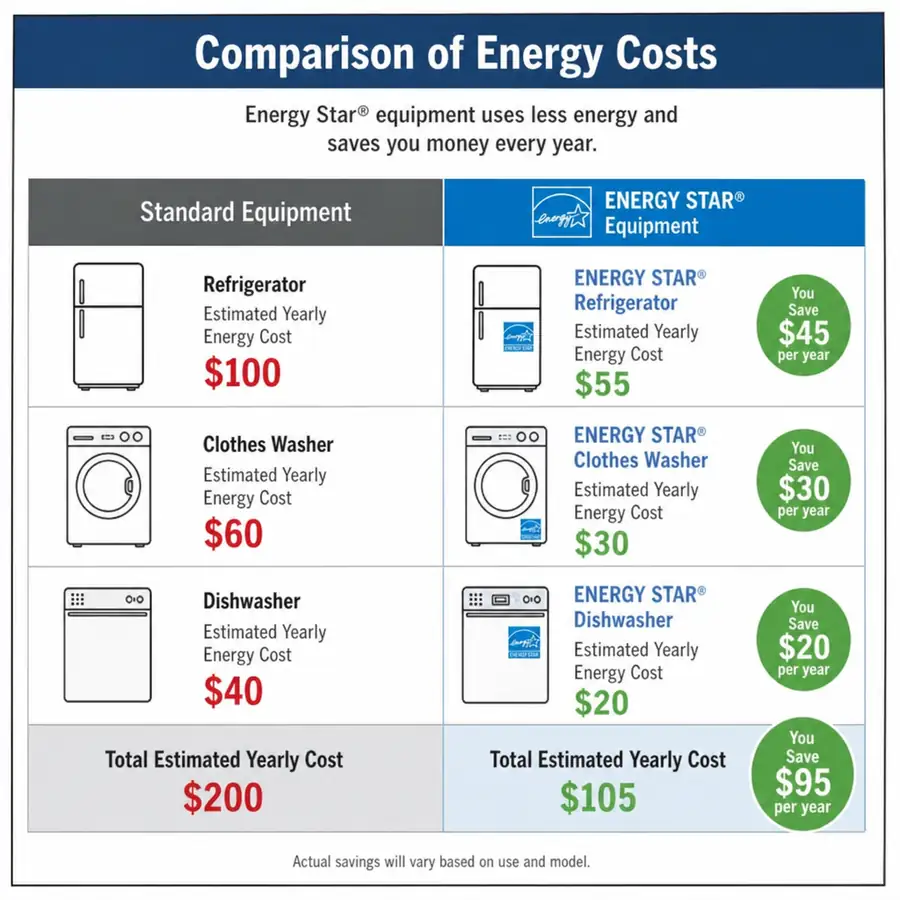
Energy Star equipment offers significant savings on energy bills. Businesses can save up to 30% compared to using non-certified appliances. These savings accumulate quickly, improving the bottom line.
The initial cost of Energy Star certified equipment is often higher. However, the reduction in utility bills over time offsets this initial investment. Many business owners find that energy savings make the purchase well worth it.
To provide a clearer picture, here are some potential savings:
- Refrigerators: 15% less energy usage
- Dishwashers: Save 5,000 gallons of water annually
- Ovens and Fryers: Up to 20% energy reduction
These savings free up resources for other business expenses. By investing in energy-efficient appliances, kitchens can enhance sustainability practices. This commitment can also improve a business’s reputation, attracting eco-conscious customers.
Key Benefits of Energy-Efficient Appliances in Commercial Kitchens
Energy-efficient appliances bring numerous advantages to commercial kitchens. They reduce energy consumption, leading to lower utility costs. These savings contribute directly to increased profit margins.
Beyond financial benefits, using energy-efficient appliances aids environmental sustainability. Reduced energy use lessens greenhouse gas emissions. This helps kitchens minimize their carbon footprint and fosters eco-friendly practices.
In addition to cost and environmental advantages, the operational efficiency of Energy Star equipment is noteworthy. These appliances often incorporate advanced features that enhance performance. Here are some key benefits:
- Lower operating costs
- Reduced environmental impact
- Enhanced cooking performance
- Longer equipment lifespan
- Improved kitchen reliability
Adopting energy-efficient appliances can significantly improve the overall functionality of commercial kitchen.
Comparing Energy Star vs. Standard Equipment: Real-World Examples
Let's delve into the differences between Energy Star certified equipment and standard models. Energy Star appliances consistently outperform traditional ones in efficiency and savings.
A typical Energy Star refrigerator uses about 15% less energy than its non-certified counterpart. In real-world scenarios, this translates to considerable cost reductions. These savings accumulate quickly, significantly decreasing utility bills over time.
Fryers and ovens also demonstrate the benefits of Energy Star certification. Energy Star fryers can cut energy usage by 30%, while ovens save around 20%. The financial impact is substantial when considering the heavy use these appliances endure daily.
Below are real-world examples comparing energy use:
- Refrigerators: 15% less energy
- Fryers: 30% less energy
- Ovens: 20% less energy
By comparing these figures, it's clear that investing in Energy Star appliances yields significant savings and operational benefits.
Top Energy Star Appliances for Commercial Kitchens
When selecting appliances for a commercial kitchen, Energy Star models are a top choice. They are not only energy-efficient but also enhance kitchen performance.
Refrigerators and freezers are essential in any commercial setting. Energy Star certified models use significantly less energy than standard options, making them a wise investment. By choosing these appliances, kitchen operators can enjoy lower energy bills and reduce their carbon footprint.
Dishwashers and convection ovens also stand out. Energy Star dishwashers save thousands of gallons of water annually, while convection ovens offer swift cooking times with reduced energy use.
Here are some top Energy Star kitchen appliances:
- Refrigerators/Freezers: Energy-efficient cooling
- Dishwashers: Water and energy savings
- Convection Ovens: Faster cooking with less energy

These appliances represent a smart choice for any business aiming to increase sustainability and reduce costs.
Energy Savings Tips for Commercial Kitchens
Maximizing energy efficiency involves more than just selecting the right equipment. Implementing strategic practices is also key to achieving significant savings.
Simple actions can make a big impact. Turning off equipment when it's not in use and scheduling regular maintenance are essential steps. These habits help keep appliances running efficiently and extend their lifespan.
Training staff on energy-saving practices can also enhance efficiency. Encourage employees to adopt energy-conscious habits during their shifts. Not only will this reduce energy use, but it will also promote a culture of sustainability.
Consider these energy savings tips:
- Turn off unused equipment
- Perform regular maintenance
- Encourage energy-saving habits in staff
By implementing these tips, commercial kitchens can optimize their energy use and manage costs effectively.
Rebates, Incentives, and Additional Savings Opportunities
Investing in Energy Star equipment often brings financial perks beyond energy bill savings. Many utility companies offer rebates and incentives to encourage the adoption of energy-efficient appliances.
These programs can substantially lower the initial cost of upgrading to Energy Star equipment. Check with local utilities to explore available options that can ease upfront expenses.
Here's how to discover savings:
- Contact your utility provider about rebates.
- Research government grants for energy efficiency.
- Stay informed about tax incentives for sustainable businesses.
Taking advantage of these opportunities can further enhance the financial benefits of energy-efficient upgrades.
Energy Star Commercial Kitchen Equipment: How Much Can You Actually Save?
The Horeca Store energy Star commercial kitchen equipment can help restaurants, cafés, hotels, and foodservice businesses reduce operating costs by using less electricity and water than standard commercial equipment. Products such as refrigerators, freezers, ice machines, dishwashers, and cooking appliances are designed for greater energy efficiency without compromising performance. While actual savings depend on equipment type, daily usage, utility rates, and kitchen size, investing in energy-efficient equipment can lower monthly utility bills, reduce maintenance costs, and provide long-term value for growing businesses.
Choosing Energy Star-certified equipment is a smart investment for operators looking to improve sustainability while controlling expenses. The Horeca Store offers a wide range of commercial kitchen equipment, including energy-efficient refrigeration units, ice machines, cooking equipment, and foodservice supplies for restaurants, cafés, hotels, and catering businesses. With quality products, competitive pricing, and reliable support, The Horeca Store helps businesses build efficient kitchens that deliver long-term performance and operational savings.
Conclusion: Maximizing Your Savings and Sustainability
Adopting Energy Star commercial kitchen equipment is a smart move for both financial and environmental reasons. The savings on energy bills add up significantly over time, making the initial investment worthwhile.
By leveraging rebates and incentives, the transition becomes even more affordable. Combining Energy Star equipment with energy-efficient practices can maximize benefits, promoting a sustainable future.
Embrace these strategies to achieve long-term savings and reduce your kitchen's environmental impact. Emphasizing energy efficiency not only aligns with sustainability goals but also enhances your business reputation.