
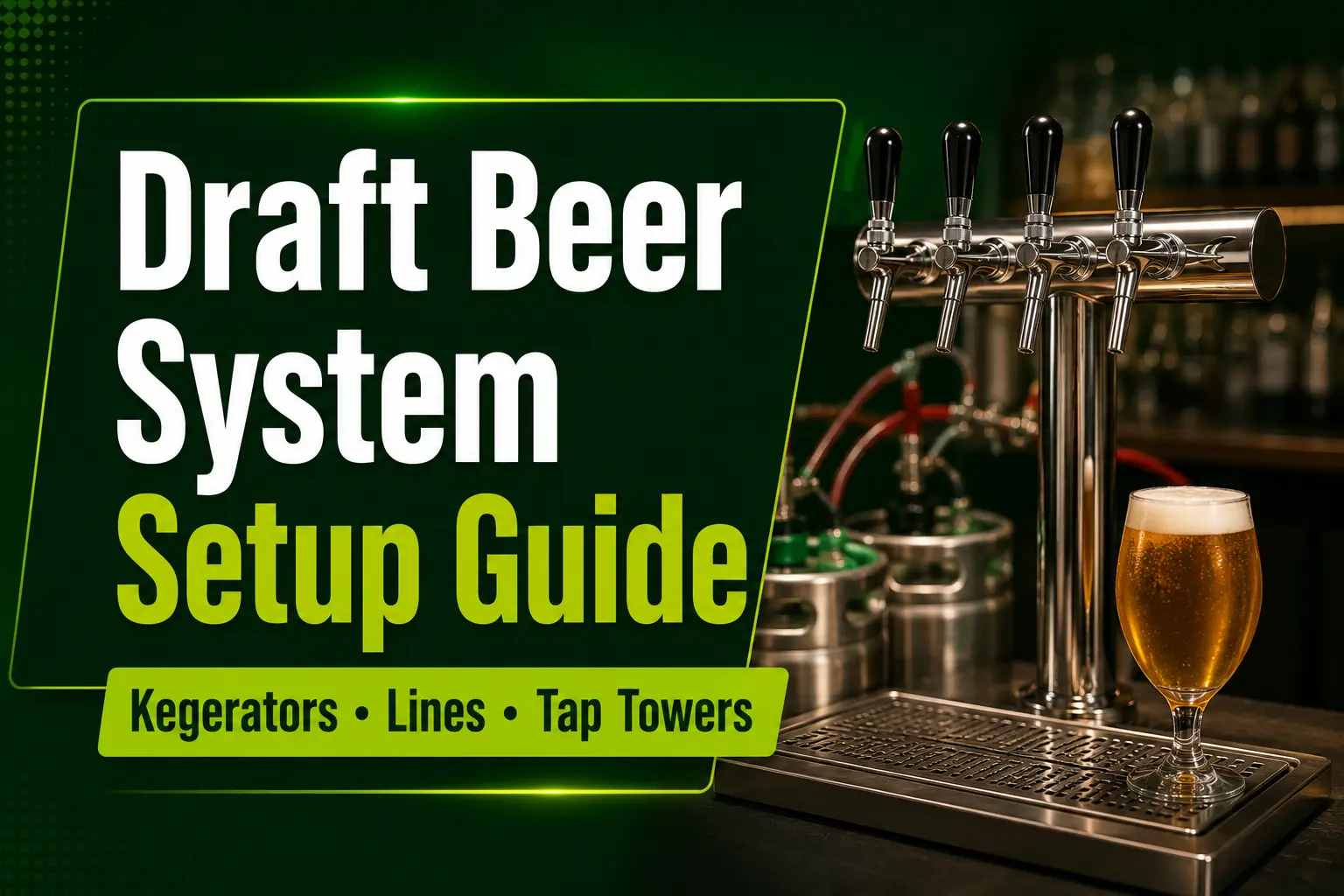
Draft beer systems bring the joy of fresh beer to your fingertips. They are a must-have for beer lovers.
Setting up a draft beer system can seem daunting. But with the right guidance, it becomes manageable.
This guide will walk you through the essentials. You'll learn about kegerators, beer lines, and tap towers.
Kegerators are the heart of any draft system. They keep your beer cold and ready to serve.
Beer lines connect the kegerator to the tap. Proper maintenance ensures your beer tastes great.
Tap towers are the final touch. They dispense your beer with style and efficiency.
Understanding these components is key. It helps in both installation and maintenance.
Whether for home or business, a draft beer system enhances the drinking experience.
Dive in to discover how to set up your perfect draft beer system.
Understanding Draft Beer Systems: An Overview
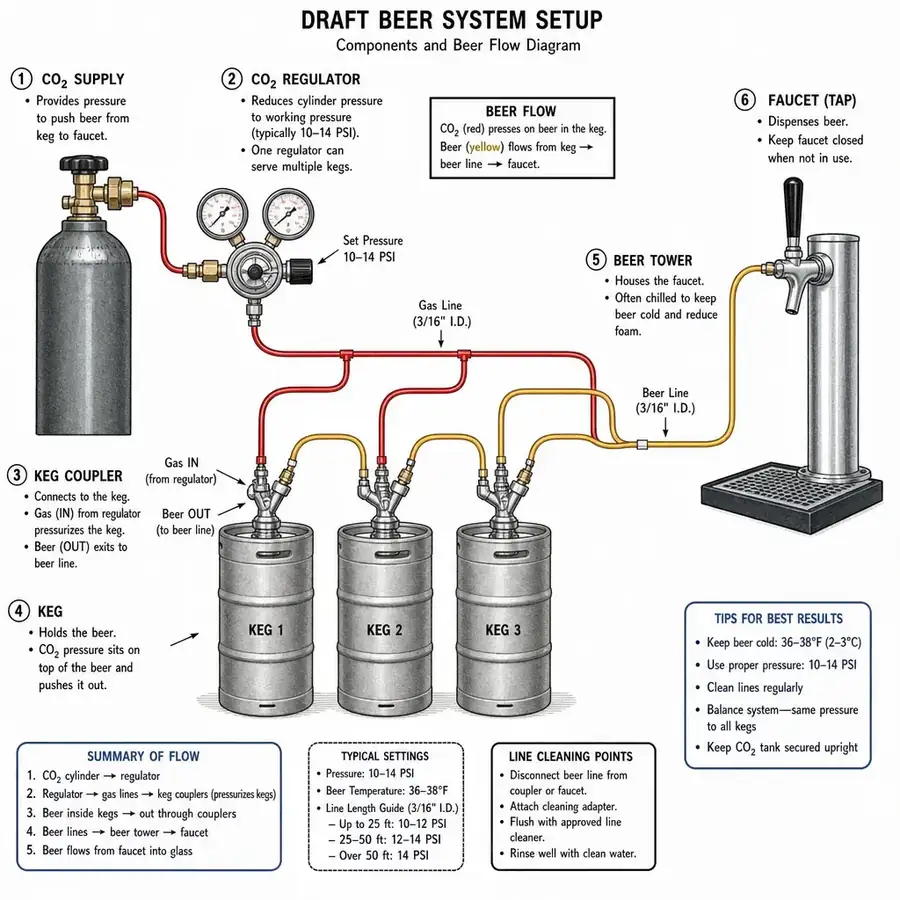
Draft beer systems are marvels of efficient design. They combine several components to pour the perfect pint. Each part plays a vital role, ensuring quality and reliability.
At the core is the kegerator, housing and chilling your beer kegs. It is crucial for maintaining freshness. Temperature control is key to keeping your beer at its best.
Beer lines transport the beer from keg to tap. They must be the right length and cleaned regularly. This prevents off-flavors and ensures proper carbonation.
Tap towers add a touch of sophistication. Available in various designs and materials, they enhance the aesthetic of any bar or home setup. They serve as the beer's final stop before hitting your glass.
Key components of a draft beer system include:
- Kegerators
- Beer lines
- Tap towers
- CO2 and nitrogen tanks
- Regulators and gauges
To push beer from keg to tap, CO2 or nitrogen tanks pressurize the system. Regulators manage that pressure, ensuring a smooth pour. It's vital for preserving the beer’s carbonation and quality.
Understanding these basics can greatly improve system performance. It also aids in troubleshooting any issues that may arise.
Mastering these elements paves the way for an impeccable draft beer experience. Each pour should be as satisfying as the first.
Key Components of a Draft Beer System
A draft beer system comprises several essential components. Each piece plays a role in delivering fresh, quality beer.
The most crucial element is the kegerator. It keeps kegs at the ideal temperature. This component ensures beer stays fresh and flavorful.
Beer lines connect your keg to the tap tower. The length and diameter of these lines impact beer flow. Proper maintenance of beer lines is crucial for taste.
Tap towers are where the magic happens. Available in various styles, they serve as the beer’s final presentation point. They enhance both function and aesthetics.
Essential draft beer system components include:
- Kegerators
- Beer Lines
- Tap Towers
- CO2 or Nitrogen Tanks
- Regulators and Gauges
CO2 and nitrogen tanks are the lifeblood of the system. They provide the pressure necessary to move beer from keg to glass. Regulators fine-tune this pressure to ensure a perfect pour.
Understanding each component helps optimize your setup. It aids in troubleshooting and maintenance, ensuring each beer is as good as the last.
Kegerators: The Heart of Your Draft System
Kegerators are vital for any draft beer setup. They serve both practical and aesthetic functions. Essentially, they are refrigerators specifically designed for beer kegs.
These units come in a variety of sizes and designs. Choose one based on your space and number of taps needed. Some can hold multiple kegs, perfect for diverse beer selections.
Temperature control is paramount for freshness. Most kegerators allow users to adjust settings easily. The ideal beer serving temperature is between 38-45°F (3-7°C).
Kegerators can be self-contained units or converted refrigerators. Many enthusiasts enjoy the DIY aspect of building their own. Kits are available for such conversions.
Whether for home or commercial use, a kegerator is essential. It keeps beer chilled and ready to serve. Some advanced models even integrate digital controllers.
Features to consider when choosing a kegerator:
- Size and Capacity
- Temperature Controls
- Material and Finish
- Number of Taps
Investing in a good kegerator pays off in quality and satisfaction. It's the heart of your draft beer system, ensuring each pint is perfect.
Beer Lines: Types, Length, and Maintenance
Beer lines are crucial for transporting beer with integrity. Selecting the correct type and length affects your beer's taste and pour quality.
Different materials cater to different needs. Common options include vinyl and polyethylene. Each material offers unique benefits, from flexibility to durability.
Key types of beer line materials:
- Vinyl: Flexible and economical
- Polyethylene: Durable and resistant to kinks
- Barrier Tubing: Prevents flavor carryover
Length impacts resistance and carbonation. Too long, and beer pours slowly and may go flat. Too short can lead to foam issues.
Proper maintenance prolongs line life. Routine cleaning prevents bacteria and off-flavors. Cleaning kits make this process simpler for users.
Regular line upkeep ensures a consistent drinking experience. Maintain a schedule to keep your lines clean and your beer delicious. Recommended cleaning frequency is every two weeks.
Considerations for beer line maintenance:
- Regular Cleaning
- Inspecting for Wear
- Replacing Damaged Lines
By investing time in your beer lines, you guarantee a superior beer. Consistent maintenance protects flavor and prevents unwanted surprises.
Tap Towers: Styles, Materials, and Installation
Tap towers make an impact visually and functionally. They're where your guests pour and enjoy their drinks. Choosing the right tower can enhance your setup's style.
There are many styles and materials to consider. Towers come in single or multiple tap options. Choose based on your draft needs and aesthetic preferences.
Common materials include stainless steel and brass. Stainless steel resists corrosion, while brass offers a classic look. Each has its own maintenance needs.
Essential aspects of tap towers:
- Style: Single or multiple taps
- Material: Stainless steel, brass, etc.
- Aesthetics: Match your overall theme
Easy installation is a must for any draft beer enthusiast. Most tap towers attach directly to a kegerator or countertop. There are also models for more elaborate bar setups.
Consider aesthetics, maintenance, and function when selecting your tower. Pair the look with practical features for the best results. Durability is crucial for long-lasting performance.
CO2 and Nitrogen Tanks: Pressurizing Your System
Gas tanks provide the power to push beer from the keg to the glass. They maintain the pressure and carbonation necessary for a good pour. Both CO2 and nitrogen are used, depending on the beer type.
CO2 is common for most beer types. Nitrogen is often used for stouts and creamy ales. Each gas requires specific setup and maintenance.
When selecting tanks, consider size and refilling needs. Larger tanks last longer but take up more space. Ensure your system can accommodate them.
Key points for gas tanks:
- Gas Type: CO2 vs. Nitrogen
- Size and Capacity
- Refill and Maintenance Frequency
Regular inspections ensure no leaks occur. Using gas efficiently keeps operating costs down. Monitor levels to avoid interruptions during service.
Gas tanks are a critical component in draft systems. Proper selection and maintenance result in a hassle-free experience.
Regulators and Gauges: Controlling Pressure
Regulators and gauges are vital for managing the pressure in your system. They ensure consistent carbonation and quality in your beer pours.
Regulators adjust the pressure from your gas tanks. They usually come with one or two gauges to monitor output pressure and tank levels.
Key regulator features to consider:
- Adjustment Range
- Number of Gauges
- Durability
Correct pressure settings vary by beer type. Having precise control avoids issues like excessive foam or flat beer. Regulators allow you to fine-tune your system for optimal results.
By selecting quality parts, you optimize pours and elevate your setup's aesthetics.
Drip Trays and Accessories: Cleanliness and Convenience
Drip trays play a significant role in maintaining cleanliness. They catch drips and spills, keeping your setup neat. Choose trays that match your setup, either installed on top of the bar or underneath.
Essential accessories complement the system, adding efficiency. Consider items like quick disconnects for ease of maintenance.
Key accessories include:
- Drip Trays
- Quick Disconnects
- Cleaning Brushes
These components contribute to the overall function and look of your draft system, making maintenance more manageable.
Draft Beer System Types: Direct Draw, Air Cooled, and Glycol Cooled
Draft beer systems vary based on cooling methods and installation styles. Three primary types are direct draw, air cooled, and glycol cooled systems. Understanding their differences can help you choose the right setup for your needs.
Direct draw systems are straightforward and ideal for home or small bar setups. The keg and tap are located close together, usually within the same kegerator. This setup requires minimal installation, making it cost-effective and simple.
Advantages of direct draw systems include:
- Easy installation and maintenance
- Cost-effectiveness
- Compact design
Air cooled systems are suitable for short-distance beer transport within bars or restaurants. They use fans to circulate cold air around beer lines. This maintains beer temperature as it travels from the keg cooler to the tap.
Key features of air cooled systems:
- Ideal for short distances
- Prevents spoilage by maintaining temperature
- Suitable for indoor use
Glycol cooled systems are engineered for long-range installs. They use a mix of water and glycol to maintain beer temperature over extended distances. The glycol mixture circulates through lines parallel to beer lines, offering precise cooling.
Benefits of glycol cooled systems include:
- Perfect for long beer line runs
- Maintains consistent temperature
- Versatile for large ven
Choosing between these systems depends on installation complexity, budget, and venue layout. Consider your space and volume needs before deciding. Each type offers distinct benefits that can enhance your draft beer experience.
Planning Your Draft Beer System Setup
Planning a draft beer system setup involves several important considerations. Start by assessing your specific needs, venue size, and beer volume expectations. This helps tailor the system to your usage and space.
Determine the number of taps and keg variety you desire. This dictates the scale of your system, including kegerator size and tap tower configuration. Consider both present and future needs to allow for expansion.
Essential planning factors include:
- Venue size and layout
- Number of beers and taps desired
- Budget and time constraints
Next, choose the most suitable draft system type: direct draw, air cooled, or glycol cooled. This decision impacts cooling efficiency and installation complexity. Additionally, consider the power supply, ventilation, and access to water lines if needed.
Key components to select:
- Type of draft system
- Tap tower style and material
- Keg coupler compatibility
Budget for all necessary components, including CO2 tanks, beer lines, and cleaning tools. Allocating funds for installation and potential maintenance is also crucial. Proper planning ensures you avoid costly mid-project changes.
Consulting with experts or using online resources during the planning phase can provide insights into system setup. Consider logistical aspects such as delivery and installation timelines. By planning thoroughly, you can create a system that's not only functional but efficient and reliable, ensuring a smooth-flowing draft beer experience.
Step-by-Step Draft Beer Installation Guide
Setting up a draft beer system at home or for commercial use can be a rewarding experience when done correctly. This step-by-step guide will help you through the process.
Step 1: Gather Your Tools and Equipment
Before starting the installation, make sure you have all the necessary tools and equipment. This includes wrenches, screwdrivers, a drill, and sealant tape. Check that you have all components like kegerators, beer lines, taps, and regulators.
Essential tools and equipment:
- Wrenches and screwdrivers
- Drill with appropriate bits
- Sealant tape
- Kegerator unit
- Beer lines
- Tap towers and faucets
Step 2: Place and Position Your Kegerator
Position your kegerator in its designated area, ensuring proper ventilation and power access. The location should allow easy access to beer kegs and enable optimal beer line routing.
Step 3: Install the Tap Tower
Drill the necessary hole or use pre-existing ones to secure the tap tower on your bar or kegerator top. Ensure the tower is stable and aligned, preventing wobble during beer dispensing.
Step 4: Connect Beer Lines
Measure and cut beer lines to the appropriate length, considering the position of your kegerator and tap tower. Connect one end to the tap and the other to the keg coupler. Secure fittings tightly to avoid leaks.
Steps for connecting beer lines:
- Measure line length accurately
- Attach to tap and coupler securely
- Check for leaks and secure fittings
Step 5: Set Up CO2 Tank and Regulator
Securely attach your CO2 or nitrogen tank to the regulator. Connect the gas line to the keg coupler, ensuring there are no leaks. Adjust the regulator to the recommended pressure setting for your beer type.
Step 6: Perform a Leak Test
With everything connected, perform a leak test by checking all connections with soapy water. Bubbles indicate leaks; tighten fittings as necessary to fix them.
Step 7: Calibrate and Test Your System
Start the system, checking the flow and carbonation levels. Adjust line lengths or pressure if required. Ensure the temperature settings are correct for optimal beer quality.
Step 8: Finalize Installation
Secure all components, make final adjustments, and ensure everything is aesthetically pleasing. Conduct a test pour to ensure a perfect pint. Your draft beer system is now ready for use.
Installing a draft beer system requires attention to detail and patience. By following these steps carefully, you can enjoy delicious draft beer right at your fingertips.
Balancing Your Draft Beer System: Pressure, Line Length, and Temperature
Balancing a draft beer system is crucial for achieving the perfect pour and ensuring the best quality. Three primary factors must be meticulously aligned: pressure, line length, and temperature.
Pressure Calibration
Proper pressure settings ensure a consistent pour and maintain beer carbonation. Start by referring to the specific beer's carbonation requirements.
Key pressure points:
- Check beer style for optimal PSI
- Adjust based on system specifics
- Monitor pressure regularly for consistency
Setting the pressure too high can result in excessive foam, while too low will make the beer flat. Use a regulator for precise control.
Adjusting Line Length
The length and diameter of the beer lines significantly impact the beer's flow rate. A balanced system employs lines that provide adequate resistance to the beer's pressure.
Considerations for line length:
- Standard is 3/16 inch diameter
- Adjust length to balance flow and pressure
- Longer lines for higher carbonation beers
Each type of beer may require slight variations in line length to optimize the pour.
Maintaining Ideal Temperature
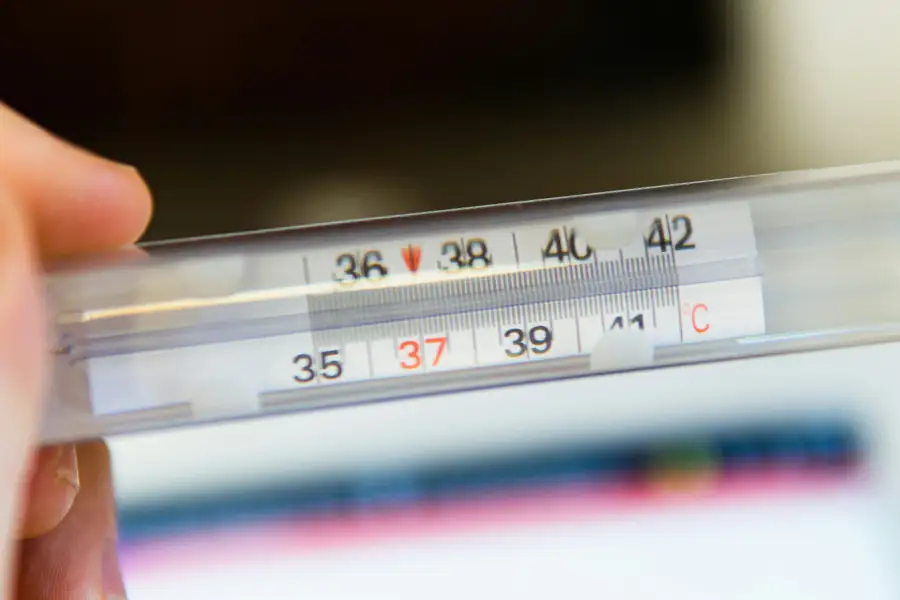
Temperature control is vital for preserving beer flavor and optimal carbonation. Ensure your kegerator maintains a consistent serving temperature.
Tips for maintaining temperature:
- Ideal range: 38-45°F (3-7°C)
- Regularly check kegerator settings
- Insulate lines to prevent temperature loss
Balancing these elements can seem complex, but it results in perfectly served, crisp beer. Regularly assess and tweak settings as needed for the best results.
Beer Line Maintenance: Cleaning and Troubleshooting
Consistent beer line maintenance is necessary for preserving the taste and quality of your draft beer. Regular cleaning ensures no buildup of bacteria or mold.
Importance of Beer Line Cleaning
Unclean beer lines lead to off-flavors and can pose health risks. Cleaning prevents buildup and ensures every pour tastes fresh.
Cleaning Frequency:
- Clean lines every two weeks
- More frequently for high-volume systems
- Use a dedicated cleaning solution
Utilize kits tailored for draft systems, and follow manufacturer instructions for optimal results.
Basic Cleaning Process
Cleaning involves circulating a solution through the lines to eliminate contaminants. It's a simple yet effective routine for beer quality.
Steps for effective cleaning:
- Disconnect and depressurize the system
- Connect cleaning kit and solution
- Allow solution to circulate and rinse thoroughly
This process eradicates buildup that could spoil the beer or impair system performance.
Common Troubleshooting Tips
Despite diligent care, draft beer systems occasionally encounter issues. Troubleshooting is essential for restoring function quickly.
Common issues and solutions:
- Excessive foam: Adjust pressure and line length
- Flat beer: Check for gas leaks or improper pressure settings
- Off-tasting beer: Ensure thorough cleaning of all components
When issues persist, inspecting system connections and components can reveal underlying problems. Proper maintenance and vigilant troubleshooting protect your investment and keep your beers tasting their best.
Customizing and Expanding Your Draft Beer System
Customizing your draft beer system gives you the freedom to tailor it to your taste and functionality needs. Adding extra taps or personalized components can enhance both the operation and the aesthetic appeal of your setup.
For those who enjoy serving a variety of beers, expanding your system to include multiple taps is ideal. This allows for offering diverse beer styles simultaneously, catering to different preferences and occasions.
Considerations for Expansion
When contemplating expansion, evaluate your available space and budget. It's important to ensure the modifications align with your existing system capacity.
Potential Customization Options:
- Adding more taps with individual lines
- Incorporating a customized tap tower design
- Using unique tap handles reflecting personal or brand style
Remember, each expansion step requires proper planning to maintain quality and system balance. Take time to evaluate how each addition will integrate into your current setup to ensure seamless operation and enjoyment.
Draft Beer System Setup for Home vs. Commercial Use
Setting up a draft beer system at home differs from commercial installations in several key aspects. Home systems typically focus on simplicity and space efficiency.
In contrast, commercial systems prioritize volume and reliability. Commercial setups often require more robust components to meet high demand.
Key Differences
Understanding the key differences can guide your approach to setup and maintenance. Here’s what to consider:
Home Systems:
- Compact size suitable for personal use
- Simpler maintenance requirements
- Focus on aesthetics and space-saving designs
Commercial Systems:
- Larger capacity for multiple kegs and high traffic
- Emphasis on durability and efficiency
- Requires frequent maintenance to ensure consistent quality
Whether for personal enjoyment or business, each setup requires careful planning to maximize its potential. Tailor your system to your needs, ensuring you balance quality, efficiency, and cost-effectiveness.
Common Draft Beer System Problems and Solutions
Operating a draft beer system may present challenges, yet most are easily solved. Quick troubleshooting ensures smooth pours.
Foamy pours are a frequent issue. Causes include incorrect temperature or pressure settings. Check your system’s temperature; it should be between 38-45°F (3-7°C). Adjust CO2 pressure to match your beer style for a perfect pour.
Cloudy beer can result from inadequate cleaning. Ensure regular maintenance of lines to prevent sediment buildup. A clean system means a clearer, fresher beer.
Common Problems and Solutions:
- Foamy Beer: Adjust temperature and pressure settings.
- Cloudy Beer: Increase cleaning frequency.
- Flat Beer: Check for CO2 leaks or low pressure.
- Leaking Taps: Tighten seals or replace worn parts.
Addressing these issues promptly maintains beer quality and system efficiency. Keep a checklist of potential problems and solutions for quick reference.
Cost Considerations and Budgeting for Your Draft Beer System
Setting up a draft beer system requires careful budgeting. Costs vary greatly based on system complexity.
Basic setups are less expensive, but advanced systems offer features like multiple taps. Consider your specific needs and balance them with your budget constraints.
Expenses to include:
- Equipment: Kegerator, lines, tap towers.
- Installation: Professional services, if needed.
- Maintenance: Cleaning supplies, replacement parts.
- Utilities: Power for refrigeration and cooling systems.
Sticking to a planned budget ensures financial control over the project. Evaluate priorities—such as customization versus functionality—when allocating funds. This thoughtful approach allows you to enjoy a draft setup that fits both your desires and your financial limits.
Sustainability and Draft Beer Systems: Reducing Waste
Draft beer systems offer an eco-friendly way to enjoy beer. By choosing draft over bottles and cans, you reduce packaging waste significantly.
This sustainable approach benefits the environment. Less packaging means fewer materials end up in landfills. Additionally, using kegs minimizes transportation impacts.
Key sustainability benefits:
- Decreased packaging waste
- Reduced carbon footprint
- Long-lasting equipment usage
Committing to sustainability, draft systems promote responsible consumption while providing the freshest beer possible. As eco-conscious choices become more vital, draft beer systems stand out as a savvy, green option.
Frequently Asked Questions About Draft Beer System Setup
What is the ideal temperature for serving draft beer?
Most beers pour best between 38-45°F. This temperature range ensures optimal taste and carbonation.
How often should beer lines be cleaned?
Beer lines need cleaning every two weeks. Regular cleaning prevents bacterial growth and maintains beer flavor.
Can I install a draft system myself?
Yes, with the right tools and knowledge. However, professional installation is recommended for complex systems.
What types of keg couplers are available?
There are several types, including D, S, and A types. Choose the coupler that matches your keg style.
How do I prevent foam issues in my beer?
Balance the system with correct pressure, line length, and temperature adjustments. These factors control foam.
Key FAQs:
- Ideal serving temperature
- Cleaning frequency
- DIY installation
- Types of keg couplers
- Foam management strategies
Build Your Draft Beer System with The Horeca Store
Whether you're setting up a home bar, restaurant, brewery taproom, or commercial beverage station, choosing the right draft equipment can make a significant difference in consistency and ease of service. The Horeca Store offers restaurant and commercial beverage equipment to help foodservice operators create efficient beverage stations suited to their space and service requirements. Before purchasing, consider keg capacity, number of taps, refrigeration requirements, CO₂ or nitrogen setup, beer-line routing, cleaning access, and future expansion.
Explore the Restaurant Equipment collection at The Horeca Store to find equipment and supplies for your commercial beverage operation. A properly planned draft system can help deliver cold, consistent pours while keeping the bar organized and efficient.
Conclusion: Enjoying Fresh Beer on Tap
Installing a draft beer system is a rewarding journey. Fresh, crisp beer at your fingertips makes every pour special.
Such systems elevate the drinking experience. Whether at home or in a bar, they offer delightful customization and convenience.
Regular maintenance ensures a flawless operation. Clean lines and balanced pressure keep each pour perfect.
Key Takeaways
- Enjoy fresh beer anytime
- Elevate the drinking experience
- Maintain regularly for optimal performance
With your draft beer system set up, embrace the pleasure of enjoying brewery-quality beer without leaving home.