
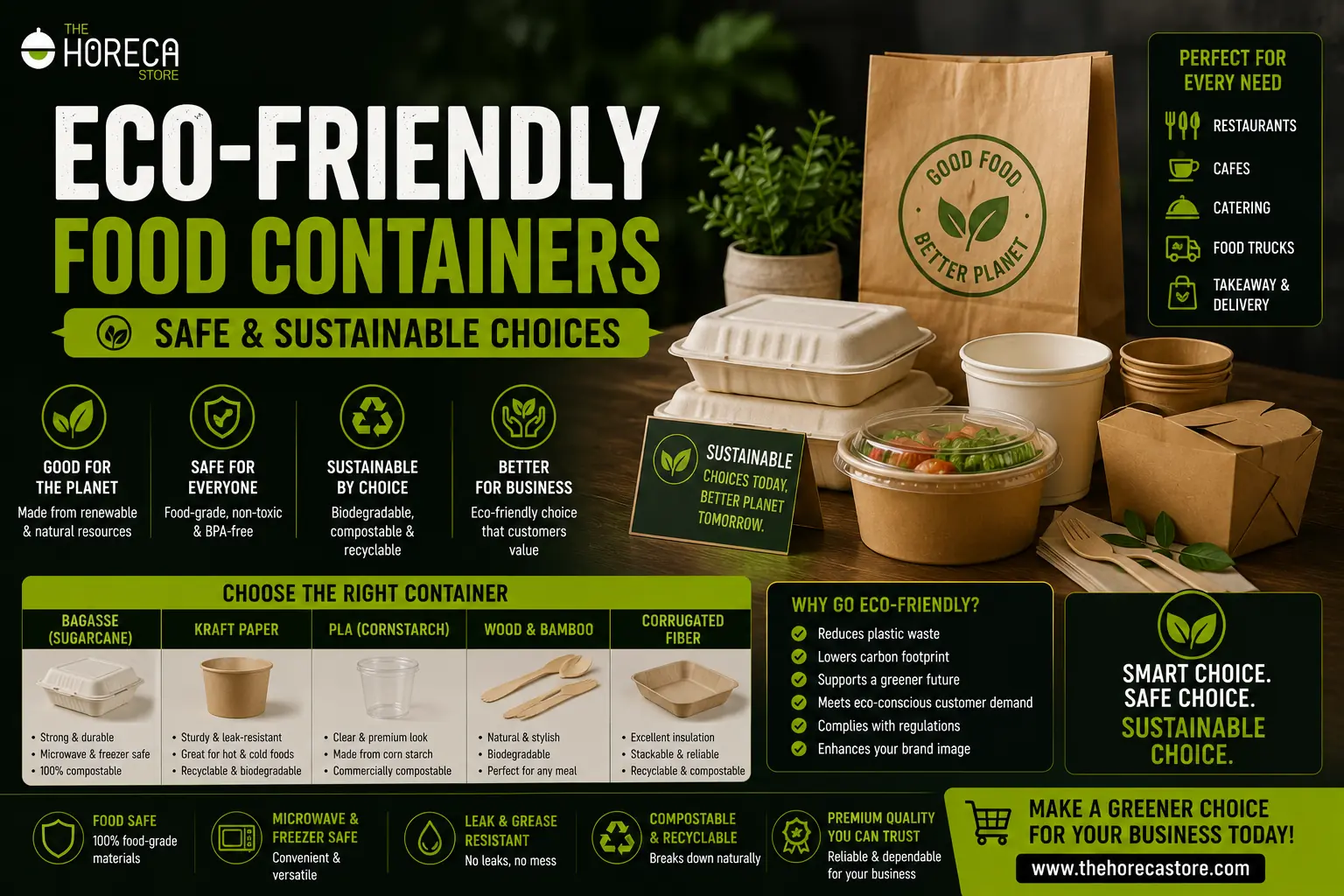
The modern convenience of takeout, food delivery, and meal prepping has revolutionized the way we eat. However, this culinary convenience has historically come at a steep environmental cost. Mountains of plastic clamshells, non-recyclable black plastic trays, and styrofoam boxes end up in landfills or oceans every single day. Fortunately, a massive shift is underway. Consumers, restaurateurs, and environmental advocates are driving the transition toward zero waste packaging. When discussing Disposable Food Containers: Eco-Friendly & Safe Options, it is crucial to understand that sustainability does not have to mean sacrificing performance or food safety. Today, the market is brimming with innovative materials that break down naturally, keep chemicals out of our food, and perform just as well as their synthetic counterparts. In this comprehensive guide, we will explore everything you need to know about eco-friendly packaging, from decoding complex terminology and navigating safety standards, to finding the perfect containers for your business or personal meal prep routine.
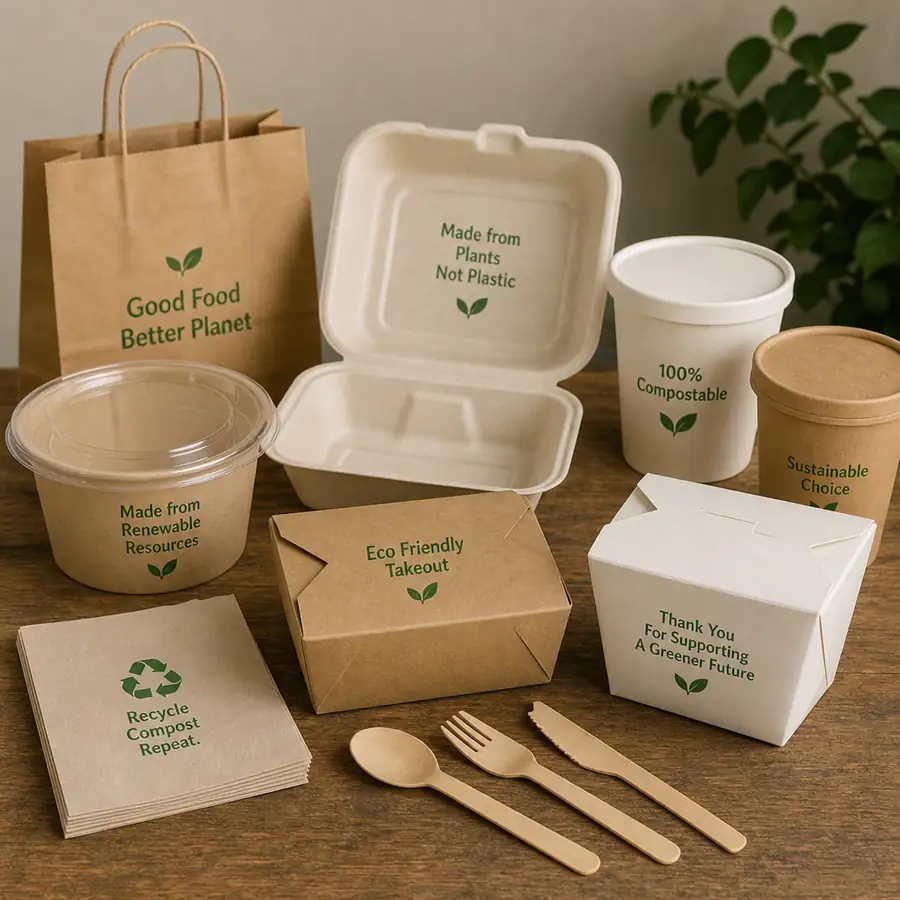
The Hidden Costs of Traditional Takeout Packaging
Before we can appreciate the solutions, we must understand the problem. The environmental impact of single-use food packaging made from conventional plastics and expanded polystyrene (Styrofoam) is staggering. These materials take hundreds of years to decompose, often breaking down into microplastics that infiltrate water systems and food chains. Beyond the environmental toll, there is a significant human health concern. A common question among consumers is: are plastic takeaway containers microwave safe? The reality is that many traditional plastic containers, particularly those made from polystyrene (Plastic #6) or standard polyethylene terephthalate (PET), are not designed to withstand high temperatures. When heated, these plastics can warp, melt, and leach harmful chemicals directly into your food. This has led to a massive push for identifying BPA free food grade materials. Bisphenol A (BPA) and its cousins (BPS, BPF) are known endocrine disruptors historically used to harden plastics. While many companies have phased out BPA, traditional plastics still carry risks when exposed to heat, acidic foods, or oils. This is why transitioning to natural, plant-based alternatives is a win for both the planet and personal health.
What Defines an Eco-Friendly and Safe Container?
For a container to truly fall under the category of Disposable Food Containers: Eco-Friendly & Safe Options, it must satisfy two core criteria: minimal ecological footprint and absolute chemical safety.
1. Environmental Footprint: True eco-friendly disposablefood containers are made from renewable resources, manufactured using sustainable practices, and designed to return to the earth without leaving toxic residue. 2. Food Safety: The materials must not interact chemicallywith the food. Manufacturers must ensure they strictly use FDA approved food contact substances for bio-based packaging, guaranteeing that no heavy metals, harmful dyes, or endocrine disruptors are transferred to the consumer.
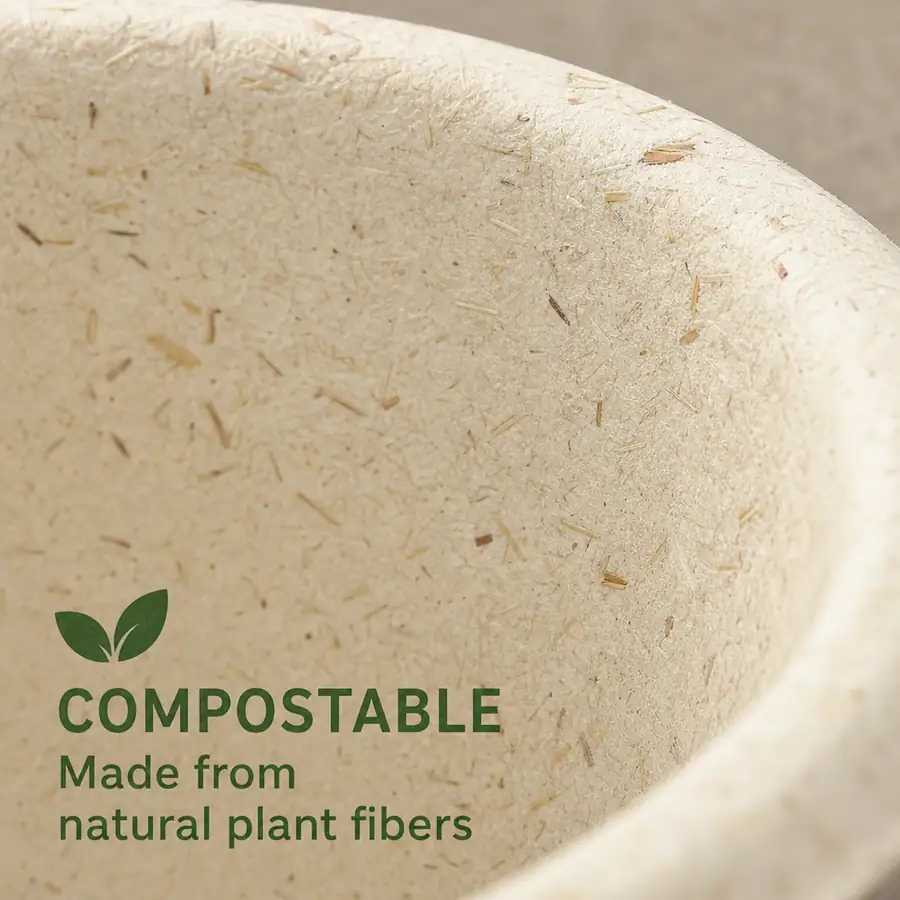
Top Materials for Eco-Friendly Disposable Food Containers
The innovation in natural food packaging over the last decade has been nothing short of remarkable. Let’s break down the most popular and effective materials currently dominating the sustainable food packaging market.
1. Bagasse (Sugarcane Fiber)
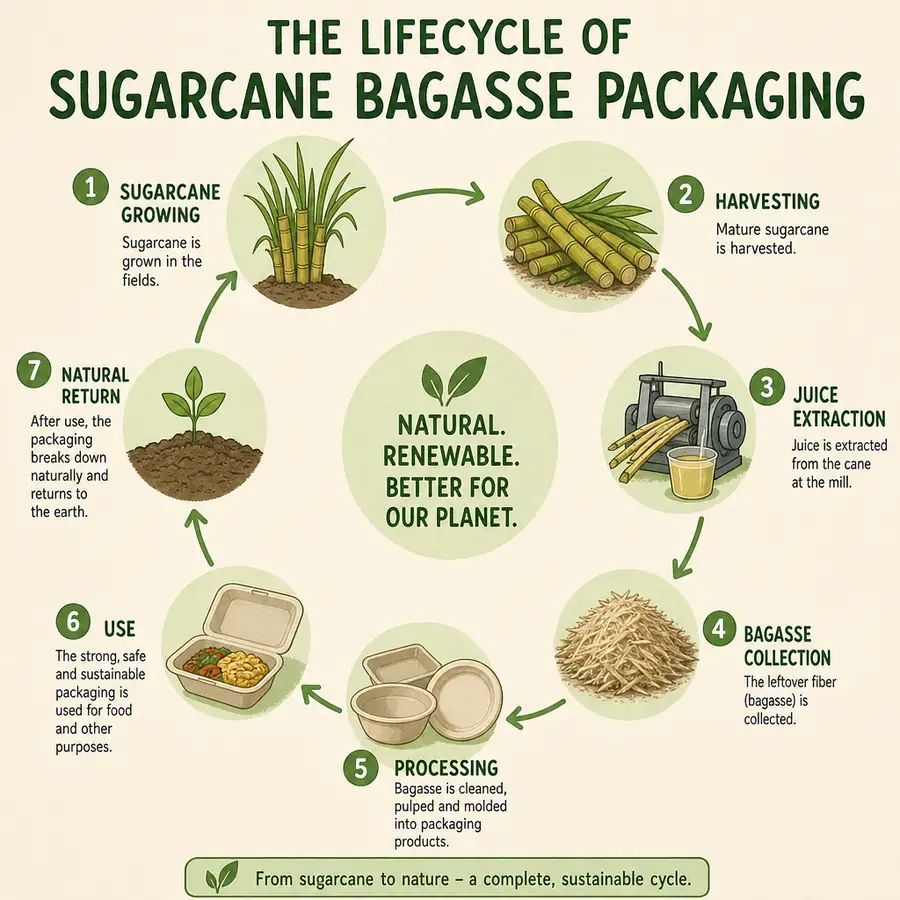
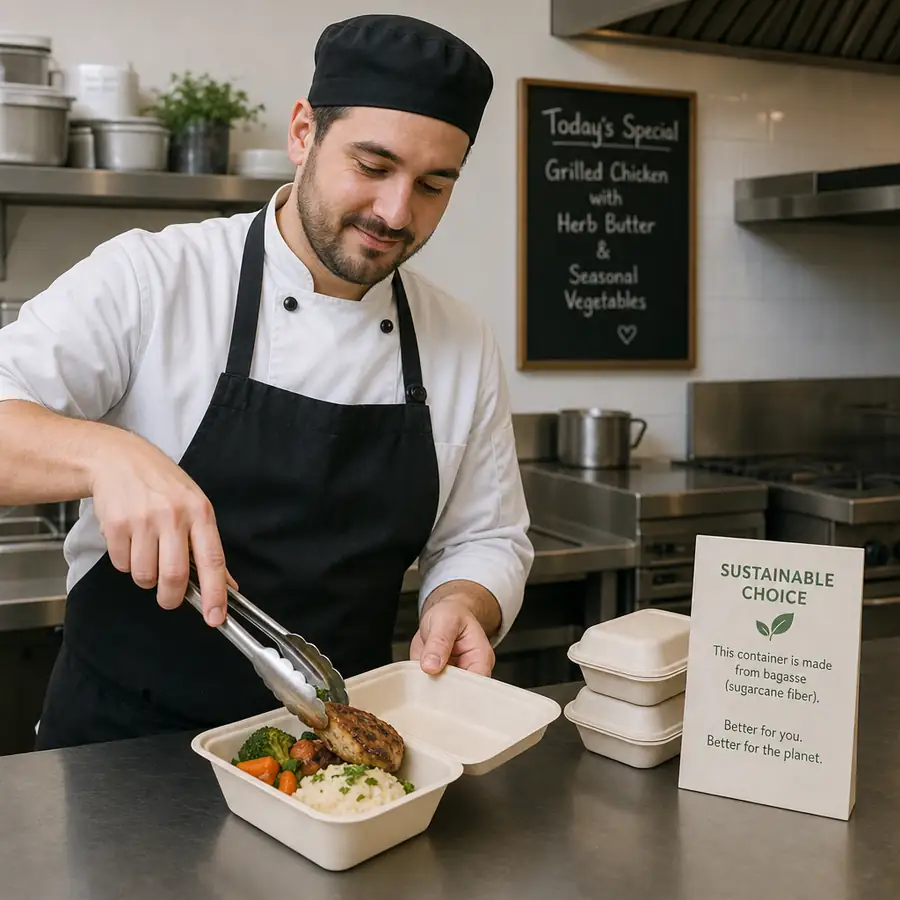
Bagasse is the fibrous pulpy residue left over after crushing sugarcane stalks to extract their juice. Instead of burning this agricultural waste, it is repurposed into high-quality food packaging. Biodegradable sugarcane bagasse containers are highly durable, grease-resistant, and visually appealing. Because of their natural insulation properties and rigid structure, they serve as the ultimate sustainable alternatives to styrofoam clamshells. Unlike Styrofoam, bagasse will not leach chemicals into hot food and is entirely derived from a rapidly renewable resource.
2. Polylactic Acid (PLA) Bioplastics
To the naked eye, PLA looks exactly like traditional clear plastic. However, polylactic acid PLA bioplastics are derived from fermented plant starch—usually corn, cassava, or sugarcane—rather than petroleum. PLA is highly versatile and is frequently used for clear cold cups, salad bowls, and deli containers. While standard PLA is primarily meant for cold foods, crystallized PLA (CPLA) has been engineered to withstand higher temperatures, making it suitable for hot beverage lids and cutlery.
3. Bamboo and Palm Leaf
When it comes to elegant, visually striking presentation, bamboo and palm leaf take the crown. These plant-based containers are created by either pressing fallen palm leaves into molds using heat and water or spinning bamboo fibers into sturdy bowls. They are unbleached, completely natural, and require very little processing. Furthermore, bamboo grows incredibly fast, making these environmentally friendly containers a highly renewable option.
4. Kraft Paper and Cardboard
Unbleached kraft paper is a staple in the world of green disposable containers. Used for everything from compostable takeout boxes to soup cups, kraft paper is lightweight and easily customizable. To make these paper products leak-proof, manufacturers traditionally lined them with petroleum-based polyethylene (PE). Today, the best eco-friendly versions use a PLA bioplastic lining or a water-based aqueous coating to ensure they remain entirely compostable.
Navigating the Terminology: The Great Debate
When shopping for eco-friendly disposable food containers, you will inevitably run into a barrage of green marketing terms. Two of the most commonly confused terms are "biodegradable" and "compostable." Understanding compostable vs biodegradable takeout packaging is vital for ensuring your waste actually ends up helping the earth.
Biodegradable vs. Compostable
• Biodegradable: This term simply means a product willeventually break down into natural elements through the action of microorganisms. However, there is no set timeframe. A biodegradable item could take a year to break down, or it could take a century. Furthermore, if biodegradable food containers end up in a highly pressurized, oxygen-deprived landfill, they may release methane—a potent greenhouse gas—as they slowly degrade. • Compostable: This is a much stricter, regulated term. Compostable products will break down into nutrient-rich organic matter (compost) within a specific timeframe (usually 90 to 180 days) under specific conditions, leaving no toxic residue behind.
Composting Environments
Even within the realm of compostable items, there is a distinction that consumers and businesses must understand: industrial composting vs backyard composting for containers.
• Backyard Composting: A home compost bin relies onambient temperatures, moisture, and local worms and microbes. Only highly natural items—like uncoated paper, palm leaf, or certain lightweight bagasse containers—will break down successfully here. • Industrial Composting: Commercial composting facilitiesmanage massive piles of organic waste, deliberately sustaining internal temperatures above 130°F (54°C). Materials like PLA bioplastics require these high temperatures to break down. Therefore, a PLA cup placed in a backyard compost pile may sit there for years, but will decompose perfectly in a commercial facility.
Performance Under Pressure: Finding the Right Fit
A common hesitation chefs and consumers have regarding natural packaging is performance. Can a plant-based bowl hold a steaming bowl of pho without turning to mush?
Heat Resistance
Finding heat resistant sustainable food packaging options used to be a challenge, but modern engineering has solved this. Bagasse is naturally heat-resistant and microwave-safe, making it excellent for hot meals. For hot liquids, you need materials that won't compromise their structural integrity. The best eco friendly containers for hot liquids are typically double-walled kraft paper bowls lined with a high-heat tolerant CPLA or an innovative water-based barrier coating.
Meal Preparation
It isn't just restaurants making the switch; fitness enthusiasts and busy families are too. Finding non-toxic food storage for meal prep is essential when you plan to store food in the fridge for days and then microwave it. High-quality eco-friendly disposable food containers made from sturdy bagasse or bamboo fiber are excellent for meal preppers who want the convenience of single-use without the guilt of plastic waste or the fear of chemical leaching.
Health, Safety, and the Chemical Threat
While avoiding standard plastics is a great first step, there is a hidden chemical threat in the food packaging industry that requires careful attention: PFAS.
The Problem with Forever Chemicals
Per- and polyfluoroalkyl substances (PFAS) are a group of synthetic chemicals historically used to make packaging grease and water-resistant. Because they do not break down naturally, they are dubbed "forever chemicals." In the past, many seemingly eco-friendly paper and molded fiber bowls were treated with PFAS to prevent salad dressings and oils from seeping through. However, scientific studies have linked PFAS exposure to a variety of adverse health effects, including immune system suppression and increased cancer risk. When these containers are composted, the PFAS can contaminate the soil, eventually making its way into crops and water supplies.
Seeking Safe Brands
To ensure true safety, consumers and businesses must seek out PFAS-free food packaging brands. The industry is rapidly adapting by using natural alternatives, such as bio-waxes and mechanical pressing techniques, to achieve grease resistance without the toxic chemical load. Always verify that a supplier explicitly states their products are PFAS-free.
Decoding Safety Standards and Certifications
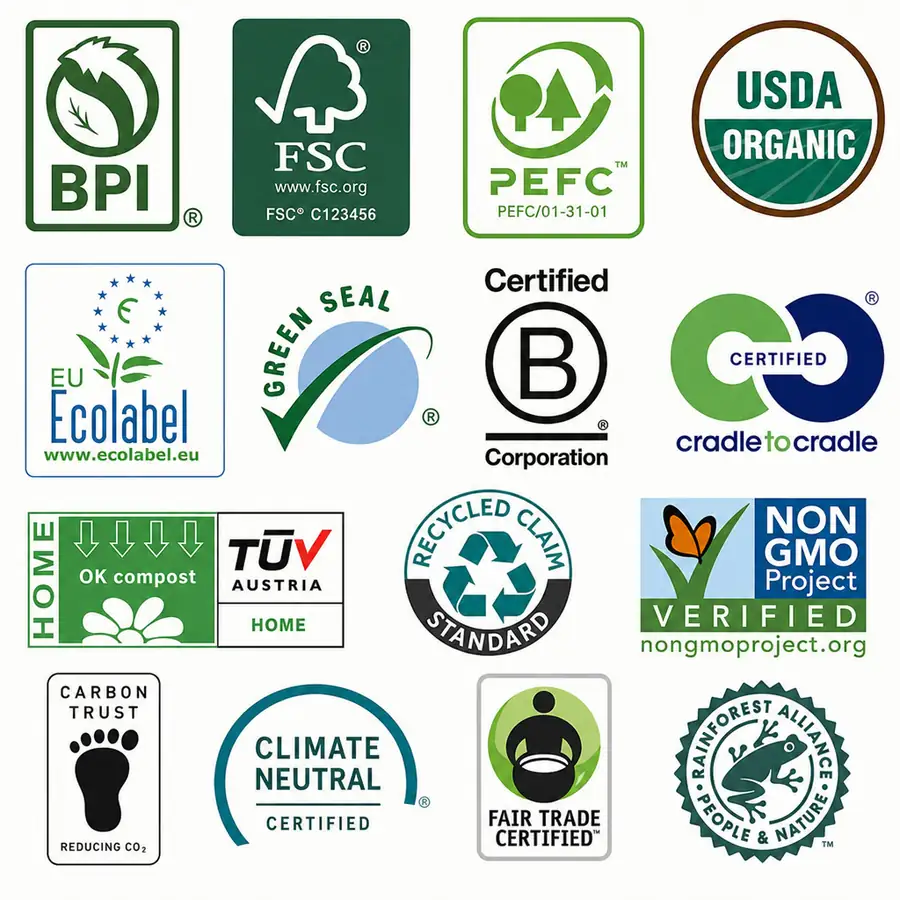
How can you be sure the product you are buying lives up to its environmental and safety claims? You must look for verified third-party certifications. Here is a brief eco-friendly food container certification guide to help you identify trustworthy products: • BPI (Biodegradable Products Institute): This is thepremier certification in North America. If a product carries the BPI logo, it has been rigorously tested and proven to be commercially compostable. • OK Compost (TÜV Austria): A widely recognized Europeancertification. They offer two labels: "OK Compost INDUSTRIAL" and "OK Compost HOME," making it easy to know exactly how to dispose of the item. • FSC (Forest Stewardship Council): If you are buyingpaper or cardboard green disposable containers, the FSC logo ensures the wood fibers were sourced from responsibly managed forests. • CMA (Compost Manufacturing Alliance): This certificationensures that the packaging breaks down effectively in real-world commercial composting facilities, not just in laboratory settings.
The End of the Line: Proper Disposal
The greatest eco-friendly container in the world is useless if it is disposed of incorrectly. Knowing how to dispose of plant based food containers is just as important as buying them.
1. Check Your Local Infrastructure: Does your city offercurbside composting (a green bin program)? If so, verify what they accept. Many municipal facilities accept BPI-certified compostable takeout boxes and PLA plastics. 2. Read the Label: Look for the "Commercially CompostableOnly" or "Home Compostable" print on the bottom of the container. 3. Food Soiled Paper: Standard recyclable materials (likeclean cardboard) cannot be recycled if they are heavily soaked in grease or cheese. However, food-soiled compostable containers are perfectly fine for the compost bin, as the food scraps actually aid the composting process! 4. When in Doubt, Trash It (Carefully): If you do nothave access to commercial composting and the item is not home compostable, it must go in the trash. Never put PLA bioplastics in the traditional plastic recycling bin (the blue bin), as they can contaminate the petroleum-based plastic recycling stream.
For Businesses: Sourcing and Supply Logistics
If you manage a restaurant, cafe, or catering business, transitioning to sustainable packaging is one of the most visible ways to demonstrate your brand's commitment to the environment. It is a major selling point for modern eco-conscious consumers.
Buying in Bulk
To make the transition economically viable, it is essential to purchase wholesale eco friendly disposable food containers. Buying in bulk significantly drives down the cost per unit. When searching for an eco friendly disposable food containers supplier, look for partners who provide full transparency regarding their materials, PFAS-free guarantees, and BPI certifications.
Local vs. Global Sourcing
Many business owners start by searching for "eco friendly disposable food containers near me" to find local distributors. Working with a local distributor reduces the carbon footprint associated with shipping the packaging itself and often allows for faster restocking times. However, major national suppliers often provide broader catalogs, giving you access to highly specific items like custom-branded compostable soup cups or specialized bioplastic sushi trays.
Educating Your Customers
When you provide food in eco friendly disposable food containers, take the extra step to educate your customers. A simple custom sticker or a note on the menu explaining that the packaging is compostable and exactly how to dispose of it creates a complete, closed-loop sustainability experience. It shows that you aren't just buying greenware for the optics, but that you truly care about zero waste packaging initiatives.
Shop Disposable Food Containers at The Horeca Store
Whether you need containers for takeout, delivery, meal prep, catering, or everyday restaurant service, The Horeca Store provides a variety of disposable food packaging solutions in different materials, sizes, and styles. Explore our disposable collection to find practical food containers and packaging supplies that suit your menu, service requirements, and sustainability goals.
Conclusion
The era of thoughtless, toxic packaging is rapidly coming to an end. By embracing Disposable Food Containers: Eco-Friendly & Safe Options, we take a massive step toward healing our environment and protecting our bodies from harmful chemicals. Whether you are a restaurant owner looking to overhaul your supply chain, a meal prepper seeking safe storage, or just a conscious consumer ordering takeout, your choices matter. By understanding the materials—from sugarcane bagasse to PLA—and navigating the certifications, you can confidently choose sustainable food packaging that truly makes a difference. The shift towards green packaging is not just a passing trend; it is the vital, necessary future of the food industry.