
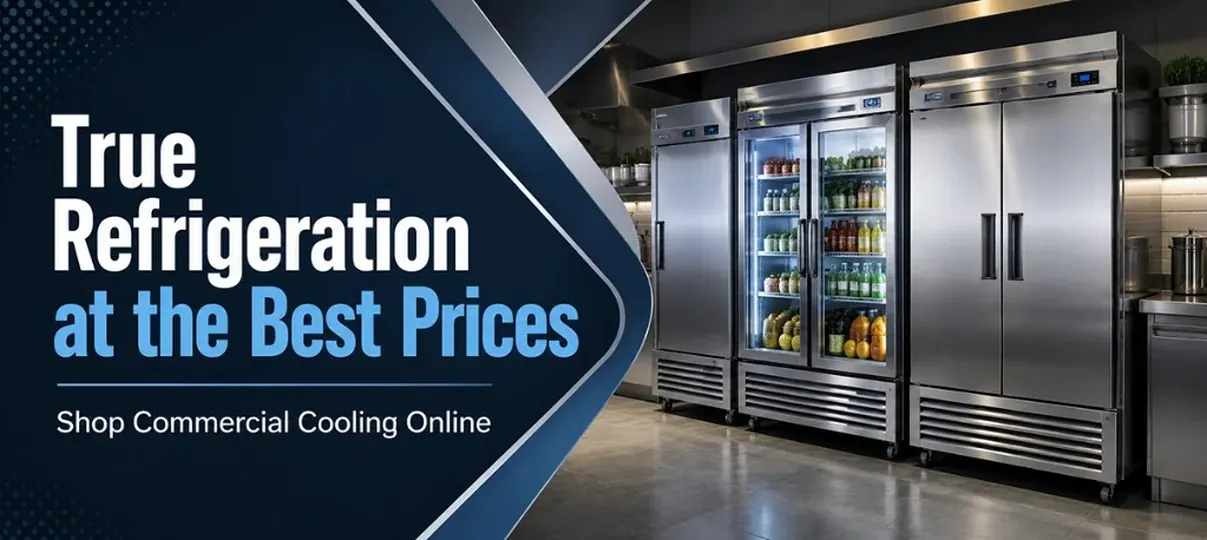
Discover True Refrigeration Best Prices Online
True Manufacturing, often searched as True Refrigeration, is an established commercial refrigeration manufacturer with a history dating back to 1945. For restaurants, bars, cafés, convenience stores, cafeterias, and institutional kitchens, the brand offers a broad catalog of equipment built around cold storage, food prep, display, and service workflows. If you are comparing True refrigeration prices online, a trusted destination like The Horeca Store can be a helpful resource. They allow you to match the unit to your space, menu, storage volume, and service style before focusing on price alone.
What should you know before buying True Refrigeration online?
Before buying True Refrigeration online, match size, temperature need, and door style to your commercial kitchen workflow.
Before buying True Refrigeration online, identify the exact product type, size, temperature need, door style, installation space, and daily use case your operation requires. True commercial refrigeration includes many configurations, so a True refrigerator for restaurant use may be very different from a display merchandiser, a chef base, or a True freezer designed for frozen inventory. Online pricing can be useful for comparison, but final costs vary by model, configuration, dealer, location, options, promotions, freight, installation needs, and service considerations.
The goal is not to choose a unit because of brand recognition alone. True has a long-standing presence in commercial refrigeration, but buyers should still compare capacity, workflow fit, available space, construction, temperature range, service access, and total cost of ownership. A well-matched restaurant refrigerator supports faster service and better organization; a poorly matched unit can create bottlenecks even if it comes from a respected manufacturer. The Horeca Store is a reliable platform where restaurant and foodservice businesses can compare True refrigeration products, check available configurations, and purchase their needed equipment. Online pricing can be useful for comparison, but final costs vary by model, configuration, dealer, location, options, promotions, freight, installation needs, and service considerations.
True’s broad commercial refrigeration range
True commercial refrigeration covers reach-in refrigerator, freezer, undercounter, and prep table options for foodservice.
True commercial refrigeration covers many categories for front-of-house, back-of-house, retail, beverage, and prep environments. Common options include True reach-in refrigerators, True reach-in freezers, undercounter refrigerators, True worktop refrigerators, True food prep tables, True chef bases, True bar refrigeration, True merchandisers, milk coolers, and other specialized refrigeration equipment.
The lineup also includes multiple refrigeration configurations such as reach-in refrigerators, freezers, True dual-temperature units, and True convertible refrigerator/freezers. These choices matter because different operations need different cold storage logic. A prep-heavy sandwich shop may prioritize food pans and cutting surfaces, while a bar may care more about bottle access, glass chilling, and service speed. A school cafeteria may need milk coolers, while a market may need glass-door merchandisers that present products clearly.
True has stated that its balanced refrigeration components are designed for shorter run times and lower energy consumption. Applicable models may also use R290 hydrocarbon refrigerant. However, specifications vary by model, series, size, and configuration, so buyers should review the individual spec sheet rather than assuming every True commercial refrigerator or True freezer includes the same components, refrigerant, or efficiency profile.
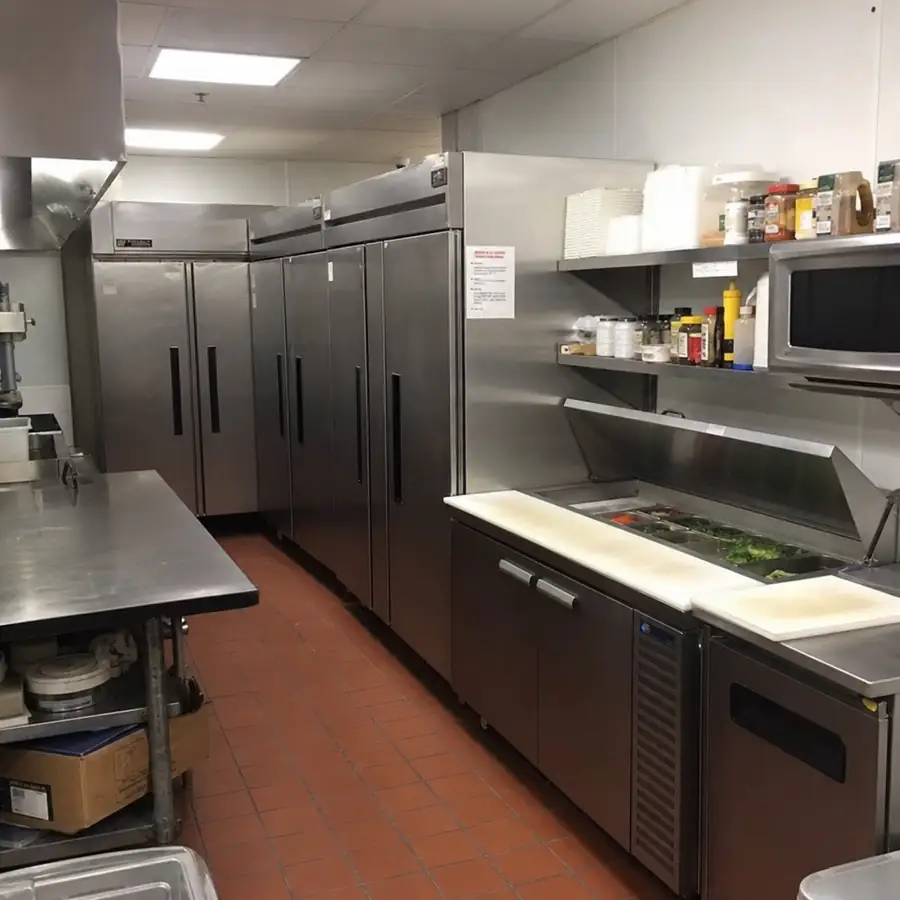
Popular types of True Refrigeration
Popular True Refrigeration types include reach-in freezers, worktop refrigerators, bar refrigeration, and food prep tables.
The best True refrigerator, freezer, or prep unit depends on how your team stores ingredients, prepares food, serves customers, and moves through the kitchen. Use the following category guide to narrow your options before comparing True refrigeration prices.
True reach-in refrigerators
A True reach-in refrigerator is ideal for restaurants, cafés, bakeries, hotels, and cafeterias that need upright refrigerated storage near prep or cooking areas. These units are often used for produce, dairy, sauces, proteins held at refrigerated temperatures, and backup ingredients that staff need throughout the day.
Capacity considerations include the number of sections, shelf layout, door style, and how often staff open the unit during service. The advantage is vertical storage that keeps ingredients organized without taking up as much floor width as multiple low-profile units. Key buying factors include interior volume, door clearance, half-door versus full-door access, solid versus glass doors, electrical requirements, and whether the cabinet fits through delivery paths and into its final location.
True reach-in freezers
True reach-in freezers are suited for frozen inventory in restaurants, bakeries, catering kitchens, convenience stores, and institutional foodservice. A commercial freezer in this category can support frozen proteins, desserts, baked goods, prepared items, and backup ingredients.
Capacity should be based on frozen inventory turnover rather than the largest unit that fits. Too little capacity causes overloading and poor organization, while too much unused space may waste valuable kitchen footprint. Advantages include upright access, organized shelving, and easy placement in storage or prep areas. Buying factors include door type, defrost design, temperature range, shelf strength, compressor location, and clearance for ventilation.
True undercounter refrigeration
True undercounter refrigeration works well where cold storage is needed directly beneath counters, service stations, bars, prep lines, or point-of-use areas. These units are useful in compact kitchens where every step matters.
Capacity is usually more limited than a reach-in, so buyers should think in terms of immediate-use inventory rather than bulk storage. The advantage is workflow efficiency: staff can keep frequently used items close without walking to a main cooler. Buying factors include cabinet width, drawer or door configuration, counter height, ventilation clearances, and whether the unit will sit under existing millwork or a stainless work area.
True worktop refrigerators
True worktop refrigerators combine refrigerated storage with a usable stainless work surface. They are ideal for kitchens that need compact cold storage and a prep counter in the same footprint, such as small restaurants, cafés, food trucks with compatible space, and prep stations.
Capacity depends on the number of doors or drawers and the size of items stored below. The advantage is space consolidation: one unit can support both storage and task work. Key buying factors include worktop height, backsplash needs, door swing, drawer pan compatibility, cutting or prep workflow, and how easy the area is to clean during busy shifts.
True food prep tables
True food prep tables are often used in sandwich shops, pizzerias, salad stations, delis, and quick-service restaurants. They keep ingredients accessible in pans while providing a prep surface for assembly.
Capacity considerations include the number and size of pans, cabinet storage below, cutting board depth, and rush-hour production volume. The advantage is speed and consistency because ingredients stay organized where the team builds menu items. Buying factors include pan layout, lid design, refrigerated base storage, cutting board size, menu complexity, cleaning routines, and whether the table supports your actual assembly sequence.
True chef bases
True chef bases are designed to sit beneath cooking equipment while offering refrigerated drawers below. They are useful in high-output cooklines where proteins, toppings, sauces, or mise en place need to stay close to grills, ranges, or other approved countertop equipment.
Capacity depends on drawer count, pan depth, and the weight and footprint of equipment placed above. The advantage is faster line work because cooks can access cold ingredients without leaving the station. Buying factors include top weight rating, drawer layout, pan compatibility, heat exposure, equipment placement, ventilation, and local installation requirements.
True bar refrigeration
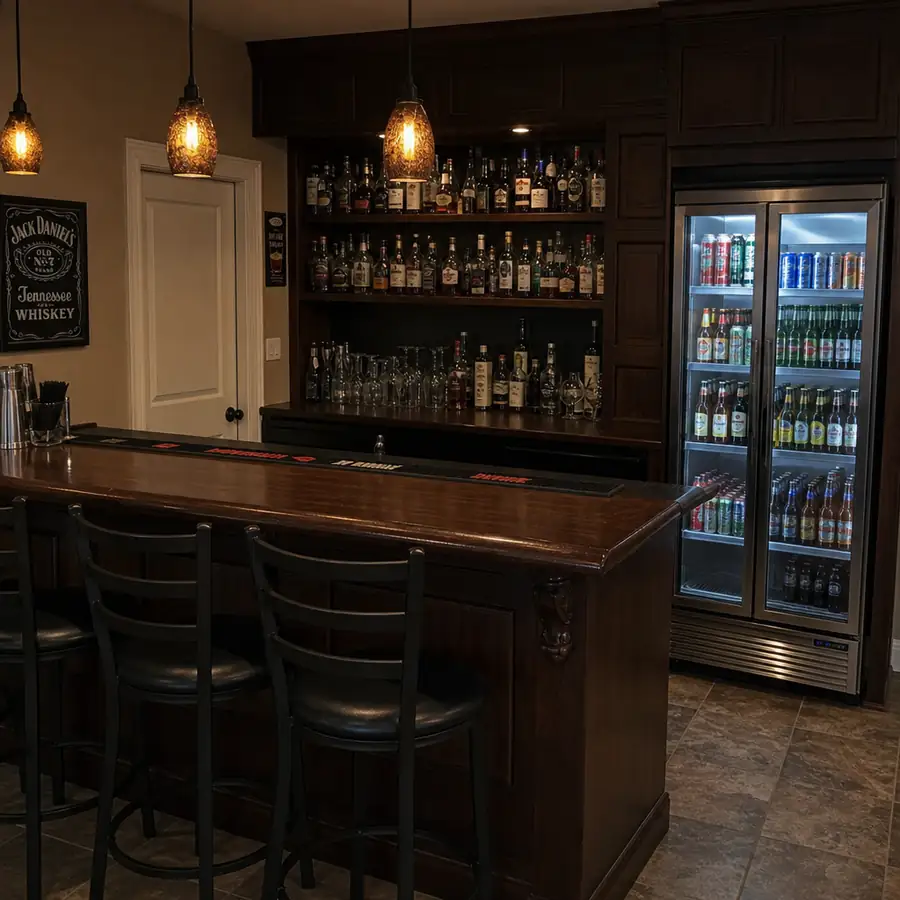
True bar refrigeration includes equipment for beverage service, such as back bar coolers, bottle coolers, direct-draw beer units, glass chillers, and related bar-focused refrigeration. These units are ideal for bars, restaurants, clubs, event venues, and hospitality operations.
Capacity is driven by bottle count, keg count, glass volume, or beverage menu variety. The advantage is fast service, organized beverage access, and customer-facing presentation when glass doors are used. Buying factors include door or lid style, interior lighting, shelf adjustability, keg compatibility, draft system needs, noise considerations, and how the unit fits behind the bar.
True merchandisers
True merchandisers are designed for product visibility in retail, grab-and-go, convenience, café, and cafeteria settings. They can display bottled drinks, packaged foods, desserts, dairy items, or impulse products that need refrigeration.
Capacity depends on shelf count, package size, door count, and merchandising plan. The advantage is combining refrigeration with presentation, helping customers see and access products easily. Buying factors include glass door style, lighting, shelf adjustability, footprint, product mix, placement in customer traffic, and whether the unit’s temperature range matches the products being sold.
True dual-temperature units and convertible models
True dual-temperature units support operations that need refrigerated and frozen storage in one footprint. True convertible refrigerator/freezers offer flexibility for businesses whose storage needs shift by season, menu, or inventory pattern, depending on the model’s specifications.
Capacity planning should separate refrigerated and frozen volume so one side does not become a compromise. The advantage is flexibility, especially for kitchens with limited space or changing menus. Buying factors include the exact temperature capabilities, conversion process, controls, cabinet layout, electrical requirements, and whether your staff can manage the configuration consistently.
How do True refrigeration prices vary online?
True refrigeration prices vary by capacity, door style, and configuration, so compare specs before shopping at The Horeca Store.
True refrigeration prices vary because units differ by product category, size, construction, door type, temperature function, options, and distribution channel. A compact undercounter unit, a large True reach-in refrigerator, a dual-temperature cabinet, and a food prep table are not directly comparable purchases. Dealer policies, location, freight, installation needs, promotions, and service arrangements can also affect the final cost.
When comparing “Discover True Refrigeration: Best Prices Online” search results, look beyond the number on the product page. Confirm the exact model number, voltage, dimensions, door configuration, included shelves or pans, and whether accessories are included or separate. Also check what support is available after purchase, because a lower initial price may not be the best value if the unit is difficult to install, service, or integrate into your workflow.
Practical price-comparison steps include:
- Compare exact model numbers. Similar-looking units may differ in size, features, refrigerant, or configuration.
- Read the specification sheet. Confirm temperature range, electrical needs, refrigerant, dimensions, and clearance requirements.
- Account for delivery and placement. A large commercial freezer may require careful receiving, doorway measurements, and installation planning.
- Ask about warranty and service support. Do not assume terms; verify them before purchasing.
- Calculate total cost of ownership. Consider purchase price, installation, maintenance, energy use, parts access, and downtime risk.
Matching equipment to real operating needs
Match True units to menu volume, cold storage demand, and kitchen layout rather than buying the largest available model.
A restaurant refrigerator should support the way your team actually works. For example, a prep cook who constantly walks from a line station to a distant walk-in may benefit from undercounter refrigeration or a worktop unit near the station. A bar with slow bottle access may need better back bar organization rather than simply more storage volume.
Menu style also matters. A pizzeria may prioritize refrigerated prep pans and base storage, while a steakhouse may need strong frozen and refrigerated storage separation. A grab-and-go café may get more value from True merchandisers than from additional back-of-house cabinets. The right True commercial refrigerator or freezer should reduce friction in daily work, not just add cold storage.
Before buying, gather these details from your team:
- Peak-service ingredient needs by station
- Refrigerated versus frozen storage volume
- Door swing and aisle clearance limitations
- Existing electrical and ventilation conditions
- Cleaning access and maintenance expectations
- Product visibility needs for customer-facing areas
- Whether drawers, shelves, pans, or glass doors fit the workflow
Reasons buyers consider True commercial refrigeration
Buyers choose True commercial refrigeration for durability, temperature consistency, and broad restaurant equipment support.
Many buyers consider True because the brand offers a wide range of specialized commercial refrigeration equipment for different foodservice and retail uses. Instead of forcing one cabinet style into every environment, the catalog includes reach-ins, prep tables, bar units, merchandisers, chef bases, milk coolers, undercounter models, and more.
That variety is valuable because refrigeration decisions are rarely one-size-fits-all. A school, bar, bakery, deli, hotel, and convenience store all have different capacity, access, visibility, and space requirements. True’s long history dating back to 1945 may give buyers confidence in the brand’s industry presence, but the final decision should still come down to fit, specifications, budget, support, and operating needs.
It is also important to compare alternatives. Review similar commercial refrigeration units from other manufacturers when appropriate, especially if you have unusual dimensions, strict budget limits, specific service preferences, or special temperature requirements. The best purchase is the one that meets your operational requirements reliably and practically.
True Refrigeration Buying Checklist
Use a checklist covering capacity, door type, energy use, and service access before purchasing True Refrigeration online.
Use this checklist as your final review before comparing True refrigeration prices or choosing a model online:
- Product type: Decide whether you need a reach-in refrigerator, reach-in freezer, undercounter unit, worktop refrigerator, prep table, chef base, bar refrigerator, merchandiser, milk cooler, dual-temperature unit, or convertible refrigerator/freezer.
- Capacity: Estimate daily and peak storage needs without overloading the cabinet or wasting valuable floor space.
- Dimensions: Measure the installation area, door swings, aisle clearance, delivery path, and surrounding equipment.
- Temperature range: Confirm the model's stated range matches the products you need to hold.
- Configuration: Choose doors, drawers, glass, solid panels, shelving, pans, or dual-temperature layouts based on workflow.
- Energy efficiency: Review the specific model's documentation rather than assuming all units perform the same.
- Construction quality: Consider interior layout, exterior materials, handles, shelving, drawers, gaskets, and cleaning access.
- Installation requirements: Check voltage, plug type, ventilation clearance, floor conditions, and placement limitations.
- Warranty: Verify warranty terms directly with the seller or manufacturer documentation before purchase.
- Service support: Confirm who can service the unit in your area and how parts or support are handled.
- Pricing: Remember that price varies by model, configuration, dealer, location, promotions, and related costs.
- Total cost of ownership: Look beyond purchase price to installation, maintenance, energy use, service access, and downtime risk.
True Refrigeration can be a strong option for many commercial kitchens, bars, retailers, and foodservice operations, but the best purchase starts with a clear understanding of your needs. Compare specifications carefully, verify model details, and choose the equipment that fits your storage, workflow, and long-term operating requirements. For this process, The Horeca Store can be a valuable ally, offering a range of options and support to guide your decision-making.
Common mistakes to avoid when shopping online
Avoid undersizing cold storage, ignoring clearance, or skipping warranty details when buying commercial refrigeration online.
Online shopping makes it easier to compare equipment, but it can also make important details easy to miss. Avoid these common mistakes before placing an order:
- Buying by exterior size only. Interior capacity, shelf layout, and pan compatibility matter as much as footprint.
- Ignoring ventilation clearances. Refrigeration equipment needs proper airflow according to its specifications.
- Assuming all models share the same features. R290 refrigerant, component design, controls, and dimensions vary by model.
- Overlooking workflow. A larger unit in the wrong location may slow staff down.
- Forgetting delivery path measurements. Doorways, hallways, elevators, and turns can affect installation.
- Skipping service planning. Confirm warranty terms, service access, and support before purchase.
- Comparing unlike products. A True freezer, prep table, merchandiser, and undercounter unit solve different problems.
True Refrigeration Buying Checklist
Use this checklist as your final review before comparing True refrigeration prices or choosing a model online:
- Product type: Decide whether you need a reach-in refrigerator, reach-in freezer, undercounter unit, worktop refrigerator, prep table, chef base, bar refrigerator, merchandiser, milk cooler, dual-temperature unit, or convertible refrigerator/freezer.
- Capacity: Estimate daily and peak storage needs without overloading the cabinet or wasting valuable floor space.
- Dimensions: Measure the installation area, door swings, aisle clearance, delivery path, and surrounding equipment.
- Temperature range: Confirm the model’s stated range matches the products you need to hold.
- Configuration: Choose doors, drawers, glass, solid panels, shelving, pans, or dual-temperature layouts based on workflow.
- Energy efficiency: Review the specific model’s documentation rather than assuming all units perform the same.
- Construction quality: Consider interior layout, exterior materials, handles, shelving, drawers, gaskets, and cleaning access.
- Installation requirements: Check voltage, plug type, ventilation clearance, floor conditions, and placement limitations.
- Warranty: Verify warranty terms directly with the seller or manufacturer documentation before purchase.
- Service support: Confirm who can service the unit in your area and how parts or support are handled.
- Pricing: Remember that price varies by model, configuration, dealer, location, promotions, and related costs.
- Total cost of ownership: Look beyond purchase price to installation, maintenance, energy use, service access, and downtime risk.
True Refrigeration can be a strong option for many commercial kitchens, bars, retailers, and foodservice operations, but the best purchase starts with a clear understanding of your needs. Compare specifications carefully, verify model details, and choose the equipment that fits your storage, workflow, and long-term operating requirements.