
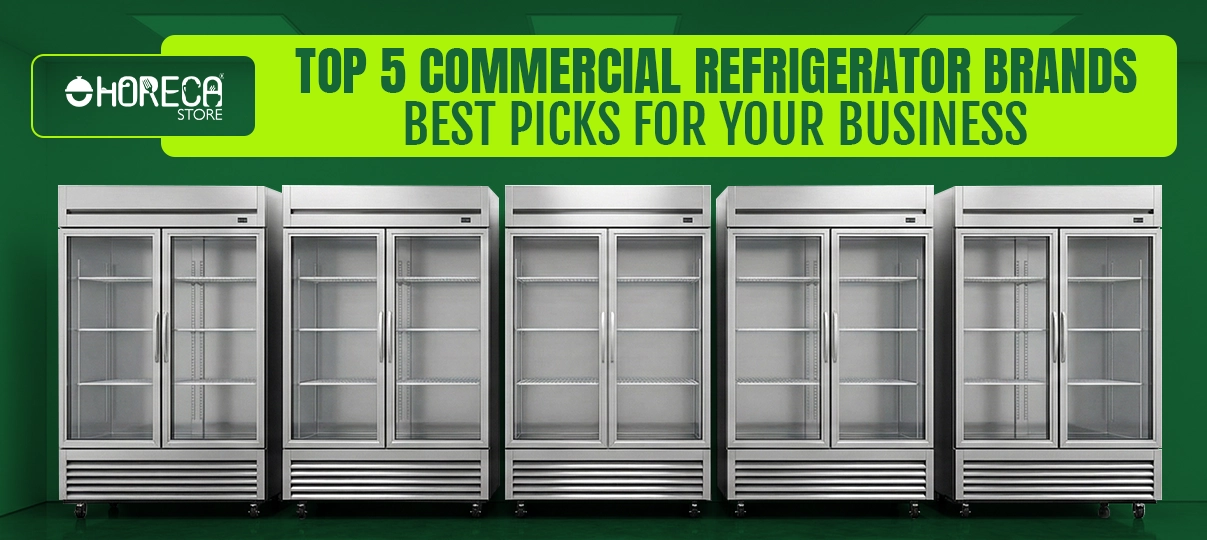
That $1800 'bargain' commercial refrigerator might be the most expensive piece of equipment you ever buy. The low sticker price often hides future headaches, a common trap for new business owners. Before choosing a brand, you must understand what truly separates a professional unit from a standard home appliance.
Think of it this way: a home fridge is a sedan, while a commercial fridge is a pickup truck. Both are vehicles, but only one is built for heavy-duty work. The biggest difference in a commercial vs residential refrigerator is power. Its stronger compressor is engineered to fight back against a hot kitchen and constant door openings, keeping your ingredients safely chilled all day long.
Durability is the next piece. Imagine a cafe using a home fridge for milk. During the morning rush, the temperature creeps up, risking spoilage and lost product. Commercial units prevent this exact problem, built with rugged materials like stainless steel to withstand the relentless pace of a professional kitchen. They are designed for constant use, not just occasional access.
Most critically, there are legal commercial kitchen requirements. Health departments mandate that units be NSF certified commercial refrigerators to ensure they meet strict food safety and sanitation standards. This legal requirement, along with superior cooling power and durability, is what makes a commercial unit a wise investment instead of a costly liability.
First, Let's Talk Size: How to Choose a Cooler That Actually Fits
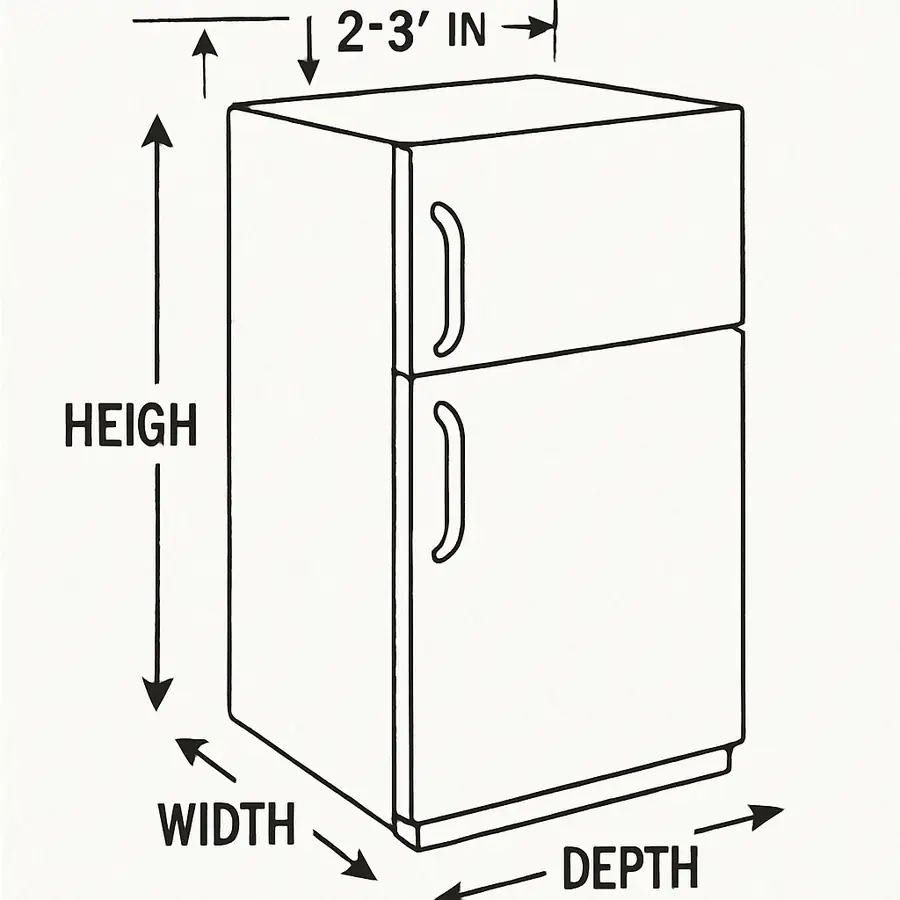
Before you even think about brands or features, grab a tape measure. Just like buying a new sofa, you need to confirm the refrigerator will not only fit in its designated spot but also make it through your doorways. Write down the maximum height, width, and depth you have available. This simple step can save you a massive headache on delivery day.
Equally important is a concept many first-time buyers miss: Airflow Clearance. Your refrigerator’s "engine" (the compressor) creates heat and needs space to breathe. Without it, the unit will overwork itself, driving up your energy bill and leading to a premature breakdown. As a rule of thumb, plan for at least 2-3 inches of open space around the back and sides of the unit for proper ventilation.
With your measurements in hand, you can identify the type of refrigerator that fits your business. Most small businesses will choose one of these common styles:
- Reach-In: The classic upright, single or double-door fridge. Perfect for kitchen ingredient storage.
- Undercounter: A compact unit that fits below a standard counter, ideal for bars or coffee stations.
- Worktop: Similar to an undercounter, but with a durable steel top that provides extra prep space.
- Glass Door Merchandiser: Designed to show off products like drinks or pre-made sandwiches to customers.
Choosing the right dimensions and type is the essential first step. The next critical detail—where the "engine" is located—dramatically affects cleaning and performance.
Top or Bottom? Why the 'Engine' Placement of Your Fridge Matters
The location of your refrigerator’s "engine"—the compressor—is one of the most important decisions you'll make, and it has nothing to do with how cold it gets. This single component does the cooling work, but it also generates heat and needs regular cleaning. Deciding between a top-mount vs bottom-mount compressor directly impacts your daily work environment and commercial refrigerator maintenance routine.
Thinking about your specific kitchen is the key to making the right choice. A unit with a compressor on top pulls air from a cleaner part of the room, while a bottom-mounted one is easier to reach. Here’s a quick breakdown of the pros and cons for each:
Top-Mount Compressor
- Pro: Stays cleaner, as it’s far from floor dust and debris (ideal for bakeries with flour or pizzerias with greasy floors).
- Pro: Vents hot air upward, away from staff and other equipment.
- Con: Harder to access for routine cleaning and servicing.
Bottom-Mount Compressor
- Pro: The condensing coil is easy to reach for quick, frequent cleaning.
- Pro: It raises the unit’s bottom shelf, reducing how much you have to bend down.
- Con: Can suck in dirt from the floor and blows warm air at foot level.
If your kitchen is exceptionally dusty or greasy, the protective advantage of a top-mount unit is hard to ignore. For most other businesses, the convenience of a bottom-mount unit often wins out, making it easier to keep up with the maintenance that ensures a long lifespan.
The Top 5 Commercial Refrigerator Brands You Can Trust
Choosing a refrigerator is about more than just features; it's about trusting the name on the door. A brand's reputation is built on years of performance in real-world kitchens, telling you what you can expect in terms of reliability, service, and long-term value. While many brands exist, a handful consistently rise to the top.
For those who prioritize raw durability and uptime, True Manufacturing is often the first name that comes to mind. Think of True as the heavy-duty work truck of the refrigeration world. Praised in countless True Manufacturing reviews, their units are built in the USA with an emphasis on rugged construction and parts that are easy for technicians to find. If your number one fear is a breakdown during a dinner rush, True’s reputation for reliability offers invaluable peace of mind.
In contrast, Turbo Air refrigeration makes its name through innovation and efficiency. This brand is a leader in energy-saving technology, often using modern refrigerants and high-tech features to lower your monthly electricity bill. For the business owner who keeps a close eye on operating costs, a Turbo Air unit can represent a smarter long-term investment, paying for itself through lower utility expenses over time.
When absolute precision is non-negotiable, many chefs turn to Hoshizaki. Known for their legendary ice machines, Hoshizaki brings the same engineering excellence to their refrigerators. Hoshizaki refrigeration reviews frequently highlight their incredible temperature consistency, making them one of the most reliable commercial freezer brands for sensitive products like sushi-grade fish or delicate pastries. They represent a premium choice for businesses where quality cannot be compromised.
Of course, some brands are famous for mastering a specific niche. Beverage-Air excels at creating glass-door merchandisers and bar equipment. If your goal is to display drinks, sandwiches, or grab-and-go items, their units are designed to drive sales. On the other end of the spectrum, Avantco provides a solid, budget-friendly option for new businesses or those with less demanding needs, delivering essential performance without the premium price tag.
The “best” brand is the one that aligns with your specific priorities—whether that's bulletproof reliability, energy savings, or a specialized function. For many buyers, the choice often comes down to a head-to-head comparison of the two most popular options.
Head-to-Head: True vs. Turbo Air Commercial Refrigerators
When it comes to a True vs Turbo Air commercial refrigerator comparison, you’re looking at a classic choice: the legendary workhorse versus the modern innovator. Your decision will likely hinge on whether your top priority is battlefield-tested durability or long-term operational savings. Both brands build excellent equipment, but they excel in different areas.
True Manufacturing has built its reputation on sheer ruggedness. Made in the USA, these units are known for their heavy-duty components and are often considered the most reliable in the industry. For a high-volume restaurant where equipment failure is not an option, the premium price for a True refrigerator is often seen as an insurance policy against costly downtime. The trade-off is that their traditional designs can sometimes use more energy than newer competitors.
In contrast, Turbo Air champions energy efficient commercial refrigeration. They were pioneers in using environmentally friendly R290 refrigerant, which is now the industry standard for reducing electricity costs. Many of their models include features like high-density insulation and specially designed fan motors that can save you hundreds of dollars a year on your utility bills, making their slightly lower upfront cost even more attractive.
Ultimately, the right choice depends on your business philosophy. If your greatest fear is a breakdown on a busy Saturday night and you want parts that are easy to source,
Don't Get Fooled by the Price Tag: The Real Cost of a Commercial Fridge
That low price on a budget fridge can be tempting, but it rarely tells the whole story. When asking, "how much does a commercial refrigerator cost?", smart owners think beyond the initial purchase. The true measure is its Total Cost of Ownership (TCO)—the sticker price plus all the money you’ll spend to run and fix it over its life. A more expensive, efficient unit is often the cheaper option in the long run.
A commercial refrigerator runs 24/7, making it a major energy consumer. This is where energy efficient commercial refrigeration pays you back every month. Look for the blue ENERGY STAR label; these certified models are proven to use less electricity, saving you hundreds of dollars each year. Units using modern R290 refrigerant are specifically designed to lower your utility bill.
Beyond energy, consider what happens when something breaks. A weak warranty or a brand with no local technicians can turn a simple fix into a business-stopping disaster. Think of a good commercial refrigeration warranty and service plan as your safety net. It’s worth paying for a reliable brand so you aren’t left scrambling for help during a busy service.
Factoring in future energy and repair costs is how you make a smart investment. These concepts form a simple action plan for a confident purchase.
Your 5-Step Action Plan to a Confident Purchase
Choosing a commercial refrigerator no longer has to be an overwhelming decision. You’ve moved from simply knowing you need a "better fridge" to understanding the crucial features—like compressor location and NSF certification—that directly impact your business's success. This guide has equipped you to move from research to a confident final decision by following a simple, five-step process:
- Measure Your Space & Doorways.
- Choose Your Type (Reach-In, Undercounter, etc.).
- Decide on Compressor Location (Top/Bottom).
- Shortlist 2-3 Brands Based on Your Priority (Durability, Energy Savings, or Budget).
- Compare Total Cost (Price + Est. Energy Cost + Warranty).
You're no longer just buying an appliance; you’re making a strategic investment in your daily operations, inventory protection, and peace of mind. By following this checklist, you are well-equipped to select a reliable unit that will serve your business for years to come. You can now move forward and choose with confidence.
Shop Commercial Refrigerators at The Horeca Store
At The Horeca Store, we offer a comprehensive range of commercial refrigerators from trusted brands to meet the needs of restaurants, cafés, hotels, bakeries, supermarkets, cloud kitchens, and other foodservice businesses. Whether you're looking for reach-in refrigerators, undercounter units, display refrigerators, worktop refrigerators, or specialty refrigeration equipment, our collection is designed to deliver reliable cooling performance, energy efficiency, and long-lasting durability.
In addition to commercial refrigeration, The Horeca Store provides a complete selection of commercial kitchen equipment, food preparation appliances, beverage equipment, storage solutions, and hospitality supplies. With competitive pricing, premium-quality products, and dedicated customer support, we make it easy to equip your business with reliable refrigeration solutions that enhance efficiency and support long-term growth.