
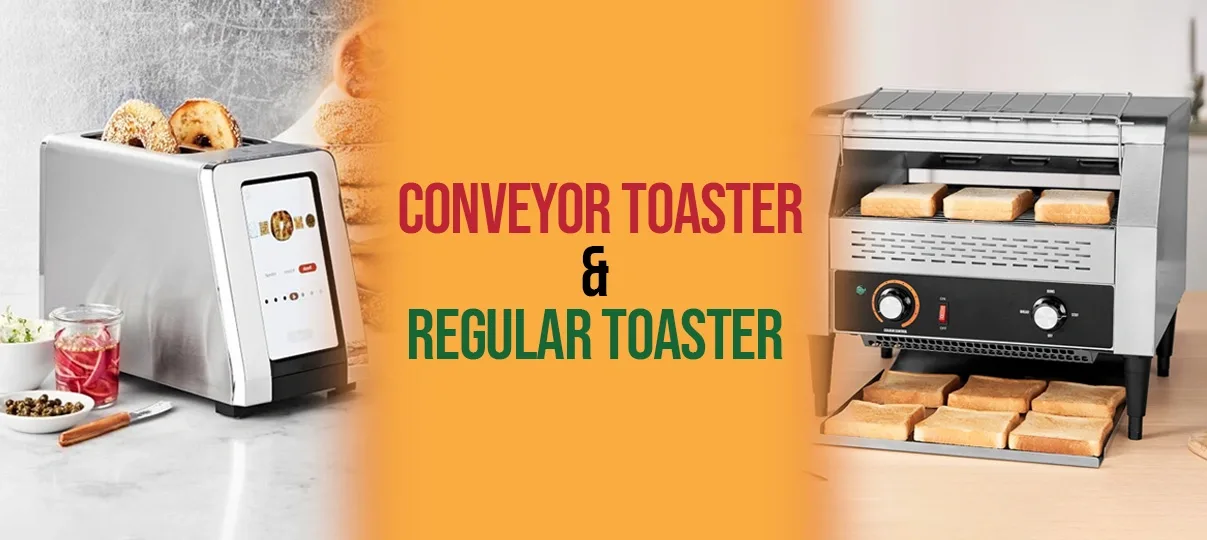
If you operate a busy café, restaurant, or hotel breakfast area, there's a good chance toast is a staple on your menu. But choosing the right toaster isn't always as straightforward as it seems. Should you go with a regular toaster or upgrade to a conveyor toaster?
At Horeca Store, we help hospitality businesses across the US make smart equipment choices. Whether you’re setting up a new kitchen or upgrading old appliances, we carry a wide range of commercial kitchen equipment to suit your operation size, budget, and pace.
What Is a Conveyor Toaster?
A conveyor toaster, also known as an electric conveyor toaster, is a commercial-grade appliance designed to toast large quantities of bread, bagels, or buns quickly and evenly.
Key Benefits:
- High-speed toasting (up to 300-1,000+ slices per hour)
- Even heat distribution for consistent browning
- Adjustable conveyor speed and heat settings
- Ideal for self-service breakfast areas or fast-paced kitchens
These are built for volume. You load bread at one end, and it moves through heated elements on a conveyor belt—then drops out the other side perfectly toasted and ready to serve.
What Is a Regular Toaster?
A regular toaster, often referred to as a pop-up toaster, is the standard kitchen appliance found in most homes and small cafes. It’s best suited for occasional or low-volume use.
Key Features:
- Typically holds 2 or 4 slices at a time
- Simple push-down lever design
- Compact and affordable
- Best for low-traffic kitchens or backup use
While great for light use, regular toasters aren't built for the demands of a high-volume restaurant or buffet line.
Conveyor Toaster vs. Regular Toaster: A Quick Comparison
| Feature | Conveyor Toaster | Regular Toaster |
| Capacity | 300–1,000+ slices/hour | 2–4 slices at a time |
| Best for | Hotels, restaurants, cafés | Small offices, light-use cafés |
| Toasting speed | Fast (adjustable) | Standard speed |
| Durability | Built for commercial use | Domestic or light commercial use |
| Cost | Higher upfront, better ROI | Lower upfront, limited output |
Why Horeca Store Is the Smart Choice
When you shop with Horeca Store, you get:
- Top-quality equipment from trusted commercial brands
- A wide selection of conveyor toasters, pop-up toasters, and more
- Competitive prices for all budgets
- US-based delivery with fast, reliable shipping
- Expert support to help you choose the right products for your setup
Whether you need one electric conveyor toaster or a full line of restaurant kitchen equipment, we’ve got you covered.
Final Thoughts: Which Toaster Should You Buy?
If you’re running a high-traffic breakfast service or need to toast hundreds of slices a day, a conveyor toaster is the way to go. It's faster, more efficient, and built for heavy-duty use.
If your toasting needs are light or you're just looking for a backup unit, a regular toaster may be enough.
Either way, HorecaStore has the right solution for your business.
Ready to Upgrade Your Toast Game?
👉 Shop Toasters Now at Horeca Store
Equip your kitchen with dependable, high-performance tools that work as hard as you do.
Buy Commercial Conveyor & Regular Toasters from The Horeca Store
Choosing the right toaster is essential for delivering consistent food quality and maintaining efficient kitchen operations. Whether you need a high-capacity conveyor toaster for busy hotels, restaurants, cafés, or quick-service restaurants, or a standard commercial toaster for lower-volume operations, The Horeca Store offers a wide range of reliable toasting solutions to suit every food business. Our collection features durable, commercial-grade equipment designed for fast, even toasting and long-lasting performance in demanding hospitality environments.
At The Horeca Store, you'll find premium conveyor toasters, pop-up toasters, and other commercial kitchen equipment from trusted brands, helping you select the ideal model based on your menu, daily output, and available kitchen space. With competitive pricing, expert support, and a comprehensive range of hospitality supplies, we make it easy to equip your kitchen with the right toaster and other essential foodservice equipment to improve productivity, serve customers faster, and grow your business with confidence.