
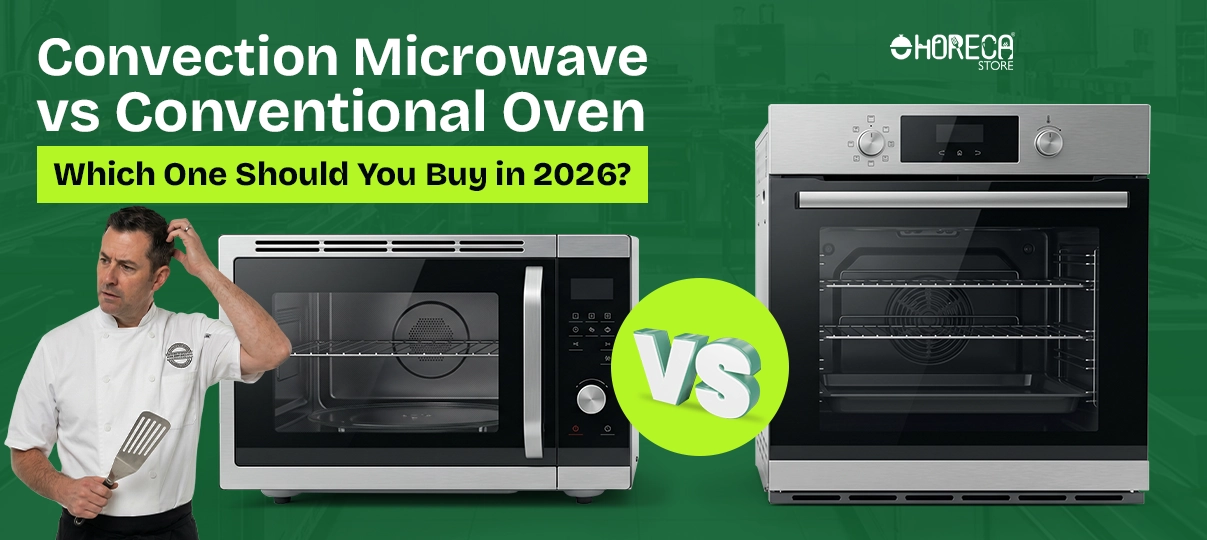
In 2026, the decision between a convection microwave and a conventional oven is crucial.
Both appliances offer unique benefits. Understanding these can help you make an informed choice.
Convection microwaves combine microwave speed with convection oven capabilities. They are versatile and energy-efficient.
Conventional ovens, on the other hand, are known for their reliability and even cooking. They are a staple in many kitchens.
Your choice depends on your cooking needs and kitchen space. Each appliance has its strengths and weaknesses.
Consider factors like cooking speed, energy use, and space requirements. These will guide your decision.
When comparing a convection oven vs conventional oven, the main difference lies in how they cook food. A convection oven uses a fan to circulate hot air, cooking food faster and more evenly. This makes it perfect for baking, roasting, and browning. On the other hand, a conventional oven relies on natural heat from the top and bottom elements. It often cooks slower and may have uneven heat, making it better for slow-cooked dishes or delicate recipes.
In short, for convection oven vs conventional oven, choose convection for speed and uniform cooking, and conventional for gentle, traditional baking.
In this guide, we will explore the differences between these two appliances. We aim to help you choose the best option for your kitchen in 2026.
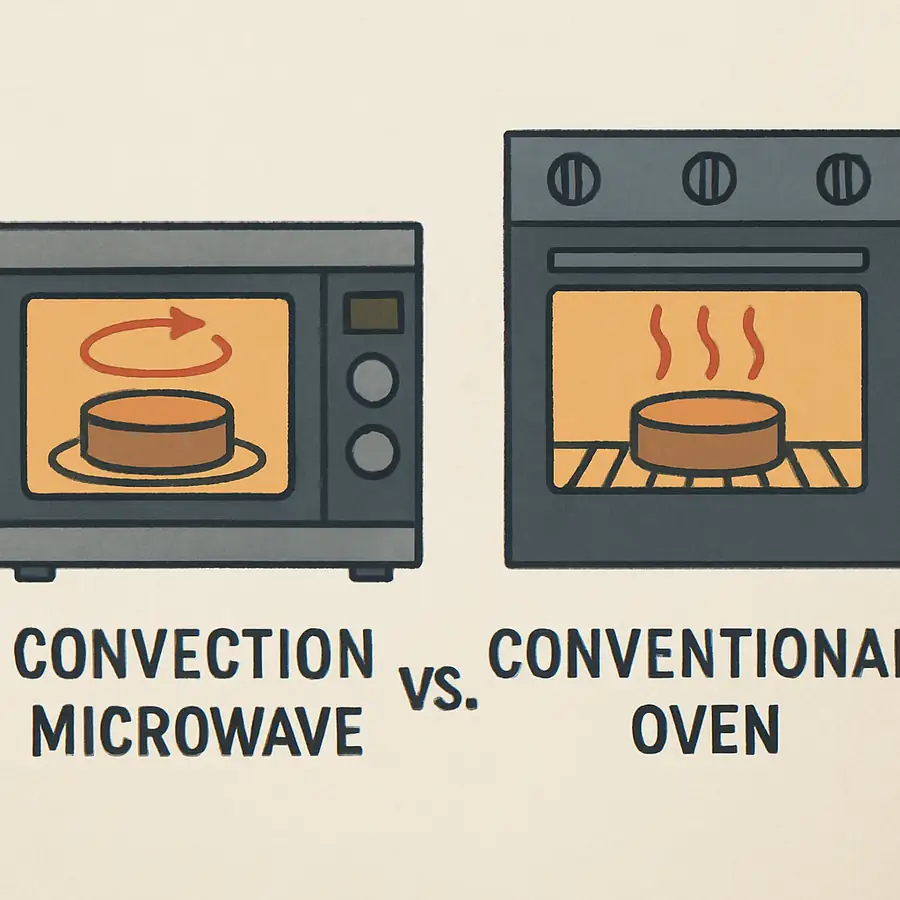
Understanding the Basics: Convection Microwave vs Conventional Oven?
Convection microwaves are innovative kitchen appliances. They blend the speed of a microwave with the cooking capabilities of a convection oven.
This hybrid appliance uses a fan to circulate hot air, ensuring even cooking. It makes it possible to bake, roast, and grill efficiently.
Conventional ovens are more traditional, providing consistent heat for thorough cooking. They are typically larger and perfect for baking and roasting.
These ovens use either gas or electricity to generate heat, evenly distributed for consistent results. This makes them a favorite among home bakers and chefs.
Key differences in these appliances include:
- Functionality: Convection microwaves offer diverse cooking methods, while conventional ovens excel in traditional baking.
- Size and Capacity: Convection microwaves save space; conventional ovens have larger cooking spaces.
- Cooking Time: Convection microwaves cook faster; conventional ovens often require preheating.
In the end, understanding these basics can guide your choice for a 2026 kitchen.
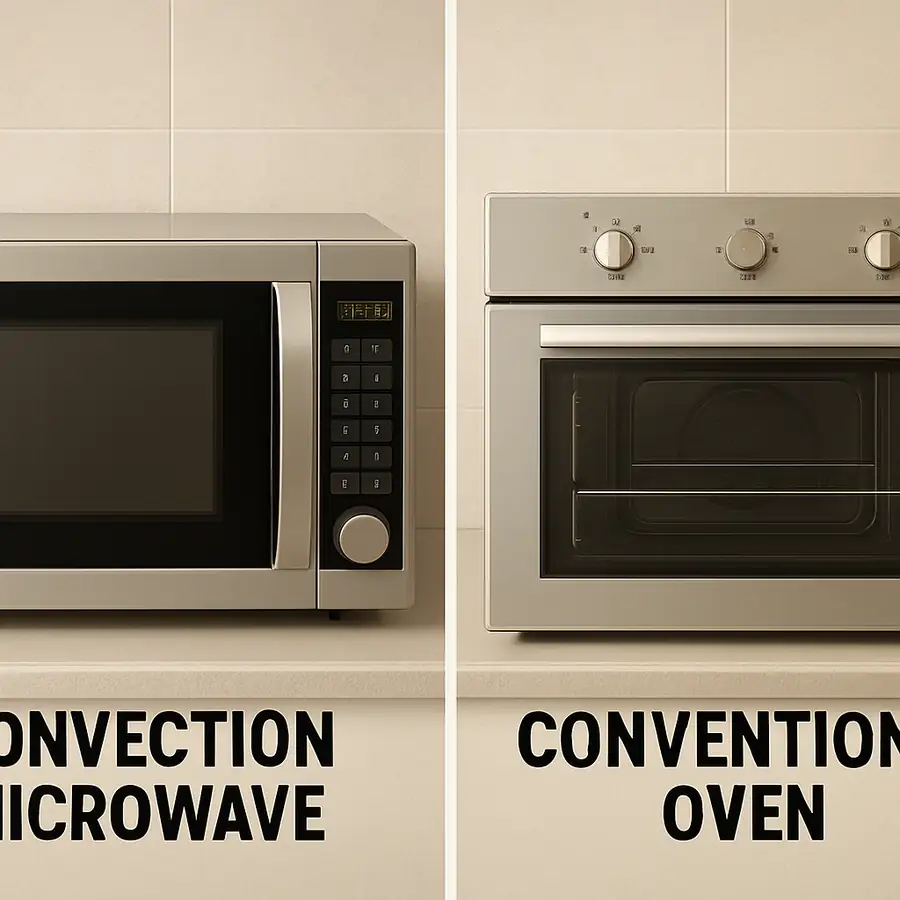
How Do They Work? Cooking Technology Explained
Convection microwaves utilize a fan to circulate hot air around the food. This results in faster and even cooking. The microwave function ensures rapid heating, while the convection feature provides baking and roasting capabilities.
These appliances excel in multitasking, combining microwave speeds with oven-style cooking quality. This means you can defrost, grill, and bake all in one unit.
Conventional ovens operate by generating heat from electric coils or gas burners. They distribute heat evenly across the oven cavity. This method is excellent for intricate baking tasks like breads and pastries.
Conventional ovens need more time to reach the desired temperature. However, they can maintain steady heat throughout cooking for consistent results.
- Fan Usage: Integral to convection microwaves, ensuring even heat.
- Heating Elements: Gas or electric, providing reliable, even warmth in conventional ovens.
- Time Efficiency: Convection microwaves reduce cooking time significantly.
Understanding these technologies can simplify your appliance choice for 2026. Each has unique strengths tailored to different cooking needs.

Key Features Compared: Size, Capacity, and Design
When considering a new appliance, size and capacity are crucial. Convection microwaves are compact, ideal for small kitchens or tight spaces. They typically have a smaller footprint compared to conventional ovens.
Conventional ovens, on the other hand, are larger and offer more cooking capacity. This makes them perfect for preparing big meals or entertaining guests. They easily accommodate larger dishes or multiple trays at once.
Design also plays a significant role in choosing the right appliance. Convection microwaves often feature sleek, modern designs with touchscreens and digital controls. These features add convenience and a touch of modern flair to any kitchen.
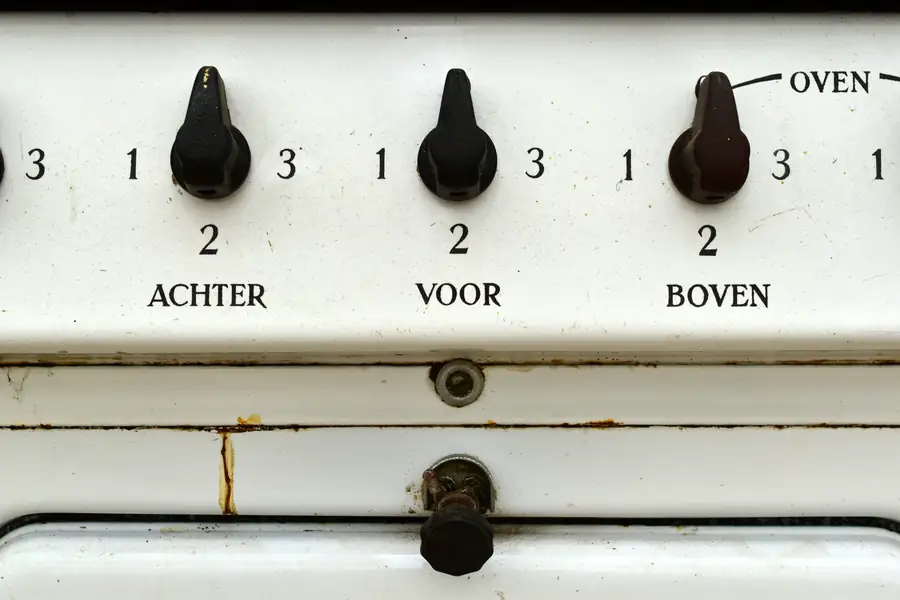
Conversely, conventional ovens come in more traditional styles. They often feature sturdy knobs and classic finishes that complement various kitchen designs. Despite being bigger, they can match your aesthetic preferences seamlessly.
- Convection Microwave: Compact, sleek, modern, digital controls.
- Conventional Oven: Large, traditional, multiple trays, classic design.
Choosing the right size and design enhances your kitchen's functionality and appearance.
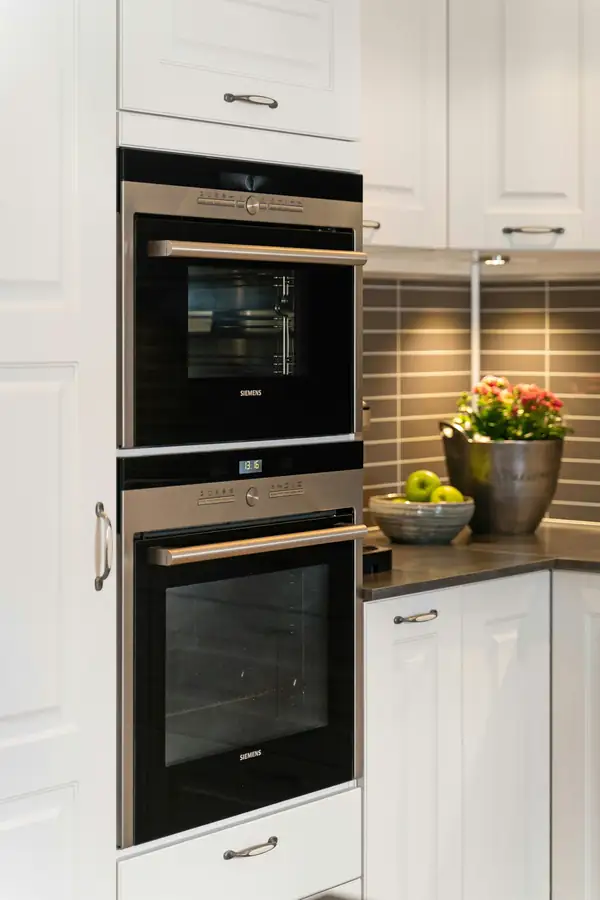
Cooking Performance: Baking, Roasting, Grilling, and More
Cooking performance is at the heart of any decision between convection microwaves and conventional ovens. Each offers distinct advantages depending on your culinary needs.
Convection microwaves excel in versatility. They combine the speed of microwave cooking with the even heat distribution of a convection oven. This dual functionality allows you to bake, roast, or grill with efficiency. Pre-heating is often unnecessary, which saves time.
In contrast, conventional ovens excel in traditional baking and roasting. They maintain consistent temperatures, which is crucial for evenly baked goods. This makes them the choice for serious bakers or those who frequently prepare large meals.
Convection microwaves are perfect for quick meals or reheating leftovers. They often include preset cooking programs, simplifying the cooking process.
Conventional ovens handle heavy-duty cooking tasks with ease. They can manage large turkey roasts, baked pastries, and dishes that require high heat.
Both appliances have their strengths:
Convection Microwave:
- Versatility in functions.
- Quick cooking and reheating.
- Preset cooking programs.
Conventional Oven:
- Consistent temperatures.
- Ideal for large meals.
- Traditional baking prowess.
Ultimately, your choice hinges on your cooking style and regular meal preferences.

Energy Efficiency and Environmental Impact in 2026
In 2026, energy efficiency is a top priority for many homeowners. Both convection microwaves and conventional ovens have distinct impacts on your electricity bill.
Convection microwaves are generally more energy-efficient. They cook food faster and use less electricity. This efficiency reduces greenhouse gas emissions, making them eco-friendly choices. Their compact size means less heat energy is wasted.
Conventional ovens, especially older models, can be less efficient. They often take longer to cook and require more energy to maintain temperature. Yet, some modern conventional ovens are now being designed with energy efficiency in mind.
When considering environmental impact, make informed choices:
- Convection Microwave: Quick cooking, reduced emissions.
- Conventional Oven: Slower, higher energy use, yet new models may offer improvements.
Choosing energy-efficient appliances not only saves money but also supports a sustainable lifestyle.
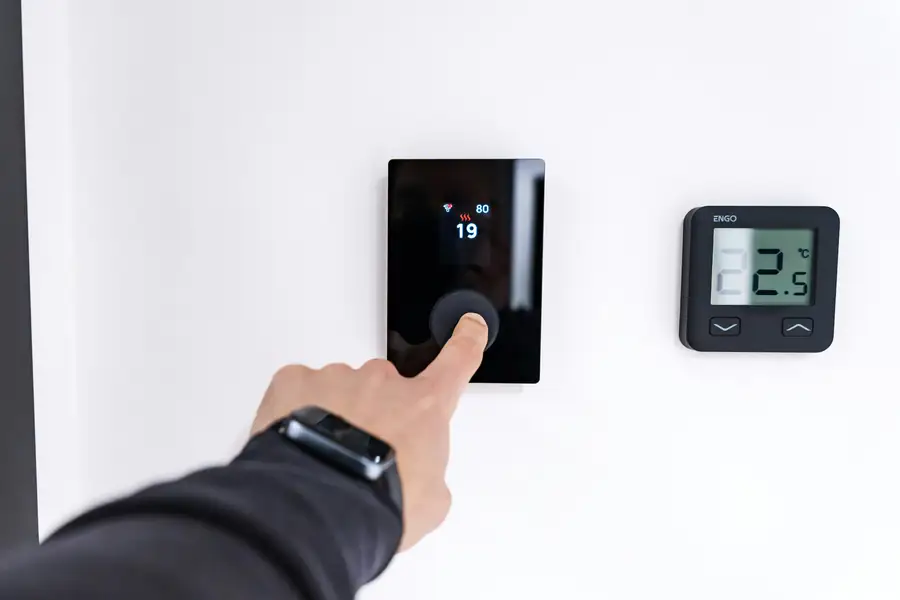
Convenience and Ease of Use: Which Appliance Fits Your Lifestyle?
When it comes to convenience, both convection microwaves and conventional ovens offer unique advantages. Your choice depends on what fits your daily cooking habits and needs best.
Convection microwaves stand out for their speed and versatility. They handle multiple tasks, like grilling and defrosting, efficiently. This makes them ideal for busy individuals who need quick meal prep.
On the other hand, conventional ovens are praised for their straightforward operation. They are simple to set up and use, which appeals to those who prefer a traditional cooking experience.
Consider these aspects when deciding:
- Convection Microwave: Multitasking, quick meals, modern controls.
- Conventional Oven: Traditional methods, straightforward usage, predictable results.
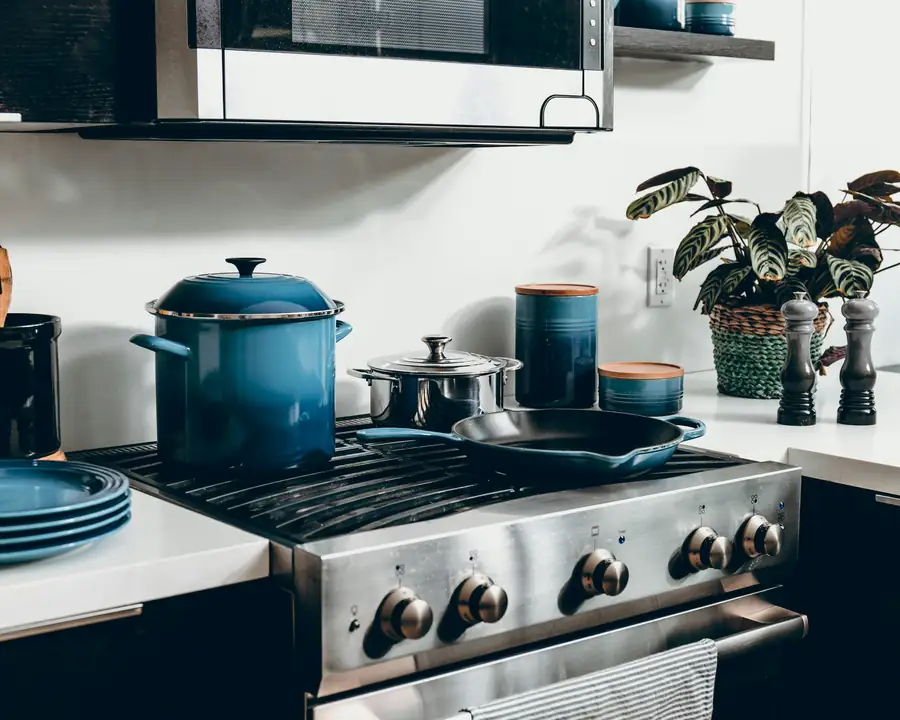
Maintenance, Cleaning, and Durability
Maintenance and cleaning are vital considerations in choosing kitchen appliances. Convection microwaves are often easier to clean because of their smaller size and fewer parts. This simplicity reduces the time spent on maintenance.
Conventional ovens require more effort and attention to keep them pristine. You may need to clean oven racks and different components regularly. However, their sturdy build ensures a longer lifespan, often outlasting microwaves.
When considering durability, conventional ovens usually come out ahead. They are built for heavy-duty use and withstand frequent, rigorous cooking sessions. In summary, here’s what to remember:
- Convection Microwave: Easy maintenance, simple structure.
- Conventional Oven: Robust build, requires thorough cleaning.

Cost Analysis: Upfront Price, Running Costs, and Value Over Time
When buying a kitchen appliance, cost is a primary concern. Convection microwaves often have a higher upfront cost due to their advanced technology and multi-functionality. However, they may offer savings in energy bills due to their energy efficiency and faster cooking times.
Conventional ovens can be less expensive initially, especially if you choose a basic model. Their running costs vary depending on usage and energy source, typically gas or electric. Over time, these costs can add up, especially with frequent baking and roasting.
It's essential to evaluate the long-term value each appliance offers. Convection microwaves, despite a higher initial investment, might save money over time with reduced electricity consumption.
Consider these points in your cost analysis:
- Initial Expense: Microwaves are pricier upfront.
- Running Costs: Conventional ovens may incur higher energy expenses.
- Long-Term Savings: Microwaves could be more economical over years.
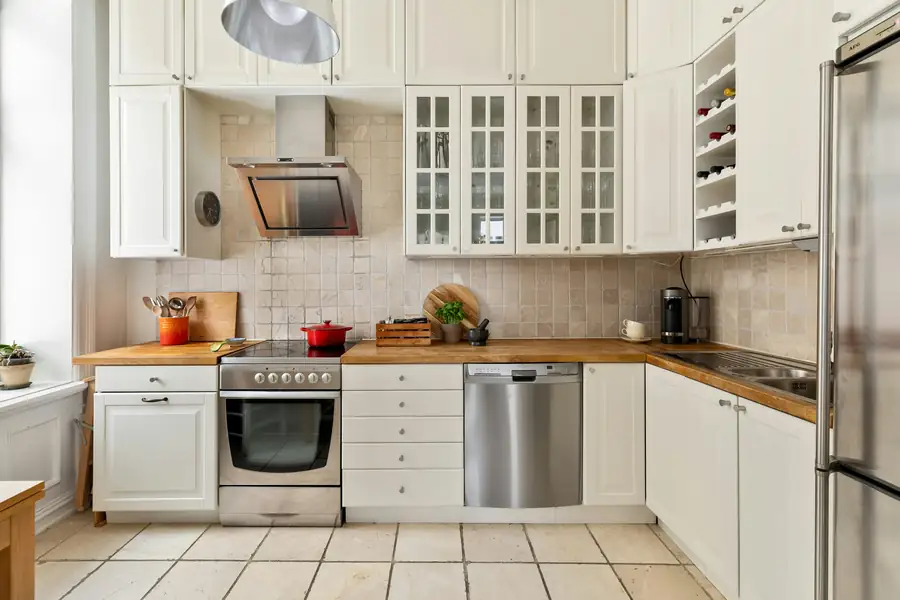
Space and Installation: What to Consider for Your Kitchen
Choosing the right appliance also means considering your available kitchen space. Convection microwaves are compact and ideal for small kitchens. Their flexibility allows them to be used as countertop units or built-in appliances, saving valuable space.
Conventional ovens, in contrast, often require more room and a dedicated space for installation. They are typically larger, making them suitable for kitchens with ample space or for homeowners who frequently host large gatherings.
Before deciding, evaluate the space you can allocate. Measure available areas and consider the following factors:
- Kitchen Size: Small or large kitchen.
- Installation Space: Built-in or countertop options.
- Aesthetic Preferences: Matches kitchen decor.

2026 Kitchen Trends: What’s Popular and Why?
The year 2026 presents exciting trends in kitchen appliances, focusing on efficiency and style. Convection microwaves are gaining popularity due to their modern look and multifunctionality. They fit well in tech-savvy kitchens offering quick cooking solutions.
Conventional ovens, however, remain a staple for those who prefer traditional methods. They are favored by serious cooks for their reliability and large cooking capacity, accommodating the needs of family meals or holiday feasts.
Key trends to watch in 2026 include:
- Sleek Designs: Modern aesthetics.
- Energy Efficiency: Reducing environmental impact.
- Smart Technology: App-controlled cooking.
Whether you seek cutting-edge tech or classic functionality, understanding these trends can help guide your appliance choice.
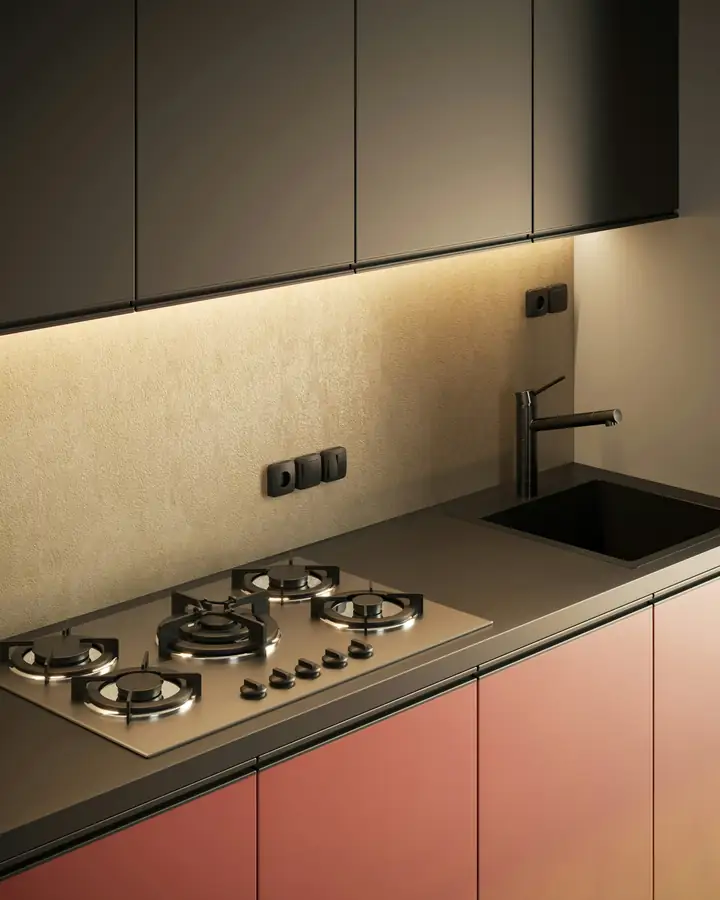
Pros and Cons: Convection Microwave vs Conventional Oven
Choosing between a convection microwave and a conventional oven depends on individual cooking needs. Each has unique advantages and drawbacks. Let's explore them:
Convection Microwave Pros:
- Faster cooking times.
- Ideal for small spaces.
- Multi-functional (grill, bake, defrost).
Convection Microwave Cons:
- Smaller cooking capacity.
- Can be pricier upfront.
- Limited for large meal preparations.
Conventional ovens also offer distinct benefits, particularly for those who enjoy traditional cooking.
Conventional Oven Pros:
- Larger cooking capacity.
- Better for baking and roasting.
- More robust and durable.
Conventional Oven Cons:
- Longer preheat times.
- Takes up more kitchen space.
- Higher energy consumption.
Understanding these pros and cons can help you assess which appliance aligns best with your lifestyle and kitchen needs.
Which One Should You Buy? Decision Guide for Different Users
Choosing between a convection microwave and a conventional oven can be daunting. Each user has different cooking habits and space considerations.
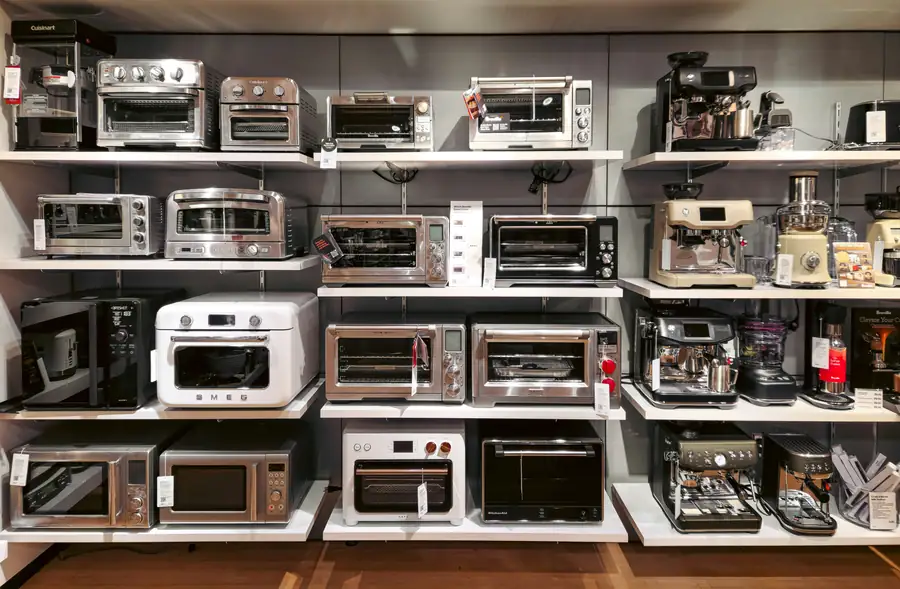
For those with limited kitchen space, a convection microwave is a practical choice. It's perfect for quick meals and reheating. Its compact design suits busy lifestyles.
If you're a traditional cook who frequently entertains, a conventional oven may be better. It's ideal for baking and preparing large meals. The spacious interior and even heating make it a favorite among chefs.
When considering what to buy, consider your typical cooking tasks. Think about whether speed, energy efficiency, or capacity is a priority.
- Convection Microwave: Small kitchens, quick meals, energy savings.
- Conventional Oven: Family meals, baking, durability.
Reflect on how each appliance fits into your daily routine to make the best choice for you in 2026.
Final Verdict: Making the Right Choice for Your Kitchen in 2026
Choosing between a convection microwave and a conventional oven depends on personal needs. Both appliances offer unique benefits and limitations.
Consider your cooking preferences and kitchen space. A convection microwave suits those seeking speed and versatility. However, a conventional oven caters to traditional baking and larger meals.
Ultimately, your lifestyle and cooking habits should guide your decision in 2026. Evaluate all factors carefully to select the kitchen appliance that best enhances your culinary experience.
Convection Microwave vs Conventional Oven: Which One Should You Buy in 2026?
Choosing between a convection microwave and a conventional oven depends on your cooking needs, kitchen space, and business requirements. Convection microwaves offer faster cooking, versatility, and space-saving benefits, while conventional ovens provide reliable performance for baking, roasting, and high-volume food preparation. The Horeca Store offers a wide range of commercial cooking equipment designed to meet the needs of restaurants, cafés, bakeries, hotels, and professional kitchens.
At The Horeca Store, we help businesses choose the right commercial ovens and kitchen equipment for efficient operations and consistent cooking results. Whether you need a convection oven for baking and roasting or advanced cooking solutions for a busy kitchen, our quality equipment delivers durability, performance, and value. Explore our collection to find the ideal cooking appliance for your commercial kitchen in 2026.