
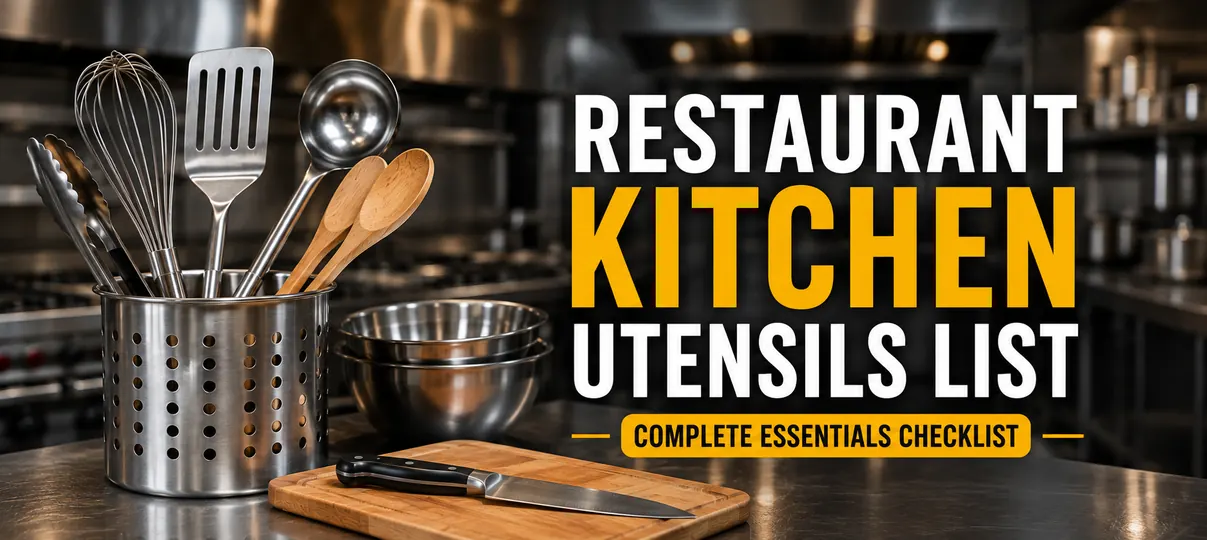
A well-equipped kitchen is the heart of any successful restaurant. It ensures smooth operations and high-quality dishes.
Understanding the essential kitchen tools is crucial for efficiency. This guide will help you navigate the world of restaurant kitchen utensils.
From cutting tools to cooking gadgets, each item plays a vital role. Knowing what to include in your kitchen can make a big difference.
Chefs and kitchen managers need to be aware of the best tools available. This knowledge can enhance food preparation and presentation.
Investing in the right utensils can save time and money. It also improves the overall dining experience for your customers.
Whether you're setting up a new kitchen or optimizing an existing one, this guide is for you.
Explore the comprehensive list of kitchen gadgets and tools. Equip your restaurant kitchen for success.
Why a Complete Restaurant Kitchen Utensils List Matters
A complete list of kitchen tools is essential for any restaurant. It ensures all culinary tasks are efficiently handled. Having the right utensils helps maintain consistency in meal preparation.
Being well-equipped can significantly impact the quality of food served. This is particularly true during peak hours when time is of the essence. Proper tools can streamline operations and reduce stress on the staff.
Here are some reasons why a complete utensils list is vital:
- Enhances food safety and hygiene.
- Improves kitchen productivity.
- Reduces equipment costs long-term.
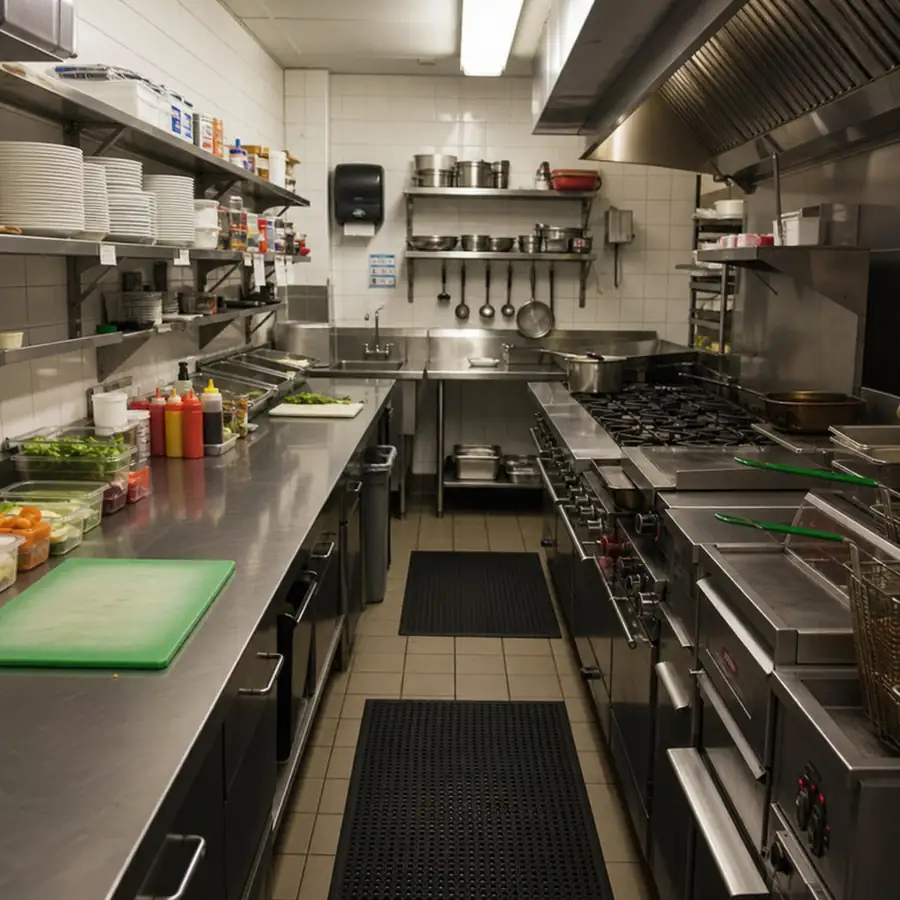
Equipped kitchens allow for better organization and inventory management. Knowing exactly what you have prevents overbuying or running out of necessary tools. This level of preparedness can also help train new staff quickly and effectively, maintaining a seamless workflow.
Key Categories of Restaurant Kitchen Utensils
Every restaurant kitchen relies on a variety of essential utensils grouped into key categories. These categories cover all tasks involved in food preparation, cooking, and serving. Having this organization makes finding and using the right tool seamless.
Understanding the main categories can help in prioritizing purchases. It ensures that you're investing in the most crucial items first. This step is vital for setting up a new kitchen or enhancing an existing one.
The primary categories include:
- Cutting tools for precision and safety
- Cooking tools for diverse culinary techniques
- Measuring and mixing tools for accuracy
- Storage and cleaning tools for hygiene
- Specialty gadgets for unique menu items
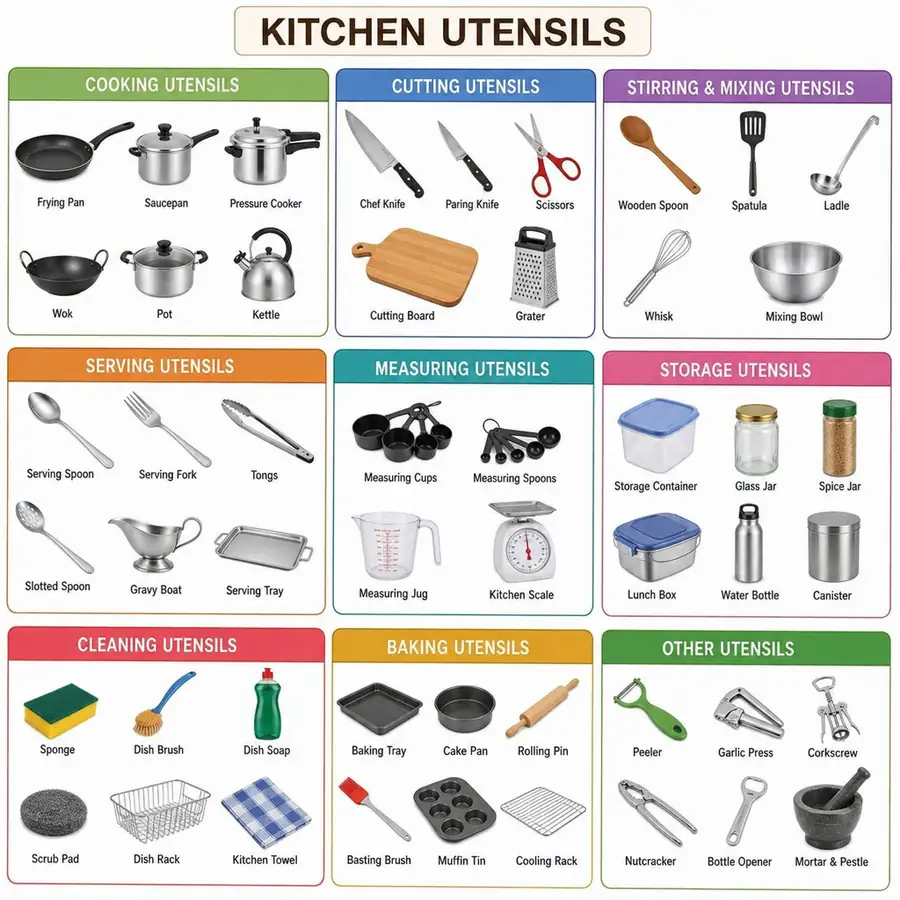
Equipping your kitchen with tools from these categories will enhance overall efficiency. Each tool has a specific role in the kitchen, contributing to the smooth running of daily operations.
Essential Cutting Tools
Quality chef knives and cutting boards are core smallwares every restaurant kitchen needs.
In any restaurant kitchen, cutting tools are indispensable. They set the foundation for food preparation and ensure precision in cuts. Well-chosen tools improve speed and uniformity in food presentation.
Knives are the backbone of cutting tools in a professional kitchen. A variety of knife types is required to handle different tasks seamlessly. Each knife offers unique benefits that streamline specific kitchen duties.
A chef's knife is perhaps the most versatile, suitable for slicing, dicing, and chopping. It's a must-have due to its adaptability across various ingredients. Additionally, paring knives, with their compact size, excel in intricate tasks like peeling and trimming.
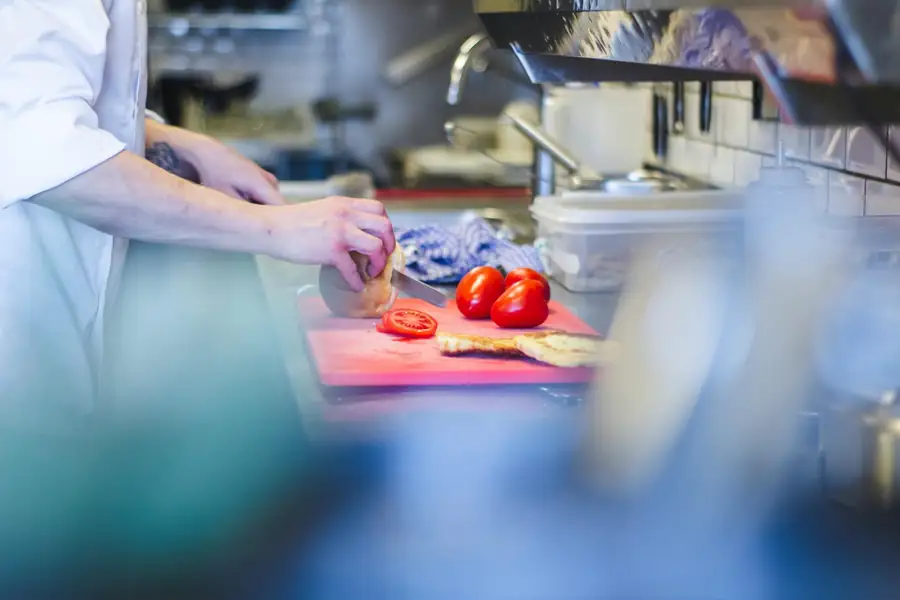
Serrated knives come in handy when cutting bread or soft items like tomatoes. They prevent unnecessary pressure, maintaining the integrity of the food's texture. These tools are essential for maintaining speed and accuracy.
Other essential cutting tools include peelers and graters. Peelers quickly remove skins from fruits and vegetables. Graters offer different shredding sizes for cheese, zesting citrus, and more.
Key cutting tools include:
- Chef's knives
- Paring knives
- Serrated knives
- Peelers
- Graters
by Louis Hansel (https://unsplash.com/@louishansel)
An organized set of cutting tools boosts productivity and ensures safety in the kitchen. Proper care, including regular sharpening and safe storage, prolongs their lifespan and prevents accidents.
Chef’s Knife, Paring Knife, and Serrated Knife
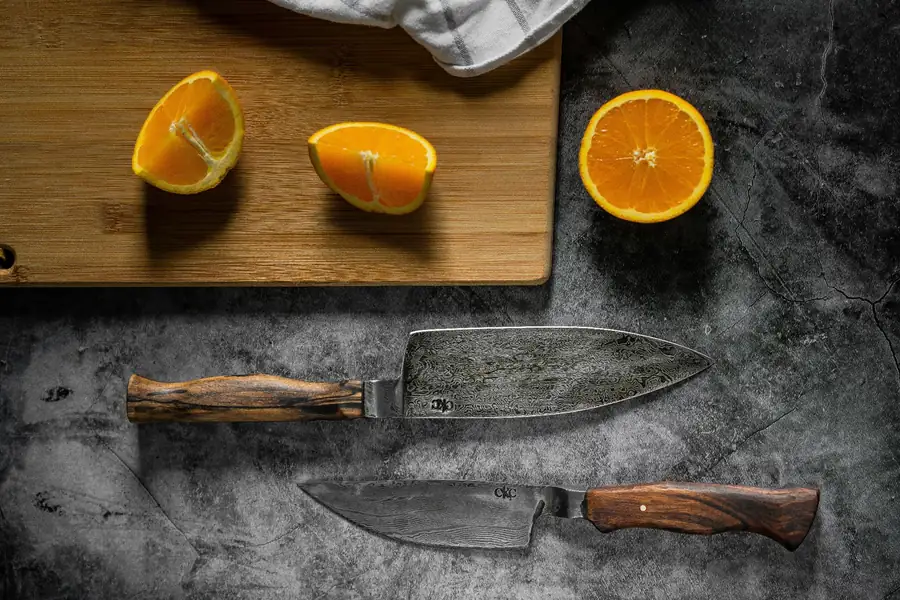
The chef's knife is quintessential for various cutting tasks. Its weight and balance allow for quick, clean cuts. Every professional kitchen should prioritize having quality chef's knives.
Paring knives are smaller, ideal for detailed work. They make peeling fruits and veggies effortless. Their pointed tips are also great for removing seeds.
Serrated knives excel in tasks requiring a sawing motion. They smoothly slice through bread without crushing it. Their design keeps items intact during cutting, which is crucial for presentation.
A basic knife set includes:
- Chef’s knife
- Paring knife
- Serrated knife
by Courtney Cook (https://unsplash.com/@courtneymcook)
Investing in these knives ensures versatility and precision in the kitchen. Each type fulfills specific roles, making culinary tasks efficient and consistent.
Cutting Boards: Types and Hygiene
Cutting boards are vital for maintaining clean work surfaces. They come in various materials, like wood and plastic. Choosing the right type ensures hygiene and helps prevent cross-contamination.
Wooden boards offer a traditional and stable surface. They are gentle on knives, preserving their sharp edges. Plastic boards are dishwasher safe, providing an easy-to-clean option.
Consider these types:
- Wooden boards
- Plastic boards

by Mick Haupt (https://unsplash.com/@rocinante_11)
Consistent sanitizing and separating boards for different food types are key practices. This maintains hygiene and protects the health of diners.
Cooking Tools Every Restaurant Needs
The right restaurant equipment and cooking tools keep your line moving during peak service.
Cooking tools form the backbone of any restaurant kitchen. They facilitate the transformation of raw ingredients into culinary masterpieces. Proper selection and use of these tools streamline kitchen operations.
Pots and pans dominate this category. Their quality impacts cooking efficiency and consistency. Options vary, including non-stick and stainless steel varieties tailored for specific tasks.
Bakeware items like baking sheets and roasting pans are crucial, especially for restaurants offering baked goods. These tools resist high heat and distribute it evenly for uniform results. It’s essential to have an array of sizes to accommodate diverse recipes.
Beyond basic cookware, spatulas and spoons are daily heroes. They enable stirring, scooping, and serving with precision. Tongs and ladles also play pivotal roles, often used in plating and portioning tasks efficiently.
Key cooking tools include:
- Pots and pans
- Baking sheets and roasting pans
- Spatulas, spoons, tongs, ladles

by Jeff Mendoza (https://unsplash.com/@ffairchildd)
Selecting well-crafted cooking tools decreases the chance of mishaps and improves food quality. The right tools enhance both the chef's experience and the diner's satisfaction.
Pots, Pans, and Bakeware
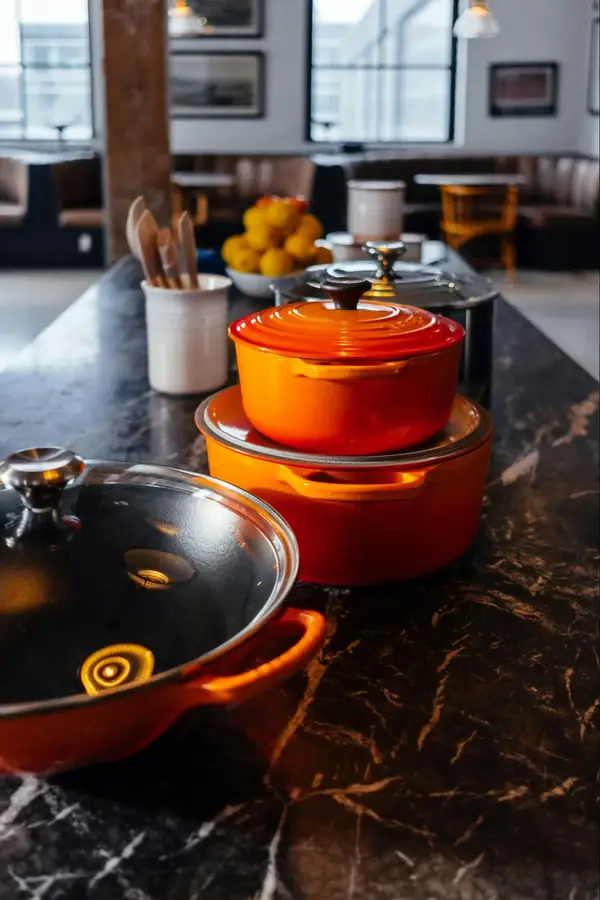
Pots and pans are integral to every kitchen's repertoire. Their range includes saucepans, frying pans, and stockpots. Each serves its unique purpose, whether simmering sauces or searing meats.
In choosing cookware, consider material durability. Stainless steel maintains even heating and is long-lasting. Non-stick variants aid in delicate tasks, minimizing food adherence and simplifying cleaning.
Baking tools expand the kitchen's capabilities. Sheets and pans for baking and roasting provide versatility in cooking techniques. A restaurant must stock different sizes for varied menu offerings.
Essential pots and pans:
- Saucepan
- Frying pan
- Stockpot
by Jason Briscoe (https://unsplash.com/@jsnbrsc)
Investing in quality pots and pans ensures better heat control and food outcomes. Well-maintained bakeware also enhances the presentation and flavor of dishes.
Spatulas, Spoons, Tongs, and Ladles
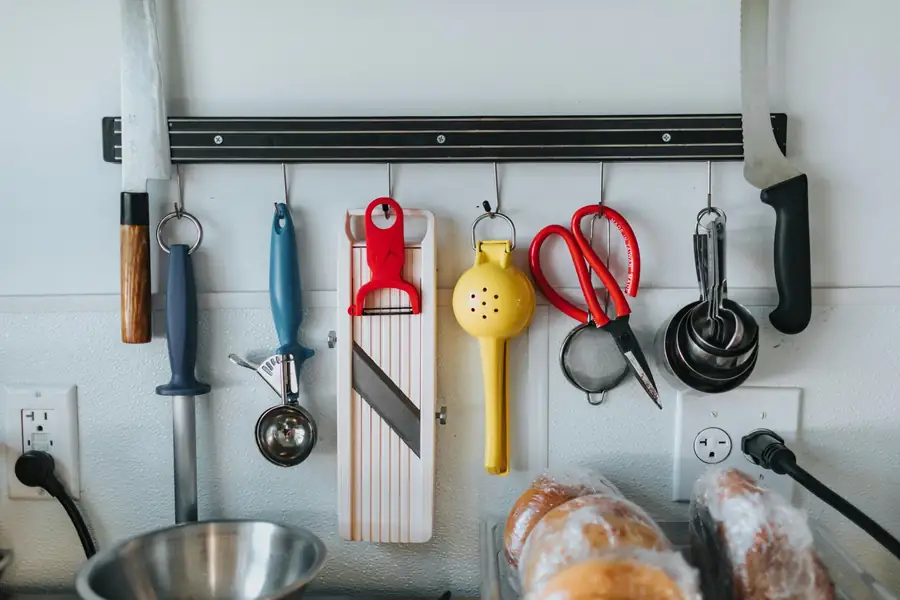
Spatulas and spoons are ubiquitous in kitchen operations. They assist in mixing, serving, and transferring food without damaging it. Tongs add precision in flipping and plating, maintaining hygiene and safety.
Different types of spatulas serve unique functions. Rubber spatulas scrape bowls clean, while metal spatulas help flip foods. Spoons, ranging from solid to slotted, allow for versatility in liquid-based dishes.
Tongs and ladles extend a chef's reach and control. Ladles are indispensable in soups and sauces, ensuring portion accuracy. Choose ergonomic designs to reduce strain during prolonged use.
Key utensils:
- Spatula (rubber, metal)
- Spoon (solid, slotted)
- Tongs
- Ladle
by Nathan Dumlao (https://unsplash.com/@nate_dumlao)
For effective kitchen operations, equip your kitchen with high-quality spatulas, spoons, tongs, and ladles. These tools enhance the cooking process and improve overall service delivery.
Measuring and Mixing Tools
Measuring and mixing tools are crucial for precision in cooking. They ensure that recipes are followed accurately, maintaining consistency and quality in every dish. Precise measurements make a significant difference in the taste and texture of food, especially in baking.
Accurate measuring starts with the right tools. Measuring cups and spoons deliver exact quantities of ingredients, preventing errors. Digital scales provide precise measurements by weight, essential for professional kitchens focusing on consistency.
Mixing requires durable and versatile equipment. Mixing bowls, preferably made of stainless steel, offer durability and variety in sizes. They are useful for everything from prep work to serving. Whisks help integrate ingredients smoothly, critical for achieving desired textures.
Essential measuring and mixing tools:
- Measuring cups
- Measuring spoons
- Digital scales
- Mixing bowls
- Whisks

by Anshu A (https://unsplash.com/@anshu18)
Properly selected measuring and mixing tools enhance kitchen efficiency and food outcomes. These tools prove indispensable in any culinary setting, from soups to desserts.
Measuring Cups, Spoons, and Scales
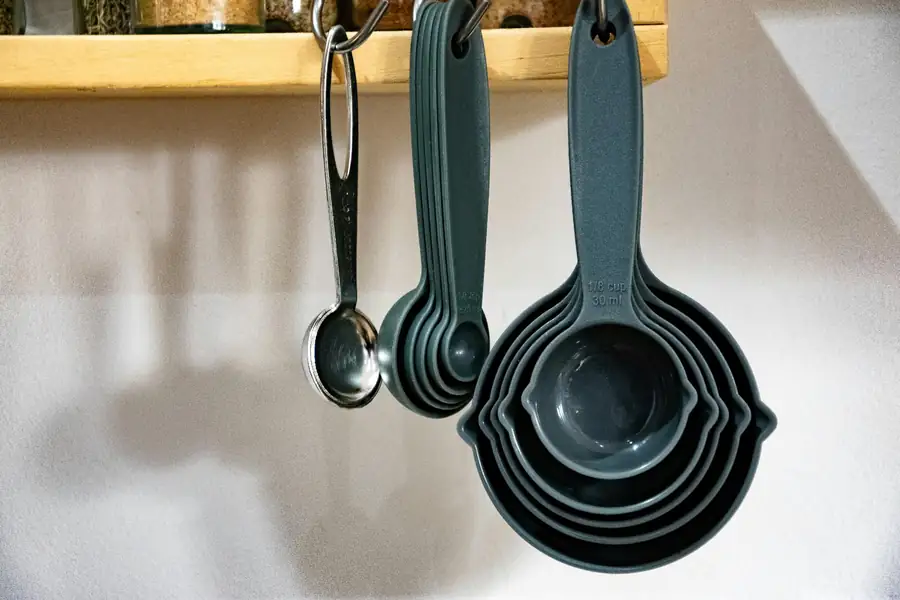
Measuring cups and spoons are staples in any kitchen. They ensure that each ingredient is added in the right amount, a fundamental step for recipe success. The kitchen benefits from having both dry and liquid measuring cups, alongside a full set of measuring spoons.
A digital scale offers unparalleled precision. It helps not only in baking but also in portioning and maintaining food cost control. Digital scales with tare functions add convenience, allowing for measuring multiple ingredients in one container.
Essential measuring tools include:
- Dry measuring cups
- Liquid measuring cups
- Measuring spoons
- Digital scales
by Joseph Sharp (https://unsplash.com/@sharpshots)
Investing in quality measuring tools ensures consistent results and efficient kitchen operations. These precise instruments maintain the integrity of each dish.
Mixing Bowls and Whisks
Mixing bowls are versatile tools pivotal to food preparation. Stainless steel bowls offer durability, easy cleaning, and multi-use versatility. They range in size to handle tasks from whisking dressings to mixing doughs.
Whisks, meanwhile, serve as vital tools to blend ingredients and achieve desired textures. Balloon whisks are great for incorporating air, while flat whisks are perfect for sauces. Different sizes cater to diverse recipes and help in managing quantities efficiently.
Important mixing tools:
- Stainless steel mixing bowls
- Balloon whisks
- Flat whisks

by Rashmi Kalburgie (https://unsplash.com/@rkalburgie)
The combination of durable bowls and various whisks ensures effective ingredient integration in a bustling kitchen. These tools significantly contribute to the quality and ease of restaurant cooking.
Food Prep Gadgets and Specialty Tools
Food prep gadgets transform raw ingredients into culinary masterpieces. They enhance efficiency and creativity in professional kitchens. From slicing to blending, these tools optimize time and effort.
Essential gadgets include peelers, graters, mandolines, and slicers. They facilitate the preparation of fruits and vegetables, providing uniform cuts for cooking and presentation. Specialized gadgets streamline complex tasks, making them quicker and more precise.
Blenders, food processors, and stand mixers play vital roles in creating sauces, purees, and doughs. These tools are versatile, catering to a variety of dishes and techniques. High power and durability make them indispensable in any restaurant setup.
Key prep gadgets for your kitchen:
- Peelers
- Graters
- Mandolines
- Slicers
Peelers, Graters, Mandolines, and Slicers
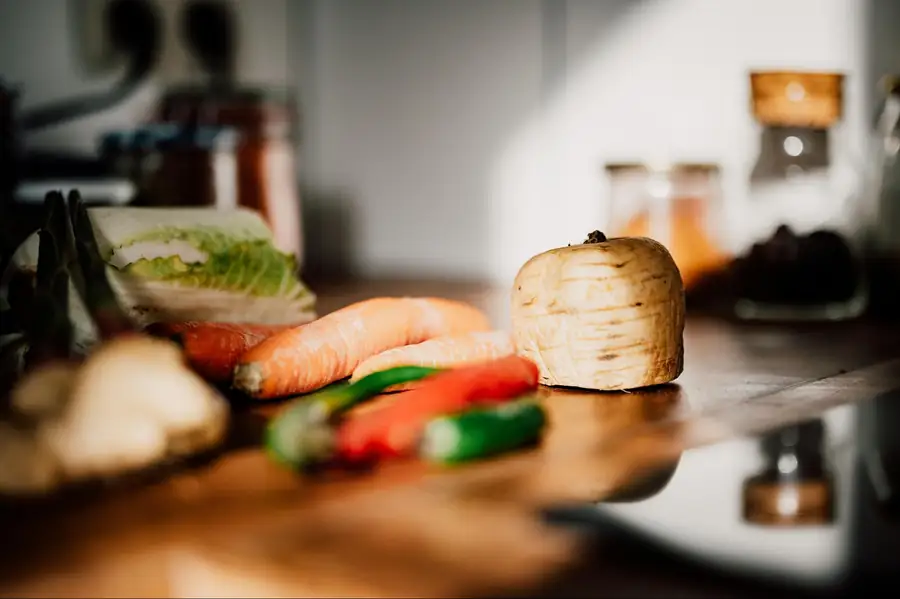
Peelers quickly remove skins from fruits and vegetables, improving prep speed. Graters come in different sizes for zesting and shredding, useful for various cuisines. Mandolines offer adjustable blades, allowing chefs to create uniform slices efficiently. Slicers ensure consistent cuts, vital for dishes requiring finesse.
Necessary food prep gadgets:
- Vegetable peelers
- Multi-size graters
- Adjustable mandolines
- Precision slicers
by THLT LCX (https://unsplash.com/@thlt_lcx)
These tools enable chefs to prepare ingredients quickly and precisely, enhancing dish quality.
Blenders, Food Processors, and Stand Mixers
Blenders are key for creating silky smooth soups and smoothies. High-quality models manage robust purees and crush ice effortlessly. Food processors simplify chopping, dicing, and grinding, capable of handling batches of ingredients to save time. Stand mixers deliver perfectly kneaded doughs and whipped creams, essential for baking and dessert preparation.
Crucial blending and mixing gadgets:
- High-power blenders
- Versatile food processors
- Durable stand mixers

by Tim Schmidbauer (https://unsplash.com/@timschmidbauer)
These powerful machines enhance culinary capabilities, speeding up processes without compromising on quality. They are fundamental for modern restaurant kitchens.
Storage, Safety, and Cleaning Utensils
Proper food prep equipment and cleaning tools protect food safety across every shift.
Effective storage, safety, and cleaning are vital components of restaurant operations. Proper storage containers maintain ingredient freshness and prevent contamination. Organization is key to a smooth workflow, with designated areas for each category of food.
Safety gear, such as heat-resistant gloves and protective aprons, is essential for the well-being of kitchen staff. These tools help prevent burns and spills, ensuring a safe working environment. Investing in quality safety gear reduces the risk of accidents.
Cleaning utensils, including brushes and sponges, are crucial for hygiene maintenance. Regular cleaning of surfaces and tools reduces the potential for cross-contamination. A clean kitchen is indispensable for food safety and efficiency.
Storage, safety, and cleaning essentials:
- Storage containers
- Heat-resistant gloves
- Cleaning brushes and sponges

by Holzke Menü Essen auf Rädern (https://unsplash.com/@holzkemenue)
Storage Containers and Organization
Storage containers keep ingredients fresh and organized. They come in various sizes and materials to suit different needs. Stackable containers maximize space, essential in bustling restaurant kitchens. Labeled containers help kitchen staff quickly identify contents, streamlining the cooking process.
Key storage solutions:
- Stackable containers
- Labeled storage
- Airtight seals

by Annie Spratt (https://unsplash.com/@anniespratt)
Effective organization reduces waste and improves efficiency, enhancing the overall kitchen operation.
Safety Gear: Gloves, Aprons, and More
Safety gear is crucial for protecting kitchen staff. Heat-resistant gloves safeguard hands from hot surfaces and equipment. Durable aprons prevent spills and splashes from staining clothes. Non-slip shoes minimize the risk of falls, adding another layer of safety.
Important safety gear includes:
- Heat-resistant gloves
- Protective aprons
- Non-slip footwear

by Bùi Hoàng Long (https://unsplash.com/@dxaxoxfz)
By ensuring staff safety, these items help maintain a positive and efficient kitchen environment. They also encourage workers to perform optimally without concern for their well-being.
Specialty and Cuisine-Specific Utensils
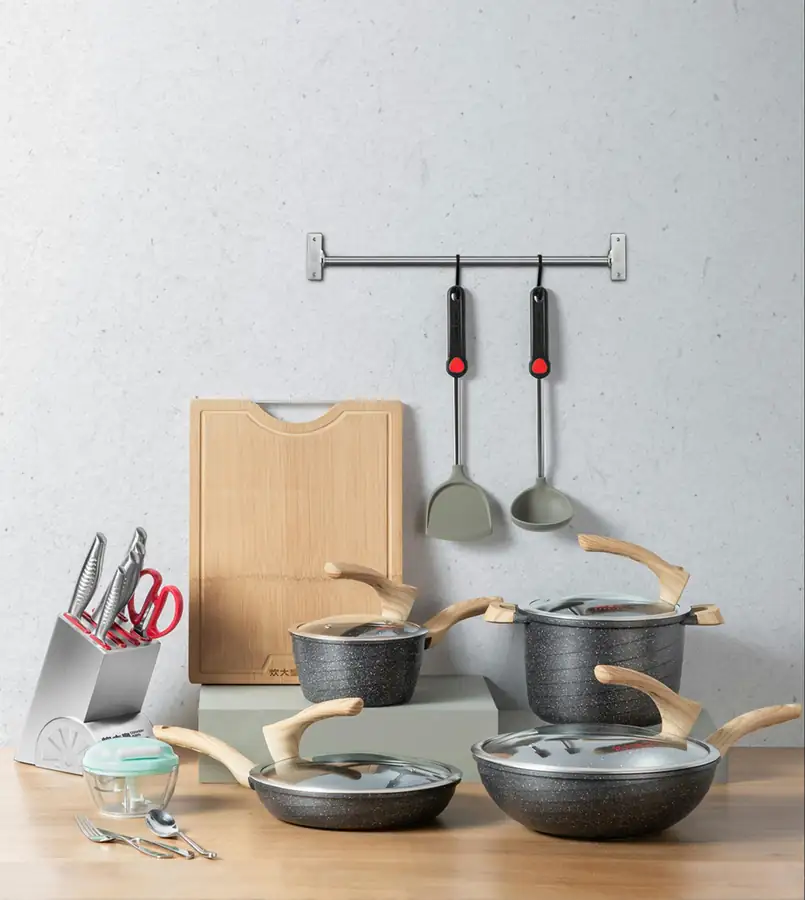
Different cuisines require unique utensils tailored to their specific cooking needs. This ensures authenticity and efficiency in preparation. Specialized tools enhance the dish's quality and presentation, making them indispensable in diverse restaurant kitchens.
For example, pasta makers are essential in Italian cuisine, while sushi mats are crucial for Japanese dishes. Pizza stones yield perfectly crisp crusts and are fundamental in pizza restaurants. These tools are designed to create distinct textures and authentic flavors.
Essential specialty utensils may include:
- Pasta makers
- Sushi mats
- Pizza stones
by Cooker King (https://unsplash.com/@cookerking)
Equipping a kitchen with specialized tools reflects a commitment to culinary excellence. This approach attracts diners seeking genuine taste experiences and adds a unique selling point to your restaurant. Implementing these utensils allows chefs to bring traditional flavors to life while enhancing their creative capabilities.
Tips for Choosing and Maintaining Restaurant Kitchen Utensils
Selecting the right kitchen utensils is crucial for efficiency and safety. Carefully consider the materials, design, and ergonomics when choosing tools. This ensures the utensils suit your kitchen's specific needs and daily operation demands.
Firstly, invest in high-quality items to minimize replacements and maintenance costs. Quality often means durability, which reduces long-term expenses. It's also important to match the utensil quality with the type of cuisine served.
Essential factors to consider when choosing utensils:
- Material (stainless steel, silicone, etc.)
- Ergonomics and comfort
- Durability and brand reputation

by Franco Debartolo (https://unsplash.com/@francotheshooter)
For maintenance, regularly clean and inspect utensils for wear and damage. Proper storage also extends their lifespan. Organize tools to avoid clutter and maintain their condition.
Key maintenance tips include:
- Regular cleaning and inspection
- Use proper storage solutions
- Follow manufacturer guidelines for care
Implementing these practices ensures your utensils stay in optimal condition. This enhances kitchen safety and keeps operations running smoothly.
Sustainability and Modern Trends in Kitchen Tools
In recent years, sustainability has become a key focus in professional kitchens. Many chefs prioritize eco-friendly utensils to minimize environmental impact. This trend aligns with the broader movement towards sustainable dining practices.
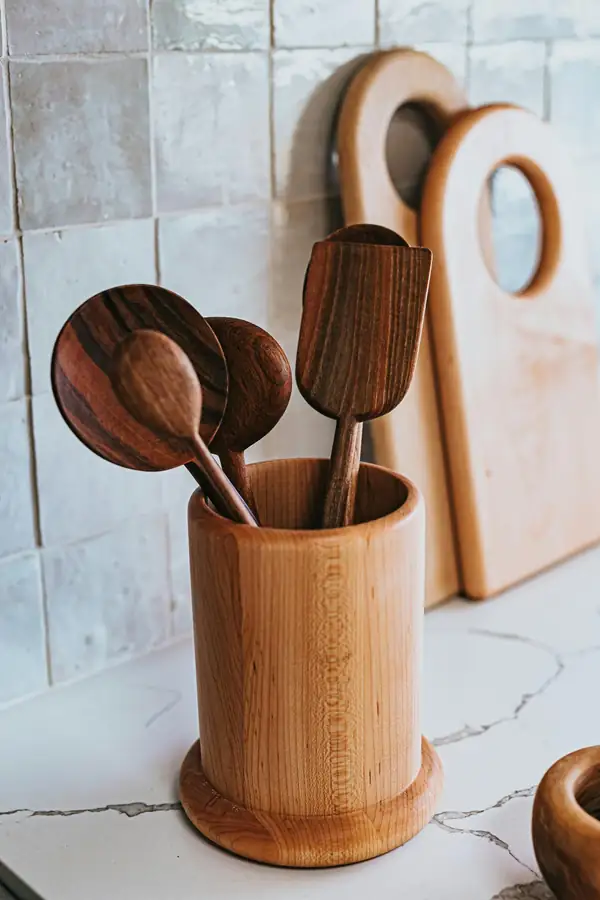
Modern kitchen tools often feature biodegradable or recyclable materials. Bamboo, recycled stainless steel, and silicone are popular for their eco-friendly properties. These materials reduce waste and support green initiatives in the hospitality industry.
by Andrew Valdivia (https://unsplash.com/@donovan_valdivia)
Current trends in kitchen utensils include:
- Use of sustainable materials
- Energy-efficient cooking gadgets
- Multipurpose tools for reduced clutter
Staying informed about these trends ensures your kitchen remains efficient and environmentally responsible. Embracing sustainability not only benefits the planet but also enhances your restaurant’s reputation.
Restaurant Kitchen Utensils List: The Ultimate Checklist
Having a comprehensive list of kitchen utensils is essential for efficient restaurant operations. This ultimate checklist ensures you have every necessary tool for seamless cooking and food preparation. Whether you’re opening a new restaurant or upgrading your existing kitchen, these tools are critical.
Start with the basics, focusing on fundamental tools. Invest in high-quality knives, durable cutting boards, and versatile pots and pans. Incorporate these essentials into your kitchen setup:
Essential Kitchen Gadgets:
- Chef’s knife
- Paring knife
- Serrated knife
- Cutting board
Don't overlook specialized tools that cater to your restaurant's unique menu. For instance, a sushi restaurant might need sushi mats, while an Italian bistro would benefit from pasta makers. Adjust your checklist to reflect these specializations.
Specialty and Cuisine-Specific Tools:
- Pasta maker
- Sushi mat
- Pizza stone
- Tortilla press
Reviewing this checklist ensures nothing is left out. It helps maintain consistency and quality in your culinary creations. Proper organization of these tools will streamline kitchen operations, giving your staff the means to produce exemplary dishes efficiently and safely.
Frequently Asked Questions About Restaurant Kitchen Utensils
Selecting the right kitchen utensils can be daunting. Here are answers to common questions to guide you through this process:
What are the most important kitchen tools for a restaurant?
Focus on essential cutting tools, cooking utensils, and measuring instruments. These include chef’s knives, mixing bowls, and thermometers.
How often should restaurant kitchen utensils be replaced?
Regular inspection is crucial. Replace utensils showing signs of wear, damage, or reduced effectiveness. Quality utensils may last longer but periodic assessment is vital.
Top Queries:
- Which materials are best for durability?
- How should utensils be stored safely?
- What cleaning practices ensure longevity?
Understanding these factors will help in maintaining a well-equipped kitchen. Proper care extends the life of your utensils and supports efficient kitchen operations. For more detailed guidance, always consult the manufacturer’s instructions or a culinary expert.
Conclusion: Building Your Ideal Restaurant Kitchen
Crafting your perfect restaurant kitchen requires careful planning. Begin by identifying essential kitchen tools and utensils that align with your menu. Focus on high-quality kitchen gadgets and tools which enhance efficiency and safety.
Beyond just purchasing the right items, organizing and maintaining them is key. Proper storage solutions and routine checks ensure your utensils remain in prime condition. Training staff on proper usage and care extends the life of these tools.
Stay informed about modern trends in kitchen tools to improve operations continually. Sustainable options are becoming essential in today's kitchens, balancing functionality with environmental responsibility. By considering these factors, you create a kitchen that's efficient, safe, and ready for culinary success.