
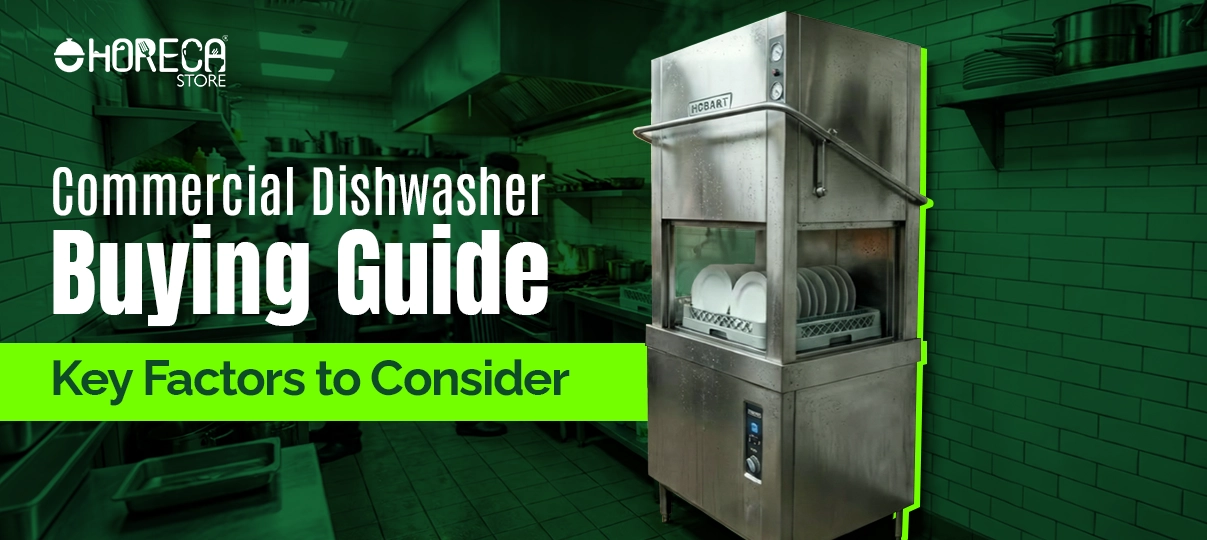
Choosing the right commercial dishwasher is crucial for any bustling kitchen. It ensures efficiency and maintains hygiene standards.
With so many options available, making the right choice can be overwhelming. This guide will help you navigate the process.
We'll explore different types of commercial dishwashers, from undercounter models to conveyor systems. Each type has its unique benefits.
Understanding your kitchen's specific needs is essential. The right dishwasher can significantly impact your kitchen's productivity and cost efficiency.
Energy efficiency is another critical factor. Choosing an Energy Star-rated model can lead to significant savings over time.
Brand reliability is also important. Opting for a trusted brand can offer better warranties and customer support.
Regular maintenance is key to prolonging the life of your dishwasher. We'll provide essential maintenance tips to keep it running smoothly.
By the end of this guide, you'll be equipped with the knowledge to make an informed purchase.
Understanding Commercial Kitchen Equipment
Commercial kitchen equipment is vital to a restaurant's success. Each piece plays a specific role in ensuring smooth operations. Dishwashers are integral because they help maintain cleanliness and efficiency.
Dishwashers come in several types, each designed for different needs. Undercounter models are compact and fit into small spaces. Conveyor types cater to high-volume operations due to their rapid cleaning capabilities.
Knowing your equipment helps in optimizing kitchen layout. Efficient placement can enhance workflow and reduce unnecessary movement. This is crucial in busy kitchens where time is money.
When selecting equipment, consider both quality and cost. Investing in reliable brands may have a higher upfront cost but can save money long-term by reducing repair and replacement needs.
When evaluating kitchen equipment, consider these factors:
- Space and layout requirements
- Equipment durability and maintenance
- Energy and water efficiency
- Cost versus long-term savings
Selecting the right equipment ensures operational efficiency and cost-effectiveness. Understanding your kitchen's specific needs helps in making informed decisions.
The Importance of Choosing the Right Dishwasher
Selecting the right commercial dishwasher is crucial for any kitchen operation. It directly affects how efficiently your kitchen runs.
A suitable dishwasher can minimize downtime and improve workflow. Conversely, a poor choice can lead to delays and extra costs. Selecting carefully can result in smoother operations and happier staff.
Impact on Efficiency and Productivity
A well-chosen dishwasher boosts kitchen efficiency significantly. It ensures dishes are cleaned promptly, which is essential in fast-paced environments. Faster cleaning means dishes and utensils return to service quickly, enhancing overall productivity.
The right dishwasher reduces the waiting time and prevents bottlenecks. Employees can focus on cooking and serving customers instead of dealing with dishwashing issues. Consider these factors when evaluating efficiency:
- Cycle time and speed
- Loading and unloading ease
- Space and layout compatibility
An efficient dishwasher also minimizes the need for manual intervention. Automated features can streamline the cleaning process and save valuable time. This improves staff morale and enhances kitchen operations.
Cost Implications of Poor Choice
Selecting the wrong dishwasher can have costly repercussions. Higher energy and water consumption from inefficient models increase utility expenses. Additionally, frequent breakdowns require constant repairs, which escalate costs quickly.
A poor choice may also result in increased labor costs. If dishwashing is slow, staff may need to work overtime to meet demands. Consider these cost-related factors:
- Long-term energy costs
- Repair and maintenance frequency
- Staff productivity loss
Unreliable models contribute to hidden costs not immediately obvious. It's important to weigh the upfront cost against potential operational savings. Investing wisely can prevent costly errors and support your business's bottom line.
Types of Commercial Dishwashers
Understanding the various types of commercial dishwashers is essential for making the right choice. Each type serves different needs, depending on kitchen size and volume.
From undercounter to conveyor models, each type offers distinct advantages and disadvantages. Selecting the right one can significantly impact operational efficiency and maintenance needs.
Undercounter Commercial Dishwashers
Undercounter dishwashers are compact and efficient, ideal for small kitchens. They fit neatly under counters, saving space while providing powerful cleaning capabilities.
These dishwashers are well-suited for cafes, bars, and small restaurants. Their quick cycle times ensure dishes return to service promptly. Consider the following features when evaluating undercounter models:
- Compact design for space-saving
- Quick cycle times for fast turnover
- Suitable for low to medium volume operations
Despite their smaller size, undercounter dishwashers often include advanced features. Many models offer energy-efficient cycles and powerful cleaning performance. They are a great choice when space is a constraint but efficiency is still a priority.
Conveyor Dishwashers
Conveyor dishwashers are designed for high-volume use. They are perfect for large kitchens, such as those in schools or hospitals. These machines quickly process large quantities of dishes, minimizing delays.
With their continuous operation, conveyor dishwashers significantly reduce manual labor. They are essential for maintaining a swift workflow in busy environments. Key features to look for include:
- High capacity and speed
- Continuous operation for seamless workflow
- Suitable for high-volume demands
These dishwashers consume more space and require a higher initial investment. However, their ability to handle large loads efficiently often results in long-term savings on labor and utility costs.
Door-Type Dishwashers
Door-type dishwashers are suitable for medium-sized operations. They handle larger loads than undercounter models and are versatile in function. Often, they are found in independent restaurants and small hotel kitchens.
This type operates quickly and requires minimal manual handling. Dishes are loaded onto racks, which are pushed into the machine. Important considerations include:
- Mid-sized capacity for various operations
- Quick cycles reduce downtime
- Straightforward operation with minimal hassle
Door-type dishwashers balance capacity and space use. They offer a great solution for those needing more power than an undercounter option but less than a conveyor system.
Specialty Washers
Specialty washers are tailored for specific tasks. They include glass washers and pot washers, engineered for unique needs. These machines provide targeted solutions, enhancing cleaning performance for specific items.
Their designs cater to their specialized functions, delivering exemplary results. Notable features include:
- Glass washers for delicate cleaning
- Pot washers for heavy-duty use
- Tailored design for specific tasks
They optimize results where standard models might fall short. Investing in a specialty washer ensures optimal care for items demanding special attention, thereby extending their lifespan.
Factors to Consider When Buying
When purchasing a commercial dishwasher, several factors require careful evaluation. Understanding these elements ensures a decision that meets your kitchen's specific needs.
Considerations such as capacity, energy efficiency, and brand reliability can greatly impact performance and cost-effectiveness. Each factor plays a role in how well the dishwasher integrates into your existing workflow.
Capacity and Size Requirements
Capacity is crucial for meeting your kitchen's demands. The dishwasher you choose should align with your typical load size and frequency.
Evaluate the volume of dishes your operation handles daily. A mismatched capacity can hinder efficiency and increase wait times. Capacity and size considerations include:
- Number of racks and rack sizes
- Load types (plates, pots, glassware)
- Frequency of cycles needed
A machine too small will require multiple runs, while one too large may waste resources. Choose a dishwasher that complements your workflow for optimal results.
Energy Efficiency Ratings
Energy efficiency is a priority for reducing operational costs. Opting for energy-efficient models can significantly lower utility bills over time.
Dishwashers with high energy ratings consume less electricity and water without compromising performance. Factors to consider include:
- Energy Star ratings or equivalent certifications
- Water and electricity consumption per cycle
- Features like eco-modes or variable cycles
Investing in a model with robust energy-saving features promotes sustainability. It also aligns with the growing emphasis on eco-friendly practices in commercial kitchens.
Temperature and Sanitization Needs
Meeting sanitization standards is imperative. Dishwashers must ensure hygiene through adequate temperatures and cleaning power.
Verify that the dishwasher achieves temperature requirements for sanitization. Effective sanitization requires:
- High-temperature or chemical sanitizing options
- Consistent temperature control throughout cycles
- Compliance with health and safety regulations
This feature is vital in maintaining kitchen cleanliness and preventing foodborne illness. Prioritize machines offering reliable sanitization functions to safeguard your operation.
Brand Reliability and Reputation
Brand reputation can reflect quality and service reliability. Established brands often offer better warranties and comprehensive customer support.
Research brands known for producing durable equipment and excellent customer feedback. Factors to explore include:
- Length and coverage of warranties
- Customer service availability and responsiveness
- Ratings and reviews from other operators
Choosing a reputable brand can provide long-term peace of mind. It also enhances operational uptime with reliable performance and support when needed.
Reliable Dishwasher Brands to Consider
Selecting the right brand is as crucial as choosing the right type of dishwasher. Reputable brands not only ensure quality but also offer reliable support systems.
Among the top contenders, Hobart stands out for its durability and innovative features. Known for robust machines, Hobart delivers efficiency and reliability, often making it a top choice for busy kitchens.
Meiko is another brand worth considering, famed for its sophisticated technology and energy efficiency. Its products are well-regarded for reducing water and power consumption while maintaining excellent cleaning results.
Jackson consistently receives praise for value and durability, appealing to budget-conscious buyers. Jackson machines are known for easy operation and minimal maintenance needs. When considering dishwasher brands, explore the following list:
- Hobart: Renowned for durability and premium features.
- Meiko: Offers energy-efficient machines with advanced technology.
- Jackson: Provides budget-friendly options with solid performance.
Making an informed choice about brands helps in purchasing a dishwasher that not only meets but exceeds your operational needs. Research each brand's offerings and customer service before making a final decision. A reliable brand ensures both quality and peace of mind for your business.
Evaluating the Best Commercial Dishwashers
Determining the best commercial dishwasher requires a careful look at various factors. It's essential to consider the specific needs of your kitchen.
Firstly, evaluate the machine's capacity and speed. High-volume kitchens benefit from models that handle larger loads quickly. This feature helps in preventing backlogs during peak hours.
Another important aspect is the dishwasher's energy efficiency. Models with Energy Star ratings often consume less water and power. This contributes to lower utility bills in the long run and is environmentally friendly.
Furthermore, consider the durability and ease of maintenance. A reliable dishwasher should have a robust construction, preferably stainless steel, for long-term durability. Maintenance requirements should be minimal to avoid frequent service interruptions.
Here are key features to assess when evaluating dishwashers:
- Capacity and Speed: Suitable for large and fast-paced kitchens.
- Energy Efficiency: Opt for models with Energy Star ratings.
- Durability: Look for stainless steel construction for longevity.
- Ease of Maintenance: Select machines with minimal maintenance needs.
Choosing the right dishwasher enhances kitchen efficiency and operation. Make sure the dishwasher's features align with your business goals and operational needs. This careful evaluation ensures your kitchen remains productive and cost-effective.
Dishwasher Maintenance Tips
Keeping your commercial dishwasher in peak condition is vital for efficiency. Regular maintenance can extend its lifespan and ensure consistent performance.
Start with daily checks and simple routines. These actions prevent small issues from escalating into costly repairs over time.
Daily Maintenance Practices
Daily maintenance plays a crucial role in the longevity of your dishwasher. Begin by thoroughly cleaning the filters. This prevents food debris from clogging the system.
Next, inspect the spray arms regularly. Clean them to ensure unobstructed water flow. This step is crucial for optimal cleaning performance.
Furthermore, check for any unusual noise or leaks during operation. Addressing these issues promptly can prevent bigger problems later.
Essential daily maintenance tasks include:
- Cleaning Filters: Remove and rinse to avoid clogs.
- Inspecting Spray Arms: Ensure they rotate freely and are clear of debris.
- Checking for Leaks: Look for water puddles and strange noises.
Implementing these practices daily keeps your dishwasher running smoothly and efficiently.
Weekly and Monthly Checklists
For a more comprehensive maintenance schedule, integrate weekly and monthly tasks. A weekly check might involve examining the hoses for wear. Look for signs of wear and tear to preempt leaks.
Monthly, you should descale the dishwasher. This is especially important in areas with hard water. Descaling keeps internal components free of mineral buildup.
Additionally, inspect door seals every month. Ensure they seal properly to prevent water leakage. A well-sealed door is key to optimal cleaning performance.
Weekly and monthly tasks include:
- Hose Inspection: Check for wear to prevent leaks.
- Descale: Remove mineral buildup and maintain efficiency.
- Inspect Door Seals: Ensure no leaks from compromised seals.
Signs Your Dishwasher Needs Professional Repair
Even with diligent maintenance, professional intervention might sometimes be necessary. Recognizing early signs of trouble can minimize downtime.
If your dishwasher is leaving dishes dirty or cloudy, it's a red flag. There might be issues with water temperature or pressure.
Persistent strange noises signify that parts may need replacing. Unusual vibrations can indicate misalignment or worn-out components.
Finally, if you notice puddles forming around the machine, it's crucial to act. This often points to serious internal leaks that require expert attention.
Signs you need professional repair include:
- Unclean Dishes: Indicates problems with cleaning cycles.
- Strange Noises: Suggests mechanical issues needing attention.
- Water Puddles: Likely due to significant leaks internally.
By noticing these signs early, you can seek assistance before costly damages occur, ensuring your dishwasher remains an asset, not a liability.
Buy Reliable Commercial Dishwashers from The Horeca Store
Choosing the right commercial dishwasher is only part of building an efficient kitchen—partnering with a trusted supplier is equally important. The Horeca Store offers a premium selection of commercial dishwashers designed for restaurants, cafés, hotels, cloud kitchens, bakeries, catering companies, and institutional foodservice operations. Our range includes high-performance dishwashing solutions that deliver fast cleaning, excellent sanitation, and reliable performance to keep your kitchen running smoothly.
At The Horeca Store, we provide commercial dishwashers that combine durability, efficiency, and ease of operation to meet the demands of busy foodservice businesses. Whether you need a compact dishwasher for a small café or a high-capacity unit for a large commercial kitchen, our team can help you choose the right solution based on your operational needs. Explore our range of commercial dishwashers to improve kitchen hygiene, streamline workflows, and enhance overall productivity.
Conclusion and Next Steps
Selecting the right commercial dishwasher can significantly impact your kitchen's efficiency. Understanding different types and features helps make an informed decision.
Consider factors such as energy efficiency, reliability, and maintenance to find the best fit for your needs. A thoughtful investment will enhance productivity and hygiene standards.
As you move forward, evaluate your kitchen's specific requirements and explore reliable brands. Utilize maintenance tips to extend your dishwasher's lifespan. Start by narrowing options, consulting experts, and planning your budget wisely.
By making an informed choice today, you ensure smooth operations and long-term savings for your kitchen.