
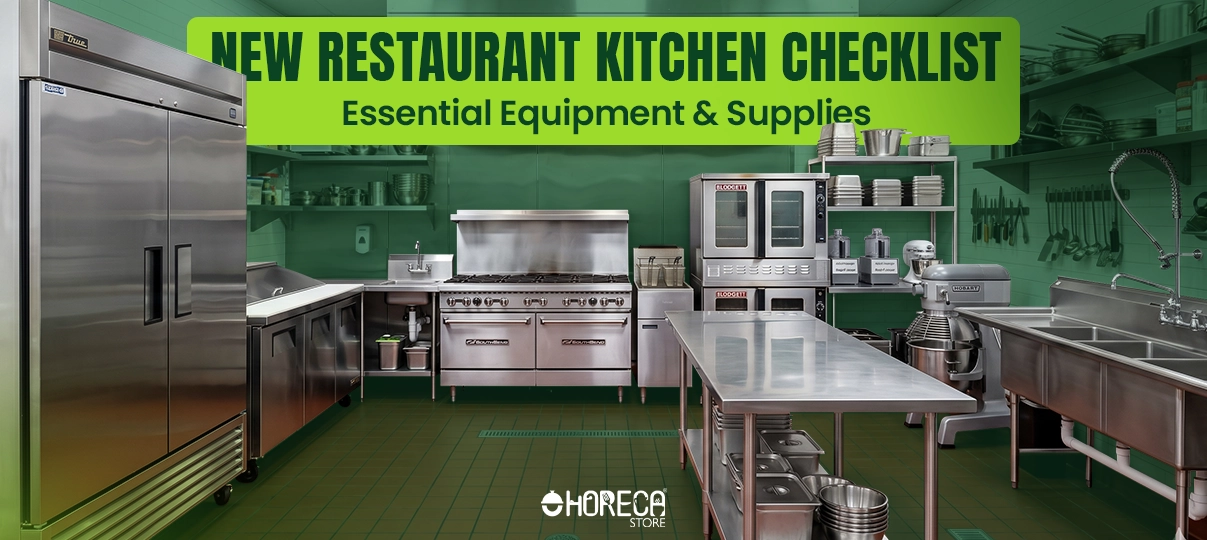
Opening a new restaurant is one of the most exciting, challenging, and detail-oriented ventures you can undertake. Long before the first plates are served to eager guests, the magic begins in the back of the house. Building a functional, safe, and efficient workspace requires foresight, capital, and a meticulous eye for detail.
Using a Comprehensive Checklist for Outfitting a New Restaurant Kitchen is the ultimate way to ensure that nothing slips through the cracks. Whether you are launching a cozy neighborhood bistro or a sprawling high-volume steakhouse, having the right equipment, workflow, and systems in place from day one will define your success.
In this comprehensive guide, we will walk you through everything from spatial design and heavy machinery to the essential daily protocols that keep your kitchen running like a well-oiled machine.
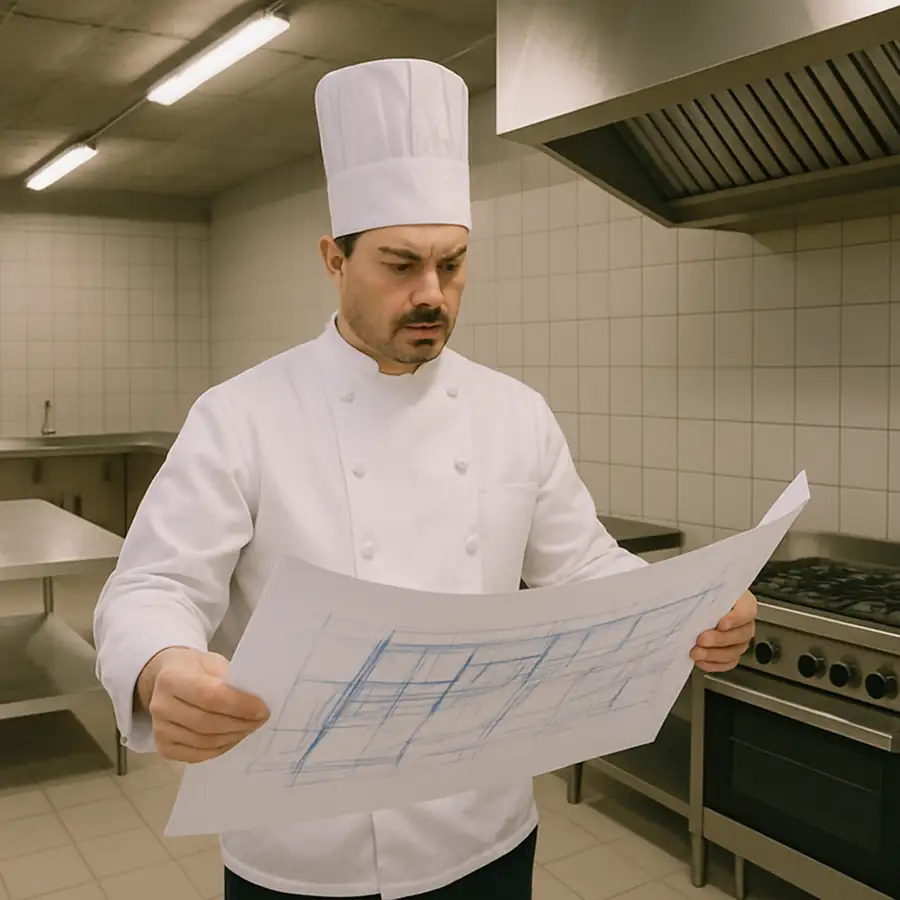
1. Designing the Blueprint and Budgeting
Before you purchase a single spatula, you must understand the space you are working with. The physical layout of your kitchen dictates how fast your staff can move, how safe they are, and ultimately, how quickly food gets to the customer.
Perfecting the Workflow
Understanding how to design a restaurant kitchen workflow is step one. A poorly designed kitchen leads to collisions, spilled food, and frustrated chefs. You should arrange your kitchen into distinct zones: Receiving, Storage, Food Preparation, Cooking, Plating, and Dishwashing. By keeping these areas logically sequential, you are optimizing kitchen layout for speed and safety. For example, dishwashing station should be located near the kitchen entrance so servers can quickly drop off dirty plates.
Budgeting for the Build-Out
A question every restaurateur asks is: how much does it cost to outfit a commercial kitchen? The truth is, it varies wildly based on your concept, location, and whether you are buying new or used. On average, a startup can expect to spend anywhere from $100,000 to over $300,000 on kitchen outfitting alone.
Actionable Tip: When looking at your budget, weigh the pros and cons of leasing vs buying commercial kitchen appliances.
- Leasing: Offers lower upfront costs, preserves your working capital, and often includes free maintenance and repairs. This is an excellent route for ice machines and dishwashers.
- Buying: Requires higher initial capital but builds equity. Buying is usually best for durable, long-lasting items like stainless steel prep tables and heavy-duty ranges.
2. The Core Appliances: A Heavy Equipment Masterclass
Once your layout and budget are set, it’s time to source your heavy machinery. Consider this section your ultimate kitchen equipment guide. When putting together your commercial kitchen equipment list for startups, prioritize durability, warranty, and capacity.
Cooking Equipment
Your menu dictates your cooking equipment, but high-volume kitchens require serious firepower. When researching the best commercial ranges for high-volume cooking, look for models with high British Thermal Unit (BTU) outputs, cast-iron grates, and integrated convection ovens. Depending on your menu, your cooking station might also require:
- Flat-top griddles for breakfasts and burgers.
- Charbroilers for steaks and vegetables.
- Deep fryers with built-in filtration systems.
- Combi-ovens, which offer incredible versatility by combining steam and convection cooking.
Refrigeration and Storage
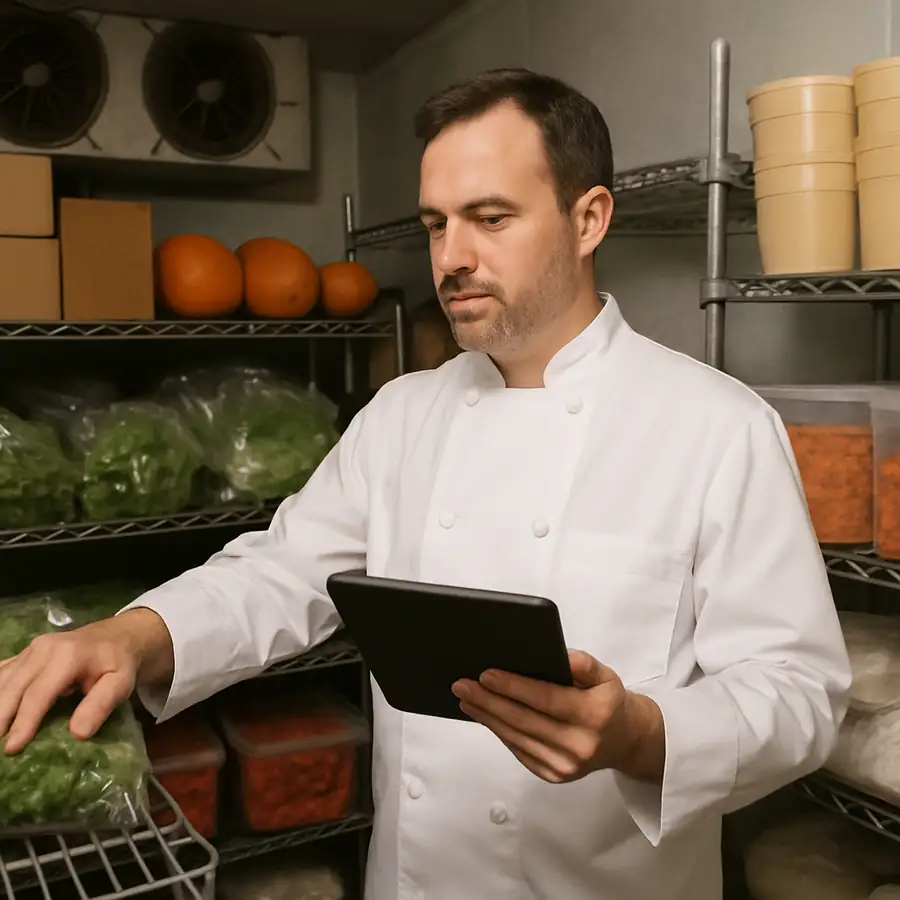
You cannot compromise on cold storage. Industrial refrigeration requirements for food safety are stringent. Health inspectors will check that your walk-in coolers, reach-in refrigerators, and prep-line coolers consistently hold temperatures below 41°F (5°C). Ensure your refrigeration units have digital temperature readouts and automated alert systems to prevent catastrophic food spoilage.
Warewashing Stations
Don't underestimate the dish pit—it is the heartbeat of the kitchen. If the dishwasher goes down, the restaurant stops. You must calculate the commercial dishwasher capacity for busy restaurants based on your seating capacity and table turnover rate. A high-temp conveyor dishwasher might be necessary for a 200-seat venue, while a 50-seat cafe can easily survive on a fast-cycle undercounter unit.
3. Infrastructure, Safety, and Compliance
The unglamorous side of outfitting a kitchen involves the heavy infrastructure hidden in the walls and ceilings. However, getting this wrong can result in massive fines or even shut down your business.
Ventilation and Fire Safety
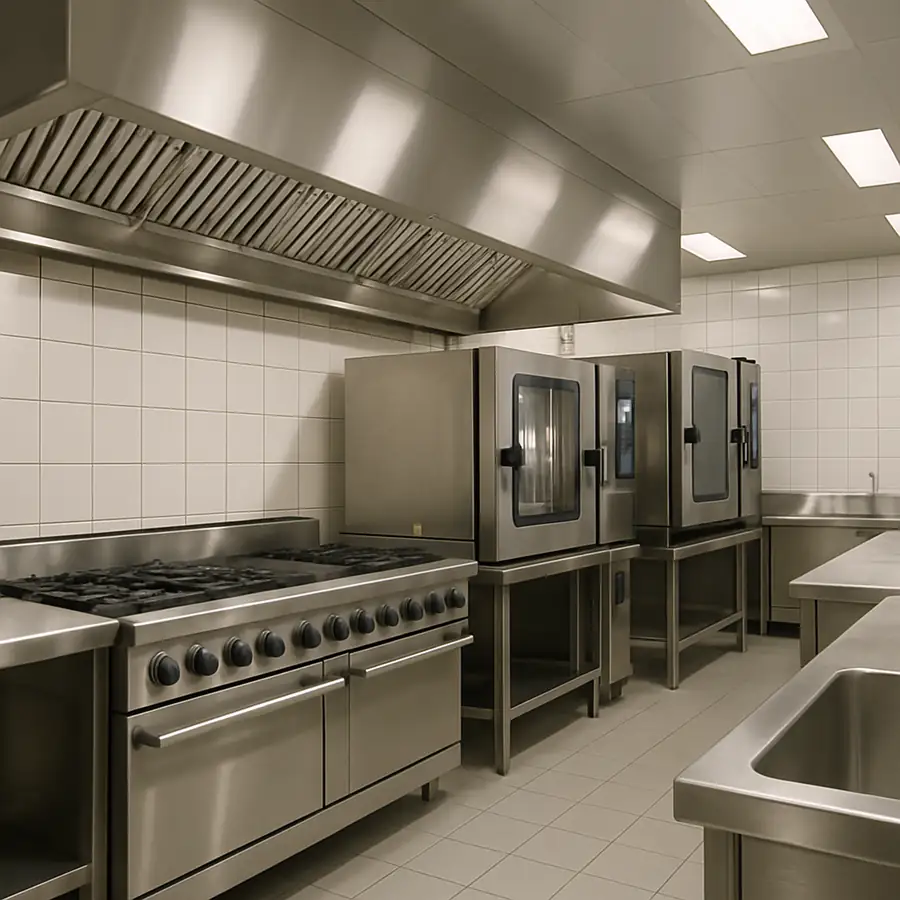
Proper commercial ventilation and hood system installation is a legal requirement. You need a Type I hood system (which extracts grease and smoke) situated over all your cooking equipment. These systems must be paired with makeup air units to replace the air being sucked out of the building.
Integrated into these hoods are vital safety mechanisms. Adhering to fire suppression system standards for restaurants (such as the UL 300 standard) ensures that if a grease fire breaks out, wet chemical agents will automatically deploy, cutting the gas line and extinguishing the flames instantly.
Plumbing and Sanitation
Down below, you must factor in restaurant grease trap maintenance and compliance. Grease traps prevent fats, oils, and grease (FOG) from clogging municipal sewer lines. Work with your local municipality to ensure your trap is appropriately sized and set up a strict, recurring pumping schedule.
Furthermore, you must meet sanitization station requirements for health inspections. This means installing dedicated handwashing sinks equipped with hot water, antibacterial soap, and disposable paper towels, completely separate from food prep or dishwashing sinks.
4. Prep Stations, Smallwares, and Organization
With the heavy equipment bolted down and the infrastructure approved, you can zoom in on the finer details. This is where the daily grind happens, so ergonomics and quality are paramount.
Building the Perfect Prep Station
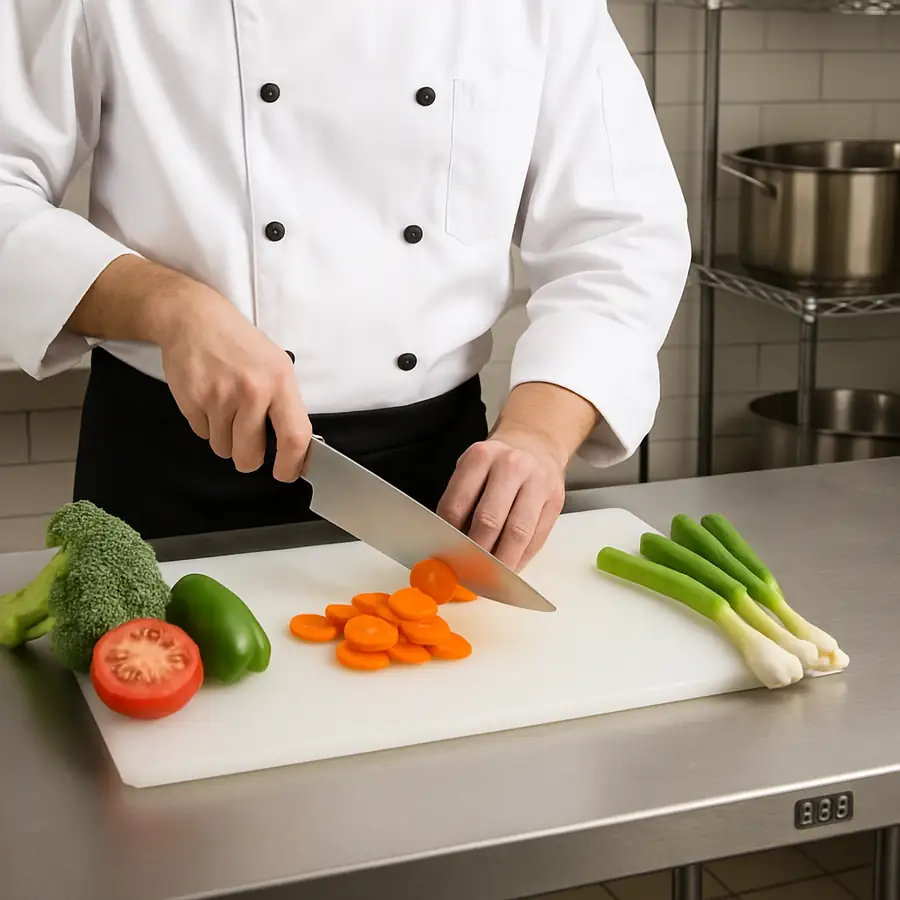
An ergonomic prep station setup for chefs minimizes physical fatigue and repetitive strain injuries. Worktables should be at a comfortable waist height (usually around 36 inches), paired with anti-fatigue floor mats and bright, shadow-free overhead lighting.
It is absolutely vital to use NSF certified food preparation surfaces. The National Sanitation Foundation (NSF) certifies that equipment like stainless steel tables and heavy-duty cutting boards are non-porous, easy to clean, and resistant to bacterial buildup.
The Smallwares Ecosystem
Next, you must compile your cooking supplies list. The essential smallwares for professional kitchens include:
- Knives: Chef’s knives, paring knives, serrated bread knives, and sharpening steels.
- Cookware: Aluminum and stainless steel sauté pans, stockpots, cast-iron skillets, and roasting pans.
- Utensils: High-heat silicone spatulas, heavy-duty locking tongs, ladles, whisks, and fish spatulas.
- Storage: Polycarbonate food storage containers (like Cambros) with tight-fitting lids.
Actionable Tip: Don't buy smallwares blindly. Use a menu preparation guide to dictate your purchases. If your menu is heavily focused on pasta, invest heavily in pasta baskets and large colanders, and skip the expensive wok rings.
5. Operational Mastery: Systems and Checklists
Outfitting a kitchen isn't just about buying physical items; it is about establishing the operational systems that govern them. This is where an overarching restaurant kitchen checklist becomes your most valuable asset.
Inventory and Organization
To maintain profitability, you need a meticulous kitchen inventory list. This list should track par levels (the minimum amount of a product you need on hand), supplier information, and current stock.
Pair this with highly effective kitchen organization tips. Implement the FIFO (First In, First Out) method in all dry storage and refrigeration units. Every single item prepared in the kitchen must be labeled with the item name, the date it was prepped, and the initials of the chef who prepped it.
Daily Prep and Staff Management
A successful service is won or lost during prep time. Implement a rigid restaurant prep checklist that details exactly how much of each ingredient needs to be chopped, blanched, or portioned before the doors open.
To keep your team accountable, develop a clear checklist for kitchen staff in a restaurant. This should outline specific opening duties (turning on fryers, calibrating ovens) and closing duties (wrapping the line, taking out the trash).
When hiring new team members, rely on a robust staff training checklist. This ensures every new hire is trained consistently on menu specs, safety protocols, and operational standards, reducing turnover and maintaining food quality.
6. Maintaining the Magic: Cleaning, Sanitation, and Maintenance
The final step in outfitting your kitchen is preparing to maintain it. A brand-new kitchen can deteriorate rapidly without strict, documented cleaning and maintenance routines.
Food Safety and Sanitation
A proactive food safety checklist is non-negotiable. This involves daily logging of cooler temperatures, monitoring the internal cooking temperatures of meats, and ensuring allergen separation protocols are followed.
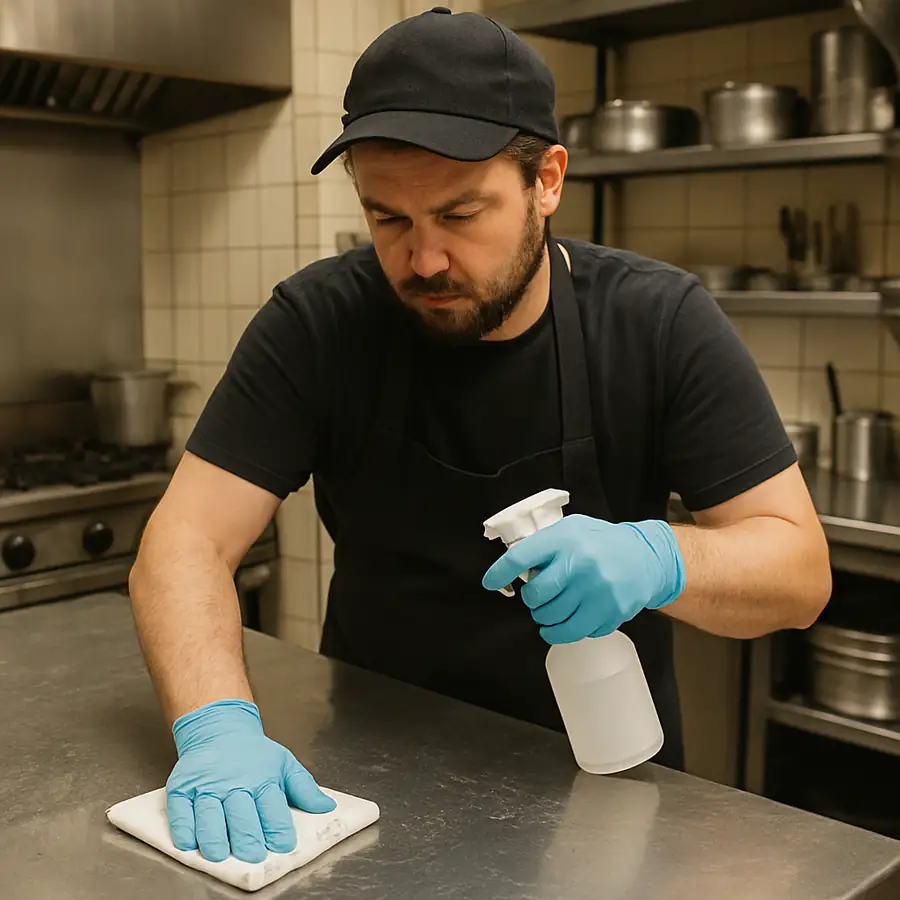
Additionally, your restaurant kitchen sanitation checklist should require staff to test the parts-per-million (PPM) of the sanitizer buckets every few hours using chemical test strips, ensuring the solution is strong enough to kill bacteria but safe enough for food contact surfaces.
The Art of the Cleaning Checklist
Cleanliness is the hallmark of a professional kitchen. Implementing a daily restaurant cleaning checklist ensures that grease and grime never get a chance to build up.
When you create a specific cleaning checklist for restaurant kitchen environments, break it down by shift and frequency:
- During Shift: Wiping down cutting boards, sweeping the line, changing out sanitizing buckets.
- End of Shift (Daily): A good kitchen cleaning checklist restaurant managers rely on will include scrubbing the flat-tops, emptying grease traps on fryers, running floor mats through the dishwasher, and mopping with degreaser.
- Weekly/Monthly: Your comprehensive restaurant kitchen cleaning checklist must also cover deep-cleaning tasks. This includes cleaning behind heavy equipment, scrubbing the vent hood filters, and detailing the interior of the walk-in coolers.
Equipment Maintenance
Finally, protect your investments with a recurring restaurant kitchen equipment maintenance checklist. Commercial equipment takes a beating. Establish a schedule for:
- Descaling the commercial dishwasher to prevent calcium buildup.
- Calibrating oven thermostats to ensure even baking.
- Checking the gaskets and seals on all refrigeration doors.
- Having HVAC and refrigeration technicians perform bi-annual checkups.
Buy Restaurant Kitchen Equipment from The Horeca Store
Whether you're opening a new restaurant, café, hotel, cloud kitchen, or catering business, The Horeca Store is your one-stop destination for premium commercial kitchen equipment and supplies. We offer everything from cooking equipment, refrigeration units, stainless steel furniture, food preparation machines, and storage solutions to disposable packaging products—all sourced to meet the demanding needs of the foodservice industry.
At The Horeca Store, you'll find high-quality products at competitive prices, helping you build a fully functional kitchen without compromising on quality. Our extensive product range, reliable customer support, and commitment to professional-grade equipment make us a trusted partner for foodservice businesses looking to create efficient, safe, and productive commercial kitchens.
Conclusion
Outfitting a new commercial kitchen is a monumental task that blends architectural planning, culinary strategy, and rigorous operational standards. By relying on a Comprehensive Checklist for Outfitting a New Restaurant Kitchen, you eliminate guesswork and build a foundation for culinary excellence.
Remember that the best equipment in the world is only as good as the systems that support it. From optimizing your workflow and investing in the right appliances, to diligently executing your daily cleaning and prep checklists, every decision you make during the build-out phase paves the way for a profitable, safe, and highly successful restaurant. Take your time, plan meticulously, and prepare to bring your culinary vision to life.