
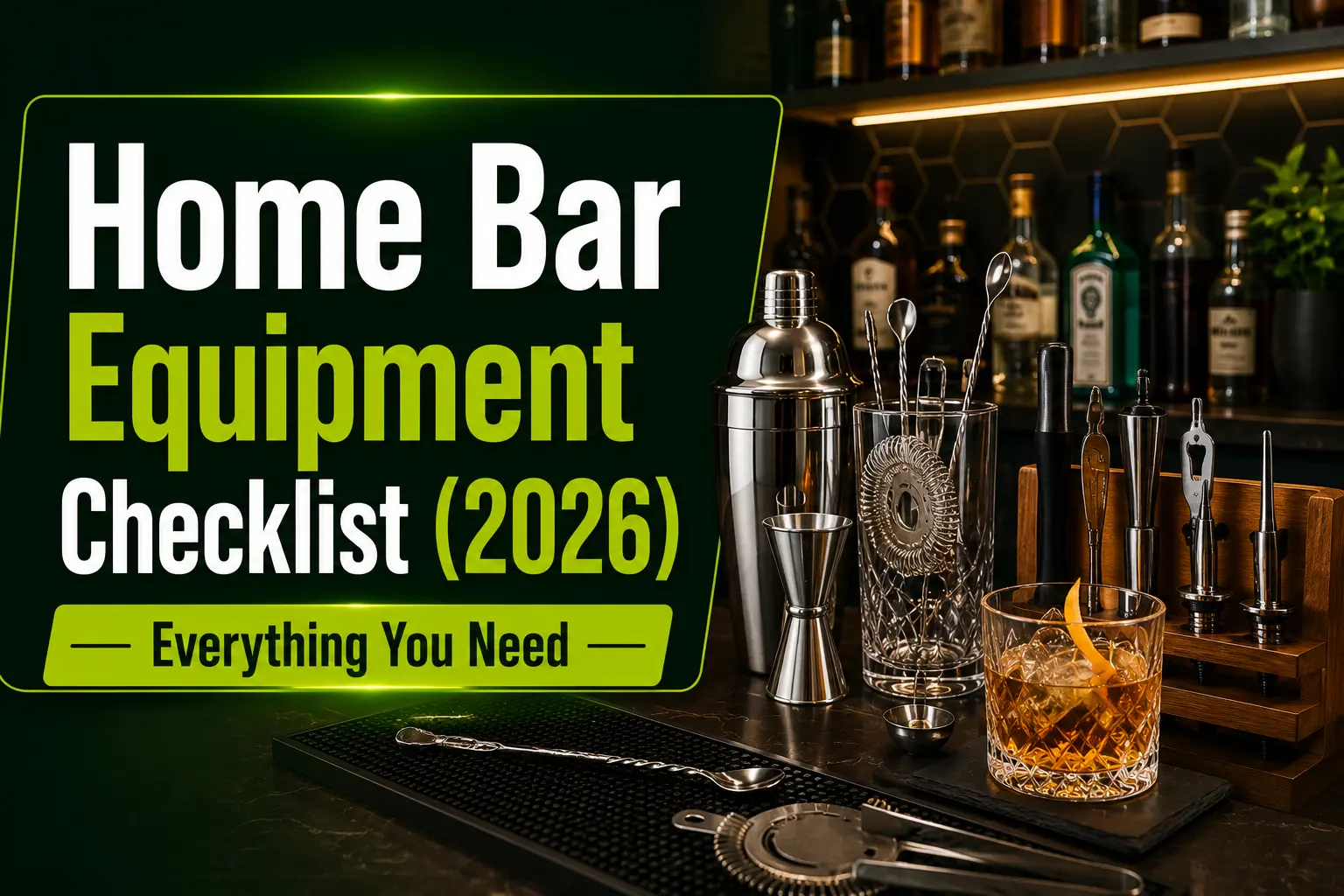
The landscape of home mixology has transformed dramatically. Crafting bar-quality drinks in your living room is no longer a niche hobby; it’s a refined lifestyle. If you frequently find yourself asking, "what tools do I need for a home bar," you’re in the right place. As cocktail culture continues to evolve, upgrading your setup requires more than just a dusty bottle of gin and a shot glass.
Whether you are starting from scratch or looking to modernize your current setup, we’ve put together this Complete Home Bar & Cocktail Station Equipment Checklist for 2026. Let’s dive into the ultimate guide to curating a practical, stylish, and highly functional home bar.
Core Bar Tools: The Mechanics of Mixology
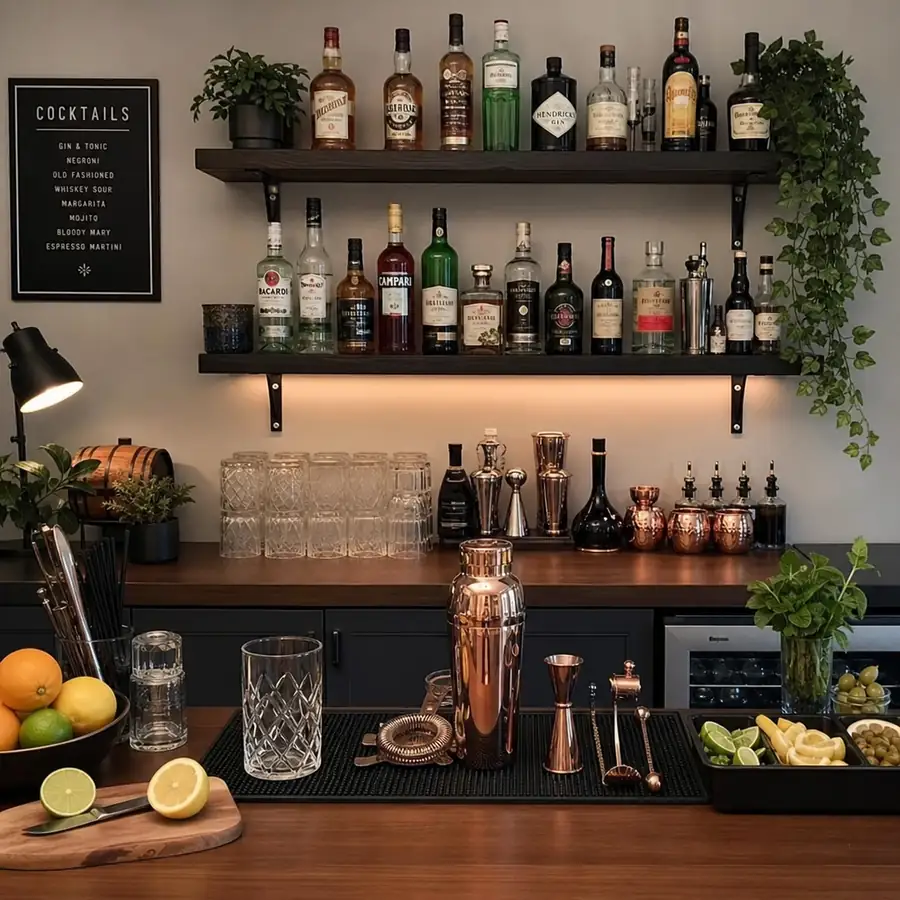
Building a solid foundation starts with the right hardware. Investing in essential barware for home mixologists will immediately elevate the quality of your drinks.
The Shaker Debate
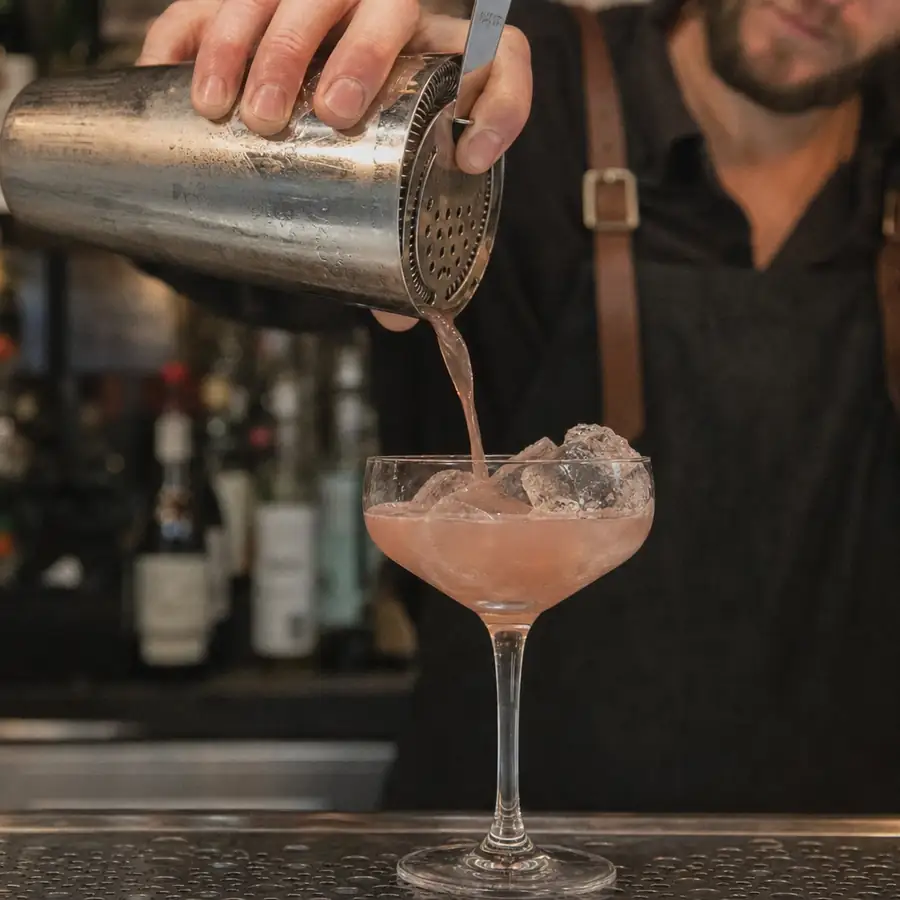
One of the first decisions you'll make involves the Boston shaker vs cobbler shaker.
- Cobbler Shaker: Features a built-in strainer and cap. It's aesthetically pleasing and great for casual users, but the lid often freezes shut during rigorous shaking.
- Boston Shaker: Consists of two overlapping tins (or one tin and a pint glass). It requires a separate Hawthorne strainer but offers a superior, watertight seal and a larger capacity. For 2026, the all-metal Boston shaker remains the top recommendation for serious enthusiasts.
Precision is Everything
The difference between a good cocktail and a world-class one is precise ratios. Ditch the standard shot glasses and invest in professional grade jiggers for precise measurements. Look for Japanese-style jiggers with interior measurement lines (like 1/4 oz and 1/2 oz markers) to ensure flawless accuracy every time you pour.
Other essential hand tools include:
- A weighted bar spoon: For stirring spirit-forward drinks like Martinis seamlessly.
- A Hawthorne strainer and a fine mesh strainer: Used together for the "double strain" method to catch tiny ice shards and pulp.
- A sturdy muddler: Preferably unvarnished wood or food-grade silicone, to gently extract oils from herbs.
Elevating Your Drink: Ingredients, Ice, and Prep
Great tools mean little without excellent components. While mastering home bartending techniques for beginners takes practice, using premium ingredients and proper prep tools gives you a massive head start.
The Liquid Foundation
You don't need a liquor store's inventory to make a great drink. Focus on the fundamental spirits and bitters for a starter bar:
- Spirits: A versatile London Dry Gin, a mid-tier Bourbon, a 100% agave Blanco Tequila, a crisp Vodka, and a lightly aged Rum.
- Modifiers & Bitters: Sweet and dry vermouth (always kept in the fridge!), Cointreau or triple sec, and classic aromatic bitters like Angostura and Peychaud’s.
Ice and Citrus
Water dilution and acidity are the invisible backbones of any cocktail.
- Ice: Cloudiness ruins the aesthetic and melts too quickly, diluting your drink. Upgrade to specialized ice molds for clear craft ice. These utilize "directional freezing" to push impurities out, leaving you with perfectly transparent cubes and spheres.
- Citrus: Fresh juice is non-negotiable. When deciding on electric versus manual citrus juicers, consider your volume. Manual hand-presses (elbow-style) are perfect for making one or two drinks, preserving the bitter oils in the peel. Electric juicers are lifesavers when prepping large batches for weekend hosting.
Sustainable Touches
Sustainability is a massive trend for 2026. Swap out single-use plastics for eco-friendly reusable cocktail garnishes. Dehydrated citrus wheels, stainless steel olive picks, and elegant bamboo skewers not only reduce waste but also add a sophisticated, high-end look to your final presentation.
The Modern Edge: Tech and Advanced Mixology
The modern home bar is getting a serious tech upgrade. Integrating smart home bar technology and digital scales into your setup allows for hyper-consistent "batching" (making cocktails in large quantities by weight rather than volume). Bluetooth-connected smart scales can even link to recipe apps, guiding you step-by-step as you pour.
For those ready to push the boundaries of traditional drink-making, molecular mixology kits for advanced enthusiasts are becoming highly accessible. These kits include tools for spherification, soy lecithin for creating flavored foams, and culinary smoke guns to infuse your Old Fashioneds with rich, theatrical clouds of cherrywood smoke.
Setting Up Your Station: Organization and Aesthetics
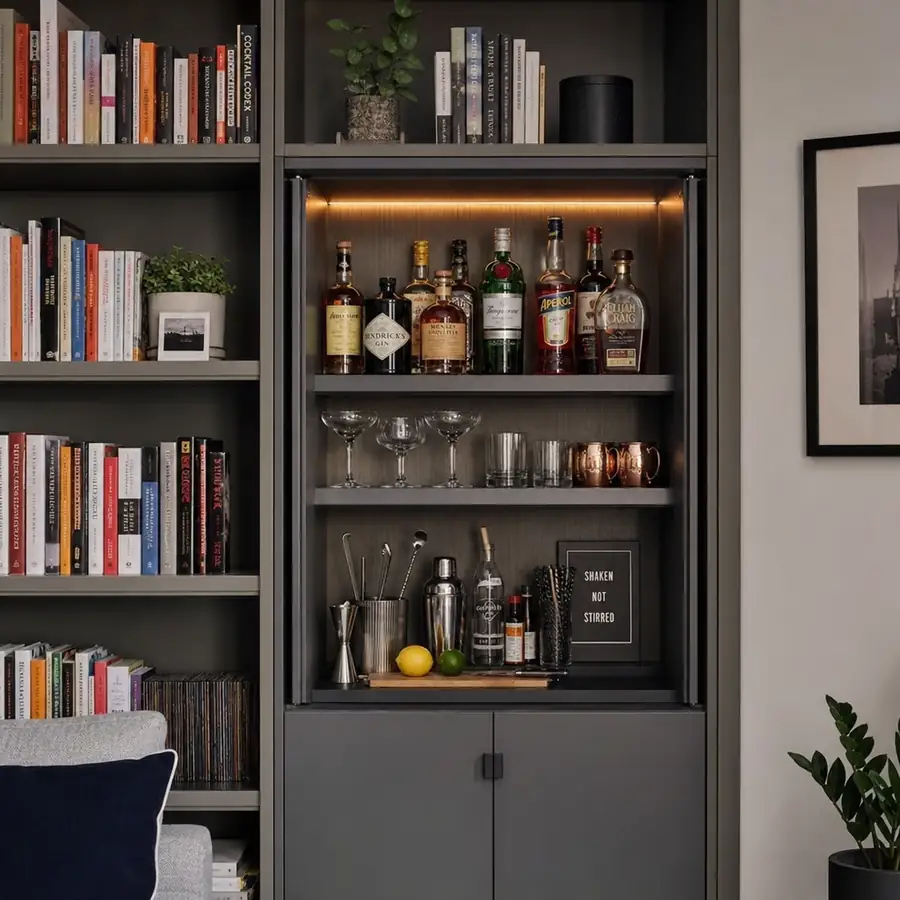
You don't need a sprawling basement to have a fantastic setup. Knowing how to organize a cocktail station in small spaces is about maximizing vertical real estate. Use wall-mounted wine racks, floating shelves for spirits, and magnetic strips for your metal bar tools.
If you don't have the floor space for a traditional rolling cart, look into the best bar cart alternatives for modern apartments. Repurposed bookshelves, folding tray tables, or dedicated sections of a kitchen baker’s rack make excellent, space-saving cocktail stations. Group items on decorative trays to create visual boundaries and keep spills contained.
Equipment Care Tip: If you love the vintage aesthetic, knowing how to clean and maintain copper barware is crucial. Copper tarnishes quickly; wash it gently by hand with warm soapy water and dry it immediately with a microfiber cloth. For occasional polishing, a natural mixture of lemon juice and coarse salt will restore its brilliant shine.
Glassware Guide: Serving in Style
A cocktail’s vessel dictates its aroma, temperature, and visual appeal. You don't need a different glass for every single recipe. Instead, focus on the must-have glassware types for standard cocktails:
- Double Old Fashioned (Rocks) Glass: Heavy-bottomed glasses essential for spirits on the rocks, Negronis, and Margaritas.
- Coupe Glass: The elegant alternative to the v-shaped Martini glass. Perfect for any drink served "up" (shaken or stirred, but served without ice) like Daiquiris and Manhattans.
- Collins (Highball) Glass: Tall and narrow, designed to preserve the carbonation in drinks topped with soda or tonic, such as Mojitos or Tom Collins.
Build Your Home Bar with The Horeca Store
Whether you're creating a compact home cocktail station or a more advanced entertaining space, choosing durable bar equipment can make preparation easier and more enjoyable. The Horeca Store offers a wide selection of commercial kitchen and foodservice equipment that can also be useful for serious home entertainers and hospitality-focused setups. From barware and preparation equipment to refrigeration and storage solutions, you can choose products based on your available space, cocktail-making needs, and budget.
Explore the Restaurant Equipment collection at The Horeca Store to find quality equipment and supplies for your bar or beverage station. With the right combination of essential tools, glassware, refrigeration, ice, and organized storage, you can create a home bar that is practical, stylish, and ready for everything from casual drinks to cocktail-focused entertaining.
Conclusion
Curating the perfect mixology space is an ongoing journey of taste and design. By starting with durable tools, prioritizing quality ingredients, and organizing your space thoughtfully, you can easily rival the expensive cocktails at your local speakeasy. Keep this complete home bar & cocktail station equipment checklist for 2026 handy as you upgrade your space, and remember that the best home bar is the one that invites you to experiment, learn, and most importantly, enjoy the craft of the cocktail. Cheers!