
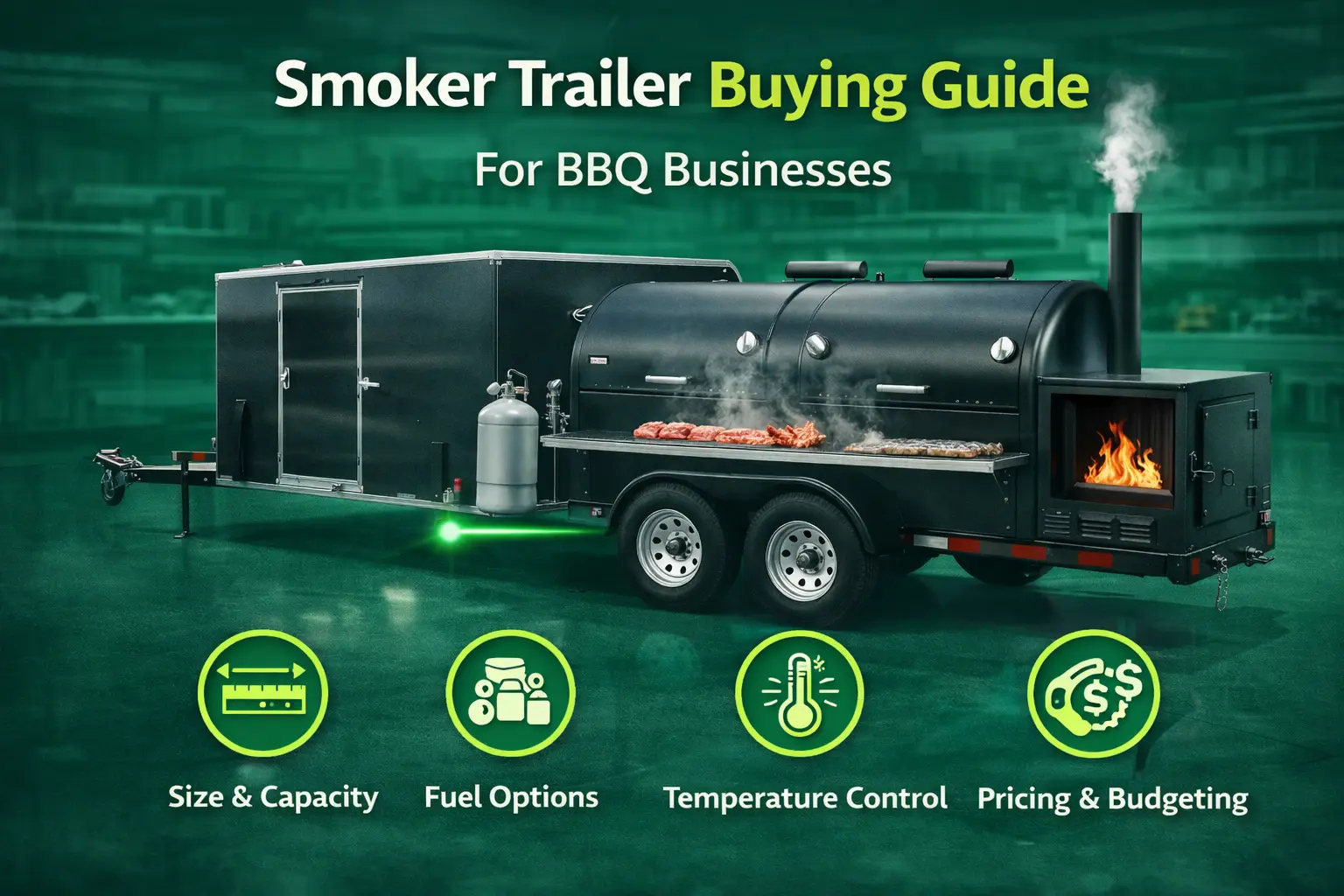
Starting a BBQ business is an exciting venture. A smoker trailer is a key investment for success. Choosing the right smoker trailer can be overwhelming. There are many options and factors to consider. This guide will help you navigate the buying process. You'll learn about different types of smoker trailers. We'll cover essential features and customization options. Understanding these will help you make an informed decision. Budgeting and financing are crucial aspects. We'll discuss how to plan for your purchase effectively. Legal requirements and permits are also important. We'll guide you through the necessary steps to comply. By the end, you'll be ready to launch your mobile BBQ business with confidence.
Why a Smoker Trailer is Essential for a BBQ Business
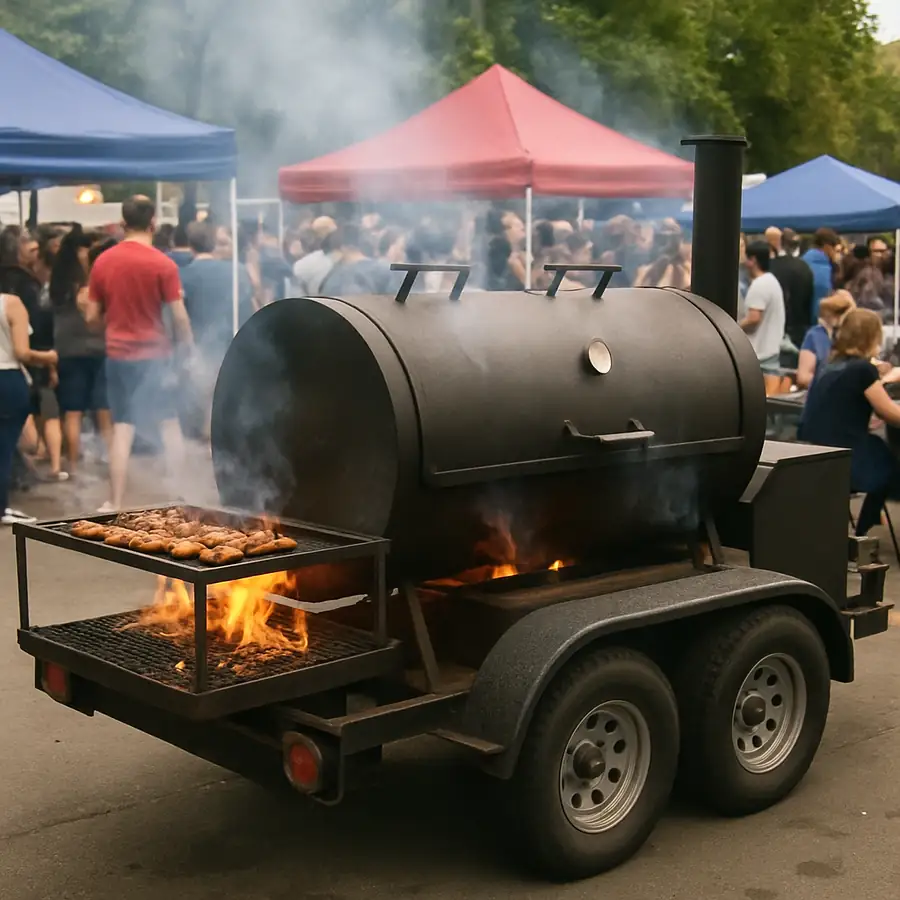
A smoker trailer offers flexibility and mobility for your BBQ business. You can serve your delicious creations at various events.
Mobility opens opportunities beyond a fixed location. Explore festivals, catering events, and local fairs with ease.
Additionally, a smoker trailer enhances brand visibility. Your mobile setup attracts attention and curiosity wherever you go.
Key Benefits:
- Flexibility: Serve customers at diverse locations.
- Visibility: Increase your brand's exposure.
- Convenience: Easily transport all necessary equipment.
Your smoker trailer becomes a part of your brand identity. It’s not just an investment, but a marketing tool.
Consider what sets your business apart. The right trailer can highlight these unique features to potential customers.
Having your smoker on wheels maximizes profit potential. Tap into new market segments without the need for multiple storefronts.
Types of BBQ Smoker Trailers: Which One Fits Your Business?
Choosing the right BBQ smoker trailer is crucial for your business's success. There are various types to consider, each with unique benefits.
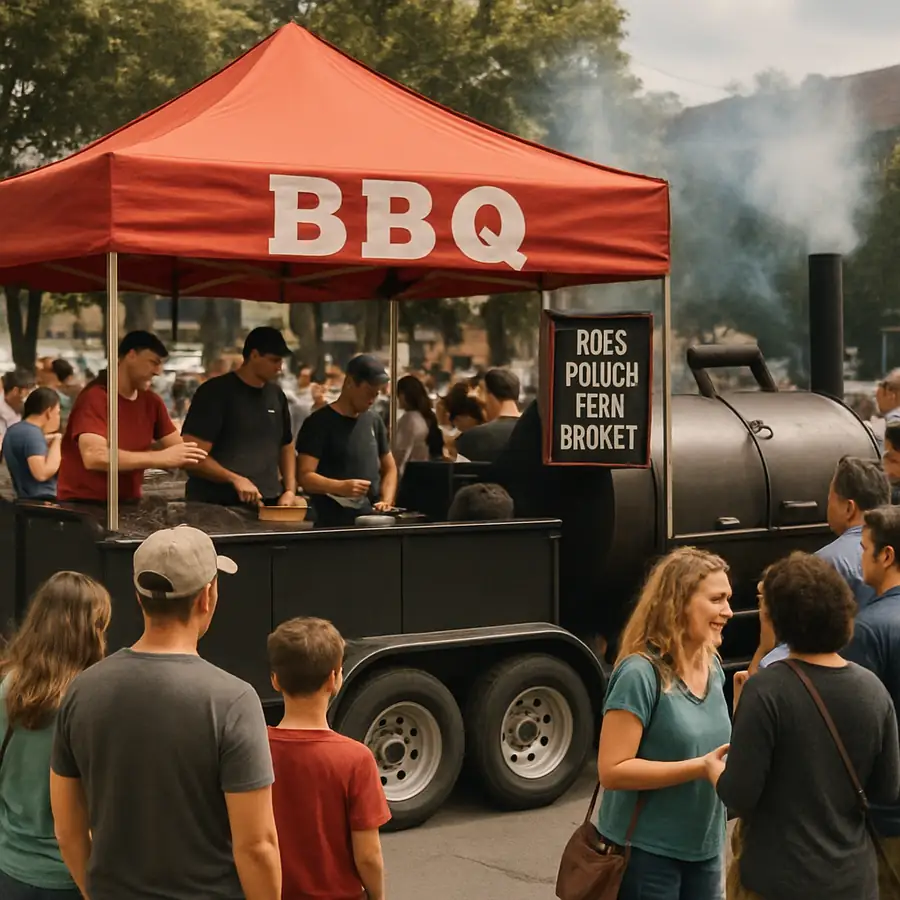
Offset Smoker Trailers are popular for their simplicity and smoke flavor. They have separate compartments for fire and food.
Reverse Flow Smokers offer even cooking temperatures. They use baffles to direct smoke and heat back over the meat.
Popular Smoker Types:
- Offset Smokers: Traditional design, smoke flavors enhanced.
- Reverse Flow Smokers: Consistent heat distribution, less temperature fluctuation.
Vertical Smokers stand tall and maximize cooking space. They are ideal for those with limited trailer space but needing high volume cooking.
Cabinet or Box Smokers resemble a kitchen oven and offer great temperature control. These smokers are versatile and user-friendly.
Advantages of Each:
- Vertical Smokers: Efficient use of vertical space, suitable for narrow trailers.
- Cabinet Smokers: Precise temperature control, easy operation.
Evaluate each type based on your specific needs. Consider size, heat distribution, and the style of BBQ you wish to offer.
Tailoring your choice to your cooking style and business goals ensures you make an informed investment.
Key Factors to Consider Before Buying a Smoker Trailer
When purchasing a smoker trailer, several factors demand attention. Let's explore what to keep in mind for a wise investment.
First, consider the size of the trailer. It should suit your business's capacity needs while allowing for growth. A too-small trailer may limit your service potential.
Next, evaluate the build quality and materials. Trailers made from durable materials like stainless steel resist rust and last longer. Quality construction ensures longevity and reliability.
A critical element is temperature control. Efficient insulation is essential for maintaining even cooking temperatures, crucial for quality BBQ.
Crucial Factors:
- Size: Matches business capacity and potential growth.
- Build Quality: High-grade materials for durability.
- Temperature Control: Reliable insulation for consistent cooking.
Fuel choice impacts flavor and practicality. Decide between wood, charcoal, propane, or electric, depending on your business focus and operational logistics.
Mobility is another significant aspect. Ensure the trailer is easy to tow and maneuver, which is vital for a mobile BBQ business.
Operational Considerations:
- Fuel Types: Influences flavor and practicality.
- Mobility: Ease of transport and setup.
Don't overlook legal permits and regulations. Complying with local health and safety standards is mandatory. Research requirements in your operating area thoroughly.
Finally, assess customer reviews and brand reputation. Reviews offer insights into the user experience and potential issues that may arise.
These considerations align your purchase with your business objectives, ensuring a successful venture.
Sizing Your Smoker Trailer: Capacity, Layout, and Workflow
Choosing the right size for your smoker trailer is vital. It affects how efficiently you can serve customers and manage cooking operations.
Consider the capacity of the smoker. This depends on the volume of food your business plans to produce. Bigger isn’t always better; match size to demand.
Layout plays a crucial role too. A well-designed layout ensures that equipment is placed for optimal use. This minimizes staff movement and enhances efficiency.
Think about your workflow. The setup should allow for smooth transitions between food prep, cooking, and serving. Congested areas can cause delays and frustrate staff.
Key Sizing Tips:
- Capacity: Matches business production needs.
- Layout: Equipment positioned for efficiency.
- Workflow: Supports smooth operations.
Also, factor in any future expansions. Your business may grow, so the trailer should adapt to increased demands without major overhauls.
In the end, a strategic approach to sizing can lead to efficient service delivery and satisfied customers.
Fuel Types: Wood, Charcoal, Propane, or Electric?
Choosing the right fuel type for your smoker trailer impacts flavor, cost, and convenience. Each option offers distinct advantages that cater to different business needs.
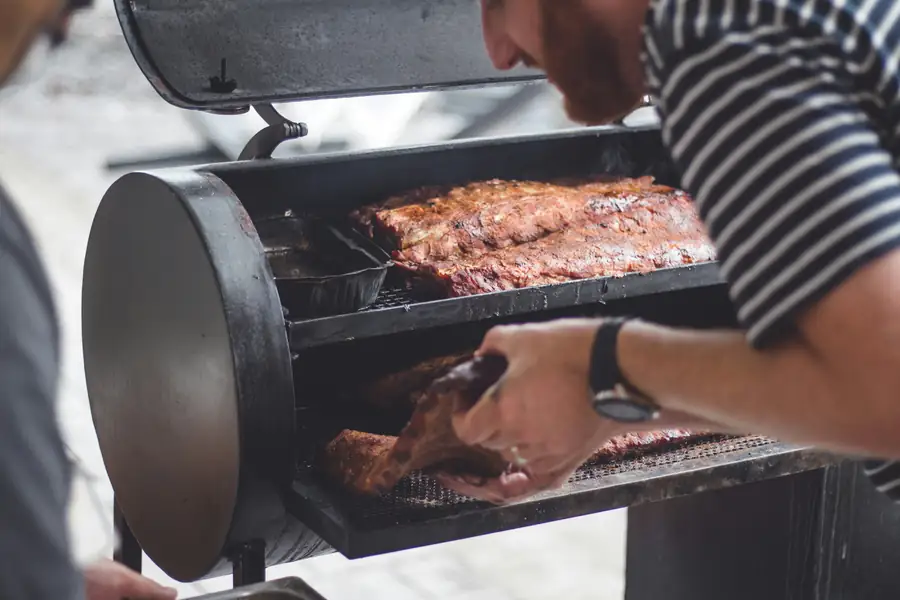
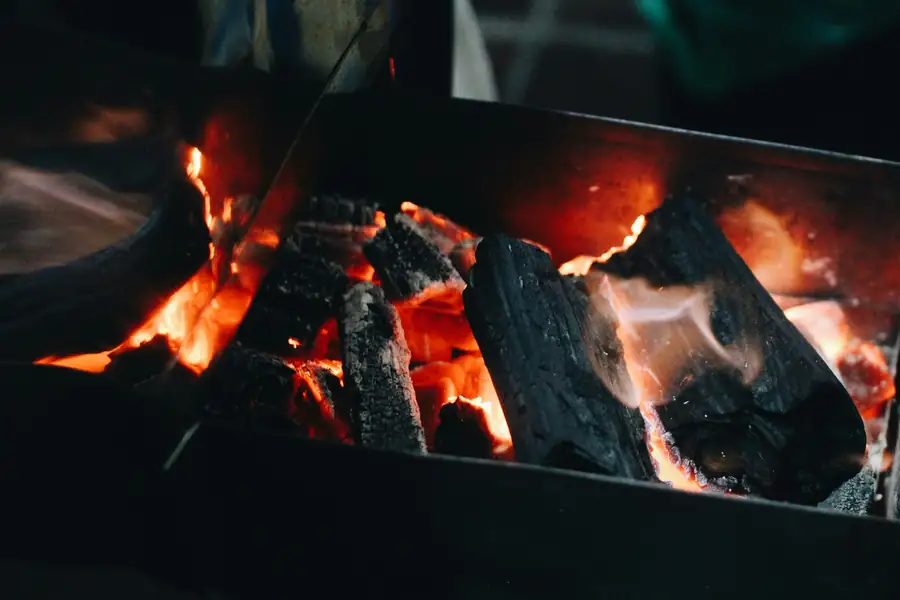
Wood and charcoal are favored for traditionalists who prize authentic smoky flavors. They demand constant attention to maintain the right temperature.
Propane offers convenience. It heats quickly and maintains consistent temperatures, reducing manual adjustments. It’s ideal for high-volume operations.
Electric smokers prioritize user-friendliness and are eco-friendly. They suit businesses needing steady, set-it-and-forget-it temperature control.
Fuel Type Comparison:
- Wood/Charcoal: Rich flavor, labor-intensive.
- Propane: Fast and consistent heat.
- Electric: Simple operation, eco-friendly.
Consider your business goals when picking the fuel type. Each option may affect how you position your BBQ brand and serve your customers.
Build Quality, Materials, and Durability
When investing in a smoker trailer, quality is paramount. Robust construction ensures your equipment stands up to regular, tough use.
Materials matter. Stainless steel is a common choice for its resilience and rust resistance. Thick, high-gauge steel holds heat well, ensuring consistent smoking temperatures.
Durability directly impacts lifespan and maintenance costs. A well-constructed smoker trailer can serve your BBQ business for many years.
Key Material Considerations:
- Stainless Steel: Durable and rust-resistant.
- High-Gauge Steel: Maintains heat effectively.
- Insulation: Ensures efficient fuel use.
Look for well-welded seams and sturdy frames. These ensure longevity and safety during transport. By prioritizing build quality, you protect your investment and bolster your BBQ business's reputation.
Mobility, Towing, and Transport Considerations
For a mobile BBQ trailer, easy transport is crucial. Your trailer must be well-equipped to move efficiently between locations.
First, assess the towing requirements. Ensure your vehicle can handle the trailer's weight and size. A dependable towing setup guarantees smooth and safe travels.
Consider maneuverability. A trailer with a balanced design turns easily and handles well on the road. Mobility issues can cause delays and safety risks.
Essential Transport Features:
- Proper Hitching Gear: Secure and appropriate for trailer size.
- Balanced Design: Aids in stable and smooth towing.
- Braking Systems: Boosts safety during transport.
Don't underestimate the importance of adequate transport features. They ensure your trailer is ready for business anywhere.
Legal Requirements, Permits, and Health Regulations
Operating a smoker trailer involves various legal requirements. Compliance with local regulations is essential. Ignoring these could result in fines and shutdowns.
Start by understanding local business permits. Each city or state has different mandates. Secure all required documentation before launching your BBQ business.
Health regulations are equally important. Proper sanitation procedures must be observed. Ensuring food safety can prevent any legal issues down the line.
Key Legal Considerations:
- Business Permits: Obtain necessary licenses.
- Health Inspections: Schedule and pass regular checks.
- Sanitation Standards: Maintain cleanliness and food safety.
Adhering to these legal prerequisites will pave the way for a legitimate and successful operation.
Essential Features and Customization Options
A smoker trailer must have essential features for efficiency. Look for models with built-in thermometers. These help maintain precise cooking temperatures. Insulation and airflow control are key too.
Storage space is another vital feature. Ample storage for wood, charcoal, and tools ensures smooth operation. Consider trailers with integrated sinks for hygiene. Ease of cleanup is essential in a mobile BBQ trailer.
Customization options can enhance functionality. Adding prep counters and canopy covers can create an efficient workspace. Choose features that align with your business needs and goals.
Must-Have Features:
- Built-in Thermometers
- Ample Storage
- Integrated Sinks
Customization Possibilities:
- Prep Counters
- Canopy Covers
Balancing essential features with customization can maximize efficiency. The right setup will improve productivity and customer satisfaction.
New vs. Used Smoker Trailers: Pros and Cons
Deciding between a new and used smoker trailer involves weighing several factors. New trailers offer modern features and full warranties. You also benefit from choosing specific customizations right from the start.
Used trailers can be more budget-friendly. They often come with a lower initial cost and might include existing upgrades. However, they may require more maintenance over time.
When choosing, consider your budget, preferences, and business needs. Both new and used trailers offer unique benefits.
Pros and Cons:
New Smoker Trailers
- Pros: Latest features, Warranty
- Cons: Higher cost
Used Smoker Trailers
- Pros: Lower cost, Possible upgrades
- Cons: Potential maintenance issues
Budgeting and Financing Your Smoker Trailer Purchase
Purchasing a smoker trailer requires careful financial planning. Start by setting a realistic budget that considers both the initial purchase and long-term costs. It's essential to account for any additional expenses, such as insurance, permits, or customization.
Explore various financing options available to business owners. Many dealerships offer financing plans with flexible terms. Alternatively, consider a business loan from a reputable financial institution.
Prepare to invest in quality while keeping an eye on your financial limits. A well-structured budget keeps your finances in check and allows for smart purchasing choices.
Key Budgeting Tips:
- Set a realistic budget.
- Explore financing options.
- Account for additional expenses.
Maintenance, Cleaning, and Safety Tips
Proper upkeep of your smoker trailer ensures longevity and efficiency. Regular cleaning helps prevent flavor contamination and ensures food safety. Routine checks on equipment and parts minimize unexpected repairs.
Pay special attention to the interior and exterior surfaces. Use food-safe cleaning products and avoid harsh chemicals. Check for rust and damage regularly to maintain your trailer’s condition.
Safety cannot be overlooked. Ensure all fire safety equipment is accessible and functional. Training staff on safe operating practices is crucial to avoid accidents.
Maintenance and Safety Checklist:
- Clean the interior and exterior regularly.
- Inspect for rust and damage often.
- Ensure fire safety equipment is functional.
Making the Final Decision: Test Cooks, Reviews, and Warranties
Before purchasing, conduct a test cook with the smoker trailer. This helps assess performance and ensure it meets your business needs. Observe how it handles temperature and cooking capacity.
Customer reviews provide valuable insights into real-world experiences. Look for feedback on durability and ease of use. Pay attention to any recurring issues mentioned by other buyers.
Warranty and after-sales support can be decisive factors. A good warranty indicates manufacturer confidence. Ensure you understand the terms and coverage specifics.
Decision Checklist:
- Conduct a thorough test cook.
- Read customer reviews for real insights.
- Evaluate warranty terms and support.
Launching and Growing Your Mobile BBQ Business
Launching a mobile BBQ business involves more than just great equipment. Crafting a strategic plan is essential for success. This blueprint will guide your operations and marketing efforts.
Networking with other BBQ entrepreneurs can uncover valuable insights. They can offer tips and referrals essential for growth. Be open to learning from their experiences.
Marketing plays a pivotal role in attracting customers. Utilize social media platforms to showcase your mouth-watering BBQ dishes. Engaging posts and mouth-watering photos can drive customer interest.
As your business grows, consider expanding your services. Offering catering for events could maximize your smoker trailer's potential. Diversifying can significantly increase your customer base.
Key Steps for Successful Launch:
- Develop a detailed business plan.
- Network with other BBQ owners for insights.
Expansion Tips:
- Use social media to promote.
- Explore catering and event services.
Buy Commercial BBQ & Smoker Equipment from The Horeca Store
Choosing the right smoker trailer or BBQ equipment is a major investment for any barbecue restaurant, food truck, catering business, or outdoor cooking operation. The Horeca Store offers a wide selection of commercial cooking equipment, including smokers, grills, refrigeration units, prep tables, food warmers, stainless steel worktables, and essential kitchen accessories to help you build an efficient and profitable BBQ business. Our commercial-grade equipment is designed for durability, consistent performance, and the demanding requirements of professional foodservice operations.
Whether you're launching a new BBQ venture or expanding your existing business, The Horeca Store provides high-quality commercial equipment from trusted brands at competitive prices. Our knowledgeable team can help you choose the right equipment based on your menu, production volume, available space, and budget. With expert guidance, dependable customer support, and reliable commercial kitchen solutions, The Horeca Store is your trusted destination for equipping a successful barbecue business with equipment built to perform.
Conclusion: Your Roadmap to BBQ Business Success
Embarking on a BBQ business journey requires informed decisions. Every choice impacts your potential for success and growth. Equip yourself with knowledge and a solid plan.
Your smoker trailer is more than a tool; it's a catalyst for your culinary dreams. Choose wisely to ensure it fits your business vision.
Stay adaptable in a dynamic market. Embrace changes and new trends to meet evolving customer expectations. With passion and persistence, your BBQ business can thrive.