
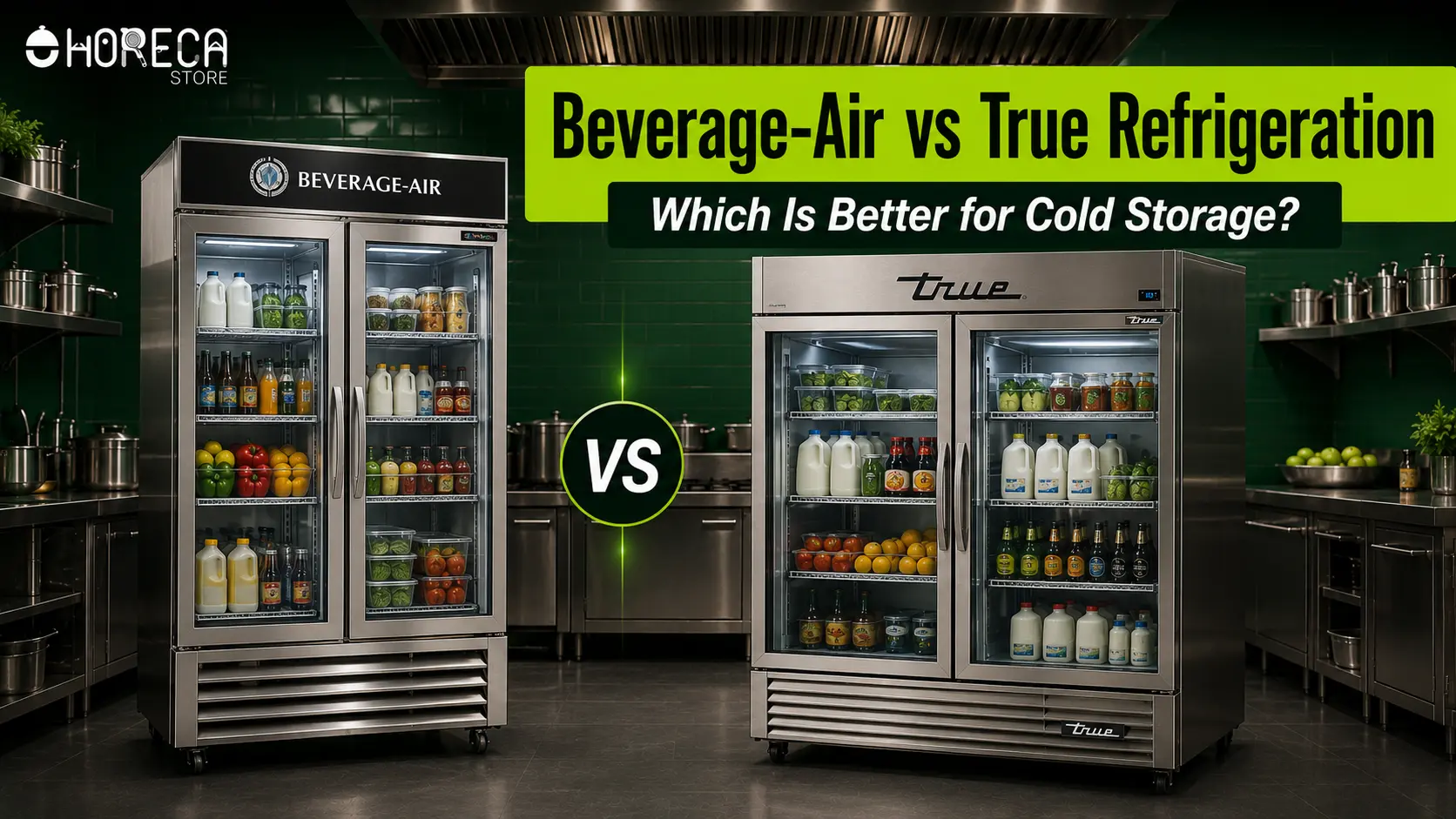
When outfitting a commercial kitchen, few decisions are as critical as choosing the right cold storage. A reliable commercial refrigerator safeguards your inventory, keeps you compliant with health codes, and ensures your ingredients remain fresh during the most chaotic dinner rushes. If you are in the market for new equipment, you have likely narrowed down your commercial refrigeration options to the industry’s two heavyweights.
Comparing Beverage-Air and True Refrigeration for Restaurant Cold Storage is a vital step for any foodservice operator. Both brands have decades of history, stellar reputations, and a massive footprint in professional kitchens worldwide. But when the heat is on, which one truly reigns supreme?
In this comprehensive guide, we will dive deep into the beverage-air vs true refrigeration debate. We will explore build quality, compressor configurations, energy efficiency, and long-term value to help you make the best decision for your culinary business.
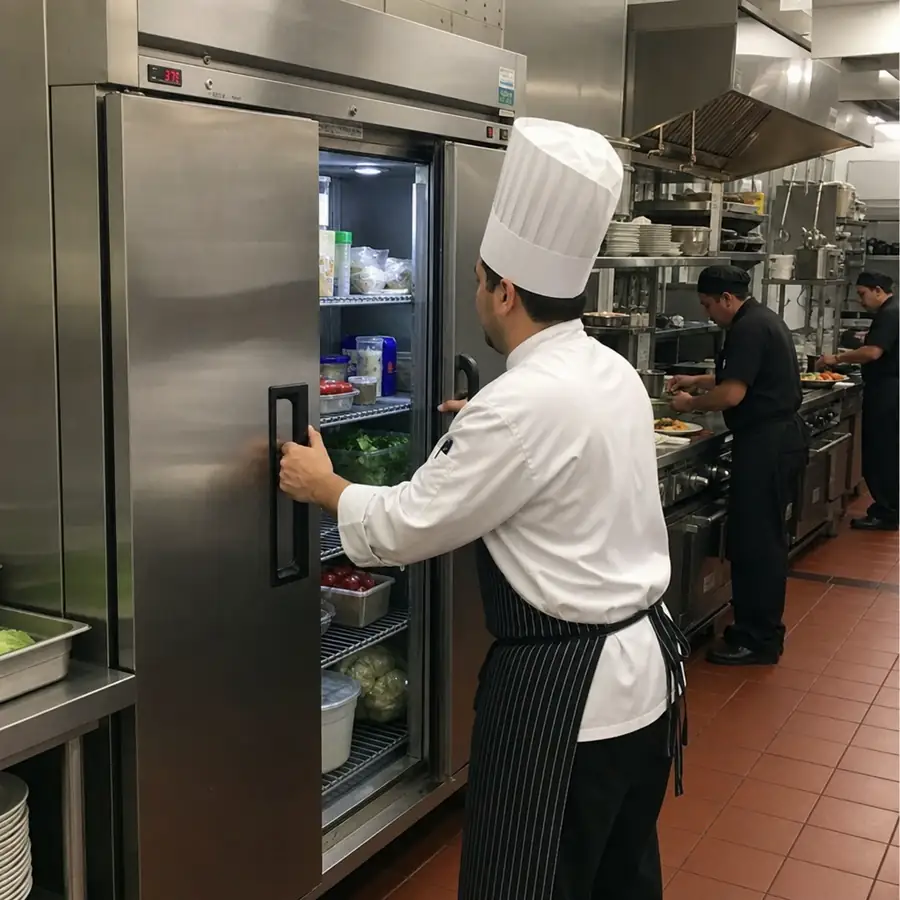
The Titans of Commercial Kitchen Cooling
Before we dissect their technical specifications, it helps to understand the pedigree of these two brands. Both companies have shaped the way modern professional kitchens operate, yet they approach engineering and design from slightly different angles.
True Refrigeration
Founded in 1945 in Missouri, True Refrigeration has built an empire on the philosophy of robust, American-made reliability. True is often the default choice for restaurant owners looking for a workhorse. Their units are famous for heavy-duty components and an unmistakable, industrial aesthetic. From small under-counter units to massive multi-door reach-ins, True has a solution for almost every footprint.
Beverage-Air
Also boasting an impressive legacy since its inception in 1944, Beverage-Air (often stylized as Beverage-Air or simply Bev-Air) originally made its name by inventing the first horizontal bottle cooler. Today, as part of the Ali Group, they offer a vast portfolio of foodservice equipment. Beverage-Air is widely praised for its sleek designs, innovative modular components, and highly customizable shelving options.
When looking at true vs beverage air, you are essentially comparing two titans that have mastered the art of keeping things cold. However, the devil is in the details.
Build Quality and Interior Materials
In a bustling restaurant, a refrigerator door might be opened and slammed shut hundreds of times a day. Therefore, exterior and interior build quality is paramount.
Stainless Steel Interior vs Aluminum Liners
One of the most heavily debated topics when evaluating these two brands is the choice of interior materials.
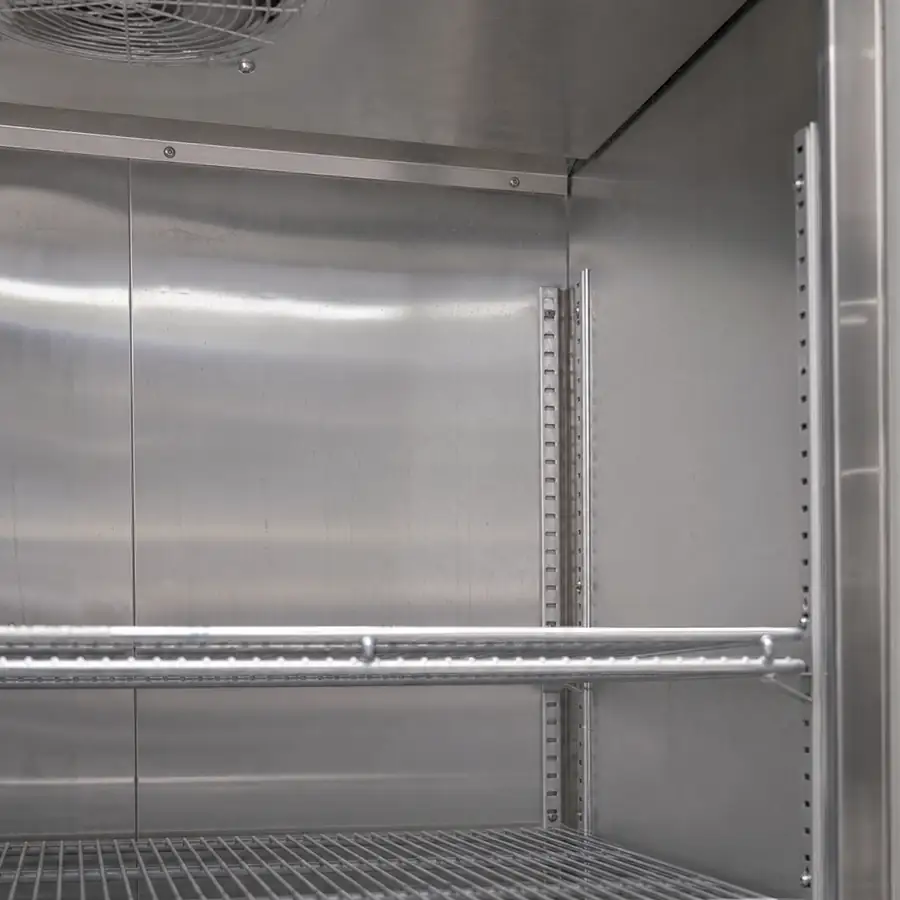
- True Refrigeration often utilizes high-tensile stainless steel for its exteriors and clear-coated aluminum for the interiors of its standard lines (like the T-Series), though their premium spec lines feature full stainless steel interior and exterior.
- Beverage-Air frequently incorporates heavy-duty galvanized steel and standardizes stainless steel interiors on many of its mid-tier and premium reach-ins.
When comparing a stainless steel interior vs aluminum liners, stainless steel holds a distinct advantage. It is highly resistant to corrosion from acidic food spills (like tomato sauce or citrus), does not dent easily, and is exceptionally easy to clean. Aluminum, while excellent at conducting cold air and keeping costs down, can scratch and oxidize over time if not meticulously maintained.
Food Safety and Compliance
Regardless of whether you lean toward True or Beverage-Air, both manufacturers produce top-tier NSF certified food storage equipment. This certification guarantees that the materials used are food-safe, non-toxic, and designed with smooth crevices that prevent bacterial buildup.
Engineering: Compressors and Cooling Performance
A commercial refrigerator is only as good as its compressor. The placement and engineering of this crucial component dictate how well the unit performs in a sweltering kitchen environment.
Bottom Mount vs Top Mount Compressors
The layout of your kitchen should heavily influence your choice between bottom mount vs top mount compressors.
- Top Mount Compressors (Common in Beverage-Air): Because heat rises, a top-mounted compressor pulls in warmer air near the ceiling. However, it stays far away from floor dust, spilled flour, and grease that gets kicked up during service. Furthermore, top-mount units maximize interior storage space on the bottom shelves, making it easier to reach lower items without bending down too far.
- Bottom Mount Compressors (Common in True Refrigeration): A bottom-mounted compressor pulls in the coolest air in the kitchen (since cold air sinks). This allows the compressor to operate with less strain, especially during the summer. The trade-off? It acts almost like a vacuum for floor dust and requires diligent cleaning. Additionally, the bottom shelf sits slightly higher, requiring less bending for staff.
Temperature Stability in High-Volume Settings
Meeting high-volume restaurant kitchen cooling requirements means your refrigerator must hold a safe temperature even when the door is constantly opening. This brings us to refrigeration temperature recovery times.
True Refrigeration is legendary for its oversized, factory-balanced refrigeration systems. Their powerful fans ensure rapid temperature recovery, meaning the interior gets back to a safe 33°F to 38°F almost immediately after the door closes. Beverage-Air counters this with advanced electronic control systems and uniquely designed airflow configurations that push cold air evenly across all pans and shelves.
When comparing beverage air vs true on cooling speed, True generally takes the crown for raw, brute-force recovery, while Beverage-Air excels in precise, even temperature distribution.
Energy Efficiency and Environmental Impact
Profit margins in the restaurant industry are notoriously thin. The energy consumed by your equipment directly impacts your bottom line, making commercial refrigerator energy efficiency ratings a critical factor.
Eco-Friendly Refrigerants
Both brands have aggressively transitioned to eco-friendly systems. A massive focal point for both is R290 hydrocarbon refrigerant safety and efficiency. R290 is a natural, non-toxic refrigerant with an incredibly low Global Warming Potential (GWP) of 3, compared to older refrigerants that had GWPs in the thousands.
Not only is R290 better for the environment, but it also has excellent thermodynamic properties. It absorbs heat faster and releases it quicker, meaning the compressor doesn't have to work as hard. Both True and Beverage-Air heavily utilize R290, ensuring that whichever brand you choose, your kitchen operates sustainably and safely.
Energy Star Certifications
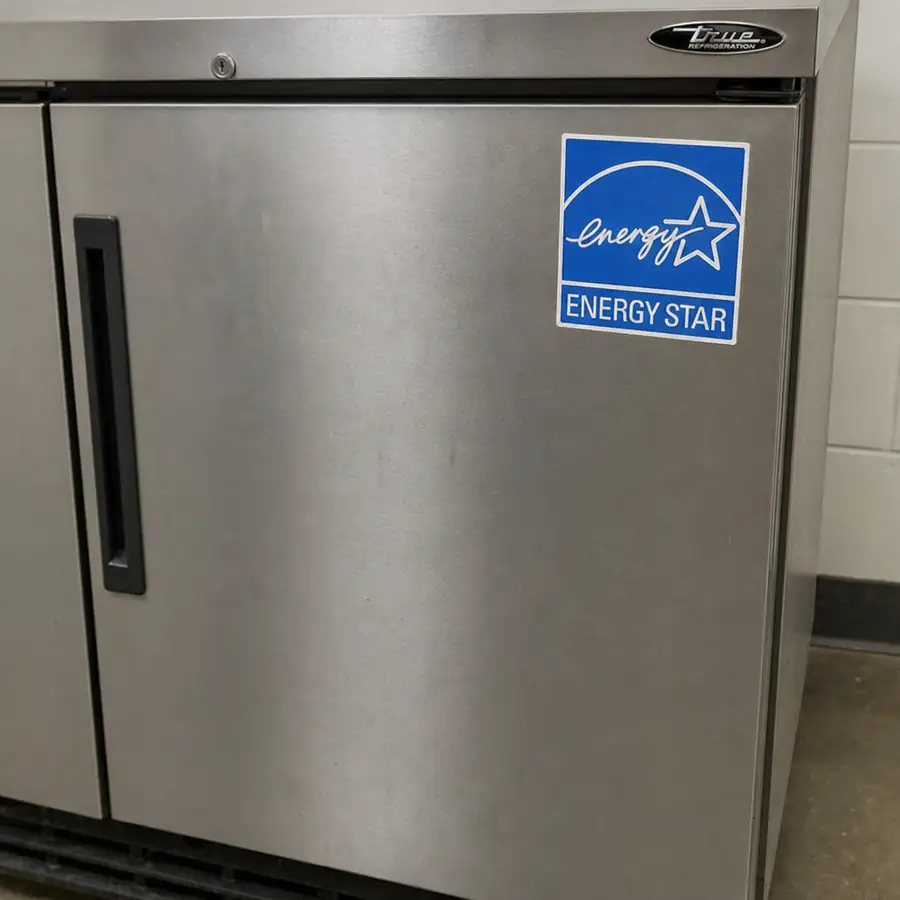
True and Beverage-Air both boast a wide array of Energy Star-certified models. However, True has historically been an industry leader in pushing the boundaries of green technology, often exceeding standard energy efficiency requirements. By heavily insulating their cabinets with high-density, polyurethane insulation, True units trap cold air flawlessly, slightly lowering monthly utility bills.
Maintenance, Reliability, and Longevity
When a cooler goes down on a Friday night, it can cost a restaurant thousands of dollars in spoiled food and lost revenue. Therefore, assessing True vs Beverage-Air reliability is a must.
Which Commercial Refrigerator Lasts the Longest?
It is the ultimate question for any operator: which commercial refrigerator lasts the longest? With proper maintenance, a unit from either brand can easily last 10 to 15 years. True Refrigeration, however, often wins the longevity debate anecdotally among service technicians. Because True uses highly standardized, heavy-duty parts, their compressors and fan motors are built to endure tremendous abuse.
Beverage-Air is also highly reliable, but their sophisticated electronic control panels—while fantastic for precise temperature management—can sometimes require specialized troubleshooting if an error code appears.
The Magic of Self-Cleaning Condensers
One of the most revolutionary features introduced to the market is True’s self-cleaning condenser technology. Dust and grease build-up on a condenser coil acts like a sweater, trapping heat and causing the compressor to overheat and fail.
True’s proprietary technology reverses the condensing fan motor for 20 seconds every time the compressor turns on. This blows dirt and debris off the coil, keeping it clean. While manual cleaning is still required occasionally, this feature drastically reduces unexpected breakdowns and significantly lowers long-term commercial refrigerator maintenance costs.
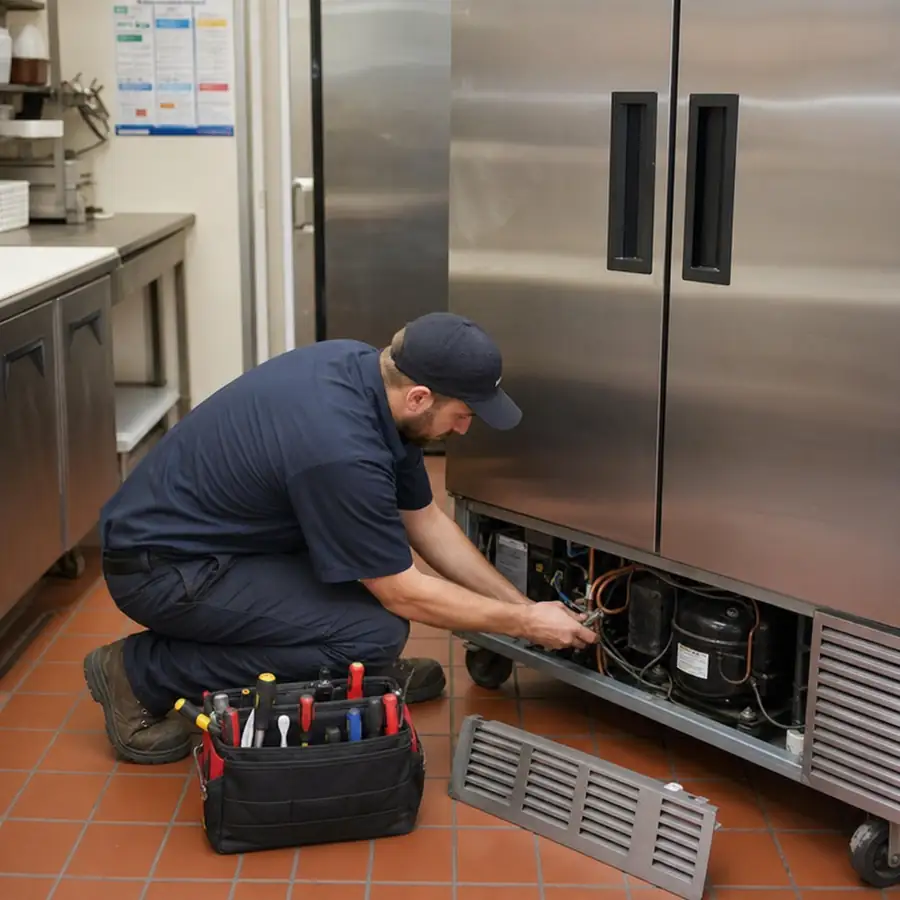
Beverage-Air combats maintenance woes by making their compressor units incredibly accessible. On many of their models, the entire refrigeration module can be easily slid out or accessed from a single grill, allowing technicians to service the unit in a fraction of the time.
Analyzing Costs and Long-Term Value
Purchasing commercial kitchen equipment is a major capital investment. When analyzing commercial refrigeration lifecycle costs, you must look beyond the initial sticker price.
Initial Purchase Price
Generally speaking, True Refrigeration units carry a slightly higher upfront cost compared to standard Beverage-Air models. True positions itself as a premium, heavy-duty standard, and their pricing reflects that. Beverage-Air often provides exceptional value, offering features like advanced digital controllers and sleek designs at a highly competitive price point, making them incredibly attractive to startups and independent restaurateurs.
Warranty Showdown
A robust warranty provides peace of mind. Comparing Beverage-Air versus True warranty terms reveals two companies deeply confident in their engineering:
- True Refrigeration: Standard warranty typically includes 3 years for parts and labor, with an impressive 7-year warranty on the compressor. (Terms may vary by region and specific model).
- Beverage-Air: Matches this competitive edge, frequently offering a 3-year parts and labor warranty, alongside a 7-year compressor warranty on most of their standard reach-in units.
Because their warranties are nearly identical in the current market, the tie-breaker often comes down to the availability of local service technicians. True’s massive market share means almost every commercial HVAC/R technician in North America carries True replacement parts in their van, ensuring minimal downtime.
Retaining Value
If you ever plan to upgrade your kitchen or close a location, commercial refrigerator resale value comes into play. Because of its rugged reputation and brand recognition, True Refrigeration generally holds its resale value better than almost any other brand on the secondary market. Used restaurant equipment buyers actively seek out the True badge, meaning you can recoup a more significant portion of your initial investment.
Actionable Tips for Selecting Reach-in Coolers for Professional Kitchens
Navigating the beverage-air vs true refrigeration decision requires evaluating your specific operational needs. Here are some actionable tips for selecting reach-in coolers for professional kitchens:
- Measure Your Space (Twice): Consider not just the footprint of the unit, but the height of your ceilings and the width of your doorways. Top-mounted Beverage-Air units need breathing room above them; bottom-mounted True units need clear space below.
- Evaluate Your Kitchen’s Ambient Heat: If your cooler will sit right next to a 6-burner range and a deep fryer, a bottom-mount compressor (which draws cooler air from the floor) might survive longer than a top-mount that sucks in rising heat and aerosolized grease.
- Consider Your Staff’s Ergonomics: If your menu requires staff to constantly access heavy items (like tubs of marinating meat), a bottom-mount unit raises the bottom shelf, reducing back strain.
- Audit Your Maintenance Culture: If your kitchen staff is notoriously bad at cleaning condenser coils, True’s self-cleaning condenser technology is worth the extra upfront investment to prevent future breakdowns.
- Check Local Service Networks: Before buying, call a few local commercial refrigeration repair companies. Ask them: "Do you stock parts for Beverage-Air and True?" Choose the brand that is easiest to service in your specific zip code.
Comparing Beverage-Air and True Refrigeration for Restaurant Cold Storage
When choosing commercial refrigeration for a restaurant, Beverage-Air and True Refrigeration are two established brands worth considering. Both offer a broad range of commercial refrigerators and freezers, including reach-ins, undercounter units, prep tables, and specialized refrigeration solutions. True emphasizes consistent holding temperatures, energy-efficient refrigeration systems, durable construction, and extensive after-sales support. Beverage-Air also provides commercial refrigeration solutions with model-specific warranty coverage; for example, its HR refrigerator range currently lists a seven-year parts, labor, and compressor warranty in the USA and Canada.
The better choice ultimately depends on your restaurant's storage capacity, kitchen layout, menu requirements, operating conditions, budget, and access to local service support. True highlights its extensive parts inventory and service-provider network, which can be valuable when minimizing downtime is a priority. When comparing models, look beyond the purchase price and consider temperature consistency, energy consumption, warranty terms, maintenance requirements, available parts, and expected service life. The Horeca Store can help restaurant owners and foodservice professionals find commercial kitchen equipment suited to their operational needs. Explore the available refrigeration options and choose a unit that delivers the right balance of performance, reliability, and long-term value for your business.
Conclusion: The Final Verdict
When evaluating commercial refrigeration options, you truly cannot go wrong with either of these industry giants. The choice between true vs beverage air ultimately boils down to your specific kitchen environment, budget, and long-term business goals.
If your priority is raw power, unparalleled durability, high commercial refrigerator resale value, and rapid refrigeration temperature recovery times in a sweltering, high-volume kitchen, True Refrigeration is widely considered the undisputed king. Their robust build and self-cleaning coils make them a rugged workhorse.
On the other hand, if you are looking for highly customizable configurations, excellent top-mount compressor options, precise digital temperature controls, and a slightly more budget-friendly initial price point without sacrificing quality, Beverage-Air is a brilliant, reliable choice.
By carefully weighing factors like bottom mount vs top mount compressors, commercial refrigerator maintenance costs, and your kitchen’s unique layout, you can confidently make the right investment. Whether you choose True or Beverage-Air, outfitting your kitchen with premium, NSF-certified equipment is the first step toward a smoother, safer, and more profitable restaurant service.