
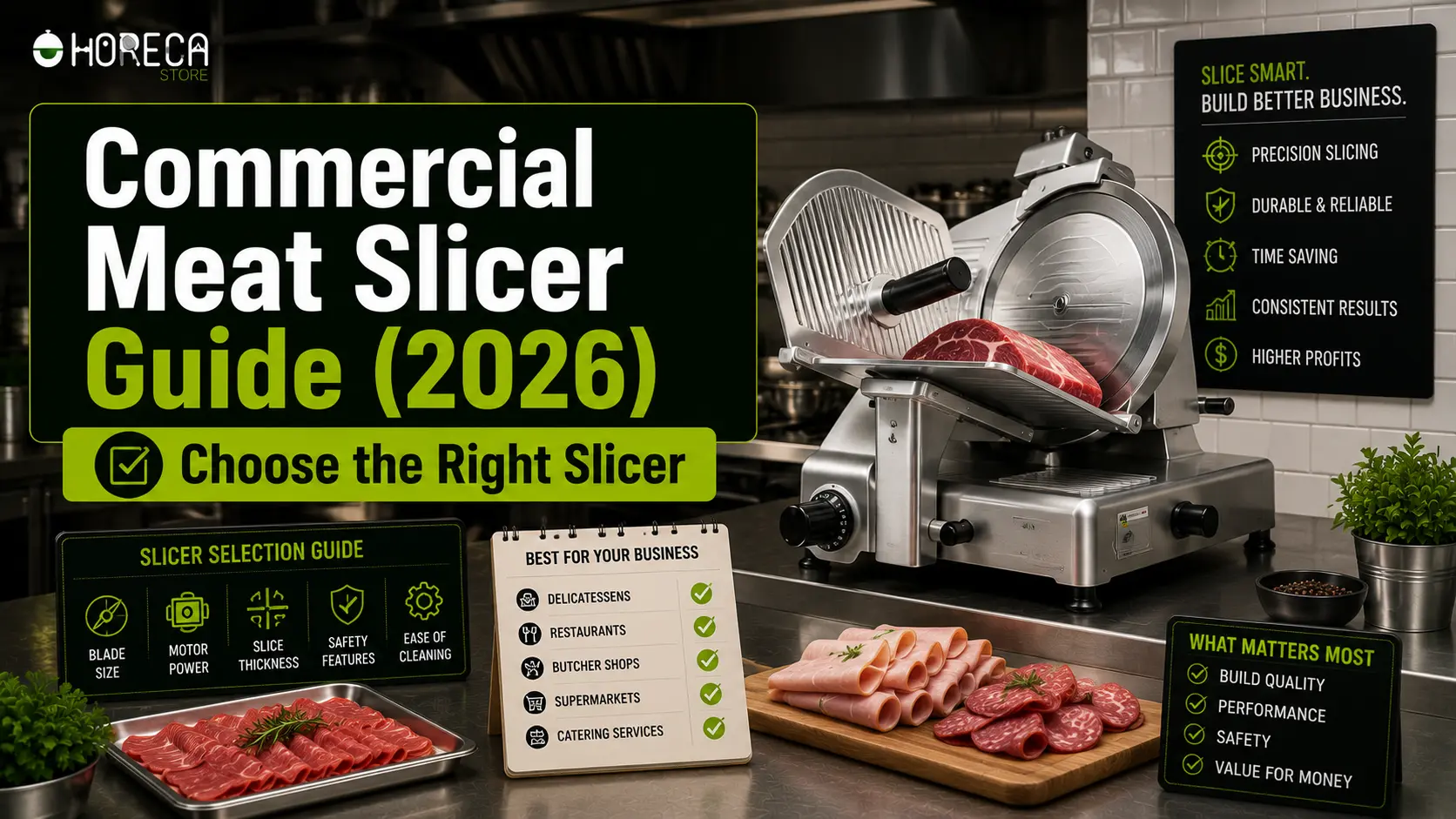
Choosing the right commercial meat slicer is crucial for any food service business. It can significantly impact efficiency and product quality.
In 2026, the market offers a wide range of options. Each model comes with unique features and benefits.
Understanding these features is key to making an informed decision. This guide will help you navigate the choices available.
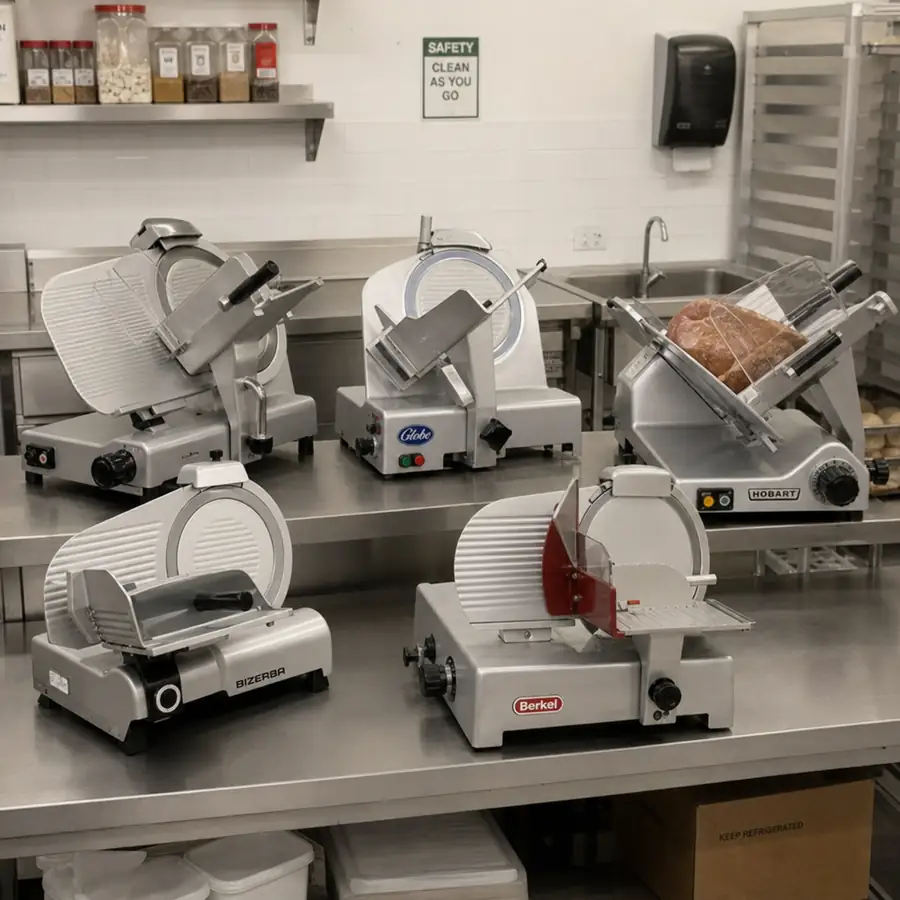
We'll explore top brands like Hobart, Globe, and Berkel. Each brand offers reliable and durable slicers.
We'll also discuss budget-friendly options like Vevor. These provide quality without breaking the bank.
Key factors to consider include blade size, motor power, and safety features. These elements affect performance and user safety.
Regular maintenance is essential for longevity. Proper care ensures your slicer remains efficient and safe.
By the end of this guide, you'll be equipped to choose the best slicer for your needs.
Why Invest in a Commercial Meat Slicer?
Investing in a commercial meat slicer offers numerous advantages for businesses. It improves efficiency by speeding up the slicing process.
A meat slicer ensures consistent slice thickness. This consistency enhances food presentation and customer satisfaction.
Manual slicing is labor-intensive and time-consuming. A meat slicer reduces labor costs and increases productivity.
Here are key reasons to consider a commercial meat slicer:
- Increased Efficiency: Speeds up slicing tasks, saving time.
- Consistency: Provides uniform slices for quality presentation.
- Cost Savings: Reduces labor and minimizes waste.
- Versatility: Handles various foods like meats and cheeses.
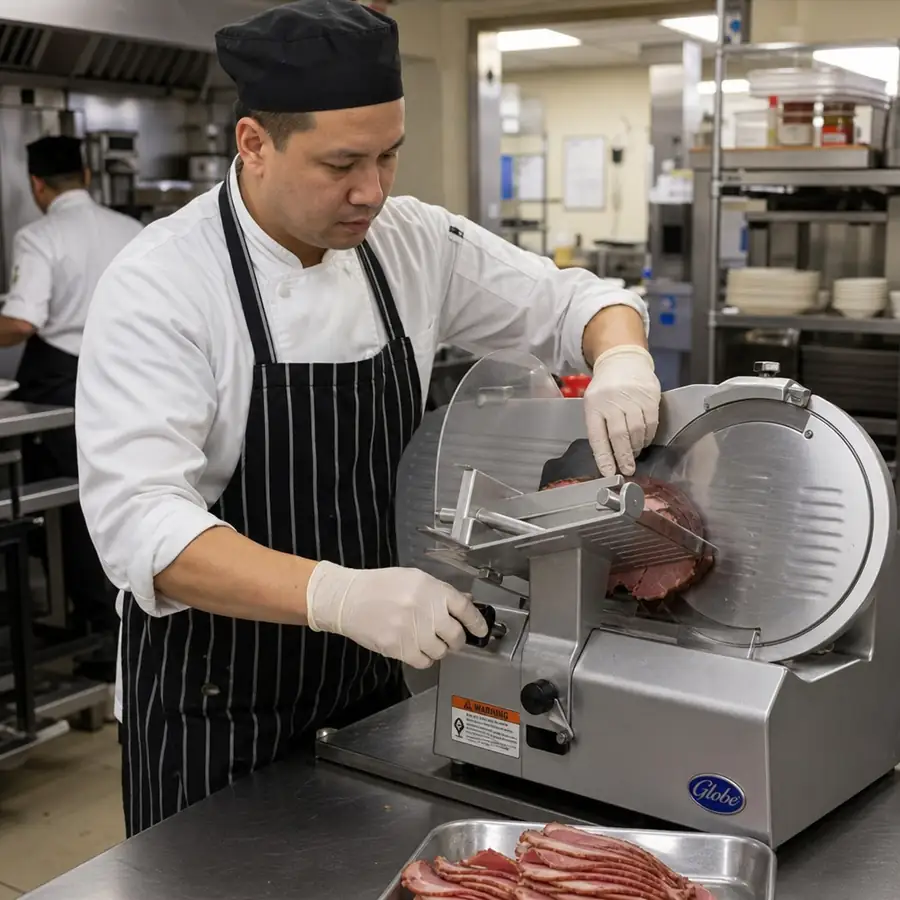
Commercial slicers can handle high volumes with ease. This ability is vital for busy restaurants and delis. Investing in a quality slicer enhances kitchen operations. It ensures food safety and boosts staff productivity. The long-term benefits far outweigh the initial cost, making it a wise investment for any commercial kitchen.
Types of Commercial Meat Slicers: Manual, Semi-Automatic, and Automatic
Commercial meat slicers are categorized into three main types: manual, semi-automatic, and automatic. Each type offers distinct advantages tailored to different operational needs.
Manual Meat Slicers
Manual slicers are operated by hand, offering more control over slice thickness. Ideal for businesses prioritizing precision, they require manual effort, making them suitable for lower volume operations.
Semi-Automatic Meat Slicers
Semi-automatic slicers provide a balance between manual and automatic models. They combine manual effort with some automated features, reducing operator fatigue. This option is great for medium-level usage environments, offering enhanced efficiency and convenience.
Automatic Meat Slicers
Automatic slicers handle high-volume slicing tasks with minimal manual intervention. They are equipped with programmable settings and can run unattended. Best for busy kitchens with large daily slicing needs, automatic models free up staff to focus on other tasks.
Key Considerations
When choosing between these types, consider:
- Volume Requirements: How much slicing will you need daily?
- Control Needs: Is precise slicing important?
- Labor Costs: Do you need to reduce manual labor?
Conclusion
Knowing the types helps you choose the right slicer for your operation. Assess your kitchen’s specific requirements and select a slicer that optimally balances precision, volume, and cost. Each type of slicer has unique benefits, making it essential to align the choice with your business goals.
Key Features to Consider When Buying a Meat Slicer
When purchasing a commercial meat slicer, understanding key features is crucial. These features affect the slicer's performance, safety, and ease of use.
Blade Size and Material
Blade size impacts the slicer's versatility. Larger blades, typically 12 to 14 inches, can handle bigger cuts, while smaller blades suit more precise slicing tasks. Stainless steel is the preferred material due to its durability and resistance to rust. It's essential to match blade size to your kitchen's slicing needs.
Considerations:
- Larger blades for high-volume slicing
- Stainless steel for long-term use
- Blade replacement costs

Motor Power and Duty Cycle
The motor's power determines how quickly and efficiently the slicer can operate. A more powerful motor allows for continuous use and can handle tougher meats. Assess the duty cycle, which indicates how long the slicer can run before needing to rest.
Key Points:
- High power for heavy-duty operation
- Long duty cycle for extended use
- Balance power with energy efficiency
Safety Features and Certifications
Operator safety is paramount. Look for slicers with blade guards, emergency stop features, and non-slip feet. Certifications like NSF ensure the equipment meets hygiene standards.
Safety Features Include:
- Blade guards for hand protection
- Emergency shutoff for quick stops
- Non-slip feet for stability

Ease of Cleaning and Maintenance
Proper maintenance extends a slicer's lifespan. Consider how easy the slicer is to disassemble for cleaning. Regular maintenance, such as blade sharpening, is vital.
Maintenance Tips:
- Easy disassembly for quick cleaning
- Accessible blade sharpening
- Regular part inspections

By focusing on these key features, you can ensure that your investment in a commercial meat slicer will meet your operational needs and provide reliable service over time. Consider each aspect carefully to match your business's specific requirements and preferences.
Top Commercial Meat Slicer Brands in 2026
Choosing the right brand can significantly affect your slicer's performance and longevity. In 2026, several brands dominate the commercial meat slicer market, offering a range of features and capabilities.
Renowned Brands
- Hobart
- Globe
- Berkel
- Vevor
Each brand has unique strengths, appealing to different business needs and budgets. For example, Hobart is known for durability and performance, while Vevor offers cost-effective solutions without sacrificing quality.
Considerations for Choosing a Brand
- Durability and build quality
- Range of models and features
- Customer support and warranty
Selecting a brand involves weighing these factors against your specific requirements. Now, let’s look at the features of each brand in more detail.
Hobart Commercial Meat Slicer
Hobart is synonymous with reliability. Their slicers excel in busy kitchens, often chosen for their robust build and consistent performance.
Hobart Highlights
- Durable construction
- Powerful motor options
- Extensive safety features
Investing in a Hobart slicer ensures dependable operation under heavy use, ideal for high-demand environments like supermarkets and large restaurants.
Globe Commercial Meat Slicer
Globe slicers are known for their balance of quality and affordability. They provide excellent versatility and reliable slicing capabilities.
Globe Advantages
- User-friendly design
- Wide range of models
- Cost-effective solutions

These slicers are perfect for those who seek reliability without breaking the bank.
Berkel Commercial Meat Slicer
Berkel offers precision and elegance. Their slicers are engineered for precision slicing, making them a preferred choice in gourmet establishments.
Berkel Benefits
- Sharp precision blades
- Aesthetic design
- Ideal for specialty cuts
 Vevor Commercial Meat Slicer
Vevor is popular for budget-friendly options. They provide reliable performance and essential features without high costs.
Vevor Perks
- Economical pricing
- Basic yet efficient features
- Durable enough for small operations
Vevor slicers are perfect for small operations or startups needing effective equipment on a tight budget.
In conclusion, understanding each brand's specialties allows you to choose the best slicer for your business needs.
Meat Slicer Comparison: How to Choose the Best Model
Selecting the ideal meat slicer involves assessing multiple variables. First, determine your specific slicing needs. Are you slicing various products or focusing on a single type? This decision can influence your choice between manual, semi-automatic, or automatic slicers.
Key Comparison Factors
- Blade Size: Affects the thickness and consistency of slices.
- Motor Power: Higher power suits denser products and faster slicing.
- Safety Features: Important for staff protection and compliance.
User Experience
- Ease of Use: Controls should be intuitive, minimizing training time.
- Ease of Maintenance: Quick and easy disassembly is essential for cleaning.
Price is another crucial aspect. More expensive models typically offer superior durability and features. Ensure the slicer fits within your budget while meeting essential criteria.
Additional Considerations
- Warranty and Support: Look for comprehensive coverage and responsive customer service.
- Brand Reputation: Established brands often provide tested reliability and innovation.
By evaluating these factors, you can choose a slicer that meets your current needs and adapts to future demands. The right slicer not only boosts efficiency but also enhances product quality and consistency, leading to satisfied customers and a successful operation.
Industrial Meat Slicers vs. Commercial Kitchen Slicers
Choosing between industrial and commercial kitchen slicers depends on your operation's scale. Industrial slicers are designed for high-volume environments. They handle continuous slicing without overheating. This makes them ideal for large production facilities.
Key Differences
- Capacity: Industrial slicers process large quantities faster.
- Durability: Built for heavy-duty use, they often feature robust construction.
- Footprint: Typically larger, requiring more kitchen space.

Commercial kitchen slicers, however, are more suited for smaller restaurants or delis. They offer a balance of power and size, fitting comfortably in compact spaces. These slicers are versatile and can handle a variety of products. Their ease of use and maintenance often appeals to establishments with limited staff.
Ultimately, the choice depends on your production demands and available space. Both types offer distinct benefits, tailored for different operational needs. Evaluate your business requirements to determine the best fit.
Slicing Versatility: Meats, Cheeses, and More
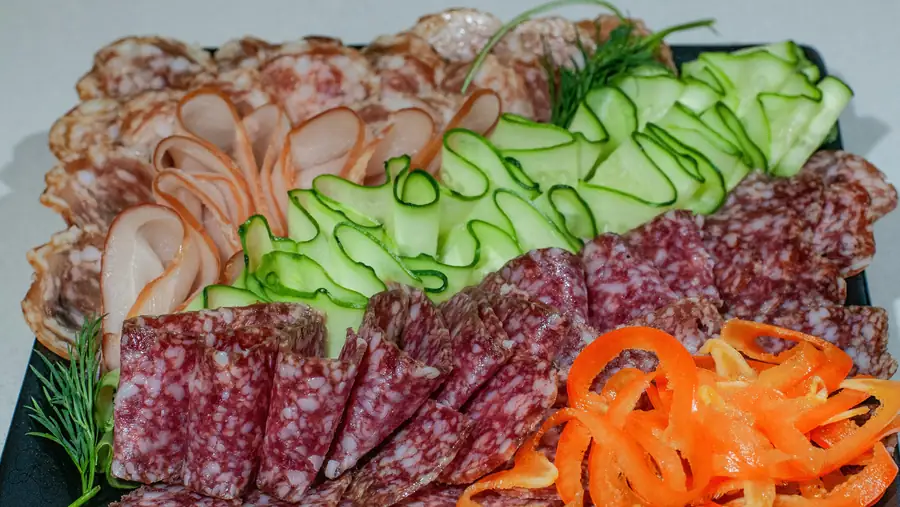
A quality commercial meat slicer isn't limited to just meats. Versatility is key in any food service setting. Many slicers easily handle cheeses, vegetables, and other foods. This broadens their utility and maximizes kitchen efficiency.
Versatile Uses
- Meats: Ham, turkey, beef, and more.
- Cheeses: Easily slice through hard or soft varieties.
- Vegetables: Ideal for making thin, uniform veggie slices.
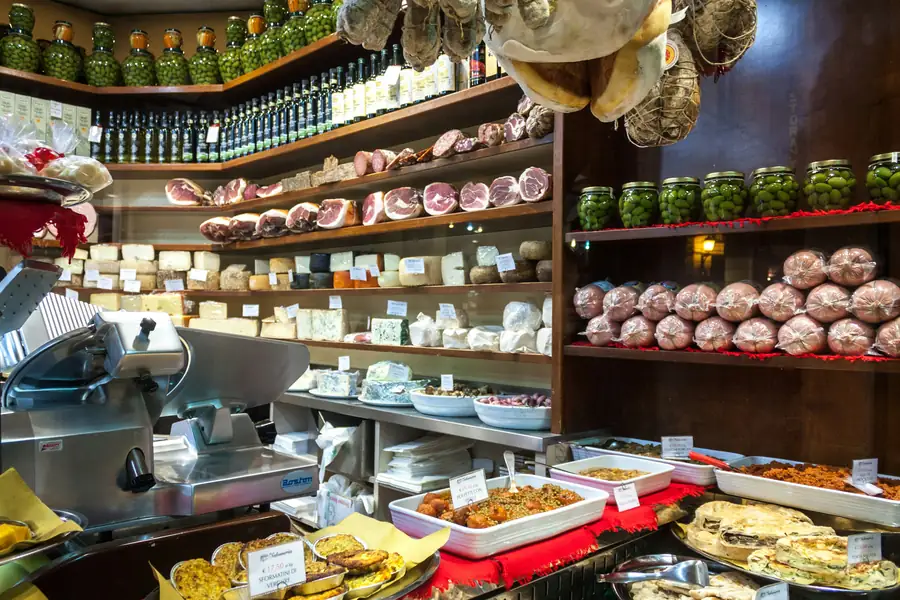
Adjustable blade thickness is a common feature. It allows for precise slicing across different food types. This flexibility supports diverse menu offerings, enhancing customer satisfaction. Also, specialized blades are available for different textures. When choosing, consider how the slicer handles various foods, and you can expand your culinary possibilities effortlessly.
Meat Slicer Maintenance: Cleaning, Sharpening, and Longevity Tips
Proper maintenance is crucial for extending the lifespan of your commercial meat slicer. Regular cleaning prevents food residue buildup and ensures hygienic operation. Begin by disassembling the slicer carefully, following the manufacturer’s instructions.
Cleaning Tips
- Disassemble parts after use.
- Wash blades with warm, soapy water.
- Dry thoroughly to prevent rust.
 Sharpening Tips
- Sharpen regularly based on usage.
- Use correct tools to avoid damage.
- Lubricate the blade post-sharpening to maintain smooth operation.
In addition to cleaning and sharpening, inspect your slicer for any wear and tear. Regular checks can help identify potential issues early. Replacing worn-out parts promptly aids in maintaining optimal performance. Investing time in regular upkeep ensures your slicer remains in peak condition, reducing breakdowns and extending its useful life. This proactive approach secures consistent service and saves money in the long run.
Cost, Warranty, and Support: What to Expect in 2026
Investing in a commercial meat slicer requires careful financial planning. Prices in 2026 range from a few hundred to several thousand dollars. The cost depends on features, brand reputation, and slicer type.
Warranty options are crucial when choosing a slicer. Most reputable brands offer warranties that cover parts and labor for a certain period. Reviewing these terms before purchase ensures you understand what's included.
Key Considerations
- Cost varies by features and brand.
- Warranties provide peace of mind.
- Support services enhance reliability.

Customer support is another critical factor. Reliable support services can resolve any issues swiftly, minimizing downtime in your kitchen. Top brands often offer extensive support through calls, emails, or on-site assistance. Understanding the level of support available can significantly influence your buying decision, helping to maintain smooth operations.
Frequently Asked Questions About Commercial Meat Slicers
Many wonder about the differences between manual and automatic meat slicers. Each has its advantages. Manuals offer control, while automatic slicers save time and effort.
Another common question is about safety features. Modern slicers include blade guards, non-slip feet, and emergency stop functions. These prevent accidents and ensure operator safety.
Common Concerns
- Difference between manual and automatic slicers
- Importance of safety features
- Cleaning and maintenance tips
Choosing the right blade size is also a frequent query. Larger blades handle more volume and can slice thicker meats. Smaller blades are ideal for precision and thinner slices.
Lastly, maintenance can seem daunting. Regular cleaning, oiling, and blade sharpening keep slicers in top shape. Consistent upkeep ensures longevity and optimal performance of your equipment.
Commercial Meat Slicer Buying Guide 2026
Choosing the right commercial meat slicer is essential for restaurants, delis, butcher shops, supermarkets, and catering businesses that require precise, consistent slicing. When selecting a meat slicer, consider blade size, manual or automatic operation, motor power, slicing thickness adjustment, safety features, and ease of cleaning. The Horeca Store the right machine improves food preparation speed, reduces waste, and delivers uniform slices for meats, cheeses, and other ingredients.
Investing in a reliable commercial meat slicer helps increase kitchen efficiency and maintain consistent food quality. The Horeca Store offers a wide range of commercial food preparation equipment, including meat slicers, mixers, food processors, refrigeration units, and restaurant supplies for professional foodservice businesses. With quality products, competitive pricing, and dependable support, The Horeca Store helps businesses choose equipment designed for long-term performance and productivity.
Conclusion: Making the Right Choice for Your Business
Choosing the right commercial meat slicer can transform your kitchen's efficiency. Key features like blade size, motor power, and safety must align with your needs. Consider your kitchen space and the product types you'll be slicing.
Investing in a top-tier slicer from a trusted brand like Hobart or Berkel ensures durability and performance. Think about long-term value, including maintenance and warranties. Make informed decisions to enhance both productivity and food quality in your business.