
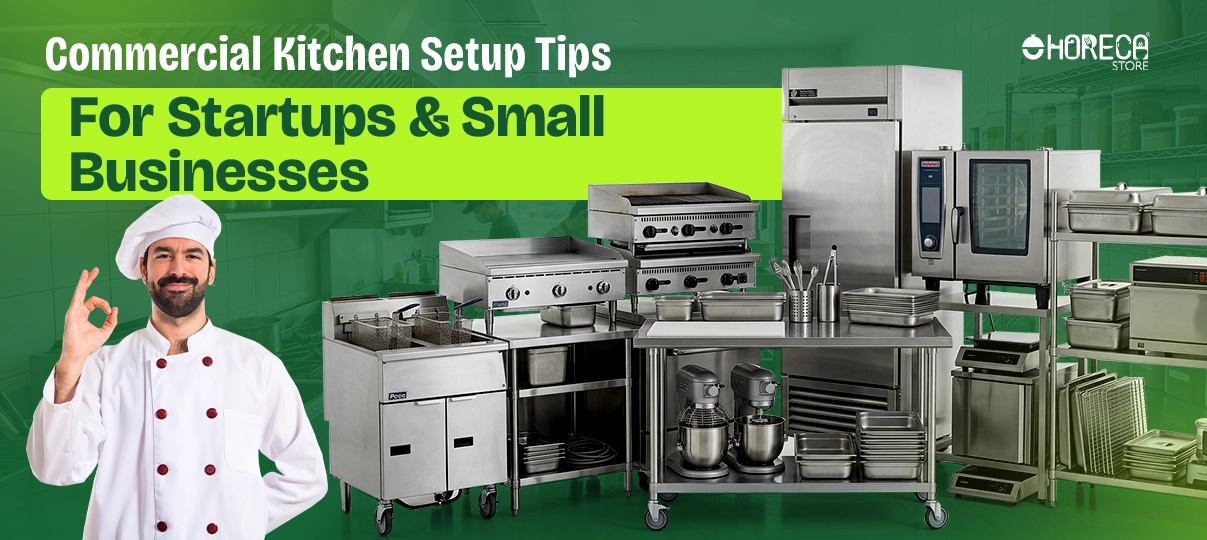
Setting up a commercial kitchen is a thrilling venture for startups and small businesses. It requires careful planning and strategic decisions.
A well-designed kitchen can boost efficiency and productivity. It can also enhance the quality of food and service.
Understanding the essentials of a commercial kitchen setup is crucial. This includes knowing local health and safety regulations.
Choosing the right professional kitchen equipment is another key factor. It impacts both the workflow and the quality of the output.
Efficient kitchen design tips can help maximize space and streamline operations. This is vital for small businesses with limited space.
Sustainability and energy efficiency should also be considered. They can significantly reduce operational costs over time.
Technology plays a pivotal role in modern kitchen setups. It aids in inventory management and order processing.
This guide will provide practical tips for a successful commercial kitchen setup. It aims to support entrepreneurs in the food service industry.
Understanding Commercial Kitchen Requirements
Before launching your commercial kitchen, understand key requirements. These include health regulations and safety standards. Adhering to these rules is vital for operation.
Local health departments set guidelines to ensure food safety. It's crucial to be familiar with these to avoid fines. Regular inspections will keep your kitchen compliant.
Comprehending layout rules is also important. A well-planned kitchen design boosts productivity. It also minimizes cross-contamination and hazards.
Consider the following essential commercial kitchen requirements:
- Health and safety regulations
- Proper ventilation and air quality
- Efficient waste management
- Adequate space for workflow
Moreover, investing in insurance can protect your assets. It ensures that unexpected situations don't disrupt your operations. Accidents can happen despite the best precautions.
Having a clear plan for compliance and risk management is crucial. This not only safeguards your business but also builds trust with customers. Keep these foundational requirements in mind as you embark on your venture.
Planning Your Kitchen Layout: Design Tips for Efficiency
An efficient kitchen layout is crucial for smooth operations. It maximizes space and ensures a seamless workflow. Proper planning at this stage can save time and reduce stress later.
Begin by analyzing your menu and services. This determines the types and quantity of equipment needed. Each piece must fit harmoniously within the kitchen space.
Create designated stations for different tasks. Separation of prep, cooking, and washing areas enhances efficiency. This organization also boosts kitchen safety.
Consider traffic flow in your design. Reducing unnecessary movements enhances productivity. Employees can navigate the kitchen swiftly, enhancing service speed.
Keep these kitchen design tips in mind:
- Prioritize equipment placement for accessibility
- Provide ample counter space for prep work
- Ensure clear paths for employee movement
Also, incorporate flexibility into your layout. Business needs can change, and the layout must adapt. Choose movable equipment and adjustable shelving.

Incorporate natural light and good ventilation for comfort. This contributes to a pleasant working environment. A happy team is a productive team.
Remember, aesthetics matter, but function reigns supreme. Balance both to create a kitchen that is beautiful and effective. Tailor these tips to your unique business for optimal results.
Popular Commercial Kitchen Layouts
Choosing the right layout style can significantly impact kitchen efficiency. Different layouts cater to varied business needs. Each has its pros and cons, depending on your space and operations.
The assembly line layout is ideal for high-volume establishments. It organizes tasks in a linear path, streamlining processes. This setup is great for fast-paced environments like fast food outlets.
The island layout features a central cooking station. It's perfect for teamwork and supervision. This setup encourages collaboration and open communication.
For smaller spaces, consider the galley layout. It consists of two parallel counters. This design maximizes efficiency in tight areas.
Here are some popular layouts to consider:
- Assembly line
- Island
- Galley
- Open kitchen

The open kitchen layout provides transparency. It enhances customer interaction and trust. Patrons enjoy seeing their meals being prepared.
Lastly, think about the zone-style layout. It divides the kitchen into specialized sections. This approach reduces congestion and improves workflow.
Selecting the right layout involves evaluating your space, menu, and team. Each layout has distinct benefits, so choose wisely based on your specific needs.
Selecting Professional Kitchen Equipment
Choosing the right kitchen equipment is critical for your business’s success. Equipment impacts efficiency, food quality, and overall customer satisfaction. Therefore, careful selection is a must.
Start by evaluating your menu needs. Identify equipment that aligns with your culinary goals. Tailor your choices to match menu demands and expected volume.
Energy-efficient appliances can lower operational costs. Look for equipment with high energy ratings. This investment pays off in savings over time.
Consider these factors when selecting equipment:
- Durability and build quality
- Manufacturer warranties
- Equipment dimensions and kitchen space compatibility
Prioritize versatile equipment that serves multiple purposes. Multi-functional tools can save space and reduce costs. They add value by streamlining operations.
Enlist advice from experienced professionals. Connect with other business owners or join industry communities. Their firsthand insights can guide your purchasing decisions.

Don’t neglect the importance of proper equipment maintenance. Regular servicing ensures longevity and performance. Maintenance planning should be part of your setup strategy.
Lastly, review the support and service options of suppliers. Choose vendors with strong after-sales support. Reliable suppliers can make a significant difference when issues arise.
New vs. Used Equipment: What to Consider
Deciding between new and used equipment can be challenging. Each option has its own advantages. Evaluate your priorities to make the best choice.
New equipment tends to be more reliable, with warranties and the latest features. However, used equipment can offer significant savings. Balance budget constraints and equipment longevity.
Factors to consider include:
- Initial cost versus long-term savings
- Availability of warranties or guarantees
- Potential for equipment upgrades
Budgeting and Financing Your Kitchen Setup
Creating a budget is the first crucial step in setting up your commercial kitchen. Start by outlining all potential expenses. This includes equipment, installation, and any necessary renovations.
Consider the financial impact of ongoing costs as well. Operational expenses like utilities and maintenance should fit within your budget constraints. Precise forecasting can prevent financial surprises later.
Exploring financing options is essential for many small businesses. Look into loans, leasing arrangements, and other funding opportunities. Understanding these options can help you manage large upfront costs.
When planning your budget, prioritize purchases based on immediate needs. Focus on essentials first and defer non-urgent expenses. This ensures effective use of available funds.
Keep these points in mind:
- Assess all initial and ongoing costs
- Investigate different financing options
- Focus on essential purchases first
By taking a comprehensive approach, you can optimize your financial planning. Effective budgeting supports long-term sustainability and business growth.
Storage Solutions and Space Optimization
Efficient storage is vital in a commercial kitchen to prevent clutter and streamline operations. Start by assessing your available space. Determine which areas can accommodate storage without hindering workflow.
Maximize vertical space to keep the floor area clear. Install shelves and racks for storing ingredients and equipment. This helps maintain an organized and accessible kitchen environment.
Consider the following methods for space optimization:
- Use wall-mounted storage for smaller items
- Implement under-counter storage solutions
- Install stackable containers for ingredients
Effective use of space is also about accessibility. Place frequently used items within easy reach to enhance productivity. Avoid placing heavy equipment at heights that could pose safety risks.
Smart storage solutions:
- Utilize drawers for cutlery and small tools
- Use labeled containers for better organization

By implementing these strategies, you can create an efficient kitchen environment. This approach not only enhances productivity but also ensures food safety. Space optimization can significantly contribute to a smooth-running kitchen operation.
Ventilation, Safety, and Compliance
Proper ventilation is crucial for maintaining a safe kitchen environment. It ensures the removal of smoke, odors, and excess heat, creating a comfortable workspace. Poor ventilation can lead to an unsafe kitchen, affecting both staff health and food quality.
Adhering to safety standards is imperative in a commercial kitchen. This includes regular inspections and compliance with local health regulations. Safety measures help prevent accidents and minimize the risk of health violations.
Key safety and compliance considerations:
- Install efficient exhaust systems
- Ensure regular cleaning of ventilation ducts
- Comply with fire safety regulations

Compliance with food safety standards protects your business reputation. It involves proper food handling and storage, ensuring hygiene and quality. Invest in staff training to keep everyone updated on safety protocols.
By prioritizing ventilation, safety, and compliance, you create a secure and efficient kitchen. This not only supports staff welfare but also enhances operational efficiency and customer satisfaction.
Sustainability and Energy Efficiency
Embracing sustainability in your commercial kitchen can reduce costs and environmental impact. Start by choosing energy-efficient appliances that use less power and lower energy bills. These investments are cost-effective in the long run.
Incorporating eco-friendly practices is also vital. For instance, composting and recycling kitchen waste can greatly minimize landfill contributions. Encourage staff to adopt waste reduction measures.
Consider the following sustainability practices:
- Use energy-efficient lighting and appliances
- Implement waste sorting and composting
- Source ingredients locally to reduce carbon footprint
Focus on sustainability to build a responsible kitchen operation. This approach attracts eco-conscious customers and enhances brand reputation. Promoting energy efficiency not only helps the environment but also boosts your bottom line.
Technology and Modern Kitchen Tools
Integrating technology in your commercial kitchen can improve operations and efficiency. Modern tools and software help streamline processes and reduce manual labor. They provide insights that can optimize inventory management and order processing.
Automated systems can monitor stock levels and track usage trends. They minimize waste and ensure supply availability. Investing in technology enhances accuracy and cuts down errors in kitchen management.
Consider these tech tools for your kitchen:
- Inventory management software
- Smart cooking devices
- Digital order screens and systems

Embracing technology in your kitchen not only boosts productivity. It also allows staff to focus on delivering quality service and maintaining customer satisfaction. Use cutting-edge tools to give your kitchen a competitive edge.
Staffing, Training, and Workflow Management
Effective staffing is crucial for a successful commercial kitchen. Hiring skilled personnel ensures smooth operations and quality output. A well-rounded team impacts customer satisfaction positively.
Invest in ongoing training for your kitchen staff. Training keeps your team updated on equipment usage and safety protocols. It also helps them adapt to changes in kitchen technology and menu offerings.
Key workflow management practices include:
- Clear role definitions and responsibilities
- Efficient communication channels
- Regular team meetings for feedback and updates
Streamlining workflow minimizes downtime and maximizes productivity. Foster a culture of collaboration and responsiveness among your staff. This approach leads to a harmonious and efficient working environment. With a robust team, your kitchen can handle challenges with confidence.
Maintenance, Insurance, and Future-Proofing
Regular maintenance of kitchen equipment reduces downtime and unexpected expenses. It prolongs the lifespan of your investments. Schedule routine checks to prevent costly repairs in the future.
Insurance provides a safety net for your kitchen operations. It covers potential risks such as equipment failures or accidents. Choose a comprehensive plan that suits your specific business needs.
Future-proofing your kitchen ensures longevity and adaptability. Consider these strategies:
- Invest in versatile, high-quality equipment
- Stay informed about emerging kitchen technologies
- Plan for potential business growth and menu diversification
These measures prepare your kitchen for unforeseen challenges and opportunities. They keep your operations resilient and competitive in the ever-evolving food industry.
Creating a Kitchen Setup Checklist
A kitchen setup checklist ensures nothing is overlooked during the planning phase. This tool helps streamline the setup process by providing clear steps to follow.
Key items to include in your checklist are:
- Compliance with health and safety regulations
- Selection and ordering of kitchen equipment
- Design and layout decisions
- Staff recruitment and training
- Installation of ventilation and safety systems
Regularly update your checklist to reflect progress and adjust plans as necessary. This proactive approach helps avoid common pitfalls and ensures a smooth setup.
Conclusion: Launching Your Commercial Kitchen with Confidence
Setting up a commercial kitchen can be daunting, but a strategic approach simplifies the process. By focusing on efficient design, quality equipment, and compliance, you lay a strong foundation.
Remember, a successful kitchen blends efficiency with adaptability. Stay mindful of evolving business needs and industry trends to ensure longevity. With careful planning and execution, your kitchen will be primed for success, ready to serve both your team and customers effectively.