
Designing a commercial kitchen is a complex task. It requires careful planning and attention to detail. Efficiency is key to a successful kitchen layout.
A well-designed kitchen can improve workflow. It reduces unnecessary movement and enhances productivity. This leads to better service and happier customers.
Space optimization is crucial. Every inch counts in a busy kitchen. Smart storage solutions can make a big difference.
Ergonomics should not be overlooked. A comfortable workspace reduces staff fatigue. It also boosts morale and efficiency.
Choosing the right equipment is essential. It should be energy-efficient and strategically placed. This helps in cutting down operational costs.
Ventilation and lighting are vital for a safe environment. They ensure comfort and visibility for staff. Proper air quality is also maintained.
Balancing aesthetics with functionality is important. A visually appealing kitchen can enhance the dining experience. It also reflects the restaurant's brand and style.
Why Efficient Commercial Kitchen Design Matters
Efficiency in a commercial kitchen affects every aspect of a restaurant's operation. An efficient layout can significantly speed up service. Fast service often leads to satisfied customers and positive reviews.
A well-planned kitchen can reduce costs. It minimizes waste and optimizes energy use. Operating costs can thus be kept in check, boosting profits.
Staff efficiency is directly impacted by kitchen design. Organized spaces facilitate smoother workflow. This reduces stress and prevents bottlenecks during peak hours.
In addition to operational benefits, a streamlined kitchen is also safer. Reducing clutter and ensuring clear pathways decrease the risk of accidents. It also promotes a healthier work environment for staff.
Key benefits of efficient kitchen design include:
- Improved workflow and productivity
- Lower operational costs
- Enhanced safety and hygiene
- Better staff morale
In conclusion, efficient commercial kitchen design is vital. It plays a critical role in the success and longevity of a restaurant. Investing in good design yields both immediate and long-term rewards.
1. Plan the Perfect Kitchen Layout
Designing the perfect kitchen layout starts with understanding your restaurant's unique needs. Every kitchen serves a different menu, requiring specific setups.
Consider the flow of ingredients from delivery to plate. Plan designated zones for storage, preparation, cooking, and serving. This logical progression ensures smooth operations.
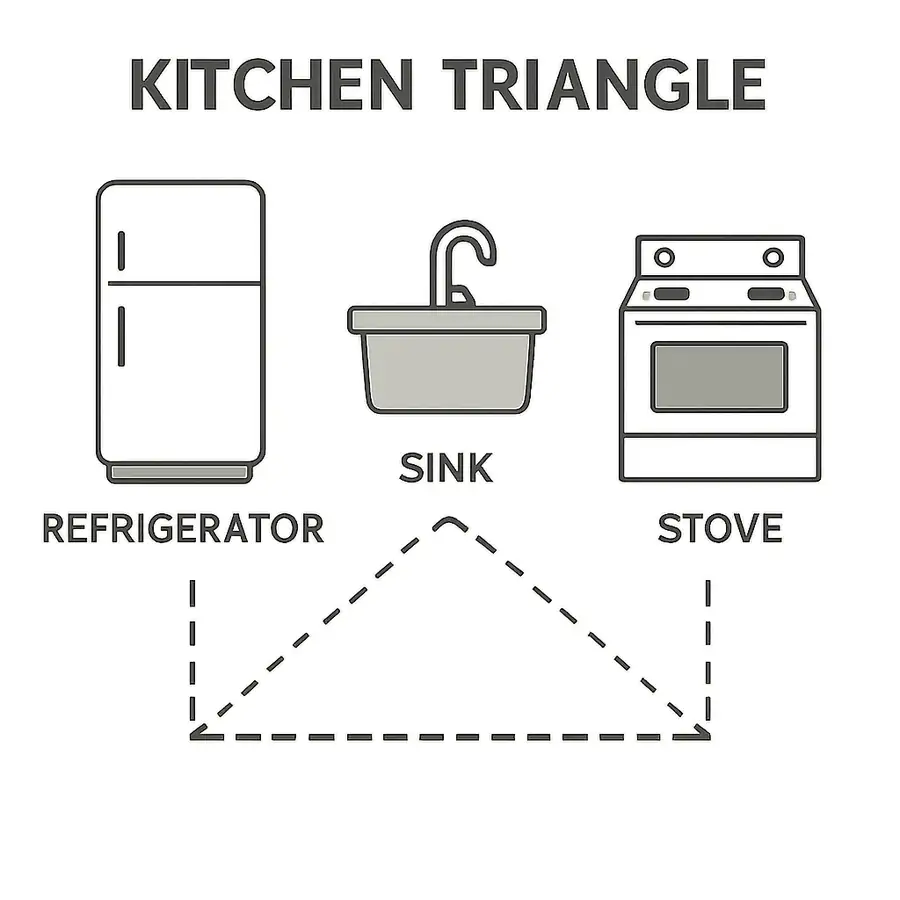
The kitchen triangle principle is also crucial. Efficient movement between the stove, sink, and refrigerator is key. This design tip minimizes unnecessary walking and speeds up food preparation.
When planning, include space for staff to work comfortably. Crowded kitchens can hinder movement and increase stress. Allocate sufficient space around key areas to enhance productivity.
To achieve an ideal layout, note the following tips:
- Assess your menu requirements
- Apply the kitchen triangle principle
- Create designated work zones
- Allow space for staff mobility
Flexibility is another important aspect. Consider installing modular equipment. Modular setups adapt to changing needs and menu expansions easily.
In summary, thoughtful layout planning is fundamental. It supports an efficient, smooth-running kitchen. Proper layout paves the way for operational excellence and customer satisfaction.
2. Prioritize Ergonomics and Staff Workflow
Ergonomic design plays a vital role in commercial kitchen efficiency. Reducing staff fatigue can significantly boost productivity and morale.
Ensure all workstations and countertops are at comfortable heights. This simple adjustment prevents strain and improves efficiency. It also maintains a healthy work environment for your team.
Space organization is another key factor. Arrange tools and ingredients within easy reach. This setup minimizes unnecessary movement, saving both time and energy.
A well-thought-out workflow not only enhances efficiency but also reduces stress. Proper layout leads to faster service and higher job satisfaction.
Here are key ergonomic priorities:
- Implement adjustable height workstations
- Place tools within arm's reach
- Design pathways wide enough for smooth movement
Incorporating ergonomic principles creates a productive atmosphere. Your team will appreciate the thoughtful design, leading to better performance and lower turnover. Remember, efficiency and comfort go hand in hand.
3. Optimize Storage and Organization
Effective storage solutions are crucial for a well-functioning kitchen. Maximizing space helps maintain organization and speed up the cooking process.
Consider using vertical storage to free up valuable counter space. Shelving units and racks can store pots, pans, and utensils neatly. Efficient use of space leads to a clutter-free environment.
Labeling items can further enhance organization. Clearly marked zones and containers allow staff to find essentials quickly. This minimizes downtime and reduces stress during busy shifts.
Incorporating flexible storage options can also be beneficial. Movable racks and modular systems adapt to changing needs. This versatility ensures that your kitchen stays efficient as menu items and staff change.

Key storage tips include:
- Use vertical racks and shelving
- Keep frequently used items within easy reach
- Label shelves and containers for quick access
An organized storage system ensures a smooth workflow. With items arranged logically, staff can focus more on food preparation and service. These simple enhancements can greatly improve kitchen operations.
4. Select the Right Equipment and Placement
Choosing the right equipment is vital for a commercial kitchen. The equipment must align with your menu and operational goals. Quality appliances ensure food is prepared efficiently.
Placement plays a significant role in optimizing kitchen workflow. Arrange equipment to minimize movement and avoid congestion. The strategic location of stoves, ovens, and refrigerators enhances productivity.
Consider equipment that supports energy efficiency. Energy-efficient models help lower utility bills and are environmentally friendly. They contribute to a sustainable kitchen operation.
Customizing workstations around equipment can enhance usability. Modular designs allow for adaptability and can be adjusted to suit different tasks. This flexibility aids in serving diverse culinary options without compromising efficiency.

by Rama Krushna Behera (https://unsplash.com/@rkdotdesign)
Key considerations for equipment and placement include:
- Choosing energy-efficient appliances
- Placing equipment to reduce unnecessary movements
- Using modular and customizable workstations
Proper equipment selection and placement are foundational for efficiency. They support a seamless transition from preparation to cooking, ultimately leading to better service.
5. Focus on Ventilation and Air Quality
Good ventilation is essential in commercial kitchens. It ensures a comfortable working environment by removing heat and steam. Effective air circulation helps maintain air quality and odor control.
Proper ventilation systems reduce the risk of health hazards. They prevent smoke and grease buildup, making the kitchen safer. A well-ventilated area also improves staff comfort, which can boost productivity.
Invest in high-quality ventilation systems to support kitchen operations. These systems should be regularly maintained for optimal performance. Clean vents and filters are crucial to ensuring efficient airflow.

Key benefits of good ventilation include:
- Enhanced air quality and odor control
- Improved staff comfort and productivity
- Reduced smoke and grease buildup
Focus on ventilation and air quality to ensure a safe, efficient, and pleasant environment for your staff.
6. Maximize Lighting and Visibility
In commercial kitchens, proper lighting is crucial for safety and efficiency. Well-lit areas enhance visibility, reducing the risk of accidents. Adequate lighting also supports precise food preparation and quality control.
Consider using a combination of natural and artificial lighting. Natural light creates an inviting atmosphere, while energy-efficient LEDs offer consistent illumination. Adjustable lighting can cater to different tasks and moods.
Invest in high-quality fixtures and regularly check them for effectiveness. Proper lighting enhances not only work efficiency but also the aesthetic appeal of the space. It creates a vibrant work environment that can uplift staff morale.
Essential lighting tips include:
- Use a mix of natural and artificial lighting
- Install energy-efficient LEDs
- Regularly maintain and clean fixtures
7. Choose Durable, Easy-to-Clean Materials
Selecting materials that withstand the demands of a busy kitchen is essential. High traffic and frequent use require surfaces that are both durable and hygienic. Surfaces should resist stains, heat, and impact.
Invest in stainless steel for countertops and shelving. It's renowned for its durability and ease of cleaning. Smooth surfaces with minimal crevices help prevent bacterial growth, simplifying maintenance.
Flooring requires particular attention. Choose non-slip, robust materials that endure spills and heavy foot traffic. This approach minimizes accidents and ensures ongoing safety.
Key considerations when selecting materials include:
- Opt for stainless steel for surfaces and equipment
- Select non-slip, resilient flooring options
- Prioritize materials that facilitate quick cleaning and maintenance
By thoughtfully choosing materials, you create a safe, efficient, and sanitary environment. This not only impacts staff satisfaction but also supports a seamless kitchen operation.
8. Incorporate Technology and Automation
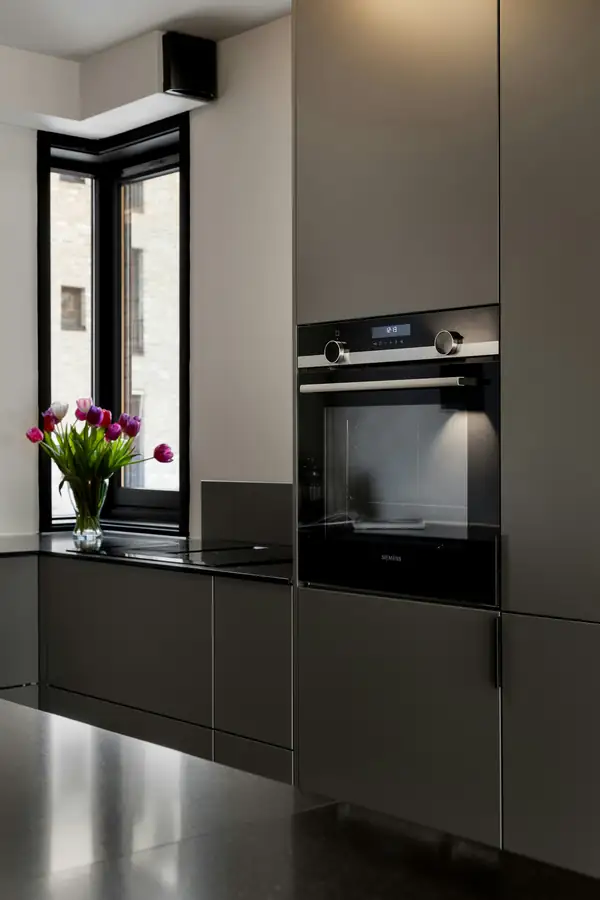
Modern kitchens thrive on technology. Integrating smart solutions boosts efficiency and accuracy. Automated systems help streamline daily operations.
Consider installing kitchen display systems for real-time order tracking. These systems reduce errors and speed up service. They also enhance communication between kitchen staff and servers.
Energy-efficient appliances should be prioritized. Look for models with smart features that reduce energy use. This choice not only cuts costs but also minimizes environmental impact.
Explore these technological enhancements:
- Implement kitchen display systems for better order management
- Use smart appliances to cut energy costs
- Adopt inventory management software for accurate stock control
By embracing technology, your kitchen remains competitive and prepared for future challenges.
9. Design for Sustainability and Waste Management
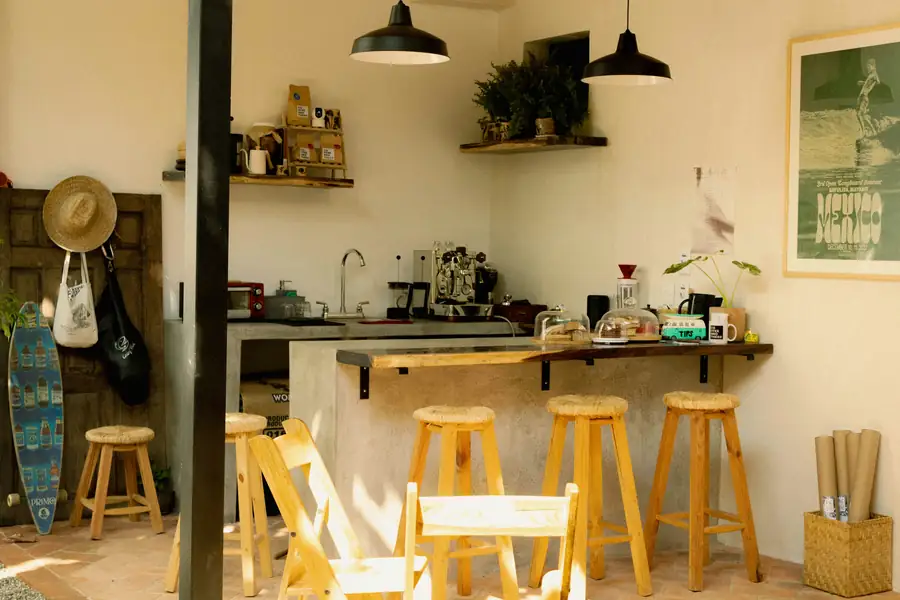
Sustainability in kitchen design is more crucial than ever. Efficient waste management saves costs and benefits the environment. Implementing eco-friendly practices can enhance your brand's reputation.
A key step is setting up a comprehensive recycling program. Ensure staff have clear guidelines and easy access to recycling bins. This helps reduce landfill waste and fosters a culture of responsibility.
Choose equipment that supports minimal energy and water usage. Investing in resource-efficient appliances reduces operational costs. Biodegradable or reusable materials for storage and packaging also contribute to sustainability goals.
To design sustainably:
- Implement a robust recycling initiative
- Use equipment that conserves energy and water
- Opt for biodegradable and reusable materials
Prioritizing sustainability supports your kitchen's longevity. Customers appreciate environmentally-conscious businesses, potentially boosting customer loyalty and satisfaction. Through intentional design, your kitchen can be both efficient and eco-friendly.
10. Balance Aesthetics with Functionality
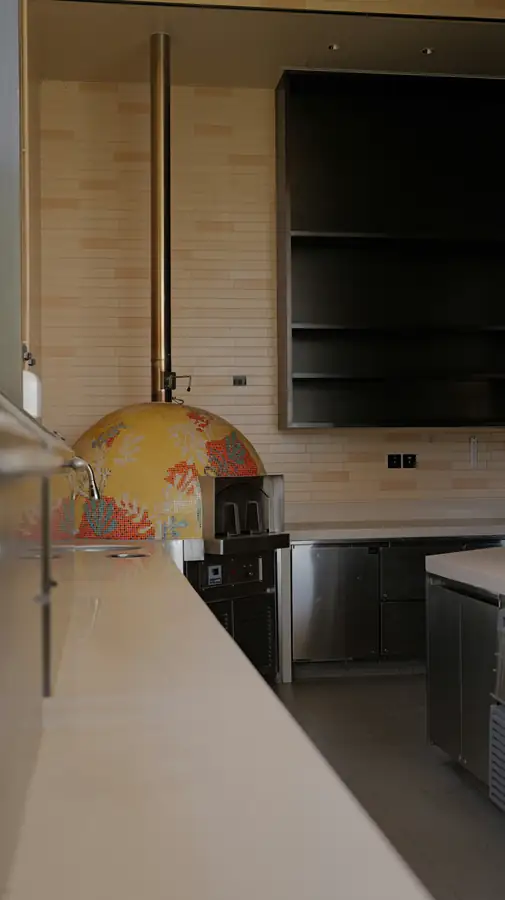
A well-designed kitchen should be both beautiful and practical. Aesthetic appeal enhances the dining experience but should not compromise functionality. Finding the right balance is key to success.
Consider using colors and materials that fit your restaurant's theme. This creates a cohesive look while ensuring surfaces are durable. Functional beauty means choosing materials that are easy to maintain.
Integrate decorative elements without disrupting workflow efficiency. Ensure all design choices enhance the kitchen's usability. Remember, a stylish yet efficient kitchen boosts staff morale and customer satisfaction.
To achieve this balance:
- Use cohesive colors and materials
- Ensure decor doesn't impede workflow
- Select easy-to-clean and durable surfaces
Striking the right balance influences both employee productivity and customer perception.
Bonus Tips for Future-Proofing Your Kitchen
Future-proofing your kitchen ensures it stands the test of time. Anticipating future needs can save money and minimize disruptions later. A few strategic steps can help keep your kitchen relevant.
First, consider scalability when choosing equipment and layout. Modular equipment provides flexibility to adapt to new demands. Ensure your design can accommodate evolving menus and cuisines.
Incorporate sustainable practices to stay ahead of regulations and public expectations. Efficient energy use and waste management are both environmentally friendly and cost-effective. Planning for technological advancements is also essential.
To future-proof your kitchen:
- Plan for scalability with flexible equipment
- Adopt sustainable practices early
- Stay open to integrating new technology
By taking these proactive steps, your commercial kitchen will remain efficient and effective for years to come. The foresight in design can also enhance the overall value of your business.
Common Mistakes to Avoid in Commercial Kitchen Design
Designing a commercial kitchen involves complex decisions. However, some common pitfalls can undermine efficiency. Being aware of these mistakes is crucial for achieving a seamless operation.
One frequent error is neglecting proper workflow, which can lead to bottlenecks during peak hours. Failing to integrate staff input can also result in impractical designs. Overlooking storage needs often leads to clutter and inefficiency.
To avoid these issues, keep the following in mind:
- Prioritize workflow for peak efficiency
- Seek input from kitchen staff during design
- Ensure ample storage for seamless operations
Avoiding these common mistakes will enhance the functionality and efficiency of your kitchen. Paying attention to these details can provide long-term benefits.
Design Your Efficient Commercial Kitchen with Equipment from The Horeca Store
An efficient commercial kitchen starts with the right equipment and layout. The Horeca Store offers a complete range of commercial kitchen equipment, including cooking equipment, refrigeration units, prep tables, stainless steel workstations, storage solutions, ventilation systems, and dishwashing equipment. Our extensive selection helps restaurants, hotels, cafés, bakeries, cloud kitchens, and catering businesses create productive workspaces that maximize efficiency, improve workflow, and support food safety.
Whether you're designing a new commercial kitchen or renovating an existing one, The Horeca Store provides high-quality equipment from trusted brands to suit every kitchen size and budget. Our experienced team can help you select the right products to optimize space, streamline operations, and enhance staff productivity. With competitive pricing, expert guidance, and reliable customer service, The Horeca Store is your trusted partner for building a commercial kitchen that delivers exceptional performance and long-term value.
Conclusion: Bringing It All Together
Designing an efficient commercial kitchen is essential for a successful restaurant operation. By following these 10 expert tips, you can create a layout that enhances workflow and maximizes space. Focus on ergonomics, equipment placement, and staff needs to boost productivity.
Incorporate sustainability and technology to future-proof your kitchen. Remember to balance functionality with aesthetics for an inviting atmosphere. Consistent evaluation and adjustments will help maintain efficiency over time. Implement these strategies to ensure your kitchen remains at the forefront of efficiency and design innovation.