
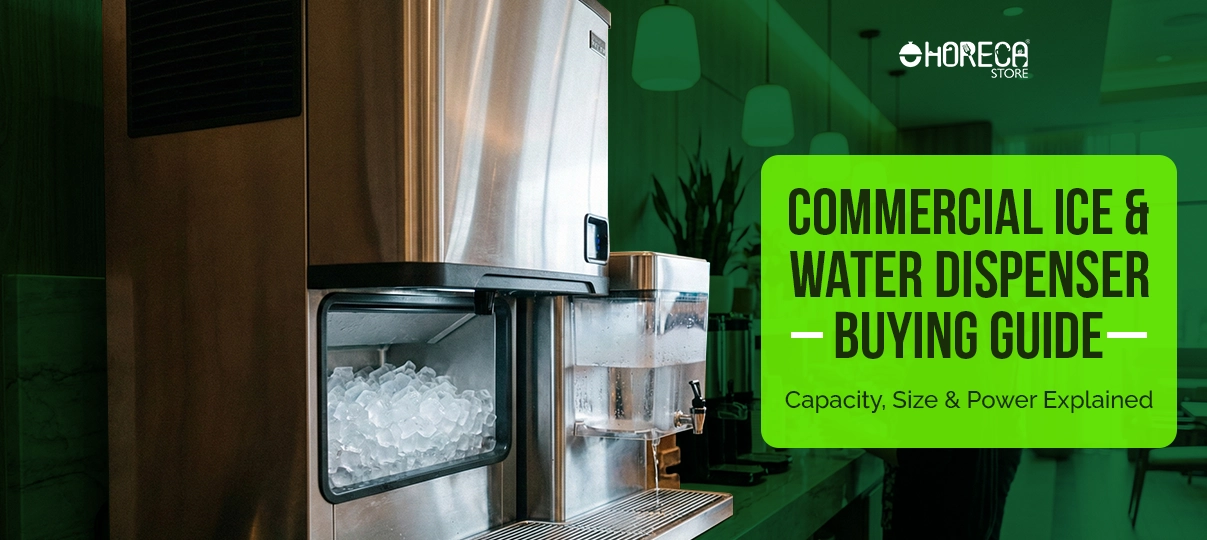
Choosing the right commercial ice and water dispenser is crucial for any business. It impacts efficiency and customer satisfaction.
This guide will help you make an informed decision. We'll explore key factors like capacity, size, and power.
Capacity determines how much ice and water your machine can produce and store. It's vital for meeting demand.
Size matters too. Your dispenser should fit your space and serve your needs without hassle.
Power consumption affects your bottom line. Energy-efficient models can save money over time.
Different ice types suit different applications. We'll discuss which might be best for you.
Water dispensers can be standalone or integrated with ice makers. We'll cover both options.
By the end, you'll know what to look for in a dispenser. Let's dive in!
Understanding Commercial Ice and Water Dispensers
Commercial ice and water dispensers are vital in the hospitality and food service industries. These machines streamline operations by offering a steady supply of ice and water.
Understanding how they function can enhance your decision-making process. They come in various designs, each with unique capabilities to suit different business needs.
Key benefits include:
- Consistent ice production.
- Fast, efficient water dispensing.
- Space-saving designs.
- Enhanced energy efficiency.
Their durability makes them a worthy investment for long-term usage. Stainless steel models resist corrosion and offer longevity.
Choosing the right dispenser involves understanding your business’s specific needs. This includes assessing production capacity, space requirements, and installation needs.
Investing in a quality dispenser can improve service efficiency. This ultimately leads to increased customer satisfaction and operational efficiency. By choosing wisely, you ensure seamless service and reduced operational hiccups.
Types of Commercial Ice and Water Dispensers
Choosing the right type of commercial ice and water dispenser is crucial for meeting your business needs. There are several types to consider, each suitable for different environments and requirements.
- Modular Dispensers: These consist of separate ice-making units and storage bins.
- Undercounter Models: These fit snugly beneath counters, saving space.
- Countertop Models: Perfect for limited space and easy access.
- Self-Contained Units: These combine the ice maker and bin in one unit.
- Manual Fill Dispensers: No need for plumbing, making them portable.
Selecting the appropriate style involves considering your space and ice production needs. Modular units are excellent for large-scale operations requiring high capacity.
Some businesses might prefer undercounter or countertop models for their compact designs. These models simplify installation while providing efficient service.
It's also essential to consider water dispenser and ice maker integration. Self-contained units offer a seamless solution with lower space demands.
Choosing correctly can enhance operational efficiency. It can also ensure a steady ice and water supply, crucial during peak times.
Modular Dispensers
Modular dispensers separate the ice-making head from the storage bin. This design allows flexibility, as you can pair the head with different bins.
They are ideal for businesses with high ice demands. Key features include:
- High production rates.
- Easy upgrades and replacement options.
- Versatility with different configurations.
Modular dispensers cater to varied environments, from large venues to busy restaurants. They provide tailored solutions for high-volume requirements.
Undercounter and Countertop Models
Undercounter and countertop models offer space-saving advantages. Undercounter units fit snugly beneath counters, optimizing workspace.
Countertop models are accessible and easy to install. Their compact design suits businesses with limited space.
Benefits include:
- Space efficiency.
- Ease of installation.
- Versatility in placement.
These models work well for offices, cafes, and small restaurants. Their size and efficiency make them suitable where space is at a premium.
They offer great value with their ease of access and reduced footprint. This combination makes them a popular choice among small to mid-sized establishments.
Self-Contained and Manual Fill Dispensers
Self-contained dispensers combine ice production and storage in one unit. This design simplifies installation and conserves space.
They are ideal for mid-sized operations with moderate ice needs. Benefits include:
- Ease of setup.
- No need for separate storage bins.
- Compact footprint.
Manual fill dispensers require no direct water line connection. They work well in environments where plumbing options are limited.
These models provide easy mobility and installation flexibility. They are suitable for temporary setups or locations with limited water access.
Key Factors: Capacity, Size & Power
Selecting a commercial ice and water dispenser involves understanding three key factors: capacity, size, and power. Each of these elements plays a crucial role in ensuring efficient operation.
Capacity is critical because it dictates how much ice your machine can produce and store. Businesses need to balance production capacity with storage to maintain a steady supply. A dispenser with inadequate capacity can lead to shortages during busy periods.
Consider these capacity points:
- Daily ice production in pounds.
- Storage bin size in relation to usage.
- Peak demand versus regular operation needs.
Size and space are equally important. The available space in your business dictates the type of dispenser you can install. Space constraints often influence whether you choose undercounter or larger modular units.
Size considerations include:
- Available counter or floor space.
- Accessibility for staff and customers.
- Compatibility with existing kitchen configurations.
Power consumption impacts operating costs significantly. Energy-efficient models, while sometimes more expensive upfront, reduce long-term expenses. They help in minimizing the environmental footprint as well.
Power efficiency highlights:
- Energy Star certification.
- Operational cost over time.
- Eco-friendly features like power-saving modes.
By carefully evaluating these factors, businesses can make informed decisions. Such evaluations ensure they select a dispenser that meets both operational and budgetary needs.
Ice Production and Storage Capacity
When considering a dispenser, ice production and storage capacity are primary concerns. High-capacity machines are suited for busy establishments with a high turnover.
Determining the right production level involves assessing daily requirements. Restaurants typically need more ice during peak hours, such as meal times.
Key capacity indicators:
- Pounds of ice produced per day.
- Ice storage bin capacity.
- Rate of ice dispensing to users.
It's important to match production capabilities with storage to avoid overflow or shortages. Proper capacity ensures your business runs smoothly even during busy periods.
High-demand venues like hotels often require separate storage solutions for optimal service. Tailoring production to your specific needs keeps operations efficient and customers satisfied.Dispenser Size and Space Considerations
The physical dimensions of your ice and water dispenser affect where and how it can be installed. Businesses with limited space need compact solutions that maximize functionality.
Undercounter models make use of previously unused space. They offer high performance without occupying valuable floor space.
Size-related factors:
- Minimum installation clearances.
- Portability and ease of relocation.
- Fit with existing equipment layouts.
Countertop models cater to those needing easy access and can be more user-friendly. Planning for space involves understanding workflow and how the dispenser will be used.
Optimizing placement can improve service speed and efficiency. Thoughtful layout planning ensures the dispenser integrates seamlessly into your business environment.
Power Consumption and Energy Efficiency
Power consumption is a critical aspect to evaluate when buying a dispenser. An energy-efficient model not only lowers utility bills but also supports sustainability goals.
Energy Star-certified machines often use less electricity. This certification provides an assurance of energy-saving capabilities, which are essential for cost management.
Energy considerations:
- Certification by recognized energy-efficient programs.
- Potential savings on power bills.
- Feature options like standby modes.
Dispenser power usage also impacts environmental impact. Eco-friendly models can contribute positively to a company’s green initiatives.
Selecting the right model requires balancing initial expenses with energy-saving benefits. These savings can accumulate significantly over the lifetime of the machine.
Ice Types and Their Applications
When selecting a commercial ice and water dispenser, understanding the types of ice available is essential. Each type serves a different purpose and suits various applications.
Ice cubes are the most common form. They melt slowly, keeping drinks cold for longer, which is ideal for restaurants and bars.
Nugget ice, also known as chewable ice, is popular in healthcare facilities due to its soft texture. It's favored in beverages that require easy consumption.
Popular ice types include:
- Cube ice for cocktails and soft drinks.
- Nugget ice for healthcare and refreshments.
- Flake ice for food display and preservation.
Flake ice has unique uses, primarily in food displays and preservation. Its moldable properties make it perfect for seafood and produce presentations.
Understanding the application of each ice type ensures that the chosen dispenser meets specific business needs and enhances customer satisfaction.
Water Dispenser Features and Options
Commercial ice and water dispensers come with various features designed to enhance functionality. Understanding these options can help you make an informed choice.
Water filtration is crucial for ensuring clean and great-tasting water. Many dispensers include built-in filtration systems to remove impurities.
Some models offer touchless operation for improved hygiene. This feature is particularly useful in high-traffic areas where minimizing contact is essential.
Key features to consider:
- Built-in water filtration systems
- Touchless operation for hygiene
- Dual temperature settings
- Adjustable flow rates
Dual temperature settings provide flexibility, allowing both hot and cold water dispensing. This is beneficial for businesses that offer a range of beverage options.
Adjustable flow rates ensure efficient service during peak times. This feature allows for quick dispensing, reducing wait times for customers.
Selecting the right features can greatly enhance the functionality and customer satisfaction of your dispenser.
Installation Requirements and Considerations
Proper installation is key to maximizing the efficiency of your ice and water dispenser. Ensure you have a suitable spot with sufficient space.
Different models have varied plumbing and electrical needs. Verify compatibility with your current systems before purchase.
Important installation factors:
- Proximity to plumbing and electrical outlets
- Accessibility for maintenance
- Adequate clearance for ventilation
- Stability on a level surface
Check that there's convenient access for cleaning and maintenance. This eases routine checks and prolongs the life of the dispenser.
Ventilation is crucial for optimal operation. Avoid placing the machine in cramped spaces without proper airflow.
A stable, level surface prevents wobbling, enhancing safety and efficiency. Taking these installation considerations into account ensures your dispenser performs effectively and reliably.
Maintenance, Cleaning, and Hygiene
Keeping your commercial ice and water dispenser clean is vital for hygiene. Routine maintenance helps prolong the machine’s lifespan.
A consistent cleaning schedule prevents bacterial growth and ensures efficiency. It’s essential for meeting health and safety standards.
Here are some key practices:
- Regularly empty and sanitize the storage bin
- Clean and descale the ice machine components
- Inspect and replace water filters routinely
Neglecting these tasks can lead to poor performance and health hazards. Regular maintenance prevents costly breakdowns and repairs.
Employing a methodical approach ensures your dispenser stays in pristine working condition. This not only satisfies hygiene requirements but also enhances customer satisfaction.
Routine Cleaning Schedule
Establishing a regular cleaning routine is fundamental. A schedule streamlines tasks and ensures nothing is overlooked.
Your cleaning frequency depends on usage levels and model type. For high-use dispensers, weekly cleaning is advisable.
Suggested cleaning intervals:
- Daily: Wipe down surfaces and clean spillages
- Weekly: Sanitize water lines and exterior
- Monthly: Complete a full cleaning cycle
Ensure your schedule is feasible and adhered to. Keeping a log can help track completed tasks and remind staff of upcoming duties.
A diligent routine reduces malfunctions and enhances user satisfaction. It’s crucial for maintaining a hygienic and efficient environment.
Step-by-Step Cleaning Process
An organized cleaning process ensures thorough sanitation. By breaking it into steps, you cover all necessary areas.
Begin with preparation: gather cleaning tools and wear protective gear. Turn off and unplug the dispenser before starting.
Cleaning process steps:
- Remove and sanitize all removable parts
- Clean the interior with a gentle solution
- Rinse with clean water, leaving no residue
Continue by wiping down the exterior surfaces. Pay attention to handles and buttons, areas where germs often accumulate.
Finally, check the water filters and replace them if needed. Reassemble the parts and restart the machine once everything dries.
This method ensures comprehensive cleaning. It maintains the dispenser’s efficiency and upholds hygiene standards.
Advanced Features and Smart Technology
Modern commercial ice and water dispensers boast advanced features, enhancing user experience and efficiency. Smart technology brings convenience and cost-savings.
Some dispensers offer remote monitoring and control through mobile apps. This feature allows businesses to adjust settings, monitor ice levels, and receive maintenance alerts from anywhere.
Key advanced features:
- Smart sensors for automated ice production
- Energy-saving modes and scheduling
- Remote operation and diagnostics
These technologies ensure optimal performance, reducing downtime and manual interventions. Smart dispensers also contribute to energy efficiency, lowering operational costs.
Adopting smart features aligns your business with technological advancements. It enhances convenience and offers better service to customers, giving you a competitive edge.
Cost Considerations: Initial and Long-Term
Investing in a commercial ice and water dispenser requires careful budgeting. Initial costs can vary significantly based on features and capacity.
While a higher-end model may have a steeper price, it often offers long-term savings. Consider energy-efficient models, which can reduce monthly utility bills over time.
Operational costs extend beyond electricity. Regular maintenance and potential repairs should be factored into your budget. Ensuring easy access to replacement parts is also vital.
Key cost factors to consider:
- Initial purchase price
- Energy consumption rates
- Maintenance and repair expenses
Evaluating all these factors helps in choosing the most cost-effective dispenser. Opt for models with robust warranties, as they offer financial protection against unexpected issues.
Balancing quality with affordability ensures that your investment supports your business needs effectively and economically.
Choosing the Right Dispenser for Your Business
Selecting the best ice and water dispenser involves careful consideration of various factors. Begin by assessing your business's specific needs.
Understand your peak demand for ice and water. This helps determine the necessary production and storage capacity for your dispenser.
Consider the space available for installation. Measure the area to ensure compatibility with the dispenser's dimensions.
Explore features that align with your business priorities, such as energy efficiency or smart technology options.
Consider these steps:
- Define your capacity requirements
- Measure installation space
- Identify preferred features
By evaluating these aspects, you can find a dispenser that fits seamlessly with your operations. A well-suited model enhances efficiency and customer satisfaction.
Choosing wisely means not only meeting current demands but also anticipating future needs as your business grows.
Buy Commercial Ice and Water Dispensers from The Horeca Store
At The Horeca Store, you can find high-quality commercial ice and water dispensers designed for restaurants, hotels, cafés, offices, and other foodservice businesses. Our equipment offers reliable ice production, efficient performance, durable construction, and user-friendly designs to support daily operations.
Along with ice and water dispensers, The Horeca Store provides a complete range of commercial kitchen equipment, refrigeration solutions, ice machines, beverage equipment, and hospitality supplies to help businesses improve efficiency and deliver excellent service.
Conclusion and Final Checklist
Investing in a commercial ice and water dispenser is a significant decision. It impacts both operational efficiency and customer satisfaction. Thoughtful consideration ensures you choose the best unit for your needs.
Prioritize factors like capacity, size, and power. Don't overlook additional features that enhance the user experience. Regular maintenance remains crucial for long-term performance and hygiene.
Use this final checklist to guide your decision:
- Assess daily and peak usage demands
- Measure available installation space
- Compare power and energy efficiency ratings
- Select a model with preferred ice type options
- Check maintenance requirements and ease of cleaning
Following this checklist helps streamline your selection process. Ensure your investment meets your business's functional needs and operational goals.