
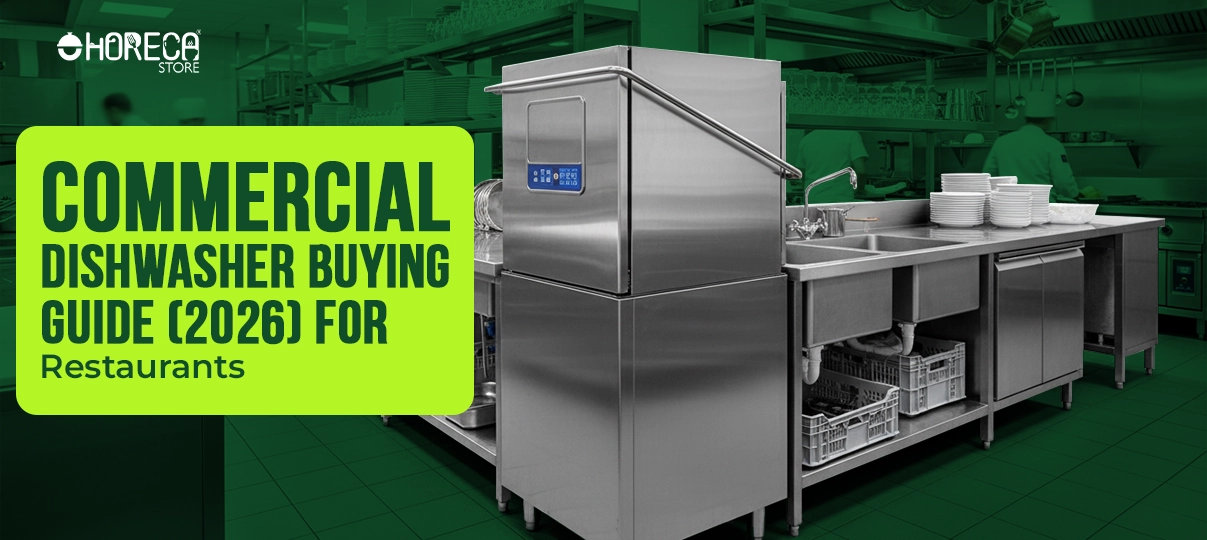
In the bustling world of restaurants, efficiency is key. A commercial dishwasher is a vital piece of commercial kitchen equipment. It ensures cleanliness and hygiene, which are paramount in food service.
Choosing the right dishwasher can be daunting. There are many types and features to consider. This guide will help you navigate the options available in 2026.
From undercounter to conveyor models, each type serves a specific need. Understanding these differences is crucial for making an informed decision.
Energy efficiency is another important factor. It affects both operational costs and environmental impact. Look for Energy Star-rated models for optimal savings.
Restaurant equipment suppliers offer a range of options. They can provide valuable advice tailored to your needs.
Proper installation and maintenance are essential. They ensure longevity and compliance with health regulations.
This guide will cover everything you need to know. From types and features to budgeting and maintenance, we've got you covered.
Why Commercial Dishwashers Matter in Modern Restaurants
Commercial dishwashers play a critical role in any restaurant. They ensure cleanliness and speed up kitchen operations. In today’s fast-paced dining environments, efficiency is crucial.
Consistency in hygiene is a must for customer safety. Dishwashers deliver this consistency better than handwashing ever could. This is especially important when health inspections arise.
Commercial dishwashers also contribute to a smoother workflow. By reducing manual labor, they free up staff for other tasks. This improves overall productivity during peak hours.
Several benefits come from using commercial dishwashers:
- Consistent sanitation and cleanliness
- Faster turnaround of tableware
- Reduced labor and increased efficiency
Investing in the right dishwasher elevates service quality. This makes the dining experience better for both staff and patrons.

Types of Commercial Dishwashers Explained
Different types of commercial dishwashers suit various restaurant needs. Understanding each type can help in making informed purchase decisions.
Restaurants with limited space often choose compact models. Undercounter dishwashers fit this requirement perfectly. They offer efficiency without taking up much room.
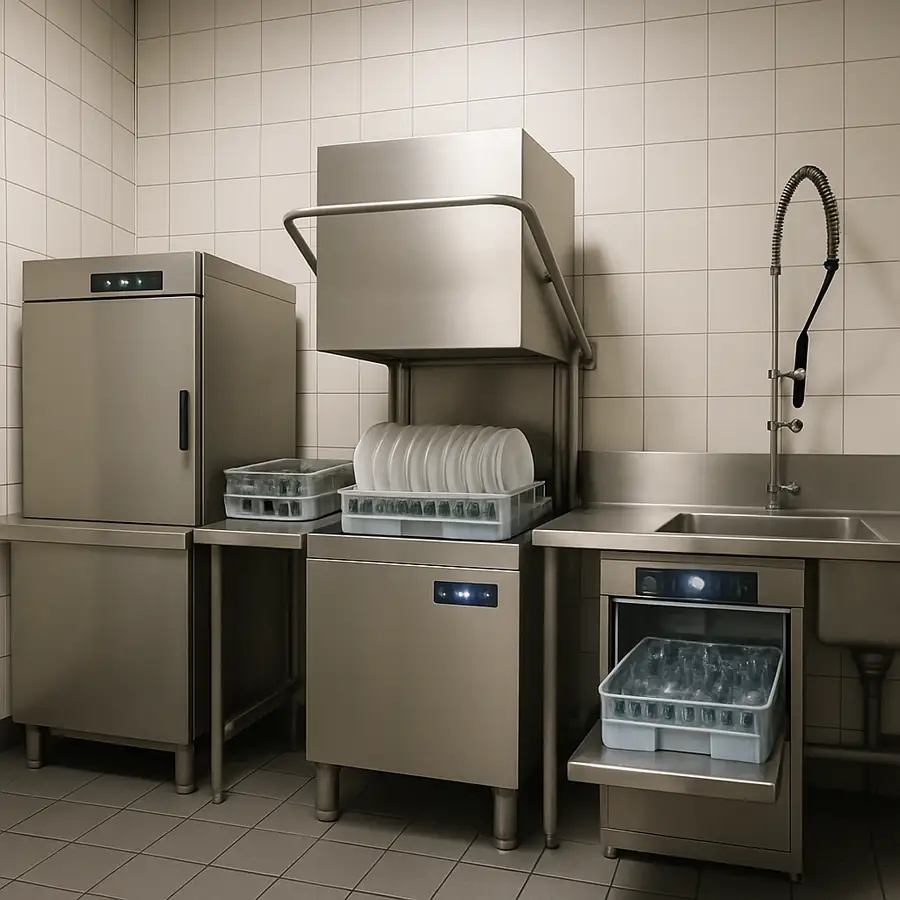
Door-type dishwashers are more powerful. They cater to medium and large establishments. Their design handles a larger volume of dishes efficiently.
For even higher demands, conveyor and flight-type dishwashers exist. These machines process large volumes quickly. They are ideal for bustling venues such as cafeterias.
Besides these, specialized dishwashers serve unique functions. They are designed specifically for cleaning glassware, pots, and pans. Choosing the right type boosts kitchen efficiency and maintains cleanliness.
- Undercounter Dishwashers
- Door-Type Dishwashers
- Conveyor Dishwashers
- Flight-Type Dishwashers
Undercounter Dishwashers: Compact and Efficient
Undercounter dishwashers are a popular choice for small eateries. They fit snugly below countertops, maximizing space efficiency.
These machines offer quick cycles, handling dishes at a rapid pace. They're perfect for businesses that want speed without compromising space.
Benefits of undercounter dishwashers include:
- Compact design ideal for small spaces
- Quick dishwashing cycles
- Lower energy and water usage
They are efficient and budget-friendly. Restaurants with limited space find them to be a vital asset.
Door-Type Dishwashers: The Industry Standard
Door-type dishwashers provide reliability for many restaurants. Their robust design meets the demands of medium to high-output kitchens.
These units typically handle larger loads than undercounter models. They are more suited to busier service environments.
Advantages of door-type dishwashers include:
- Efficient for higher volumes
- Durable and robust construction
- Easy to maintain and service
These dishwashers are adaptable and manage heavy workloads with ease. They suit restaurants that need dependable, straightforward solutions.
Conveyor and Flight-Type Dishwashers: For High Volume
Conveyor and flight-type dishwashers cater to high-demand scenarios. These units work best in large operations like hotels or cafeterias.
Conveyor models continuously wash with moving belts. Flight-types take it further, processing vast quantities quickly.
They offer these benefits:
- Streamlined operations for large volumes
- Continuous washing cycles
- Time-saving and labor-efficient
Their ability to handle substantial loads makes them invaluable in bustling kitchens. They ensure efficient and rapid service without delays.
Specialized Dishwashers: Glass, Pot, and Pan Washers
Specialized dishwashers focus on specific items. Glass washers are gentle yet effective, maintaining shine and clarity.
Pot and pan washers handle heavy residue effortlessly. Their robust design tackles the toughest cleaning tasks.
Benefits of these specialized units include:
- Tailored cleaning for specific items
- Efficient handling of tough residues
- Preservation of delicate glassware
Choosing a specialized model ensures specific needs are met without compromise.
Key Features to Consider When Buying
When selecting a commercial dishwasher, it's essential to evaluate certain features that impact performance and efficiency. Not every dishwasher suits all needs, so understanding key features can lead to a wise purchase.
Durability is a primary concern. Stainless steel construction ensures long-lasting, low-maintenance performance. It's resistant to stains and damage.
Capacity and cycle times are critical. These determine how well the dishwasher can handle peak periods. Choose models that align with your service demands.
Advanced features enhance functionality. Look for options like programmable cycles or built-in water softeners. These features save time and optimize cleaning results.
Noise levels vary between models. For open kitchens, quieter machines improve the dining experience. Choose models with noise-dampening features.
Consider:
- Stainless steel construction
- Adequate capacity for peak times
- Advanced programmable cycles
Additional features:
- Built-in water softeners
- Energy and noise efficiency
- Ease of use and maintenance
High-Temperature vs. Low-Temperature Dishwashers
Choosing between high and low-temperature dishwashers impacts both hygiene and energy use. Understanding their differences helps make an informed decision.
High-temperature models sanitize using heat. They typically require a booster heater to achieve the necessary temperatures. This method is effective and fast.
Low-temperature dishwashers use chemical sanitizers instead of high heat. They are more energy-efficient, but need special attention to the chemical costs and handling.
Consider the following when choosing:
- Sanitation needs
- Energy consumption
- Chemical costs and handling
Each type suits different restaurant requirements. Check local health codes, as they may influence your choice. Balancing these factors ensures the right model for your kitchen.
Energy and Water Efficiency: Saving Costs and the Environment
Energy-efficient dishwashers not only lower bills but also lessen environmental impact. Opting for an Energy Star-rated model ensures reduced energy and water usage, aligning with sustainable practices.
Efficient water use reduces utility costs while aiding conservation efforts. Some models feature eco-friendly wash cycles designed to save resources without compromising cleanliness. These cycles make them ideal for environmentally conscious restaurants.
When evaluating efficiency, consider:
- Energy Star certification
- Water consumption rates
- Eco-friendly wash options
Investing in an efficient dishwasher supports both financial savings and ecological responsibility. You achieve a balance between exceptional performance and sustainability.
Sizing, Capacity, and Speed: Matching Your Needs
Choosing the right commercial dishwasher involves assessing size, capacity, and speed to meet your restaurant's needs. A dishwasher too small may impede efficiency, while one too large can waste resources.
Capacity should align with your peak dining hours, ensuring quick turnaround times. Larger units process more dishes but require more space, impacting your kitchen layout. Consider your kitchen's available space when selecting a model.
Speed is crucial for keeping up during busy periods. Faster cycle times mean dishes return to service sooner. Key considerations include:
- Available kitchen space
- Peak dining hours
- Desired cycle speed
These factors are vital to maintain a seamless kitchen workflow.
Installation Requirements and Best Practices
Proper installation ensures your commercial dishwasher operates efficiently and complies with regulations. Incorrect setup can lead to costly repairs and downtime.
Before installation, verify that your kitchen's plumbing and electrical systems meet the dishwasher's requirements. Consult with a professional installer to align with health codes.
Key installation best practices include:
- Ensuring adequate water pressure
- Verifying proper drainage
- Confirming electrical compatibility
Following these steps minimizes potential issues and helps maintain optimal performance.
Maintenance, Cleaning, and Longevity
Regular maintenance is crucial for extending the lifespan of commercial dishwashers. Ignoring upkeep can lead to frequent breakdowns and reduced efficiency. Routine care ensures consistent performance and hygiene.
To maintain your dishwasher, follow these cleaning steps:
- Clean filters and spray arms weekly
- Inspect gaskets for wear
- Remove mineral deposits
These simple tasks prevent major issues and keep your dishwasher running smoothly.
In addition, schedule professional maintenance checks to identify potential problems early. This proactive approach can save time and money by preventing costly repairs.
Budgeting: Costs, Leasing, and Total Cost of Ownership
Purchasing a commercial dishwasher involves various costs. Initial purchase prices can vary significantly based on type and features. It's important to consider your budget and determine the best option for your restaurant.
Leasing might be a viable alternative for managing upfront costs. Leasing offers flexibility and can ease financial strain, especially for new establishments. Consider a leasing plan if budgeting is a concern.
Here are factors to consider when evaluating total cost of ownership:
- Purchase price
- Installation costs
- Maintenance expenses
Operating costs also contribute to the overall expense. Factor in utilities and potential repairs when planning your budget.
Additionally, some suppliers offer attractive financing options. Consult with restaurant equipment suppliers to explore flexible payment plans.
Top Brands and How to Choose a Supplier
Selecting a trusted brand is vital for reliability and support. Leading brands like Hobart, Jackson, and Meiko offer various models for different needs. They are known for durability and innovative features.
Choosing the right supplier can impact your purchase experience. Seek suppliers who are well-reviewed and experienced. They should offer excellent customer service and support.
When assessing suppliers, consider the following:
- Reputation in the market
- Service packages and warranties
- Availability of parts and maintenance support
These factors can ensure a smooth and beneficial purchase process.
Accessories and Add-Ons for Enhanced Performance
Enhance your dishwasher's efficiency with the right accessories. Add-ons can streamline operations and extend equipment life. They offer customized solutions for diverse cleaning needs.
Popular dishwasher accessories include:
- Dish Racks for organized loading
- Water Softeners to prevent scale buildup
- Pre-rinse Units for tough residue removal
These additions can significantly improve dishwasher functionality, ensuring optimal performance.
Staff Training and Operational Tips
Proper staff training is vital for efficient dishwasher operation. It reduces errors and prolongs the machine's lifespan. Teach staff correct loading techniques and basic troubleshooting skills for best results.
Key operational tips include:
- Regular Cleaning of filters and spray arms
- Correct Use of detergents and rinse aids
- Monitoring cycle times closely
Consistent training ensures smooth dishwasher operations and maximizes efficiency.
Troubleshooting and Common Issues
Troubleshooting can resolve many dishwasher issues and prevent downtime. Regular checks on performance can catch problems early. This minimizes disruptions during peak hours.
Frequent problems include:
- Clogged Filters leading to inefficient cleaning
- Leaking Water from seals or hoses
- Inconsistent Heating affecting sanitation
Addressing these issues requires regular maintenance. Consulting the manufacturer's guide can aid in identifying specific faults quickly.
Buy Commercial Dishwashers from The Horeca Store
A reliable commercial dishwasher is essential for maintaining hygiene, speeding up kitchen operations, and ensuring a continuous supply of clean dishes during busy service hours. The Horeca Store offers a wide range of commercial dishwashers for restaurants, hotels, cafés, bakeries, catering businesses, and institutional kitchens. From undercounter and door-type models to conveyor and flight-type dishwashers, our selection is designed to deliver outstanding cleaning performance while reducing water, energy, and labor costs.
Whether you're opening a new foodservice business or upgrading your existing dishwashing system, The Horeca Store provides high-quality commercial dishwashers from trusted brands at competitive prices. Our experts can help you choose the right dishwasher based on your kitchen size, daily dish volume, and operational requirements. With dependable customer support, genuine commercial equipment, and reliable after-sales service, The Horeca Store is your trusted partner for efficient and long-lasting dishwashing solutions.
Conclusion: Making the Right Choice for Your Restaurant
Choosing the right commercial dishwasher is vital for a restaurant's success. This decision impacts efficiency and hygiene.
Evaluate the various options based on your specific needs and kitchen layout. Focus on energy and water efficiency to manage costs.
Consulting with restaurant equipment suppliers can provide valuable insights and support. They help ensure you select a machine that suits your operational demands effectively.