
In the fast-paced world of culinary arts, efficiency, consistency, and quality are the holy trinity of a successful kitchen. Whether you are running a bustling metropolitan bistro or a high-capacity banquet hall, having the right equipment can make or break your service. Enter the undisputed champion of modern culinary tech: Combi Ovens: The Ultimate Restaurant Cooking Solution.
By seamlessly blending steam and convection heat, these powerhouse appliances have revolutionized the way chefs approach menu execution. If you are looking to upgrade your kitchen, here is everything you need to know about integrating commercial combi ovens into your daily operations.
How Does a Combi Oven Work?
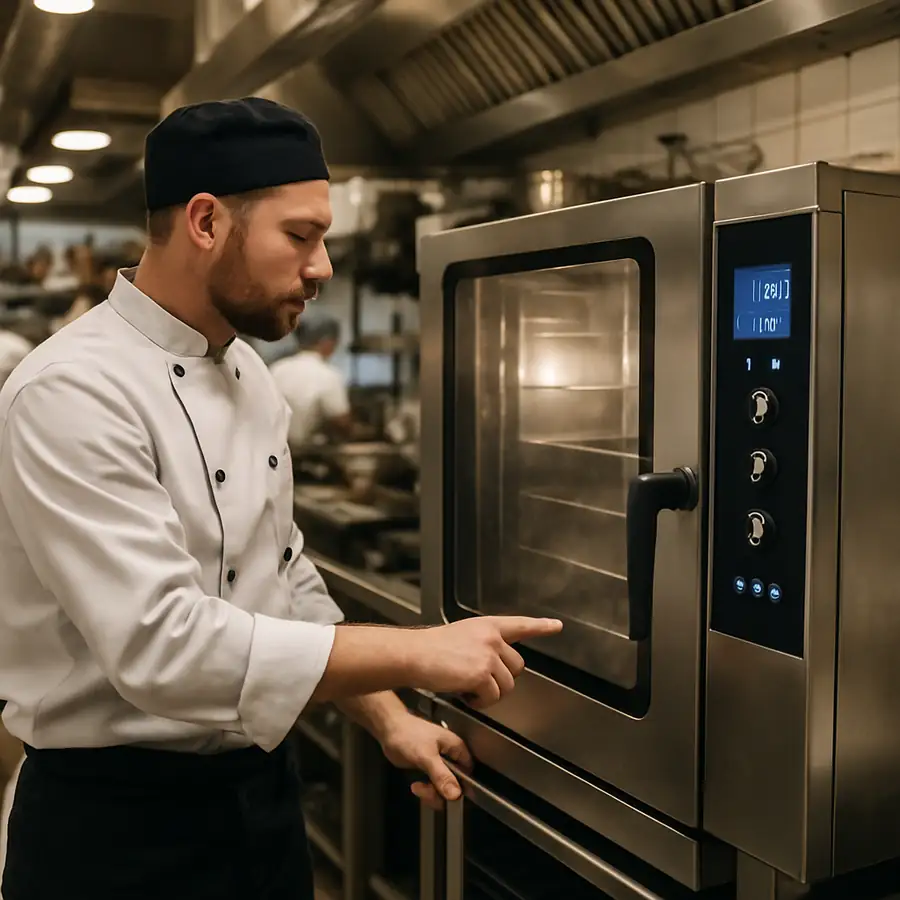
For those new to this technology, you might be wondering: exactly how does a combi oven work? In short, combi ovens operate using three distinct cooking modes:
- Convection Mode: Circulates dry heat, perfect for baking bread or roasting meats to achieve a crispy exterior.
- Steam Mode: Injects water to poach fish, steam vegetables, or cook delicate proteins without drying them out.
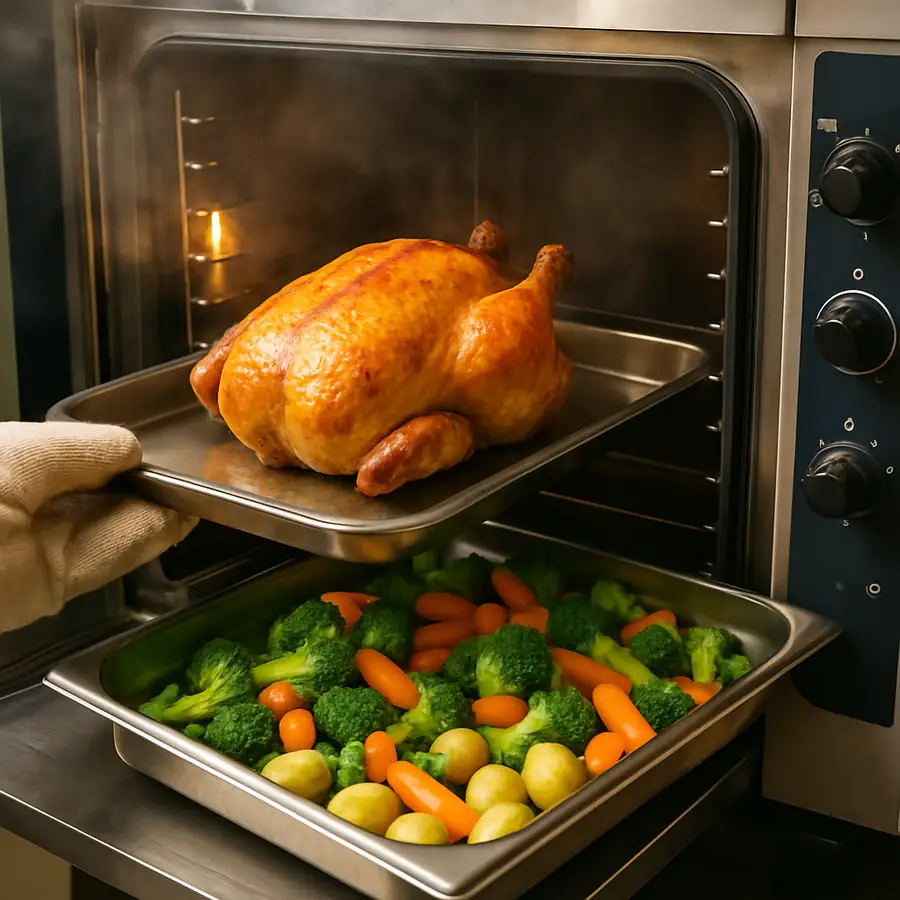
- Combination Mode: The magic happens here. By using both dry heat and steam, the oven cooks food faster while locking in natural juices.
But why use steam injection in ovens? Steam is a highly effective conductor of heat. When introduced into a hot oven environment, it allows you to achieve precise humidity control in commercial cooking. This means a roast beef will develop a beautiful, caramelized crust while remaining incredibly tender and juicy on the inside.
Combi Oven vs Convection Oven Comparison
When performing a combi oven vs convection oven comparison, the differences are stark. While standard convection ovens are excellent at circulating hot air to bake foods evenly, they inherently pull moisture out of the ingredients. A combi oven mitigates this entirely. With a combi, you have absolute control over the climate inside the cooking chamber, giving you far more versatility than a traditional convection unit.
Unbeatable Combi Oven Benefits for Your Kitchen
Investing in this technology offers a multitude of combi oven benefits that directly impact your bottom line.
- Better Yields and Profitability: One of the greatest advantages is reducing food shrinkage in high volume cooking. Because combi oven cooking retains the moisture in proteins, a 10-pound roast won't shrink down to 7 pounds, giving you more portions per cut and instantly boosting your profit margins.
- Space Optimization: Combi ovens are the ultimate space saving commercial kitchen equipment. Because they can roast, steam, sous-vide, bake, and smoke, a single unit can replace your traditional steamer, convection oven, and proofer, freeing up valuable footprint under the hood.
- Lower Utility Bills: The energy efficiency of combi steamers is remarkably high. Because steam transfers heat faster than dry air, cooking times are drastically reduced, saving on electricity or gas.
- Ease of Use: Modern units feature programmable cooking cycles for consistency. A head chef can program a recipe, and a line cook can simply press a button to execute a perfectly cooked dish every single time.
Navigating Combi Oven Features: What to Look For
When it is time to buy combi oven equipment, understanding modern combi oven features will help you make an informed decision.
Boiler vs. Boilerless A common question among restaurateurs is: are boilerless combi ovens better? Boiler-based units produce steam in a separate tank before injecting it into the oven, which is excellent for heavy-duty steaming. Boilerless (or spritzer) models inject water directly onto the heating elements to create steam. Boilerless units generally require less maintenance and have a smaller footprint, making them highly popular, though boiler units are still preferred for massive batch-steaming operations.
Electric vs. Gas While gas models are common, electric combi ovens are gaining massive traction due to their precise temperature control and ease of installation in kitchens without extensive gas line infrastructure.
Smart Technology The best combi ovens today come equipped with advanced tech features. Look for HACCP data logging for food safety, which automatically records cooking temperatures and times, making health inspections a breeze. Additionally, automated self-cleaning oven systems save your staff hours of manual scrubbing at the end of a long shift.
Essential Combi Oven Tips & Maintenance
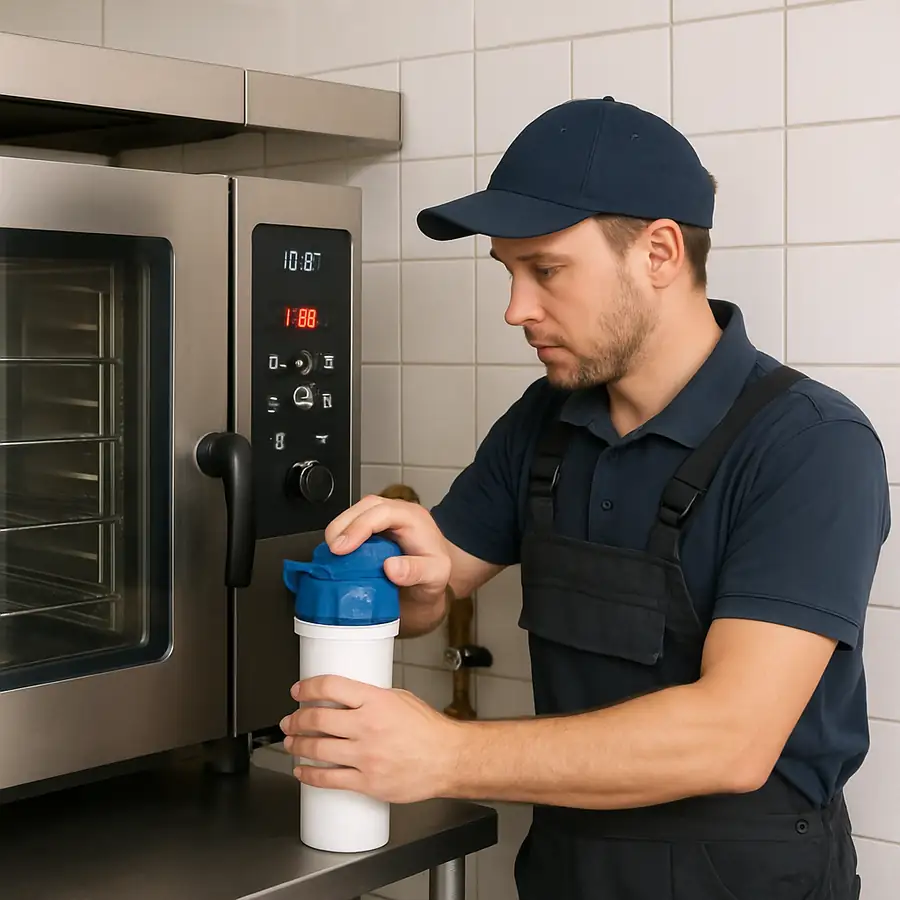
To protect your investment, proper combi oven maintenance is non-negotiable. The single biggest threat to this equipment is scale buildup from hard water.
- Prioritize Water Quality: You absolutely must invest in high-quality water filtration for commercial ovens. Installing dedicated water filters for combi ovens removes minerals that cause limescale, preventing costly breakdowns and extending the lifespan of the machine.
- Daily Cleaning: Even with self-cleaning features, always wipe down the door gaskets daily. Food debris can compromise the seal, leading to heat and steam loss.
- Routine Inspections: A top tip among commercial combi oven maintenance tips is to have a certified technician descale the boiler (if applicable) and check the water lines every six months.
Choosing the Right Model for Your Needs
Before taking the plunge, conducting an industrial kitchen ROI analysis is highly recommended. Calculate your current food shrinkage, labor costs, and energy usage, and compare them against the projected savings of a combi. In most cases, the appliance pays for itself within the first year.
Next, focus on choosing the right combi oven size. They generally range from mini sizes (holding 3-5 pans) to half-size (6-10 pans) and massive roll-in full-size models holding up to 40 pans. Assess your daily cover count and menu mix to find the sweet spot.
Interestingly, the technology has become so highly regarded that we are even seeing a rise in home appliances combi ovens for high-end residential kitchens and private chefs. However, the robust power of combi ovens commercial models remains unmatched for restaurant environments.
Complete Your Restaurant Setup with The Horeca Store
A professional kitchen needs more than high-quality cooking equipment. Reliable takeaway and foodservice supplies are also essential for serving customers efficiently. The Horeca Store offers a wide range of products for restaurants, cafés, catering businesses, and other foodservice operations, including disposable food containers, takeaway cups, coffee cups, disposable cutlery, napkins, and other catering essentials.
Whether you're opening a new restaurant or upgrading an existing commercial kitchen, having the right equipment and dependable foodservice supplies can help you improve efficiency and provide a better customer experience. Explore The Horeca Store for quality hospitality and catering products to support your everyday business needs.
The Bottom Line
Upgrading your kitchen is a big step, but incorporating combi ovens is one of the smartest culinary decisions you can make. From elevating food quality with precise moisture control to saving money through enhanced yields and lower energy consumption, these machines truly are the heart of a modern commercial kitchen. Follow the essential combi oven tips for maintenance and water filtration, and your new oven will serve your team reliably for years to come.