
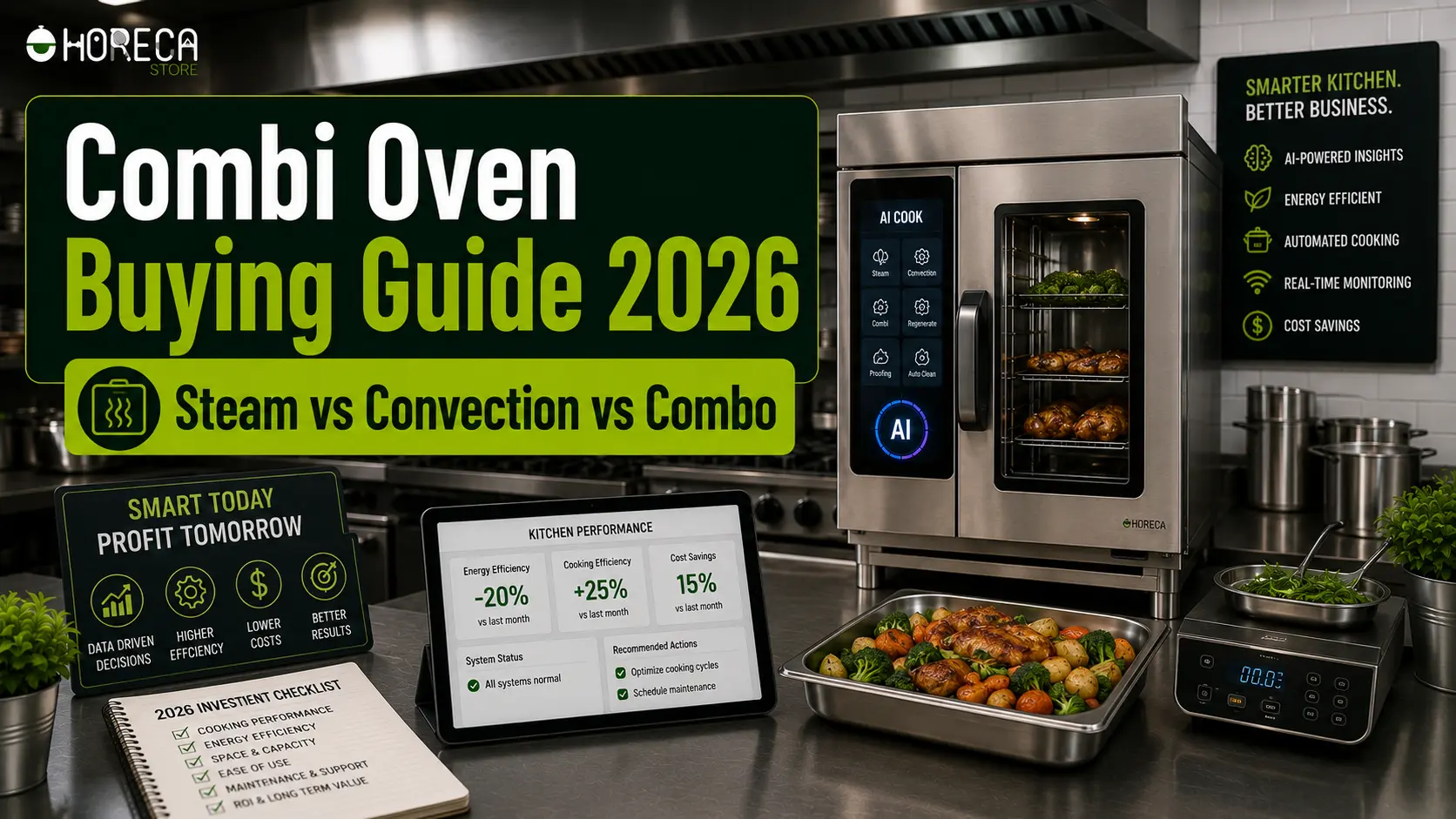
Choosing the right combi oven can transform your kitchen. It offers versatility and efficiency in cooking. But with so many options, where do you start?
This guide will help you navigate the world of combi ovens in 2026. We'll explore steam, convection, and combination cooking methods. Each has unique benefits and features.
Understanding these methods is crucial for making an informed decision. A combi oven can be a significant investment. It's important to choose the right one for your needs.
We'll also look at key features to consider. Size, capacity, and energy efficiency are just a few. Advanced models offer smart technology and programmable settings.
Popular brands like Rational and Alto-Shaam lead the market. We'll compare top models and review their benefits. This will help you find the best fit for your kitchen.
Consider the impact on your kitchen's workflow and efficiency. Combi ovens can reduce cooking times and improve food quality. They are a valuable tool for any professional kitchen.
Finally, we'll provide tips for installation, maintenance, and maximizing performance. With the right combi oven, you can enhance your menu and delight your customers.
What Is a Combi Oven? Understanding the Basics
A combi oven combines steam and convection heating into one versatile unit. It's a cornerstone of professional kitchens. This appliance allows chefs to cook a variety of dishes with precision.
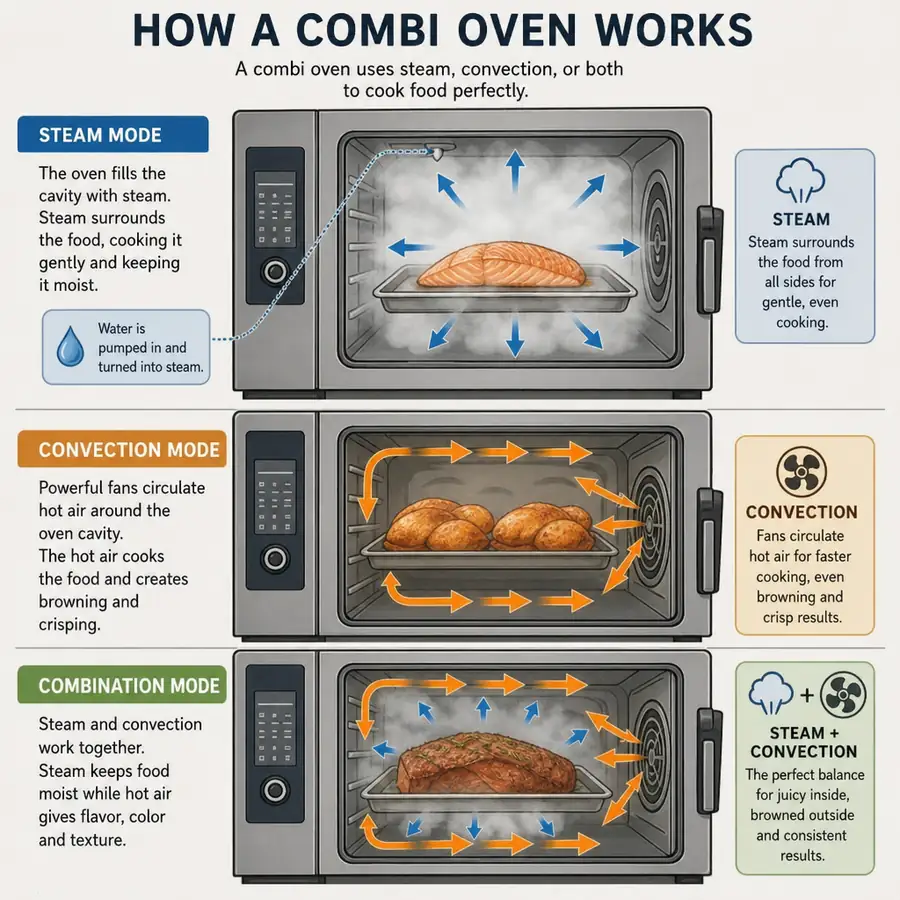
The steam function uses water to generate heat. This method is ideal for retaining moisture and nutrients in food. It's perfect for cooking vegetables, seafood, and delicate items.
Convection cooking, on the other hand, uses dry heat circulated by fans. This process ensures even heat distribution. It's great for roasting, baking, and achieving consistent browning.
Combination cooking offers the best of both worlds. You can use steam and convection together or sequentially. This flexibility allows you to customize cooking processes for different recipes.
Key Features of Combi Ovens:
- Versatility: Handles baking, roasting, steaming, and grilling.
- Efficiency: Faster cooking and improved results.
- Precision: Consistent temperatures and cooking outcomes.
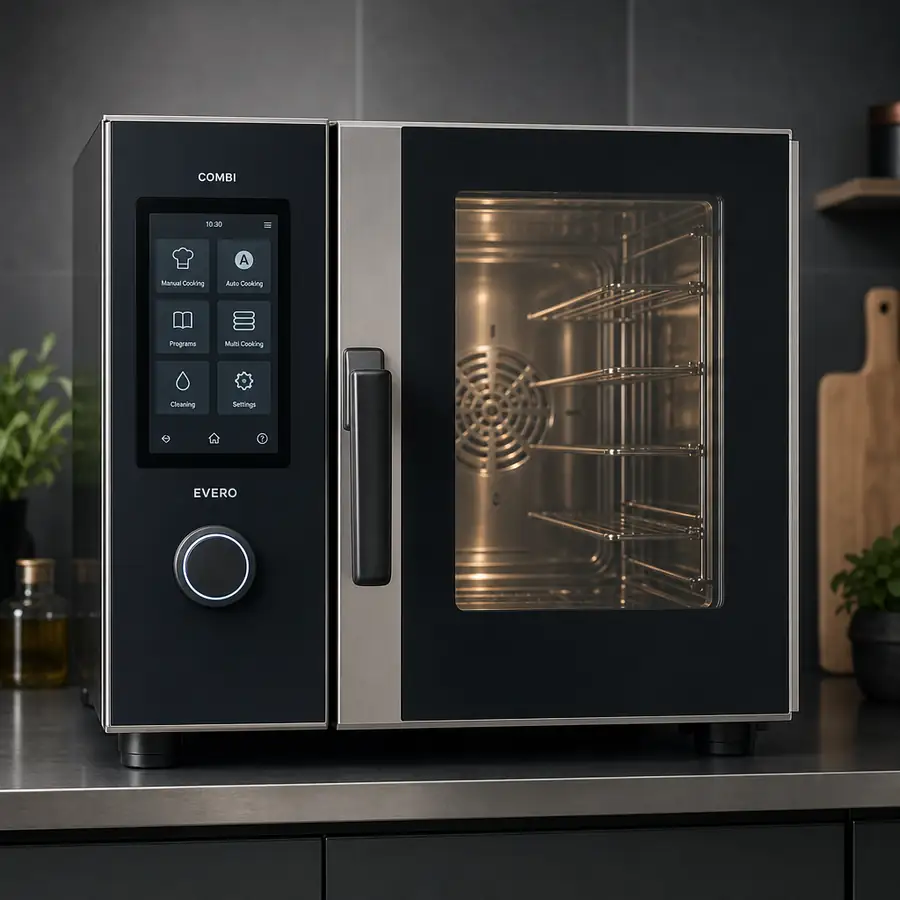
Combi ovens can adjust humidity levels for specific cooking needs. This precision helps maintain food texture and flavor. Many models include programmable settings for repeatable results.
Size and capacity vary among combi ovens. They can fit small kitchens or large industrial setups. Energy efficiency is also a critical factor, impacting long-term costs and sustainability.
Investing in a combi oven enhances kitchen capabilities. Whether you're a small restaurant or a large hotel, it improves productivity. By integrating a combi oven, you can elevate your culinary offerings and streamline operations.
Steam, Convection, or Combination: How Each Cooking Method Works
Understanding the different cooking methods of a combi oven is crucial. Each method—steam, convection, and combination—offers unique benefits. Knowing when and how to use them enhances your culinary output.
Steam Cooking
Steam cooking involves injecting water vapor into the oven cavity. This method is gentle yet effective, ideal for cooking dishes that need moisture. Foods like vegetables, seafood, and poultry retain more nutrients and flavor.
Steam is perfect for delicate items that risk drying out. The consistent moisture ensures tender and juicy results. This makes it a favorite in health-conscious and gourmet kitchens alike.
Convection Cooking
In contrast, convection relies on dry heat. Fans circulate hot air, providing even temperature distribution. This method excels in achieving a crispy exterior with juicy interiors, making it great for baking and roasting.
Convection cooking ensures that food cooks evenly. No more worries about hot spots or uneven doneness. It’s ideal for bread, pastries, and meats that benefit from a browning effect.
Combination Cooking
Combination cooking is the standout feature of a combi oven. It uses both steam and convection methods either simultaneously or in sequence. This versatility opens up numerous possibilities in cooking processes.
Using a combo of steam and convection can shorten cooking times. The steam keeps food moist, while convection crisps the outer layer. This results in perfectly cooked items with varied textures.
Combination cooking is customizable for specific needs. Chefs can adjust humidity and temperature settings for precision. This flexibility allows tailoring the cooking process to the dish at hand.
Choosing the Right Method:
- Steam: Retains moisture, best for vegetables and fish.
- Convection: Even cooking, ideal for baking and roasting.
- Combination: Best of both, suitable for complex recipes.
Each method brings unique qualities to the table. A combi oven empowers chefs to match cooking techniques to their creative needs. By mastering these methods, you elevate both efficiency and culinary artistry.
Key Features to Look for in a Combi Oven
Selecting the right combi oven involves examining several critical features. Each feature impacts performance, ease of use, and versatility. Consider these factors carefully to make the best choice for your kitchen.
Size and Capacity
First and foremost is the size and capacity of the oven. This depends largely on your kitchen space and volume of production. Ensure that the oven fits comfortably while meeting your cooking demands.
- Compact Models: Suitable for small kitchens or specific tasks.
- Full-Size Models: Ideal for large-scale foodservice and catering needs.
Matching oven capacity with your operation's needs can prevent future bottlenecks.
Energy Efficiency
Energy efficiency is another crucial consideration. Efficient models not only save money but also support sustainability. Look for ovens with Energy Star certification or similar ratings.
Energy-efficient models frequently include advanced insulation. This helps retain heat and reduces energy consumption. Long-term, this translates to lower utility bills.
Technological Features
Modern combi ovens come loaded with technology. These features enhance functionality and ease of use. Touchscreen controls and programmable settings are common.
- Programmed Cooking Cycles: For consistent results.
- Smart Connectivity: Offers remote monitoring and management.
Advanced tech can simplify complex cooking tasks and reduce errors.
Build Quality and Durability
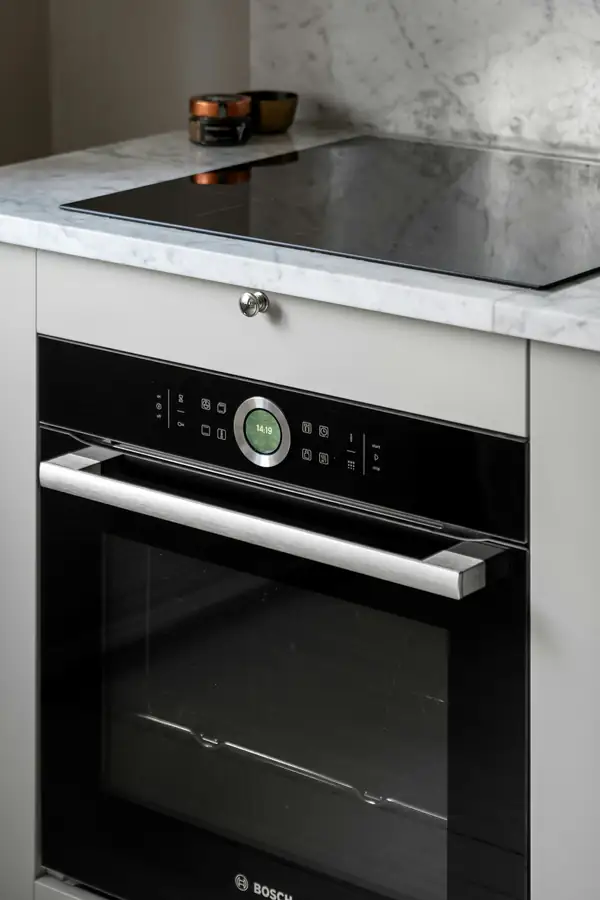
Durability and build quality are also pivotal. A robust construction ensures longevity and withstands busy kitchen environments. Look for stainless steel construction and well-built components.
Evaluate the manufacturer's reputation for producing reliable equipment. This often correlates with longer lifespans and fewer maintenance issues.
Safety and Maintenance
Finally, consider safety features and maintenance needs. Self-cleaning functions can save time and labor costs. Look for ovens with automatic shut-off and robust safety mechanisms.
- Self-Cleaning: Reduces manual cleaning effort.
- Safety Features: Ensures safe operation under all conditions.
Prioritize models that offer easy access for maintenance. This can prolong the oven's life and maintain its performance.
In summary, balancing these key features with your specific needs leads to a wise investment. Choose a combi oven that aligns with your kitchen’s demands, ensuring it serves you efficiently for years to come.
Combi Oven Benefits: Why Upgrade in 2026?
As we enter 2026, the benefits of upgrading to a combi oven become clearer. These versatile appliances redefine professional kitchen operations. They offer unrivaled flexibility, efficiency, and precision.
First, combi ovens combine steam and convection heat. This dual approach supports a wide array of cooking techniques. From baking to steaming and roasting, combi ovens handle it all with ease.
Enhanced cooking quality is another major benefit. Steam cooking locks in moisture and nutrients. Convection provides even heat for consistent, delicious results. Expect improved texture and taste across your menu.
Operational efficiency stands out as well. Combi ovens streamline cooking processes and reduce cooking times. They simplify workflows and enable simultaneous preparation of diverse dishes. This boosts productivity and satisfies customer demands promptly.
Cost savings are another appealing advantage. Despite the initial investment, a combi oven pays dividends over time. Reduced energy use, labor savings, and less food waste contribute to significant returns on investment.
Key Benefits of Combi Ovens:
- Versatile Cooking Methods: Handles steaming, convection, and combination.
- Improved Food Quality: Retains moisture and flavors.
- Energy Efficiency: Lowers utility costs.
- Space Savings: Replaces multiple cooking appliances.
- Streamlined Operations: Enhances kitchen productivity.
Lastly, upgrading in 2026 positions your kitchen for the future. As culinary trends evolve, a combi oven offers the adaptability needed. It supports an innovative menu and meets changing consumer expectations. Investing in a combi oven today ensures your kitchen stays competitive in years to come.
Combi Oven Brands: Leading Names and What Sets Them Apart
When it comes to combi ovens, several brands lead the market with innovative features and reliable performance. Understanding what sets these brands apart can guide you to the best choice for your kitchen.
Rational is a top player in the combi oven industry. Renowned for its advanced technology, Rational ovens offer high energy efficiency and user-friendly controls. Their models often feature intelligent programming options.
Alto-Shaam is another key brand, celebrated for its durability and robust design. Alto-Shaam ovens are known for their gentle cooking technology, which helps retain food moisture and quality. They also provide excellent after-sales support, a crucial factor for many buyers.
Convotherm combines German engineering with modern innovation. Convotherm ovens are praised for their consistent cooking results and environmental focus. Many of their models include eco-friendly features, such as reduced energy consumption and steam usage.
Unox is gaining popularity for affordability without compromising quality. Their combi ovens are simple yet effective, with a strong emphasis on operational efficiency. They are ideal for businesses wanting reliable performance at a reasonable price.
Leading Combi Oven Brands and Their Unique Qualities:
- Rational: Advanced technology, user-friendly, energy-efficient.
- Alto-Shaam: Durable, gentle cooking, exceptional support.
- Convotherm: Consistent results, eco-friendly, precise engineering.
- Unox: Affordable, efficient, reliable performance.
Hobart is another respected name, particularly in larger kitchens. Known for their heavy-duty appliances, Hobart combi ovens are built to last. These models are crafted with high-volume cooking in mind, ensuring rapid yet consistent cooking for busy service periods.
Choosing between these brands depends on your specific needs and budget. Each brings unique strengths to the table, whether it's technological innovation, sustainability, or cost-efficiency. Understanding these differences helps in making an informed decision tailored to your culinary ambitions.
Combi Oven Comparison: Top Models Reviewed
Choosing the right combi oven model can vastly enhance your kitchen's performance. We've compared some leading models to help you identify the best fit for your culinary needs.
One standout model is the Rational iCombi Pro. It's celebrated for its intuitive user interface and advanced programming capabilities. The iCombi Pro features precise cooking algorithms, which improve cooking consistency and speed.
The Alto-Shaam CT PROformance series offers another excellent option. Known for its reliability, this model includes a unique Halo Heat® technology. This feature ensures uniform cooking temperatures and enhances food quality by maintaining moisture levels.
Convotherm's 4 EasyDial model delivers excellent performance with its straightforward controls and robust design. It's particularly popular for its "Advanced Closed System+", which enhances heat retention. This leads to lower energy consumption and faster cooking times.
Key Features of Reviewed Combi Oven Models:
- Rational iCombi Pro: Intuitive controls, precise cooking, energy-efficient.
- Alto-Shaam CT PROformance: Halo Heat® technology, reliable, high-quality cooking.
- Convotherm 4 EasyDial: Easy controls, strong build, energy-saving.
Unox ChefTop Mind Maps PLUS is another model worth mentioning. It stands out for its affordable pricing and efficiency. The oven offers various cooking settings through its user-friendly touchscreen interface, allowing chefs to customize cooking processes easily.
The Hobart Combi Oven line, with its rugged construction, excels in high-volume operations. It's designed for durability and is equipped with multiple cooking modes. This model supports large-scale cooking requirements and minimizes downtime, making it ideal for busy kitchens.
Highlights of Additional Combi Oven Models:
- Unox ChefTop Mind Maps PLUS: Cost-effective, customizable settings, efficient.
- Hobart Combi Oven: Durable, versatile, suitable for high-volume cooking.
Each of these models offers unique advantages, ensuring suitability for different kitchen types. While Rational focuses on technology and precision, Alto-Shaam emphasizes quality through heat management. Convotherm and Hobart provide robust options for industrial demands, while Unox caters to budget-sensitive operations. Consider your kitchen's specific needs and operational goals when selecting your combi oven. Understanding each model's strengths supports making a choice that aligns with your culinary vision.
Sizing and Capacity: Choosing the Right Oven for Your Kitchen
Selecting an appropriately sized combi oven can significantly impact kitchen efficiency. It's crucial to evaluate your cooking needs and kitchen space.
When determining the right size, consider the number of meals your kitchen serves daily. Large-scale operations might require bigger combi ovens to meet high-volume demands. Conversely, smaller kitchens can often suffice with compact models, saving space and energy.
Pay attention to the oven's capacity, which is usually measured in pans. This metric indicates how much food the oven can cook at once. Matching capacity with demand ensures neither overuse nor underutilization, both of which can impact service time and energy use.
Critical Factors for Sizing and Capacity:
- Kitchen Size: Assess available space for installation.
- Service Volume: Align with the daily meal output.
- Energy Use: Consider size-related energy implications.
- Flexibility: Larger models offer greater cooking diversity.
Choosing the correct oven size involves balancing these factors with workflow dynamics. An oversized oven in a small kitchen could lead to inefficiencies. Meanwhile, an inadequate model might struggle during peak hours, affecting service quality.
Ensure your chosen combi oven complements your kitchen layout and operational capacity. A thoughtful selection can lead to improved productivity and reduced utility costs. Consulting with a professional can assist in making an informed decision that anticipates both current and future needs. In today's demanding culinary environment, understanding your kitchen's requirements is crucial for selecting a combi oven that not only fits but enhances your cooking operations.
Energy Efficiency and Sustainability in Modern Combi Ovens
Modern combi ovens excel in energy efficiency, making them a smart choice for eco-conscious kitchens. These ovens incorporate various technologies to reduce power use while maintaining performance standards.
Many models now include energy-saving modes. Such features allow ovens to operate at lower power levels during off-peak times, thus cutting down electricity consumption. This not only supports sustainability efforts but also reduces utility bills over time.
Manufacturers are also focusing on building ovens using sustainable materials. This minimizes environmental impact and enhances product durability. It's essential to look for models that emphasize recyclability and have a lower carbon footprint.
Key Energy Efficiency Features:
- Energy-Saving Modes: Reduce use in non-busy times.
- Efficient Insulation: Maintains heat to lower energy loss.
- Eco-Friendly Materials: Support sustainability objectives.
Additionally, some combi ovens now integrate smart systems to optimize energy use dynamically. These systems adjust power levels based on real-time cooking needs. By investing in energy-efficient technology, kitchens can significantly lower operational costs. This investment is not just financially prudent but also environmentally responsible, aligning with the global shift towards greener practices. As energy costs continue to rise, choosing a sustainable combi oven becomes even more vital, demonstrating a commitment to both culinary excellence and environmental stewardship.
Smart Technology and Connectivity: The Future of Combi Ovens
The future of combi ovens is becoming increasingly tied to smart technology and connectivity. Modern kitchens demand more than just traditional cooking appliances. As a result, manufacturers are integrating innovative technologies into combi ovens to enhance their functionality and ease of use.
Connectivity features allow users to monitor and control ovens remotely, offering unprecedented convenience. With smart technology, chefs can adjust cooking settings using mobile apps, ensuring precision even when away from the kitchen. This connectivity also facilitates real-time diagnostics and maintenance alerts, preventing potential disruptions.
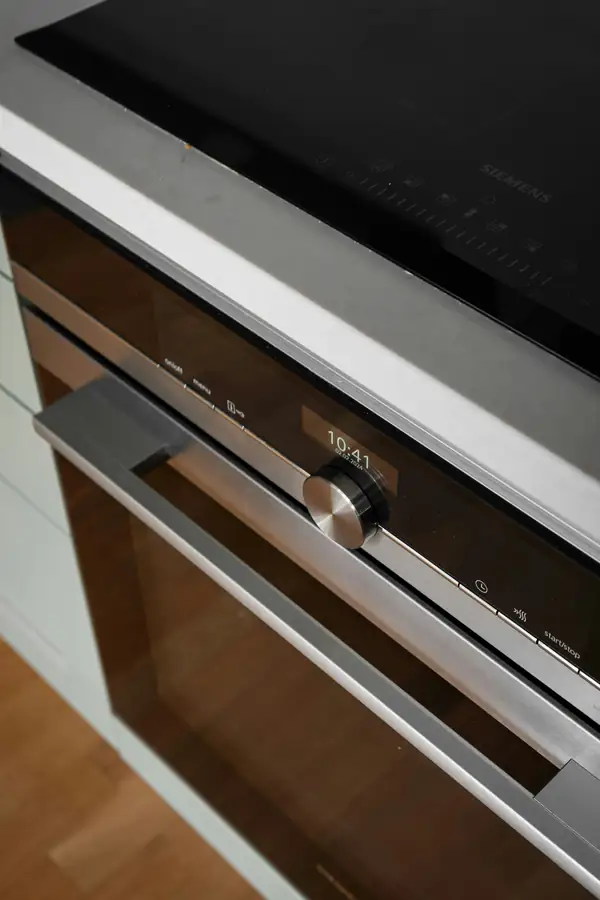
Smart Technology Features:
- Remote Monitoring: Check oven status from anywhere.
- App-Controlled Cooking: Adjust settings via smartphone.
- Automated Diagnostics: Receive alerts for maintenance needs.
Additionally, data analytics feature prominently in these advanced ovens. By collecting data on oven use, chefs can optimize cooking processes and reduce waste. Smart combi ovens also offer integration with other kitchen systems, streamlining operations and improving kitchen efficiency. These technological advancements are more than just gimmicks; they represent a significant step towards creating a seamless kitchen experience. Investing in smart combi ovens today sets the foundation for future-proofing your kitchen operations, ensuring adaptability and enhanced performance in an ever-evolving culinary landscape.
Installation, Maintenance, and Cleaning Tips
Proper installation, routine maintenance, and regular cleaning are critical for the optimal performance of your combi oven. These steps ensure longevity and efficiency, minimizing downtime.
When installing your combi oven, consider both space and ventilation. Ensure the unit is accessible for staff and maintenance teams. Good ventilation is essential, particularly for larger models, to prevent overheating.

Installation Checklist:
- Ensure Adequate Space: Check dimensions and clearance.
- Verify Ventilation Setup: Comply with safety regulations.
- Secure Utility Connections: Ensure water, gas, or electricity is properly linked.
Routine maintenance helps avoid costly repairs. Schedule regular check-ups with authorized service providers to keep your oven in peak condition. Address small issues before they escalate into bigger problems.
Cleaning is another integral part of maintaining a combi oven. Some models come with self-cleaning features, simplifying this process. However, manual cleaning is sometimes needed to reach specific components effectively. Always follow the manufacturer's cleaning recommendations to avoid damage.
Cleaning Tips:
- Use Manufacturer-Approved Solutions: Avoid harmful chemicals.
- Clean Regularly: Prevent build-up of grease and grime.
- Inspect Seals and Gaskets: Replace if worn or damaged.
Remember, well-maintained combi ovens can significantly enhance kitchen operations by preventing unexpected breakdowns and ensuring consistent cooking results. By investing time in installation, maintenance, and cleaning practices, you not only extend the life of your oven but also improve its performance, ensuring it reliably meets your kitchen’s demands.
Cost Considerations: Pricing, ROI, and Budgeting for 2026
Investing in a combi oven is a significant financial decision. It's crucial to weigh upfront costs against potential returns. Initial costs can be high, but long-term benefits may justify the investment.
Pricing can vary greatly depending on the brand, size, and features. Advanced models with smart tech may command higher prices. However, these features can offer efficiency savings and enhanced capabilities.
Key Budgeting Factors:
- Initial Purchase Price: Budget for the upfront investment.
- Operational Savings: Energy-efficient models lower utility bills.
- Maintenance Costs: Factor in regular service expenses.
The return on investment (ROI) of a combi oven should be part of your decision-making. Consider how improved cooking speed and consistency can enhance customer satisfaction. Efficient ovens reduce cooking times, increasing throughput, which can boost sales and improve margins.
Long-term savings are also realized through better energy use and reduced food waste. While the upfront cost may seem daunting, the potential for increased revenue and decreased operating costs can provide a compelling financial case. Evaluate all these factors to ensure your combi oven purchase aligns with your financial and operational goals for 2026. Proper budget planning will empower your kitchen to thrive with this innovative equipment.
Combi Oven Tips: Maximizing Performance and Longevity
To get the best performance from your combi oven, follow a few key practices. Proper use and care can extend the oven's lifespan.
Regular maintenance is crucial. Ensure the oven is cleaned thoroughly after each use. This prevents buildup and potential damage.
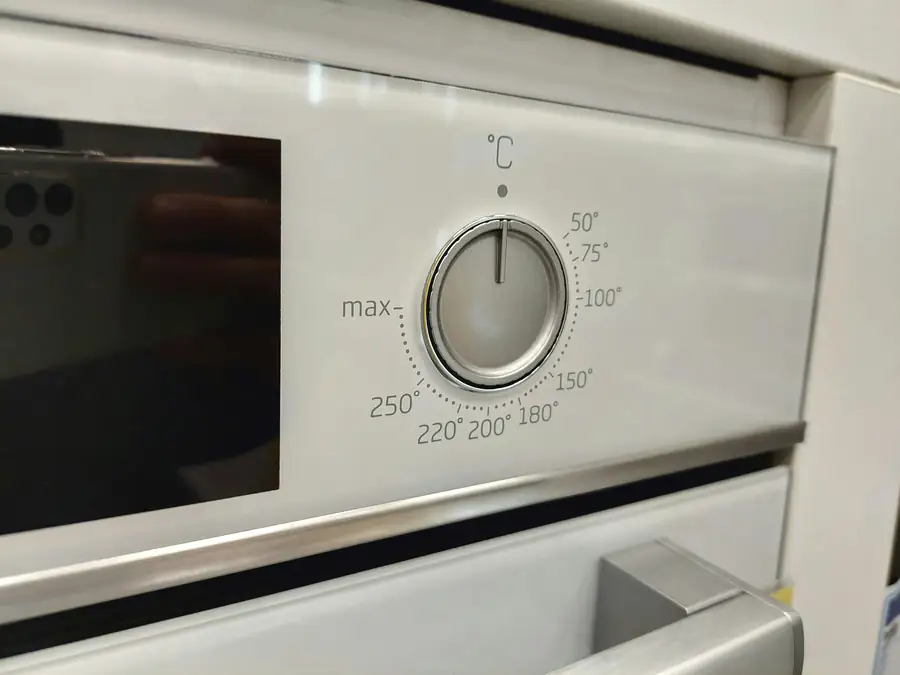
Tips for Optimal Use:
- Follow Manufacturer's Guidelines: Always adhere to the manual.
- Keep it Clean: Regular cleaning prevents grease buildup.
- Check Seals and Gaskets: Ensure doors close properly to prevent heat loss.
- Calibrate Regularly: Keep settings accurate for consistent results.
Training staff on optimal use is also essential. Well-trained operators can optimize cooking processes, ensuring consistent quality. This reduces the risk of wear from improper use.
Finally, keep an eye on the performance metrics provided by smart ovens. Use these insights to adjust your operation for maximum efficiency. By integrating these practices into your routine, you can not only extend the life of your combi oven but also enhance your kitchen's productivity and output, ensuring it remains a valuable asset in your culinary arsenal.
Real-World Combi Oven Reviews: Insights from Chefs and Operators
Chefs and kitchen operators who use combi ovens daily have a wealth of practical insights. Their experiences can guide potential buyers in making informed decisions. Real-world reviews highlight what works, what doesn’t, and why.
One chef noted significant improvements in food quality and consistency. The ability to seamlessly switch between steam and convection was a key feature. It enabled them to perfect complex dishes with ease.

Operators appreciate how combi ovens streamline cooking processes. They often find that reduced cooking times improve overall kitchen efficiency. This is especially beneficial during peak service periods.
Common Praises and Critiques:
- Quality Output: Consistent and high-quality food.
- Efficiency: Faster cooking times, enhancing service speed.
- Ease of Use: Simple controls are a major plus.
- Versatility: Ability to cook multiple dish types.
However, there are some challenges noted. Initial learning curves can be steep, particularly for staff unfamiliar with advanced technology. Proper training and support from manufacturers can mitigate these issues.
 Overall, user feedback highlights the combi oven as a transformative tool. When properly utilized, it can elevate the quality and efficiency of any kitchen. This is why many culinary professionals consider it an indispensable piece of equipment. Whether in a gourmet restaurant or a large-scale food service operation, real-life experiences underscore the value these ovens bring to the table.
Frequently Asked Questions About Combi Ovens
Purchasing a combi oven often raises many questions. Understanding the details can help in making a better choice. Here are some common questions answered.
What is a combi oven?
A combi oven combines steam and convection cooking modes. This allows versatility in preparing various dishes. It can use both methods separately or together for optimal results.
How do I maintain a combi oven?
Regular cleaning and maintenance are crucial for performance. Many modern models include self-cleaning features. Always follow the manufacturer’s guidelines to ensure longevity.
Key FAQs List:
- Energy Efficiency: Are combi ovens energy efficient?
- Cooking Versatility: What types of food can be cooked?
- Installation Needs: What are the installation requirements?
- Warranty Coverage: What does the warranty typically cover?
- Capacity Options: What sizes are available?
Are combi ovens worth the investment?
Many chefs find that the quality and speed of cooking justify the cost. Enhanced food quality often results in increased customer satisfaction. This can lead to greater profitability over time.
These FAQs address essential concerns for potential buyers. However, for specific needs, consult directly with manufacturers or review detailed product manuals.
Combi Oven Buying Guide 2026: Steam, Convection, or Both?
The Horeca Store choosing the right combi oven depends on your menu, kitchen volume, and cooking requirements. Combi ovens combine steam and convection cooking in a single unit, allowing chefs to roast, bake, steam, and reheat with greater precision and efficiency. Steam mode helps retain moisture and nutrients, convection delivers even browning and faster cooking, while the combination mode offers versatility for a wide range of dishes, making it ideal for busy commercial kitchens.
Investing in the right combi oven can improve food consistency, reduce cooking times, and maximize kitchen productivity. The Horeca Store offers a wide range of commercial combi ovens, cooking equipment, refrigeration solutions, and foodservice supplies for restaurants, hotels, cafés, and catering businesses. With quality products, competitive pricing, and dependable support, The Horeca Store helps businesses choose the ideal kitchen equipment for long-term performance and success.
Conclusion: Making the Right Choice for Your Kitchen in 2026
Choosing the right combi oven can transform your kitchen operations. As we've explored, these ovens offer flexibility and efficiency. They can significantly boost kitchen productivity.
Combi ovens are a valuable investment for any modern kitchen. Their versatility in cooking methods caters to diverse culinary needs. Enhanced food quality and reduced cooking times are major benefits.
Key Considerations for Choosing a Combi Oven:
- Cooking Capacity: Ensure it meets your volume demands.
- Energy Use: Opt for energy-efficient models to save costs.
- Brand Reputation: Choose reputable combi oven brands for reliability.
- Smart Features: Consider models with advanced technology.
- Warranty and Support: Check for comprehensive coverage and support.
It's crucial to align the oven choice with your kitchen's specific needs. Consider your menu requirements and kitchen space. Investing in a combi oven should enhance both the efficiency and creativity of your culinary offerings.
By taking these factors into account, you can make an informed decision. This will ensure you select a combi oven that serves your kitchen well beyond 2026.