
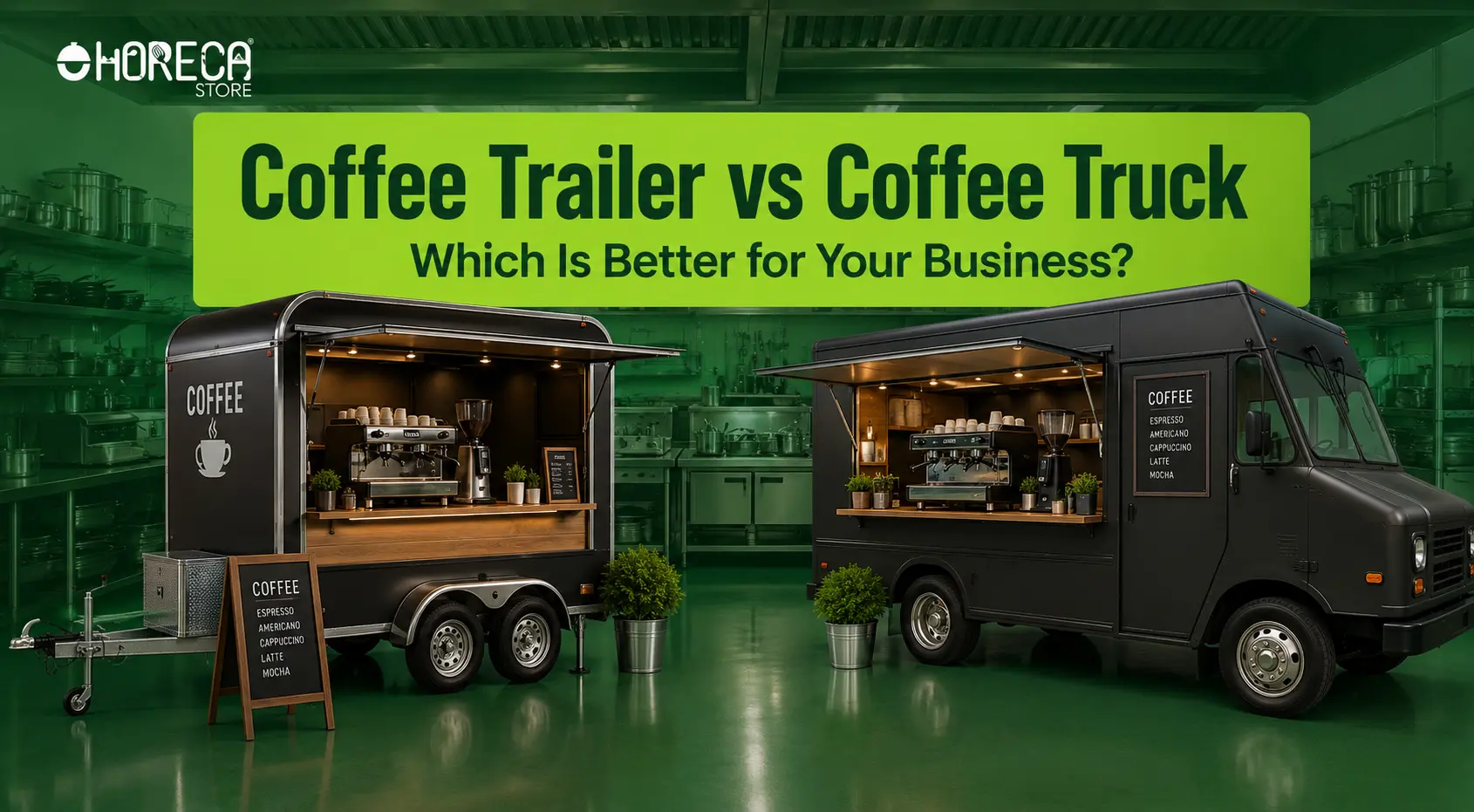
Starting a mobile café is a dream for many aspiring entrepreneurs. The allure of brewing fresh, aromatic espresso while traveling to bustling farmers' markets, busy corporate parks, and scenic festivals is undeniably strong. However, before you can start steaming milk and pulling shots, you have to make a crucial foundational decision regarding your mobile setup.
If you are at the beginning of your journey, you are likely pondering the ultimate question: Coffee Trailer vs Coffee Truck: Which Is Better?
Both options offer a fantastic entry point into the lucrative world of specialty coffee without the massive overhead of a traditional brick-and-mortar café. But they operate very differently in terms of logistics, upfront costs, and daily operations. In this comprehensive guide, we will break down everything you need to know to make the best choice for your unique business model.
Understanding the Mobile Coffee Landscape
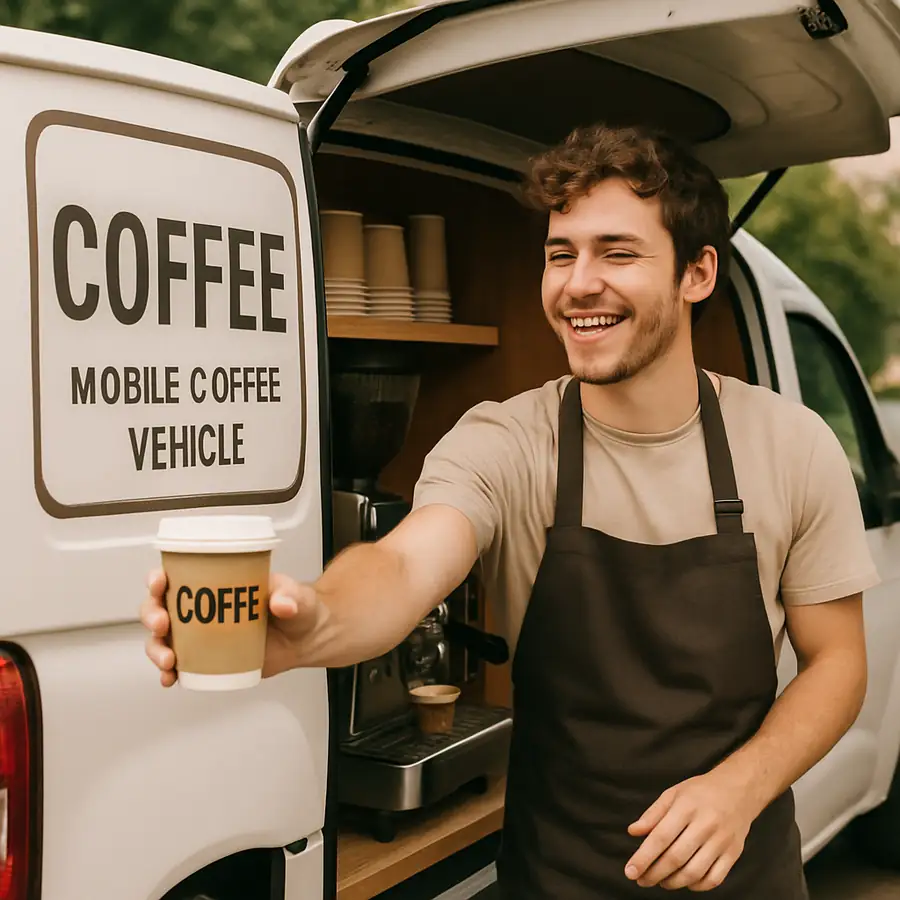
When researching your options, you will inevitably end up comparing the coffee truck vs cart vs trailer. To make an informed decision, it is essential to understand the distinct role each vehicle plays.
- Coffee Cart: A highly compact, usually pushable unit. Carts are fantastic for indoor catering, hotel lobbies, and tight pedestrian walkways. However, they lack the capacity for high-volume, self-contained street service.
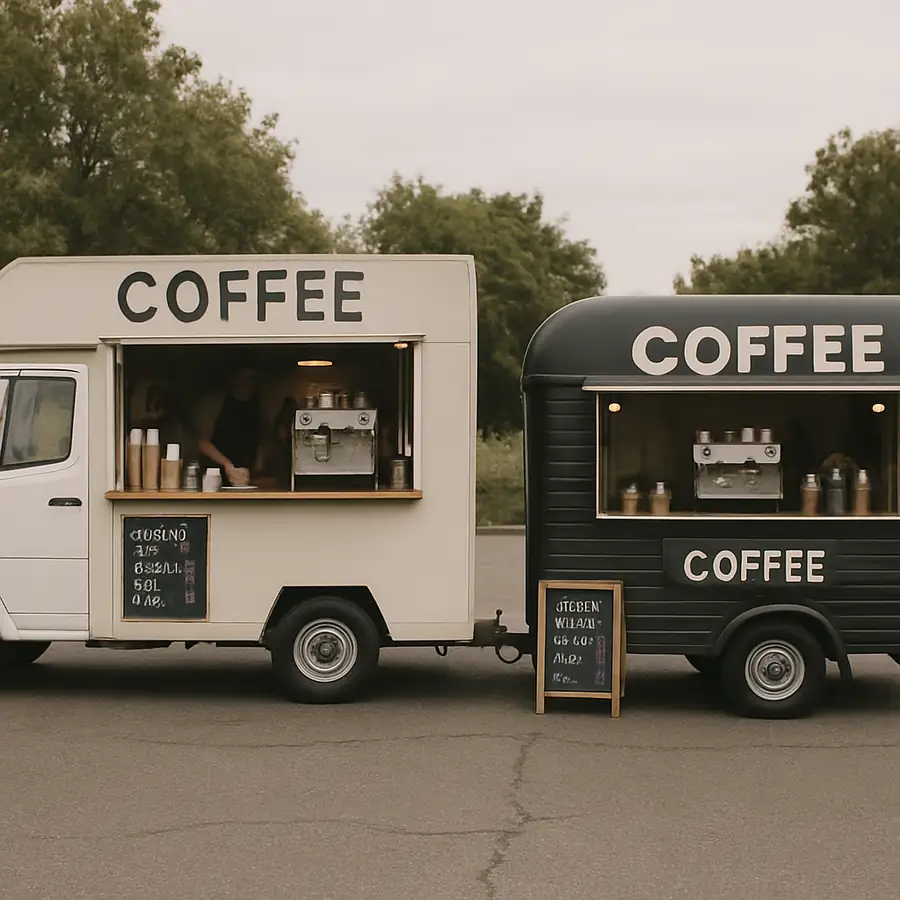
- Coffee Trailer: A non-motorized, towable unit equipped with a full kitchen setup. It requires a separate towing vehicle to move from location to location.
- Coffee Truck: A fully motorized, all-in-one vehicle (like a step van) where the driving cab and the kitchen workspace are built into a single chassis.
The Coffee Trailer: Pros, Cons, and Practicalities
A coffee trailer is often the first choice for entrepreneurs looking to test the waters of the mobile food industry.
The Advantages
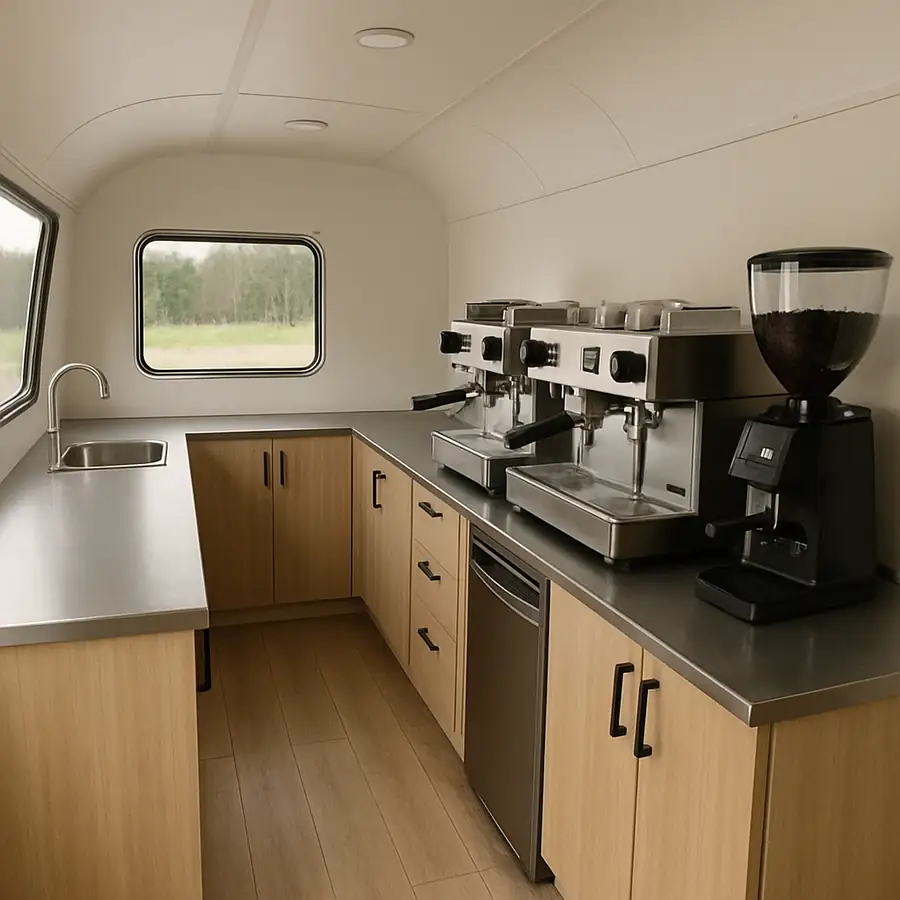
One of the biggest selling points of a trailer is the lower entry price. Because you are not buying an engine, transmission, or driver’s cab, your dollar stretches much further regarding the buildout. This allows you to invest heavily in premium interior finishes and ergonomic coffee trailer floor plans. An ergonomic layout is vital; a well-designed trailer ensures your espresso machine, grinder, dump box, and hand-washing sink are all within a single pivot step, drastically reducing service times.
Trailers also offer incredible flexibility regarding seasonal mobility for coffee vendors. If your business operates primarily in the summer at bustling tourist spots, you can park and secure the trailer during the off-season while still using your towing vehicle for personal use.
The Challenges
The primary drawback is mobility logistics. You cannot simply hop in and drive. You must hitch the trailer, connect the brake lights, and ensure your vehicle has the appropriate towing capacity for coffee trailers. A fully loaded coffee trailer, complete with heavy espresso machines, generators, and full water tanks, can easily weigh between 3,500 and 7,000 pounds. You will need a robust SUV or a half-ton pickup truck to haul it safely. Furthermore, backing up and maneuvering a trailer into tight festival spots requires practice and skill.
The Coffee Truck: Pros, Cons, and Practicalities
For those who prioritize speed, convenience, and route flexibility, the coffee truck is the gold standard.
The Advantages
The beauty of a truck lies in its "turn-key" nature. You unlock the door, turn the ignition, and drive to your location. There is no hitching, unhitching, or worrying about jackknifing in a tight parking lot. This makes a coffee truck ideal for a multi-stop daily route—for example, hitting a business park at 7:00 AM, a university campus at 11:00 AM, and a food truck rally in the evening.
Trucks also possess a massive visual presence. They act as rolling billboards, commanding attention wherever they are parked.
The Challenges
The main drawback of a coffee truck is the intertwined nature of the vehicle and the business. If your truck’s engine breaks down, your entire café is stuck in the mechanic's shop. This makes vehicle maintenance for food trucks an absolute priority. You must budget for regular oil changes, tire rotations, and transmission checks.
Furthermore, the upfront costs are significantly higher. If you are trying to save money by purchasing a used vehicle, you must tread carefully. Some essential buying a used food truck tips include: always ask for comprehensive maintenance records, have a trusted commercial mechanic inspect the suspension (which takes a beating from heavy kitchen equipment), and thoroughly check the floorboards and walls for water damage near the sinks.
Financial Breakdown: Mobile Coffee Business Startup Costs
Comparing a coffee truck vs coffee trailer financially requires looking past the initial purchase price and considering long-term operational expenses.
Upfront Capital
When assessing mobile coffee business startup costs, a brand-new, fully equipped coffee trailer typically ranges from $20,000 to $50,000. Conversely, a fully builtout coffee truck can easily set you back $75,000 to $120,000+ depending on the age of the chassis and the quality of the equipment.
Insurance and Overheads
A common question among newcomers is: how much does coffee truck insurance cost? Because a coffee truck is a commercial motorized vehicle carrying hazardous materials (like hot liquids and potentially propane), insurance is steeper. You will need commercial auto insurance, general liability, and inland marine coverage (which protects your equipment). Expect to pay anywhere from $1,500 to $3,500 annually. A trailer is generally cheaper to insure because the auto-liability portion falls under your towing vehicle's policy when in transit.
Beyond insurance, you must calculate the overhead expenses for mobile espresso bars. These include fuel (for the vehicle and the generator), point-of-sale (POS) software fees, parking permits, event pitch fees, and ingredient wastage.
Asset Depreciation
Finally, consider the residual value of mobile assets. Because a coffee trailer lacks a motor, it depreciates much slower than a truck. A well-maintained 10-year-old coffee trailer with updated plumbing and electrical systems retains a significant portion of its resale value. A 10-year-old truck with 150,000 miles, however, will see a steep decline in value due to mechanical wear and tear.
Operational Logistics and Equipment
Whether you choose a trailer or a truck, the heart of your business is the coffee. Powering and supplying your mobile café requires meticulous planning.
Powering Your Brew
Espresso machines are massive power hogs. Understanding commercial espresso machine power requirements is non-negotiable. A standard two-group commercial espresso machine requires a 220V outlet and draws between 4,000 and 6,000 watts. When you add a commercial grinder, an under-counter refrigerator, a water pump, and air conditioning, your total power draw can easily exceed 9,000 watts. You will need a heavy-duty, super-quiet inverter generator.
Some operators explore gas vs electric espresso equipment to mitigate power needs. While gas-powered espresso machines (which use propane to heat the boiler) can drastically reduce your electrical load, they are less common, require strict fire-safety compliance, and still need a small amount of electricity to run the water pumps and digital displays. Most modern mobile vendors stick to fully electric machines paired with robust generators.
Water and Sanitation
Excellent coffee requires excellent water. Furthermore, health inspectors will scrutinize your plumbing system. You must adhere to strict potable water tank size requirements. While local codes vary, most health departments mandate a minimum 5-gallon capacity for handwashing and a 30 to 40-gallon capacity for your three-compartment sink. Crucially, your wastewater (gray water) tank must generally be 15% to 50% larger than your fresh water tank to prevent overflows.
Driving and Licensing
If you lean towards a motorized vehicle, you might wonder: do I need a CDL for a coffee truck? In the vast majority of cases in the United States, the answer is no. A Commercial Driver’s License (CDL) is typically only required for vehicles with a Gross Vehicle Weight Rating (GVWR) over 26,000 pounds. Most standard step vans used for coffee trucks fall well under this weight limit, meaning your standard driver’s license is perfectly fine.
Permits, Regulations, and Maintenance
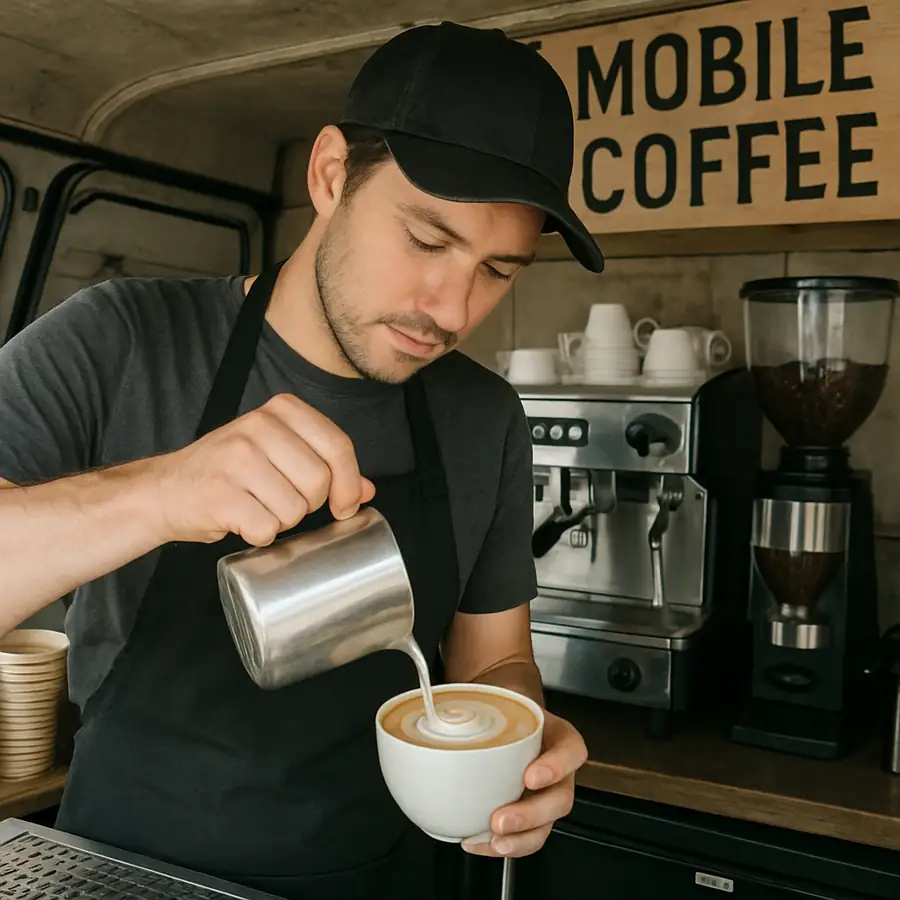
Navigating the bureaucratic side of the food and beverage industry is often the most tedious part of the startup phase.
Health and Kitchen Requirements
Before you can serve a single latte, you must secure the proper health department permits for mobile vendors. Health departments treat mobile coffee units similarly to full-scale restaurants. You will be required to have a dedicated hand-washing sink, a three-compartment sink for washing, rinsing, and sanitizing dishes, easily cleanable surfaces (like diamond plate floors and stainless steel walls), and a commercial water heater.
Additionally, most local jurisdictions do not allow you to prep food, store ingredients, or dump wastewater at your private residence. You will almost certainly need to secure commissary kitchen lease agreements. A commissary is a licensed commercial kitchen where you park your truck/trailer overnight, dump your gray water, refill your fresh water, and prep your syrups or baked goods. Budget for this monthly expense, which can range from $300 to $1,000+ depending on your city.
Keeping It Running
As mentioned earlier, a mobile business takes a beating on the road. Vibrations from driving can loosen electrical connections, disrupt the calibration of your espresso grinder, and damage plumbing fittings. Whether you choose a motorized unit or a towable one, preventative maintenance is your best friend. Create a weekly checklist to tighten bolts, inspect water lines for leaks, and test your generator's oil levels.
Making the Final Decision: Coffee Trailer vs Coffee Truck
So, when comparing a coffee trailer vs coffee truck, how do you make the final call? The answer lies in your business strategy, your budget, and your daily workflow.
You should choose a Coffee Trailer if:
- You have a tighter startup budget and want to avoid taking on excessive debt.
- Your business model focuses on long-term events, weekend farmers' markets, or semi-permanent placements (like sitting in a hospital parking lot for 8 hours a day).
- You already own a reliable vehicle with adequate towing capacity.
- You want to protect your business from engine-related downtime; if your tow vehicle breaks down, you can simply rent a truck to pull your trailer for the day.
- You prefer a highly customized, wide-open ergonomic layout.
You should choose a Coffee Truck if:
- Your primary business model involves route-based sales (e.g., stopping at four different office buildings every morning).
- You have the budget to afford higher upfront costs and commercial insurance rates.
- You want the ultimate convenience of simply turning the key and driving home after exhausting 10-hour shift.
- You want to leverage the massive, eye-catching marketing presence of fully wrapped step van.
The Final Takeaway
Ultimately, resolving the Coffee Trailer vs Coffee Truck: Which Is Better? debate comes down to personal preference and operational goals. Both vehicles have proven to be highly profitable vessels for thousands of independent baristas around the world.
If you take the time to meticulously calculate your startup costs, plan an efficient interior layout, secure the necessary permits, and source high-quality espresso equipment, you are setting yourself up for success. Whether you are hitching up a sleek, modern trailer or turning the ignition on a vibrant, rolling coffee truck, the true driver of your mobile business will be the quality of the coffee you pour and the connections you make with your local community.
Which One Should You Choose?
The right choice depends on how you plan to operate your coffee business. If you want a more flexible and potentially budget-friendly setup with plenty of workspace, The Horeca Store a coffee trailer may be the better option. If your priority is moving quickly between locations and having an all-in-one mobile café, a coffee truck may be more suitable.
Regardless of whether you choose a coffee trailer or coffee truck, having the right serving and takeaway supplies is essential for smooth operations. From disposable coffee cups and lids to food containers, napkins, and other catering essentials, you can find the supplies your mobile coffee business needs at The Horeca Store. Browse our range of quality foodservice and disposable products to keep your coffee service efficient, professional, and customer-ready.