
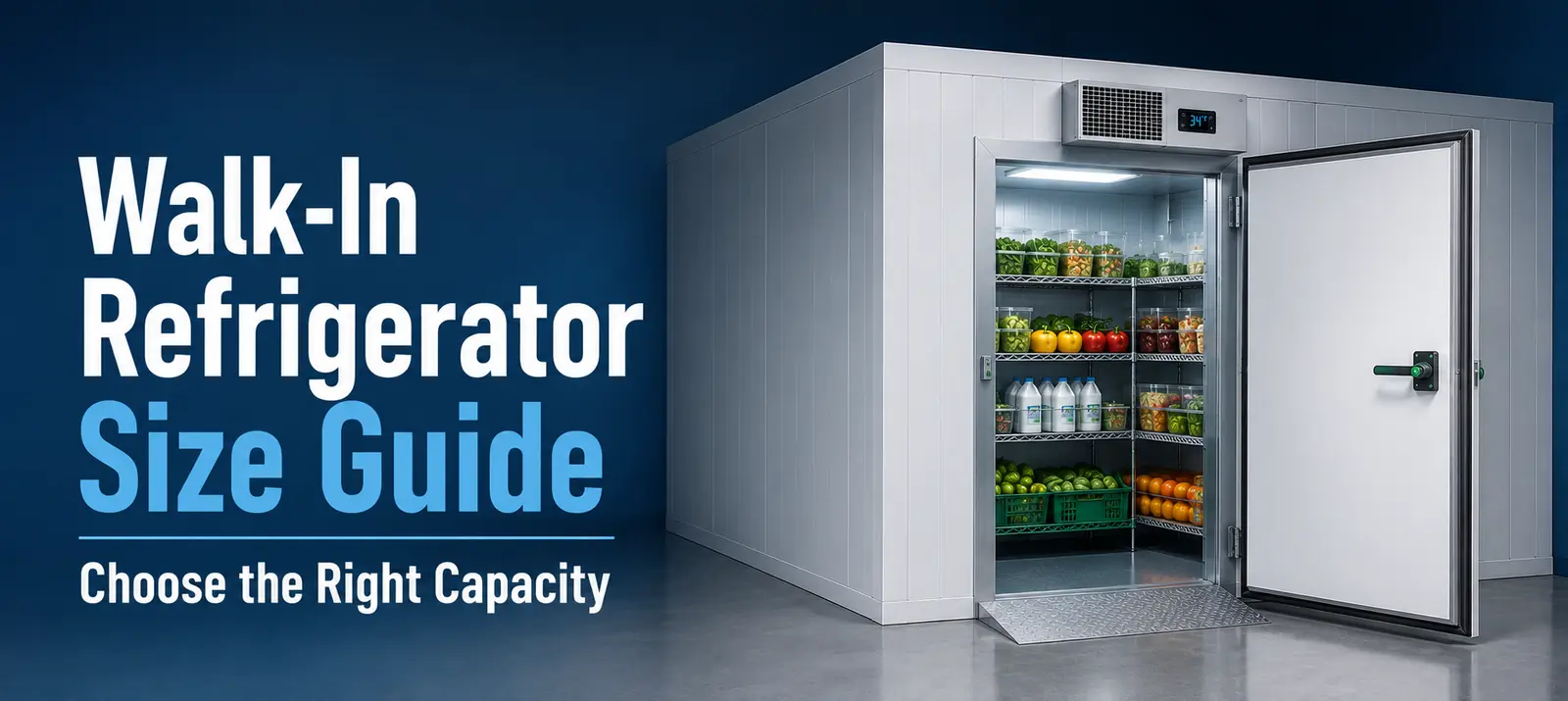
Choosing the Right Size Walk-In Refrigerator Choosing the right size walk-in refrigerator is crucial for any commercial kitchen. It ensures efficient storage and smooth operations. A walk-in fridge is more than just a large cooler. It's a vital part of your kitchen's workflow. Selecting the correct size can be challenging. It involves understanding your storage needs and available space. Walk-in fridge sizes vary widely. From compact units to expansive storage solutions, options abound.
A well-chosen refrigerator can enhance efficiency. It can also reduce energy costs and improve food safety. This guide will help you navigate the selection process. We'll explore key factors and provide practical tips. Understanding the dimensions and configurations is essential. It ensures you make an informed decision. Whether you're a restaurant owner or a kitchen manager, this guide is for you. Let's dive into the details.
Why Walk-In Refrigerators Matter for Your Business
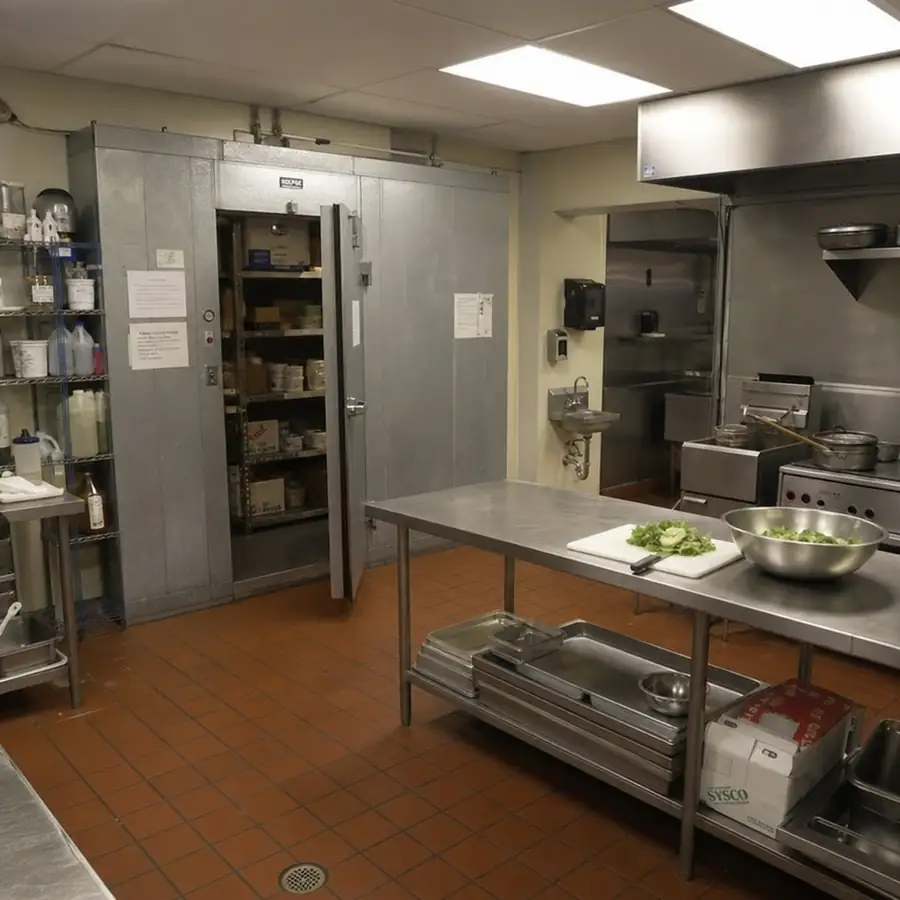
Walk-in refrigerators play a vital role in commercial kitchens. They keep large quantities of perishables safely stored. Moreover, they optimize your kitchen's workflow and efficiency, which is crucial for daily operations. An adequately sized refrigerator supports better organization. You can categorize items by type and frequency of use. This makes it easier for staff to access what's needed quickly. With consistent temperatures, walk-ins help preserve food quality.
They reduce spoilage, which can save your business money. Also, they can offer the necessary storage for seasonal inventory changes. Consider the impacts on safety and health compliance as well. These units make it easier to meet sanitation regulations. Implementing a walk-in can thus safeguard your establishment from costly penalties. Key reasons walk-ins are essential include:
- Efficient storage solutions
- Enhanced food safety
- Cost savings on energy and spoilage
- Adaptability to inventory changes
In summary, investing in the right walk-in refrigerator can elevate your operation. It is a long-term asset for any food service business.
Assessing Your Storage Needs
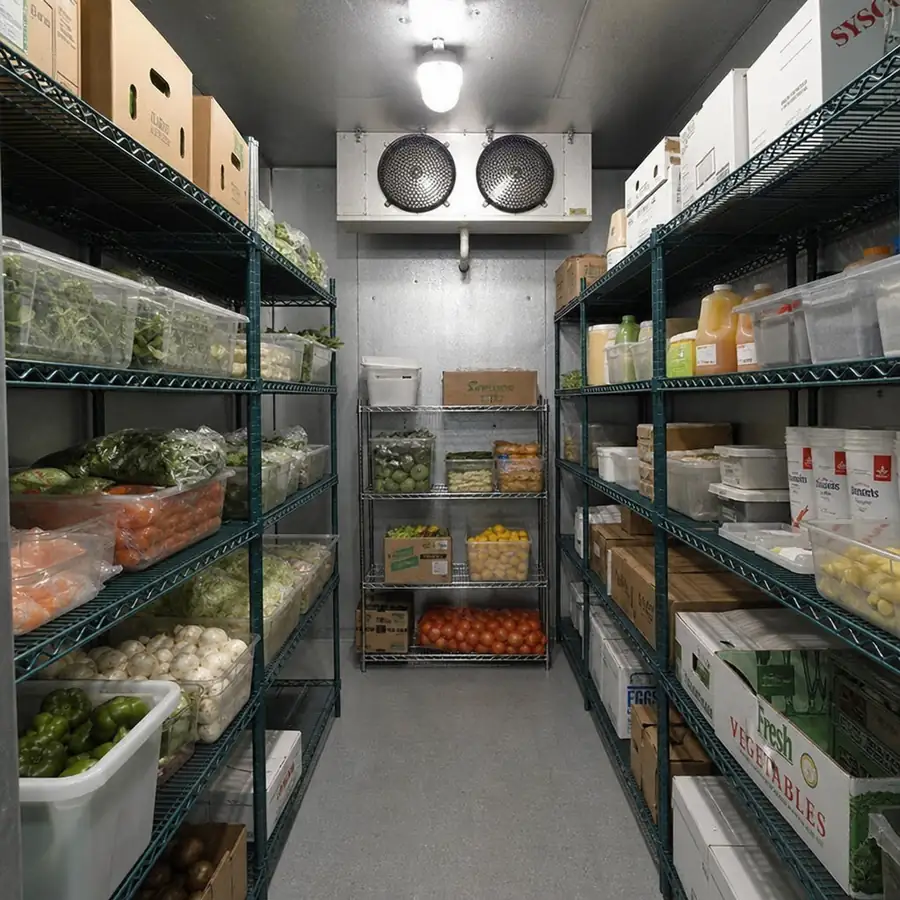
Determining the right size for your walk-in refrigerator starts with assessing your specific storage requirements. Begin by reviewing the types and amounts of food you typically store. It's important to consider both current and anticipated storage needs. Evaluate the daily volume of goods entering your kitchen. This includes fresh produce, meats, dairy, and prepared foods. A clear understanding of these elements will guide your size decision.
Another factor is your menu's complexity and variety. A more diverse menu may require more ingredients. Therefore, additional storage space could be essential to accommodate this variety. Seasonal changes play a significant role in inventory demands. You might need more space during busy seasons. Keeping track of these patterns can help you anticipate and plan accordingly. Make a checklist of your needs:
- Volume of incoming inventory
- Current menu offerings
- Seasonal inventory fluctuations
It's also critical to consider the shelf life of the products. Items requiring longer storage might demand more organized space. This ensures they remain usable and fresh for longer periods. Assess the rate of turnover in your stock. Quick turnaround on items can reduce the need for excessive storage space. However, items with slower turnover will need dedicated storage. Taking the time to accurately appraise these factors is crucial.
It sets the foundation for choosing a walk-in refrigerator that fits your business perfectly. Precision in this assessment can save costs and avoid unnecessary overhauls.
Understanding Walk-In Fridge Sizes and Dimensions
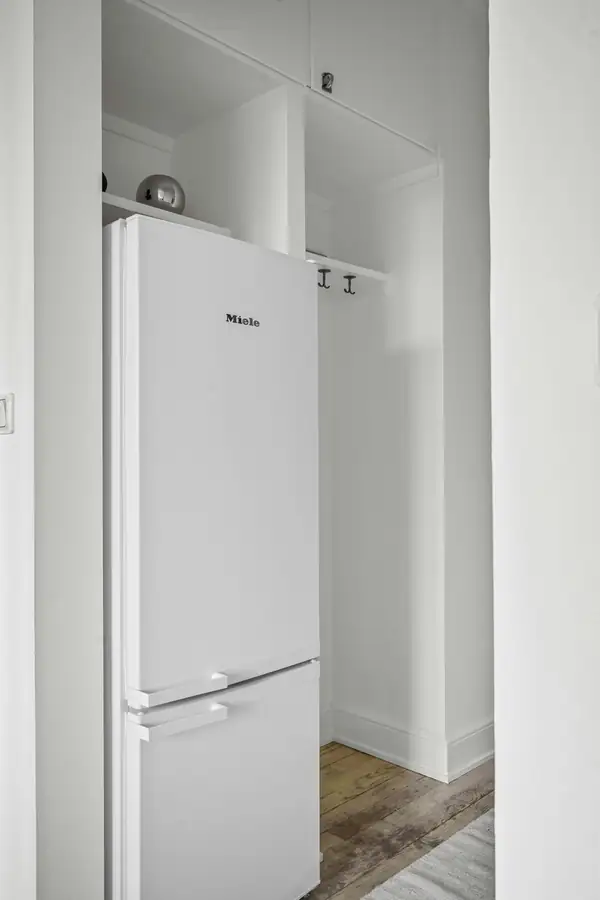
Grasping the various sizes and dimensions of walk-in refrigerators is crucial to making the right choice. These units typically range from small, compact units to large, expansive ones. The standard sizes vary significantly, catering to different storage needs. Common Size Variations:
- Small units: Often 6x6 feet
- Medium units: Approximately 8x10 feet
- Large units: Can exceed 10x20 feet Knowing the exact dimensions helps in fitting the refrigerator into your available space. It also assures you have sufficient storage without wasting space. Considering the height of the walk-in fridge is equally important. Taller units can provide additional storage without increasing the footprint. Additionally, think about door placements. They can impact both accessibility and space efficiency, affecting how smoothly your kitchen operations run. Common Height Options:
- Standard heights: 7 to 8 feet
- Custom heights: Vary to suit specific needs It's beneficial to examine how different sizes affect energy consumption. Larger units might consume more power, leading to higher operational costs. Thus, choosing a size that balances storage needs and energy efficiency is vital. The diversity in configurations offers flexibility, allowing you to select a layout that meets your kitchen's unique demands. Thus, understanding these options empowers you to make a well-informed decision.

Walk-In Refrigerator Size Guide and Refrigerator Size Chart
A walk-in refrigerator size guide provides a visual representation of available dimensions. This simplifies comparing different sizes and configurations. Such guides are essential tools for visualizing space utilization before finalizing a purchase. Size charts are also invaluable. They provide detailed specs, helping you quickly assess which size matches your storage needs. Key Considerations in a Size Chart:
- Interior cubic feet
- Exterior dimensions
- Door placements and sizes
When using a size guide, factor in not just your current needs but future expansions. A size chart can help highlight potential scaling opportunities. Size guides can reveal possibilities for custom configurations, ensuring the fridge supports your workflow. This proactive planning helps optimize both space and resources, enhancing overall efficiency.
Key Factors to Consider When Choosing Size
Selecting the right size for your walk-in refrigerator requires examining various factors beyond just dimension. A thorough analysis will ensure the unit meets both your current and future needs. First, assess the volume of items you'll store. This will largely determine the necessary dimensions. Overestimating can lead to wasted energy, while underestimating can result in cramped storage. Essential Considerations:
- Storage Needs: Evaluate how often deliveries occur.
- Business Growth: Plan for increased inventory overtime. It's vital to account for the operational flow in your kitchen. Consider how the refrigerator's location will interact with other equipment and spaces. The fridge should seamlessly fit within your kitchen layout without disrupting foot traffic. You should also account for door swing and ensure there's enough room for easy access. Additional Factors to Review:
- Energy Efficiency: Larger fridges consume more power.
- Customization Possibilities: Some models offer flexiblestorage options.
Temperature stability is another key point. The fridge should maintain consistent temperatures despite frequent door openings. Lastly, consider your budget. Prices can range significantly based on size and features, so ensure your choice aligns with financial constraints.

Kitchen Layout and Available Space
The kitchen layout is crucial when choosing a walk-in refrigerator. You need to balance the fridge's footprint with available space. Proper planning ensures optimal efficiency and space utilization. Measure the available area carefully. This helps in selecting a size that fits perfectly without unnecessary modifications. Leave ample room for ventilation around the unit. Necessary Layout Considerations:
- Door Swing: It shouldn't obstruct work areas.
- Adjacent Equipment: Ensure proximity doesn't hinderaccess.
Consider obstacles in the floor plan and how the fridge's placement might affect workflow. Optimizing the space around your refrigerator improves kitchen operations. With strategic placement, you can enhance both accessibility and efficiency, ensuring that staff move smoothly between tasks.
Type of Food and Storage Configuration
The type of food stored impacts the walk-in fridge's size and layout. Different products require specific conditions and storage solutions. Perishable items demand more precise temperature settings and frequent access. Organizing food optimally within the fridge extends product life and maintains quality. Storage Configuration Tips:
- Shelving Type: Adjustable shelves for flexibility.
- Zone Setup: Designate areas for specific items.
Consider shelves and racks that adjust according to product size. This adaptability maximizes storage efficiency and accommodates varied inventory. Storage configuration affects not only usability but also operational rhythm. Thoughtful setup can ease restocking and retrieval processes, boosting overall productivity.

Accessibility, Workflow, and Staff Needs
To ensure optimal functionality, the walk-in refrigerator should complement the kitchen's workflow. Accessibility is critical for smooth operations in a bustling environment. The fridge's placement should facilitate quick access for staff. A well-placed unit prevents bottlenecks during peak activity times. Workflow Enhancements:
- Door Placement: Allows easy entry and exit.
- Pathways: Clear routes for free movement.
When choosing a walk-in fridge, ensure its design aids efficient staff movement. Placement should reduce unnecessary steps and streamline processes. The fridge should also allow easy restocking and inventory checks. This minimizes downtime, supporting a productive work environment.

Energy Efficiency and Operating Costs
Energy efficiency directly affects the operating costs of a walk-in refrigerator. Selecting an energy-efficient model can result in significant long-term savings. More efficient refrigerators consume less power. This not only reduces utility bills but also lessens the environmental impact. Choosing the right size further enhances this efficiency. Key Energy Efficiency Features:
- Insulation Quality: Keeps internal temperature stable.
- High-Performance Compressors: Operate with minimalenergy consumption.
It's essential to evaluate the energy rating of various models. Opt for those with high ratings, as they generally indicate better performance in terms of energy usage. Additionally, maintenance plays a crucial role. Regular upkeep of the refrigeration system ensures it operates at peak efficiency, which helps in keeping costs manageable. Finally, many energy-efficient units come with features like LED lighting and digital controls. These not only aid in energy savings but also enhance overall usability and convenience.

Customization Options and Special Features
When choosing a walk-in refrigerator, customization options are vital. They ensure the unit meets your specific business needs. Custom features can include adjustable shelving and temperature zones. These enhance the fridge's versatility and functionality. Popular Custom Features:
- Adjustable Shelving: Maximizes space usage.
- Enhanced Insulation: Improves energy efficiency.
- Digital Temperature Control: Offers precise regulation.
Special features can also improve usability. For instance, consider models with built-in temperature monitoring systems. These allow for constant oversight and immediate adjustments. Furthermore, investing in security features like lockable doors ensures safety. Some walk-ins integrate smart technology, offering remote access and alerts. This connectivity helps monitor conditions, ensuring the optimal performance of your refrigerator at all times. Additionally, advanced lighting options can enhance visibility.
Clear lights make it easier for staff to locate items quickly. Such features not only improve convenience but also streamline operations.

Planning for Future Growth and Expansion
Planning for future growth is crucial when selecting a walk-in refrigerator. Businesses change, and your storage needs could increase rapidly. Consider your current space utilization and business projections. Investing in a slightly larger unit could save future upgrade costs. Factors to Consider:
- Expected Business Growth: Anticipate possible increasein stock.
- Seasonal Variations: Plan for peak seasons where storageneeds spike.
- New Product Lines: Introducing new items may requiremore storage.
Thinking long-term can prevent the need for costly replacements. If your business expands unexpectedly, having adequate refrigeration ensures continuous service. Moreover, assess the possibility of physically expanding your kitchen space. This influences the choice between different fridge sizes and models. To accommodate potential growth, opt for modular units that allow easy expansion. Such flexibility can adapt to new requirements without major renovations. Planning ahead ensures your walk-in refrigerator remains an asset, not a limitation.
Installation, Compliance, and Maintenance
Considerations Installing a walk-in refrigerator involves several critical steps. Proper installation ensures longevity and optimal performance. Professionals should handle the setup. They ensure compliance with local health and safety regulations. Key Considerations:
- Proper Ventilation: Prevents overheating and ensuresefficient functioning.
- Positioning: Minimizes disruption to kitchen workflow.
- Compliance: Adherence to health codes and safety standards.
Regular maintenance is vital. It prevents breakdowns and prolongs the unit's lifespan. Scheduled cleaning and inspections can catch issues early. Routine checks of door seals and temperature controls keep energy use in check. This reduces operational costs. Ensure the availability of local service technicians. Their accessibility can save time during repairs or emergencies. Evaluating warranty options is wise. A good warranty can provide peace of mind, covering unexpected repair costs.
Lastly, consider the potential impact on your kitchen's daily operation during installation. Planning minimization of downtime is crucial.

Comparing Prefabricated vs. Custom-Built Walk-In Refrigerators
Choosing between prefabricated and custom-built walk-in refrigerators depends on your needs. Each option offers distinct advantages. Prefabricated units are generally quicker to install. They come in a range of standardized sizes. This can be a cost-effective choice for many businesses. Custom-built refrigerators, however, offer flexibility. They are tailored to fit specific space constraints and business needs. Advantages of Each:
- Prefabricated: - Lower initial cost - Faster delivery and installation - Range of standard sizes
- Custom-Built: - Designed to specific needs - Ideal for non-standard spaces - Potential for specific feature integration Consider your budget and timeline when deciding. Prefabricated units may suit more standard applications. Custom-built solutions offer adaptability for unique scenarios. Discuss your options with a refrigeration specialist. Their insights can guide the decision-making process, ensuring you choose the best fit for your operations.
Practical Tips for Measuring and Selecting the Right Size
Choosing the right size walk-in refrigerator begins with accurate measurements. A precise assessment of your space and needs is crucial. Start by measuring the available space. Consider height, width, and depth carefully. Factor in doorways and corridors for easy installation. Measurement Tips:
- Measure all entrances and pathways
- Account for space needed to open doors
- Check for electrical and plumbing clearances Next, consider your storage needs. Evaluate what you plan to store. This helps in understanding volume requirements. Storage Tips:
- List perishable items and their sizes
- Consider peak times and seasonal demands
- Plan for growth and potential menu changes
It's helpful to visualize the placement within your kitchen layout. Ensure it integrates well with the workflow. Test various configurations if possible. Seeking professional advice adds value. Their expertise can guide you to avoid common pitfalls and optimize your investment.
Frequently Asked Questions About Walk-In Fridge Sizes
Walk-in fridge sizes can be a complex topic, leading to many common questions. Here, we address some frequently asked questions to guide you. One common question is: "How do I determine the right size for my restaurant?" Start by assessing your inventory volume and available kitchen space. Another concern is, "What is the standard size for a walk-in refrigerator?" While sizes vary, common dimensions range from 6x6 to 10x20 feet.
Consider your space capacity and storage needs. Common Questions:
- How much space should I leave for installation?
- Are custom sizes available?
- What factors impact energy efficiency?
Potential buyers also wonder, "Are custom-built units better than prefabricated ones?" Each has advantages; the choice depends on needs and budget. Lastly, buyers ask about cost implications. Remember, prices vary based on size, features, and custom options. Always balance immediate needs and future growth.

Complete Your Foodservice Setup with The Horeca Store
A properly sized walk-in refrigerator can improve food storage, organization, and kitchen efficiency, but a successful foodservice operation also depends on having reliable everyday serving and takeaway supplies. The Horeca Store offers a wide range of quality foodservice essentials, including disposable food containers, takeaway cups, coffee cups, disposable cutlery, napkins, food packaging, and other catering supplies. These products are suitable for restaurants, cafés, hotels, catering companies, bakeries, food trucks, takeaway businesses, and other hospitality operations.
Whether you're opening a new restaurant, upgrading your commercial kitchen, expanding a catering operation, or growing your takeaway and delivery service, having dependable foodservice supplies readily available can help keep your daily operations smooth, organized, and professional. From food packaging and beverage service to disposable serving products, The Horeca Store makes it easier to find essential supplies for your business in one convenient place. Explore The Horeca Store to discover quality hospitality and catering products designed to support efficient service and create a better experience for your customers.
Conclusion: Making the Best Choice for Your Business
Choosing the right size walk-in refrigerator is a critical decision for your business. It requires careful consideration of various factors like space, storage needs, and future growth. Balancing these considerations ensures your business runs efficiently. Assessing energy efficiency and operating costs can lead to significant savings. Choosing a model that optimizes these aspects not only benefits your bottom line but also contributes to a greener planet.
Consider energy rebates for efficient models. Customization and special features can offer solutions tailored to your specific requirements. From shelving configurations to smart technology, these options provide flexibility and enhanced functionality for better operations. Remember, a well-planned purchase today can lead to long-term success for your business. Consult with experts if needed, and rely on comprehensive information to make an informed decision. With the right approach, you'll select a walk-in refrigerator that meets your current needs and supports future growth.