
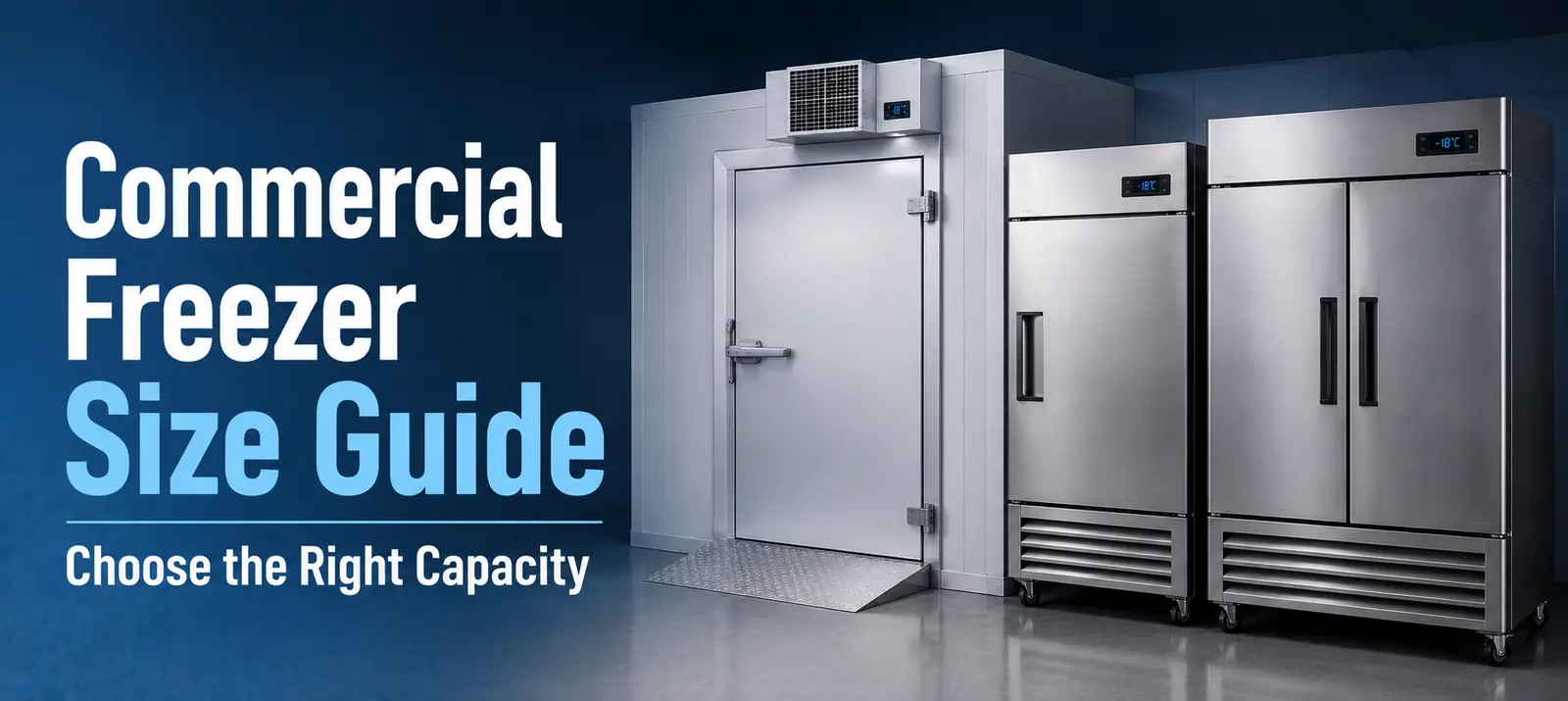
Choosing the right size commercial freezer is crucial for any business. It impacts efficiency and cost-effectiveness. A well-sized freezer ensures optimal storage and energy use. It helps maintain food quality and safety. Understanding freezer dimensions and capacity is key. It aids in making informed decisions. Different types of freezers suit different needs. Upright, chest, and walk-in freezers each have unique benefits. Measuring your space accurately is essential.
It ensures the freezer fits perfectly without issues. Consider your business type and storage needs. This influences the freezer size you should choose. Energy consumption and operational costs are affected by freezer size. Choose wisely to save money. This guide will help you navigate the freezer buying process. Make the best choice for your business.
Why Freezer Size Matters for Your Business
Choosing the right freezer size is essential for efficiency. A properly sized freezer minimizes operational interruptions. A too-small freezer can lead to overloading issues. It results in inefficient cooling and compromised food safety. Conversely, an oversized freezer increases energy consumption. It also wastes valuable space in your kitchen. Consider the specific needs of your business. Match the freezer size to your inventory volume. Choosing the right size impacts your business in several ways:
- Energy Costs: Proper sizing reduces electricity usage.
- Food Quality: Maintains consistent temperatures for food safety.
- Space Optimization: Maximizes kitchen layout efficiency. Inadequate freezer space leads to workflow disruptions. It can cause spoilage and increased waste. Right-sizing your freezer supports long-term cost savings. It also improves the overall workflow. Ultimately, the right freezer size contributes to operational success. It enhances both staff productivity and inventory management.
Types of Commercial Freezers and Their Typical Dimensions
Selecting the right commercial freezer means understanding available types. Each type meets specific business needs. Knowing their dimensions helps in making an informed choice. Freezers vary in their configurations and sizes. They accommodate different storage requirements. Common types include upright, chest, undercounter, and walk-in freezers. Understanding the typical dimensions of these freezers assists in planning. It ensures the chosen unit fits the designated space. Here's a brief overview of commercial freezer types:
- Upright Freezers: Popular for their easy access.
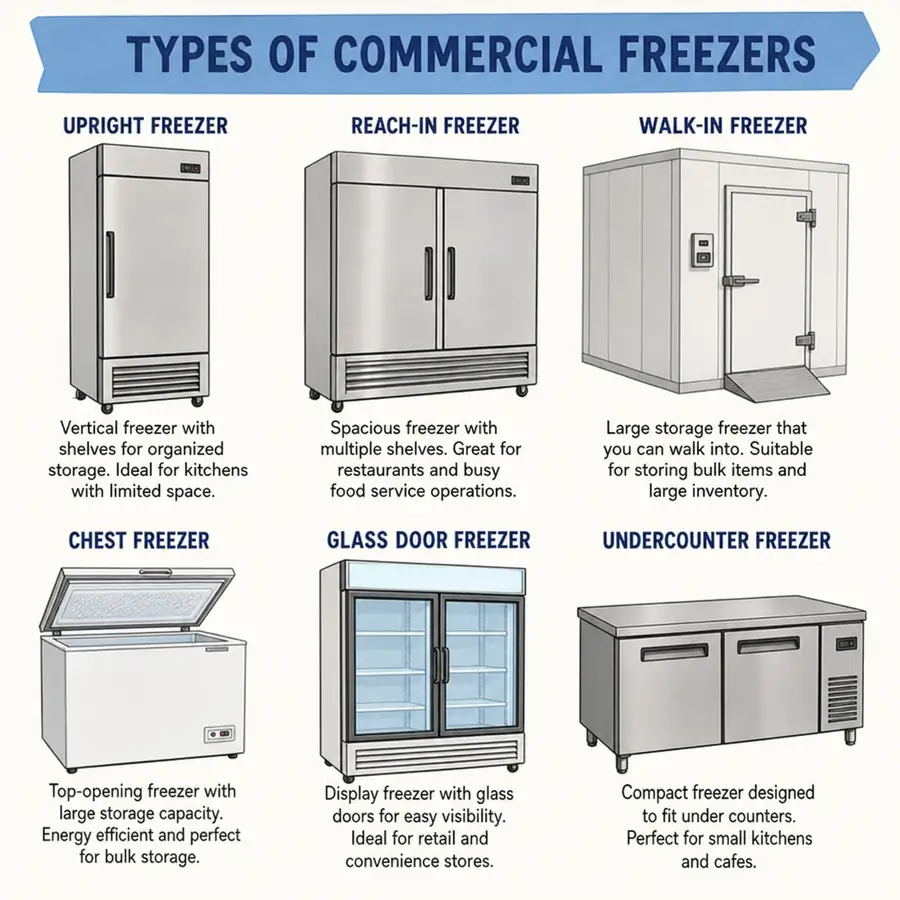
Chest Freezers
: Favored for large volume storage.
- Undercounter Freezers: Ideal for compact spaces.
Walk-In Freezers
: Optimal for bulk storage. Each type has its advantages. Choosing one should align with your operational needs. Think about your menu offerings. They will influence freezer type choice. Adequate storage ensures consistency and quality. Also, consider your space constraints. Proper measurements are crucial. This avoids potential placement issues.

Upright and Reach-In Freezers
Upright freezers, also known as reach-in models, are essential in busy kitchens. They offer ease of access with numerous shelving options. Typically, upright freezers have a vertical orientation. They maximize storage through height. Standard dimensions usually range from 24 to 30 inches in width. These freezers often fit into smaller spaces. They provide a great balance of storage and accessibility. Consider common features when selecting:
- Shelving Options: Allows for organization and easy access.
- Door Style: Swing or sliding doors impact space needs.
- Temperature Controls: Essential for maintaining food safety. For kitchens with high turnover, upright freezers are ideal. Their design supports quick inventory access.

Chest Freezers
Chest freezers are great for bulk storage. They offer large capacities ideal for frozen goods that do not need frequent access. These freezers open from the top, providing deep storage. Typical dimensions range from 30 to 60 inches in width. Their main benefit is the large storage volume. Common features include:
- Removable Baskets: Help organize smaller items.
- Energy Efficiency: Often more efficient than uprights.
- Manual Defrost: Requires regular maintenance to prevent frost build-up. Chest freezers are perfect for long-term storage. They keep goods frozen efficiently over long periods. They're best suited for items like large meat cuts or seasonal stock. Consider space allocation as their top-opening design requires more clearance.
Undercounter and Worktop Freezers
Undercounter freezers are designed for limited spaces. They fit snugly beneath countertops, optimizing kitchen layout. Typically compact, these freezers range between 27 to 50 inches in width. They are ideal for small-scale storage needs. Essential features include:
- Accessibility: Easy access due to their location.
- Versatility: Often come with prep surfaces.
- Energy Efficiency: Generally consume less power dueto size. Worktop models often double as prep stations. Their dual function aids in space-saving. For bistros or cafes, these freezers are perfect. Their design supports both storage and meal prep activities.

Walk-In Freezers
Walk-in freezers serve large businesses. They offer expansive storage solutions for massive inventory needs. Typically, these freezers measure 6x6 feet or larger. Custom dimensions are also available to fit specific layouts. Design features often include:
- Adjustable Shelving: Maximizes storage efficiency.
- High Insulation: Keeps energy use low despite size.
- Temperature Monitoring Systems: Ensures consistent cooling. These units are essential for restaurants with high inventory turnover. They allow for organized and accessible bulk storage. Space planning is critical when installing a walk-in freezer. Ensure adequate clearance for door swing and employee movement. Walk-in freezers help maintain inventory integrity. They are vital for consistent, large-scale food operations.
Measuring Your Space: Ensuring a Perfect Fit
Measuring your space is crucial before purchasing a commercial freezer. Accurate measurements prevent delivery day surprises. Start by identifying where the freezer will be located. Ensure ample room for door swings. Check for clearance space around the unit. This guarantees efficient airflow and maintenance access. Create a checklist when measuring the area:
- Width, Depth, and Height: Use a reliable tape measure.
- Door Swing: Measure how much space is needed to fully open doors.
- Clearance for Ventilation: Leave room at the back and sides for ventilation. Remember that some spaces may have unique limitations. Elements like columns or low ceilings can affect placement. Factor these into your measurements for a perfect fit. Consult with professionals if needed. Accurate space measurement ensures you choose the right-sized freezer. This supports operational efficiency and maximizes your investment.
Understanding Commercial Freezer Dimensions and Capacity
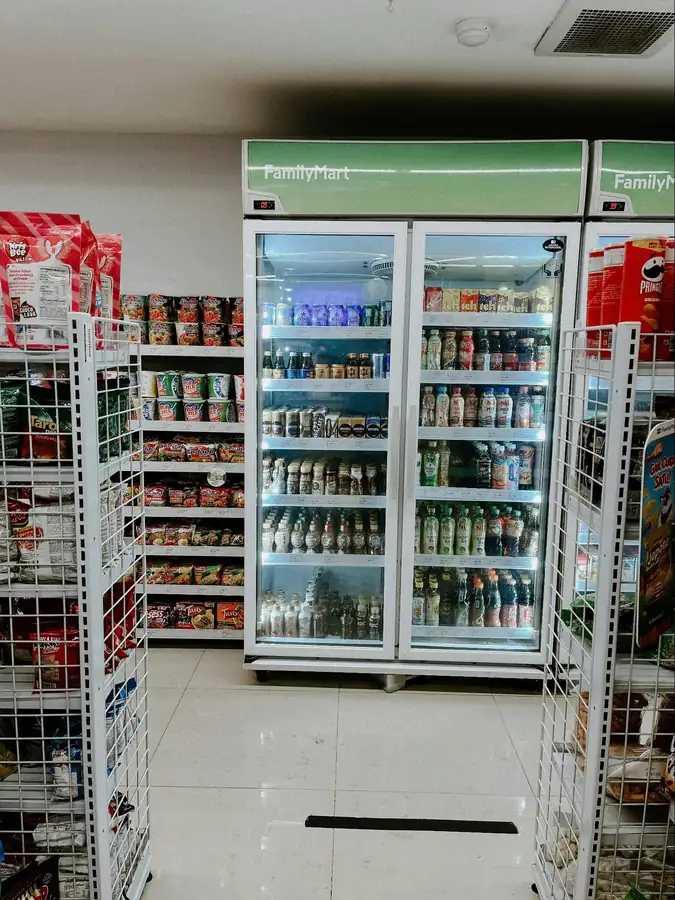
Understanding commercial freezer dimensions is vital for making a well-informed purchase. Dimensions influence how much storage space you gain. They also affect how the freezer fits in your kitchen layout. Freezer capacity is often measured in cubic feet. It signifies how much inventory you can store. Knowing this helps in managing stock efficiently. Make sure to consider both the interior and exterior dimensions. Here are key elements of freezer dimensions:
- Total Capacity: Measured in cubic feet.
- Interior Shelving: Size and number of shelves impact space.
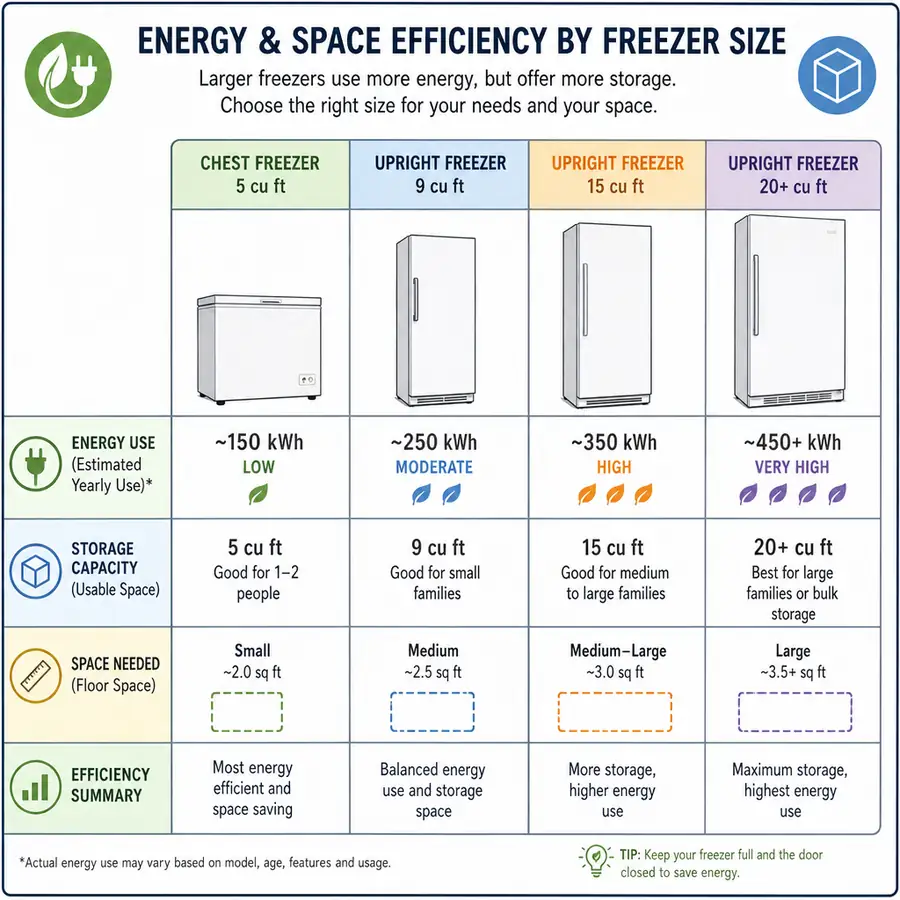
- Door Space: Includes clearance and swing area. Capacity isn't just about size. It plays a role in energy usage. Larger units often consume more energy but offer more storage. Always balance size with the anticipated energy costs. Consult product specifications closely. They give detailed dimension and capacity insights. This ensures your freezer's size aligns with your business needs. Calculating the appropriate capacity aids in preventing over or underutilization.

Using a Freezer Size Chart: Comparing Models and Brands
A freezer size chart is an invaluable tool for comparing different models and brands. It provides a clear view of what each freezer offers in terms of capacity and space efficiency. This chart helps to visualize dimensions, making comparisons swift and easy. Freezer size charts typically include several key details. Understanding these can simplify your decision-making process:
- Capacity: Measured in cubic feet.
- Dimensions: Exterior height, width, and depth.
- Energy Efficiency: Ratings or certifications.
- Special Features: Adjustable shelving or digital controls. When using a chart, evaluate both the freezer's capability and dimensions. This comparison aids in finding a unit that matches both your storage requirements and kitchen space. Remember, a good match can optimize inventory management while enhancing workplace efficiency. Charts should be used alongside other research tools and customer reviews for best results.
Calculating the Right Freezer Capacity for Your Needs
Choosing the correct freezer capacity is crucial for effective storage. It's vital to balance your inventory needs with available space to avoid overspending on energy. Begin by assessing your average stock levels. Consider the types of products you store and their turnover rate. Frequent restocking might allow for a smaller freezer, while bulk storage needs could require more space. In terms of cubic feet, a guideline is useful.
Typically, allow about 1.5 cubic feet per meal served daily. However, this varies based on business nature and the specific items stored. Factors influencing freezer capacity include:
- Product Type: Different foods occupy different volumes.
- Stock Rotation: High turnover might reduce capacity needs.
- Future Growth: Plan for increasing inventory demands. Also, consider seasonal variations in inventory. Businesses often need extra space during peak seasons, requiring adaptable storage solutions. Planning is key; it prevents unnecessary expenses and ensures smooth operations, even during busy periods.

Industry-Specific Freezer Size Recommendations
Different industries have unique freezer size needs. Understanding these can help tailor your choice to your business model. In the restaurant sector, freezers should accommodate daily menus and specials. Often, a combination of upright and chest freezers is ideal. They offer ease of access and ample space for diverse items. Retail businesses, especially grocery stores, require large capacity freezers. These often include both display and storage freezers, essential for showcasing products while maintaining surplus stock.
Bakery owners focus on smaller footprint freezers due to less diverse inventory. This might include undercounter options for convenient access during peak times. Common considerations across industries include:
- Volume of Goods: High turnover needs more capacity.
- Item Variety: Mixed storage solutions for different needs.
- Space Availability: Optimal freezer types to fit layout constraints. By focusing on industry-specific needs, businesses can make better choices, ensuring operational efficiency and customer satisfaction.

Key Features That Impact Freezer Size and Usability
When selecting a commercial freezer, size and usability are often interconnected. Certain features significantly affect these aspects, influencing your overall freezer choice. Adjustable shelving is a major consideration. It enables flexibility in organizing and utilizing freezer space efficiently. Removable baskets further enhance organization and ease of use, allowing for quick access to frequently needed items. Another critical feature is the door type and swing. The door design affects both accessibility and placement options in tight spaces.
Always consider how much clearance your freezer will need and if it aligns with your kitchen layout. Important features to consider include:
- Adjustable Shelving: For versatile organization.
- Removable Baskets: For quick item access.
- Door Type and Swing: Determines placement options. By prioritizing these features, you can maximize both usability and space, enhancing operational flow in your kitchen.
Placement, Clearance, and Ventilation Requirements
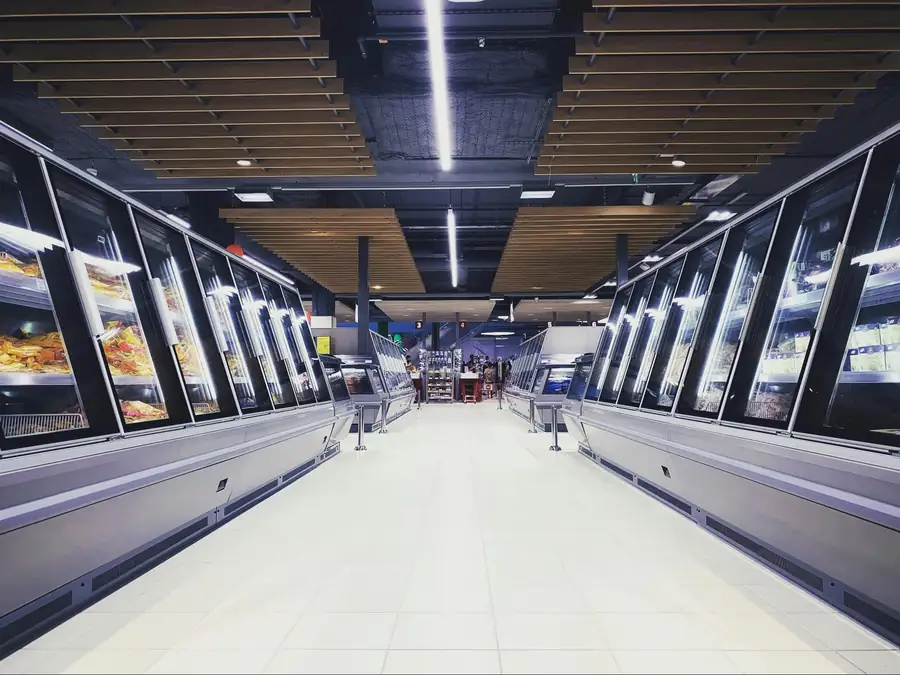
Proper placement of a commercial freezer is essential for optimal performance and longevity. Ensure there is enough space around the unit for air circulation. Poor ventilation can lead to inefficient cooling and increased energy use. Clearance space is crucial, especially for doors and hinges. Insufficient clearance can cause frequent maintenance issues and affect usability. Consider where the door will swing and ensure it doesn't obstruct crucial pathways or other equipment.
Ventilation is not just about the space around the freezer; the surrounding environment also matters. Avoid placing freezers near heat sources like ovens or direct sunlight. Adequate ventilation prevents overheating and maintains efficiency. Key considerations include:
- Adequate Airflow: Prevents overheating.
- Door Clearance: Ensures easy access.
- Avoid Heat Sources: Maintains performance. By planning placement carefully, you ensure the freezer operates efficiently while fitting seamlessly into your kitchen layout.

Energy Efficiency and Operational Costs by Freezer Size
The size of your commercial freezer significantly impacts energy efficiency and operational costs. Larger freezers generally consume more energy, but this depends on use and load efficiency. Make sure the capacity matches your needs without being excessive. Energy ratings are vital when evaluating freezers. Look for units with a high Energy Star rating. These models are optimized to use less power, saving you money on utility bills.
The initial cost may be higher, but the long-term savings and environmental benefits often outweigh this. Understanding the total cost of ownership is crucial. Consider not just the purchase price, but ongoing operational costs. Size directly affects these costs, so your choice should align with your business's daily storage and energy needs. Factors affecting operational costs include:
- Energy Rating: Higher ratings offer better efficiency.
- Capacity Utilization: Proper use reduces waste.
- Insulation: Quality insulation conserves energy. By considering these factors, you can choose a freezer that balances capacity and efficiency, lowering long-term costs.
Common Mistakes to Avoid When Choosing Freezer Size
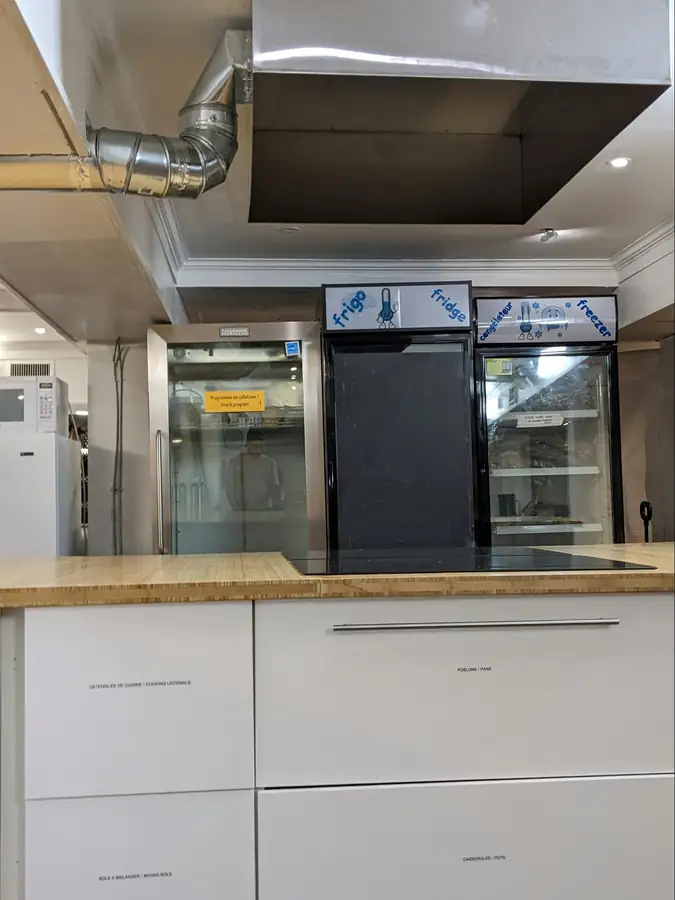
Selecting the wrong size freezer is a common pitfall for many businesses. Choosing too small a unit can lead to overcrowding, impacting efficiency. Conversely, a larger-than-necessary freezer wastes space and increases energy costs. Not accounting for potential growth is another frequent mistake. Your current freezer needs might expand, so consider future-proofing. It's crucial to anticipate changes in business volume, like seasonal surges. Here are key mistakes to avoid:
- Ignoring Available Space: Measure your area carefully.
- Overlooking Energy Costs: Bigger freezers cost more to run.
- Disregarding Door Clearance: Ensure enough room for opening. Avoid these errors to ensure your commercial freezer meets your needs, both now and in the future. Consider each aspect carefully to make a well-informed choice.
Future-Proofing: Planning for Growth and Seasonal Changes
Future-proofing your freezer choice is vital for a successful business operation. It's not just about meeting current needs; it's about anticipating changes. Business growth can lead to increased inventory, requiring more freezer capacity. Account for seasonal variations in your planning. Many businesses experience demand spikes during holidays or special events. Make sure your freezer can handle these fluctuations without compromising quality. Consider these future-proofing tips:
- Flexibility: Opt for adjustable shelving to adapt to different loads.
- Scalability: Look for modular systems that can expand as needs grow.
- Forecasts: Use sales data to project future capacity requirements. By keeping an eye on the future, you ensure your freezer investment remains viable. Plan for flexibility and growth, preventing last-minute adjustments or costly upgrades. This strategy keeps your operations smooth and efficient.
Maintenance, Cleaning, and Longevity Considerations
Regular maintenance and cleaning are essential for extending the lifespan of your commercial freezer. Neglecting these tasks can lead to inefficiencies and breakdowns. Ensure that your staff is trained in proper cleaning techniques to maintain optimal performance. Create a maintenance schedule to prevent potential issues. Regular inspections can help identify problems before they escalate. Check for signs of wear and tear, such as damaged seals or unusual noises.
Consider implementing these maintenance practices:
- Defrost Regularly: Prevent ice build-up to ensure efficiency.
- Inspect Gaskets: Ensure seals are intact and working.
- Clean Coils: Dust and grime reduce cooling efficiency. Proper upkeep not only extends the life of your freezer but also improves energy efficiency. Investing time in maintenance ensures consistent performance and reduces repair costs. As a result, your freezer will remain reliable and cost-effective.
Freezer Buying Guide: Steps to Make the Right Choice
Buying the right commercial freezer requires careful consideration and planning. Assess your specific needs by analyzing your inventory and storage requirements. Understanding these needs will guide your decision-making process. Research is key. Compare various models by using a freezer size chart, which helps visualize different options. Focus on features that match your needs, such as energy efficiency and capacity. Also, consider how freezer size impacts operational costs.
Follow these steps to ensure a smart purchase:
- Evaluate Space: Measure your available area accurately.
- Set a Budget: Consider both initial and ongoing costs.
- Compare Models: Use reviews and size charts for insights.
- Consult Experts: Seek advice if unsure about specifications. Lastly, check warranties and support offered by manufacturers. Understanding terms can save you from future headaches. With thorough research and assessment, you can confidently choose a freezer that enhances your business operations.
Frequently Asked Questions About Commercial Freezer Sizing
Understanding the nuances of commercial freezer sizing can be complex. Here, we address common questions to ease your decision-making process. Knowing the answers will help you avoid costly mistakes.
How do I determine the right size for my business?
Consider your storage needs and available space. Factor in projected growth to avoid future issues. Proper planning ensures that your investment serves long-term.
What are the most important features to consider?
Focus on energy efficiency, capacity, and the organizational features of the freezer. These elements impact usability and operational costs.
How can I ensure a proper fit in my kitchen?
Measure your space precisely, including door swings and ventilation. Ensure that your chosen freezer will fit without disrupting workflow.
- Key aspects to remember:
- Storage needs
- Energy efficiency
- Accurate measurements These answers should provide clarity and assist you in selecting the right freezer for your needs.
Complete Your Foodservice Setup with The Horeca Store
A reliable commercial freezer is an important part of any professional foodservice operation, but restaurants and catering businesses also need dependable everyday supplies. The Horeca Store offers a wide selection of foodservice essentials, including disposable food containers, takeaway cups, coffee cups, disposable cutlery, napkins, and other catering supplies.
Whether you are opening a new restaurant, upgrading your commercial kitchen, expanding your catering operation, or improving your takeaway service, having quality supplies readily available can help keep your business running efficiently. Explore The Horeca Store for reliable hospitality and foodservice products designed to support modern restaurants, cafés, caterers, and other food businesses.
Conclusion: Making the Best Choice for Your Business
Choosing the right size commercial freezer involves a meticulous evaluation of several factors. These include storage needs, available space, and energy efficiency. A thorough understanding of these aspects leads to better decision-making and cost savings. Considering future growth and seasonal fluctuations is also crucial. This foresight helps ensure that your investment continues to meet evolving business demands. Investing in a freezer with these considerations keeps your operations smooth and efficient.
Ultimately, the best freezer choice for your business will align with your specific needs and budget. This thoughtful approach can maximize both operational efficiency and overall profitability. Make this informed decision and secure your business's succ