
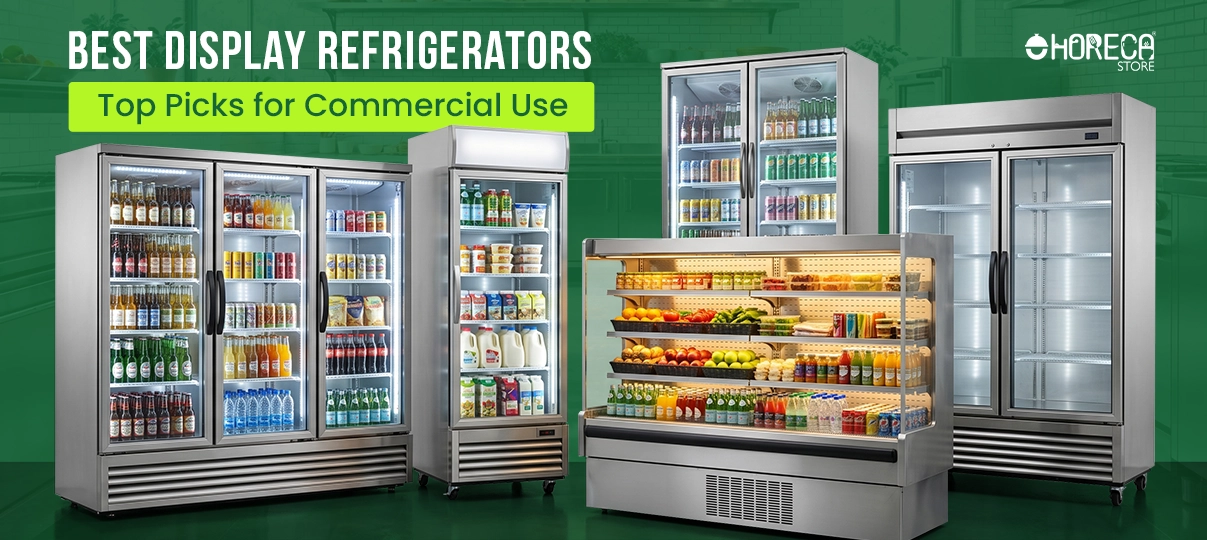
Choosing the right display refrigerator can be a game-changer for your business or home.
These appliances are essential for showcasing products while keeping them fresh and appealing.
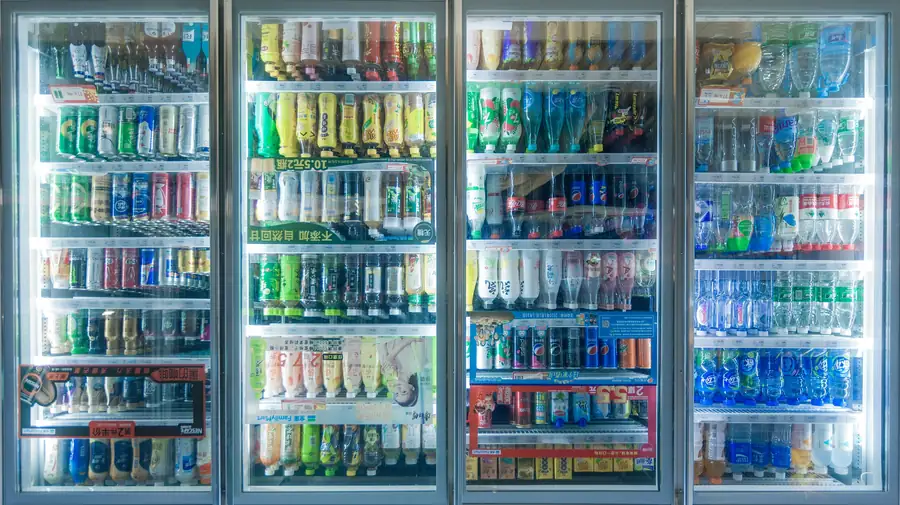
A glass door fridge allows customers to view items without opening the door, maintaining the internal temperature.
Commercial refrigerators are built for heavy-duty use, catering to larger storage needs.
Energy efficiency is a key factor, reducing both operational costs and environmental impact.
Temperature control features ensure your products are stored at optimal conditions.
The design and durability of the refrigerator should complement your space and withstand high traffic.
Regular maintenance is crucial for ensuring longevity and efficiency.
Understanding Display Refrigerators: Types and Uses
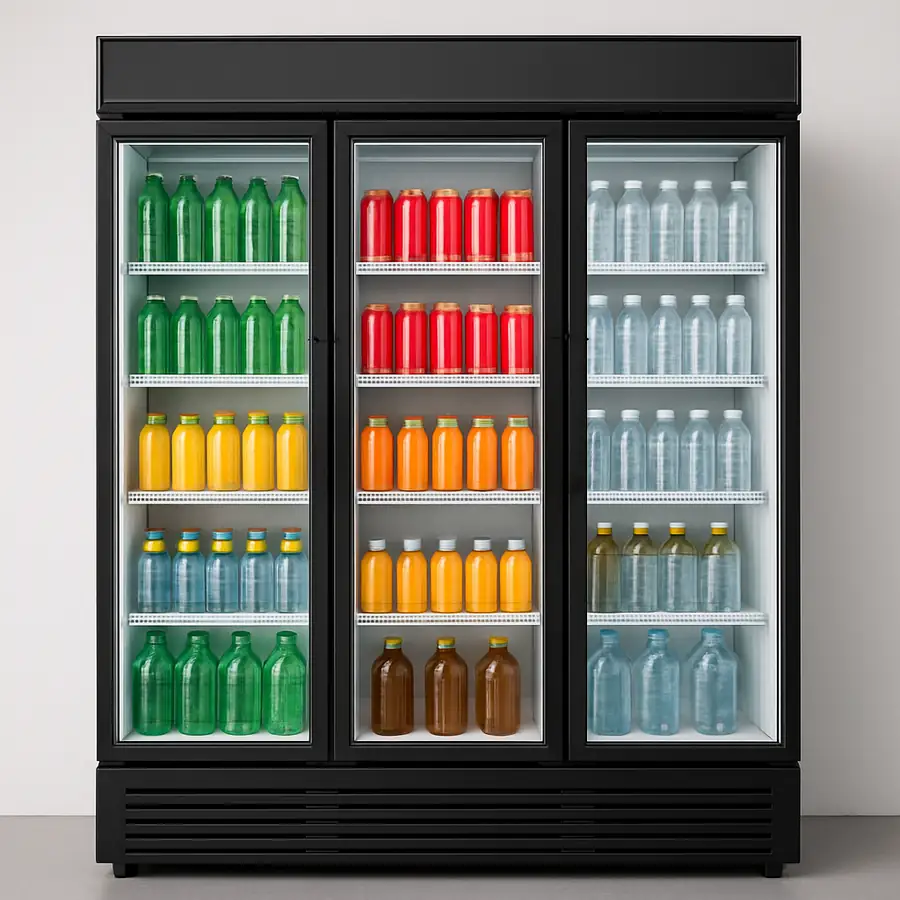
Display refrigerators come in various types, each catering to specific needs. These appliances are designed for both commercial and personal environments.
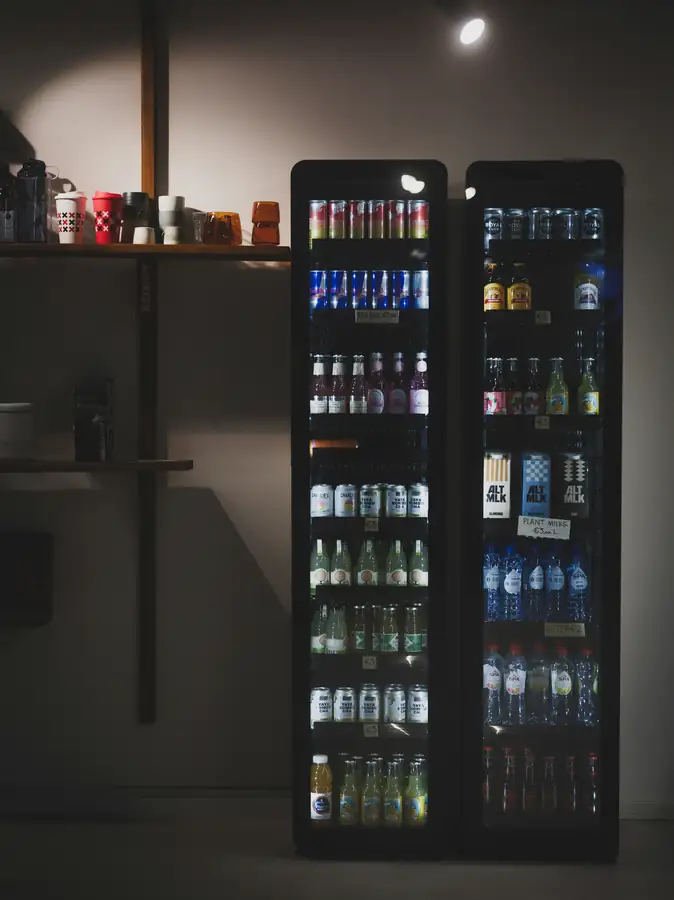
The most common type is the upright glass door fridge. It's perfect for showcasing beverages and perishable goods to consumers.
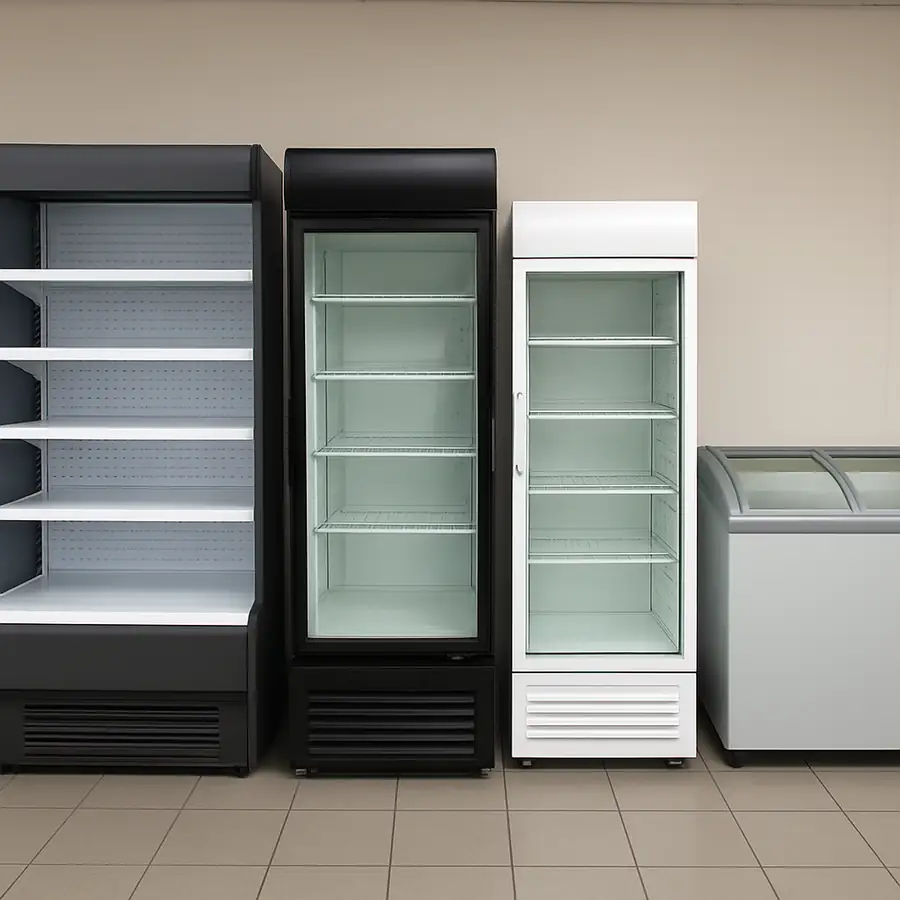
Countertop display refrigerators are compact and ideal for small spaces. They are great for showing off bakery items or deli products.
Open display refrigerators are popular in supermarkets. They offer easy access for customers and help drive impulse purchases.
Here's a quick list of types of display refrigerators:
- Upright Glass Door Fridges: Ideal for visibility and accessibility.
- Countertop Displays: Best for limited space and specific items.
- Open Displays: Perfect for high customer interaction areas.
Refrigerators with solid doors focus more on storage needs. They're suitable when internal visibility isn't a priority.
Knowing these options helps in making a more informed decision that best fits your requirements.
Key Features to Look for in the Best Display Refrigerator
When selecting the best display refrigerator, consider various key features for optimal performance. Each feature contributes significantly to the appliance's functionality and efficiency.
Energy efficiency is crucial as it impacts operational costs. Energy Star ratings are indicators of models that consume less electricity.
Temperature control is another vital feature. It ensures the refrigerator maintains consistent cooling, keeping products in peak condition.
The design should complement your space's aesthetics. A visually appealing refrigerator can enhance a store's overall look and customer experience.
Durability is essential for long-term use. Refrigerators in busy locations need robust construction to withstand regular wear and tear.
Adjustable shelving allows for flexible storage. Different products require various shelving configurations to maximize space.
Here's a list of important features to consider:
- Energy Efficiency
- Consistent Temperature Control
- Aesthetic Design
- Durability
- Adjustable Shelving
Noise levels might impact locations like cafés where quiet is preferred. Low-noise models ensure the environment remains pleasant for customers.
With these features in mind, you'll find a refrigerator that meets your specific needs and enhances your product display.
Glass Door Fridge vs. Solid Door: Which Is Right for You?
Choosing between a glass door fridge and a solid door refrigerator can impact how your products are displayed. Each type comes with its own set of advantages.
Glass door fridges allow customers to see products without opening the door. This feature helps in maintaining the internal temperature by reducing door openings.
In contrast, solid door refrigerators offer better insulation. They are often more energy-efficient because they keep cold air inside more effectively.
Consider the type of products you plan to store. Glass doors are ideal for items needing visual appeal, while solid doors suit products that require greater protection.
Here's a quick comparison:
- Glass Door: Enhances product visibility, aesthetic appeal.
- Solid Door: Provides better energy efficiency, temperature retention.
Evaluate your space and product needs to make the best choice. Both options have their strengths depending on your business requirements.
Commercial Refrigerator Considerations: What Businesses Need
Commercial refrigerators are essential for businesses that rely on storing and displaying perishable goods. They are designed to endure the demands of a busy environment.
The first thing to consider is durability. Your refrigerator should withstand frequent use without compromising performance.
Storage capacity is another critical factor. Ensure it aligns with your business needs and the volume of products you plan to store.
Energy efficiency also plays a significant role, reducing operational costs and minimizing environmental impact. Look for units with energy star ratings.
Lastly, ease of maintenance should not be overlooked. A model that's simple to clean and service will save time and money in the long run.
Key factors to consider:
- Durability: Withstands frequent use.
- Storage Capacity: Matches product volume.
- Energy Efficiency: Cuts costs and reduces impact.
- Maintenance: Easy cleaning and servicing.
By focusing on these aspects, businesses can find a commercial refrigerator that best suits their operational needs.

Energy Efficiency and Temperature Control
Energy efficiency is a significant consideration when selecting a display refrigerator. Opting for an energy-efficient model helps to reduce both electricity bills and carbon footprint.
Temperature control is equally important. Maintaining optimal temperatures ensures that products stay fresh and reduces waste.
Modern models often feature digital thermostats for precise temperature management. This allows for easy adjustments to meet specific storage needs.
Look for these key features:
- Energy Star Rating: Indicates efficiency.
- Digital Thermostat: For accurate control.
- Auto Defrost: Reduces maintenance.
Implementing these features aids in maintaining product quality while conserving energy resources.
Storage Capacity and Layout Planning
Choosing the right storage capacity for your display refrigerator is crucial. Capacity should align with the volume of goods you plan to display.
A refrigerator that is too small will limit your offerings. Conversely, an overly large unit might lead to wasted space and energy inefficiencies.
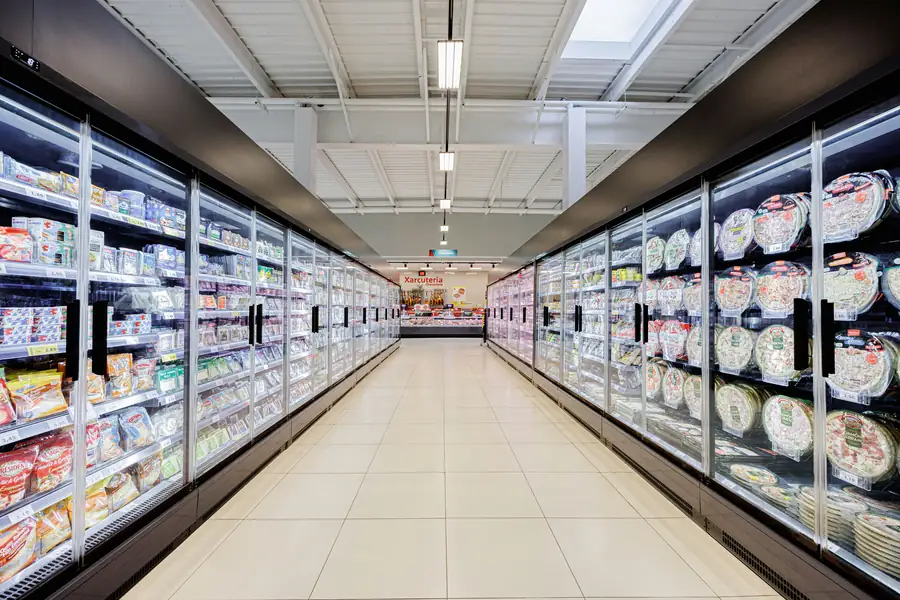
Consider the layout of your space when selecting a refrigerator. Ensure it fits seamlessly into your store's design and customer flow.
Strategic layout planning can enhance visibility and accessibility. This maximizes the impact of your display.
Key considerations include:
- Size: Match your product volume.
- Shelving: Opt for adjustable shelves.
- Space: Ensure the fridge complements store layout.
- Accessibility: Facilitate easy customer reach.
Balancing storage needs with space efficiency ensures a practical and appealing display setup.

Design, Durability, and Aesthetic Appeal
When selecting a display refrigerator, design is a major consideration. A visually appealing fridge enhances your store's ambiance.
The aesthetic should match your branding. This ensures a consistent and attractive look that engages customers.
Durability is another critical factor. High-traffic locations demand robust construction to withstand daily use.
Quality materials contribute to both longevity and efficiency. Stainless steel and tempered glass are popular choices.
Look for features that balance style with function. These can include:
- Materials: Choose durable and easy-to-clean options.
- Color and Finish: Match your store's theme.
- Lighting: Opt for LED to improve visibility.
- Door Style: Consider sliding or hinged based on space.
A well-designed and durable refrigerator can be an asset to your business, boosting both appearance and practicality.

Maintenance, Cleaning, and Longevity
Maintaining a display refrigerator extends its lifespan significantly. Regular cleaning is crucial to ensure hygiene and optimal performance.
Food safety requires all surfaces to be spotless. Bacteria growth can be prevented with routine sanitization practices.
Easy-to-clean surfaces are a huge benefit. Prioritize models with removable shelves and smooth interiors for quick cleanup.
Establish a maintenance routine to address any wear and tear promptly. This reduces the risk of unexpected breakdowns.
Key points to focus on include:
- Regular Cleaning: Sanitize shelves and surfaces.
- Check Temperature: Ensure accurate readings.
- Inspect Seals: Replace if faulty.
- Schedule Tune-ups: Keep components in top condition.
By prioritizing maintenance and cleaning, your refrigerator will serve you well for years, supporting your business needs efficiently.
Cost-Effectiveness: Balancing Price and Value
Choosing the best display refrigerator involves more than just the initial price. Consider both upfront costs and long-term expenses to ensure value.
Operational costs, such as energy bills, play a major role in the refrigerator's cost-effectiveness. Opt for energy-efficient models to keep these expenses in check.
Weigh the benefits of advanced features against their added costs. Decide if the conveniences offered justify the increased price tag.
Important factors to balance include:
- Initial Purchase Price: Affordable doesn't mean low quality.
- Energy Efficiency: Reduces monthly utility bills.
- Features Offered: Select essential extras over luxury add-ons.
- Warranty and Support: Long-term protection can save money.
Making an informed purchase means evaluating the complete cost over time, ensuring the refrigerator enhances your business's profitability.

Advanced Features and Smart Technology
Modern display refrigerators come equipped with advanced features to boost efficiency. These smart technologies offer conveniences that enhance usage and management.
Smart technology can include features like remote temperature monitoring and control. This allows business owners to adjust settings from anywhere, ensuring optimal conditions for stored products.
Some models offer energy-efficient LED lighting and self-diagnosing systems that alert you to potential issues before they become major problems. Such features can save time and reduce maintenance headaches.
Key advanced features to consider:
- Remote Monitoring: Adjust settings via smartphones.
- LED Lighting: Enhanced visibility and energy savings.
- Temperature Alarms: Keep products safe.
- Diagnostic Alerts: Detect and address issues early.
These innovations provide peace of mind and greater control over your business assets.

Top Brands and Models: What to Compare
Choosing the right brand can influence the longevity and performance of your display refrigerator. Research is vital as different brands offer varying features and benefits.
Some of the market leaders provide excellent warranties, which can be a decisive factor. A good warranty is a safety net, ensuring support if issues arise.
While comparing models, consider the brand's reputation, support network, and customer reviews. These insights reveal real-world performance and reliability.
Key aspects for comparison:
- Reputation: Brand reliability and trust.
- Warranty and Support: Coverage and assistance availability.
- User Reviews: Feedback from other customers.
- Model Features: Specific needs and technology.
Careful comparison ensures your investment meets your requirements and lasts well into the future.
Buying Tips: Avoiding Common Mistakes
When purchasing a display refrigerator, common pitfalls can lead to regrets. Before buying, assess your specific needs and available space.
Many buyers overlook operational costs, leading to unforeseen expenses. Evaluate energy efficiency and maintenance needs to prevent this.
Consider these tips to avoid mistakes:
- Measure Space: Ensure the fridge fits.
- Assess Efficiency: Check energy ratings.
- Plan for Maintenance: Know cleaning needs.
- Understand Usage: Match capacity to demand.
Taking these precautions helps ensure a smoother purchase experience and maximizes the refrigerator's utility.

Installation, Space, and Ventilation Requirements
Proper installation is crucial for maximizing your display refrigerator's efficiency and lifespan. Start by measuring your space to ensure a proper fit and easy access.
Ventilation is a key consideration that many underestimate. Refrigerators need airflow around them to function effectively. Without it, they may overheat or perform poorly.
When planning your space, consider:
- Adequate Space: Ensure room for airflow.
- Easy Access: Leave space for door opening.
- Solid Surface: Install on a stable surface.
With these considerations, your refrigerator will perform better and last longer.

Frequently Asked Questions About Display Refrigerators
Choosing a display refrigerator can raise many questions. Here's a quick list addressing some common queries to help you make an informed decision.
What is the ideal temperature range for display refrigerators? Most models maintain between 35-41°F for optimal product safety.
How often should I clean the refrigerator? A thorough cleaning every month is recommended.
Do I need professional installation? While optional, professional installation ensures optimal setup and performance.
These answers should help you tackle basic concerns about your new display refrigerator. For complex issues, consult an expert.
Buy Commercial Display Refrigerators from The Horeca Store
Choosing the right display refrigerator is essential for keeping food and beverages fresh while showcasing them in an attractive and organized manner. The Horeca Store offers a wide selection of commercial display refrigerators for restaurants, cafés, bakeries, convenience stores, supermarkets, hotels, and other foodservice businesses. From glass door merchandisers and display chillers to bakery display refrigerators, our commercial refrigeration solutions are designed to maximize product visibility, maintain consistent temperatures, and improve customer sales.
At The Horeca Store, you'll find commercial display refrigerators from trusted brands known for their durability, energy efficiency, and dependable performance. Whether you need a compact display unit for a small café or a large-capacity refrigerator for a high-traffic retail environment, our expert team can help you choose the ideal model for your business. With competitive pricing, premium-quality equipment, and exceptional customer support, The Horeca Store is your trusted destination for commercial display refrigeration that combines functionality with outstanding product presentation.
Conclusion: Making the Best Choice for Your Needs
Choosing the best display refrigerator involves careful consideration of several factors. Whether for a bustling café or a personal collection, priorities differ. Focus on the type, features, and size that suit your needs best.
Balancing cost with functionality will ensure you select a fridge that not only meets current demands but also offers value in the long run. A well-chosen unit enhances customer experience and operational efficiency, making it a key asset your setup.