
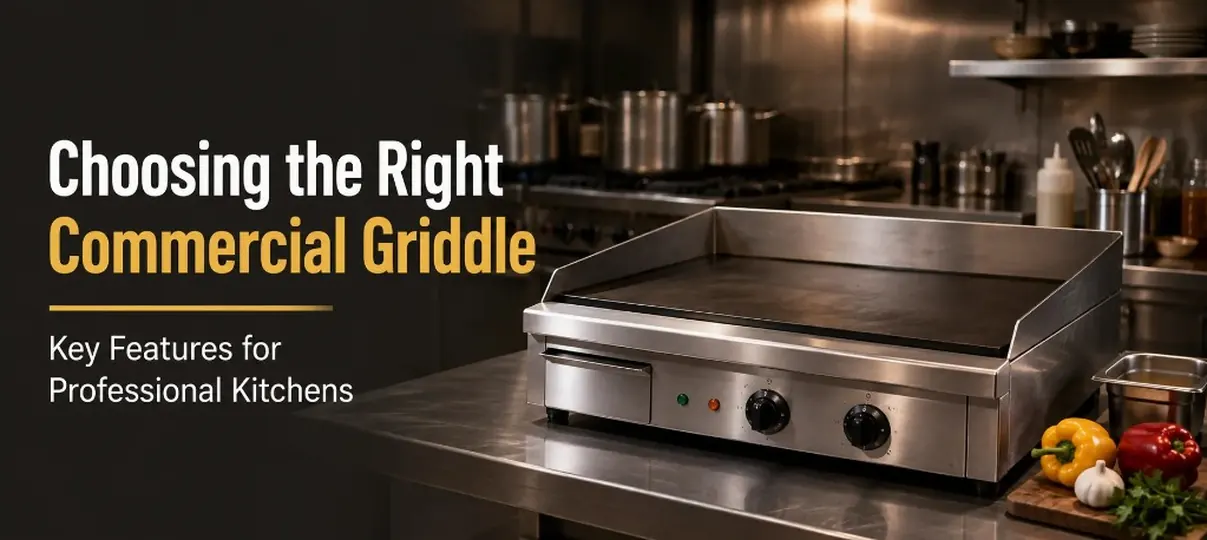
What makes a commercial griddle right for a professional kitchen?
A commercial griddle is right for a professional kitchen when it matches your menu, service volume, fuel setup, available space, and cleaning routine. The best unit is not always the biggest or most expensive one; it is the one that lets your cooks produce consistent food during peak demand while staying practical to operate every day.
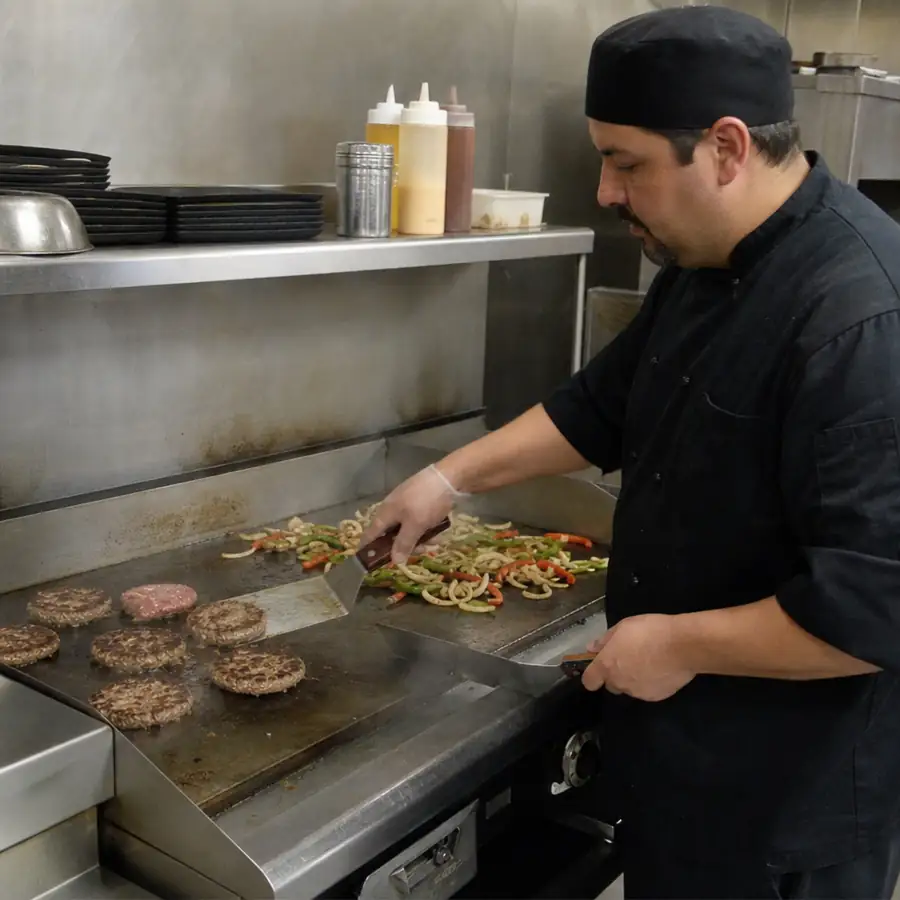
For many kitchens, a flat top grill is a workhorse because it supports multiple menu items at once. Eggs, pancakes, smash burgers, cheesesteaks, grilled onions, tortillas, fish, and breakfast meats can all move across the same broad surface with fast recovery and reliable contact heat. A stainless steel flat top grill is especially useful where durability, sanitation, and daily wipe-downs matter.
Operators who want to Shop Commercial Griddles & Grills - Built for Pro Kitchens should begin with the workflow, not the catalog. Think about who will use the equipment, how many orders hit the line at once, what utilities are already available, and whether the grill will live indoors, outdoors, or move between service areas.
The main types of commercial griddles and grills
Understanding each griddle type helps you match commercial kitchen equipment to your service needs.
Professional kitchens can choose from gas, electric, charcoal, propane, and outdoor configurations. Each format has a different strength, and the right choice depends on whether you need speed, flavor, portability, visual cooking appeal, or simple installation.
Gas griddles and grills
A commercial gas grill for restaurant use is popular because gas heat is responsive, familiar, and well suited to high-volume service. Many operators choose a commercial series gas grill when they need dependable performance for recurring daily production. A commercial gas grill outdoor can also support patios, event spaces, resort kitchens, and catering teams that cook outside the main kitchen.
Gas is also a strong option when your menu needs an industrial grill for restaurant service, especially for burgers, chicken, vegetables, seafood, and grilled sandwiches. If the kitchen already has a gas line, a gas unit may fit naturally into the existing production plan.
Electric flat top grills
A commercial electric flat top grill can be useful in settings where gas is limited or where managers want a simpler utility connection. Electric models are often considered for cafes, concession areas, compact kitchens, and facilities where open flame is not ideal. They can provide steady surface heat for menus that depend on even cooking more than flame-kissed flavor.
Electric equipment still needs careful planning. Check electrical capacity, ventilation requirements, surface size, and recovery time before choosing a unit. A compact electric flat grill may be perfect for light-duty service, while a larger operation may need more cooking zones or a heavier plate.
Charbroilers and broilers
A commercial char grill or broiler grill is designed for direct, intense heat and distinctive grill marks. These units are common in steakhouses, burger restaurants, barbecue concepts, and kitchens where grilled flavor is central to the menu. A grill for restaurant use may include radiant, lava rock, or other heat transfer designs depending on the cooking style.
When comparing restaurant grills, decide whether your priority is searing, holding capacity, speed, or presentation. A charbroiler can be excellent for proteins and vegetables, but it will not replace a griddle for eggs, pancakes, or delicate items that need full surface contact.
Charcoal commercial grills
A charcoal commercial grill brings a flavor profile that many guests immediately recognize. A commercial charcoal barbecue grill or commercial outdoor charcoal grill can be ideal for barbecue concepts, outdoor dining, food festivals, and live-fire cooking experiences. Some restaurants use a charcoal grill in restaurant settings where codes, ventilation, and fire safety systems allow it.
Charcoal requires more hands-on management than gas or electric. Fuel storage, ash handling, ignition procedures, temperature consistency, and local rules all matter. For the right menu, however, a charcoal system can become part of the brand experience, not just a cooking tool.
Matching equipment to your menu and service style
A well-matched commercial griddle reduces waste, speeds service, and supports consistent plating.
The best commercial grill choice becomes clearer when you map it directly to your menu. A breakfast-heavy diner may need a wide griddle with multiple heat zones. A steakhouse may prioritize a charbroiler. A barbecue concept may need a large outdoor charcoal setup. A hotel, campus, or caterer may need several formats working together.
Use this practical checklist before shopping:
- Menu fit: Choose a flat top grill for gas grill setups when you need broad contact cooking, or a char grill when flame flavor and grill marks matter most.
- Service volume: A large grill or multiple large grills may be necessary if rush periods create constant ticket pressure.
- Fuel access: Confirm whether gas, propane, electric, or charcoal best matches your site and permits.
- Indoor or outdoor use: Decide between indoor line equipment and commercial outdoor grills designed for exterior cooking areas.
- Cleaning needs: Smooth griddle plates clean differently than grates, charcoal boxes, drip trays, and broiler components.
- Staff skill level: More complex equipment can deliver excellent results, but only if the team can manage heat, timing, and maintenance.
A commercial grill for restaurant service should make your menu easier to execute. If it creates bottlenecks, requires awkward movement, or adds maintenance your team cannot keep up with, it may not be the right fit.
Suitable Griddle Configurations for Different Restaurant Types
- Diners: Large flat-top griddles that can manage various foods at once.
- Burger Restaurants: Freestanding or large gas griddles for quick burger preparation.
- Breakfast Restaurants: Electric griddles for efficient cooking of eggs, pancakes, and more.
- Cafés: Compact countertop griddles for light, quick cooking needs.
- Hotels: Multiple griddles to accommodate buffet offerings and diverse menu items.
- Food Trucks: Space-efficient countertop models providing mobility and ease.
- Quick Service Restaurants (QSRs): Fast-heating gas griddles for efficient service.
- Full-Service Restaurants: Robust commercial griddles that accommodate various cooking needs throughout service.
Indoor line equipment and outdoor cooking setups
Whether indoor or outdoor, restaurant equipment must handle your volume and meet local safety codes.
Indoor and outdoor grills often solve different problems. Indoor units support daily production on the main cookline, where timing, ventilation, and proximity to prep stations are critical. Outdoor equipment expands capacity, creates a guest-facing cooking experience, or supports catering and seasonal service.
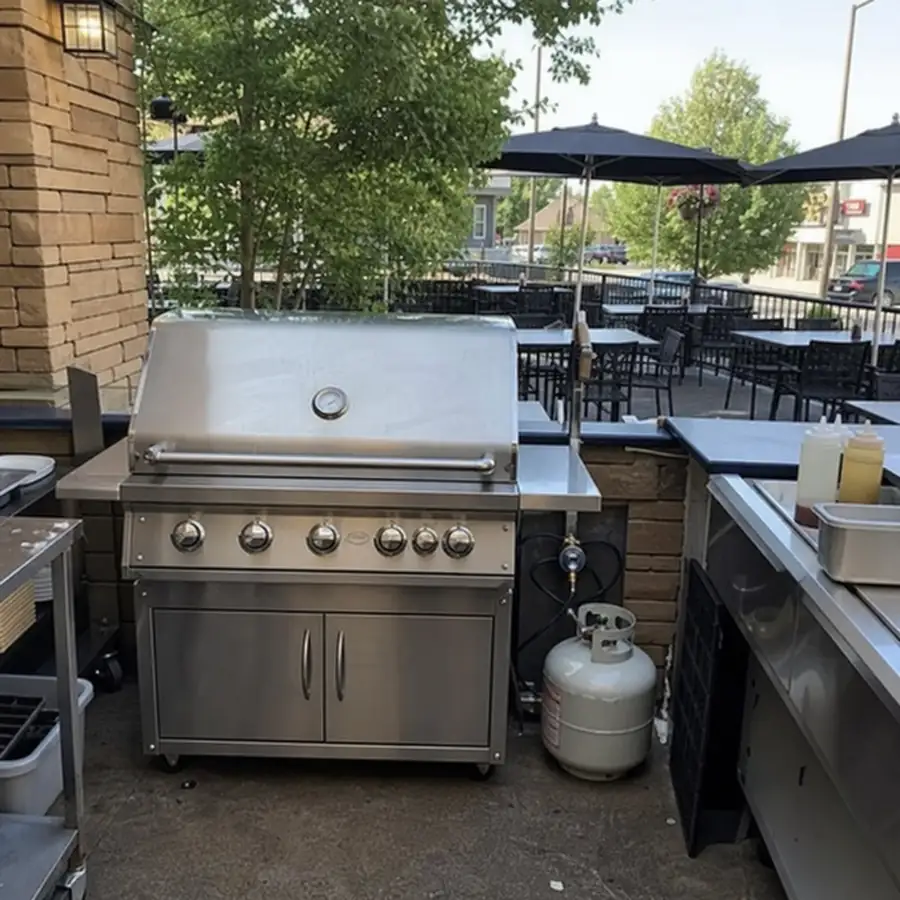
A commercial outdoor grill propane unit is useful when mobility and flexible placement matter. Propane can support patios, pop-ups, and events where fixed gas lines are unavailable. A commercial propane grill may also provide a practical backup or overflow cooking station during high-demand periods.
For operations that want a durable exterior setup, a stainless steel flat top outdoor grill offers broad cooking capability with weather-resistant construction. Meanwhile, a commercial bbq grill or charcoal unit may be better when smoke, sear, and barbecue flavor define the experience. The best outdoor solution depends on whether you are cooking burgers quickly, slow-building barbecue flavor, or offering live cooking as part of the atmosphere.
How should you compare griddles before buying?
Compare griddles by looking at plate size, heat zones, recovery speed, fuel type, construction, grease management, and service access. A flat grill for sale may look similar to another unit at first glance, but small differences in build and layout can affect daily cooking speed, food consistency, and cleaning time.
Start with the cooking plate. Thicker plates often hold heat well for repeated loading, while thinner plates may heat quickly but recover differently under heavy use. Consider whether you need one broad temperature area or separate zones for proteins, vegetables, breads, and finishing.
Next, evaluate the base and controls. A strong frame, clear knobs, accessible pilots or elements, and reliable grease channels all help during service. If the unit connects to a commercial kitchen burner setup or sits near other hot equipment, confirm clearances and workflow before installation.
Finally, think about the life of the equipment. A low-cost purchase can become expensive if parts are hard to source, cleaning is difficult, or the unit cannot keep up with demand. Operators maintaining specific legacy or branded equipment should also confirm compatibility before ordering items such as commercial char broil grill parts.
Commercial Griddle Buying Checklist
When considering the purchase of a commercial griddle, utilize this checklist:
- Cooking surface size: Ensure it meets your cooking needs and kitchen layout.
- Gas or electric power: Choose what fits your setup best.
- BTU or wattage: Assess the heating capacity necessary for your service volume.
- Temperature range: Confirm it aligns with your menu requirements.
- Heat zones: Look for models that allow for multiple temperature zones.
- Plate thickness: Thicker plates typically retain heat better under high demand.
- Thermostatic controls: Precise controls are essential for consistent results.
- Grease tray and drainage: Efficient grease management aids in cleanliness.
- Construction and durability: Opt for robust materials that withstand frequent use.
- Cleaning requirements: Consider ease of maintenance in your choice.
- Safety features: Confirm it meets required safety standards.
- Warranty and service considerations: Choose products with reliable support.
Features that matter in a professional grill
Key features like even heat, easy cleaning, and durable construction separate reliable commercial grills from budget units.
A professional grill is built for repeated use, not occasional backyard cooking. In a restaurant, the grill may run through long shifts, rapid menu changes, and constant cleaning. That is why construction, performance, and usability should carry more weight than appearance alone.
Look for features that support real kitchen work:
- Appropriate cooking width: Choose enough surface to handle peak tickets without wasting space during slower periods.
- Multiple heat zones: Separate zones help cooks toast buns, sear proteins, and hold delicate items without burning them.
- Durable stainless surfaces: Stainless construction supports sanitation and helps equipment stand up to heavy cleaning routines.
- Grease control: Well-designed troughs, drawers, and splash guards reduce mess and improve safety.
- Serviceable components: Burners, valves, plates, grates, and ignition parts should be accessible for maintenance.
- Ventilation compatibility: Indoor equipment must fit the hood, fire suppression system, and local code requirements.
- Fuel efficiency and recovery: Equipment should return to cooking temperature quickly after cold food hits the surface.
Whether you need a compact commercial grill, a heavy-duty commercial char grill, or a broad flat top for all-day production, these features help determine how the equipment performs after the first few weeks of use.
Building a smarter grill station
Pair your griddle with proper prep stations, food warmers, and ventilation for a complete cooking line.
A productive grill station is more than the equipment itself. It includes prep space, refrigeration access, utensils, landing areas, sanitation supplies, and a clear traffic pattern. A great grill placed in the wrong spot can slow the kitchen, while a well-planned station can make service feel smoother and more controlled.
Keep raw proteins, cooked items, and ready-to-serve garnishes separated. Store spatulas, scrapers, tongs, thermometers, and cleaning pads within reach. Make sure staff have enough landing space for trays and finished plates so food does not stack up on the cooking surface.
For restaurants using several cooking formats, assign each tool a clear role. The griddle may handle breakfast, burgers, and vegetables. The charbroiler may handle steaks and chicken. The outdoor unit may support catering or seasonal barbecue. This prevents the team from treating every grill as interchangeable when each one has a specific advantage.
Common buying mistakes to avoid
Many operators focus only on size, but bigger is not always better. A large unit can waste energy, consume valuable line space, or overwhelm a small team. On the other hand, a unit that is too small can create delays during the busiest hour of the day.
Avoid these common mistakes:
- Buying a grill without confirming ventilation, gas, propane, or electrical requirements.
- Choosing a residential-style unit instead of equipment designed for grill for restaurants use.
- Ignoring cleaning access, grease management, and replacement parts.
- Selecting charcoal without planning for ash, storage, and fire safety procedures.
- Assuming one grill can handle every menu item equally well.
- Forgetting outdoor durability when purchasing commercial outdoor grills.
If you are comparing commercial grills, narrow the field by menu, utilities, duty level, and staff workflow first. That approach makes it much easier to choose equipment that supports the business rather than simply filling a gap on the line.
The right grill supports better service
Quality restaurant grills from trusted suppliers like The Horeca Store help kitchens deliver consistent results shift after shift.
The best commercial griddle or grill is the one that helps your kitchen cook consistently, safely, and efficiently under pressure. From a compact flat top to a commercial gas grill for restaurant service, from a propane patio unit to a charcoal commercial grill, each option has a place when it matches the menu and operating environment.
Before you buy, review your peak volume, available utilities, cleaning expectations, and long-term maintenance needs. A well-chosen grill for restaurants can improve speed, simplify prep, and give cooks the confidence to deliver the same quality plate after plate. When equipment fits the way your team actually works, it becomes more than a purchase; it becomes part of a stronger service system.
Where to Purchase Your Commercial Griddle
Browse the full range of commercial griddles and grills at The Horeca Store for professional-grade equipment.
For those exploring commercial griddles and other restaurant equipment, The Horeca Store is a trusted source. You can compare various options and select the perfect griddle based on your kitchen's specific requirements. The Horeca Store also offers a wide range of other essential equipment including commercial ranges, fryers, ovens, grills, refrigeration equipment, and food preparation tools, ensuring your kitchen runs smoothly.
By selecting the right commercial griddle tailored to your menu and operational needs, you can enhance service quality, streamline kitchen processes, and ultimately increase customer satisfaction.