
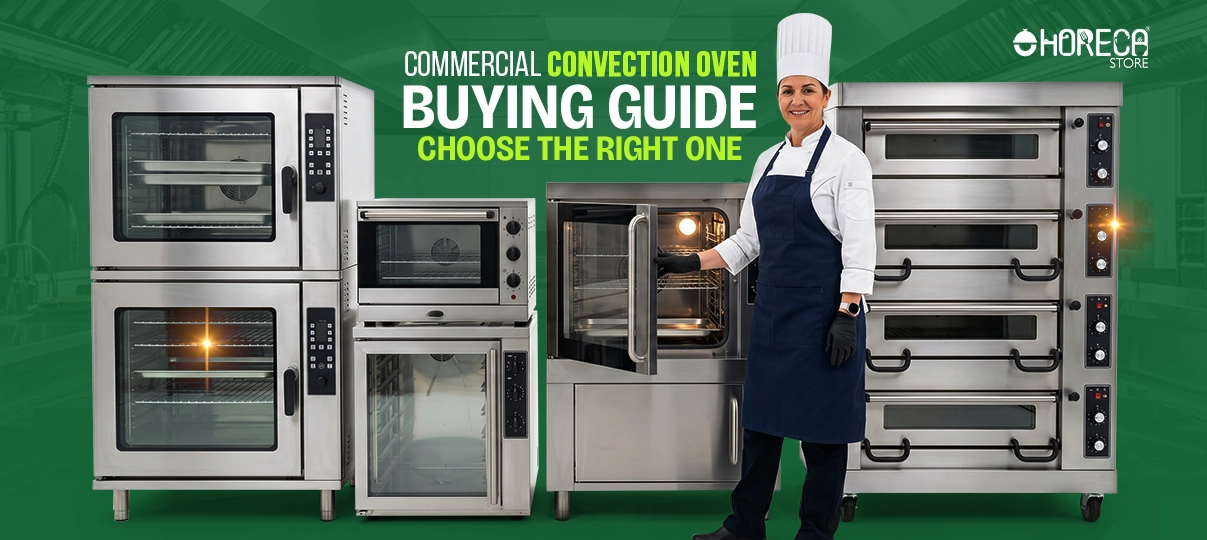
Have you ever wondered why a bakery’s croissants are perfectly golden on every side, while yours emerge from the kitchen with frustrating hot spots? That secret isn't a closely guarded recipe, but rather the physics of the appliance itself. Standard radiant baking simply cannot compete with professional airflow.
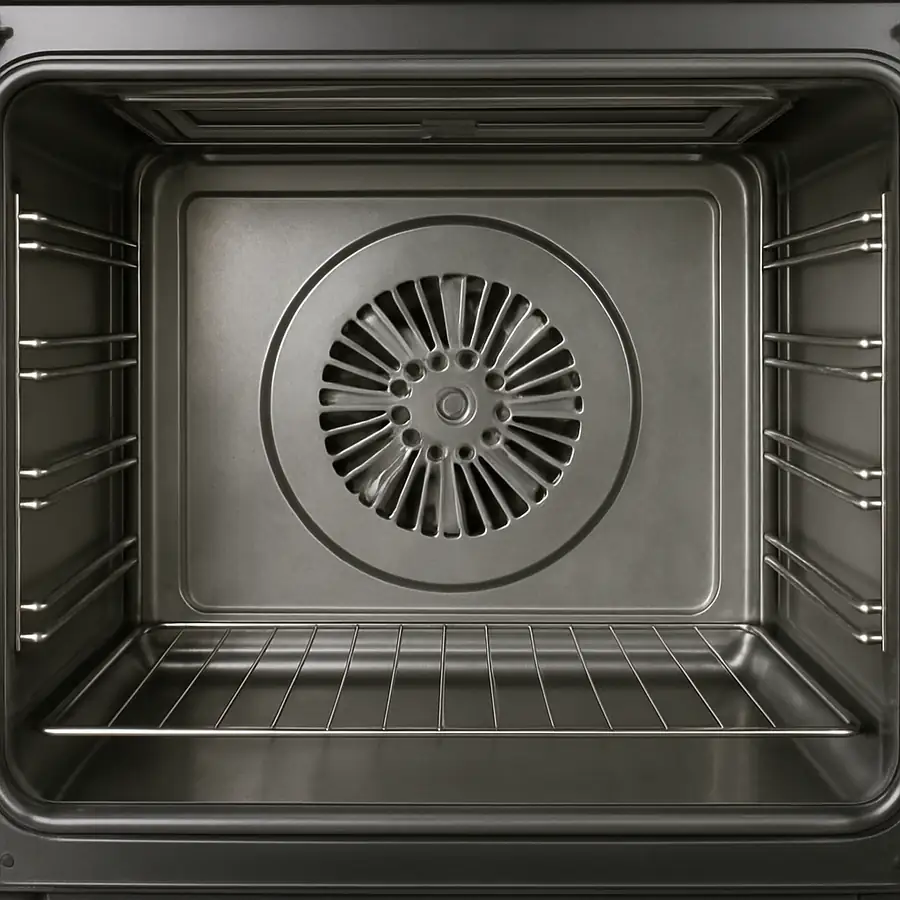
Traditional home cooking relies on still air, which naturally creates a microscopic layer of cooler temperature resting directly on your food. A true commercial convection oven introduces forced air circulation, essentially blowing away this stubborn "cold air envelope." Just as a brisk winter breeze strips away your body heat to make you feel colder, this internal fan mechanism strips away still air to expose your dough or roast directly to the heat source.
Culinary science shows that removing this invisible thermal barrier dramatically accelerates the entire baking process. In practice, operators reliably achieve a 25% cooking speed advantage over standard residential units. Because they power through this thermal barrier so efficiently, these stainless steel machines have earned their reputation as the heavy-duty workhorses of the culinary world.
Imagine baking four trays of delicate cookies at once and pulling out identically browned results without ever rotating a single pan. As you evaluate the best convection ovens to add to your commercial kitchen equipment, this fundamental airflow advantage unlocks an incredible return on investment through pure, repeatable consistency.
The Wind-Chill Factor: How Convection Fans Eliminate 'Hot Spots' Forever
A convection fan actively blasts away the invisible "cold air envelope" surrounding your food, replacing it instantly with intense heat. Reducing cook times with forced air circulation happens because this constant movement accelerates thermal transfer far beyond what a traditional still-air oven can achieve.
However, moving air effectively isn't as simple as installing a massive motor. Without proper direction, wind bounces randomly and creates an "air jam" in the corners, leaving food underbaked in the center. Professional ovens solve this using baffles—metal plates that act like traffic cops to guide heat evenly across every single tray. You also gain control over intensity; lowering the fan speed ensures delicate items like meringues won't blow sideways while still achieving perfect browning.
Spotting inferior equipment is crucial when troubleshooting uneven heat distribution in the kitchen. Watch for these three signs of poor airflow in a low-quality oven:
- Top-rack cookies burning while bottom racks stay pale.
- Food near the door requiring constant pan rotation.
- Delicate cake batters leaning awkwardly to one side.
Electric vs. Gas: Choosing Your Kitchen’s Power Source
Choosing between electric vs gas industrial baking units comes down to what you cook and your existing infrastructure. Gas ovens naturally release moisture during combustion, creating a humid environment perfect for roasting juicy meats. Conversely, electric ovens produce dry heat, making them the gold standard for bakers needing crisp, flaky crusts on breads.
Think of oven heat like a savings account. Every time you open the door to swap trays, you make a massive thermal withdrawal. This is where "recovery time" becomes crucial. High-BTU (British Thermal Unit) gas ovens act like larger bank accounts, depositing heat back into the chamber almost instantly to minimize temperature drops between heavy baking loads.
Hidden installation costs can quickly derail those performance benefits. Upgrading a commercial space for gas often triggers strict, energy efficient industrial kitchen ventilation requirements, potentially adding thousands to your build-out for heavy-duty exhaust hoods. Electric models bypass gas lines entirely, but they frequently demand expensive 240-volt electrical panel upgrades to support their massive power draw. Matching your menu's moisture needs against these utility upgrades ensures a wise investment without surprise contractor bills.
Countertop vs. Full-Size: Maximizing Your Floor Space and Output
Stepping into a commercial kitchen, your equipment's physical footprint is just as critical as its heating power. When evaluating countertop vs full size floor models, the choice hinges on your daily baking volume. For anyone gathering essential bakery equipment for small business startups, matching oven capacity to your existing sheet pans prevents frustrating bottlenecks during a busy morning rush.
The culinary world standardizes these pans using a universal system called Gastronorm (GN)—think of it like standard paper sizes for printers ensuring a perfect fit on the racks. Calculating your gastronorm tray capacity for high volume production makes comparing models straightforward:
- Countertop Ovens: Hold 3 to 4 half-size sheets (18" x 13"). Perfect for cafes baking small, fresh pastry batches without sacrificing counter space.
- Floor Ovens: Fit 5 or more full-size sheets (18" x 26"). Essential for bakeries needing to perfectly brown dozens of cookies simultaneously.
Should your production needs increase, many full-size units can be stacked, doubling your baking output without consuming extra floor space.
Manual Dials vs. Digital Brains: Selecting the Right Control Panel
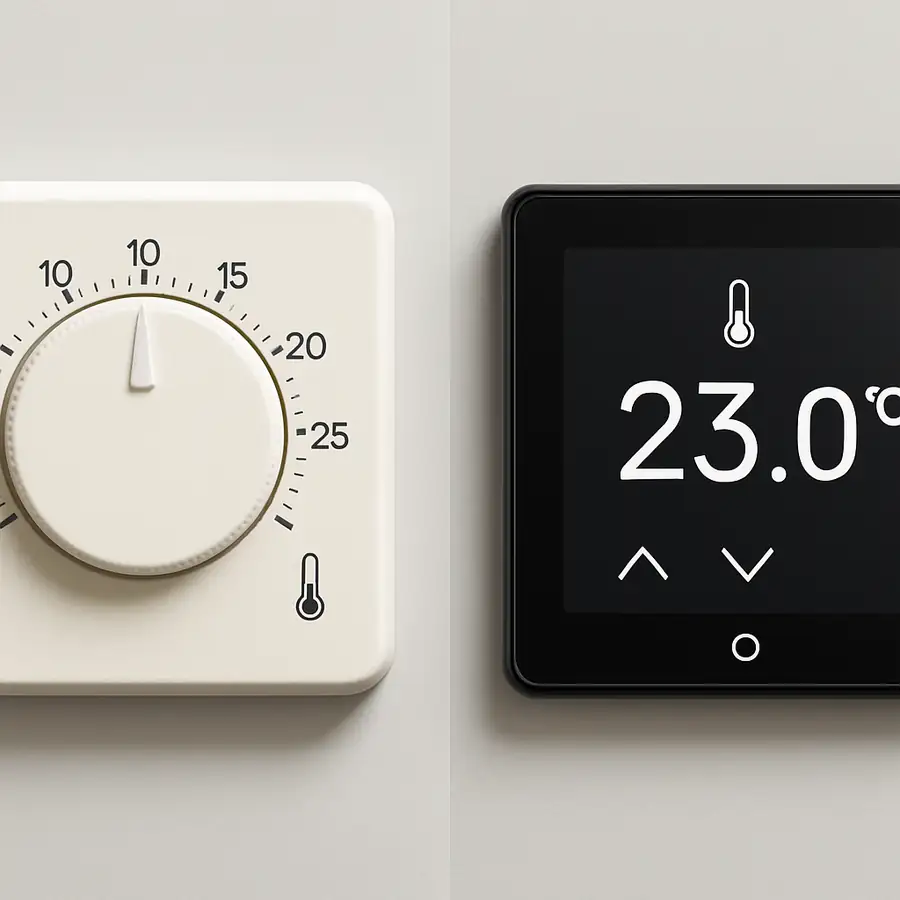
Walk into any bustling bakery, and choosing between manual and programmable control panels usually comes down to who operates the oven. Manual dials are the rugged workhorses of commercial kitchen equipment, surviving flour-covered hands and high heat with simple, highly durable mechanical parts. However, achieving consistent results with them relies entirely on the cook's memory and personal timing.
Digital panels act like an invisible sous-chef by using tiny internal computers to manage the bake. If you hire a new employee, you no longer need to spend weeks teaching them your exact sequence for flawless croissants. Instead, they simply press a pre-saved button, and the oven automatically executes perfectly calibrated temperatures and times to drastically reduce training time and eliminate guesswork.
This digital memory unlocks multi-stage cooking, a feature that seamlessly shifts the oven through different phases—like searing a roast at high heat before automatically dropping the temperature to gently finish the inside. While these electronic brains give you incredible control over standard baking, artisanal crusts require manipulating moisture alongside temperature.
The Steam Injection Secret: Why Your Bread Needs a 'Sauna'
Have you ever wondered why professional baguettes have impossibly airy centers and crackling exteriors? The secret is moisture. When baking bread with steam injection features, a quick blast of vapor creates a temporary "sauna" inside the chamber. This humidity keeps the dough's exterior soft and flexible just long enough for the loaf to expand to its maximum size before setting—a magical process bakers call "oven spring."
This technique isn't just for dough; it is the ultimate defense for preventing product dehydration during long roasting cycles. Retaining natural juices means your expensive meats shrink less and yield much more. The foods that benefit most from this targeted humidity include:
- Artisan crusty breads
- Large beef roasts
- Delicate puff pastries
- Whole roasted poultry
The massive price gap between standard convection and combi steamer functionality ultimately comes down to volume. Steam-injection simply adds quick moisture bursts, whereas pricey true combi ovens can cook entirely with heavy steam. Whether you invest in steam or stick to dry heat, that powerful fan changes how food cooks.
Mastering the 'Rule of 25': How to Adapt Any Recipe for Convection
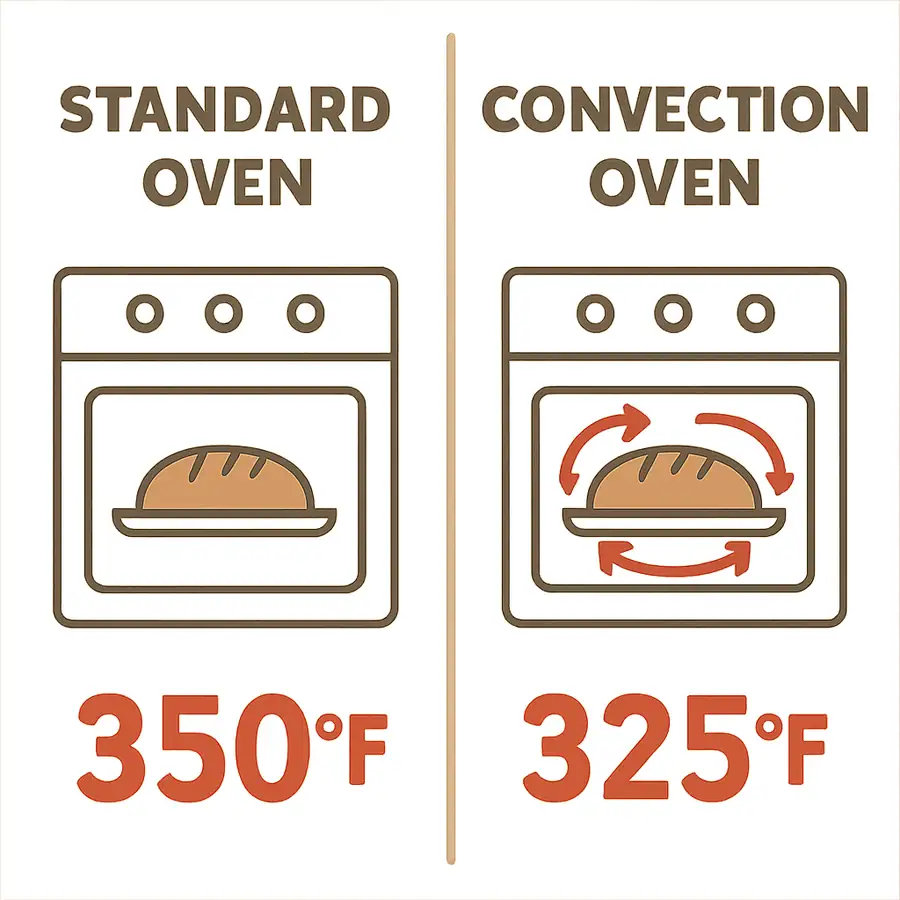
Transitioning to professional equipment is thrilling, but scorching a favorite family cookie recipe on day one can be deeply frustrating. Because the oven's powerful fan continuously strips away the protective cold air barrier surrounding your food, you must manage that intensity using the "Rule of 25." This simple standard temperature conversion for fan-assisted cooking dictates that you lower any legacy recipe's temperature by exactly 25 degrees Fahrenheit. Making this crucial adjustment immediately prevents the dreaded over-browning that frequently ruins high-sugar baked goods.
Adjusting the dial is only half the equation, as that constant breeze also noticeably accelerates the overall baking process. By reducing cook times with forced air circulation, you can generally expect your dishes to finish roughly 25 percent faster than the original instructions state. This dramatic speed boost optimizes your kitchen timing, allowing for much faster tray turnover when you need to feed a large crowd quickly.
To master this new cooking rhythm, make it a habit to check your food when three-quarters of the original time has elapsed. While adapting standard recipes takes a brief period of trial and error, keeping your machine running perfectly requires zero guesswork.
The 5-Minute Daily Habit: Cleaning and Maintenance for Longevity
Even after mastering temperature conversions, you might occasionally notice your food baking unevenly again. Before assuming the equipment is broken, begin troubleshooting uneven heat distribution by checking your door seal. This rubber gasket acts as a barrier that traps heat inside the cooking chamber. When crumbs or grease build up along the edge, hot air escapes and creates cold pockets. Wiping down the gasket nightly with a warm, damp cloth easily doubles its lifespan and maintains that perfectly consistent heat.
Following a reliable cleaning and maintenance guide for restaurant ovens doesn't require a mechanic's degree. Treat it like a quick kitchen closing routine:
- Daily: Wipe door gaskets and sweep out interior crumbs.
- Weekly: Wash the stainless steel racks to prevent baked-on grease.
- Monthly: Vacuum the exterior air intake filters.
That monthly vacuuming step acts as your best defense against expensive repairs. Just like a dusty house fan struggles to move air, a clogged intake filter forces the oven's motor to work overtime, ultimately causing fan failure. Keeping those vents clear ensures the engine breathes easily.
Deciphering the Labels: What NSF and Energy Star Actually Mean
Stepping into the commercial cooking world means decoding new silver stickers, but the blue NSF badge is your crucial ally for passing health inspections. Meeting strict NSF certification standards for food service gear guarantees the machine is designed to actively prevent bacterial growth. Look inside these professional units and you will notice "coved corners"—smooth, rounded interior edges rather than sharp right angles. This seamless design ensures rogue breadcrumbs and grease have absolutely nowhere to hide during your nightly wipe-downs.
Beyond sanitation, efficiency ratings directly shrink your monthly utility bills. Choosing an Energy Star model often pays for its own price upgrade within two years through sheer energy savings alone. Before buying, always verify local building codes regarding energy efficient industrial kitchen ventilation requirements, since commercial power usually demands specialized exhaust hoods.
Your Commercial Oven Action Plan: From First Batch to Long-Term Success
The physics of moving air clearly separates standard baking from professional results. Instead of hoping for even heat, investing in commercial convection oven eliminates cold spots and slashes recovery time.
To ensure you find the best convection ovens for your needs without making common first-timer buying mistakes, complete this final pre-purchase checklist:
- Confirm your kitchen's electrical or gas hookups match the oven’s power needs.
- Set a practical budget that includes professional installation costs.
- Verify the unit's physical footprint fits safely within your layout.
- Check the door swing clearance to guarantee easy loading and unloading.
- Plan your first test bake using the "Rule of 25" to adjust standard recipes.
Buy Commercial Convection Ovens from The Horeca Store
A commercial convection oven is an essential piece of equipment for restaurants, bakeries, cafés, hotels, and catering businesses that require fast, even, and consistent cooking. The Horeca Store offers a wide range of commercial convection ovens designed to improve cooking efficiency while delivering excellent baking and roasting results. Whether you need a compact model for a small kitchen or a high-capacity oven for busy foodservice operations, you'll find reliable solutions to match your business needs.
At The Horeca Store, we supply commercial convection ovens from trusted brands known for their durability, energy efficiency, and superior performance. Our expert team can help you choose the right oven based on your menu, kitchen space, and production volume. With competitive pricing, quality commercial-grade equipment, and dependable customer support, The Horeca Store is your trusted destination for investing in a convection oven that enhances productivity and delivers consistent cooking results every day.