
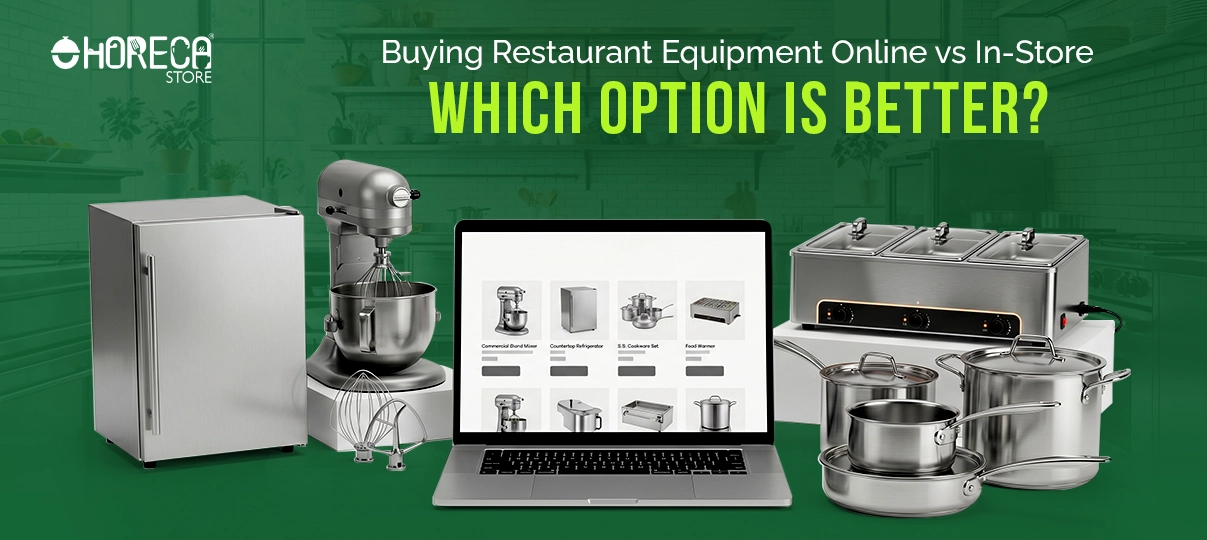
You found the perfect six-burner range online for $500 less than the local showroom, but before clicking 'buy,' consider what happens when that semi-truck actually pulls up. Buying commercial restaurant equipment isn't like ordering a microwave from a standard consumer site; think of it more like purchasing a piece of heavy industrial machinery. In practice, operators who only look at the initial sticker price often fall into the dreaded "sidewalk drop-off" trap.
That nightmare scenario happens because standard freight trucks do not automatically include a way to get a 400-pound appliance down to the ground. This is where you need a "liftgate delivery"—a specific shipping service using a hydraulic platform on the back of the truck to safely lower your items to street level. Industry data reveals that surprise freight surcharges can quickly destroy a budget if operators fail to calculate their total landed cost. This critical metric represents the final, absolute price you pay after factoring in the base equipment, taxes, and all shipping costs for heavy kitchen equipment.
Opening your doors on time requires mapping out this entire procurement journey, from the initial digital click to safely wheeling the unit into your physical workspace. Mapping these logistical layers protects both your opening timeline and your wallet. Whether you are outfitting a non-profit community kitchen or a bustling downtown diner, this guide will help you navigate the true financial differences between online shopping carts and local showrooms.
Calculating the 'Landed Cost': Why the Lowest Online Price Often Isn't
Buying heavy commercial gear isn't like ordering a book; these massive items fall under a freight class—a shipping metric based on weight and dimensions that dictates base transport fees. Furthermore, carriers tack on a residential delivery surcharge if your address isn't a traditional commercial loading dock, easily driving up shipping costs for heavy kitchen equipment.
Seeing the real "landed cost" requires comparing final invoices. While wholesale pricing for kitchen supply distributors looks incredibly appealing online, look at this typical scenario:
- Online Range: $2,000 unit + $250 freight + $100 residential surcharge + $75 liftgate = $2,425 total.
- Local Range: $2,400 showroom price + $0 local delivery = $2,400 total.
Calculating these surcharges before checkout ensures you aren't blindsided by mandatory delivery services required for your specific location. Protecting your budget doesn't stop at paying the invoice, as navigating commercial deliveries also means risking potential freight damage claims. Getting the item to your property safely is just the first hurdle in the delivery process.
Managing the Freight Nightmare: How to Handle Damage Claims and Liftgate Requirements
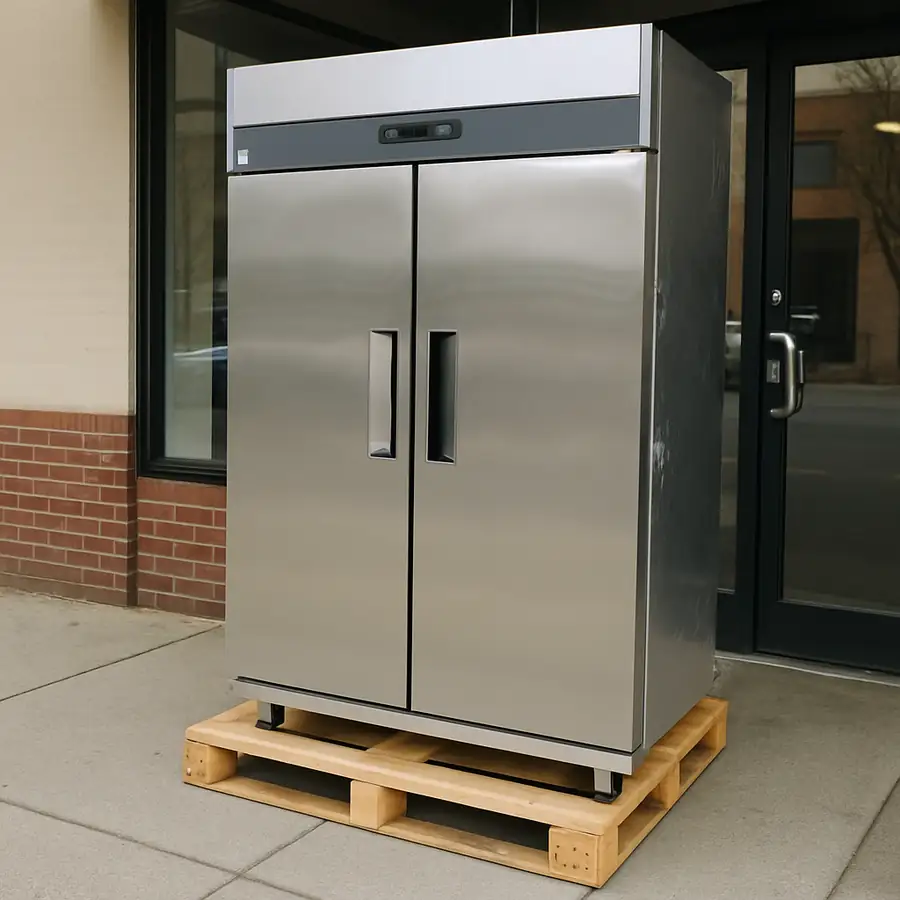
Getting a heavy refrigerator to your location is only half the battle. Unless you own a loading dock or a forklift, you must request liftgate shipping—a motorized truck platform that safely lowers equipment to street level. Otherwise, standard freight equates to a basic sidewalk drop-off, leaving you to wrestle 500 pounds through your front doors on your own.
Avoiding that physical nightmare requires upgrading to white glove delivery and installation services. This premium option functions like a high-end residential furniture delivery, bringing the commercial machinery directly inside your kitchen and hauling away the bulky wooden pallets.
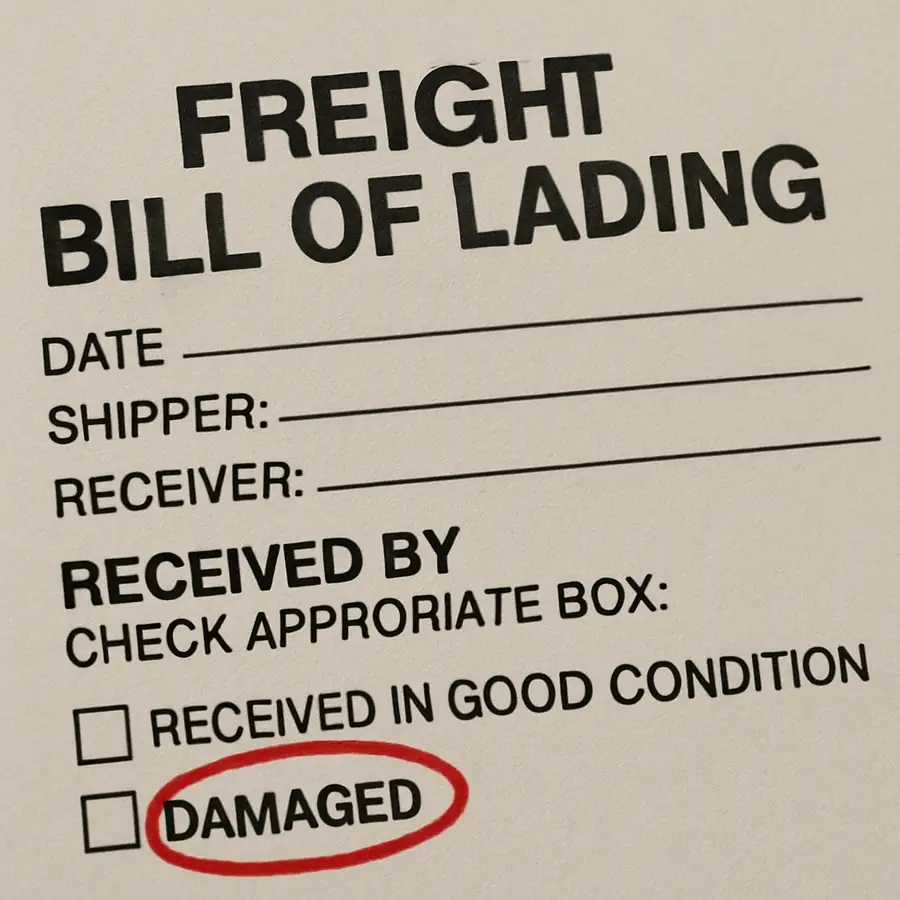
When the truck finally arrives, the driver will ask you to sign the Bill of Lading—the official legal receipt of goods. Never sign this document without performing a strict three-minute crate inspection for crushed cardboard corners or torn shrink wrap. If the driver rushes you, explicitly writing "Subject to Inspection" next to your signature protects your right to dispute issues later.
A pristine box can still harbor concealed damage, meaning internal breakage discovered only during unboxing. Successfully managing freight damage claims hinges entirely on those protective notes you made on the delivery receipt. If arguing with logistics companies over dented steel sounds overwhelming, buying locally removes this shipping risk entirely.
Local Showrooms: Using the 'Handshake' to Secure Professional Installation and Design Services
Opting out of the freight nightmare is one of the primary benefits of local restaurant supply stores. When you walk into a showroom, you aren't just buying equipment; you are securing a partner. This relationship often begins with personalized consultation for kitchen floor plans. Instead of guessing if a commercial oven will physically fit into your workflow, local experts visit your space to ensure your layout flows efficiently and secure professional installation that meets local fire codes.
While you might pay extra for commercial kitchen design services online, local dealers frequently bundle these perks at no extra cost. Building a strong local partnership typically includes the following free services:
- On-site measurements to guarantee heavy equipment clears your doorways.
- Professional installation coordination by licensed, certified technicians.
- Access to "loaner" equipment to keep your kitchen open during sudden repairs.
That emergency loaner perk alone can save your operations. If your main refrigerator dies on a Friday night, an internet retailer won't bring you a temporary replacement, but a local dealer often will. Beyond emergency support, local reps make sure the gear they sell won't fail municipal inspections.
Meeting Health Codes: Why NSF Certification and UL Listings Are Non-Negotiable
You finally installed a shiny stainless steel prep table, but the health inspector immediately flags it. There is a massive legal difference between a trendy "industrial look" and true commercial grade performance. When buying commercial kitchen supplies, health departments demand specific sanitary standards to protect the public from foodborne illnesses.
Strict adherence to NSF certification requirements serves as your primary defense against costly code violations. NSF is an independent organization verifying that equipment is easy to clean and won't harbor dangerous bacteria. Always locate the round blue NSF seal stamped directly on approved commercial cooking tools before buying. For example, an NSF-approved sink features "coved corners"—smooth, rounded inside edges where grime cannot get trapped—unlike the sharp ninety-degree angles found in standard home sinks.
Beyond sanitation, local codes dictate motorized or heated appliances must carry a UL (Underwriters Laboratories) Listing, proving they can safely survive continuous, high-heat environments without catching fire. Once your gear boasts both NSF and UL stamps, you might feel completely protected. However, installing these heavy-duty units in a residential setting introduces an entirely new financial hazard.
The Warranty Trap: Why Residential Use Can Void Your Commercial Coverage
Upgrading a church or home kitchen with heavy-duty gear seems brilliant until a part fails. Most manufacturers enforce a strict "Residential Clause" that instantly voids coverage if units like commercial refrigeration are installed outside strict commercial zoning. Since these machines run hotter and louder than standard consumer models, manufacturers simply refuse to cover the liability of non-traditional installations.
Footing the entire bill for a broken compressor quickly ruins a project budget. You must proactively ask: are online restaurant equipment warranties valid for my specific building? Denied coverage means losing access to the brand’s "Service Network"—their curated list of approved local repair technicians—leaving you paying premium emergency rates to whoever answers the phone on a weekend.
Evaluating these installation location risks is crucial when choosing where to buy. While local dealers automatically verify warranty eligibility based on your exact address before you buy, blind internet purchases offer no such protection. Avoiding these hidden digital traps is exactly why you should consider physically inspecting and testing equipment in a showroom first.
Testing Before You Buy: The Advantage of Hands-On Showroom Inspections
Staring at a screen cannot prepare you for the sheer physical footprint of commercial cooking tools. When visiting a local dealer, perform the critical "Doorway Test"—physically measuring the unit to guarantee it fits through your building's entrances. This showroom vs digital catalog selection process eliminates the nightmare of a massive refrigerator getting stuck on your sidewalk because it is one inch too wide.
Beyond dimensions, in-person visits let you evaluate ergonomic flow—how comfortably and safely your team operates the machinery during a rush. Testing commercial ovens before purchase allows you to experience interface tactile response, meaning how the physical controls actually feel under your hands. Always check:
- Door seals: Do they require a hard yank to open?
- Handle heat: Are grips safely positioned away from heat zones?
- Knob resistance: Do dials feel sturdy enough for heavy daily use?
Physically interacting with equipment drastically reduces buyer’s remorse. Once you know what a brand-new machine feels like, you can easily spot hidden damage when exploring the secondhand market.
Buying Refurbished: A 5-Point Checklist for Inspecting Used Commercial Appliances
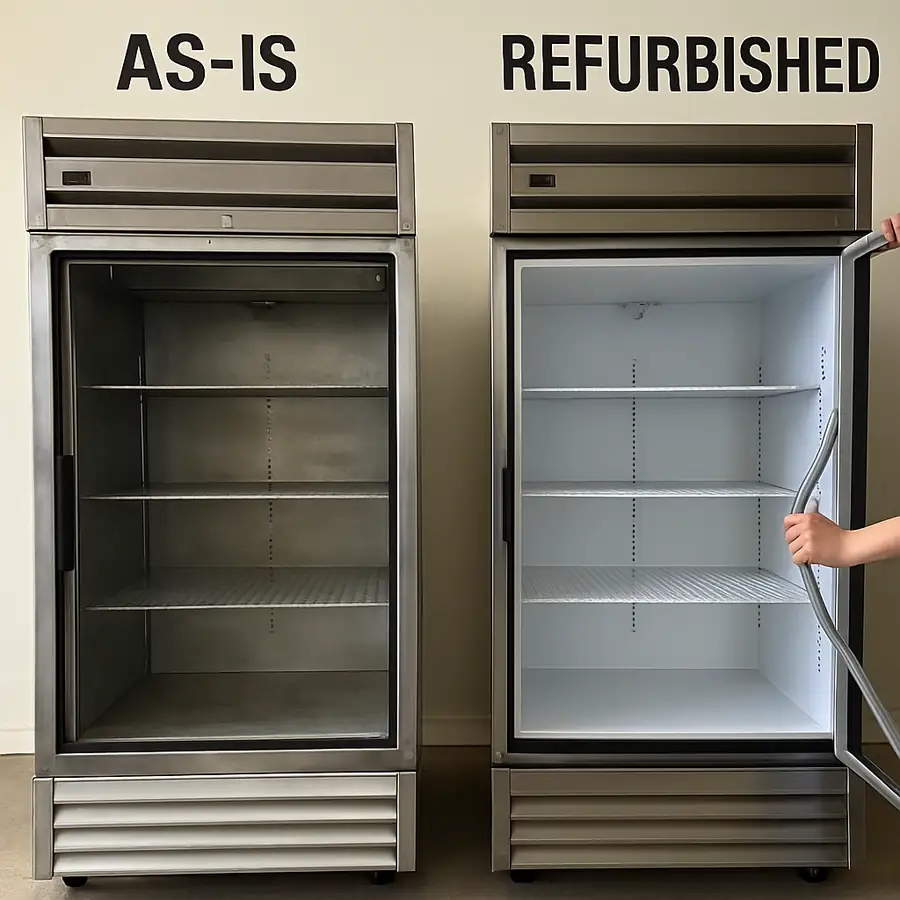
Stretching your budget often leads to the secondhand market, but not all used gear is equal. The biggest trap for buyers is confusing "As-Is" with "Certified Refurbished." An "As-Is" unit is a complete gamble—you buy it exactly as it sits, hidden problems included. Conversely, certified refurbished kitchen equipment has been professionally repaired and often includes a short warranty, providing a much safer middle ground.
Proper inspection of used commercial appliances protects your wallet and provides leverage to negotiate better prices based on visible wear. Whether evaluating refurbished vs new commercial refrigeration or cooking units, always use this five-point checklist:
- Compressor sound: Loud rattling points to failing motors or costly refrigerant leaks (a dangerous loss of cooling gas).
- Gasket seal: If a dollar bill shuts loosely in the door, the rubber seal is failing.
- Wiring condition: Check for frayed, exposed, or dangerous power cords.
- Rust check: Inspect bottom edges and interior floors for deep corrosion.
- Heating element age: Verify when oven or fryer elements were last replaced.
Walking away from a bad deal is crucial. Once you verify equipment condition, you can finally lock in your budget. With exact costs established, you can safely decide how to finance your kitchen build-out.
Financing Your Kitchen Build-Out: Weighing Cash vs. Leasing for Better Cash Flow
Securing equipment is a major financial hurdle, but writing a massive check upfront isn't your only option. When financing commercial kitchen build outs, you face a choice between paying cash or leasing. While paying cash eliminates monthly payments, equipment leasing spreads your costs over several years. This preserves your vital liquid capital—the readily available money you will desperately need for first-year operating expenses like payroll, marketing, and emergency repairs.
Smart financing also unlocks massive tax benefits through the Section 179 deduction. This IRS rule lets businesses deduct the full purchase price of qualifying equipment in the year it was acquired, rather than writing it off slowly over a decade. Even if you negotiated excellent wholesale pricing for kitchen supply distributors, applying Section 179 to leased appliances drastically lowers your true cost by reducing your year-end tax burden.
Timing these moves requires careful planning long before opening day. Because lead times for custom equipment orders often stretch for months, getting lease approval early ensures your appliances arrive on schedule.
The Operator's Action Plan: Choosing Your Procurement Path
Looking beyond the initial price tag allows you to calculate the Total Landed Cost and build a reliable safety net for your business. Ultimately, every procurement choice should serve one critical metric: shortening your Time to First Meal.
Use this decision matrix for sourcing your commercial kitchen supplies:
- Buy Online if: You need standard prep tables, basic shelving, or simple countertop units.
- Buy In-Store if: You are purchasing heavy refrigeration, complex ranges, or require logistical hand-holding for delivery and installation.
Execute a balanced strategy by securing heavy anchors locally and sourcing smaller items digitally. Always verify commercial warranties—especially if installing in a residential or non-profit setting—and confirm health department certifications before the truck arrives. If you decide to stretch your budget with pre-owned gear, mastering the inspection of used commercial appliances is critical to avoiding immediate and expensive repair bills.
By planning your delivery logistics and securing a local service partner early, you can confidently turn your focus toward what truly matters: serving incredible food.
Buying Commercial Restaurant Equipment Online vs. In-Store: A Guide for Operators
Purchasing commercial restaurant equipment is a major decision that impacts kitchen efficiency, budget, and long-term operations. Buying online offers convenience, The Horeca Store a wider product selection, easy price comparison, and access to detailed product information from anywhere. Restaurant owners can browse equipment such as refrigerators, ovens, fryers, ice machines, smallwares, and furniture without visiting multiple stores. Online suppliers often provide competitive pricing, customer reviews, and delivery options that make it easier for operators to plan their kitchen setup.
On the other hand, buying equipment in-store allows operators to see products firsthand, speak directly with experts, and get personalized recommendations based on their kitchen needs. The best choice depends on factors such as budget, equipment type, urgency, and level of support required. The Horeca Store combines the convenience of online shopping with a wide range of professional foodservice products, helping restaurants, cafés, hotels, and catering businesses find reliable commercial equipment and supplies. With quality products, competitive prices, and expert support, The Horeca Store makes it easier to build an efficient and successful kitchen operation.