
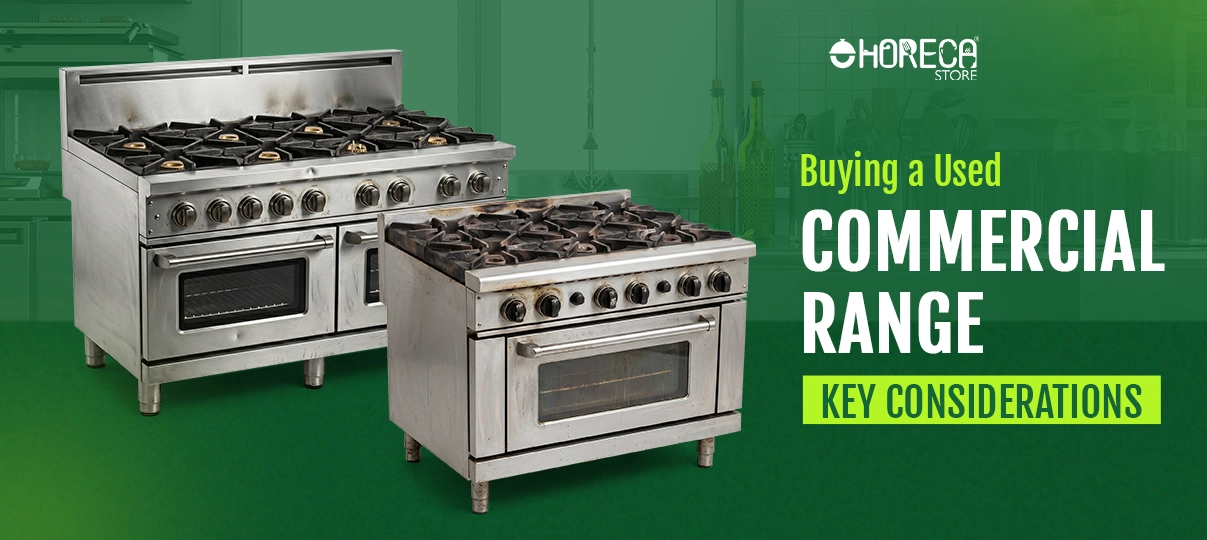
When it comes to outfitting a commercial kitchen, investing in a range is one of the most significant decisions you'll make. A commercial range is the workhorse of any kitchen, instrumental in crafting dishes that delight your clientele. However, the cost of new commercial kitchen equipment can be prohibitive for many businesses, particularly startups or small enterprises. Enter the option of buying a used commercial range—a cost-effective solution that can provide you with the functionality you need without breaking the bank.
In this comprehensive guide, we will explore the key considerations when buying a used commercial range to help you make an informed decision that aligns with your culinary and financial needs.
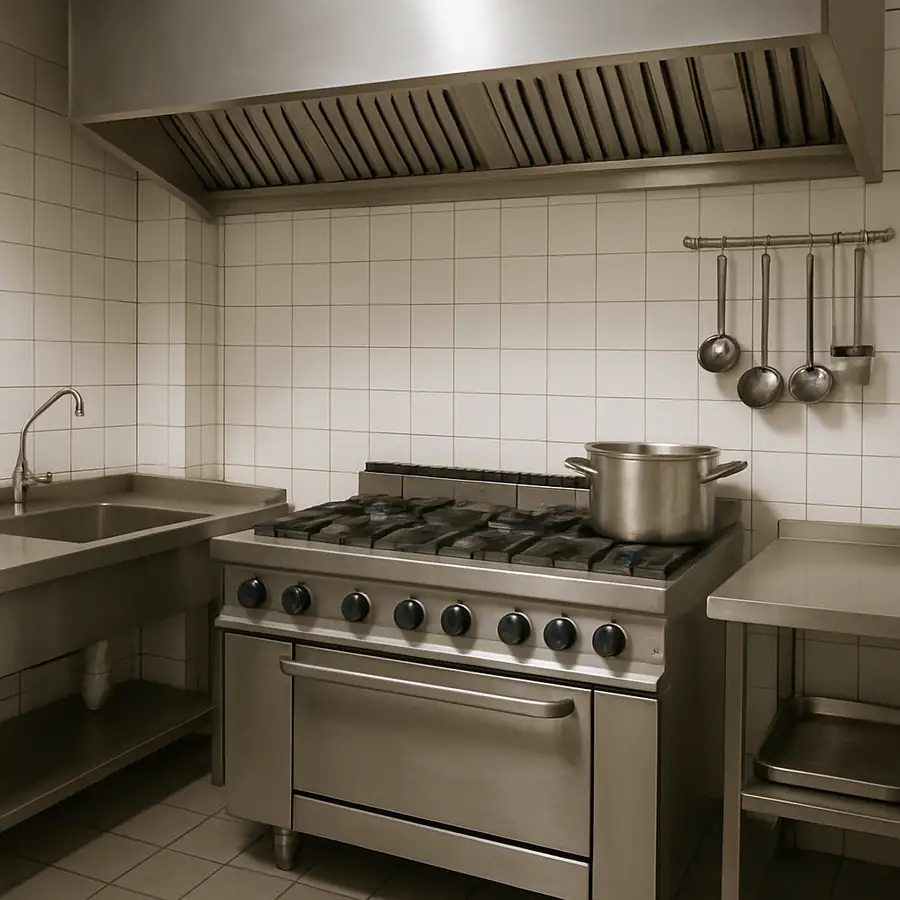
Before diving into the marketplace, it is imperative to assess your specific kitchen requirements. Understanding your kitchen's unique demands will guide you toward the ideal equipment choice.
Type of Cuisine
The type of cuisine your establishment specializes in will heavily influence the kind of range you need. If you run a pizzeria, you'll need a range that can handle high-temperature baking consistently. Conversely, a seafood restaurant might require equipment that offers more precise temperature controls for delicate preparations. Knowing your menu inside out is crucial to selecting a range that complements your cooking style and enhances efficiency.
Service Volume and Peak Hours
Consider the volume of service and peak hours in your restaurant. High foot traffic demands a range that can keep up with orders without compromising quality. Evaluate your busiest times to determine how many burners or oven compartments you'll need. A range with a higher capacity can drastically improve service speed and customer satisfaction, but it must align with your kitchen's spatial constraints.
Future Expansion Plans
As you assess your current needs, think about your business's future. If you plan to expand your menu or increase seating capacity, your range should accommodate those growth plans. Investing in a slightly larger or more versatile range now can save you from needing another upgrade soon. Flexibility in equipment can be a key asset as your business evolves.
Inspection and Condition
When buying used, the condition of the commercial range is paramount. Unlike new equipment, used ranges come with a history that can affect their performance and lifespan.
Visual Inspection
Begin with a thorough visual inspection. Look for signs of excessive wear and tear, rust, or damage. Pay special attention to the burners, knobs, and overall structural integrity. These components are crucial to the range's functionality and safety. Inspect the grates and drip trays for signs of heavy use or neglect, as these can indicate how well the equipment has been maintained.
Functional Testing
Whenever possible, test the range's functionality. Ensure that all burners ignite correctly and that the temperature controls are responsive. Observe the performance of the oven, if applicable, checking for even heating and efficient operation. Test the range under typical conditions to verify that it meets your operational demands without any hiccups.
Maintenance History
Request the maintenance history from the seller. Regular maintenance and repairs by a qualified technician can significantly extend the life of a commercial range. A documented service history provides insights into potential future issues and the care the equipment has received. Ask about any recent repairs or replacements, which can give you a clearer picture of the range's current condition.
Understanding the Market
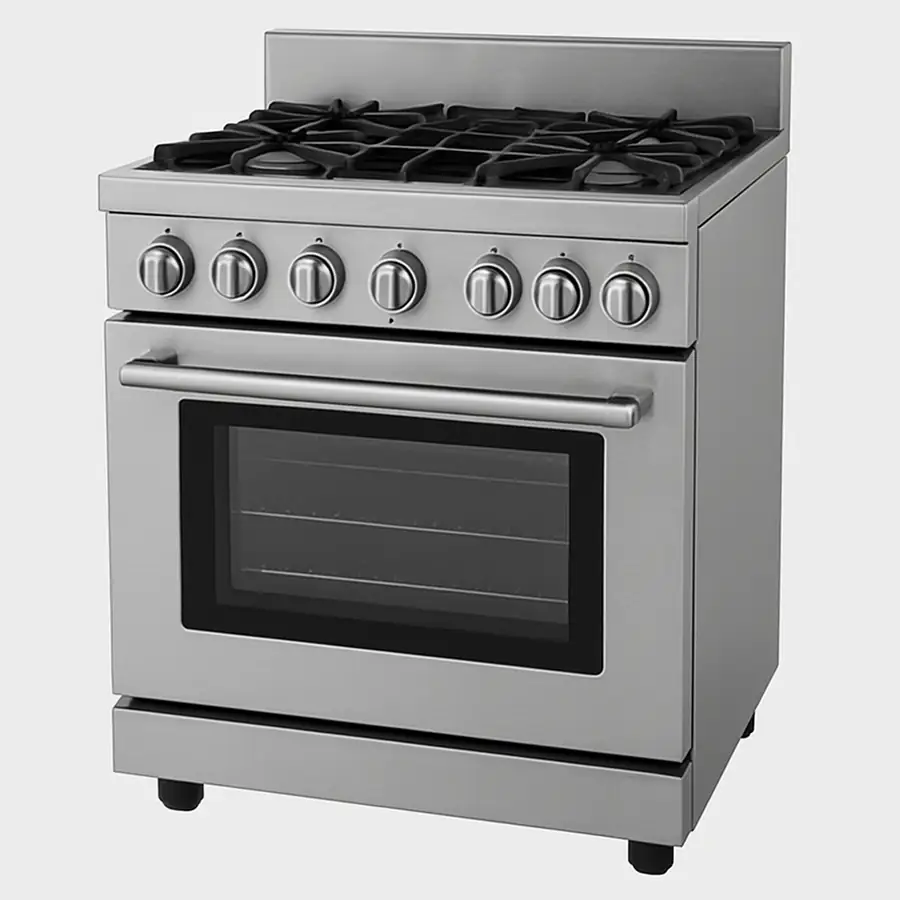
The market for used commercial kitchen equipment is vast, with numerous vendors offering a wide range of products. Understanding this landscape will help you find the best deal.
Different Vendor Types
Explore different types of vendors, from large-scale suppliers to small independent sellers. Each type of vendor has its advantages and drawbacks. While larger suppliers may offer warranties and broader selections, independent sellers might provide more personalized service and better negotiation opportunities. Weigh these factors based on your priorities.
Evaluating Product Listings
When browsing product listings, scrutinize the details provided. Look for specific information on the model, age, condition, and any included accessories. A comprehensive listing will often reflect a seller's transparency and reliability. Listings with detailed photographs allow you to assess the equipment's state before making a visit.
Negotiation Strategies
Research the market to understand the typical pricing for the type of range you need. Prices can vary significantly based on age, condition, and brand. Don't hesitate to negotiate with sellers, particularly if you identify any cosmetic or minor functional issues during your inspection. Effective negotiation can lead to substantial savings, so be prepared to discuss terms confidently.
Financial Considerations
Budget is often the driving factor behind purchasing used equipment. However, it's essential to balance cost savings with potential future expenses.
Initial Budgeting
Set a clear budget before you start shopping. Factor in the cost of the range itself, potential repairs, and any necessary modifications for your kitchen. Knowing your financial limits upfront will prevent overspending and help you make practical decisions.
Total Cost of Ownership
Consider the total cost of ownership, which includes initial purchase price, installation, potential repairs, and energy consumption. A cheaper upfront price may lead to higher costs down the line if the range is inefficient or requires frequent repairs. Compare different models not just on price, but on longevity and efficiency to find the best value.
Long-Term Savings
Older models may not be as energy-efficient as newer ones. Assess the range's energy consumption and calculate the long-term operating costs. In some cases, investing slightly more in an energy-efficient model can result in significant savings over time. Additionally, investigate potential tax incentives or rebates for upgrading to energy-efficient equipment, which can further offset costs.
Regulatory Compliance
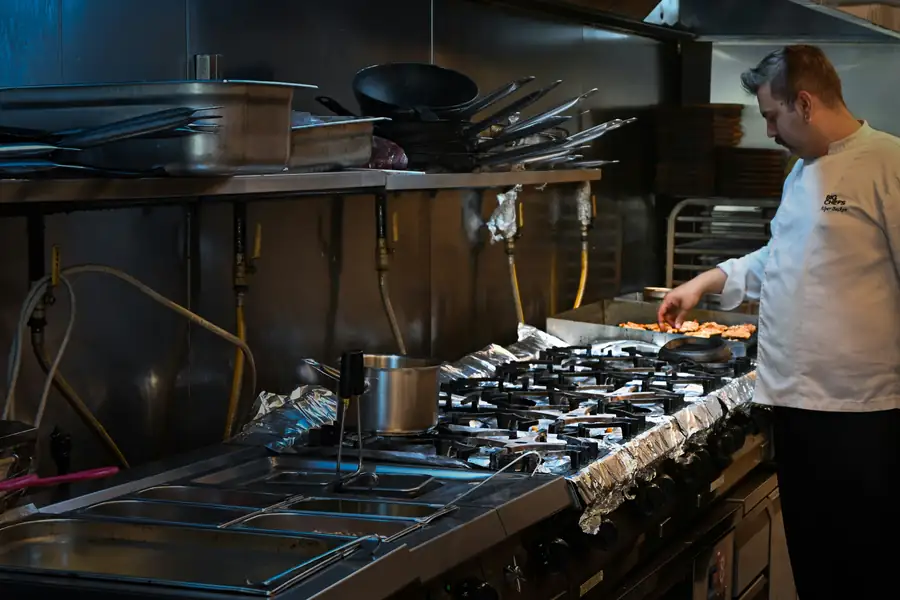
Compliance with local health and safety regulations is non-negotiable in a commercial kitchen setting.
Health and Safety Standards
Ensure that the used commercial range meets all health and safety standards applicable in your area. Non-compliance can lead to fines or operational disruptions. Verify that the equipment is properly certified and that any necessary modifications have been made. Consult with local health departments if unsure about specific requirements.
Installation Requirements
Professional installation by a certified technician is crucial not only for compliance but also for ensuring the range operates safely and efficiently. Improper installation can lead to gas leaks, electrical issues, or other hazards. Arrange for a professional assessment of your kitchen's existing infrastructure to ensure compatibility with your new equipment.
Ongoing Compliance Checks
Once installed, maintain ongoing compliance by scheduling regular safety checks and maintenance. Keeping records of these checks can protect you from future liabilities and demonstrate due diligence in maintaining safe operations. Regular audits of your equipment's performance and safety features should be part of your standard operational procedures.
Buy Used Commercial Ranges from The Horeca Store
Purchasing a used commercial range can be a cost-effective solution for restaurants, cafés, hotels, and catering businesses looking to upgrade their kitchen equipment. The Horeca Store offers reliable commercial cooking equipment that delivers excellent performance, durability, and value. Before buying a used range, it is important to consider factors such as condition, heating efficiency, size, burner performance, and overall maintenance history to ensure you make the right investment.
At The Horeca Store, we help businesses find dependable commercial ranges designed to meet professional kitchen demands. Whether you need equipment for a new restaurant setup or want to expand your existing kitchen, our quality-focused solutions provide efficiency and long-term reliability. Explore our range of commercial kitchen equipment to find the right cooking solution for your foodservice operation.
Conclusion
Purchasing a used commercial range is a strategic decision that can offer substantial savings and operational benefits. However, it requires careful consideration of your kitchen's needs, the equipment's condition, market dynamics, financial implications, and regulatory compliance.
By following these guidelines, you can make a well-informed purchase that enhances your kitchen's capabilities and supports your culinary ambitions. Remember, while the allure of cost savings is significant, the quality and safety of your kitchen equipment should never be compromised. Taking a meticulous approach ensures that your investment is sound and serves your business effectively for years to come.