
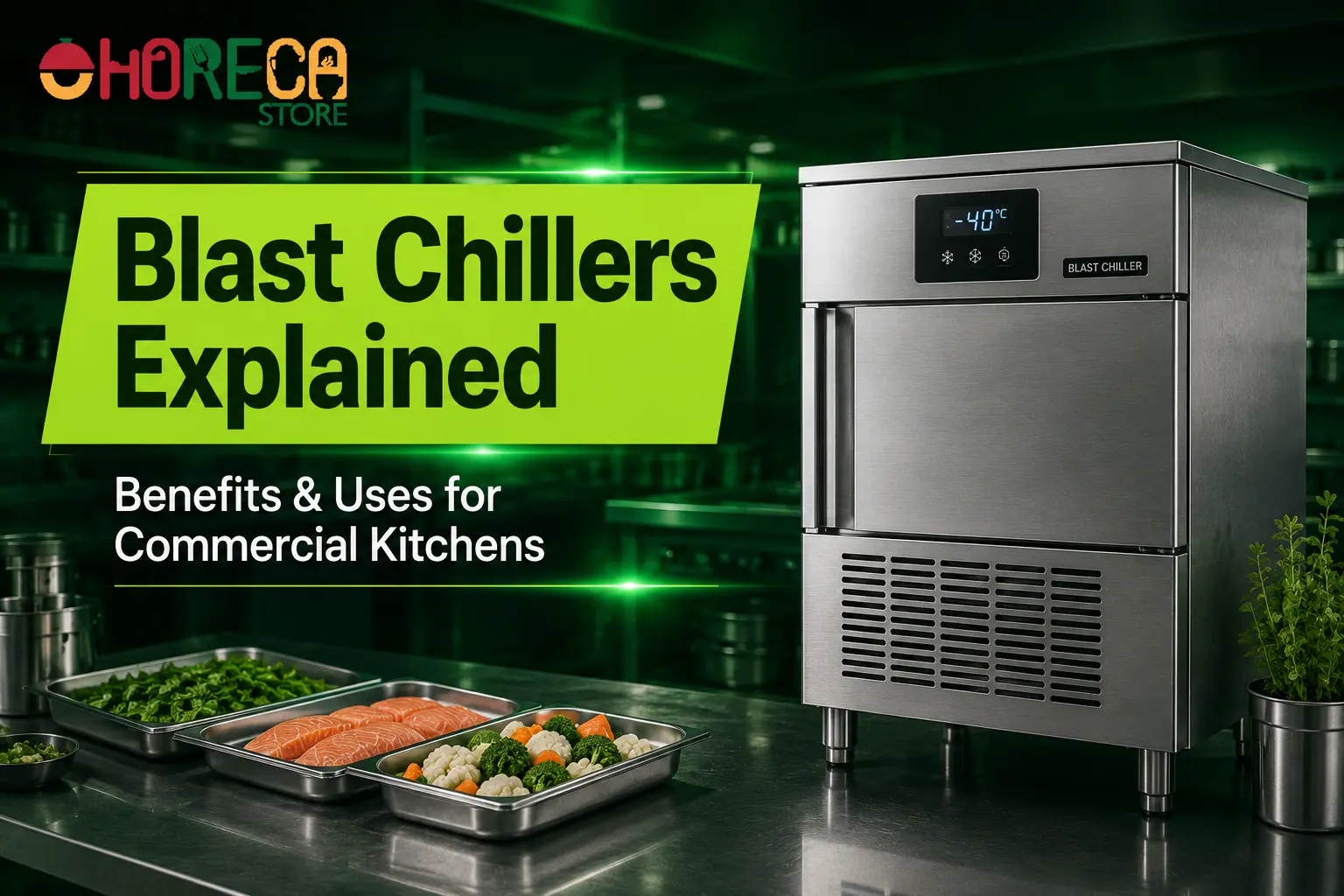
If you run a commercial kitchen, a catering business, or a large-scale meal prep company, you know that time, temperature, and quality are the pillars of culinary success. The challenge of preparing large volumes of food while maintaining its original flavor, texture, and nutritional value has led to the adoption of advanced industrial food preservation techniques. Chief among these innovations is the blast chiller.
Whether you are looking to upgrade your kitchen equipment or simply want to understand the technology keeping your favorite restaurant meals fresh, you are in the right place. In this comprehensive guide to blast chillers explained: benefits & uses, we will dive deep into how these powerful machines work, why they are essential for food safety, and how they can revolutionize your food production workflow.
What is a Blast Chiller?
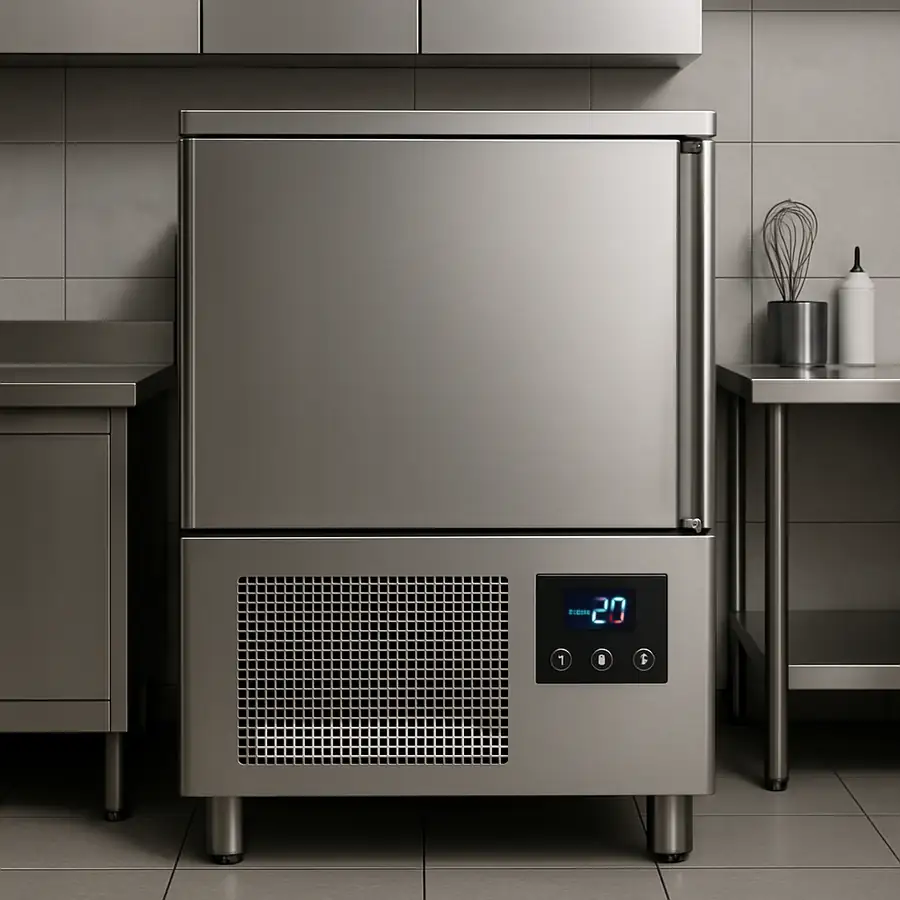
A blast chiller is a specialized refrigeration unit designed to cool hot food rapidly. Unlike a standard refrigerator, which is meant to store cold food, a blast chiller is engineered to aggressively drop the temperature of freshly cooked food in a very short amount of time.
In a bustling culinary environment, waiting for a massive vat of soup or a rack of roasted meats to cool down at room temperature is a recipe for disaster. Not only does it slow down production, but it also creates a massive food safety hazard. Blast chillers solve this problem by forcefully extracting heat from the food, allowing chefs to safely transition dishes from the oven to the refrigerator in a fraction of the time.
How Does a Blast Chiller Work?
If you are wondering, "how does a blast chiller work?", the answer lies in advanced airflow and raw cooling power.
When you place a tray of hot food into a blast chiller, the machine utilizes high-velocity fans to blow ice-cold air directly over the product. This continuous, aggressive circulation of chilled air strips away the heat radiating from the food. The unit is equipped with heavy-duty compressors and evaporators that continuously remove the extracted heat from the cabinet.
To ensure safety and performance, these machines must meet strict blast chiller temperature pull down requirements. In most jurisdictions, rapid cooling standards dictate that food must be brought down from 135°F (57°C) to 41°F (5°C) or below in under 90 to 120 minutes.
The Science of Rapid Cooling: Quality and Texture
There is a fascinating scientific reason why rapid cooling is superior to simply tossing hot food into a standard freezer. The secret lies in cellular integrity and moisture retention.
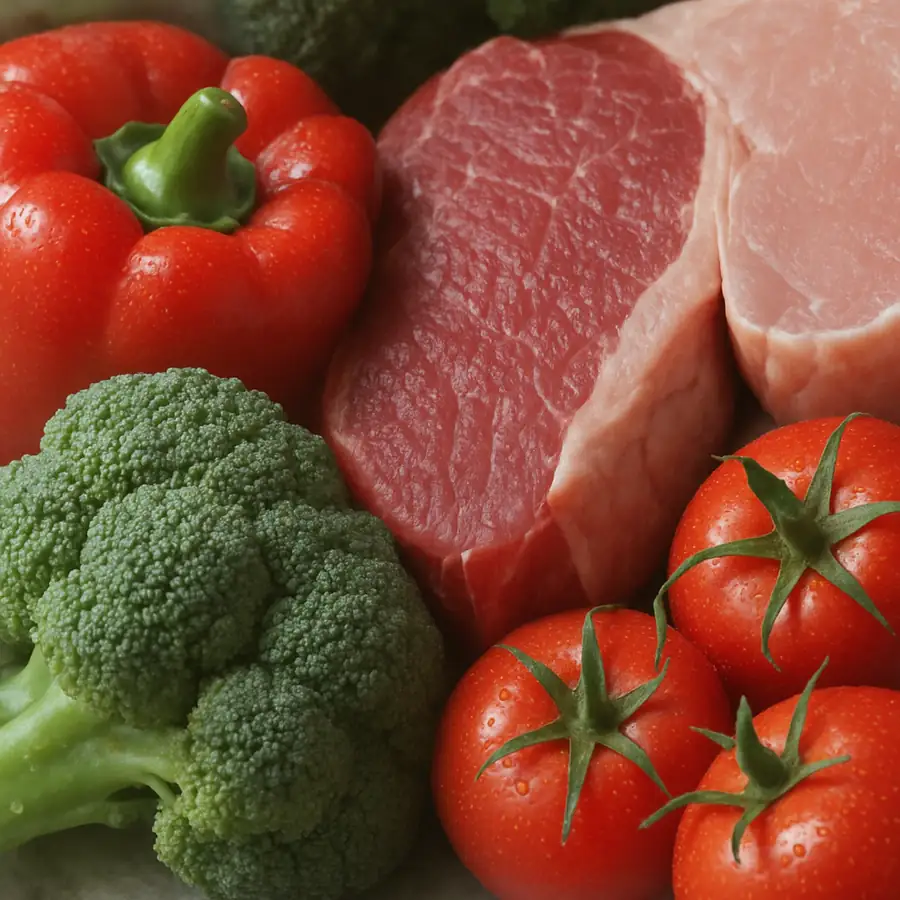
When food freezes slowly in a conventional freezer, the water molecules inside the food have time to bind together. This slow process results in the creation of large macro-crystals of ice. These large crystals act like microscopic daggers, puncturing and tearing the cellular walls of the food. When the food is eventually thawed, those damaged cells leak their internal moisture, resulting in a mushy texture, loss of flavor, and a dried-out appearance.
By utilizing high-velocity cold air, blast chillers cool the food so quickly that water molecules do not have the time to form large clusters. Instead, this rapid method is essential for preventing large ice crystal formation in food. By generating only tiny, harmless micro-crystals, the cellular structure of the ingredients remains completely intact.
This process is the ultimate key to maintaining food texture during freezing. When blast-chilled or shock-frozen food is regenerated (reheated or thawed), it looks, tastes, and feels exactly as it did the moment it finished cooking.
Understanding the Terminology: Chillers vs. Freezers
When exploring commercial cooling options, you will likely encounter several terms that are often used interchangeably but actually serve very different purposes. Let's break down the blast chiller vs shock freezer difference, as well as how they compare to traditional freezers.
Blast Chilling (Rapid Cooling)
Blast chilling focuses on dropping the temperature of hot food down to a safe refrigerated state (usually around 37°F to 41°F, or 3°C to 5°C) extremely quickly. The goal is not to freeze the food, but to cool it rapidly for safe refrigeration and short-term storage.
Shock Freezing
While a blast chiller brings food to a refrigerated state, a shock freezer takes it a step further. Shock freezing aggressively drives the core temperature of the food down to 0°F (-18°C) or below in a matter of hours (usually under 240 minutes). This is ideal for long-term storage. Many modern commercial blast chillers are hybrid units, offering both a "soft chill" mode for delicate items, a "hard chill" mode for dense foods, and a "shock freeze" mode.
Shock Freezing vs Traditional Freezing Methods
The debate of shock freezing vs traditional freezing methods comes down to speed and quality. Traditional commercial freezers are designed to hold frozen foods at a constant temperature, not to freeze hot foods. Putting hot food in a traditional freezer forces the compressor to work overtime, raises the ambient temperature of the freezer (putting other stored foods at risk), and results in the damaging macro-crystals mentioned earlier.
Blast Chillers Benefits: Why Every Kitchen Needs One
The initial investment for a rapid cooling unit can be significant, but the return on investment is undeniable. Here are the top blast chillers benefits that make them indispensable in modern gastronomy.
1. Unmatched Food Preservation Benefits
The faster you can cool food, the better it retains its original qualities. Blast chilling locks in aroma, flavor, color, and nutritional value. Vegetables stay crisp and vibrant, meats retain their natural juices, and sauces maintain their perfect consistency. These remarkable food preservation benefits mean your customers get a freshly cooked experience, even if the food was prepared days in advance.
2. Extending Shelf Life of Prepared Foods
Because rapid cooling drastically slows the deterioration process and limits the time food spends at bacterial-growth temperatures, it naturally extends the usability of your ingredients. By extending shelf life of prepared foods—often doubling or tripling the standard refrigerated shelf life—kitchens can dramatically reduce food waste and lower their overall food costs.
3. Embracing the Cook-Chill System
Many large-scale operations rely on a specific workflow known as the cook-chill method. This involves cooking food in large batches, rapidly chilling it, storing it, and then reheating exactly what is needed for service.
The commercial cook-chill system benefits are massive. It allows head chefs to mass-produce base sauces, stocks, and proteins during off-peak hours or dedicated prep days. This minimizes the chaos of the dinner rush, reduces ticket times, and ensures absolute consistency across every single plate that leaves the kitchen.
4. Labor and Time Savings
By cooking in bulk and safely chilling the surplus, kitchens optimize their staff's time. Instead of having a prep cook make mashed potatoes every single day, they can make a massive batch on Monday, blast chill it, and use it throughout the week. This streamlines kitchen operations and reduces overtime labor costs.
5. Increased Equipment Lifespan and Energy Efficiency
You might think that running a heavy-duty chiller uses a massive amount of electricity. However, the latest advancements in energy efficiency in commercial cooling equipment have made these units incredibly cost-effective to operate. Furthermore, by using a blast chiller to cool food before transferring it to your standard walk-in refrigerators or freezers, you prevent those units from having to work in overdrive to stabilize their internal temperatures. This saves energy across your entire kitchen and extends the lifespan of your standard refrigeration units.
Food Safety Guidelines and HACCP Compliance
Perhaps the most critical function of a blast chiller is its role in keeping food safe for human consumption. In professional food service, there is a temperature range known as the "Danger Zone"—between 41°F and 135°F (5°C to 57°C). In this zone, foodborne pathogens and bacteria can double in number in as little as 20 minutes.
Beating the Danger Zone
Traditional cooling methods, like leaving food on a counter or placing hot pans in an ice bath, often leave the food lingering in the Danger Zone for far too long. A core function of a blast chiller is reducing bacteria growth in cooked meals by blasting through this dangerous temperature bracket as quickly as possible. By cooling hot food safely for storage in under 90 minutes, you essentially stop bacterial proliferation in its tracks.
Navigating Strict Health Regulations
Health departments require commercial kitchens to follow rigorous food safety guidelines for rapid cooling. In the United States, the FDA Food Code generally requires that hot food be cooled from 135°F to 70°F within two hours, and then from 70°F to 41°F within an additional four hours. Blast chillers easily beat these requirements, providing peace of mind and bulletproof compliance during health inspections.
HACCP Compliance for Professional Kitchens
Hazard Analysis and Critical Control Point (HACCP) is an internationally recognized system for reducing the risk of safety hazards in food. Achieving HACCP compliance for professional kitchens requires meticulous documentation of food temperatures during the cooking, cooling, and storing phases.
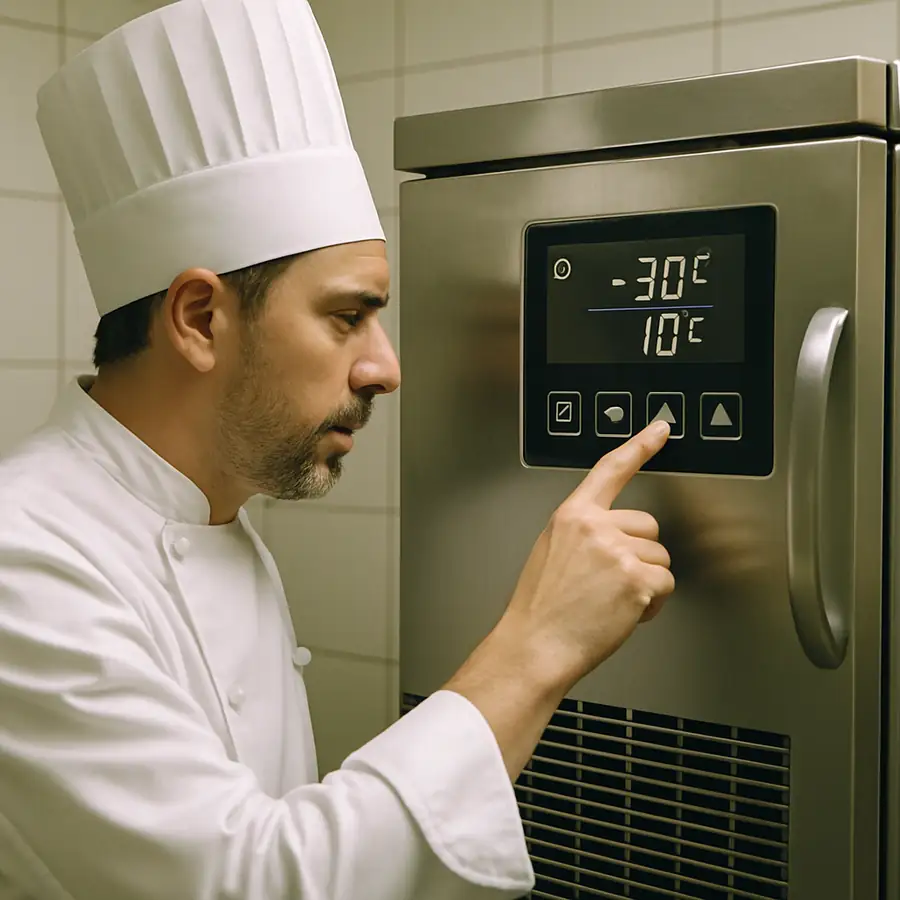
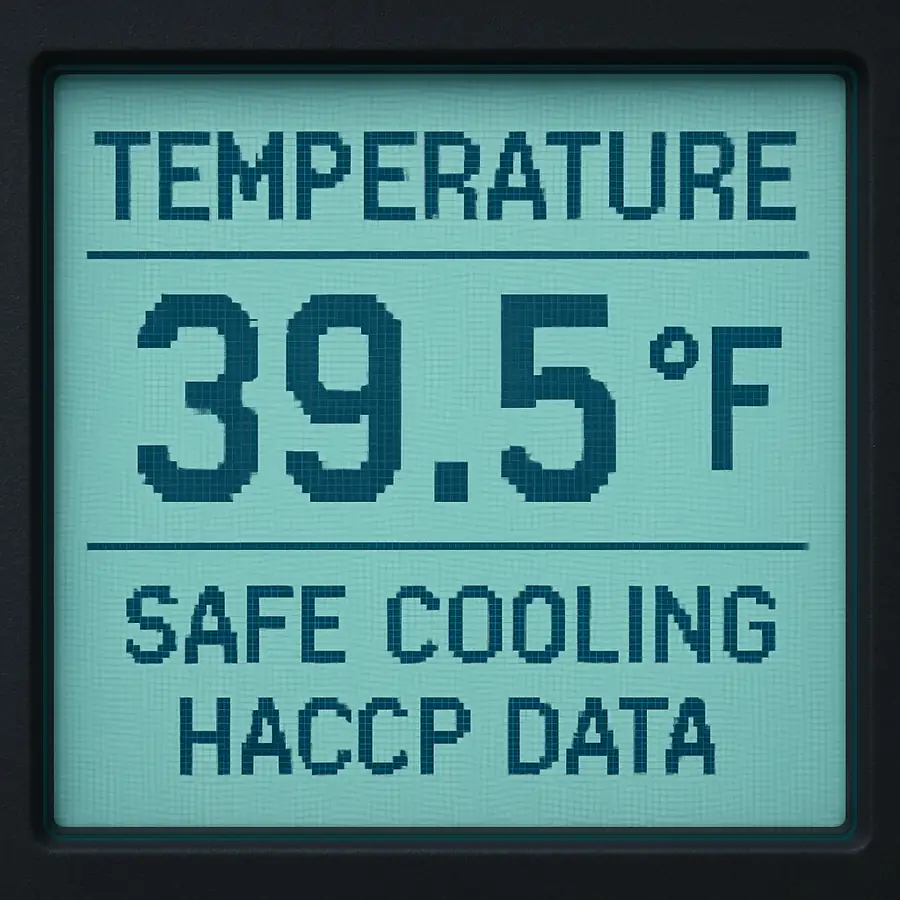
Modern commercial blast chillers come equipped with integrated core temperature probes and data-logging software. Chefs can insert the probe into the center of a roast or a batch of soup, and the machine will automatically record the time and temperature curve. This data can be downloaded directly to a USB drive or via Wi-Fi, providing instant, error-free documentation for your HACCP logs.
Blast Chiller Uses Across Different Industries
The versatility of these machines means they are not just for high-end Michelin-starred restaurants. Let's explore some of the most common blast chiller uses across various food service sectors.
Restaurants and Fine Dining
In traditional restaurants, commercial blast chillers are used to cool down stocks, soups, and sauces rapidly. They are also heavily utilized for par-cooking. A chef can sear a steak, blast chill it to halt the cooking process, and then finish it in the oven to order perfectly during a busy service.
Bakeries and Patisseries
For bakers, time is everything. Blast chillers allow bakers to rapidly cool par-baked breads or quickly set delicate chocolate work, mousses, and gelatin-based desserts. When working with puff pastry or croissants, blast chilling helps lower the temperature of the butter layers quickly, ensuring the dough remains flaky and perfectly layered.
Gelato and Ice Cream Shops
Shock freezers are an absolute must in the artisanal gelato industry. Once gelato is churned, it must be hardened quickly to prevent the formation of large ice crystals (which would ruin the smooth, creamy mouthfeel). A quick trip to the shock freezer stabilizes the gelato perfectly before it is moved to the display case.
Meal Prep and Catering Businesses
The benefits of blast chilling for meal prep companies cannot be overstated. When preparing hundreds or thousands of identical meals for a week's worth of delivery, keeping the food fresh, safe, and texturally appealing is the ultimate challenge.
Meal prep companies can portion out hot rice, roasted vegetables, and grilled chicken directly into containers and load them into a blast chiller. The rapid chill locks in the moisture of the chicken and keeps the vegetables from turning into mush. When the customer reheats the meal at home three days later, it tastes as though it was just plated.
Best Practices for Using Your Blast Chiller
To get the absolute most out of your investment and ensure you are maximizing both efficiency and food safety, follow these actionable best practices:
- Do Not Overload the Unit: Blast chillers rely on high-velocity air circulation. If you pack the trays too tightly, the air cannot flow between the pans, drastically increasing the cooling time. Leave adequate space between racks.
- Use the Right Pans: To facilitate rapid cooling, use shallow, unlidded stainless steel or aluminum pans. Food should ideally not exceed 2 inches (5 cm) in depth when being chilled.
- Utilize the Core Probe: Never guess if the food is properly chilled. Always use the built-in temperature probe, placing it in the thickest part of the food to ensure the absolute center has reached safe storage temperatures.
- Keep it Clean: Spills can impede airflow and harbor bacteria. Wipe down the interior of the unit daily and schedule routine maintenance for the condenser coils to maintain optimal energy efficiency.
- Cover After Chilling: Do not put lids or plastic wrap on hot food before placing it in the chiller, as this traps heat and creates condensation. Chill the food uncovered, and then seal it tightly before moving it to your standard storage refrigerator to prevent cross-contamination.
Complete Your Commercial Kitchen with The Horeca Store
A blast chiller can improve food preparation and storage, but successful foodservice operations also need dependable everyday supplies. The Horeca Store offers a wide range of products for restaurants, cafés, catering businesses, and commercial kitchens, including disposable food containers, takeaway cups, coffee cups, disposable cutlery, napkins, and other foodservice essentials.
Whether you're setting up a new commercial kitchen or upgrading an existing operation, choosing the right equipment and reliable foodservice supplies can help improve efficiency and deliver a better customer experience. Explore The Horeca Store for quality hospitality and catering products to support your day-to-day business needs.
Conclusion
Mastering the art of high-volume food production requires more than just culinary skill; it requires the right technology. When examining blast chillers explained: benefits & uses, it is easy to see why these machines have transitioned from a luxury item to an absolute necessity in the modern commercial kitchen.
From preventing dangerous bacterial growth and ensuring strict food safety compliance, to preserving the delicate textures and vibrant flavors of your ingredients, rapid cooling technology fundamentally upgrades how a kitchen operates. By implementing a commercial blast chiller, you are investing in reduced waste, optimized labor, streamlined operations, and ultimately, a superior dining experience for your customers. Whether you are running a boutique bakery, a bustling restaurant, or a high-volume meal prep service, the blast chiller is the silent, freezing workhorse that will take your culinary business to the next level.