
What makes a beverage food truck worth buying
A beverage food truck can be a smart purchase when it gives you a practical way to serve drinks quickly, safely, and profitably in different locations. The best option is not simply the prettiest truck or the cheapest listing; it is the one that matches your menu, service style, storage needs, budget, and long-term business plan. Whether you want to run a mobile drink service, add drink catering service to private events, or build a full drink truck business, the right setup should make daily operations easier from the first pour to the final cleanup.
Is a beverage food truck a smart investment?
The right beverage food truck paired with reliable food truck equipment creates a mobile business with real growth potential.
A beverage food truck is worth considering when it helps you turn a clear drink concept into a flexible, mobile business. Compared with a traditional storefront, a truck or trailer can let you test locations, attend events, serve private bookings, and adjust your schedule without committing to one fixed customer base. The value comes from how well the vehicle supports your actual operation, not just from the idea of owning a mobile business.
For many owners, drinks are appealing because they can be served at a wide range of occasions. Coffee, tea, smoothies, lemonade, specialty sodas, mocktails, boba-inspired drinks, hot chocolate, and seasonal beverages all fit naturally into mobile service. A well-planned beverage food truck can show up at office parks in the morning, festivals in the afternoon, weddings on weekends, and community markets throughout the year.
That flexibility is powerful, but it only works when the truck is built around the realities of food truck drinks. You need space for equipment, water, refrigeration, ingredients, cups, lids, ice, cleaning supplies, staff movement, and customer-facing service. If those pieces are missing or poorly arranged, even a beautiful drink food truck can become frustrating to run.
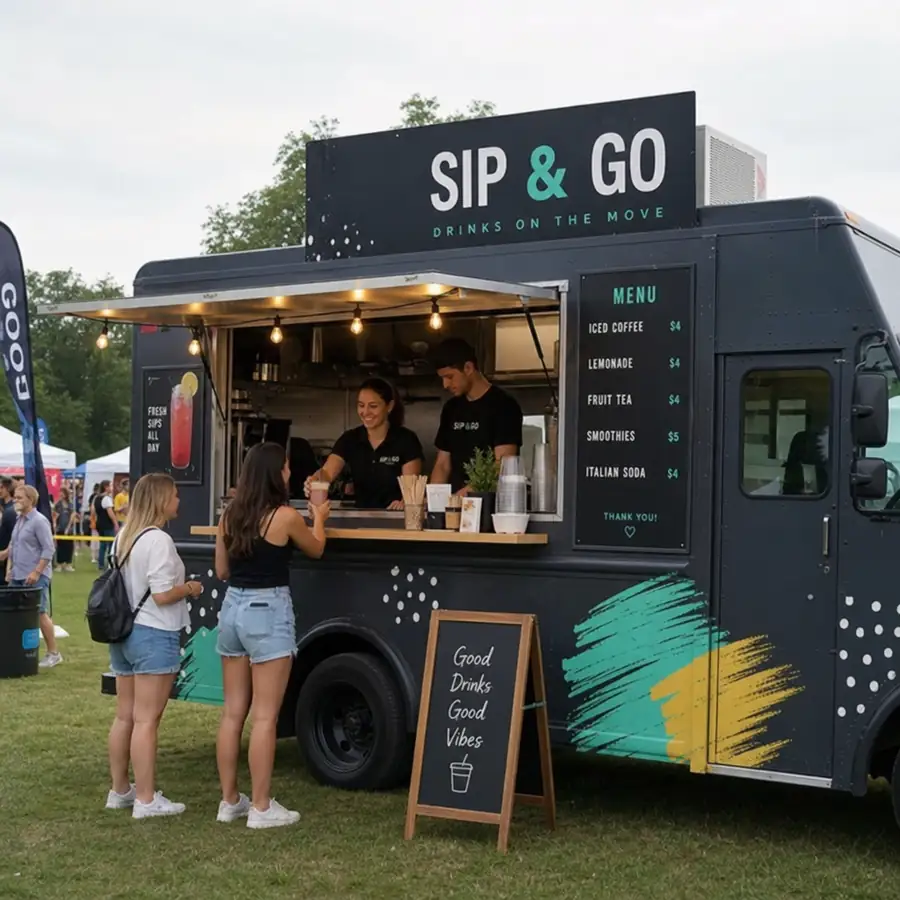
What should you look for before buying?
Evaluating the build quality, commercial refrigeration, and ice machine setup early saves costly upgrades later.
Before you buy, look for a beverage food truck that fits your menu, meets local operating requirements, has reliable equipment, and gives your team enough space to work efficiently. A low price can be tempting, especially when you see a food trailer for sale or a mini food truck for sale online, but the true cost depends on what you will need to repair, upgrade, permit, insure, and operate. A truck worth buying should reduce friction, not create a long list of expensive surprises.
Start with your menu. A hot beverage food truck that serves espresso drinks has very different needs from a smoothie truck, lemonade trailer, or mobile mocktail bar. Espresso may require a strong electrical setup, water filtration, grinders, refrigeration for milk, and a workflow that keeps lines moving. Smoothies may need freezer space, blenders, prep counters, and reliable cold storage. Lemonade or iced tea may need large-volume dispensers, ice management, and fast service windows.
Then think about where you plan to work. A drink catering service for weddings may need a polished look and quiet operation. A truck for festivals may need fast throughput, rugged equipment, and clear customer-facing signage. A neighborhood coffee truck may need compact service, strong branding, and a reliable morning setup. The more clearly you define the use case, the easier it becomes to judge whether a beverage food truck for sale is a good fit.
The menu drives the build
A focused drink menu matched to the right beverage equipment and cold storage keeps service fast and margins strong.
The biggest mistake many first-time buyers make is shopping for the vehicle before defining the beverage concept. A truck is not just a container for equipment; it is the working environment where your menu either flows smoothly or constantly slows you down. The more specific your menu is, the better you can evaluate size, layout, utilities, and equipment.
A simple drink menu can often perform better than an oversized one. If you offer too many beverages, you may need more ingredients, more storage, more staff training, and more decision time at the service window. A focused menu allows you to prepare faster, control quality, reduce waste, and create signature drinks people remember.
Consider these menu planning questions before you compare food trailers for sale or search for a lunch truck for sale that could be converted:
- Will most drinks be hot, cold, blended, carbonated, bottled, or made to order? This affects equipment, water use, refrigeration, and service speed.
- How many drinks can you realistically make in five minutes? A busy event rewards speed as much as creativity.
- Which ingredients must stay refrigerated or frozen? Cold storage is often one of the first limitations in a small unit.
- How much ice will you need per shift? Many cold beverage concepts underestimate ice storage and replenishment.
- Can the menu change by season? A truck that handles both iced drinks and hot drinks may give you more year-round flexibility.
- Do you need food handling space? Even a drink-focused setup may require prep space for fruit, garnishes, syrups, or packaged snacks.
Once you answer those questions, you can judge listings with a sharper eye. A compact trailer may be perfect for bottled drinks and lemonade but too tight for a full espresso bar. A larger truck may support a broader menu but cost more to buy, maintain, and park.
Layout matters more than looks
A great-looking beverage food truck can attract attention, but a smart layout is what keeps orders moving. Every step should feel natural: take the order, prepare the drink, add finishing touches, hand it off, clean the station, and repeat. When equipment is placed poorly, staff end up crossing paths, reaching awkwardly, or waiting for access to the same small workspace.
Look closely at the service window, counter depth, storage placement, and aisle width. Can one person operate comfortably during slower periods? Can two or three people work during a rush without blocking each other? Is there enough room to restock cups, lids, napkins, and ingredients without interrupting service?
Good layout also supports cleanliness. Sinks, trash, handwashing, and cleaning supplies should be easy to access. If staff have to work around clutter to clean spills or wash hands, the design is working against you. For any mobile drink service, fast service and clean habits need to coexist.
When touring a truck or trailer, walk through a sample order in your mind. Imagine preparing your most popular drink while another customer is paying and a staff member is restocking ice. If the space already feels cramped during a walkthrough, it will feel even tighter during a real event.
Equipment should fit the concept, not impress the buyer
Choosing commercial refrigerators, espresso equipment, and smallwares that match your concept avoids wasted budget.
It is easy to get excited about shiny equipment, but not every upgrade adds value to your specific business. The right equipment is dependable, properly sized, easy to clean, and appropriate for your daily volume. Oversized equipment can waste space and power, while undersized equipment can limit sales during peak demand.
For a hot beverage food truck, you may need espresso equipment, drip brewers, hot water systems, grinders, refrigeration, and a reliable power plan. For cold drinks, the priority may shift toward ice storage, blenders, freezers, cold wells, beverage dispensers, and prep space. For a specialty drink food truck, you may need custom shelving for syrups, toppings, teas, powders, fruit, or branded packaging.
When you’re planning a build, it helps to price out the big-ticket items early-commercial refrigeration, an ice machine, coffee equipment, blenders, and water filtration. Many operators use The Horeca Store as a trusted source for comparing commercial beverage equipment and foodservice equipment in one place, especially when dialing in what will fit (and power) inside a mobile setup.
Before you buy concession trailer listings that already include equipment, ask practical questions:
- Is the equipment working now, and can you see it operate?
- Is it sized for the number of drinks you plan to sell per hour?
- Are replacement parts easy to find?
- Is the equipment easy for staff to clean at the end of a shift?
- Does the electrical, water, or ventilation setup support it safely?
- Would you choose this equipment if you were building from scratch?
Included equipment can make a purchase more attractive, but only if it serves your menu. If half the equipment must be removed or replaced, the listing may not be the bargain it appears to be.
Utilities can make or break daily operations
Utilities are not glamorous, but they are central to whether the truck works. Water capacity, wastewater storage, electrical service, generator needs, propane if applicable, and ventilation all affect where you can operate and how long you can serve. A beverage setup often depends heavily on water and power, so these systems deserve careful attention.
Water matters for brewing, blending, cleaning, handwashing, and sanitation. If the fresh water tank is too small, you may need to refill too often. If the wastewater tank is too limited, your shift may end earlier than planned. If the plumbing is poorly installed, leaks or drainage problems can become ongoing headaches.
Power is just as important. Espresso machines, refrigeration, blenders, freezers, lights, POS systems, and water pumps may draw more electricity than new owners expect. A truck that works for simple bottled beverages may not support a full coffee operation without upgrades. Before buying, have a qualified professional review the electrical capacity and equipment load.
If you’re upgrading or replacing gear, having a single place to browse essentials-like commercial refrigeration, ice machines, coffee equipment, beverage equipment, food preparation equipment, stainless steel worktables, and shelving-can simplify planning. The Horeca Store is a convenient destination for exploring those foodservice essentials while you’re building out a beverage truck.
The best food concession trailers for sale are not always the newest or largest. They are the ones with systems that match the work. If you plan to serve at outdoor festivals, private venues, offices, and markets, your utilities must be dependable enough to handle different conditions.
Condition, maintenance, and inspection deserve patience
A beverage food truck is both a vehicle and a workplace. That means you are evaluating mechanical condition as well as the buildout. Tires, brakes, engine, transmission, suspension, mileage, rust, leaks, electrical systems, flooring, walls, counters, and equipment condition all matter.
If you are looking at a trailer, inspect the hitch, frame, axles, tires, lights, stabilizers, and towing compatibility. A food trailer for sale may look clean inside but still need serious exterior or structural work. If you plan to buy concession trailer units used, a professional inspection can help you avoid expensive repairs that are not obvious in photos.
Ask for maintenance records when available. Confirm whether equipment manuals, warranties, service history, or build documentation exist. If the seller cannot answer basic questions about the systems, proceed carefully.
A pre-purchase checklist can help you stay objective:
- Check the vehicle or trailer title and ownership documents.
- Review maintenance records and repair history.
- Test major equipment under working conditions.
- Inspect plumbing for leaks and drainage problems.
- Review electrical panels, outlets, and generator connections.
- Look for soft flooring, rust, water damage, or poor repairs.
- Confirm measurements for storage, parking, and service access.
- Ask whether the unit has previously passed local inspections.
- Estimate immediate repair and upgrade costs before negotiating.
Patience is part of the buying process. A rushed purchase can leave you with a truck that drains your budget before you serve your first customer.
New, used, truck, or trailer
There is no single best format for every beverage business. A new build can be tailored to your concept, but it may require more planning time and a larger budget. A used beverage food truck for sale may help you launch faster, but it may also require repairs, redesign, or equipment changes. A trailer may cost less than a motorized truck in some situations, but you need a tow vehicle and a plan for setup.
A full truck can be convenient because the driving and service unit are combined. That can simplify transport and create a strong branded presence at events. However, mechanical issues can take the entire business off the road, and repairs may be more complex because the vehicle and kitchen systems are connected.
A trailer can be practical for operators who already have a suitable tow vehicle or plan to stay in one place for longer events. Food trailers for sale come in many sizes, from compact drink trailers to larger concession setups. A trailer may also give you flexibility if you want to upgrade the tow vehicle separately later.
A mini food truck for sale may appeal to buyers who want a small footprint, easier parking, and lower operating complexity. Compact units can work beautifully for focused menus, but they leave little room for storage and extra staff. If your goal is high-volume festival service, make sure a small unit can keep up.
A lunch truck for sale can sometimes be converted into a drink-focused operation, but conversion costs should be reviewed carefully. Removing cooking equipment, changing counters, adding refrigeration, or upgrading electrical systems may cost more than expected. The best choice is the format that supports your menu, schedule, and growth plans with the fewest compromises.
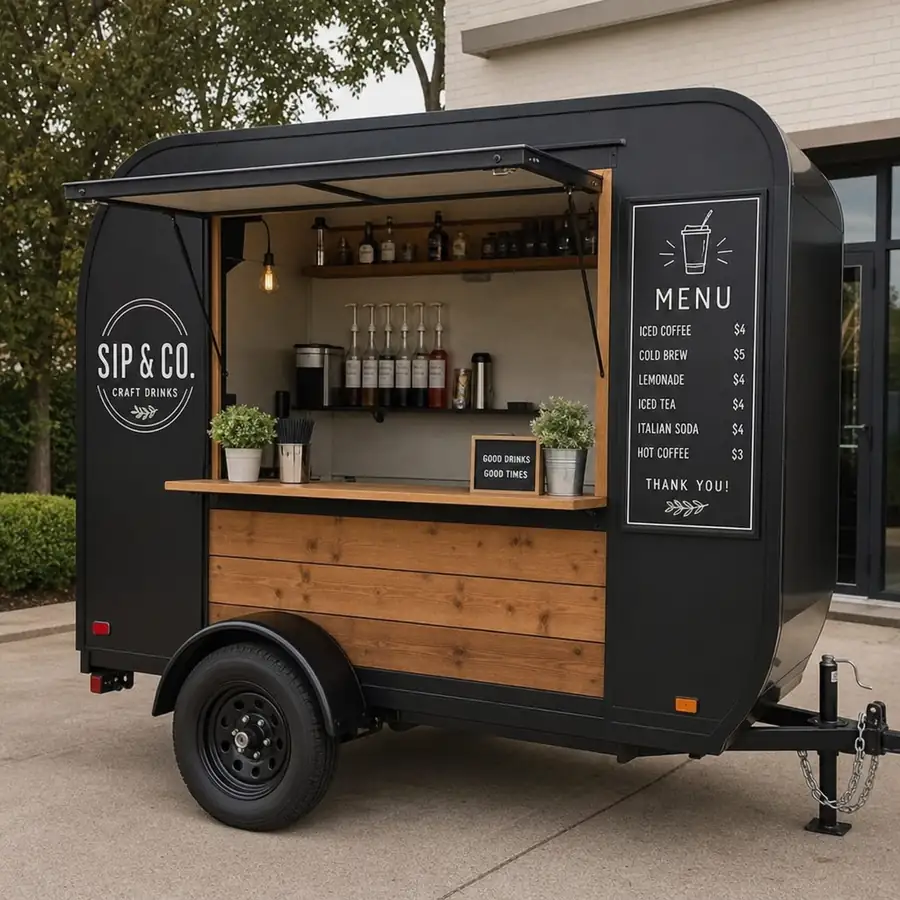
Permits and compliance should guide the purchase
Compliance with local food safety rules and permit requirements protects your investment from day one.
Local requirements vary, so never assume a truck approved in one place will automatically be approved in another. Health department rules, fire safety requirements, commissary needs, parking regulations, business licensing, insurance, and event rules can all affect your ability to operate. A truck worth buying should be reasonably close to what your local authorities require.
Before purchasing, contact the agencies that regulate mobile food and beverage service in your area. Ask what they expect for sinks, water tanks, wastewater tanks, surfaces, refrigeration, food handling, fire suppression if applicable, and commissary support. If you plan to attend events in multiple cities or states, check those requirements too.
This step is especially important if you are buying used or buying from outside your area. A beverage food truck that operated legally elsewhere may still need modifications before you can use it locally. Those modifications could be minor, or they could affect plumbing, electrical systems, equipment placement, or ventilation.
Permits are not just paperwork. They shape the design of the business. When you understand requirements before you buy, you can avoid paying for a unit that cannot easily be approved.
Branding turns a vehicle into a memorable experience
A drink truck business is not only about what comes out of the cup. Customers also notice the name, colors, menu board, service style, packaging, and the way the truck feels when they walk up. Strong branding helps people understand your concept quickly and remember you later.
Your truck should communicate what you serve without making people guess. If you sell craft lemonade, the design should feel bright, fresh, and easy to read. If you serve premium coffee, the look may be warm, polished, and efficient. If you offer colorful event drinks, the truck can feel playful and photo-friendly.
Branding also supports private bookings. A wedding planner, office manager, or festival organizer wants to know that your setup will look professional and fit the event atmosphere. A drink catering service with clean signage, a tidy service window, and a clear menu can feel more trustworthy than a setup that looks improvised.
Good branding does not have to be complicated. Focus on a clear name, readable menu, consistent colors, organized service area, and staff who understand the customer experience. The truck is part of the product.
Events reveal the real value of mobility
One reason food truck drinks are appealing is that they travel well across different occasions. A beverage business can serve morning commuters, school events, farmers markets, corporate gatherings, festivals, weddings, and seasonal celebrations. Each event teaches you something about demand, pricing, prep, and speed.
Imagine preparing for a neighborhood market, a corporate employee appreciation day, or a Lynn food truck craft beverage festival. Each setting might call for a slightly different menu mix, service pace, and staffing plan. The truck that is worth buying is the one that lets you adapt without rebuilding your entire operation for every event.
Mobile service also helps you test ideas. You might discover that iced drinks outperform hot drinks in one location, while hot chocolate and coffee shine at cool-weather gatherings. You may find that private catering is more predictable than public vending, or that festivals bring great visibility but require faster production. A flexible beverage food truck gives you room to learn and adjust.
The numbers should make sense before the excitement takes over
Buying a truck is exciting, but the decision should be grounded in realistic numbers. The purchase price is only one part of the investment. You may also need repairs, permits, insurance, branding, equipment upgrades, inventory, packaging, commissary fees, storage, fuel, maintenance, payment processing, and event fees.
Create a startup budget before you fall in love with a listing. Then build a simple operating plan that estimates how many drinks you need to sell to cover expenses. Keep the assumptions conservative. It is better to be pleasantly surprised than to depend on perfect weather, constant lines, and fully booked weekends.
When comparing a beverage food truck for sale with other food trailers for sale, look beyond the listing price. A cheaper unit that needs major upgrades may cost more than a higher-priced unit that is ready for your concept. A beautiful truck with poor utilities may be less valuable than a plain trailer with reliable systems and a smart layout.
Useful financial questions include:
- What will it cost to get the unit legally ready to operate?
- How much inventory do you need for a typical event?
- What is your expected average sale per customer?
- How many customers can you serve per hour?
- What are your fixed monthly costs, even when events are slow?
- How much cash should you reserve for repairs?
- How many events or service days do you need each month?
A truck is worth buying when the business behind it is also worth building.
Red flags that should slow you down
Some warning signs do not automatically mean you should walk away, but they should prompt deeper questions. A seller who refuses inspections, cannot show equipment working, lacks ownership documents, or pressures you to buy immediately is creating unnecessary risk. The same is true if the truck has hidden water damage, unsafe wiring, strong odors, major rust, or unclear modification history.
Be careful with vague phrases such as “easy to permit” or “ready to go” unless the seller can support the claim. Ready for what city, what menu, and what type of service? A unit that is ready for packaged drinks may not be ready for espresso, smoothies, or made-to-order beverages.
Also be realistic about your own skills. If you are comfortable managing repairs, a fixer-upper might make sense. If you need to launch quickly, a project unit may delay revenue and add stress. The best deal is the one that matches your capacity, not just your budget.
A practical buying path
If you are serious about entering the mobile beverage world, follow a steady process instead of jumping from listing to listing. This keeps the purchase tied to your goals and helps you compare options fairly.
- Define the concept. Choose your core drinks, service style, and ideal customers.
- Study your local requirements. Contact health, fire, licensing, and event authorities before buying.
- Set a realistic budget. Include purchase price, upgrades, permits, insurance, inventory, branding, and reserves.
- Choose the format. Decide whether a truck, trailer, or compact unit best fits your operation.
- Inspect carefully. Review vehicle condition, equipment, utilities, layout, and documents.
- Estimate modifications. Price changes before making an offer. That often includes confirming lead times and specs for refrigeration, ice, coffee, and prep equipment; The Horeca Store can be a helpful reference point when you’re finalizing the equipment list.
- Test the workflow. Picture your busiest service period inside the unit.
- Negotiate based on facts. Use inspection results and upgrade costs to guide your offer.
- Plan the launch. Build your menu, sourcing, staffing, booking, and marketing before opening day.
This approach works whether you are browsing food concession trailers for sale, considering a specialized beverage food truck, or comparing a drink trailer with a converted lunch truck.
The best purchase supports the business you actually want
Browse food trucks and food trailers at The Horeca Store to find a build that supports your beverage concept.
A beverage truck is worth buying when it gives you the right balance of mobility, function, compliance, brand presence, and financial sense. It should fit the drinks you want to serve, the events you want to attend, and the pace at which you want to grow. The goal is not to own a truck; the goal is to build a business that can serve customers consistently and confidently.
If you are asking, “What makes a beverage food truck worth buying?”, the answer is a mix of practical details and clear strategy. Look for a unit that matches your menu, passes careful inspection, supports your workflow, and leaves room in the budget for the realities of launch. When those pieces line up, a mobile beverage concept can become more than a good idea; it can become a flexible, memorable, and rewarding way to serve people wherever they gather.