
The heartbeat of any successful foodservice establishment isn't just the chef’s knife or the fiery glow of the stoves; it is the silent, constant hum of reliable commercial refrigeration. If your cooling systems fail, your kitchen grinds to an immediate, costly halt. Spoiled ingredients, health code violations, and frustrated customers are the nightmare scenarios every restaurant owner works tirelessly to avoid.
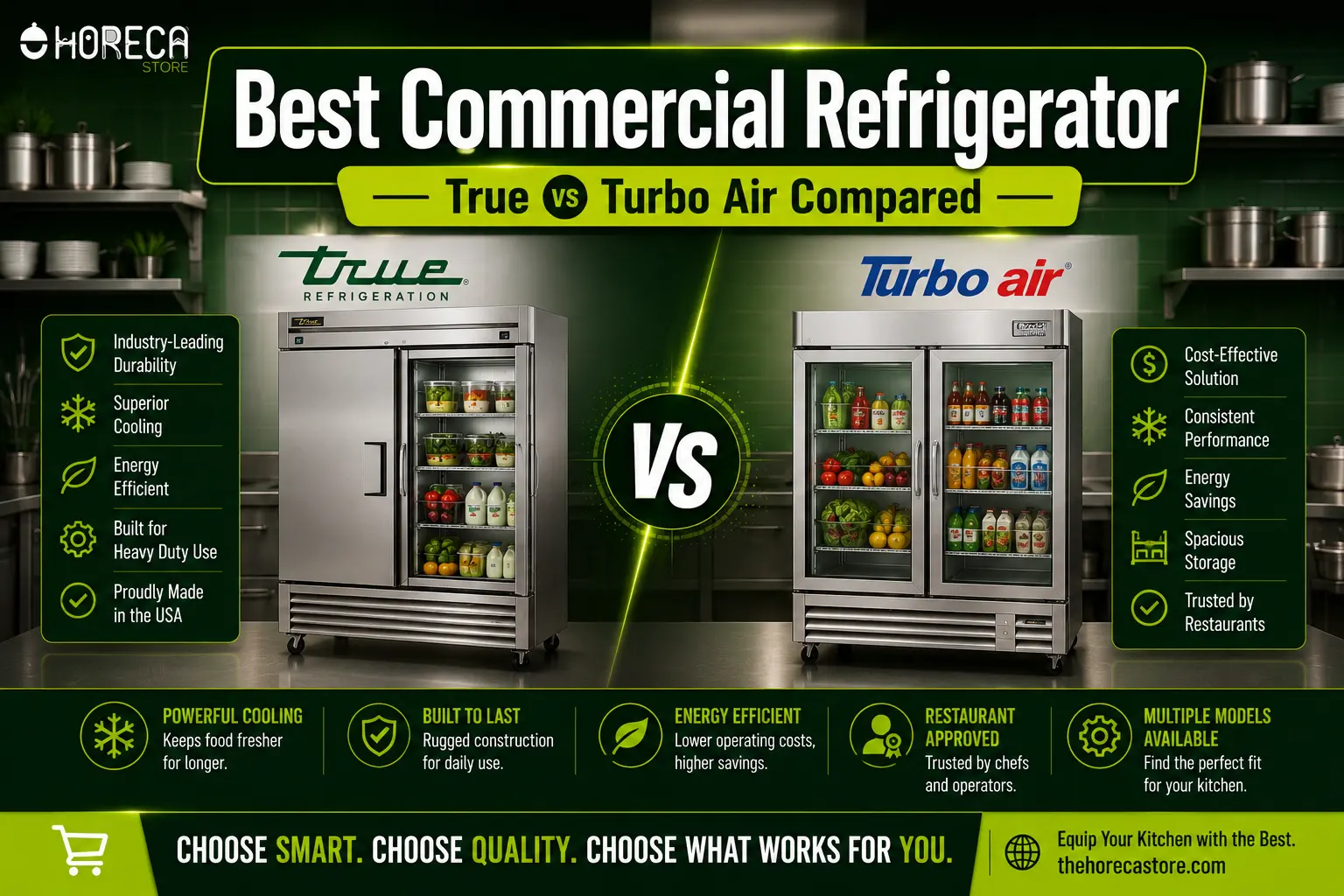
When upgrading or outfitting a new kitchen, operators are faced with an overwhelming array of choices. However, when it comes to Choosing the Best Commercial Refrigerator for Restaurants: True Refrigeration vs Turbo Air is the debate that inevitably surfaces at the top of the list. These two heavyweights dominate the market, each bringing unique strengths, innovative technologies, and fierce brand loyalty to the table.
In this comprehensive guide, we are going to dive deep into everything you need to know about these top-tier brands. We will explore their features, analyze commercial fridge reviews, and help you determine which brand deserves the prime real estate in your back-of-house operations.

The High Stakes of Restaurant Refrigeration
Before comparing specific brands, it is vital to understand why selecting the best commercial refrigerator for restaurants is such a critical business decision. A residential fridge is built to be opened perhaps a dozen times a day. A kitchen refrigerator in a high-volume restaurant, on the other hand, is yanked open hundreds of times during a single dinner rush, heavily exposing its internal cavity to the hot, grease-laden ambient air of a commercial kitchen.
To maintain food-safe temperatures (below 41°F or 5°C), the food storage fridge must possess immense recovery power. The right unit preserves the integrity, flavor, and safety of your ingredients. Furthermore, purchasing dependable restaurant equipment ensures you are not bleeding money through high energy bills or constant emergency maintenance calls.
Whether you are looking for a massive multi-door reach-in or a compact under-counter commercial cooler, understanding the engineering behind the metal.
True Refrigeration: The Legacy Workhorse
For decades, True Manufacturing has been synonymous with robust, American-made restaurant appliances. Walk into almost any established professional kitchen, and you will likely see the iconic True logo bolted onto a stainless steel door.
History and Reputation
Founded in 1945, True has built its reputation on manufacturing equipment that can take a serious beating. They are widely considered the industry standard. Kitchen managers love True because of their straightforward, heavy-duty construction and the universal availability of replacement parts. When a True unit eventually needs servicing, finding a technician who knows how to fix it is remarkably easy.
The True Manufacturing R290 Refrigerant Transition
One of the most significant recent developments for the brand is the True Manufacturing R290 refrigerant transition. R290 is a highly refined, environmentally friendly hydrocarbon refrigerant.
Why does this matter to a restaurant owner? Older refrigerants (like R-404A) have high Global Warming Potential (GWP) and are being phased out by the EPA. By fully transitioning to R290, True not only future-proofs their equipment against upcoming environmental regulations but also vastly improves energy efficiency. R290 has excellent thermodynamic properties, meaning the compressor doesn't have to work as hard to pull down temperatures, saving you money on your monthly utility bills.
Turbo Air: The Technological Challenger
If True is the seasoned, reliable veteran, Turbo Air is the innovative, tech-forward challenger shaking up the industry. Founded in 1997, Turbo Air has rapidly captured significant market share by addressing some of the most common pain points experienced by kitchen staff and maintenance crews.
Innovation at the Forefront
Turbo Air focuses heavily on automation and smart features. Their units are designed to look sleek, run efficiently, and reduce the burden of manual maintenance on busy restaurant operators. While they offer a complete catalog of restaurant appliances, their reach-in refrigerators are where their proprietary technologies truly shine.
Self-Cleaning Condenser Technology Benefits
Perhaps the most famous feature associated with Turbo Air is their patented self-cleaning condenser. In a typical kitchen, dust, flour, and aerosolized grease are constantly sucked into the refrigerator's condenser coils. If left uncleaned, this acts as a blanket, suffocating the system and causing the compressor to overheat and fail.
The self-cleaning condenser technology benefits cannot be overstated. Turbo Air units are equipped with a rotating mesh filter that brushes the condenser coils up and down two to three times a day automatically. This prevents dust buildup, maintains the unit's energy efficiency over its lifespan, and drastically reduces the cost of commercial refrigerator repairs caused by neglected coil maintenance.
Head-to-Head: Turbo Air vs True Build Quality
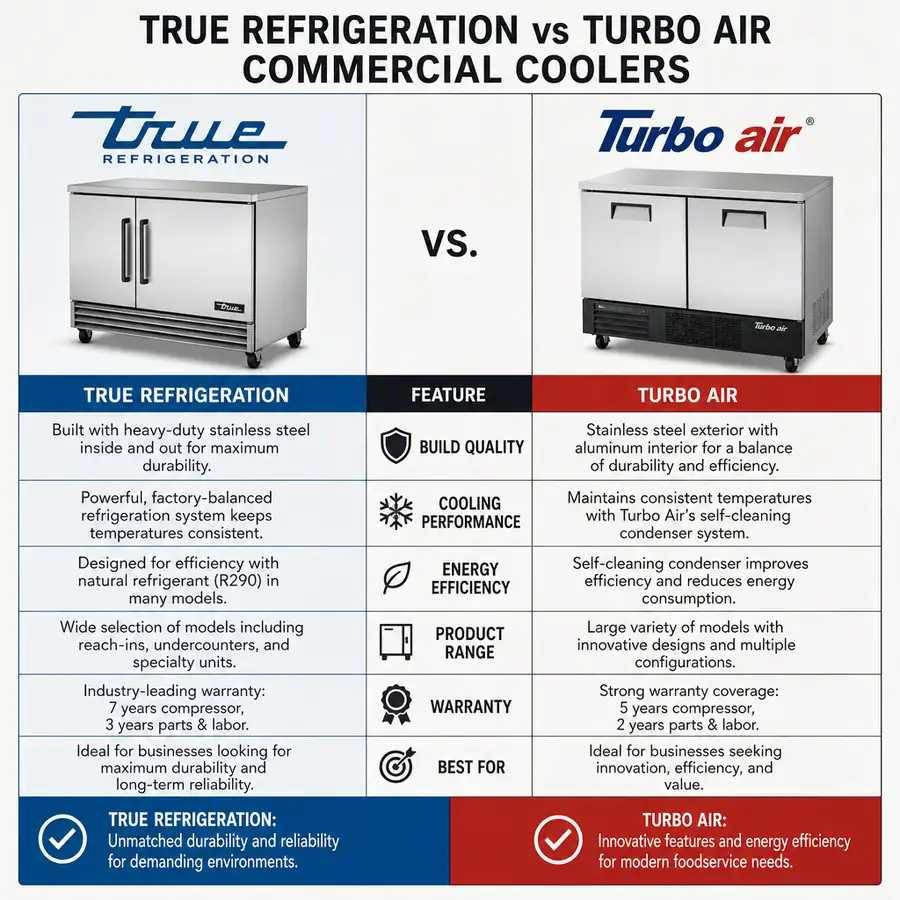
When evaluating Turbo Air vs True build quality, you are essentially comparing traditional ruggedness against modern, feature-rich engineering. Both brands produce the best reach-in refrigerators for high volume kitchens, but they approach design quite differently.
Exterior and Interior Materials
The debate over a stainless steel vs aluminum interior refrigerator is a major factor in this matchup.
- True Refrigeration: True’s traditional T-Series often utilizes a stainless steel exterior front with aluminum sides, and a clear-coated aluminum interior with a stainless steel floor. Aluminum is excellent for temperature retention and is highly durable, but it can dent or scratch more easily than stainless steel. True does offer an all-stainless option (the STR/STA series) for those willing to pay a premium.
- Turbo Air: Turbo Air frequently utilizes all-stainless steel interiors and exteriors as a standard across many of their product lines (like the PRO Series and Super Deluxe Series). Stainless steel is incredibly easy to clean, highly resistant to corrosion from acidic food spills, and offers a premium, modern aesthetic.
Ergonomics and Hardware
A restaurant fridge must be easy to use. True is known for its incredibly heavy-duty hinges, robust door handles, and aggressive door-closure mechanisms. They feel heavy and substantial. Turbo Air, conversely, often features ergonomically designed, easy-grip handles and doors that feel slightly lighter but incorporate smart open-door alarms and self-closing features that prevent staff from accidentally leaving the fridge ajar during a rush.
Deep Dive: Commercial Refrigeration Cooling Systems Explained
To truly crown the best restaurant refrigerator, we must look under the hood. How a refrigerator cools its interior dictates its efficiency, lifespan, and suitability for your specific kitchen layout. Here, commercial refrigeration cooling systems explained will help you understand what you are actually buying.
Top-Mount vs. Bottom-Mount Compressors
Both True and Turbo Air offer variations, but understanding compressor placement is key.
Top-Mount Compressors (Common in many True and Turbo Air reach-ins):
- Pros: The compressor is situated away from the grease, dust, and flour that settle on the kitchen floor. It also doesn't take up interior storage space at the bottom of the unit.
- Cons: Because heat rises, a top-mount compressor draws in warmer air near the ceiling, which can make it work slightly harder in poorly ventilated kitchens. They are also harder for technicians to reach for servicing.
Bottom-Mount Compressors:
- Pros: They draw in cooler air from near the floor, which can improve efficiency. They also raise the bottom shelf, meaning your staff doesn't have to stoop as low to grab heavy pans of food. Maintenance is much easier since the mechanical parts are at floor level.
- Cons: They act like a vacuum for floor debris. If you have a bottom-mount unit, keeping the floor pristine is mandatory.
Digital Temperature Control for Food Safety
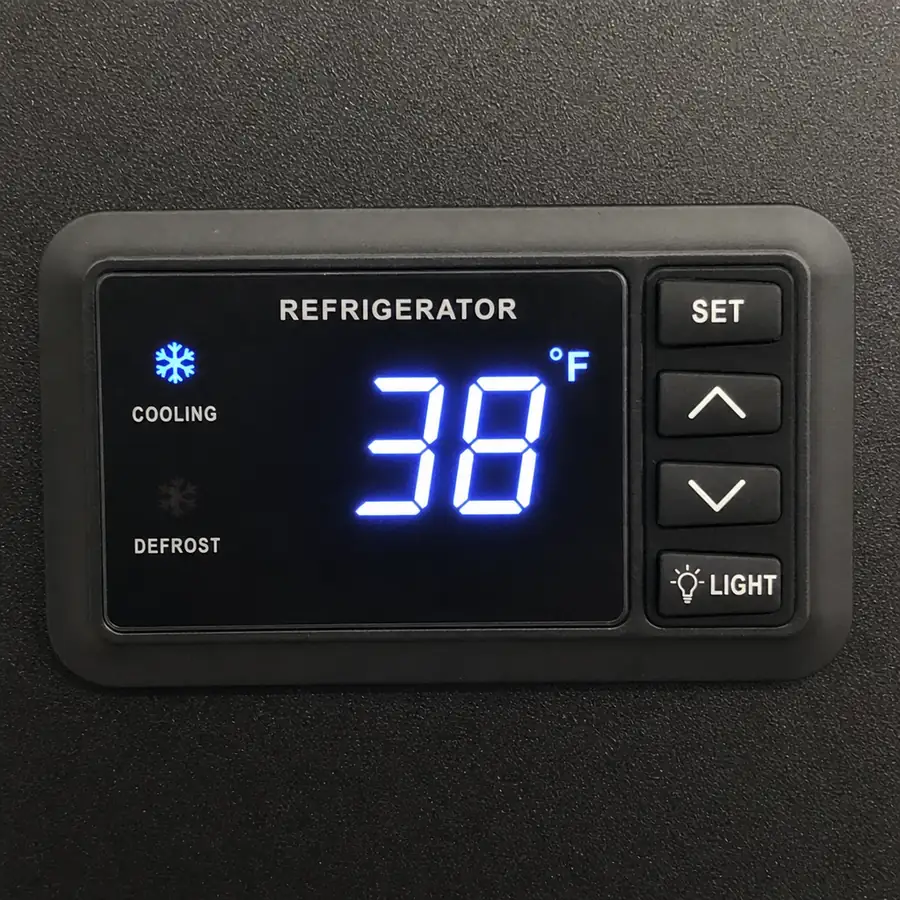
Precision is non-negotiable in commercial foodservice. Modern Turbo Air units come standard with advanced digital monitoring systems. The digital temperature control for food safety allows kitchen managers to set exact temperatures, view current internal conditions via an exterior LED display, and receive audible alarms if the temperature fluctuates dangerously.
True has also integrated digital displays and electronic controls into their modern units, moving away from the older mechanical dials. True’s state-of-the-art controls work seamlessly with their R290 systems to provide rapid temperature pull-down, ensuring that even if the door is opened 50 times an hour, the internal cavity stays chillingly cold.
Energy Efficiency: Saving Money While Saving the Planet
Electricity is one of the highest variable costs in a restaurant. Therefore, commercial refrigeration energy efficiency ratings should heavily influence your purchasing decision.
The Importance of Energy Star Certified Restaurant Equipment
When browsing catalogs, you must look for Energy Star certified restaurant equipment. Both True and Turbo Air boast extensive lineups of Energy Star rated units.
An Energy Star certified commercial cooler uses high-efficiency compressors, electronically commutated motors (ECM), and advanced insulation to reduce energy consumption by up to 30% compared to standard models. Over a 10-year lifespan, the energy savings.
Turbo Air’s combination of standard stainless steel, HC refrigerants, and the self-cleaning condenser consistently keeps their energy draw low over time. True’s massive shift to R290 hydrocarbon refrigerants and high-density polyurethane insulation makes their units some of the most thermodynamically efficient on the market.
Maintenance, Longevity, and Repair Costs
Even the best commercial refrigerator for restaurants will eventually require maintenance. How you handle this determines your unit's lifespan.
Which Commercial Refrigerator Brand Lasts Longest?
When operators ask which commercial refrigerator brand lasts longest, the traditional answer has always been True. There are True refrigerators from the 1990s still humming away in dive bars and diner kitchens today. Their over-engineered simplicity makes them the tanks of the culinary world.
However, Turbo Air is aggressively challenging this narrative. The primary reason commercial refrigerators die prematurely is a lack of maintenance—specifically, dirty condenser coils. Because Turbo Air automated this process with their self-cleaning condenser, their units are surviving longer in environments where kitchen staff neglect maintenance protocols.
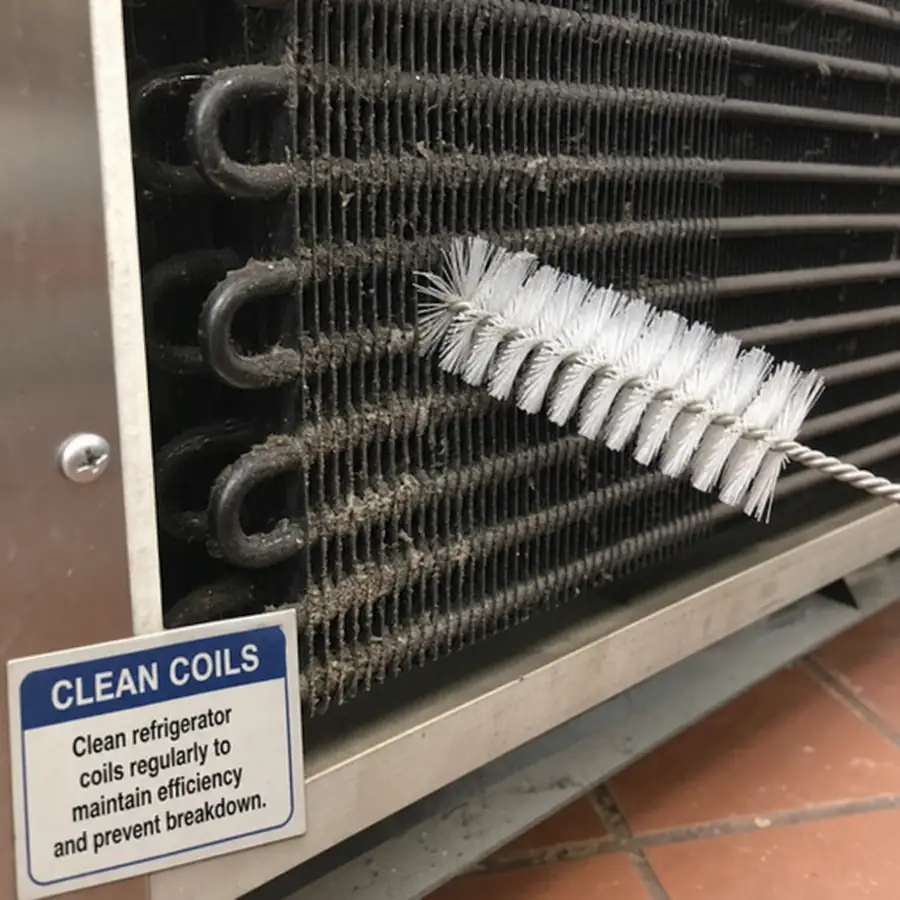
How to Maintain Commercial Refrigerator Coils
If you purchase a True unit (or any unit without an automatic cleaning feature), you must know how to maintain commercial refrigerator coils.
- Disconnect the Power: Always unplug the unit before performing maintenance.
- Locate the Coils: Depending on your unit, they will be behind a grill at the top or bottom of the fridge.
- Use a Stiff Brush: Gently brush the dust and lint off the fins in the same direction as the fins (usually vertically) to avoid bending them.
- Vacuum the Debris: Use a shop vac to suck up the loosened dirt.
- Frequency: This must be done every 30 to 60 days. In high-flour environments (like pizzerias or bakeries), it should be done every two weeks.
The Cost of Commercial Refrigerator Repairs
The cost of commercial refrigerator repairs can be staggering. A simple compressor replacement can cost anywhere from $800 to $1,500, factoring in parts, labor, and refrigerant charging.
True has a distinct advantage regarding repair costs because their parts are ubiquitous. Almost every commercial HVAC/R technician carries True parts on their truck, meaning faster fix times and lower labor costs. Turbo Air parts are widely available, but in rural or less populated areas, technicians might have to order them, resulting in a day or two of downtime for your food storage fridge.
The Auditory Impact: Kitchen Noise Levels
A factor rarely considered by first-time buyers is the noise generated by commercial refrigeration. Kitchens are already loud—clanking pots, shouting chefs, and sizzling fryers create a cacophony of sound. Adding a roaring compressor to the mix can increase staff fatigue.
In a commercial refrigerator noise level comparison, Turbo Air often edges out the competition. Their units are designed with modern, balanced fan motors and acoustic dampening that results in a slightly quieter hum. True refrigerators, built for sheer power and rapid recovery, can sometimes be louder, especially during their intense cooling cycles. If you are operating an open kitchen where guests sit near the equipment, or a quiet cafe, a Turbo Air unit might provide a better auditory environment.
Warranties and After-Sales Support
A refrigerator is only as good as the company standing behind it. The True vs Turbo Air warranty comparison reveals two companies highly confident in their engineering, but with slight variations.
- True Refrigeration Warranty: True traditionally offers a standard 3-year parts and labor warranty, with an additional 2 years on the compressor (totaling 5 years). Recently, for units utilizing R290, they have often bumped their warranty to an impressive 7-year compressor warranty, showcasing their absolute trust in the new hydrocarbon technology.
- Turbo Air Warranty: Turbo Air matches this aggression, typically offering a 3-year parts and labor warranty, plus an additional 4 years on the compressor (totaling 7 years). Furthermore, their PRO series often features some of the most robust warranty coverages in the industry.
After-Sales Service for Restaurant Refrigeration
Warranty paperwork means nothing if the company’s customer service is unresponsive. After-sales service for restaurant refrigeration is critical. True’s customer service is legendary in the USA; they have a vast network of authorized service agents. Turbo Air has massively scaled its customer support over the last decade, establishing regional service hubs to ensure swift dispatch of technicians. Before purchasing, it is highly recommended to check local commercial fridge reviews to see which brand has a stronger network of authorized technicians in your specific zip code.
Evaluating the Investment: Which Brand is Right for You?
Selecting between True and Turbo Air ultimately comes down to your kitchen's specific culture, layout, and budget. Both are phenomenal choices, but they cater to slightly different operational philosophies.
Choose True Refrigeration If:
- You Value Legacy and Durability: You want a heavy-duty, tried-and-true workhorse that feels like it could survive a bomb blast.
- You Live in a Remote Area: You need the guarantee that any local repairman can easily source parts and fix the unit on the same day.
- You Want Proven R290 Efficiency: You want to benefit from the True Manufacturing R290 refrigerant transition, ensuring you have top-tier thermodynamic cooling power.
- You Have a Strict Cleaning Schedule: Your staff is highly disciplined, and you have no problem maintaining a manual coil-cleaning schedule.
Choose Turbo Air If:
- You Want Advanced Features: You love the idea of digital temperature control for food safety, open-door alarms, and sleek, modern aesthetics.
- You Want to Automate Maintenance: You know your kitchen gets incredibly busy, and the self-cleaning condenser technology benefits will save you from catastrophic compressor failures caused by neglected coils.
- You Prefer All-Stainless Standard: You want a stainless steel vs aluminum interior refrigerator without necessarily paying the premium upcharge that other brands require for all-stainless builds.
- You Need a Quieter Kitchen: You run an open-concept kitchen or cafe and need to keep ambient mechanical noise to an absolute minimum.
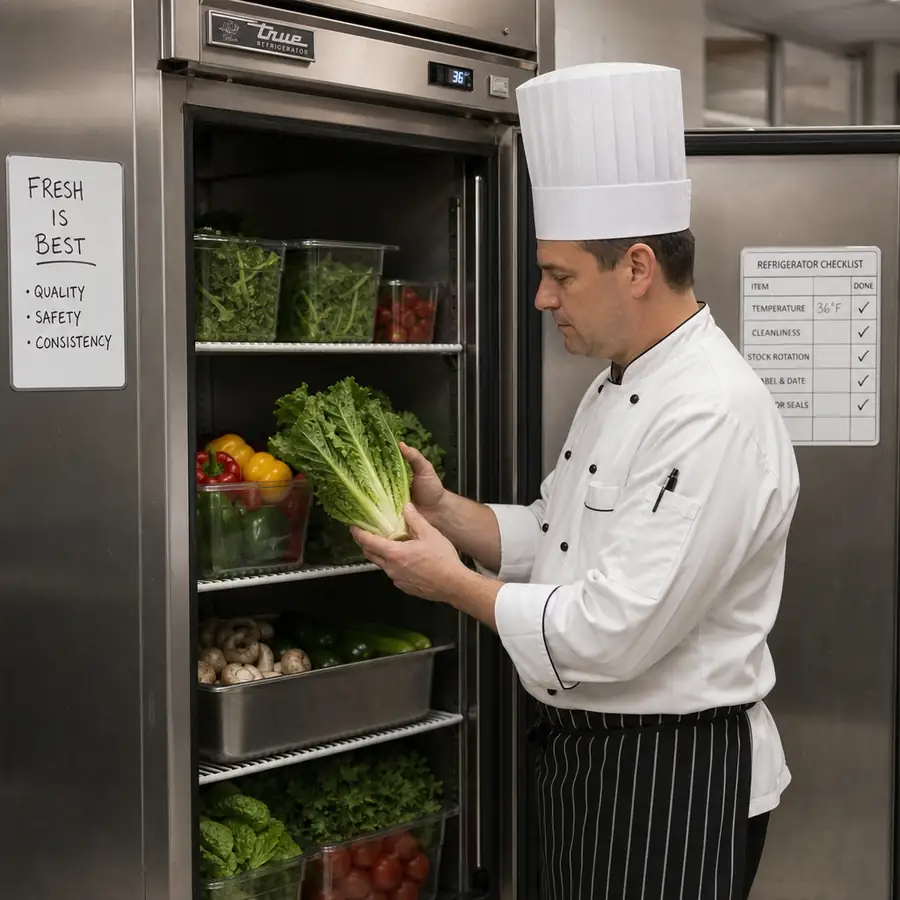
Expanding Your Kitchen Ecosystem
While the reach-in refrigerator is the anchor of the kitchen, both of these brands manufacture a vast array of restaurant equipment. Maintaining brand consistency across your kitchen can simplify maintenance and streamline aesthetics.
- Prep Tables: Both brands make excellent pizza and sandwich prep tables. True's forced-air refrigeration ensures pans are blanketed in cold air, while Turbo Air’s cold-bunker system is equally effective and often features their self-cleaning tech.
- Under-counter Units: If space is tight, a compact under-counter restaurant fridge from either brand provides reliable point-of-use cold storage for line cooks.
- Bar Equipment: True has deep roots in bar refrigeration (glass door merchandisers, keg coolers), making them a favorite for taprooms. Turbo Air offers gorgeous, LED-illuminated back-bar coolers that make beverages pop.
When budgeting for these, remember that the initial purchase price is just one factor. Total Cost of Ownership (TCO) includes electricity usage, maintenance, and potential downtime. Spending an extra $500 upfront on Energy Star certified restaurant equipment with self-cleaning features or advanced R290 compressors will yield a massive return on investment over a 10-year span.
The Role of Smart Technology in Future Refrigeration
As we look toward the future of restaurant appliances, the gap between heavy-duty hardware and smart software is closing. The debate of Turbo Air vs True build quality is expanding to include digital connectivity.
The industry is moving toward IoT (Internet of Things) integration. Soon, your kitchen refrigerator won't just beep if it gets warm; it will send an alert directly to your smartphone, log temperature data automatically for health inspectors, and pre-order a replacement part if it detects a motor drawing too much amperage.
Turbo Air is currently leaning heavily into this digital integration, making their units highly appealing to tech-savvy operators. True, while more traditional, is rapidly integrating sophisticated electronic controls to ensure their unbeatable hardware is matched by modern brains.
Actionable Tips for Extending the Life of Your Refrigerator
Regardless of whether you choose True or Turbo Air, a commercial cooler is a massive financial investment. Here are actionable tips to ensure you get the absolute maximum lifespan out of your purchase:
- Mind the Clearances: Commercial refrigeration needs to breathe. Never push a unit flush against a back wall unless it is specifically designed for zero-clearance. A choked compressor will burn out rapidly. Check the manual for required top, back, and side clearances.
- Check the Gaskets Weekly: The rubber seals (gaskets) around the doors are the first line of defense. If they are torn or encrusted with dried food, cold air leaks out, and hot, humid air rushes in. This causes the evaporator coils to freeze over. Wipe them down daily with warm, soapy water.
- Don't Overstuff: A food storage fridge relies on air circulation. If you pack boxes of produce tightly against the internal walls or block the internal fans, the cold air cannot circulate, creating dangerous warm spots.
- Monitor the Ambient Temperature: Commercial refrigerators are tested to perform in specific ambient temperatures (usually up to 100°F). If your kitchen’s AC breaks and the ambient temperature hits 110°F, your fridge will struggle to maintain safe internal temperatures, regardless of the brand.
- Schedule Professional Preventative Maintenance: Even with self-cleaning condensers, you should have a licensed HVAC/R technician inspect your commercial refrigeration twice a year. They will check refrigerant pressures, calibrate thermostats, and inspect electrical connections, preventing minor issues from becoming major emergencies.
Find the Right Commercial Refrigerator at The Horeca Store
Whether you choose True, Turbo Air, or another commercial refrigeration brand, selecting a refrigerator that matches your restaurant's daily demands is essential. The Horeca Store offers commercial refrigeration and restaurant equipment for restaurants, cafés, hotels, catering businesses, and other foodservice operations. When comparing reach-in refrigerators, consider your available space, storage capacity, door configuration, expected door-opening frequency, temperature requirements, energy efficiency, and total cost of ownership.
Explore the Commercial Refrigeration collection at The Horeca Store to compare refrigeration solutions and find equipment designed to support reliable food storage, efficient kitchen operations, and long-term value.
Conclusion
At the end of the day, when you are Choosing the Best Commercial Refrigerator for Restaurants: True Refrigeration vs Turbo Air represents a win-win scenario. You are choosing between two of the undisputed titans of the foodservice industry.
True Refrigeration offers unparalleled historical reliability, incredibly rugged construction, and the long-term energy benefits of their R290 systems. They are the standard-bearer for a reason, providing peace of mind through sheer, brute-force cooling power and universal serviceability.
Turbo Air, on the other hand, provides a brilliant solution to the modern kitchen's most persistent problems. Through their self-cleaning condenser technology, standard stainless steel builds, and sleek digital interfaces, they offer a smarter, lower-maintenance path to food safety and efficiency.
Analyze your kitchen's specific needs, assess your staff's maintenance habits, and evaluate your long-term budget. Whichever brand you choose, investing in a premium, top-tier restaurant fridge is the single best decision you can make to protect your ingredients, empower your chefs, and ensure the ongoing success of your culinary enterprise.