
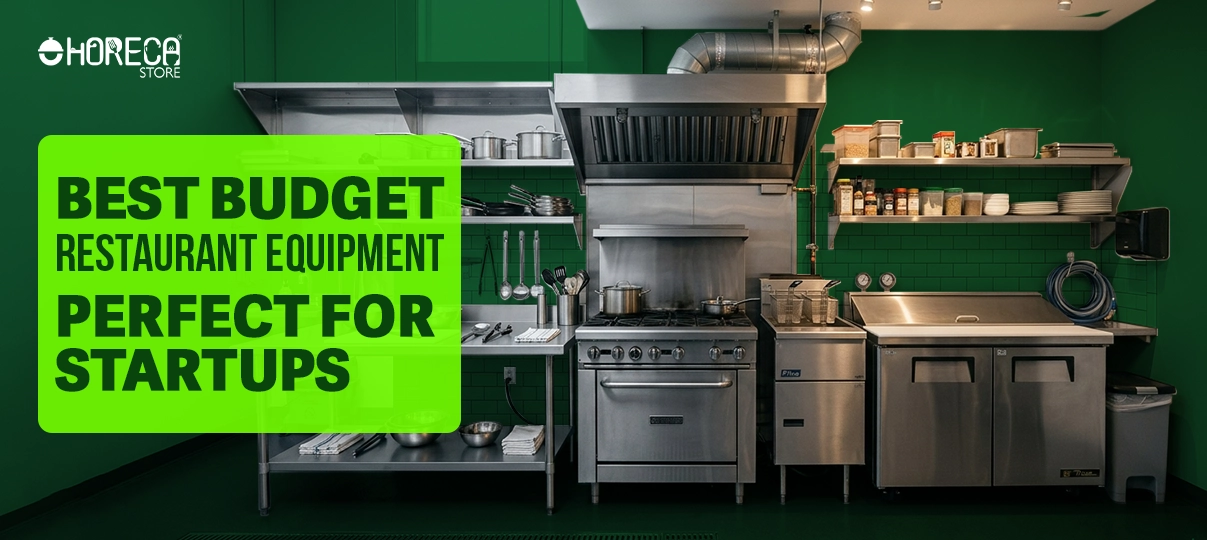
You’ve perfected that signature recipe in your home kitchen, but reality hits hard when your domestic oven can only bake 12 cookies at a time while your first catering order demands 120. Scaling a business requires more than just culinary passion; it demands tools that can survive the relentless grind of commercial service without failing. This transition represents the "Home-to-Pro" bridge every entrepreneur must cross, often realizing that residential gear simply cannot handle the volume of a professional launch.
Financial constraints are inevitable for new owners, yet trying to cut corners on the wrong items is a dangerous game. In the food industry, the most expensive piece of equipment isn't necessarily the one with the highest price tag—it’s the "bargain" fridge that fails on your opening night, spoiling hundreds of dollars in inventory. True budget-friendly strategies focus on long-term reliability and return on investment rather than just hunting for the lowest sticker price.
The search for the Best Budget-Friendly Restaurant Equipment for Startups involves understanding strict health codes. Commercial units differ significantly from low-cost kitchen appliances found at standard retail stores; they are engineered to maintain safe temperatures despite constant use, a non-negotiable requirement for passing health inspections. Buying gear without necessary certifications often results in failed inspections and costly replacements before you serve a single customer.
Developing a smart startup restaurant equipment list doesn't mean you must buy everything brand new or top-of-the-line. By distinguishing between where to splurge for durability and where to save on the secondary market, you can stretch your initial capital effectively. A prioritization strategy will help you build a compliant, professional kitchen while saving up to 20% on your total setup costs.
Why Residential Gear Fails the Commercial Test
Bringing your trusted home appliances into a new business feels like a smart financial move, but it is often the first red flag a health inspector looks for. To operate legally, your gear usually requires an NSF (National Sanitation Foundation) stamp. This mark proves the equipment is designed to be easily cleaned and doesn't harbor bacteria in hard-to-reach crevices, which is one of the strictest commercial kitchen requirements. Using non-certified gear can lead to immediate closure orders or expensive replacement demands just days after your grand opening.
Performance is the second hurdle, specifically regarding "temperature recovery." A commercial upright refrigerator, known in the industry as a "reach-in," is engineered to blast cold air the moment the door closes. In a busy lunch rush, your staff might open the fridge door 40 times an hour. A residential unit cannot cool down fast enough between those openings, leaving your ingredients in the "danger zone" for bacteria growth. Even the best budget-friendly restaurant equipment prioritizes this heavy-duty compressor power over aesthetics to ensure food safety.
Beyond inspections and safety, using residential gear is a financial risk because manufacturers almost always void warranties if the item is used commercially. NSF certified affordable kitchen gear is the only viable path because:
- Durability: Commercial gear withstands 12+ hours of continuous use; residential burns out.
- Warranties: Commercial warranties cover business use; residential warranties become void immediately.
- Power: Commercial units use higher voltage for faster heating and cooling recovery.
- Hygiene: NSF units have rounded corners and sealed gaps to prevent pest and bacteria issues.
The 'Big Three' Priority List: Where Your First $5,000 Should Go
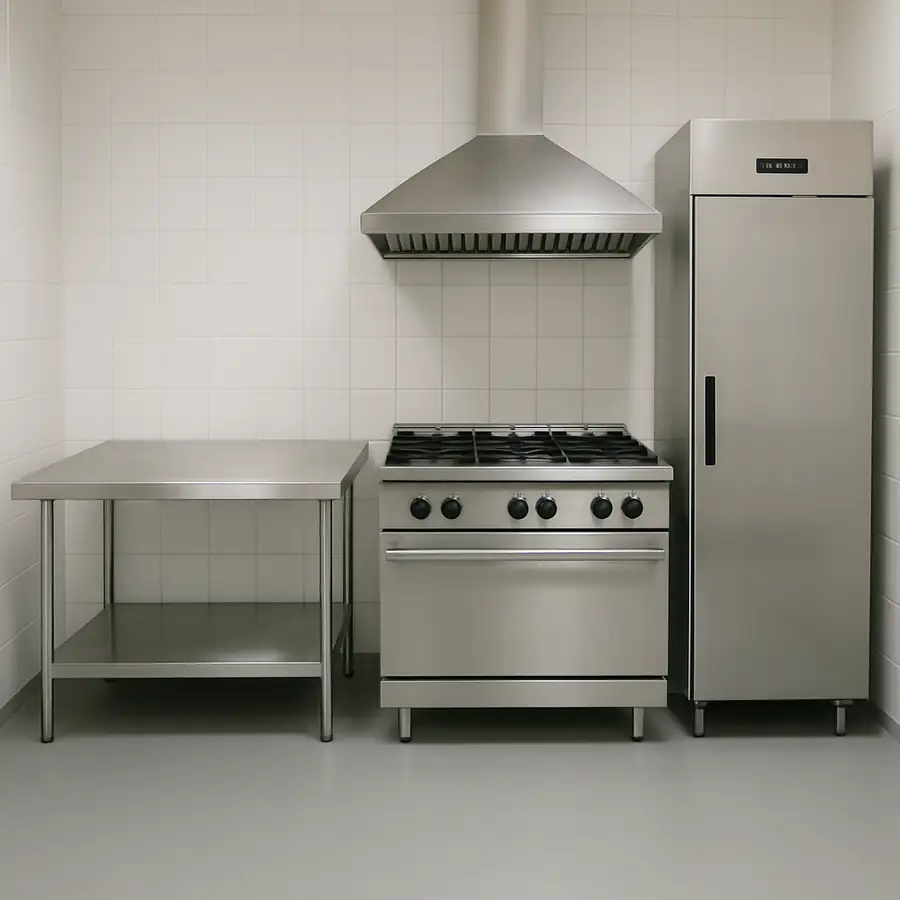
Protecting your inventory is the first step to profitability, which places refrigeration at the top of your essential startup restaurant equipment list. While a custom "walk-in" cooler offers massive storage, it acts as a permanent room requiring expensive construction permits and specialized electrical work. For most startups, a high-quality "reach-in"—a standalone commercial upright unit—provides the necessary safety compliance without the five-figure installation cost, allowing you to plug in and start storing immediately.
Once your ingredients are safe, you need durable surfaces to process them. Stainless steel tables are the industry standard, but understanding the difference between metal grades can save you hundreds of dollars. Type 304 steel is the "gold standard" because it is highly resistant to rust and food acids, making it essential for tabletops that touch raw ingredients. However, you can safely budget for Type 430 steel for table legs, lower shelves, and dry storage racks.
Finally, your heat source must drive your menu without occupying your entire footprint. Look for multifunctional commercial cooking equipment for small spaces, such as a commercial range with an oven base, which solves boiling and baking needs in a single footprint. To maximize your initial capital, stick to this core hierarchy:
- 1. Cold Storage: Prioritize a new or refurbished reach-in fridge to ensure food safety.
- 2. Prep Surfaces: Invest in 304-grade tops for food contact and 430-grade for shelving.
- 3. The Range: Choose a versatile 6-burner stove with an oven to handle 90% of cooking tasks.
Sourcing Secrets: How to Find Professional Gear at 70% Off
Nearly 60% of restaurants close within their first year, creating a massive opportunity for sourcing equipment from restaurant liquidations. This is where your budget stretches the furthest. Instead of paying $3,000 for a pristine stainless steel prep table, you might find the exact same model closure auction for $300 simply because it has a minor cosmetic scratch. This strategy allows you to acquire industrial-grade durability for the price of residential gear, freeing up capital for ingredients and marketing.
Distinguishing between "As-Is" and "Refurbished" is critical when weighing used vs new commercial kitchen equipment. Buying "As-Is" usually means gambling on a machine with zero warranty; if the motor dies tomorrow, you pay for the repair. In contrast, Certified Refurbished dealers inspect, sanitize, and repair units, often providing a 30-to-90-day guarantee. While refurbished items cost slightly more than direct private sales, that warranty window provides essential protection during your stressful opening weeks.
Finding cheap restaurant supplies doesn't mean digging through junk; it means knowing where professionals offload their inventory. Use this hierarchy to guide your search:
- Refurbished Dealers: Best for mechanical items like mixers where you need a short-term warranty.
- Online Auctions: Ideal for "static" items like sinks, tables, and shelving.
- Direct Liquidations: Negotiating directly with closing venues often yields the best bulk pricing.
The 'Never Buy Used' Rule: Avoiding Hidden Repair Traps
While scoring a discount on a prep table is smart, purchasing a used ice machine is often a fast track to health code violations. These units suffer from "scale buildup"—hard mineral deposits inside the water lines that harbor bacteria and are nearly impossible to clean without a professional overhaul. Since you cannot see the internal piping, you are essentially gambling on the previous owner's hygiene habits, a risk that rarely pays off when a health inspector tests your ice for contaminants.
Deep fryers are another category where visual inspections fail to reveal the hidden costs of buying second-hand restaurant machinery. A unit might look pristine, but constant temperature changes often cause invisible hairline cracks in the metal tank or heat exchanger. These micro-fractures can lead to dangerous oil leaks or carbon monoxide seepage, turning a seemingly cheap purchase into a fire hazard that forces an emergency shutdown.
Smart budgeting requires calculating the "True Cost of Ownership," which combines the sticker price with inevitable repairs. A $500 used appliance that demands $700 in fixes and constant maintenance tips for prolonging equipment life offers zero savings over a reliable $1,200 new model with a warranty. If the upfront cost of brand-new safety equipment feels out of reach, you may need to explore options that spread the expense over time.
Leasing vs. Buying: Which Financing Strategy Protects Your Cash Flow?
Paying cash for a shiny new range or walk-in cooler grants you immediate ownership, but it drains the working capital you need for payroll and ingredients. Financing options for restaurant kitchen setup often make more sense for startups because they preserve your "runway"—the cash cushion that keeps you afloat during those unpredictable first months. Instead of dropping $10,000 at once, you might pay $300 a month, keeping the remaining $9,700 available for emergency inventory or marketing pushes.
When structuring these agreements, you will generally choose between a Fair Market Value (FMV) lease and a "$1 Buyout" lease. An FMV lease offers lower monthly payments, but you must return the equipment or buy it at market price when the contract ends—ideal for items that become obsolete quickly, like POS systems. Conversely, a $1 Buyout lease acts like a loan; payments are higher, but you own the machine for one dollar at the end of the term. Surprisingly, both options may qualify for the Section 179 tax deduction, which allows you to deduct the full purchase price from your gross income immediately, rather than depreciating it over years.
Weigh these restaurant equipment leasing vs buying pros and cons:
- Buying: No monthly interest fees and 100% asset equity, but creates a dangerous dip in cash flow.
- Leasing: Low entry cost and immediate tax write-offs, though you ultimately pay more than the sticker price over time.
Maximizing Small Spaces with Multifunctional Equipment
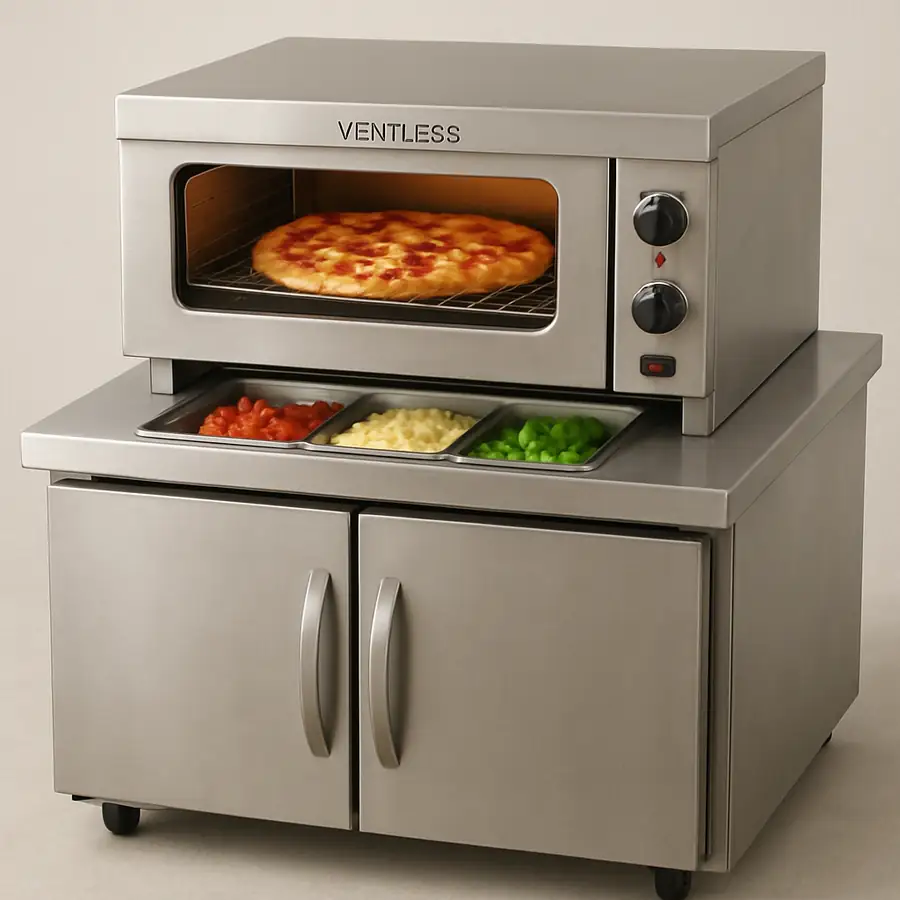
Most commercial leases charge by the square foot, so every inch of floor space directly impacts your overhead. To combat cramped quarters, savvy owners utilize multifunctional commercial cooking equipment for small spaces that stacks vertical utility. For example, a "chef base" is essentially a heavy-duty refrigerator with a reinforced top capable of holding your grill or griddle. By placing cold storage directly underneath your cooking surface, you eliminate the need for a separate equipment stand and reduce the physical steps your cooks take during a rush.
Your primary cooking appliances should also pull double duty to justify their footprint. A combi-oven acts as the industry's Swiss Army knife, combining the dry heat of a convection oven with the moist heat of a steamer. While the upfront cost is higher than a standard range, this single unit replaces two distinct machines, preventing the common mistake of overcrowding your line with single-purpose gadgets that sit idle for half the day.
Meeting commercial kitchen hood requirements for startups is notoriously difficult if your building lacks ductwork, but new technology offers a workaround. Ventless hood systems allow you to place fryers or ovens in spaces where installing traditional roof ventilation is financially impossible. These self-contained units filter grease internally, enabling a commercial kitchen layout for maximum efficiency without triggering expensive construction permits. Saving on renovation costs leaves more room in the budget for appliances that actively lower your monthly utility bills.
Slashing Operational Costs with Energy Efficient Choices
While it is tempting to save money on the sticker price of a budget freezer, that initial discount often disappears within the first year due to electricity demands. Commercial refrigeration runs constantly, meaning an inefficient model acts as a silent drain on your checking account. Prioritizing energy efficient appliances for small businesses that carry an Energy Star rating can cut utility consumption by nearly 30%, proving that the cheapest option to buy is rarely the cheapest to own.
Beyond electrical usage, inefficient equipment generates excess waste heat, known as "heat load," which your air conditioning must fight to neutralize. When a poorly insulated oven leaks temperature into the kitchen, you effectively pay for energy twice: once to heat the unit and again to cool the room. High-quality gear keeps the heat inside the cooking chamber where it belongs, ensuring your HVAC system doesn't burn out compensating for your appliances.
To offset the premium cost of these greener options, check your local utility provider for rebate programs before purchasing. Many power companies offer cash-back incentives, and you can often find specific small business grants for kitchen equipment designed to encourage sustainable upgrades. With your physical assets secured, apply this same cost-benefit scrutiny to your digital tools.
Low-Cost Tech: Choosing a POS System That Doesn't Eat Your Profits
Traditional "legacy" registers often require proprietary terminals that can cost over $5,000 upfront. Modern, tablet-based Point of Sale (POS) systems run on consumer iPads or Android screens, slashing that initial investment significantly while fitting easily into tight counter spaces. Distinguish between necessary industrial durability and outdated heavy iron to save costs.
While the hardware savings are obvious, the real expenses often hide in the processing rates. Many cost-effective POS systems for new eateries advertise $0 monthly fees, but they compensate by charging higher percentages on every credit card swipe. A flat monthly subscription usually proves cheaper than high per-transaction fees once your sales volume increases. Furthermore, these "cloud-based" systems store data online rather than on the device, allowing you to check live sales reports from your phone at home rather than being tethered to the store.
To avoid overpaying, scrutinize these three distinct cost centers before signing a contract:
- Hardware: Upfront costs for tablets, card readers, and printers.
- Software: Monthly subscription fees for using the interface.
- Processing: The percentage fee deducted from every customer card transaction.
The 10-Minute Maintenance Routine to Double Your Equipment's Life
Equipment failure rarely happens overnight; it is usually the result of slow suffocation. Your commercial refrigerator breathes through condenser coils, which attract grease and dust like a magnet. Unlike your home fridge, which might survive years of neglect, a commercial unit with clogged coils works twice as hard to stay cool, driving up electric bills and eventually burning out the expensive compressor. A simple monthly vacuuming of these intake grills is one of the most effective maintenance tips for prolonging equipment life.
Inspecting the gaskets—the rubber strips sealing your doors—is equally critical. A cracked gasket lets cold air escape, forcing the motor to run non-stop to maintain safe temperatures. If you are purchasing used gear, check these seals immediately, as worn components are often the hidden costs of buying second-hand restaurant machinery. For hot equipment like fryers, daily oil filtration is non-negotiable; removing crumbs prevents the oil from degrading and stops carbon buildup on heating elements.
The "10-Minute" Protection Plan:
- Daily: Filter fryer oil and wipe down door gaskets with warm water to remove sticky residue.
- Weekly: Check temperature gauges against a handheld thermometer to ensure accuracy.
- Monthly: Vacuum condenser coils and inspect drive belts on mixers for fraying.
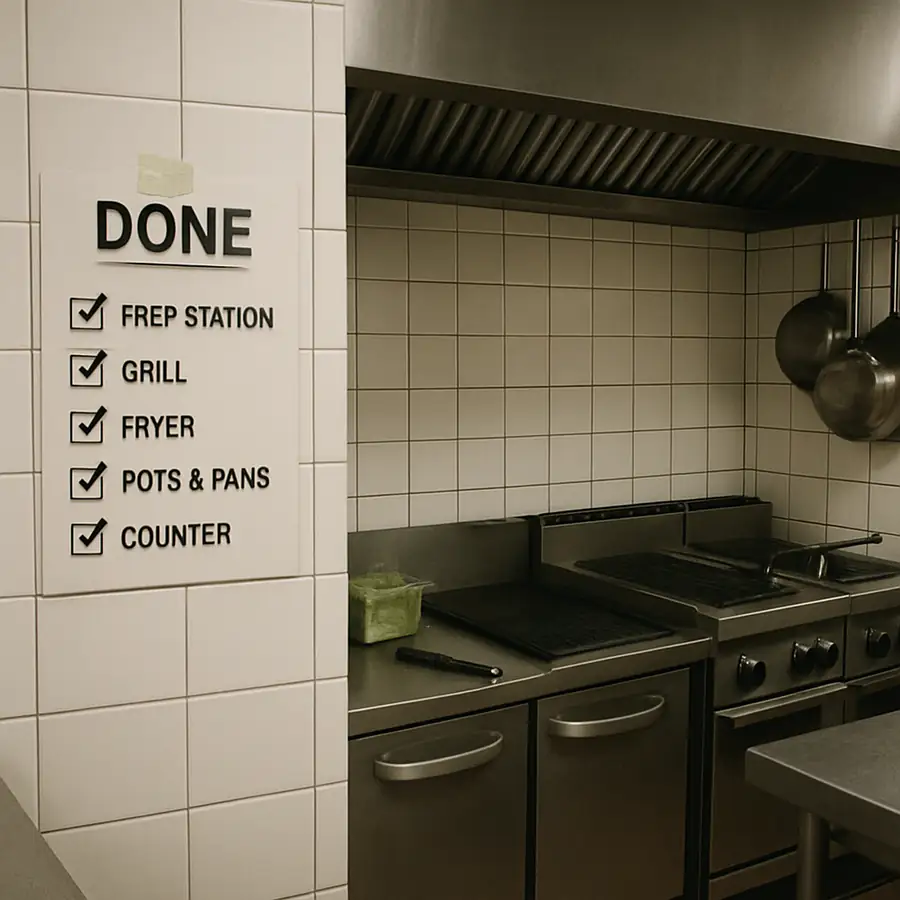
Consistent care transforms fragile machinery into reliable assets that support your business for years. With your equipment protected, organizing your schedule ensures a smooth launch.
Your 30-Day Equipment Roadmap: From Zero to Opening Day
You have moved past the initial sticker shock of shiny brochures and can now see your kitchen for what it really is: a production engine, not a showroom. By distinguishing between essential workhorses and unnecessary luxuries, you can secure the Best Budget-Friendly Restaurant Equipment for Startups without depleting your operating capital before opening day.
Execute this 30-day roadmap to turn knowledge into physical reality:
- Week 1 (Menu Audit): Finalize your menu to determine exactly which BTUs and electrical phases you actually need—don't buy for "what if" scenarios.
- Week 2 (Scouting): Visit local auctions and dealers to compare "scratch and dent" inventory against new prices.
- Week 3 (Acquisition): Purchase your "splurge" items new (like warranty-backed refrigeration) and secure used prep tables or sinks.
- Week 4 (Installation): Schedule professional installation and a preliminary health inspection walkthrough to ensure compliance.
Knowing how to prioritize restaurant equipment purchases gives you the financial breathing room to focus on your staff and ingredients rather than debt payments. You now have the confidence to walk into a dealership and politely decline the upsell on a touchscreen combi-oven because you know a standard convection model serves your menu perfectly.
Remember, your customers come back for the flavor on the plate, not the brand on the stove. Start with the essentials, keep your overhead low, and let your food fund your future upgrades.
Buy Affordable Restaurant Equipment from The Horeca Store
Starting a restaurant on a budget doesn't mean compromising on quality. The Horeca Store offers a wide range of affordable commercial kitchen equipment designed to help startups, cafés, cloud kitchens, food trucks, bakeries, and small restaurants set up efficient and professional kitchens without exceeding their budget. From commercial refrigerators and freezers to cooking equipment, food preparation machines, stainless steel work tables, and storage solutions, you'll find everything needed to launch your foodservice business with confidence.
At The Horeca Store, we combine competitive pricing with high-quality products from trusted brands to deliver excellent value for your investment. Our knowledgeable team can help you choose cost-effective equipment that matches your menu, kitchen layout, and business goals. Explore our extensive collection of budget-friendly restaurant equipment and equip your startup with reliable solutions that support long-term growth and operational success.