
Walking into a bustling coffee shop, the first thing that hits you is the rich, intoxicating aroma of freshly ground coffee. But the true beating heart of that café is the gleaming piece of equipment sitting on the counter. A reliable commercial espresso machine is the lifeblood of any coffee business. Whether you are launching a cozy neighborhood bakery, a high-volume drive-thru, or an upscale specialty coffee roastery, your choice of machinery will dictate your workflow, your beverage quality, and ultimately, your success.
In this comprehensive guide, we will explore the best commercial espresso brands, break down essential technical features, and provide actionable advice to help you make an informed investment.
Why Your Choice in Coffee Equipment Matters
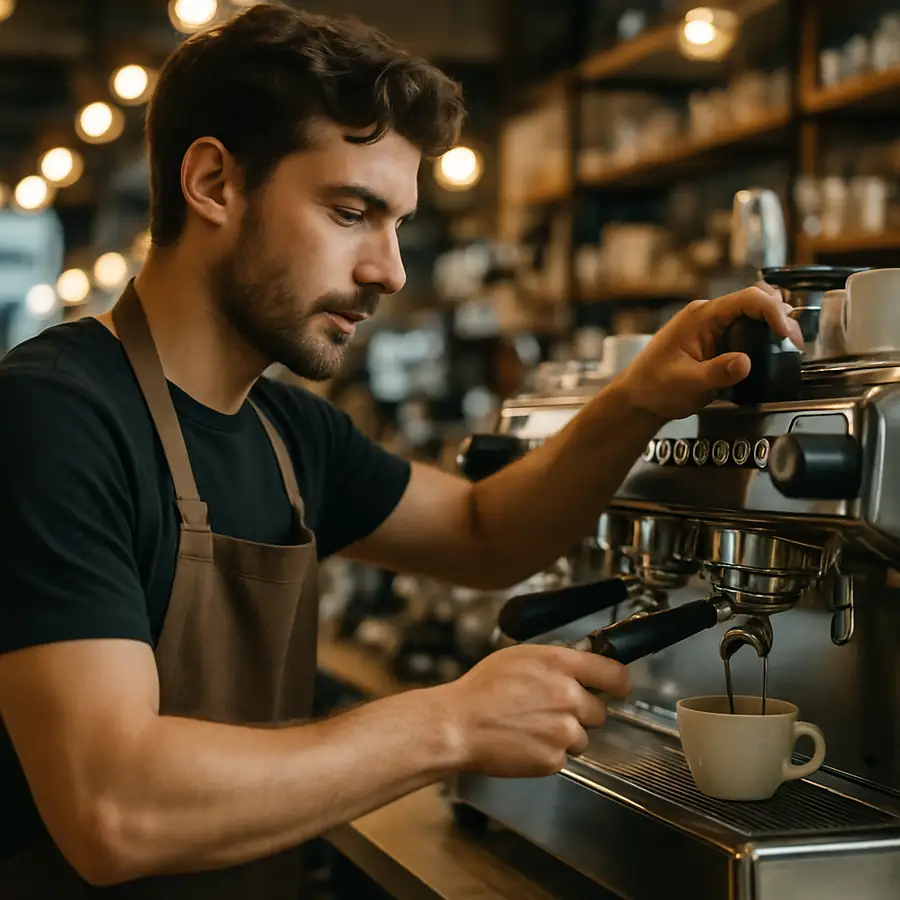
When learning how to choose cafe equipment for small business operations, it is easy to suffer from sticker shock. Commercial coffee equipment is a significant upfront cost. However, rather than looking at just the price tag, owners should be calculating return on investment for coffee shop gear. A machine that pulls consistent shots, rarely breaks down, and speeds up your service will pay for itself multiple times over.
If you buy espresso machine models that are not rated for your daily customer volume, you risk mid-shift breakdowns and inconsistent drinks. Investing in the best commercial espresso machine for your specific needs ensures longevity, happy baristas, and loyal customers.
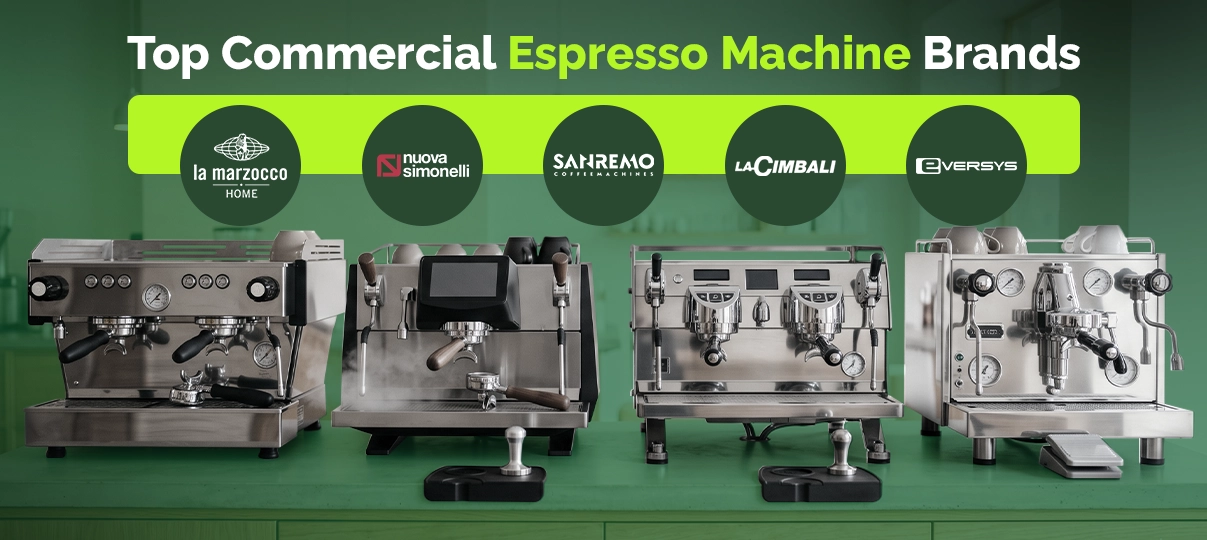
Top Commercial Espresso Brands Leading the Industry
Navigating the landscape of professional barista equipment brands can be overwhelming. To help you start your espresso machine comparison, here are some of the most respected commercial espresso brands on the market today.
La Marzocco: The Industry Standard
Ask any specialty coffee veteran about professional espresso machines, and La Marzocco will inevitably be mentioned. Hailing from Florence, Italy, La Marzocco is famous for pioneering the dual-boiler system. Their machines—like the iconic Linea Classic and the advanced Strada—are beloved for their rock-solid reliability, stunning aesthetics, and incredible temperature stability.
Sanremo: The Innovators
Sanremo has been making waves in the specialty coffee industry by pushing the boundaries of technology and design. For instance, if you dive into recent sanremo d8 commercial espresso machine reviews, you will see professionals raving about its customizable temperature profiling, energy efficiency, and sleek, aggressive styling. Sanremo machines are perfect for cafes that want a visually striking centerpiece with high-tech brewing capabilities.
Nuova Simonelli: The Workhorses
Known for their durability and ergonomic designs, Nuova Simonelli creates machines that are built to withstand high-volume rushes. Their Aurelia II was the official machine of the World Barista Championship for several years. They are particularly well-regarded for producing an exceptional 2 group commercial espresso machine that balances cost, reliability, and top-tier performance for mid-sized cafes.
Victoria Arduino: Elegance and Precision
A sister company to Nuova Simonelli, Victoria Arduino focuses on the high-end specialty market. Their Black Eagle model is celebrated for its gravimetric technology, allowing baristas to brew by weight rather than volume. This brand is a top choice for cafes that demand absolute precision.
Understanding Machine Sizes and Capacities
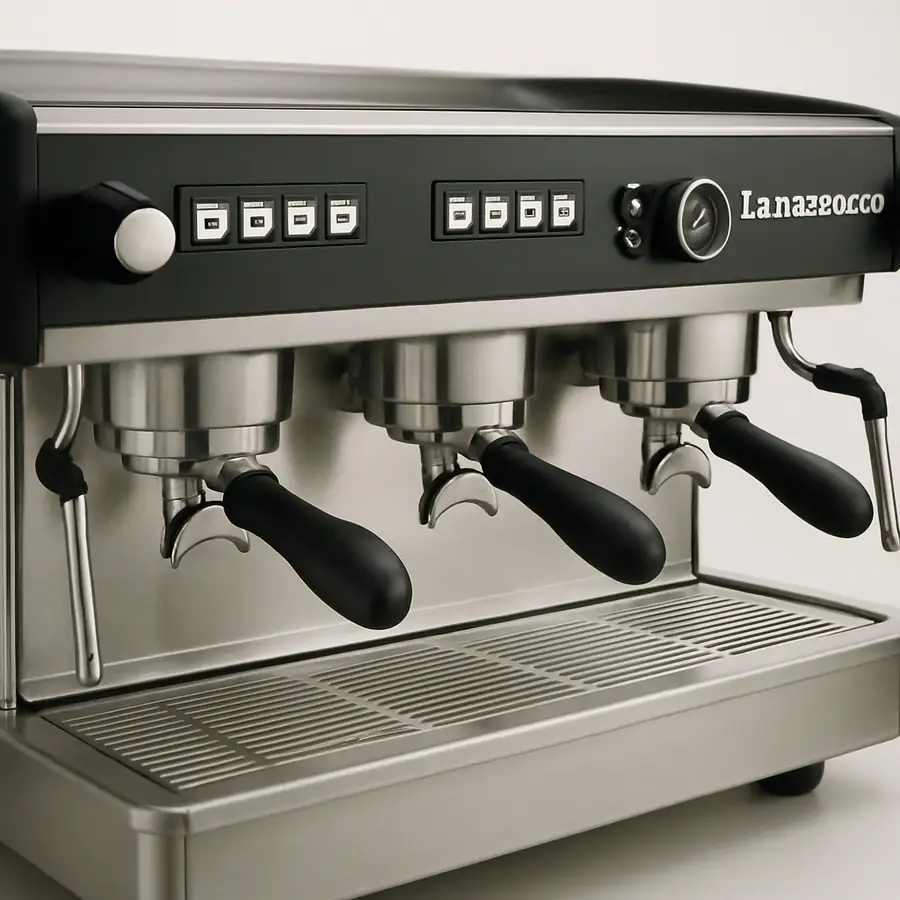
One of the first decisions in your espresso machine guide is determining the size of the machine you need. Understanding the difference between single and multi-group machines is vital for matching your equipment to your projected foot traffic.
- Single Group Machines: A single group espresso machine commercial setup is ideal for businesses where coffee is an add-on rather than the main attraction. Restaurants, boutique bakeries, or food trucks often utilize a small commercial espresso machine to save counter space. If you are operating a mobile cart with power constraints, you might even look for a 110v commercial espresso machine, which can plug into standard outlets without requiring specialized 220v electrical work.
- Two-Group Machines: This is the industry standard for most independent cafes. A 2-group machine allows a single barista to pull up to four espresso shots simultaneously, striking the perfect balance between footprint and output.
- Three to Four-Group Machines: Designed for specialized drive-thrus and massive commuter cafes, these machines boast high-volume espresso brewing capacity. They require multiple baristas to operate efficiently during peak rushes.
Decoding Espresso Machine Features
When you read espresso machine reviews, you will encounter a lot of technical jargon. Here is a breakdown of the key espresso machine features you need to understand before making a purchase.
Boiler Systems
The heart of any commercial espresso machine is its boiler setup. You will primarily be choosing between dual boiler vs heat exchanger systems.
- Heat Exchanger (HX): Uses a single large boiler kept at steam temperature. A tube passes through this boiler to flash-heat water for brewing espresso. They are cost-effective but can suffer from slight temperature fluctuations.
- Dual Boiler / Multi-Boiler: Features dedicated boilers for brewing and steaming. This allows baristas to steam milk and pull shots simultaneously without any temperature drop, making it ideal for specialty cafes prioritizing consistency.
Temperature Stability
To extract perfect flavor, water temperature must be precise. Advanced machines feature saturated group head temperature stability. This means the group head is welded directly to the brew boiler and filled with circulating hot water, preventing the temperature from dropping as the water hits the coffee puck.
Automation Levels
You must decide how much control you want to give your baristas versus the machine.
- Volumetric vs Manual Espresso Dosing: Manual machines require the barista to start and stop the shot using a paddle or button. Volumetric machines allow you to program the exact amount of water dispensed for a single or double shot, drastically improving consistency during a busy rush.
- Semi-Automatic vs Super-Automatic Coffee Systems: Semi-automatic machines require a trained barista to grind, dose, tamp, and steam milk. Super-automatic machines do all of this at the push of a button. While super-automatics save on labor and training, semi-automatics produce vastly superior flavor and allow for beautiful latte art.
Pumps and Plumbing
Forget the noisy, vibrating pumps found in cheap home machines. Professional setups use commercial grade rotary vane pumps. These pumps are nearly silent, incredibly durable, and deliver consistent water pressure.
Additionally, true commercial setups have direct water line plumbing requirements. Plumbed-in machines draw filtered water automatically and drain wastewater directly into your plumbing system, eliminating the need to constantly refill water reservoirs and empty drip trays.
Steam Power and Compliance
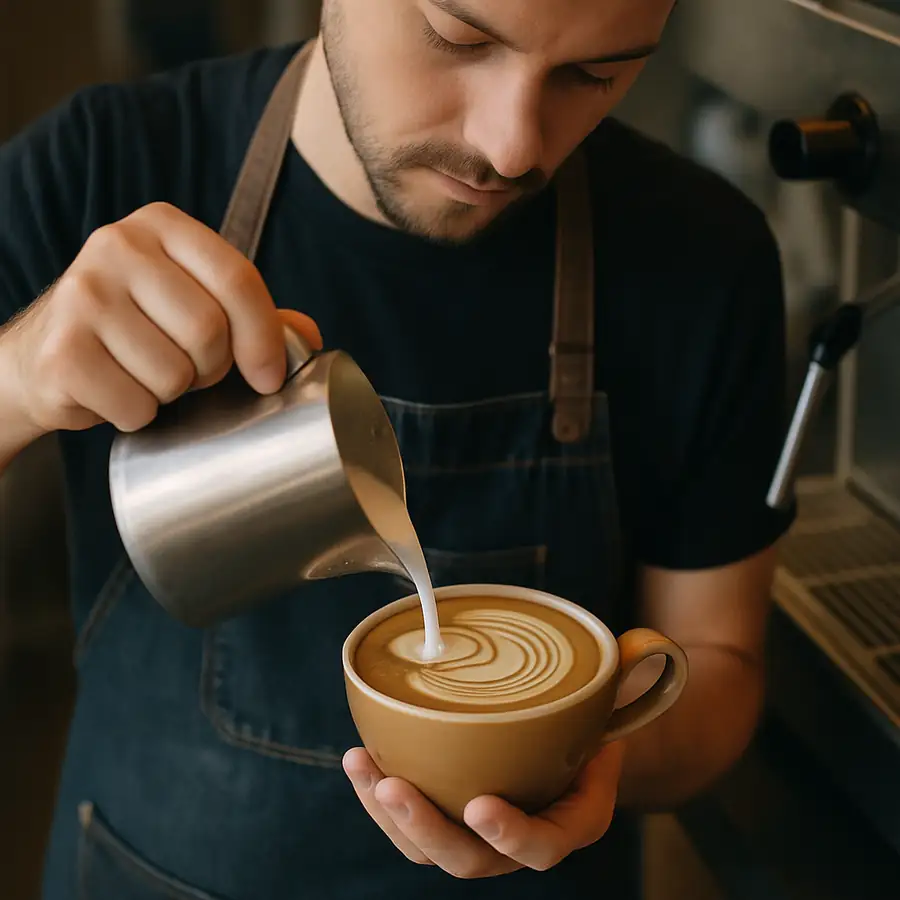
A massive part of café service is milk-based drinks. You need a machine capable of optimizing steam wand pressure for latte art, allowing baristas to create the velvety microfoam required for flat whites and cappuccinos.
Finally, ensure any machine you purchase meets NSF certified espresso equipment standards (or your local equivalent). Health departments require commercial equipment to be easily cleanable and built with food-safe materials.
The Ultimate Buying Guide: Before You Purchase
When you are ready to invest, don't just click "add to cart" on the first machine you see. Use this mini espresso machine guide to finalize your decision:
- Evaluate Your Menu and Volume: If you expect to serve 200+ cups a day, do not buy a single group machine.
- Check Your Utilities: Before buying, ensure you have the correct voltage (220v is standard, though 110v commercial espresso machine options exist for lower volume), dedicated circuits, and proper water filtration lines installed.
- Read Extensive Reviews: Look up specific models. Scour forums and professional espresso machine reviews to see how machines hold up after 3-5 years of use.
- Consider Local Servicing: The best machine in the world is useless if you cannot get it fixed when it breaks. Ensure there are local certified technicians who service the commercial espresso brands you are considering.
Protecting Your Equipment: Maintenance and Troubleshooting
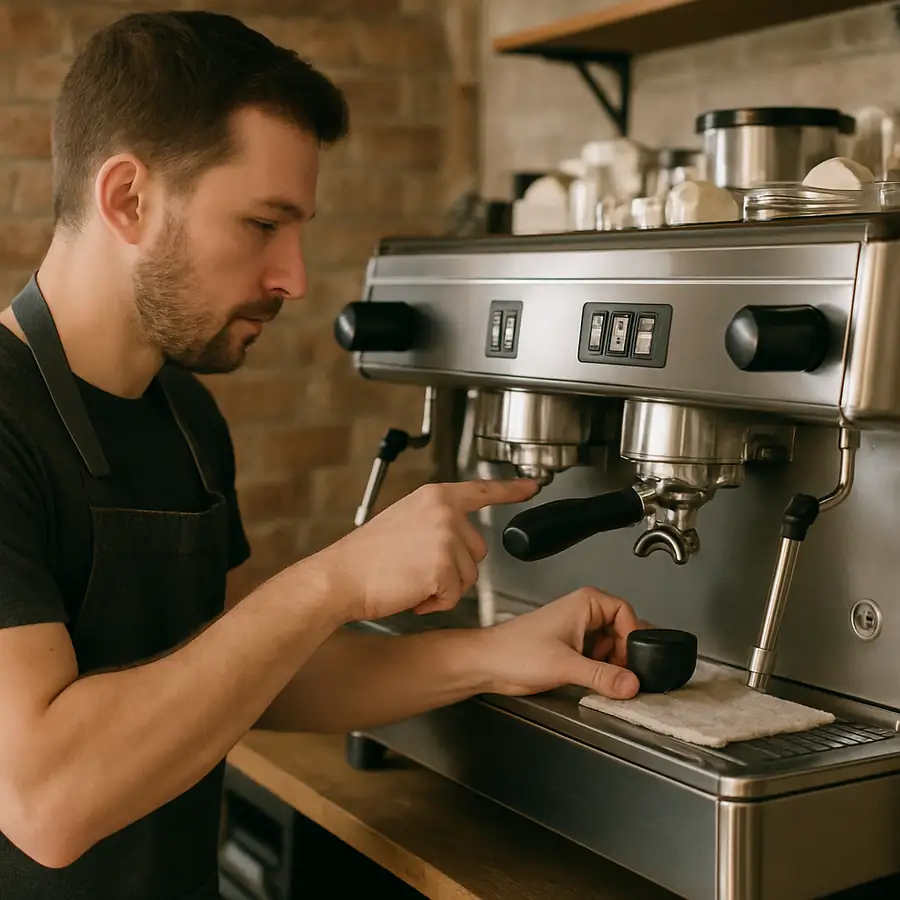
A commercial espresso machine is like a luxury sports car; it requires daily care to perform at its peak. Failing to maintain your machine will lead to bitter coffee and expensive repair bills.
Your Espresso Machine Daily Maintenance Checklist
Implement this checklist for your closing baristas to ensure your equipment stays in pristine condition:
- Backflush the Group Heads: Use a blind portafilter and an espresso machine cleaning powder (like Cafiza) to backflush each group head, removing rancid coffee oils.
- Scrub the Group Screens: Use a specialized brush to gently scrub the dispersion screens and gaskets.
- Purge and Clean Steam Wands: Wipe down the steam wands with a dedicated damp cloth and purge them before and after every single use. At the end of the day, soak the tips in hot water or a dairy-cleaning solution to prevent milk buildup.
- Empty and Wash the Drip Tray: Even if plumbed in, remove the drip tray and scrub it thoroughly to prevent mold and foul odors.
- Wipe Down the Exterior: Use a microfiber cloth to polish the stainless steel, keeping your machine looking beautiful for your customers.
Quick Espresso Extraction Troubleshooting Guide
Even with a perfect machine, things can go wrong. Here is a brief espresso extraction troubleshooting guide to help your baristas dial in the perfect shot:
- The shot is pouring too fast (under-extracted): The espresso will taste sour and thin. Solution: Grind the coffee beans finer or increase your tamping pressure. Ensure your dose (amount of coffee) is correct.
- The shot is pouring too slow (over-extracted): The espresso will taste harsh, bitter, and burnt. Solution: Grind the coffee beans coarser or decrease the amount of coffee in the portafilter basket.
- The espresso has no crema: This is often a sign of stale coffee beans, or the water temperature is too low. Solution: Use freshly roasted beans and check your machine's temperature settings.
- Water is leaking around the portafilter: This usually means the group head gasket (the rubber ring inside the group head) has dried out and cracked. Solution: Replace the group head gaskets (this should be done every 3 to 6 months depending on volume).
Best Brands for Commercial Espresso Machines
Choosing the right commercial espresso machine is essential for cafés, restaurants, hotels, and coffee businesses that want to deliver consistent, high-quality beverages. Leading brands such as La Marzocco, Nuova Simonelli, Victoria Arduino, and Rancilio are known for their reliability, advanced technology, and professional performance. The Horeca Store when selecting an espresso machine, consider factors like daily coffee volume, brewing capacity, temperature control, ease of use, and maintenance requirements.
Investing in a dependable espresso machine helps improve workflow, enhance coffee quality, and create a better customer experience. The Horeca Store offers a wide range of commercial coffee equipment, including espresso machines, grinders, beverage solutions, and restaurant supplies designed for professional operations. With quality products, competitive pricing, and reliable support, The Horeca Store helps cafés and foodservice businesses build efficient coffee programs for long-term growth.
Conclusion: Making the Right Brew
Choosing a commercial espresso machine is one of the most critical decisions you will make for your coffee business. By understanding your volume needs, familiarizing yourself with top brands like La Marzocco, Sanremo, and Nuova Simonelli, and grasping the technical features—from dual boilers to rotary pumps—you can select equipment that elevates your coffee program.
Remember, a high-quality machine is only as good as the care you put into it. Train your staff well, adhere to a strict maintenance schedule, and partner your machine with an excellent grinder and premium water filtration. By doing so, you ensure that every cup of coffee you serve is a testament to your brand's commitment to quality.
Take your time, do your research, and invest in a machine that will power your café's success for years to come.