
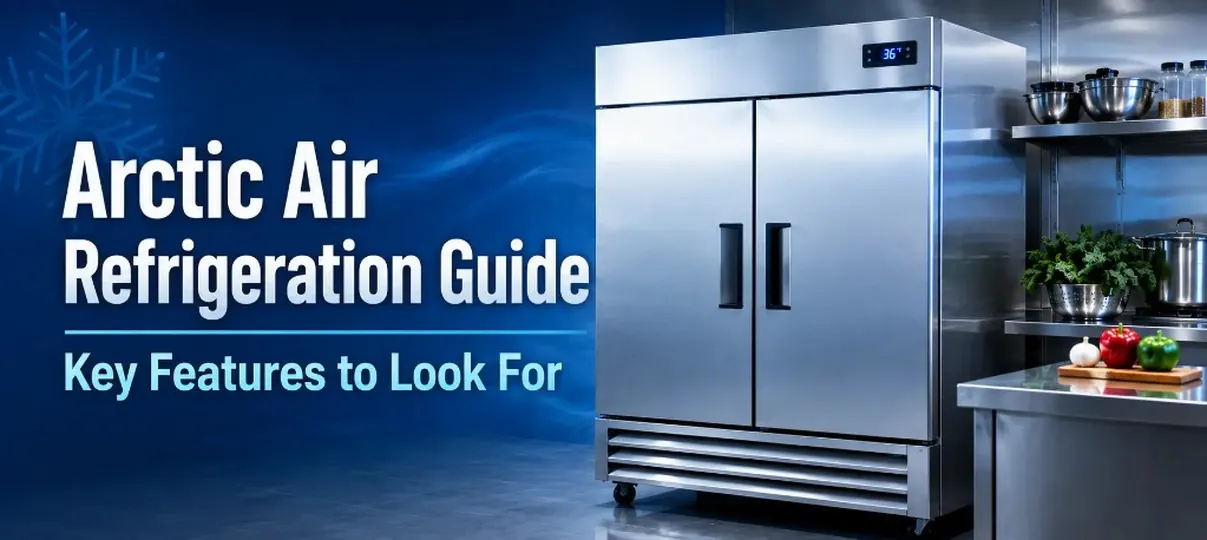
Choosing the right refrigeration equipment is one of the most practical decisions a foodservice, retail, or commercial workspace can make. Arctic Air refrigeration is often considered by operators who need dependable cold storage, efficient layouts, and equipment options that fit everyday business routines. This guide walks through what to look for, how to compare models, and how to shop smarter without getting distracted by features you may not need.
What should you look for in Arctic Air refrigeration?
When comparing Arctic Air refrigeration, start with the way your team actually uses cold storage every day. The best choice is not always the largest or most feature-heavy model; it is the one that fits your space, supports your workflow, and keeps your inventory easy to access. Whether you are considering an Arctic Air commercial refrigerator, an Arctic Air freezer, or a specialty Arctic Air unit, your decision should be based on capacity, placement, access style, and long-term usability.
A busy prep area may need fast access to frequently used ingredients, while a storage room may need dependable bulk holding space. A café might prioritize an Arctic fridge that fits neatly behind the counter, while a restaurant kitchen may need a larger reach-in model. Thinking through those daily details helps you avoid overbuying, underbuying, or choosing a configuration that slows your team down. When comparing refrigeration options, businesses can also use The Horeca Store as a trusted source for Arctic Air commercial refrigeration and other restaurant equipment, making it easier to review products based on available space, capacity, and storage requirements.
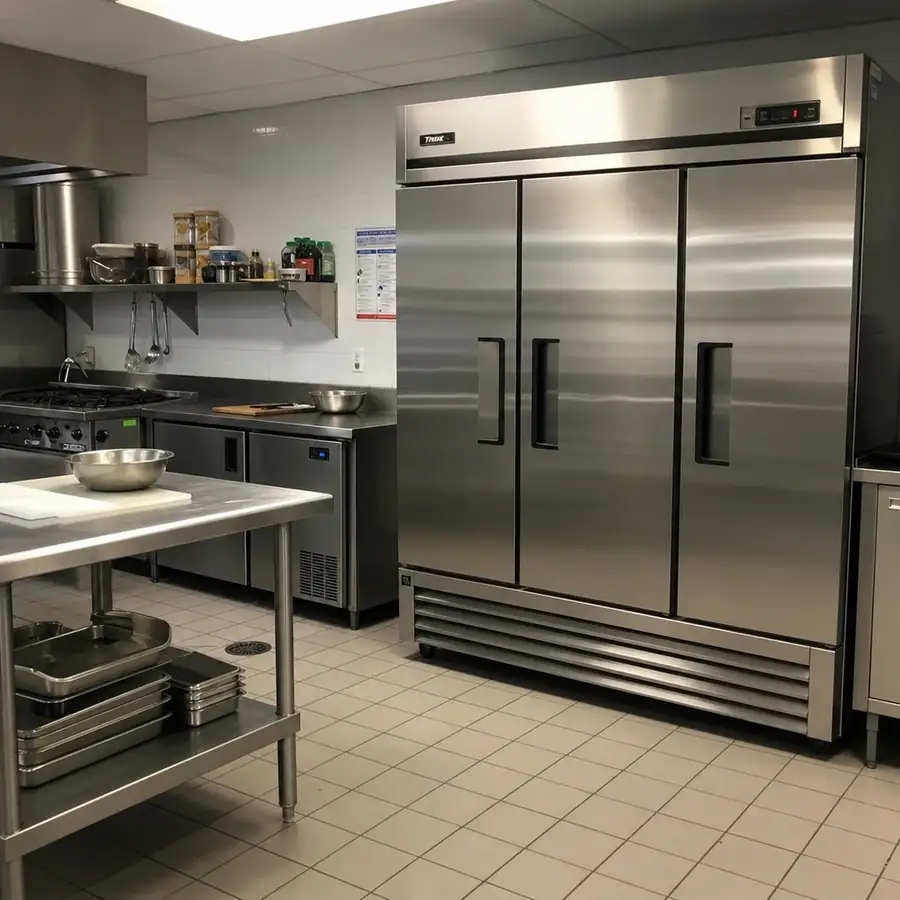
Arctic Air equipment supports practical cold storage needs
Choosing the right commercial refrigeration from a reliable supplier ensures food safety and reduces waste.
Arctic Air is commonly associated with commercial refrigeration solutions designed for foodservice and business environments. For buyers, the appeal is straightforward: you can compare equipment by use case instead of trying to force one model to do everything. A freezer arctic setup may support frozen inventory, while an Arctic Air refrigerator can keep chilled products organized and accessible during service.
The key is to match the equipment category to the job. Refrigerators are intended for chilled storage, freezers for frozen goods, and coolers for keeping selected products at service-ready temperatures. If you run a kitchen, market, concession operation, breakroom, or small food business, the right arctic refrigeration setup can make everyday inventory handling more predictable.
Common uses include:
- Holding prepared ingredients before service
- Storing frozen foods in an Arctic Air commercial freezer
- Keeping beverages, dairy, produce, or packaged products chilled
- Supporting overflow storage during busy periods
- Organizing inventory by station, category, or product type
- Improving access in prep, service, or back-of-house areas
These use cases may sound simple, but they are the foundation of a good buying decision. Equipment that fits your routine helps reduce clutter, speed up restocking, and keep team members from wasting time searching for products.
Comparing refrigerator, freezer, cooler, and chest freezer options
Understanding each equipment type helps you match refrigeration equipment to your storage workflow.
The phrase “Arctic Air refrigeration” can cover several types of equipment, so it helps to separate your options before you shop. Each category solves a different problem, and understanding those differences can keep your purchase focused.
Arctic Air commercial refrigerator options
An Arctic Air commercial refrigerator is typically used for chilled storage in environments where access, organization, and durability matter. Buyers often look at door configuration, shelf layout, footprint, and interior capacity. If your team opens the unit frequently during the day, accessibility should be one of your top priorities.
The Arctic Air AR49 refrigerator is one example buyers may search for when they need a larger reach-in style solution. When comparing a model like an arctic air ar49 refrigerator with smaller alternatives, look beyond size alone. Ask whether the unit fits your available space, whether door swing will interfere with nearby workstations, and whether the interior layout supports the products you store most often.
Arctic Air commercial freezer choices
An Arctic Air commercial freezer is designed for frozen storage needs, which may include ingredients, packaged products, desserts, proteins, or backup inventory. A reach-in freezer can be helpful when you need vertical storage and fast access. An Arctic Air chest freezer, on the other hand, may be useful when bulk storage is more important than eye-level organization.
Before choosing an arctic air freezer, think about how often your team needs to retrieve products. Frequent access may favor a reach-in format, while longer-term storage may make a chest freezer more practical. Also consider where the freezer will sit, how much clearance is needed, and whether the placement makes loading and unloading easy.
Arctic Air cooler and Arctic fridge considerations
An Arctic Air cooler or compact Arctic fridge may be useful where space is limited or where certain products need to stay close to the point of use. These options can support beverage areas, prep stations, small retail displays, staff areas, or supplemental storage. The most important question is whether the unit solves a specific access problem.
If a compact unit simply duplicates storage you already have, it may not add much value. But if it reduces steps, keeps high-demand items nearby, or supports a dedicated station, it can become one of the most useful pieces of equipment in the room.
How do you choose the right Arctic Air unit for your space?
Measuring your space and mapping your menu needs are the first steps to selecting the right commercial refrigerator.
Choose an Arctic Air unit by measuring your space, identifying what you need to store, and deciding how your team will access it during the day. Capacity matters, but so do door clearance, traffic flow, shelving needs, and proximity to the work area. A well-sized unit should fit the room physically and fit the rhythm of your operation.
Start with measurements before browsing. Measure width, depth, height, doorway access, and the area where doors or lids will open. Then think about ventilation space, cleaning access, and whether the unit can be moved into place without disrupting counters, shelving, or other equipment.
Use this simple buying checklist before you decide:
- Define the storage purpose. Decide whether you need chilled storage, frozen storage, display access, overflow capacity, or station-specific support.
- Measure the full installation area. Include surrounding clearance, door swing, aisle width, and delivery path.
- Review your inventory habits. Consider the size, weight, and rotation speed of the products you store.
- Check access frequency. Frequently used items should be easy to reach without slowing service.
- Plan for organization. Shelving, baskets, or sections should match how your team groups products.
- Consider cleaning routines. Choose a setup that your staff can clean and inspect without difficulty.
- Compare total fit, not just price. A low price is only useful if the equipment fits the workflow and storage need.
This process keeps the focus on practical value. It also helps you avoid buying based only on a product photo or a single specification.
For foodservice operators comparing Arctic Air models, The Horeca Store can be a useful place to review commercial refrigeration options alongside other restaurant equipment and narrow down choices based on specific storage needs.
Smart ways to shop Arctic Air refrigeration deals
Compare deals across authorized dealers to find the best value on commercial refrigeration solutions.
If you are searching for “Shop Arctic Air Refrigeration | Official Dealer Best Prices,” you are probably looking for a combination of legitimate sourcing, competitive value, and confidence in the purchase. That is the right mindset. Commercial refrigeration is not an impulse buy, and the best deal is the one that balances price, product fit, support, and availability.
When browsing Arctic Air deals, compare the full offer rather than the headline discount. A listing may look attractive at first glance, but the details matter. Confirm the exact model, configuration, shipping terms, included accessories, and any support information available from the seller. If you are buying for a business, those details can matter as much as the listed price.
Practical shopping tips include:
- Compare the model number carefully before assuming two listings are identical.
- Review dimensions against your measured space, not just your ideal layout.
- Check whether the listing matches the type of equipment you need: refrigerator, freezer, cooler, or chest freezer.
- Look for clear product descriptions that explain capacity, access style, and intended use.
- Consider delivery logistics, especially for large commercial equipment.
- Avoid choosing a unit only because it is discounted if it does not match your storage needs.
- Keep records of product details for future service, reordering, or equipment planning.
A strong deal should make the purchase easier, not more confusing. If you cannot tell exactly what you are buying, it is worth slowing down and asking more questions before you commit.
Matching equipment to real business scenarios
Different businesses use refrigeration in different ways, even when they buy similar equipment. A bakery, restaurant, convenience store, office, and food truck support space may all need cold storage, but their priorities can vary. That is why it helps to map the equipment to a real scenario rather than shopping by category alone.
A restaurant prep line may benefit from an Arctic Air commercial refrigerator positioned close to daily ingredients. A market may need an arctic air cooler for drinks or ready-to-sell chilled items. A catering operation may look at an Arctic Air commercial freezer for storing frozen products between events. A small café may compare an Arctic fridge with a larger reach-in unit depending on its menu and available floor space.
If you are also comparing related searches such as Arctic Chef refrigerator or other arctic air alternatives, focus on intended use, size, and support needs. Similar-sounding product names can create confusion during research. Keeping a written list of must-have requirements makes it easier to compare options without drifting away from what your space actually needs. When you are ready to compare equipment, The Horeca Store offers Arctic Air commercial refrigeration and other restaurant equipment to help foodservice businesses find options that align with their storage requirements and workflow.
Organization makes refrigeration more useful
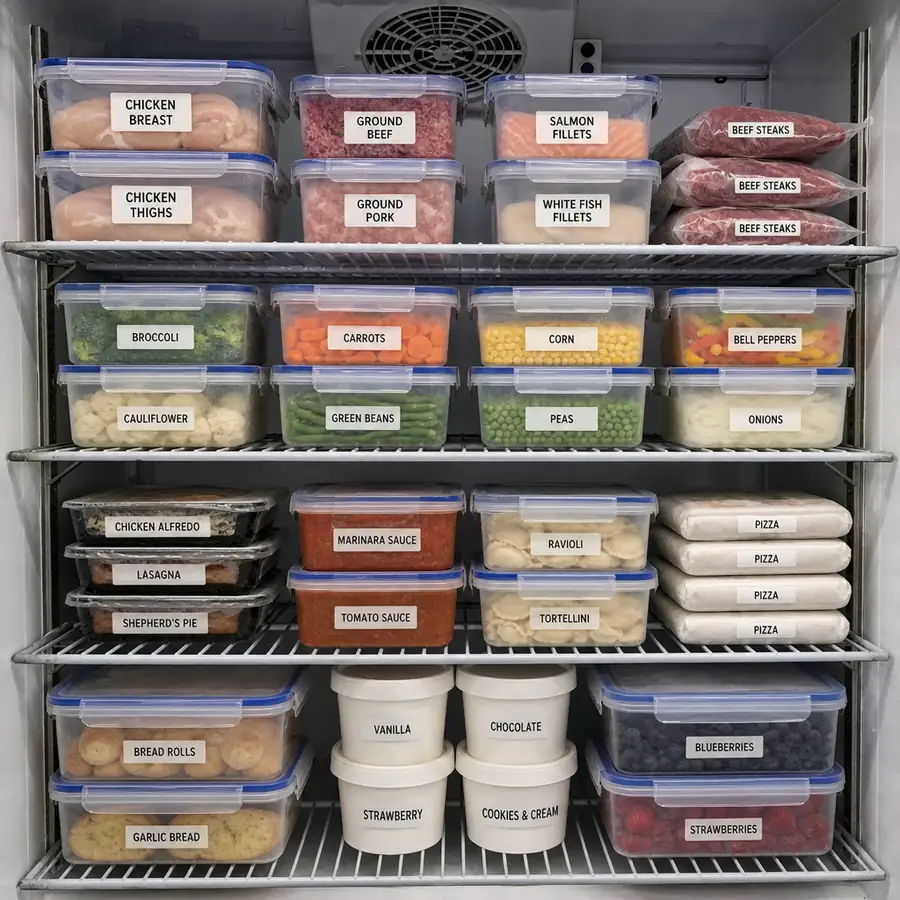
Proper shelving, labeling, and food rotation inside your commercial freezer or refrigerator maximize usable space.
Buying the right equipment is only part of the job. How you organize the inside of the unit affects how useful it feels during daily operations. A well-organized Arctic Air refrigerator or freezer can help staff find items faster, rotate inventory more consistently, and reduce unnecessary door-open time.
Think in zones. Keep high-use products in the easiest-to-reach areas, group similar items together, and avoid burying small products behind bulkier inventory. For an Arctic Air chest freezer, labeled baskets or sections may make a big difference because chest-style storage can become difficult to search if products are stacked without a plan.
Helpful organization habits include:
- Label shelves, bins, or sections by product category.
- Keep fast-moving items near the front or top.
- Store heavier products safely and accessibly.
- Avoid overloading shelves or blocking airflow areas.
- Review inventory regularly so outdated or unnecessary items do not take up space.
- Train staff to return products to the same location after each use.
These habits are simple, but they protect the value of the equipment. A large freezer or refrigerator can still feel too small if the interior is disorganized.
What mistakes should you avoid when buying Arctic Air equipment?
The most common mistake is buying an Arctic Air unit based on price or size alone. A unit that is too large, too small, awkwardly placed, or wrong for the product type can create daily frustration. The better approach is to compare the equipment against your space, inventory, workflow, and access needs before judging the deal.
Another mistake is overlooking placement. A refrigerator or freezer may look perfect online but become difficult to use if the door swing blocks an aisle, the lid cannot open fully, or staff must walk too far during busy service. Always picture the equipment in motion, not just sitting in the room.
Buyers should also avoid mixing up refrigeration categories. An Arctic Air freezer is not a substitute for an Arctic Air refrigerator, and an arctic air cooler may not solve the same storage challenge as a full commercial reach-in. The more clearly you define the job, the easier it becomes to select the right product.
Long-term value comes from fit, care, and planning
Investing in quality refrigeration equipment from trusted brands protects your inventory and your bottom line.
The best refrigeration purchase continues to make sense after the first week. That means your Arctic Air commercial refrigerator, freezer, or cooler should be easy for staff to use, simple to keep organized, and appropriate for the volume of products you handle. Long-term value comes from equipment that supports the routine instead of constantly demanding workarounds.
Care and planning matter as well. Keep the area around the unit accessible, follow appropriate cleaning routines, and pay attention to changes in performance. If your inventory grows, your menu changes, or your layout shifts, review whether your existing arctic air refrigeration setup still supports your needs.
It can also help to plan future purchases as part of a broader cold storage strategy. Instead of adding random units over time, think about how each refrigerator, freezer, cooler, or chest freezer fits into the larger layout. This helps prevent crowded rooms, duplicate storage, and inefficient traffic patterns.
A practical takeaway for buyers
Start your search at The Horeca Store for competitive pricing on Arctic Air and other leading refrigeration brands.
Arctic Air refrigeration deals are worth exploring when you know what your business needs and how the equipment will be used. Start with the purpose, measure the space, compare the right category, and evaluate the full purchase details before focusing on price alone. Whether you need an Arctic Air commercial freezer, an Arctic Air refrigerator, an Arctic Air chest freezer, or another Arctic Air unit, the smartest choice is the one that fits your workflow today and remains useful as your operation grows.
If you are ready to compare options, make your shortlist around real requirements: storage type, capacity, placement, access, and organization. That practical approach turns a simple search for arctic air deals into a confident equipment decision.