
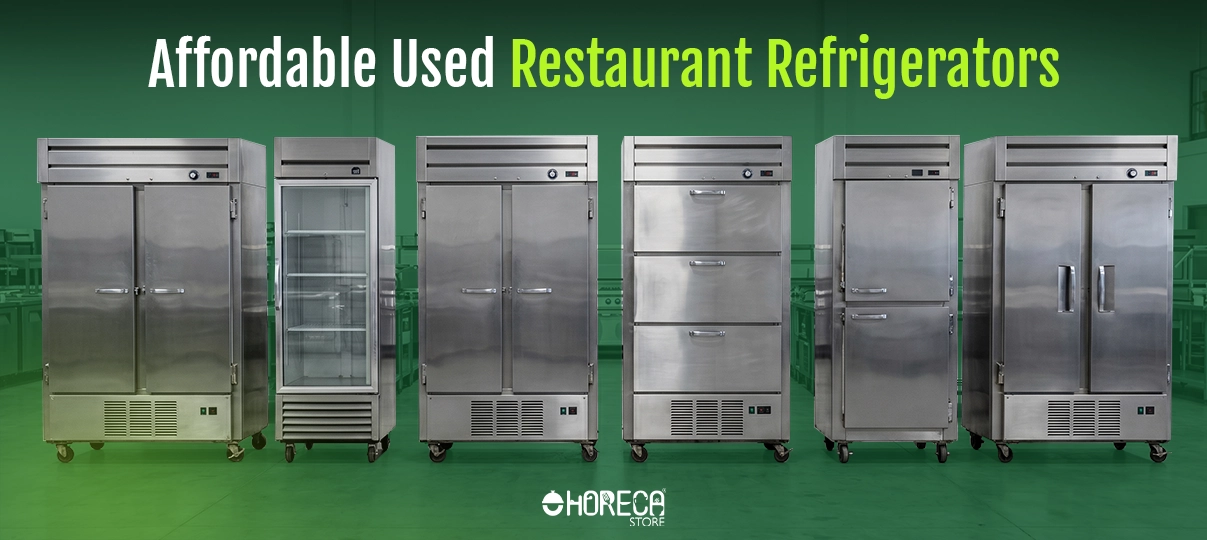
Asking yourself how much a commercial refrigerator costs when outfitting a brand-new kitchen? Industry data reveals that buying factory-new equipment can quickly drain your startup budget before you ever open your doors. Starting a restaurant is notoriously expensive, but your cooling system doesn't have to be. By exploring the market for used commercial refrigerators, smart owners routinely save 50 to 70 percent off retail.
A steep discount is only a victory if the machinery survives the heat of the kitchen. Imagine a frantic Friday night dinner rush where your heavily discounted used restaurant refrigerator suddenly climbs to 50 degrees, ruining hundreds of dollars in food. That nightmare scenario perfectly illustrates the price-to-risk ratio in commercial equipment. According to veteran hospitality consultants, buying pre-owned is a gamble that pays off beautifully—if you know how to avoid a lemon.
Protecting your ingredients requires a straightforward inspection plan. Verifying cooling power and spotting hidden red flags ensures your purchase performs flawlessly without the crippling price tag.
Residential vs. Commercial: Why Your Home Fridge Won't Survive a Professional Kitchen
Slapping a cheap used fridge from a residential home into a bustling cafe might seem like a clever way to save money, but it is a guaranteed recipe for disaster. Professional kitchens demand heavy-duty performance that standard appliances simply cannot provide. When you buy a used commercial refrigerator, you are investing in a machine specifically built to survive the relentless pace of the food service industry.
To avoid wasting cash on the wrong equipment, you need to understand the three non-negotiable differences between a home unit and a commercial powerhouse:
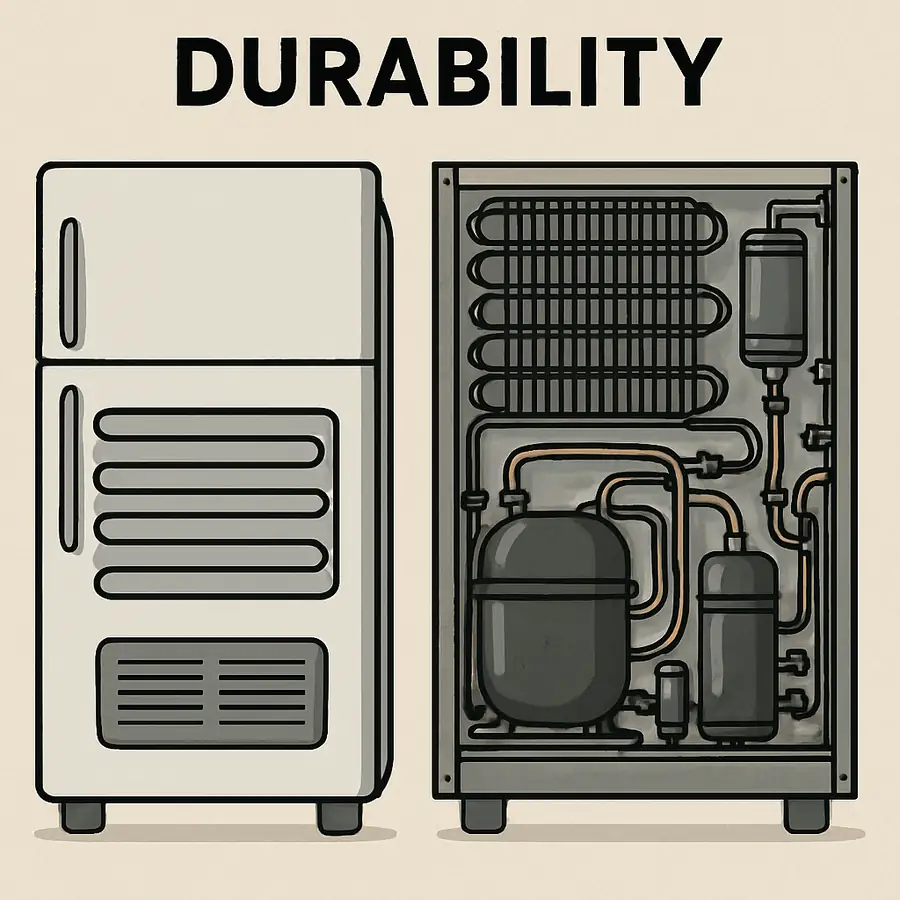
- Durability: Commercial units feature robust hardware designed to handle doors opening and closing hundreds of times a shift.
- NSF Certification: Think of NSF certification for used food service equipment as the health department’s seal of approval; without this sanitation rating, an inspector will not let you serve food.
- Recovery Time: This measures how fast a fridge returns to a safe, cold temperature after the door opens. A commercial compressor chills the air in minutes, preventing food spoilage during a busy Friday night rush.
Recognizing these distinct advantages protects your budget from sudden health code violations and ruined inventory. However, even a powerful commercial workhorse can wear down over time if a previous owner neglected it. Identifying a poorly maintained unit requires a systematic physical inspection before purchase.
The 5-Point 'Lemon' Check: How to Spot Compressor Failure Before You Buy
Finding a used commercial refrigerator for sale at a steep discount feels like a massive win for a new restaurant, but only if the equipment actually works. Before handing over your cash, you must run a physical inspection to protect your investment. Keep this 5-point checklist handy for any viewing: 1) Gaskets, 2) Sound/Noise, 3) Age/Serial Number, 4) Coil Cleanliness, and 5) Temperature Stability.
The compressor is the heart of the fridge, and listening to it run is your best defense against buying a dud. When you plug the unit in, you should hear a steady, even hum. If it sounds like a gravelly cough, clicks aggressively, or rattles heavily, walk away. These are glaring signs of compressor failure in pre-owned coolers and guarantee a sudden breakdown during a busy shift.
Beyond internal mechanics, external wear often hints at hidden neglect. Start by closing a dollar bill in the door; if it slips out easily without resistance, the seal is weak. While the cost of replacing door gaskets on used fridges is relatively low, a bad seal forces the compressor to work overtime. Next, locate the manufacturer's data plate on the inside wall. Running a quick web search of the serial number is exactly how to verify used commercial fridge age, ensuring a seller isn't passing off a fifteen-year-old dinosaur as a "lightly used" bargain.
Selecting Your Workhorse: Reach-ins, Prep Tables, and Glass Door Beverage Coolers
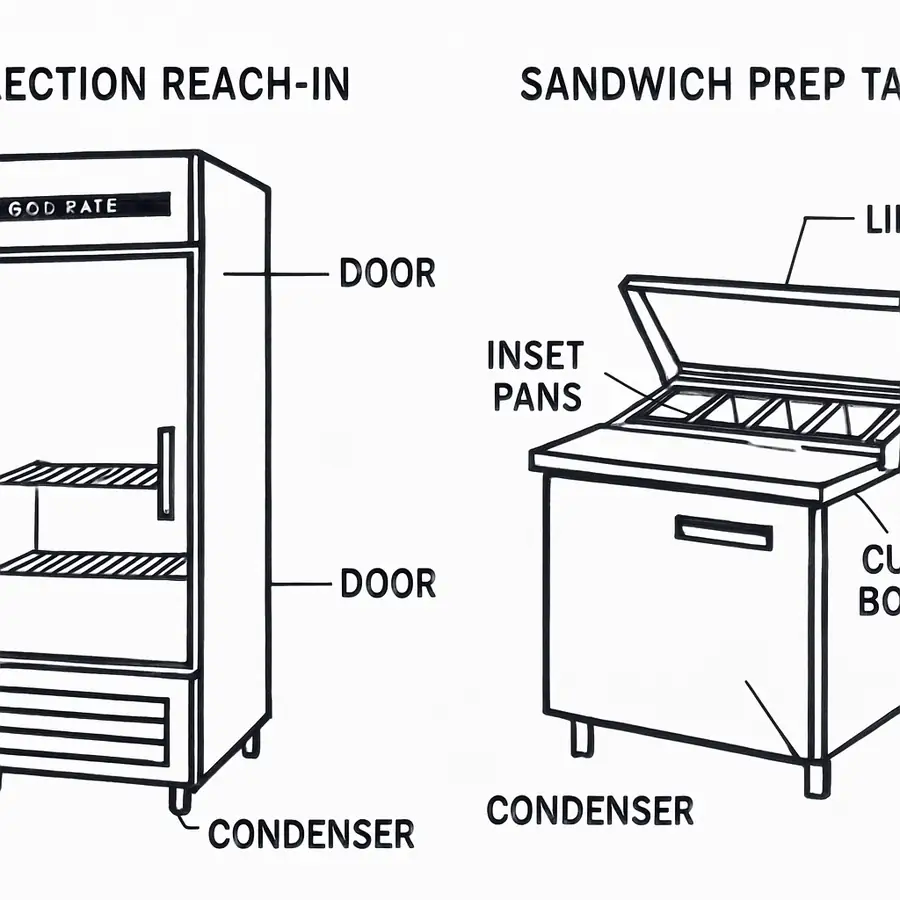
Just because a fridge fits your space doesn't mean it fits your workflow. When browsing options, you'll quickly notice a divide between solid stainless steel and glass fronts. A used single door commercial refrigerator with a solid door is your true back-of-house workhorse, offering superior insulation to keep raw ingredients perfectly chilled during a 100-degree dinner rush. Conversely, a used glass door refrigerator sacrifices some of that insulation for visibility, making it a "merchandising" unit designed strictly for front-of-house customer areas.
Maximizing your kitchen's footprint requires matching the appliance's shape to the chef's task. If your line cooks constantly step away to grab ingredients, a used undercounter refrigerator or dedicated prep table brings cold storage right beneath their cutting boards.
To keep your line moving efficiently, use this quick guide:
- Reach-ins: Best for bulk overnight storage of large food pans.
- Prep Tables: Ideal for active assembly lines where chopped ingredients must stay in arms' reach.
- Beverage Coolers: If you find used commercial beverage coolers for sale, place them where customers grab drinks—they aren't insulated enough for storing raw meats.
Understanding these functional shapes prevents you from buying a cooler that disrupts your team's rhythm. Matching the style to your menu is only half the process; you must also evaluate the equipment's mechanical history to protect your inventory.
Refurbished vs. Used: Which Investment Actually Protects Your Inventory?
Finding a deal is thrilling, but a massive difference exists between a unit that was simply wiped down and one mechanically restored. When comparing refurbished vs used commercial refrigeration, remember that "used" usually means "as-is." If the previous owner neglected the compressor—the heart of the fridge—you inherit their expensive problem. Refurbished units, however, are rigorously inspected by technicians who replace failing parts to ensure food-safe temperatures.
Because of this risk, where you shop matters just as much as what you buy. Searching online classifieds might yield rock-bottom prices, but gambling on private sellers offers zero safety net if the unit dies mid-shift. Instead, smart operators turn to reputable restaurant supply liquidators. These businesses buy out closing restaurants, test the inventory, and professionally grade everything from prep tables to used commercial freezers, eliminating the traditional guesswork.
Paying a 15% premium for a "Certified Pre-Owned" tag might feel steep initially, but the benefits of buying from licensed equipment dealers justify the cost. That extra money usually secures a limited warranty, acting as a crucial insurance policy against catastrophic food spoilage. Even with a dealer's blessing, a bargain appliance can quietly drain your operating budget through hidden costs associated with power, gaskets, and maintenance.
Hidden Costs of 'Cheap' Units: Power, Gaskets, and Maintenance
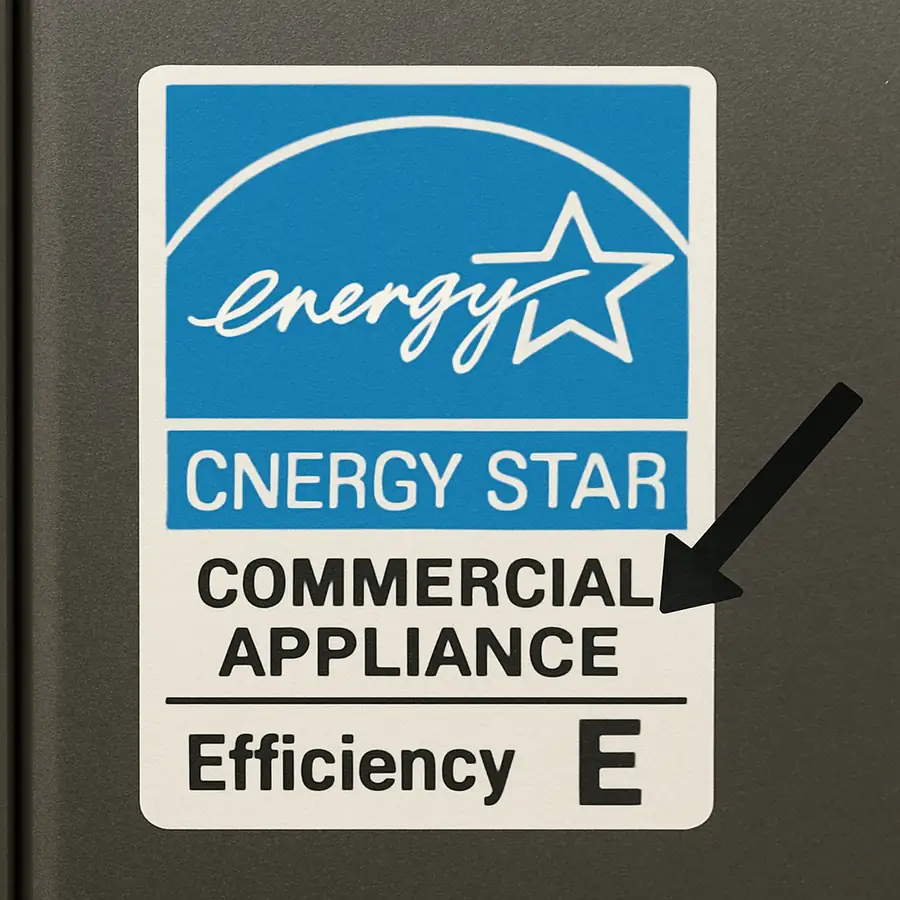
Snagging a dirt-cheap fridge feels great until the utility bill arrives. The sticker price is just the start of your Total Cost of Ownership, which includes long-term electricity and repairs. An older model can quietly drain an extra $500 annually compared to Energy Star-rated used restaurant equipment.
Physical wear also drastically drives up running costs. When rubber door seals crack, cold air leaks out, forcing the unit to work overtime. This pulls excess electricity, occasionally dimming kitchen lights before eventually blowing a fuse. Recognizing this power strain early maximizes the 10-year average lifespan of a commercial refrigerator.
To protect this investment, implement a 90-day commercial kitchen refrigeration inspection checklist. Applying these basic commercial walk-in cooler maintenance tips every three months can literally double your equipment's longevity:
- Coil cleaning: Vacuum the dusty metal condenser coils so the compressor can properly breathe.
- Gasket lubing: Clean and condition door seals to prevent tearing and air leaks.
- Temp logging: Record internal temperatures to spot slow mechanical failures early.
Routine care prevents catastrophic breakdowns during a busy dinner shift and maximizes your return on investment.
Your 24-Hour Purchase Plan: From Auction to Installation
You no longer have to pay full retail to keep your ingredients safe. Armed with these inspection skills, you can confidently evaluate any local listing. Whether tracking down used restaurant refrigerators for sale or inspecting used commercial freezers, you now know exactly how to avoid a lemon.
Before bringing your cooler home, follow this day-of-purchase checklist:
- Transport: Keep the unit completely upright during transit.
- Electrical: Verify your kitchen outlets match the specific NEMA plug.
- Leveling: Adjust the feet so the heavy doors seal perfectly.
- Settle Time: Wait 24 hours before powering it up.
That final step is non-negotiable. Never plug a unit in immediately after moving it; compressor oil must settle, or you risk destroying the engine. By taking these final precautions and committing to a basic maintenance schedule, you secure a high-end, reliable machine for a fraction of the cost, keeping your kitchen ready for the dinner rush.
Find Reliable Restaurant Refrigerators at The Horeca Store
Choosing the right refrigerator is essential for maintaining food quality, safety, and smooth restaurant operations. The Horeca Store offers a wide selection of commercial refrigeration solutions designed to meet the needs of restaurants, cafés, hotels, catering businesses, and foodservice operations. Whether you need reach-in refrigerators, undercounter units, prep refrigerators, display coolers, or other cold storage equipment, our products provide dependable performance and efficient storage for daily kitchen demands.
At The Horeca Store, we help businesses find cost-effective refrigeration options without compromising on quality and reliability. Our range of commercial refrigerators is built to support proper food preservation, maximize kitchen efficiency, and handle the demands of busy foodservice environments. With competitive pricing, trusted equipment, and expert customer support, The Horeca Store is your reliable partner for selecting refrigeration solutions that fit your restaurant's needs and budget.