
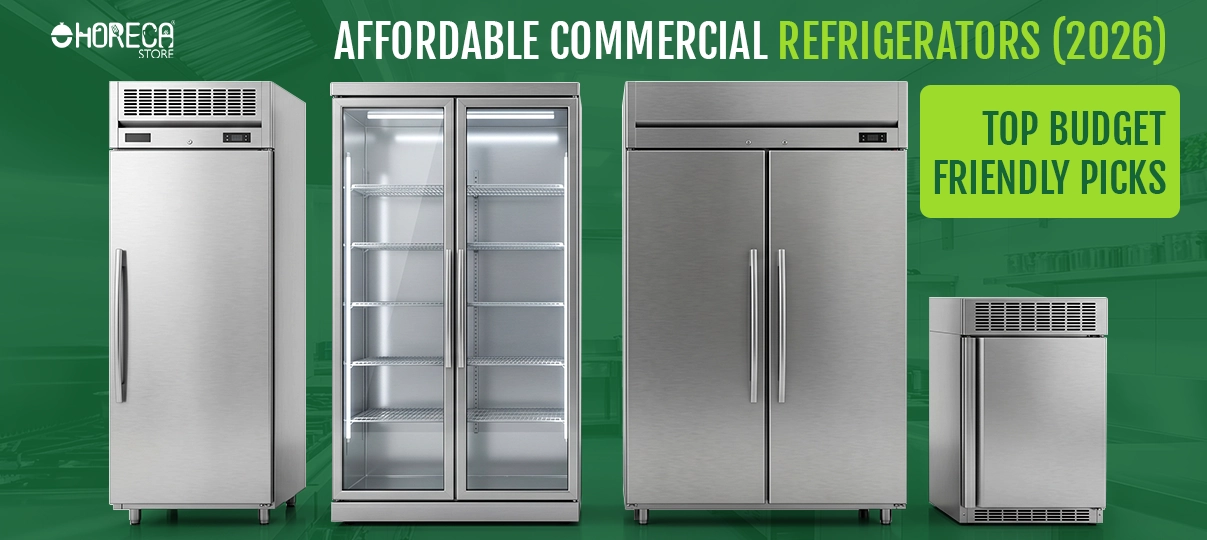
Equipping a commercial kitchen is one of the most significant financial hurdles for any culinary startup, restaurant owner, or food service entrepreneur. Because refrigeration runs 24/7, choosing the right equipment impacts not only your initial capital but also your long-term operational overhead. If you are navigating the complex equipment market this year, our comprehensive Affordable Commercial Refrigerator Guide 2026: Top Picks is designed to help you balance upfront costs with long-term reliability.
In 2026, technological advancements have made it easier than ever to secure high-quality, low-cost refrigeration without sacrificing performance. Whether you are outfitting a cozy corner cafe or a high-volume ghost kitchen, understanding how to stretch your equipment budget is essential.

How Much Does a Commercial Refrigerator Cost in 2026?
One of the most common questions from new business owners is, "how much does a commercial refrigerator cost in 2026?" The answer depends heavily on the size, features, and brand reputation of the unit. However, the market has stabilized recently, offering distinct tiers for budget-conscious buyers.
- Single-Door Reach-Ins: Typically range from $1,200 to $2,500. These are the ultimate budget fridges for tight spaces.
- Double-Door Reach-Ins: Expect to pay between $2,200 and $4,500. These offer the best balance of storage capacity and footprint.
- Undercounter and Prep Tables: Ranging from $1,000 to $3,500, these units double as workspaces and are invaluable for sandwich shops and pizzerias.
While premium brands can easily exceed $8,000, there is a thriving market for affordable commercial refrigerators that deliver 90% of the premium features at a fraction of the cost.
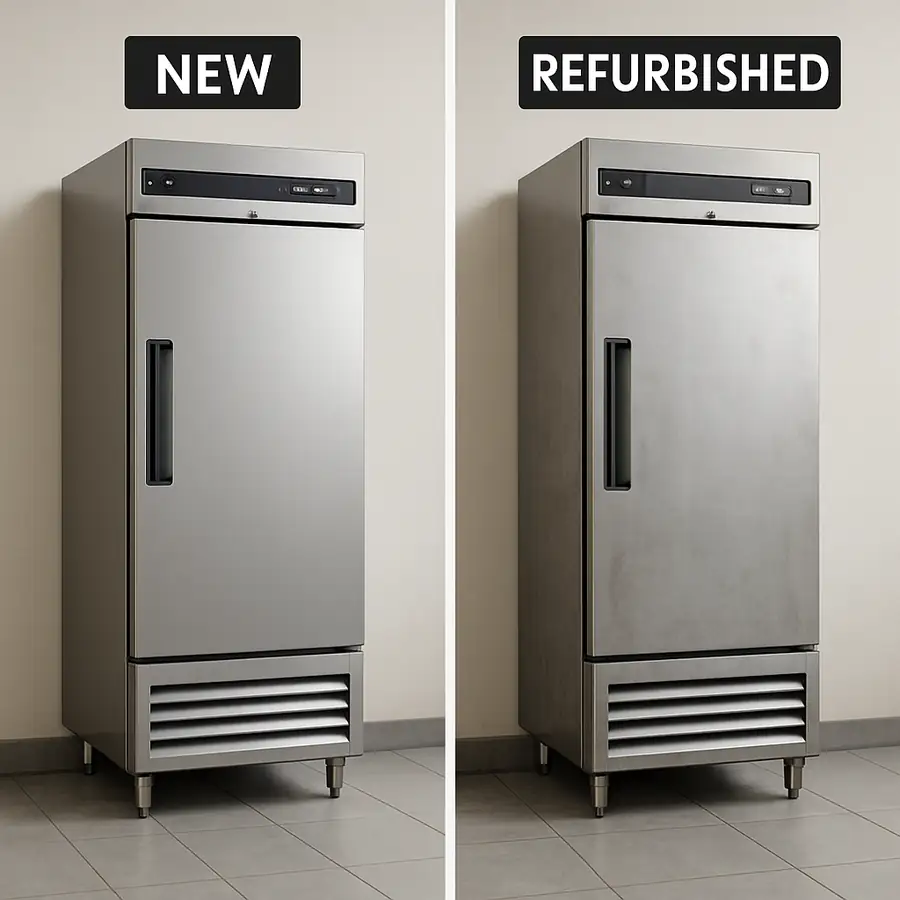
New vs Refurbished Commercial Refrigeration Pros and Cons
When capital is tight, deciding between buying brand-new equipment or hunting for a used bargain is a major dilemma. Let’s break down the new vs refurbished commercial refrigeration pros and cons to help you make an informed decision.
Brand New Refrigeration
Pros:
- Warranties: Most new units come with a 3-to-5-year compressor warranty, offering total peace of mind.
- Latest Technology: New models are highly likely to feature energy-saving advancements and better insulation.
- Longevity: You control the maintenance history from day one.
Cons:
- Higher Upfront Cost: The initial price tag is undeniably steeper.
- Depreciation: Like driving a new car off the lot, new equipment loses resale value immediately.
Refurbished Refrigeration
Pros:
- Massive Savings: You can often find discount commercial fridges for 40% to 60% off their original retail price.
- Eco-Friendly: Reusing equipment keeps heavy machinery out of landfills.
Cons:
- Shorter Warranties: Refurbished units usually only carry a 30-to-90-day guarantee.
- Hidden Wear and Tear: Even if the compressor is new, the cabinet insulation or gaskets might be degraded, which can quietly increase your energy bills.
Top Picks: Budget-Friendly Reach-In Coolers for Startups
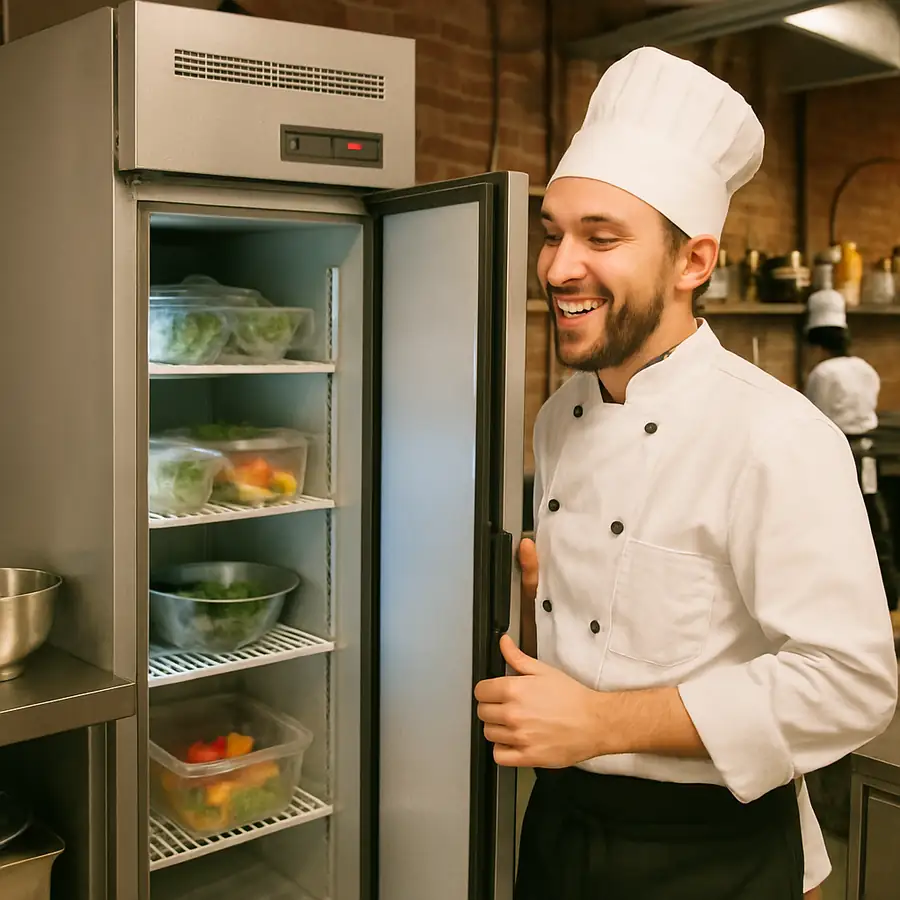
For those opening their first venue, allocating funds wisely is critical. You need equipment that is robust enough to handle the frantic pace of a kitchen but priced reasonably. Here are the categories where you can find the best budget-friendly reach-in coolers for startups:
- The Single-Door Workhorse: Perfect for small cafes or as a secondary line-cooler. Look for models featuring digital temperature controllers and stainless-steel interiors. They offer premium durability without the premium price tag.
- The Bottom-Mount Compressor Unit: These are excellent cheap commercial coolers because they are easier to maintain. Bottom-mount units draw in cooler air near the floor, which is ideal if your kitchen runs hot, thereby reducing the strain on the compressor.
- The Half-Door Reach-In: Units with split doors (often called Dutch doors) allow you to open only the top or bottom half. This prevents massive amounts of cold air from escaping, naturally reducing commercial refrigerator operating costs over the life of the unit.
Where Can I Find Affordable Commercial Freezers and Refrigerators?
Sourcing your equipment requires a bit of strategic shopping. Many restaurateurs frequently ask their peers, "where can i find affordable commercial freezers and refrigerators that won't break down in a year?"
Local Restaurant Supply Stores: Shopping locally allows you to inspect the build quality in person. Furthermore, local dealers often run localized promotions. For instance, if you are searching for affordable commercial refrigerators houston tx, you might find regional liquidators offering massive discounts on overstocked inventory specifically suited to Southern humidity levels.
Online Wholesalers: The internet is a goldmine for affordable commercial freezers and refrigerators. Online giants bypass the showroom markup and ship directly from warehouses. Many offer free shipping, which can save you hundreds of dollars in freight fees.
Restaurant Auctions and Liquidators: Unfortunately, the restaurant industry has a high turnover rate. This creates a secondary market overflowing with cheap commercial coolers and prep tables. Keep an eye on local commercial auction sites where you can bid on barely used equipment.
When evaluating your options, you might wonder, what are the best value commercial refrigeration brands? While we avoid endorsing a single manufacturer, brands like Arctic Air, Atosa, and MoTak consistently receive high praise in 2026 for blending low-cost refrigeration with reliable, commercial-grade performance.
Smart Design: Glass Door vs. Solid Door
Choosing the right door style is more than an aesthetic preference; it impacts both marketing and efficiency. When looking at top-rated glass door vs solid door merchandisers, you need to align the fridge with its primary function.
- Solid Door Refrigerators: These are best suited for the back-of-house (BOH). Solid doors have superior insulation, making them significantly more energy-efficient. They are also easier to clean and hide the inevitably disorganized nature of a busy kitchen line.
- Glass Door Merchandisers: These belong in the front-of-house (FOH). If you run a bakery, deli, or convenience store, glass doors are essential for driving impulse sales. The trade-off is that glass offers less insulation, meaning the compressor works slightly harder to maintain temperatures. However, modern 2026 models feature double-paned, Low-E glass that drastically mitigates energy loss.
Choosing the Right Size and Maximizing Space
Buying a fridge that is too large wastes money on electricity, while buying one that is too small leads to food spoilage and health code violations. Therefore, choosing the right cubic feet for food storage is a vital step.
As a general rule of thumb:
- Small Cafes/Food Trucks: 10 to 20 cubic feet.
- Medium Restaurants: 20 to 45 cubic feet.
- Large/High-Volume Kitchens: 50+ cubic feet.
If your floor plan is exceptionally tight, you must look into space-saving refrigeration solutions for small kitchens. Undercounter refrigerators, chef bases that sit directly beneath your griddles, and low-profile prep tables are ingenious ways to maximize your vertical and horizontal space without sacrificing storage capacity.
Energy Efficiency and Eco-Friendly Innovations
In 2026, finding energy efficient restaurant refrigerators for small businesses is easier—and more necessary—than ever. Utility rates fluctuate, and standard commercial refrigeration uses an immense amount of electricity.
The Shift to Natural Refrigerants
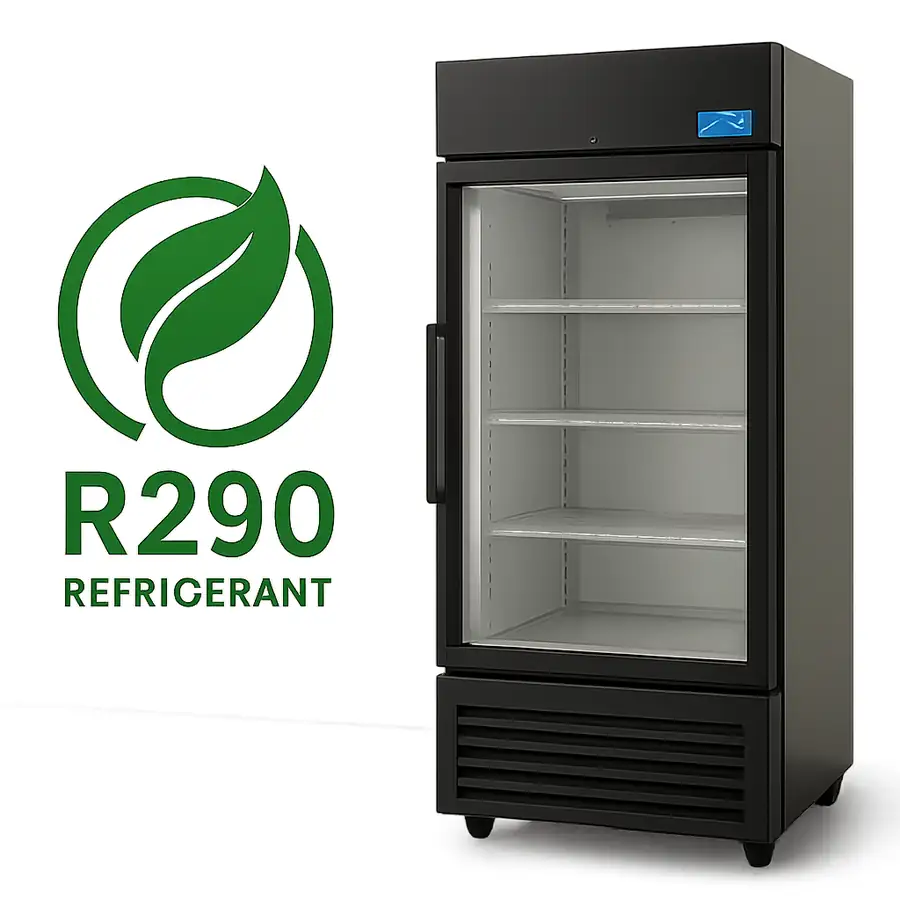
The most significant leap in recent years is the widespread adoption of eco-friendly R290 natural refrigerant systems. R290 is a highly refined propane that serves as a remarkably efficient alternative to older hydrofluorocarbons (HFCs). Not only does R290 possess a Global Warming Potential (GWP) of just 3, but its excellent thermodynamic properties mean your compressor doesn't have to work as hard. This translates directly into lower electricity bills and a smaller carbon footprint.
Energy Star Certification
Always look for Energy Star certified commercial coolers. These units have been rigorously tested to ensure they meet strict energy efficiency guidelines set by the Environmental Protection Agency. An Energy Star certified unit can save a small business hundreds of dollars annually compared to standard models, quickly offsetting any slight premium in the purchase price.
Ensuring Safety and Compliance
Regardless of how affordable a unit is, it must meet rigorous health standards. This means ensuring your equipment strictly adheres to NSF certified food storage standards.
The National Sanitation Foundation (NSF) mandates that commercial kitchen equipment must be easy to clean, built from food-grade materials (like high-quality stainless steel), and capable of holding safe temperatures consistently. Buying a cheap residential fridge for a commercial application is a fast track to failing a health inspection.
Financing Options for Commercial Kitchen Equipment
If paying out of pocket for an entire kitchen setup is unfeasible, there is no need to panic. The industry offers multiple financing options for commercial kitchen equipment to help you secure affordable commercial refrigerators without draining your working capital.
- Equipment Leasing: Leasing allows you to pay a manageable monthly fee to use the refrigerator. At the end of the term, you often have the option to buy the unit for a nominal fee (like a $1 buyout) or upgrade to a newer model.
- Short-Term Financing: Many online retailers partner with fintech companies to offer "Buy Now, Pay Later" schemes tailored for B2B transactions, allowing you to split the cost over 12 to 24 months.
- SBA Microloans: The Small Business Administration offers specialized loans for startups looking to purchase fixed assets, which perfectly encompasses commercial refrigeration.
Maintenance Checklist for Long-Lasting Commercial Units
The true secret to affordable commercial refrigerators isn't just the purchase price; it’s keeping them running efficiently for a decade or more. Poor maintenance leads to emergency repair bills and lost inventory. To protect your investment, strictly follow this maintenance checklist for long-lasting commercial units:
- Inspect and Clean Door Gaskets (Weekly): A cracked or dirty gasket lets cold air bleed out of the unit, forcing the compressor to run constantly. Wipe them down with warm, soapy water.
- Monitor Ambient Temperatures (Daily): Keep your refrigeration units away from ovens, fryers, and direct sunlight. High ambient heat severely diminishes a refrigerator's efficiency.
- Check the Evaporator Coil (Monthly): Ensure that there is no ice buildup on the interior coils, which can indicate poor airflow or a failing defrost timer.
- Keep the Unit Stocked, but Not Stuffed: Refrigerators operate best when they have thermal mass (cold food) inside them, but overstuffing blocks the air vents. Leave room for air to circulate freely.
The Magic of Self-Cleaning Condensers
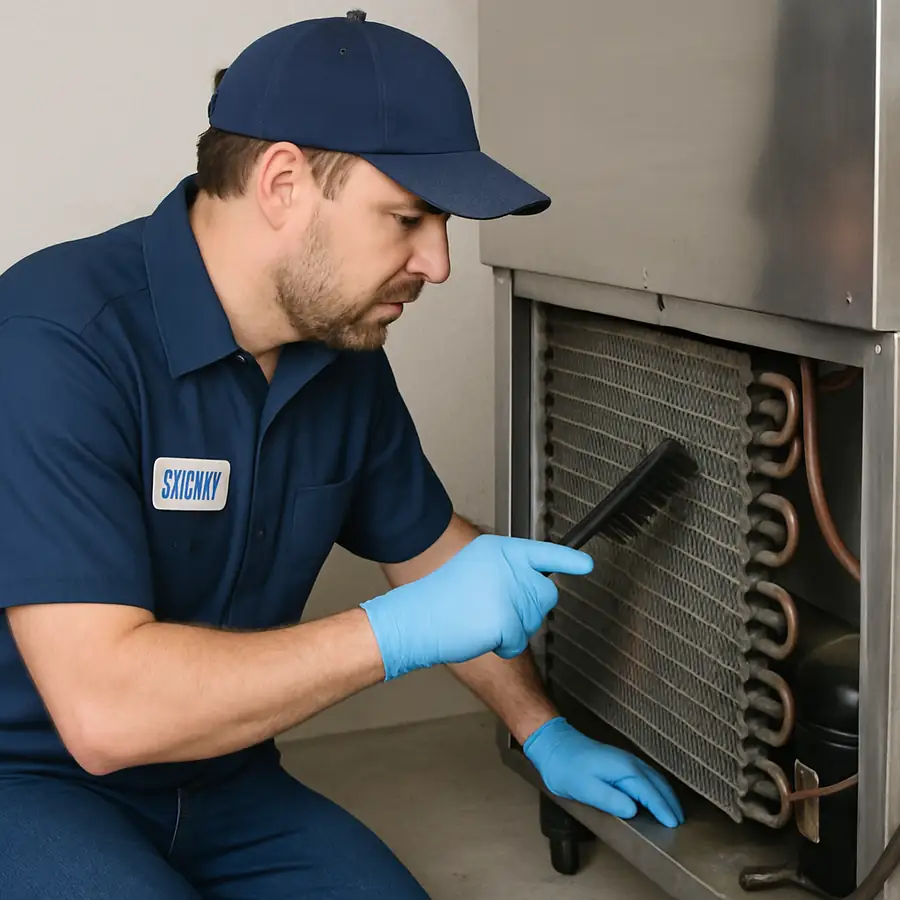
Perhaps the best maintenance hack in 2026 is investing in units with advanced technological features. When browsing specs, look out for the self-cleaning condenser coils benefits. The condenser coil acts as the lungs of your refrigerator, breathing in air to cool the refrigerant. In a busy kitchen, this coil quickly becomes clogged with flour, grease, and dust.
A self-cleaning condenser features a specialized rotating brush or reversed fan motor that sweeps dust away from the mesh filter automatically every single day.
Shop Affordable Commercial Refrigerators at The Horeca Store
Choosing the right commercial refrigerator is essential for maintaining food quality, reducing waste, and keeping restaurant operations running smoothly. The Horeca Store offers a wide selection of affordable commercial refrigeration solutions, including reach-in refrigerators, undercounter units, prep refrigerators, glass door merchandisers, and storage coolers. Designed for restaurants, cafés, bakeries, hotels, catering businesses, and foodservice operations, our refrigeration equipment delivers reliable cooling performance without exceeding your budget.
At The Horeca Store, we help businesses find cost-effective refrigeration options that balance performance, durability, and long-term value. Whether you need compact refrigeration for a small café or high-capacity storage for a busy commercial kitchen, our team can guide you toward the right solution based on your space and operational needs. With competitive pricing, trusted commercial equipment, and dependable customer support, The Horeca Store is your trusted destination for affordable refrigeration solutions that help protect inventory and improve kitchen efficiency.
Final Thoughts on Equipping Your Kitchen in 2026
Building or upgrading a commercial kitchen is a thrilling endeavor, but it requires careful financial maneuvering. The landscape of low-cost refrigeration has evolved beautifully in 2026, offering restaurateurs unprecedented access to reliable, eco-friendly, and high-performing equipment on a budget.
By understanding the cost landscape, weighing the benefits of new versus used equipment, and prioritizing energy efficiency (like R290 refrigerants and Energy Star ratings), you can secure the perfect cooling solutions for your business. Remember to focus on NSF certifications for health compliance and to implement strict maintenance routines to protect your investment. With the right research and strategic financing, finding the ideal equipment to keep your ingredients fresh and your business thriving has never been more achievable.