
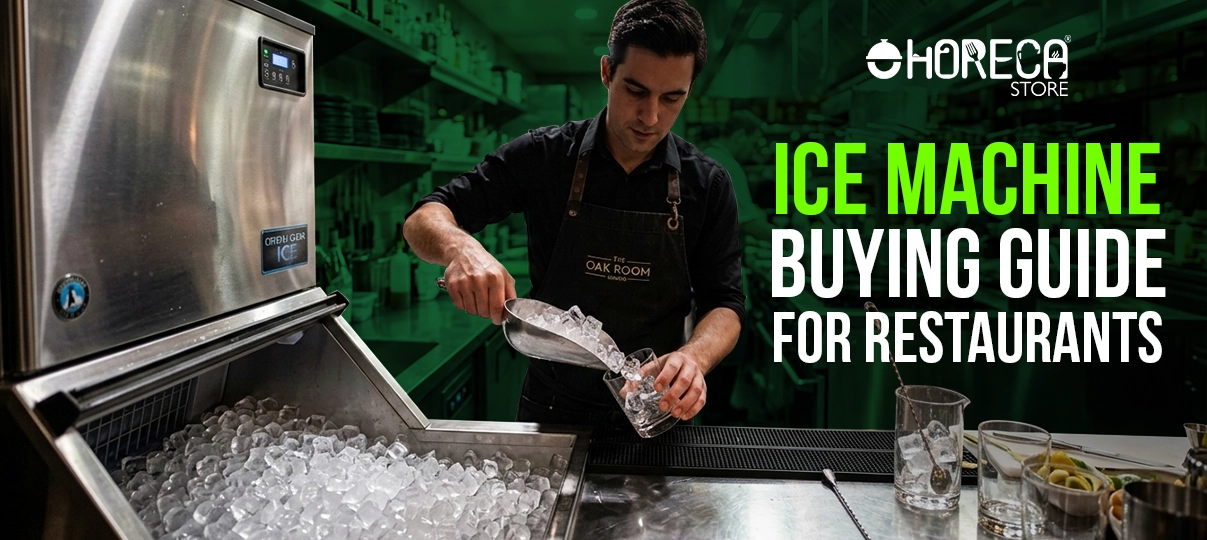
Choosing the right ice machine is crucial for any restaurant. It ensures a steady supply of ice for drinks and food preservation.
With so many options available, making the right choice can be overwhelming. This guide will help you navigate the process.
Understanding different ice machine types is the first step. Each type has unique benefits and applications in a restaurant setting.
Consider your restaurant's specific ice production needs. This will help you select a machine that meets your daily demands.
Proper installation and maintenance are key to longevity and efficiency. Professional installation ensures optimal performance and reduces downtime.
Water filtration systems play a vital role in ice quality. They also extend the life of your machine.
Explore top ice machine brands and their features. This will help you make an informed decision.
By following these tips, you can ensure perfect ice production for your restaurant.
Understanding Ice Machine Types
Selecting the right ice machine begins with understanding the different types available. Each machine serves a unique purpose and fits specific restaurant needs. Knowing these differences helps you align machine features with your operational requirements.
Ice machines come in several varieties, each offering distinct advantages:
- Commercial Ice Makers: Ideal for high-volume ice production, suitable for large kitchens.
- Undercounter Ice Machines: Compact, fit under counters, save space while being efficient.
- Countertop Ice Machines: Great for limited spaces, offering easy access for staff.
- Nugget Ice Machines: Produce soft, chewable ice, perfect for beverages.
- Flake Ice Machines: Provide small ice pieces, great for food displays and storage.
Choosing the right ice machine type impacts ice production efficiency and quality. Consider where the machine will be placed and its ease of access. High-demand settings, like bars or large dining areas, may need heavy-duty commercial machines.
Evaluate the types of ice each machine produces. The choice of ice type affects not only drink presentation but also storage needs and customer experience. For example, some diners love nugget ice in their drinks, enhancing satisfaction.
Think about the scale of your operations. Large establishments with extensive ice needs benefit from commercial ice makers. They produce substantial volumes of ice, meeting peak period demands.
Your decision should also involve the machine's adaptability to your existing kitchen layout. This ensures smooth workflow and convenience. By understanding these categories, you prepare your restaurant for efficient operation and customer satisfaction.
Commercial Ice Makers
Commercial ice makers are essential for large-scale operations. They produce significant amounts of ice rapidly. These machines are perfect for restaurants with high ice turnover.
Key features of commercial ice makers include:
- High Production Capacity: Meets the needs of busy kitchens.
- Durability: Built for constant use without frequent breakdowns.
- Versatile Usage: Suitable for various ice types.
Selecting a commercial ice maker supports uninterrupted service. It's a wise investment for establishments prioritizing efficiency. Consider noise levels and placement for optimal performance.
Undercounter Ice Machines
Undercounter ice machines are designed for space efficiency. They neatly fit under bar or counter spaces, optimizing kitchen layouts. These machines are perfect for moderate ice production needs.
Features of undercounter ice machines typically include:
- Compact Design: Saves valuable floor space in crowded areas.
- Efficient Production: Adequately serves small to mid-sized operations.
- Accessibility: Convenient access for staff due to location.
These machines are ideal in settings where every inch counts. They offer a balance between capacity and space-saving. Ensure they are installed in easy-to-reach locations for best results.
Countertop Ice Machines
Countertop ice machines cater to smaller spaces. They are handy for quick service access and are perfect for niche areas. These machines balance convenience with functionality.
Notable features of countertop ice machines include:
- Portability: Easy to move if needed.
- Quick Access: Provides fast and frequent ice serving.
- Space-Saving: Perfect for limited space areas.
Used in specific service points, these machines enhance efficiency. Consider their placement for optimal customer and staff access. It's about striking the right balance.
Nugget Ice Machines
Nugget ice machines make soft, chewable ice. This is a favorite for many beverage servings. Their ice texture enhances drinks’ appeal and drinkability.
Nugget ice machines have distinctive advantages:
- Customer Appeal: Nugget ice is popular in cold drinks.
- Adaptability: Perfect for beverages and chilled concoctions.
- Compact Design: Available in various sizes for flexibility.
These machines add charm to your ice offerings. They cater to customer preferences, turning drinks into delightful experiences. Aim for a machine that matches your service style.
Flake Ice Machines
Flake ice machines produce small, thin ice pieces. These are excellent for food preservation and display. The ice’s form offers unique applications in food service.
Core benefits of flake ice machines are:
- Effective Cooling: Ideal for fresh food storage and display.
- Flexible Use: Suited for seafood and produce displays.
- Easy Molding: Conforms well around stored items.
These machines enhance the presentation and storage of perishable goods. Flake ice is particularly beneficial in maintaining freshness. Choose this if food presentation is a priority.
Assessing Ice Production Needs
Determining your restaurant’s ice needs is crucial. Start by analyzing peak times. This ensures you don’t run out of ice during busy hours.
Understanding ice consumption patterns is vital. Consider all the ways ice is used, from drinks to food preservation. This helps predict daily needs more accurately.
Restaurants have varied ice demands based on their operation style. Fast-food chains may have different needs than fine dining establishments. Estimate needs by reviewing your menu and customer preferences.
Use historical data to forecast future ice demands. Look at past demand during similar seasons and peak periods. Adjust your ice machine choice based on these insights.
Precise assessment saves costs. It prevents over-purchasing equipment that produces more ice than necessary. It also ensures operations run smoothly, maximizing efficiency.
Calculating Daily Ice Requirements
To calculate daily ice requirements, evaluate your restaurant’s daily operations. This involves analyzing the average number of customers and typical menu offerings.
Break down the ice usage:
- Beverages: Estimate ice needs based on drink popularity and size.
- Food Preparation: Consider ice for storage and presentation.
- Other Uses: Includes maintenance tasks requiring ice.
Summing these categories gives an estimate of your daily ice needs. Use this information to select an appropriately sized machine. This prevents shortages and operational delays.
Factors Affecting Ice Demand
Numerous factors influence ice demand in restaurants. Recognizing these helps fine-tune your equipment choices to handle variations.
Consider these factors impacting ice demand:
- Seasonal Changes: Warm weather increases ice consumption.
- Special Events: Peak days or events lead to higher demand.
- Restaurant Capacity: Larger venues need more ice daily.
Monitor these aspects to adapt your strategy accordingly. They help keep your planning flexible and robust, maintaining smooth operation year-round.
The Importance of Water Filtration Systems
Water filtration systems are crucial for ice machine efficiency. They not only improve ice quality but extend the machine's lifespan. Clean water is vital for pristine, clear ice. This enhances the visual appeal of your drinks and food presentations.
Impurities in water can cause scaling and clogs in the ice machine. This leads to frequent repairs and downtime. Filtration systems mitigate these issues. They ensure consistent performance and reduce maintenance costs.
When choosing an ice machine, include a reliable filtration system in your considerations. It safeguards your investment and maintains the quality of your service. Here's why water filtration is non-negotiable.
Benefits of Water Filtration
Implementing water filtration offers numerous advantages. It ensures that the ice served is high quality.
Key benefits include:
- Enhanced Ice Clarity: Filters remove impurities, resulting in clear ice.
- Equipment Longevity: Reduces scaling and buildup.
- Taste Improvement: Clean water enhances taste, improving customer experience.
These benefits highlight the importance of filtration in both operational efficiency and customer satisfaction.
How to Choose a Filtration System
Selecting the right filtration system requires attention to specific criteria. It's about matching the system to your operational needs.
Considerations should include:
- Water Quality: Assess local water conditions to determine filter needs.
- Filter Capacity: Match it with your ice machine's output.
- Maintenance Requirements: Choose a system with manageable upkeep.
These factors ensure you select an efficient, reliable system that supports your restaurant’s operations without disruption.
Ice Storage Solutions
Efficient ice storage is crucial for any restaurant's smooth operation. Having the right storage solutions ensures a steady supply of ice. This prevents interruptions during peak hours.
Consider the specific needs of your establishment. Space, demand, and machine compatibility all influence storage choices. Size and capacity should align with your daily ice production and consumption rates.
Integrating proper storage systems optimizes workflow. Also, it minimizes time spent moving ice from the machine to use sites. Here are some key considerations for selecting ice storage.
Choosing the Right Ice Storage Bins
Selecting the right ice storage bins is a necessary step for operational efficiency. The choice can significantly affect ice availability.
Key considerations include:
- Size and Capacity: Align with daily ice needs.
- Insulation Quality: Maintains ice integrity by reducing melt.
- Ease of Access: Ensures quick and efficient ice retrieval.
These factors help in selecting bins that ensure continuous operation and customer satisfaction.
Maximizing Storage Capacity
Maximizing storage capacity can drastically improve efficiency. It ensures your restaurant never runs out of ice unexpectedly.
Consider these strategies:
- Modular Bins: Allow customizable configurations based on demand.
- Smart Layout: Position bins for optimal access and workflow.
- Regular Inventory: Keep track of usage to avoid shortages.
By implementing these strategies, your restaurant can maintain a constant ice supply, even during the busiest hours.
Installation Essentials
Proper installation is pivotal for ice machine performance and longevity. Inadequate setup can lead to inefficiencies and costly repairs. Professional installation is highly recommended.
Key elements of installation include location, utilities, and compliance with health regulations. These factors impact machine efficiency and service life. Adequate training for staff on operation and basic troubleshooting can prevent issues.
Consider the following installation essentials:
- Professional Installation: Ensures compliance and optimal performance.
- Utility Hookups: Proper connections for water and electricity.
- Temperature Considerations: Protect against external heat sources.
Ice Machine Installation Considerations
Installing an ice machine requires thoughtful planning. Location impacts performance, so choose a spot with ideal conditions.
Key considerations include:
- Proximity to Service Areas: Reduces transport time and enhances workflow.
- Ventilation Needs: Proper airflow is necessary to prevent overheating.
Additionally, easy access for maintenance and cleaning improves operational longevity and efficiency.
Required Utilities and Space Requirements
Utilities and space are critical for ice machine installation. Ensure your setup accommodates these needs for seamless operation.
Essential requirements to consider:
- Electrical Supply: Sufficient power to meet the machine's demand.
- Water Connections: Reliable supply for consistent ice production.
Also, allocate enough space for the machine, ensuring compliance with regulations and maintaining efficient service areas.
Key Features to Look For
When selecting an ice machine, certain features can greatly influence your choice. They affect operational costs, user experience, and machine longevity.
Consider energy efficiency, which directly impacts utility bills. Machines designed with this in mind are beneficial in the long-term.
Noise levels affect the dining experience, especially in open kitchen layouts. Ensuring your machine is quiet can enhance customer satisfaction.
Finally, factor in ease of maintenance and accessibility. A machine that is easy to service reduces downtime and prolongs its life.
Energy Efficiency
Energy-efficient ice machines reduce operating costs. They can also reduce your restaurant's overall carbon footprint.
When assessing a machine's efficiency, consider:
- Energy Star Rating: Indicates high efficiency.
- Advanced Compressors: Use less energy than standard models.
Opting for energy-efficient models also reflects a commitment to sustainable practices.
Noise Levels
Noise levels can impact the ambiance of your restaurant. Noisy machines can disrupt both staff and patrons.
To minimize noise issues:
- Check Decibel Ratings: Lower numbers indicate quieter operation.
- Consider Machine Type: Some models are inherently quieter.
Investing in a quieter ice machine can contribute significantly to a pleasant dining experience.
Maintenance and Accessibility
Routine maintenance is essential for keeping your ice machine running smoothly. Accessibility to parts can ease this process.
Key maintenance considerations:
- Ease of Access: Quick access to components simplifies cleaning.
- User-friendly Design: Reduces service time and costs.
Choosing a machine that balances performance with ease of maintenance supports operational efficiency.
Maintenance Tips for Longevity
Proper maintenance of your ice machine ensures its long-term durability and optimal performance. A well-maintained machine not only reduces the risk of breakdowns but also maintains hygiene standards.
Implementing a regular maintenance schedule is essential. This helps you catch potential issues early, preventing costly repairs.
Additionally, simple routine tasks can extend the lifespan of your machine. Keeping a checklist simplifies this process:
- Inspect for Leaks: Check water connections regularly.
- Clean Filters: Dirty filters reduce efficiency.
- Monitor Ice Quality: Changes can indicate problems.
Regular Cleaning Procedures
Consistent cleaning is crucial for maintaining ice quality and safety. Bacteria and mold can develop if neglected, affecting machine function and ice taste.
Key cleaning steps include:
- Use Approved Cleaners: Follow manufacturer's recommendations.
- Sanitize All Contact Surfaces: Ensure thorough cleanliness.
Regularly cleaning both the interior and exterior keeps your machine in top condition.
Common Issues and Troubleshooting
Despite best efforts, machines can face operational hiccups. Understanding common issues can aid quick resolutions, minimizing downtime.
Common problems include:
- Ice Production Declines: Often due to blockages or dirty filters.
- Unusual Noises: Could indicate mechanical failures.
Troubleshooting involves checking these issues first. Swift detection and repair reduce interruption to your ice supply, ensuring constant production.
Top Ice Machine Brands to Consider
Selecting the right ice machine brand is crucial for reliability and performance. With many options in the market, making an informed choice is vital. Different brands offer unique features and benefits suited to various restaurant needs.
Explore brands known for their innovation and efficiency. High-quality brands often provide better warranty and service plans. This section highlights leading brands, helping narrow your decision.
Consider these brands when evaluating options:
- Brand A: Renowned for durability and energy efficiency.
- Brand B: Offers excellent customer service and support.
- Brand C: Known for advanced technology and eco-friendly designs.
Overview of Leading Brands
Leading brands in ice machine manufacturing have distinctive qualities. They excel in energy efficiency, technological advancements, and customer support. Knowing these brands can guide your purchasing decisions.
Consider what makes them stand out:
- Brand A: Pioneers in energy-saving technologies.
- Brand B: Exceptional in providing long-term service warranties.
These brands have established reputations in the food service industry.
Brand Comparisons
Understanding how brands compare is essential. Compare features, price, and customer satisfaction to make an informed purchase. This ensures you choose a brand that fits your specific needs.
Factors in brand comparison include:
- Price: Ensure cost aligns with your budget.
- Technology: Advanced features can enhance functionality.
Each brand has strengths that may align with different restaurant needs, from cost efficiency to high capacity.
Customer Reviews and Recommendations
Customer feedback is a valuable resource. Reviews can reveal real-world performance and reliability. Positive testimonials often indicate consistent satisfaction with a product's quality.
When researching, look for:
- High Ratings: Consistent high ratings suggest reliability.
- Detailed Feedback: Insightful comments offer deeper understanding.
Consider both strengths and weaknesses as highlighted by users. This user-based evaluation assists in choosing the best ice machine brand for your establishment.