
A great menu does more than list what’s available. It guides attention, removes friction, sparks cravings, and helps guests feel confident about what to order. The right menu swaps can make a familiar dish feel new, help different diners find something they love, and turn “maybe later” into “I’ll have that.”
This list focuses on practical food-focused menu changes, meal modifications, ingredient swaps, dish replacements, and smarter dining options that can work for restaurants, cafés, catering menus, takeout brands, and home cooks planning a crowd-pleasing spread.
A quick note on search intent: “menu swaps” can mean different things online. Some people are looking for custom menu swaps, runelite custom menu swaps, custom menu swaps osrs, osrs custom menu swaps, or an osrs custom menu swaps guide. Others are searching because a chrome drop down menu swaps to other side and they need a UI fix. Here, we’re talking about food alternatives that make menus more appealing, flexible, and crave-worthy.
Why We Made This
At Horeca Store, we believe education comes first, sales come second. When restaurant operators win, the whole industry wins. This guide is free because helping you serve better food and run a better business is the whole point.
1. Swap Plain Fries for Loaded, Shareable Fries
Fries are already a reliable comfort food, but plain fries often feel like a default side. Turning them into a shareable dish can make them feel like an event.
Try swaps like:
- Classic fries to garlic parmesan fries
- Regular fries to chili cheese fries
- Shoestring fries to truffle-style fries
- Plain sweet potato fries to sweet potato fries with spicy aioli
- Standard fries to loaded fries with scallions, sauce, and crispy toppings
This works because it adds texture, aroma, color, and a reason to order for the table. Loaded fries also photograph well, which can help them perform on digital menus and social feeds. A reliable commercial fryer keeps shareable fries crisp through rush periods.
For best results, keep the base simple and make the upgrade easy to understand. People should know what they’re getting in one glance.
2. Swap Heavy Cream Sauces for Bright, Herb-Based Sauces
Strong food prep equipment makes bright sauces easier to batch consistently.
Rich sauces can be delicious, but they can also make a dish feel too heavy. One of the most effective ingredient swaps is replacing a cream-heavy finish with something fresh, colorful, and aromatic.
Consider options like:
- Alfredo-style sauce to basil pesto
- Cream gravy to chimichurri
- Heavy ranch-style drizzle to lemon herb yogurt sauce
- Butter sauce to salsa verde
- Cheese-heavy topping to roasted pepper sauce
These recipe swaps keep flavor high while making the dish feel lighter and more vibrant. They also help guests who want a satisfying meal without feeling like they need a nap afterward.
Use descriptive menu language such as “zesty,” “fresh,” “charred,” “herb-packed,” or “bright lemon finish” to make the swap sound mouthwatering instead of restrictive.
3. Swap One Protein for Multiple Protein Choices
A single-protein dish can accidentally limit the audience. A bowl, salad, pasta, taco, or sandwich becomes more flexible when guests can choose the protein that fits their appetite.
Smart meal modifications include:
- Grilled chicken, crispy chicken, tofu, shrimp, or steak
- Pulled pork, roasted mushrooms, or black beans
- Salmon, chickpeas, or turkey
- Egg, tempeh, or avocado for brunch plates
This kind of menu change makes one dish serve several types of diners. It also creates a sense of control, which can increase confidence at the point of ordering.
Keep the core dish consistent. The protein should feel like a natural fit, not an afterthought. If a sauce only works with one protein, offer a recommended pairing.
4. Swap Basic Bread for Signature Bread
A commercial toaster helps signature bread stay warm and crisp for sandwiches.
The bread can be the difference between a forgettable sandwich and a menu favorite. Instead of treating bread as a neutral holder, make it part of the craving.
Popular dish replacements include:
- White bun to brioche bun
- Regular toast to sourdough
- Plain wrap to herb tortilla
- Basic roll to ciabatta
- Standard flatbread to garlic naan-style flatbread
- Sandwich bread to focaccia
Bread changes add aroma, texture, and perceived value. A crispy-edged focaccia sandwich or a toasted brioche breakfast bun sounds more intentional than a standard sandwich.
If the bread is messy, fragile, or too large, it may hurt the eating experience. The goal is better flavor and structure, not just a bigger description.
5. Swap Mild Descriptions for Craveable Menu Copy
Sometimes the dish doesn’t need to change at all. The wording does.
Compare these menu changes:
- “Chicken sandwich” becomes “crispy chicken sandwich with tangy slaw and honey heat”
- “Vegetable pasta” becomes “roasted vegetable pasta with garlic, herbs, and parmesan”
- “Brownie” becomes “warm fudge brownie with a crackly top”
- “Tacos” becomes “street-style tacos with charred salsa and lime”
This is one of the easiest menu swaps because it improves appetite appeal without changing operations. Strong menu copy highlights temperature, texture, cooking method, flavor contrast, and finishing touches.
Avoid overloading descriptions with too many adjectives. A hungry guest wants to picture the food quickly.
6. Swap One Vegetarian Option for Several Plant-Forward Choices
A single vegetarian dish can feel like a token option. Multiple plant-forward dining options make the menu feel more welcoming to vegetarians, flexitarians, and guests who simply want something lighter.
Food alternatives can include:
- Roasted cauliflower tacos
- Mushroom grain bowls
- Crispy tofu banh mi
- Lentil bolognese
- Chickpea curry
- Grilled vegetable flatbread
- Black bean smash burger
The key is to make plant-forward dishes sound abundant, not apologetic. Focus on crunch, sauce, spice, char, and satisfying portions.
Instead of labeling everything as a substitute, present these dishes as strong choices on their own. “Crispy tofu with chili garlic glaze” sounds far more appealing than “tofu substitute available.”
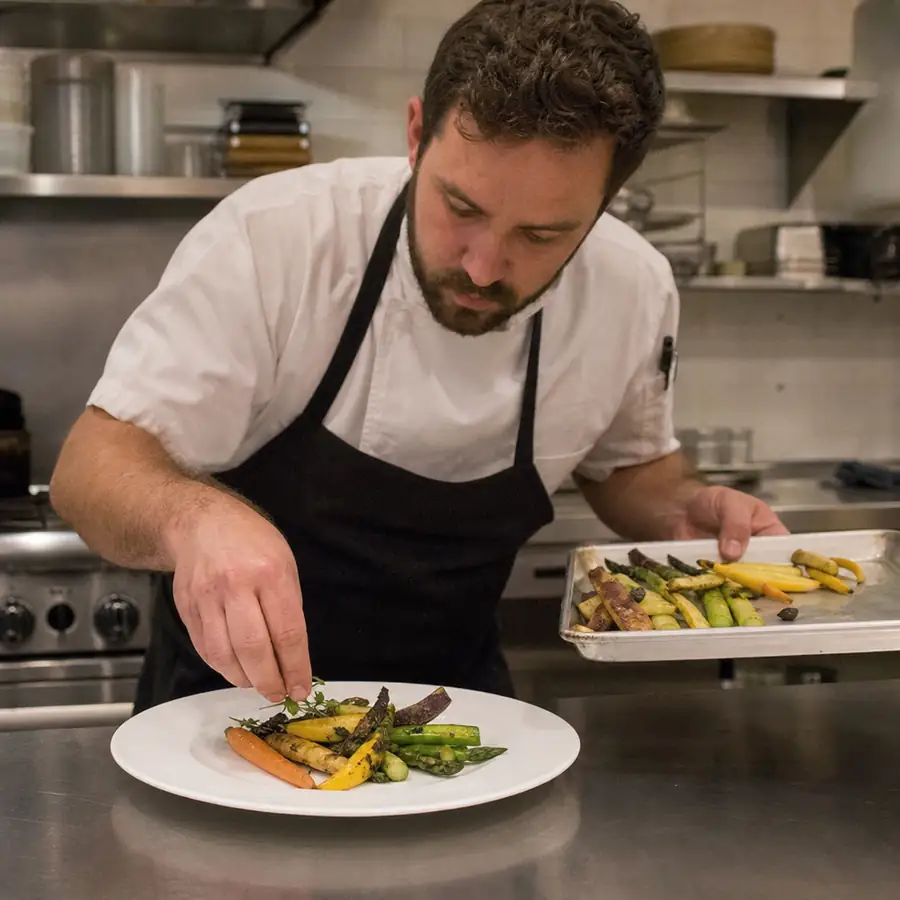
7. Swap a Static Side for a Seasonal Side
Seasonal sides create freshness without requiring an entirely new menu. They also give regular guests a reason to come back.
Try rotating:
- Summer corn salad
- Roasted fall squash
- Spring asparagus with lemon
- Winter root vegetables
- Tomato cucumber salad
- Charred Brussels sprouts
- Watermelon and feta-style salad
Seasonal ingredient swaps can make a familiar entrée feel new. A grilled chicken plate with a rotating side has more repeat potential than the same plate all year.
Keep the seasonal side simple enough for consistent execution. A side dish that slows the kitchen may not be worth the novelty.
8. Swap Large Entrées for Mix-and-Match Small Plates
Thoughtful tableware presentation makes small plates look abundant and shareable.
Not everyone wants a single large entrée. Some guests prefer variety, especially in social dining, happy hour, brunch, or late-night settings.
Small-plate menu swaps can include:
- Full nachos to snack-size nachos
- Entrée salad to half salad and soup
- Large flatbread to shareable slices
- Full pasta to tasting portion
- One appetizer to a trio of dips
- Single dessert to dessert flight
This approach helps people order more flexibly. It can also reduce decision pressure because guests do not have to commit to one big dish.
Use small plates when they feel abundant and fun, not when they feel like smaller versions of better items. The best small plates have bold flavor, quick visual appeal, and clear sharing value.
9. Swap Generic Salads for Texture-Packed Salads
A salad should never sound like punishment. Texture can make salads feel craveable, colorful, and satisfying.
Upgrade with:
- Toasted nuts or seeds
- Crispy chickpeas
- Fried shallots
- Charred corn
- Pickled onions
- Roasted vegetables
- Crunchy slaw
- Creamy avocado
- Warm grains
These ingredient swaps turn a basic salad into something layered. The contrast of creamy, crunchy, acidic, sweet, and savory helps the dish feel complete.
When writing the menu description, lead with the most appetizing components. “Chopped salad with smoky corn, avocado, tortilla crunch, and lime dressing” is more persuasive than “mixed greens with toppings.”
10. Swap Standard Cheese for a Flavor-Defining Cheese
Cheese can be more than a topping. It can define the personality of a dish.
Consider swaps like:
- American cheese to smoked cheddar
- Mozzarella to burrata-style cheese
- Mild cheddar to pepper jack
- Parmesan to pecorino-style finish
- Plain cream cheese to whipped feta-style spread
- Basic cheese sauce to beer cheese-style dip
This kind of recipe swap can make a burger, pasta, flatbread, dip, or sandwich feel more memorable. It also creates a stronger flavor hook for guests scanning quickly.
Use restraint. Too many bold cheeses on one menu can make everything feel heavy. Balance richer cheese with acidic, fresh, or spicy components.
11. Swap Sugary Drinks for Refreshing Signature Beverages
Beverage menu changes can make the whole meal feel more complete. Many guests want something more interesting than soda but less formal than a cocktail.
Try adding:
- Citrus iced tea
- Sparkling lemonade
- Cucumber mint cooler
- Berry spritz
- Ginger lime refresher
- Watermelon agua fresca-style drink
- Cold brew with flavored foam
- Herbal iced tea with fruit
These dining options can work for lunch, brunch, takeout, and family-friendly menus. They also create a sense of occasion without requiring guests to order alcohol.
Make the flavor clear. A guest should instantly understand whether the drink is tart, sweet, fizzy, creamy, caffeinated, or refreshing.
12. Swap “No Substitutions” for Guided Customization
Customization does not have to mean chaos. Guided custom menu swaps can help guests personalize their meal while protecting kitchen flow.
A smart customization format might offer:
- Choose one base
- Choose one protein
- Choose one sauce
- Choose two toppings
- Add a premium upgrade if desired
This is especially useful for bowls, salads, wraps, tacos, breakfast plates, and family meals. Clear boundaries make the experience feel generous without overwhelming staff.
The phrase “guided customization” matters because it turns meal modifications into a positive feature. Instead of saying what guests cannot do, show them the delicious choices they can make.
13. Swap a Plain Kids’ Menu for Smaller Versions of Real Dishes
Kids’ menus often default to the same few items. While familiar choices are important, smaller versions of real dishes can make family dining more appealing.
Try dish replacements such as:
- Mini chicken bowl
- Small pasta with choice of sauce
- Kid-size taco plate
- Mini turkey burger
- Grilled cheese on better bread
- Fruit and yogurt plate
- Small breakfast-for-dinner option
Parents often appreciate kids’ options that feel balanced, flexible, and not completely separate from the main menu. This also helps children try new flavors in a lower-pressure way.
Keep at least one or two classic comfort items. The goal is variety, not removing the safe choices families rely on.
14. Swap Dry Heat for Char, Smoke, or Sear
A commercial grill helps kitchens deliver consistent char and sear on busy nights.
Cooking method can be a major appetite trigger. Words like charred, smoked, seared, roasted, toasted, and caramelized create sensory expectations before the dish arrives.
Menu swaps can include:
- Steamed vegetables to charred vegetables
- Plain chicken to fire-grilled chicken
- Boiled potatoes to crispy smashed potatoes
- Basic onions to caramelized onions
- Plain bread to toasted garlic bread
- Regular salsa to roasted salsa
These changes often make food feel more savory and intentional. They also help simple ingredients carry more flavor without adding complicated sauces.
Be accurate. If the food is not actually smoked, charred, or seared, do not use the term. Guests notice when menu language overpromises.
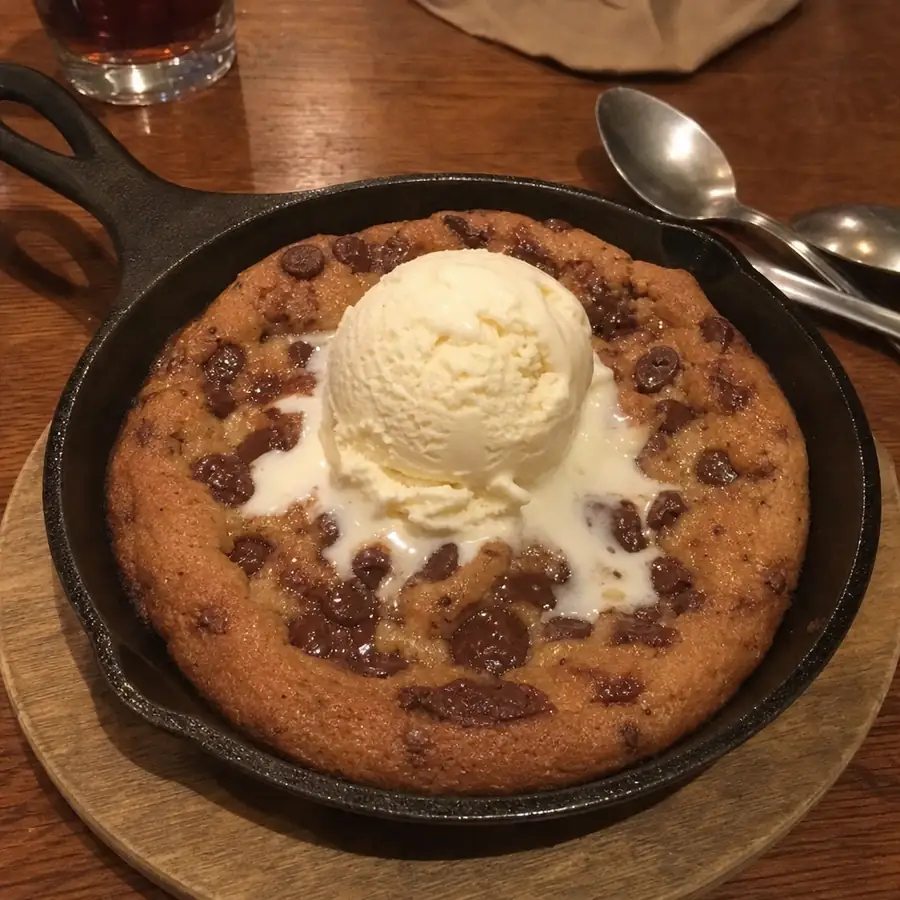
15. Swap One Dessert for a Warm, Shareable Dessert
Operators who run ice cream specials also benefit from the right ice cream freezer capacity.
Dessert is often an impulse decision. Warm, shareable desserts can make that decision easier because they feel indulgent and communal.
Consider food alternatives like:
- Single cookie to skillet cookie
- Plain brownie to warm brownie sundae
- Cheesecake slice to mini cheesecake trio
- Regular churros to churros with dipping sauces
- Cake slice to warm seasonal cobbler
- Ice cream cup to build-your-own sundae
Warmth is powerful. “Warm,” “melty,” “gooey,” and “fresh-baked” all help guests imagine the experience.
Desserts should be easy to explain and fast enough to deliver. A delicious dessert that takes too long may lose the table’s attention.
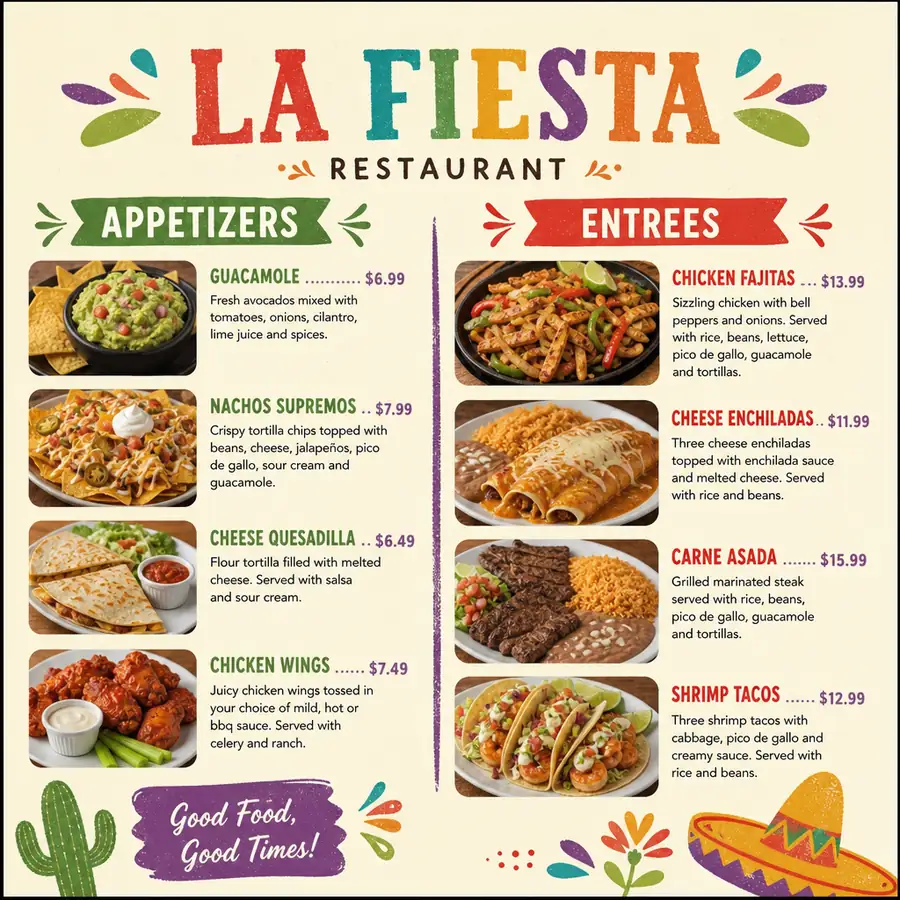
16. Swap Confusing Digital Menus for Cleaner Navigation
Food appeal does not stop at the printed menu. If guests order through a website, QR menu, app, kiosk, or third-party platform, the digital menu needs to be just as appetizing.
Helpful menu changes include:
- Grouping items by meal occasion
- Keeping bestsellers near the top
- Using clear photos for signature dishes
- Making modifiers easy to scan
- Showing popular ingredient swaps without clutter
- Keeping add-ons close to the item they modify
- Avoiding confusing dropdowns and hidden choices
This is where the non-food meaning of menu swaps can overlap with restaurant experience. Terms like custom menu swaps, custom menu swaps runelite, runelite custom menu swaps, custom menu swaps osrs, osrs custom menu swaps, and osrs custom menu swaps guide usually refer to interface customization in gaming, not restaurant ordering. But the lesson still applies: people like menus that let them act quickly and confidently.
If a chrome drop down menu swaps to other side or a mobile ordering menu behaves unpredictably, it creates friction. Friction can make guests abandon the order before they ever get hungry.
17. Swap Random Specials for Strategic Limited-Time Cravings
Limited-time specials work best when they are not random. A good special should fit the brand, use ingredients efficiently, and create urgency.
Strong limited-time swaps include:
- A seasonal burger with a bold sauce
- A brunch-only breakfast taco
- A summer salad with ripe fruit
- A spicy chicken sandwich variation
- A holiday dessert flight
- A game-day shareable platter
- A rotating soup with fresh bread
The most effective specials feel familiar enough to order and unique enough to notice. They can also test future permanent menu items. If a special sells well and fits operations, it may deserve a lasting place on the menu.
Use clear language like “limited-time,” “seasonal,” or “this month’s feature,” but avoid false urgency. Guests respond best when the offer feels honest and delicious.
How to Choose the Right Menu Swaps
Pair these ideas with smart menu engineering and the right restaurant equipment so execution stays fast.
Not every swap belongs on every menu. Before changing a dish, ask a few practical questions:
- Does this make the item more craveable?
- Does it serve a real guest preference?
- Is it easy for staff to explain?
- Can the kitchen execute it consistently?
- Does it improve the visual appeal?
- Does it create a better takeout or dine-in experience?
- Does it fit the brand’s price point and style?
The best menu swaps are not just trendy. They solve a real menu problem. Maybe an item feels boring, a category lacks variety, a dish is too heavy, or guests keep asking for the same modification. Those signals can point toward smarter recipe swaps and better dining options.
A Simple Way to Start
Start with one category instead of overhauling the entire menu. Pick your appetizers, sandwiches, bowls, sides, desserts, or drinks. Then identify three opportunities:
- One item that needs more crave-worthy language
- One item that could benefit from better ingredient swaps
- One item that could offer guided meal modifications
Small menu changes can make a big difference when they are intentional. A better sauce, a warmer description, a seasonal side, or a more flexible protein choice can help guests see the menu differently.
When done well, menu swaps do not just add options. They create appetite, confidence, and a stronger reason to order now.
Complete Your Restaurant Setup with The Horeca Store
Creating an appetizing menu is only one part of running a successful restaurant. The way you serve, package, and present food also plays an important role in shaping the overall customer experience and building a professional brand image. The Horeca Store offers a wide selection of quality foodservice essentials, including disposable food containers, takeaway cups, coffee cups, disposable cutlery, napkins, food packaging, and other catering supplies. These products are ideal for restaurants and food businesses looking for practical, reliable, and convenient solutions for everyday service.
Whether you're running a restaurant, café, bakery, food truck, catering company, hotel, or takeaway and delivery business, having dependable serving and packaging supplies can help you keep your operations organized while presenting food in a professional way. From packaging freshly prepared meals to serving hot beverages and takeaway orders, the right supplies can make service easier and more efficient. Explore The Horeca Store for quality hospitality, takeaway, and catering products designed to support your daily foodservice needs and provide a better experience for your customers