Discover Exceptional Products and Unmatched Service.
Power up your kitchen with reliable cooking equipment for restaurants and catering services. Trusted brands, fast shipping, unbeatable prices.

Cambro EPP180SW110 Cam GoBox Top-Loader Food Pan Carrier, Holds 1 Full Size Pan
Model No: EPP180SW110
⚡ Fast DeliveryShipping Fee
Mostly Ships in 1 to 2 Days

Cambro GoBox Insulated Lightweight Thermal Hot Box and Food Pan Carrier (12 Inch Deep)
Model No: EPP180XLTSW110
⚡ Fast DeliveryShipping Fee
Mostly Ships in 1 to 2 Days
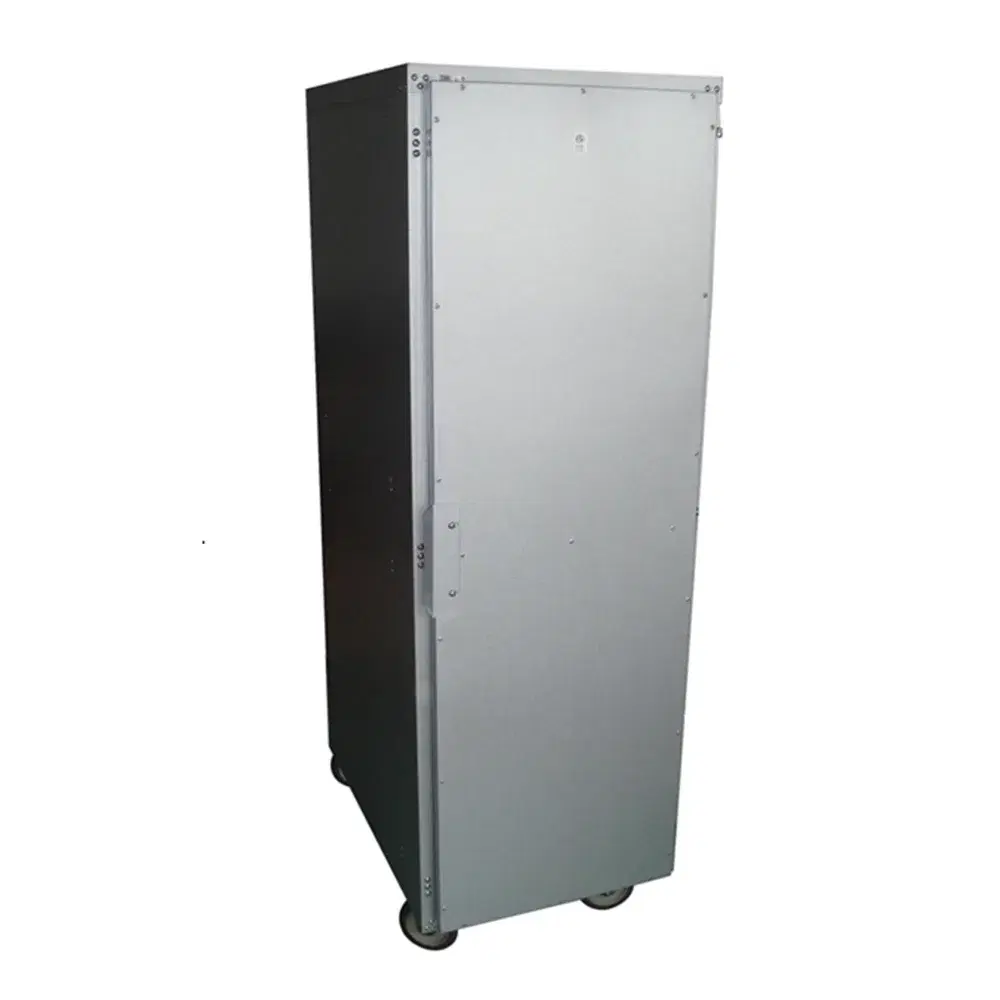
KitchenCore Series 22" Enclosed Mobile Food Pan Carrier Cabinet, 37 Full Size Pans Capacity, 1 Year Warranty
Model No: KCCEMFPCC22
⚡ Fast DeliveryShipping Fee
Mostly Ships in 5 to 7 Days
Insulated food pan carriers are purpose-built transport boxes that help restaurants, caterers, hotels, cafés, and delivery teams move prepared food while protecting serving temperature, pan organization, and food quality. The main benefit is simple: an insulated food carrier gives your kitchen more control between cooking and service, reducing rushed plating, repeated reheating, messy transport, and avoidable temperature loss.
For any operation serving food away from the cookline, Insulated Food Pan Carriers turn standard food pans into a mobile holding system. Whether you need a hot food carrier for buffet trays, a catering food carrier for off-site events, or a thermal food carrier for chilled prep, the right model helps food arrive ready for service instead of needing rescue at the destination.
Insulated food pan carriers are non-electric or assisted-heat food transport containers designed to hold full-size, half-size, or fractional food pans inside an insulated cabinet or box. Their purpose is to slow heat transfer, keep pans secure, and make batch transport easier from kitchen to vehicle, venue, satellite station, or delivery point. Many models use thick foam insulation, durable molded plastic or EPP construction, gasketed doors, molded handles, vents, dollies, or divider accessories to support real foodservice work.
Unlike a basic food delivery carrier or soft bag, a food pan carrier is built around steam-table pan formats. That matters when your team is moving lasagna, rice, sauces, proteins, vegetables, desserts, cold salads, or breakfast pans in organized batches. Instead of repacking food into smaller containers, staff can cook, cover, load, transport, and serve from the same pan system.
The right insulated food carrier improves more than temperature holding. It can change how your team schedules cooking, stages delivery, and protects presentation.
For example, a café sending breakfast trays to a corporate client may need a compact hot food carrier that one person can load into a van. A hotel banquet team, on the other hand, may prefer stackable front-loading carriers on dollies so multiple pans can move from the prep kitchen to ballrooms in fewer trips.
Most Insulated Food Pan Carriers fall into a few practical categories. Front-loading or end-loading carriers work like small insulated cabinets, making them useful when staff need to slide several pans in and out quickly. Top-loading carriers can be compact and simple for single-pan or deep-pan transport. EPP carriers are lightweight options often chosen for delivery routes and mobile foodservice. Heated carriers add active heat support when routes are longer or holding conditions are less predictable.
Configuration is just as important as category. Check pan depth, total pan count, exterior footprint, carrier weight, latch style, venting, stackability, and dolly compatibility. A carrier that holds six shallow pans may not suit an operation moving fewer but deeper pans, while a double carrier may save trips for high-volume catering but take more storage and vehicle space.
Popular examples include Cambro UPC400, Carlisle Cateraide PC300N and PC600N, Carlisle IT400, Rubbermaid ProServe full-pan carriers, and Vollrath EPP carriers. Cambro’s UPC400 lists capacity for six 2.5-inch-deep full-size pans and supports hot or cold holding for 4+ hours, with stackability and dolly compatibility noted by the manufacturer. Carlisle’s Cateraide PC line includes 5-pan and 10-pan front-loading models and is described for hot or cold holding up to 6 hours. Rubbermaid ProServe emphasizes lightweight construction, a labeling window, dishwasher-safe and bleach-safe cleaning, and 4-hour hot or cold holding. Vollrath’s EPP carriers are positioned as lightweight, durable carriers for full-, half-, and third-size pans up to 6 inches deep. (cambro.com)
Cambro UPC400
Caterers, banquets, restaurants with frequent pan transport
Six 2.5-inch full-size pans; other GN 1/1 depth combinations are listed by Cambro
Strong all-rounder; check weight, dolly need, and accessory budget
Carlisle Cateraide PC300N
Medium catering and delivery volume
5-pan front-loading format
Good when one carrier per menu group is easier than a larger double unit
Carlisle Cateraide PC600N
High-volume catering
10-pan double carrier
Saves trips but requires more vehicle and storage room
Carlisle IT400
Stacked transport with sleek event presentation
Six full-size 2.5-inch pans, with half-size alternatives listed
Consider matching dolly and storage footprint
Rubbermaid ProServe
Delivery teams needing lighter handling
Full-pan end-load format; 13 lb listed product weight
Useful for labor comfort; confirm pan capacity for your menu
Vollrath EPP carrier
Lightweight food delivery and mobile service
Pans up to 6 inches deep
Good for delivery routes; assess durability needs by usage intensity
Every specification has an operational consequence. Holding time affects delivery radius and event setup windows. Pan capacity determines how many trips staff make. Interior dimensions decide whether your existing pans fit. Weight and handles affect driver fatigue and injury risk. Vents help manage steam pressure and condensation, especially with hot moist foods. Dolly compatibility matters when carriers move through hotels, schools, hospitals, stadiums, or large venues.
Restaurants use insulated carriers for catering orders, pop-ups, and multi-location transfers. Cafés rely on them for breakfast meetings, boxed-lunch production, and pastry or hot entrée runs. Hotels and banquet halls use them to stage pans between kitchens, ballrooms, outdoor service areas, and back-of-house corridors. Food trucks, ghost kitchens, schools, healthcare kitchens, and corporate dining teams use them when food must travel farther than the pass.
Match the carrier to the job. Choose a compact catering food carrier for small daily deliveries, a stackable front-loader for banquet prep, a lightweight EPP model for frequent driver handling, and a larger double carrier when labor savings outweigh the extra size. If the same operation moves hot mains and cold sides, consider separate carriers or compatible dividers and cold packs rather than mixing temperature zones casually.
Insulated food pan carriers usually require no installation: unpack, wash according to the manufacturer’s instructions, precondition if needed, load covered pans, and secure the door or lid. Clean after each use, remove food residue from gaskets, vents, latches, and corners, and let the carrier dry fully before storage. Avoid using pans hotter than the maker allows, because excessive pan temperature can damage insulation, plastic, or interior surfaces.
Total cost of ownership should include more than the purchase price. Factor in replacement gaskets, latches, straps, dollies, dividers, hot or cold accessories, warranty terms, and whether parts are easy to source. The Horeca Store can help buyers compare insulated food carrier options by route length, pan format, storage space, cleaning routine, and expected order volume instead of price alone.
Choose a hot food carrier with proven pan capacity and strong insulation if your priority is buffet-ready entrées. Choose a lightweight food delivery carrier if drivers handle many short runs. Choose a large front-loading catering food carrier when you need fast loading, organized pan access, and fewer trips. Choose a thermal food carrier with accessories, dollies, and available parts when the carrier will be used daily.
If you are unsure, start with your busiest service scenario: number of pans, pan depth, route time, staff strength, vehicle space, and cleaning workflow. Then select the insulated food pan carrier that solves that exact workflow with the least handling, the right capacity, and support you can maintain over time.