

Walk-In Cooler vs Reach-In Refrigerator: Which is Better for Restaurants?
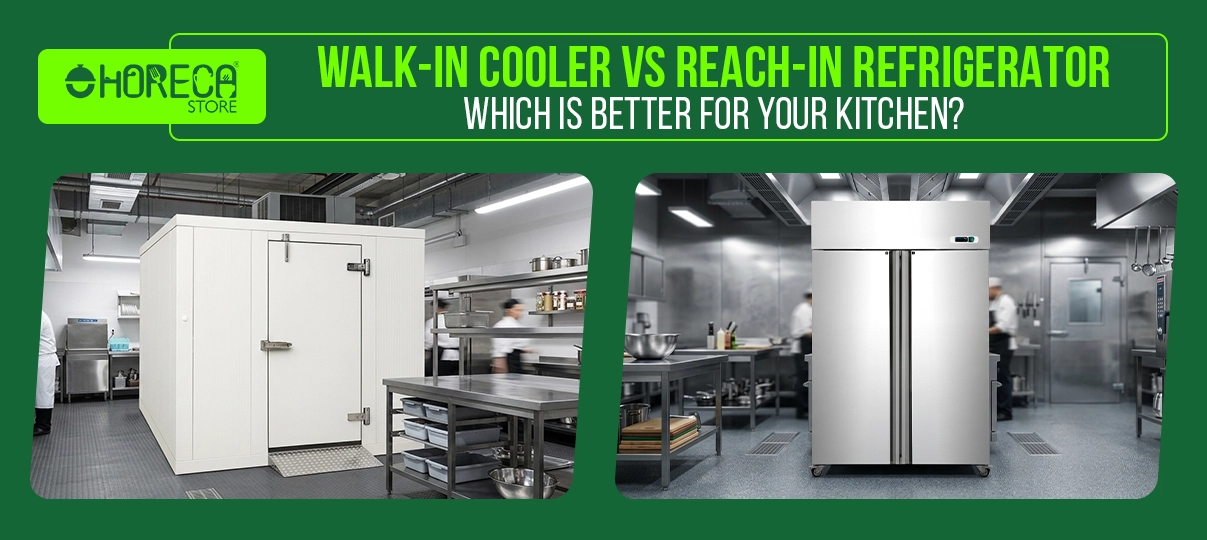
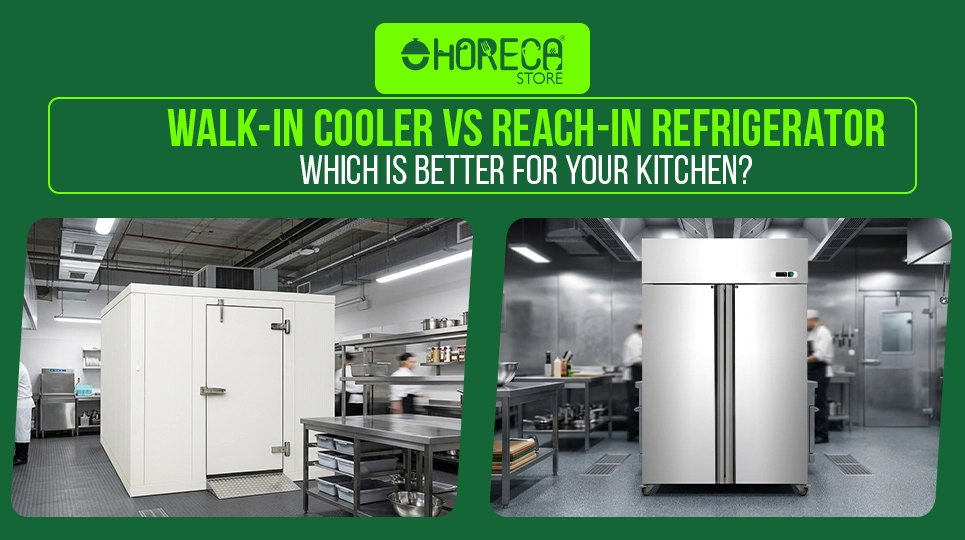
Table of Contents
Choosing the right refrigeration is crucial for any restaurant. It impacts food quality, safety, and efficiency.
Walk-in coolers and reach-in refrigerators are popular options. Each has unique benefits and drawbacks.
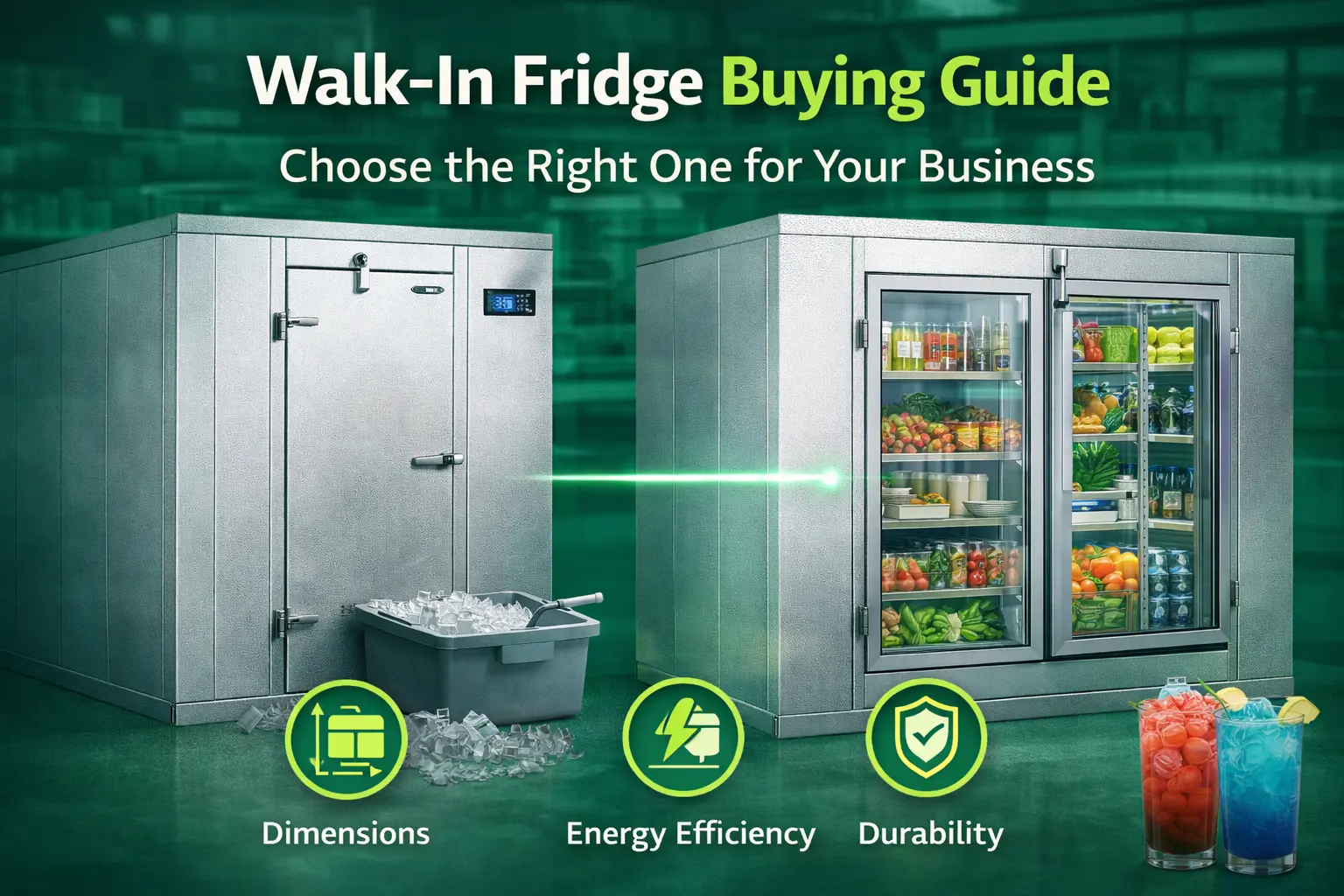
Walk-in coolers offer ample storage space. They are ideal for large restaurants with high inventory needs.
Reach-in refrigerators are compact and energy-efficient. They suit smaller establishments or those with limited space.
The decision between these options affects kitchen workflow. It also influences staff efficiency and operational costs.
Consider your restaurant's size, layout, and future growth. These factors will guide your choice.
Both options require regular maintenance. This ensures optimal performance and longevity.
In this guide, we compare walk-in coolers and reach-in refrigerators. Our goal is to help you make an informed decision.


Understanding Commercial Refrigeration: Walk-In Coolers vs Reach-In Refrigerators
Commercial refrigeration is vital for maintaining food safety. Both walk-in coolers and reach-in refrigerators serve distinct roles in a kitchen.
Walk-in coolers are large refrigeration spaces. They are typically built into the back of the kitchen. These coolers can house a substantial inventory.
In contrast, reach-in refrigerators are standalone units. They come in various shapes and sizes to fit different spaces.
Key Features:
Walk-In Coolers:
- Large capacity
- Suitable for bulk storage
- Customizable layout options
Reach-In Refrigerators:
- Compact design
- Easy access
- Adjustable shelving
Selecting the right type affects daily operations. Understanding the capacities and benefits of each helps in making a sound decision.

Key Differences: Design, Size, and Storage Capacity
Design influences the functionality of your refrigeration choice. Walk-in coolers have a room-like design. They allow for a large volume of product storage.
These coolers can easily store food items of various sizes. Carts and rolling racks fit comfortably, streamlining kitchen operations.
Reach-in refrigerators, however, feature a cabinet-like design. This makes them perfect for smaller settings, offering convenience.
Although smaller, reach-in models provide accessibility. They offer quick access, which is beneficial in busy environments.
Design and Storage Capacity Comparison:
Walk-In Coolers:
- Room-like structure
- Suits large operations
- Stores bulk items effortlessly
Reach-In Refrigerators:
- Cabinet-style
- Best for individual access
- Ideal for quick-serve needs
Size impacts space utilization in a kitchen. Walk-in coolers require significant space but offer expansive storage. Meanwhile, reach-in models save space while providing required storage.
Understanding these design differences aids in selecting the right option. The choice depends on your restaurant's size and storage needs.

Space Requirements and Kitchen Layout Considerations
Planning kitchen space is crucial for selecting refrigeration. Walk-in coolers demand a dedicated area. They often require construction to fit the layout.
Reach-in refrigerators, on the other hand, fit snugly into tight spaces. They integrate well into existing kitchen designs with minimal adjustments.
When determining space allocation, consider your kitchen's workflow. Walk-in coolers may disrupt movement if not placed strategically. However, they offer the benefit of centralized bulk storage.
Reach-in units facilitate easy access for quick service and prep. Their flexibility in placement allows for efficient kitchen arrangements.
Considerations for Kitchen Layout:
Walk-In Coolers:
- Require construction
- Centralized storage
- May affect movement
Reach-In Refrigerators:
- Flexible placement
- Easy access
- Minimal disruption
Choosing the right refrigeration means evaluating space demands and layout compatibility. This ensures a smooth operation and optimized use of available areas.

Installation, Maintenance, and Longevity
Installing commercial refrigeration can be complex. Walk-in coolers often require more involved installation processes. This is due to their size and the need for customized fitment.
Reach-in refrigerators are easier to install. They are typically ready to use upon delivery and fit most kitchen spaces seamlessly.
Maintenance plays a crucial role in the longevity of these units. Walk-in coolers, given their scale, can have higher upkeep costs. Regular checks on their refrigeration systems ensure optimal function.
Reach-in units tend to be lower maintenance. Their compact nature simplifies the servicing process. However, routine maintenance remains essential for both types to maximize their lifespan.
Key Points on Installation and Maintenance:
Walk-In Coolers:
- Complex installation
- Higher maintenance costs
- Essential for larger operations
Reach-In Refrigerators:
- Simple installation
- Lower maintenance
- Suitable for small to medium setups
Understanding these factors helps in making an informed decision, ensuring your equipment serves your restaurant effectively over time.

Energy Efficiency and Operating Costs
Energy consumption is a significant factor when selecting refrigeration for your restaurant. Walk-in coolers often use more energy due to their size. They are designed to store large quantities, impacting electricity bills.
In contrast, reach-in refrigerators are generally more energy-efficient. Their compact size means less energy is required to maintain cool temperatures. This can lead to cost savings, especially in smaller establishments.
The operating costs of both systems extend beyond energy usage. For walk-in coolers, expect higher overhead expenses. This includes maintenance, repairs, and potential renovations.
Reach-in refrigerators, while cheaper to run, still accrue costs over time. Understanding energy efficiency ratings can aid in choosing an eco-friendly and cost-effective unit.
Considerations for Energy Efficiency:
Walk-In Coolers:
- Higher energy consumption
- Suited for bulk storage
- May increase operational costs
Reach-In Refrigerators:
- Lower energy usage
- Cost-effective for limited needs
- Ideal for small to medium setups
Incorporating energy-efficient practices contributes to sustainability and reduces the financial burden of electricity bills.

Cost Comparison: Upfront Investment and Long-Term Value
The financial aspect is crucial when choosing between walk-in coolers and reach-in refrigerators. A walk-in cooler requires a higher initial investment. The cost includes installation and potential construction work to accommodate its size.
On the other hand, reach-in refrigerators typically have lower upfront costs. They are easier to install and require minimal modifications in most cases. This makes them attractive for businesses on a budget.
Beyond the initial purchase, consider long-term value. Walk-in coolers may offer better returns for large operations due to bulk storage capabilities. This can lead to cost savings through less frequent purchases.
Reach-in units, while cheaper initially, can offer flexibility and minimize wasted space. Decide based on immediate needs and growth potential.
Key Points in Cost Comparison:
Walk-In Coolers:
- Higher upfront cost
- Potentially lower long-term costs
- Best for large inventory management
Reach-In Refrigerators:
- Lower initial investment
- Flexible placement
- Suitable for smaller or growing businesses
Understanding these financial aspects helps balance short-term expenses with long-term operational efficiency.

Workflow, Accessibility, and Staff Efficiency
The setup of your refrigeration system influences kitchen operations significantly. Walk-in coolers offer ample space, which allows staff easy access to stock. This boosts inventory management and minimizes restocking time.
Reach-in refrigerators excel in accessibility for frequently used items. They are often stationed near prep areas, enhancing workflow efficiency. Quick access to ingredients can streamline food preparation.
The layout of your kitchen should guide your choice. A walk-in cooler might require modifications to workflow and logistics. However, it can also serve as a secondary workspace or storage for less frequently needed items.
Reach-in units align well with fast-paced environments. Placing them strategically can enhance staff movement and reduce preparation delays.
Considerations for Workflow:
Walk-In Coolers:
- Spacious for organized stock
- Suitable for bulk storage
Reach-In Refrigerators:
- Ideal for high-traffic areas
- Quick access for daily operations
Choosing the right system ensures that staff can work efficiently, reducing unnecessary bottlenecks in kitchen activities.

Food Safety, Temperature Control, and Compliance
Maintaining correct temperatures is key for food safety. Both walk-in coolers and reach-in refrigerators must ensure consistent temperature control. Precise regulation prevents spoilage and ensures compliance with health standards.
Walk-in coolers often offer flexible temperature zoning. This adaptability allows the storage of diverse perishable goods. Monitoring systems can enhance safety by alerting staff to any temperature fluctuations.
Reach-in refrigerators are prized for their efficient cooling ability. They provide rapid temperature recovery after frequent door openings. This feature ensures that food stays safely cooled despite heavy use.
Key Temperature Control Considerations:
Walk-In Coolers:
- Suitable for varied temperature zones
- Ideal for bulk perishables
Reach-In Refrigerators:
- Fast temperature recovery
- Excellent for frequently accessed items
Prioritizing proper temperature control in your refrigeration choice safeguards food quality and meets critical compliance requirements.
Customization, Flexibility, and Future Growth
When choosing commercial refrigeration, customization can enhance efficiency. Walk-in coolers offer tailored solutions to fit unique space needs. They can be adapted with compartments for different storage requirements.
Future growth is another consideration for restaurants. Anticipating expansion or menu changes can guide refrigeration choices. Walk-in coolers provide versatility for increased inventory as a business scales.
Reach-in refrigerators excel in flexibility and placement. They come in various configurations, which suit different restaurant sizes. With easy adjustments and relocations, they cater to evolving kitchen layouts.
Customization and Flexibility Highlights:
Walk-In Coolers:
- Customizable layouts
- Accommodate future growth
Reach-In Refrigerators:
- Multiple sizes and setups
- Easily repositioned
Opting for adaptable refrigeration solutions prepares your restaurant for potential future changes, ensuring smooth operations as your business evolves.

Pros and Cons: Walk-In Coolers
Walk-in coolers are prized for their ample storage capacity. They allow restaurants to bulk-purchase goods, often saving on costs. However, the initial investment can be steep, and installation may require significant construction work.
Maintenance can also be more demanding due to size and complexity. Yet, they offer superb inventory management and can double as workspace, enhancing operational efficiency.
Pros and Cons of Walk-In Coolers:
Pros:
- Large storage capacity
- Facilitates bulk buying
- Potential for additional workspace
Cons:
- High initial cost
- Complex maintenance needs
Considering these factors can help you decide if a walk-in cooler aligns with your restaurant’s needs and budget.
Pros and Cons: Reach-In Refrigerators
Reach-in refrigerators are compact and easy to fit in tight spaces. They are ideal for restaurants with limited storage requirements and are generally more affordable initially. Installation is straightforward, and they are simple to relocate if needed.
Energy efficiency is another advantage of reach-in units, reducing long-term operating costs. However, they offer limited storage compared to walk-in coolers and may not support bulk purchases.
Pros and Cons of Reach-In Refrigerators:
Pros:
- Space-efficient design
- Lower upfront costs
- Easier installation
Cons:
- Limited storage capacity
- May not suit high-volume needs
Evaluating these pros and cons ensures a well-informed decision for your business.
Which Option is Best for Your Restaurant? Decision-Making Checklist
Choosing between a walk-in cooler and a reach-in refrigerator involves weighing several factors. Both options have unique advantages, impacting efficiency, cost, and space usage. Consider how each aligns with your specific restaurant requirements.
To aid in your decision, evaluate the following:
- Storage Needs: Determine the volume of items to store.
- Space Availability: Assess your available kitchen space.
- Budget Constraints: Consider both initial and operating costs.
- Energy Efficiency: Evaluate potential energy savings.
- Operational Workflow: Consider kitchen layout and staff access.

Combining Walk-In and Reach-In Solutions: Hybrid Approaches
Many restaurants benefit from using both walk-in coolers and reach-in refrigerators. This hybrid approach can maximize storage efficiency and flexibility. By balancing the strengths of each, restaurants enhance inventory management and accessibility.
Consider these benefits when exploring a hybrid solution:
- Optimized Storage: Use the walk-in for bulk items, reach-in for frequently accessed goods.
- Enhanced Efficiency: Streamline kitchen operations with strategic equipment placement.
- Flexibility: Adapt to changing storage needs over time.

Environmental Impact and Sustainability Considerations
Considering the environmental impact of refrigeration choices is crucial. Both walk-in coolers and reach-in refrigerators can affect energy consumption significantly. Choosing energy-efficient models helps reduce the carbon footprint and save on utility costs.
To promote sustainability, consider the following:
- Energy Star Certification: Opt for energy-efficient models.
- Eco-Friendly Refrigerants: Reduce greenhouse gas emissions.
- Regular Maintenance: Ensure optimal performance and energy use.

Conclusion: Making the Right Choice for Your Restaurant
Choosing the right refrigeration solution is critical for your restaurant's success. Whether it's a walk-in cooler or a reach-in refrigerator, evaluate your specific needs carefully. Consider your restaurant's size, menu, and future growth prospects in making this decision.
Each option offers unique advantages, and combining them might be the most effective solution. Ultimately, the right choice will support efficient kitchen operations and maintain food quality. Make an informed decision based on your distinct requirements.

About Mike Anderson
Commercial Refrigeration & HORECA Industry Expert
The author is a seasoned specialist in commercial refrigeration systems, sharing practical insights to help hospitality businesses select the right equipment for efficiency, food safety, and long-term cost savings. With over 15 years of industry experience, he stays updated on global trends in energy-efficient and sustainable cooling solutions.
Frequently Asked Questions
The main difference is that a walk-in cooler is a large refrigerated room for bulk storage, while a reach-in refrigerator is a compact unit for quick access. Walk-ins store significantly more inventory and require staff to enter the unit, whereas reach-ins are placed at workstations for easy access during service.
The better option depends on storage needs and workflow, with walk-in coolers ideal for bulk storage and reach-in refrigerators better for frequent access. Most restaurants use both systems together to balance efficiency and capacity, using walk-ins for inventory and reach-ins for line operations.
Walk-in coolers provide significantly more storage, often holding 8 to 20 times more food than a reach-in refrigerator in similar space. A typical walk-in can store 800–1,200 cubic feet, while reach-ins offer much smaller capacity, requiring multiple units to match a walk-in’s volume.
Both walk-in coolers and reach-in refrigerators typically maintain temperatures below 41°F (5°C) to meet food safety standards. Walk-ins usually operate between 0°F and 40°F depending on use, while reach-ins maintain consistent internal temperatures due to their smaller size and enclosed design.
Walk-in coolers are generally more energy efficient per cubic foot when storing large volumes, while reach-in refrigerators are more efficient for smaller storage needs. Using multiple reach-ins to match a walk-in’s capacity often results in higher overall energy consumption.
Walk-in coolers require staff to leave their station to retrieve items, which can slow workflow during peak hours. Reach-in refrigerators are positioned near prep areas, allowing quick access without interrupting service. This makes reach-ins more suitable for high-frequency use in busy restaurant kitchens.
Walk-in coolers have higher upfront costs but are more cost-effective for large-scale storage over time. Reach-in refrigerators have lower initial costs and are better for small operations, but multiple units can increase long-term expenses due to energy use and maintenance.
Walk-in coolers require dedicated space, insulation, and professional installation, while reach-in refrigerators only need a power connection and minimal setup. Reach-ins are portable and easier to relocate, whereas walk-ins are permanent installations that require planning and construction.
Walk-in coolers are best for restaurants, hotels, and large foodservice operations with high-volume storage needs. Reach-in refrigerators are ideal for smaller kitchens, cafés, and stations requiring quick access to ingredients. Many businesses combine both to optimize storage and efficiency.
Yes, most restaurants operate most efficiently by using both walk-in coolers and reach-in refrigerators together. Walk-ins handle bulk inventory and backup stock, while reach-ins provide immediate access to frequently used ingredients at prep stations, improving overall workflow and service speed.
Comments
0 comments
Login to Comment
Join the conversation! Please log in to share your thoughts.
No comments yet
Be the first to share your thoughts!