

Top Chef Base Refrigerators for Restaurants
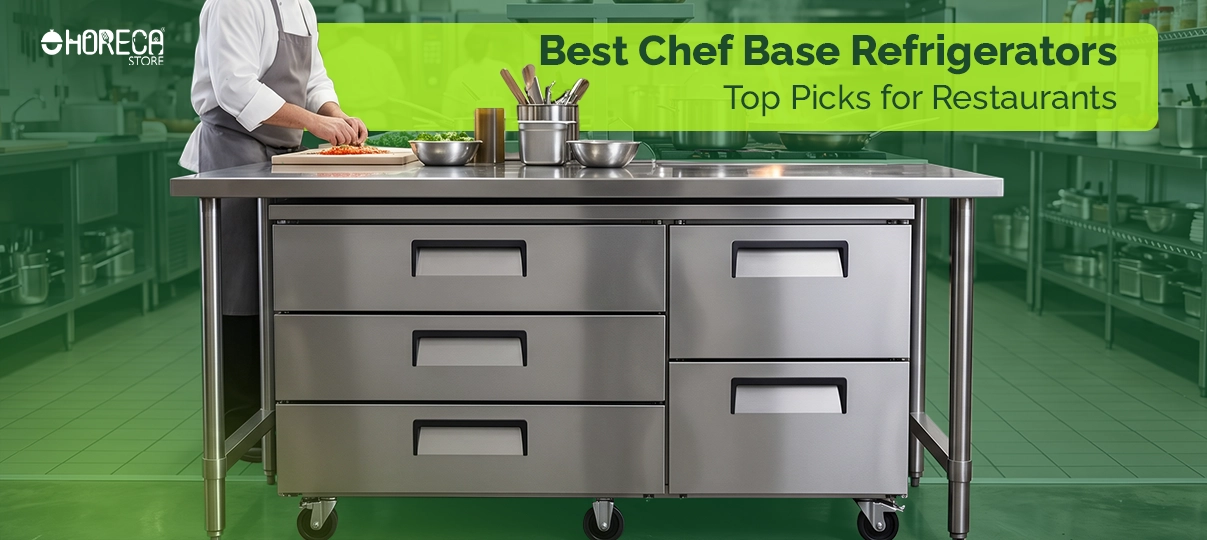
Table of Contents
In the fast-paced environment of a commercial kitchen, every second counts. When your line cooks are forced to walk across the kitchen to grab fresh ingredients, ticket times increase, and service slows down. That is exactly why modern restaurant owners are looking to Shop Best Chef Base Refrigerators | Commercial Cooling Units to streamline their operations.
By keeping ingredients directly under the cooking equipment, chef bases act as the ultimate productivity hack. Whether you are running a bustling diner, a fine-dining restaurant, or a high-traffic cafe, integrating the right refrigeration into your cookline is critical to your success.

What is a Refrigerated Chef Base?
A refrigerated chef base is a specialized, low-profile commercial refrigerator designed specifically to hold heavy cooking equipment—like griddles, charbroilers, and fryers—on top, while storing refrigerated (or frozen) ingredients in pull-out drawers below.
When looking for commercial kitchen space saving solutions, this two-in-one equipment is unparalleled. It maximizes vertical space and plays a massive role in organizing workflow with point-of-use refrigeration, allowing chefs to pull out raw meats, veggies, or sauces and place them directly onto the cooking surface above.
Refrigerated Chef Base vs Undercounter Refrigerator
You might be wondering about the difference between a refrigerated chef base vs undercounter refrigerator. While an undercounter refrigerator or a standard commercial fridge undercounter is designed to slide underneath an existing countertop, it is not built to bear heavy weight. A chef base, however, features a reinforced stainless steel top explicitly engineered to support hundreds of pounds of hot, heavy cooking equipment.
Crucial Buying Factors for Chef Bases
Investing in a high-quality chef base requires a deep understanding of your kitchen’s unique needs. Here is what you must consider before buying.
1. Weight Capacity and Structural Integrity
The primary job of a chef base is to hold equipment. Therefore, understanding how much weight can a chef base hold is paramount. Depending on the size (which ranges from 36 inches to 120 inches in width), a quality unit can support anywhere from 700 to well over 1,000 pounds.
When evaluating a model, you must check the heavy duty drawer weight capacity. High-quality units feature reinforced drawer slides that can comfortably hold 200+ pounds of food per drawer without sagging or bending.
2. Sizing and Footprint
Restaurant owners often ask, "what is standard size refrigerator dimensions compared to a chef base?" For residential or standard commercial units, you might wonder, what is the normal depth of a refrigerator? A refrigerator depth standard is usually around 30 to 36 inches. Chef bases generally match this depth (typically 32 to 34 inches deep) to align perfectly with standard cookline equipment, keeping your kitchen aisles clear and safe.
3. Thermal Protection and Heat Management
Learning how to choose a chef base for griddles or charbroilers means understanding thermodynamics. Because you are placing equipment that generates extreme heat directly over a cooling unit, preventing heat transfer from cooking equipment is critical.
Top-tier chef bases utilize an integrated heat shield for thermal protection, often incorporating a marine edge and a specialized air gap top. This design dissipates the heat before it can reach the refrigeration cabinet, ensuring your food stays safely out of the temperature danger zone.
4. Compressors and Ventilation
A reliable refrigeration unit needs to breathe. When comparing models, you will need to choose between side mounted vs rear mounted compressors.
- Side-mounted compressors are easier to access for maintenance and allow the unit to be pushed flush against a back wall.
- Rear-mounted compressors can save lateral space but require adequate rear clearance.
Whichever you choose, proper ventilation for refrigerated equipment is non-negotiable to prevent the compressor from burning out. Look for energy efficient commercial cooling units that utilize environmentally friendly refrigerants to keep utility costs manageable.

Drawer Configurations: Maximizing Your Cookline
When debating drawer vs door commercial refrigeration units, chef bases universally favor drawers. A drawer refrigerator allows line cooks to quickly look down and access standard food pans without having to crouch into a cabinet.
For ultimate versatility, many kitchens utilize a drawer refrigerator freezer combo or place freezer drawers undercounter right next to their main chef base to hold items like french fries or frozen burger patties.
Beyond the Cookline: Fleshing Out Your Kitchen
While the chef base anchors the hot line, a successful restaurant or cafe requires a comprehensive cooling strategy. Let's look at other essential units you might need to run a flawless operation.
Front-of-House and Cafe Solutions
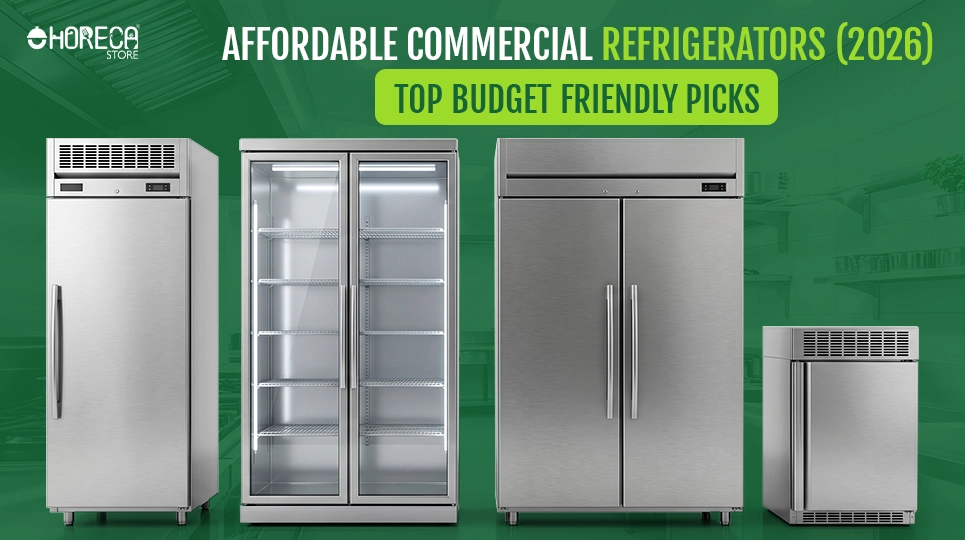
If you operate a cafe, bakery, or fast-casual spot, your front-of-house equipment is just as important as the back. A stylish cafe refrigerator keeps barista ingredients fresh, while a beverage refrigerator cabinet allows staff to quickly grab bottled drinks.
If you want customers to serve themselves or make impulse buys, a merchandiser refrigerator or a brightly lit led display fridge is the perfect way to showcase sodas, salads, and parfaits. If you're searching for the best beverage refrigerator, prioritize units with anti-fog glass doors and adjustable shelving to accommodate different bottle sizes.
Ice Makers and Specialty Refrigeration
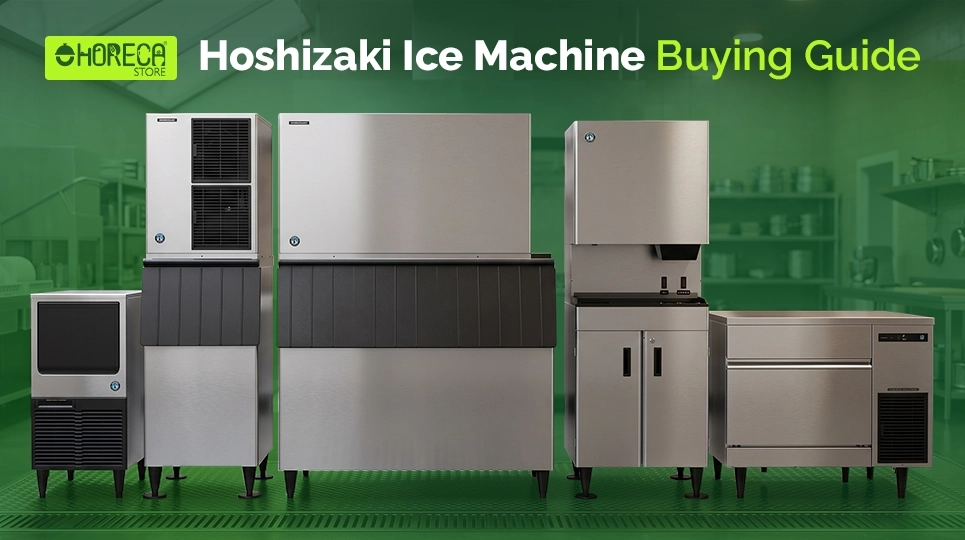
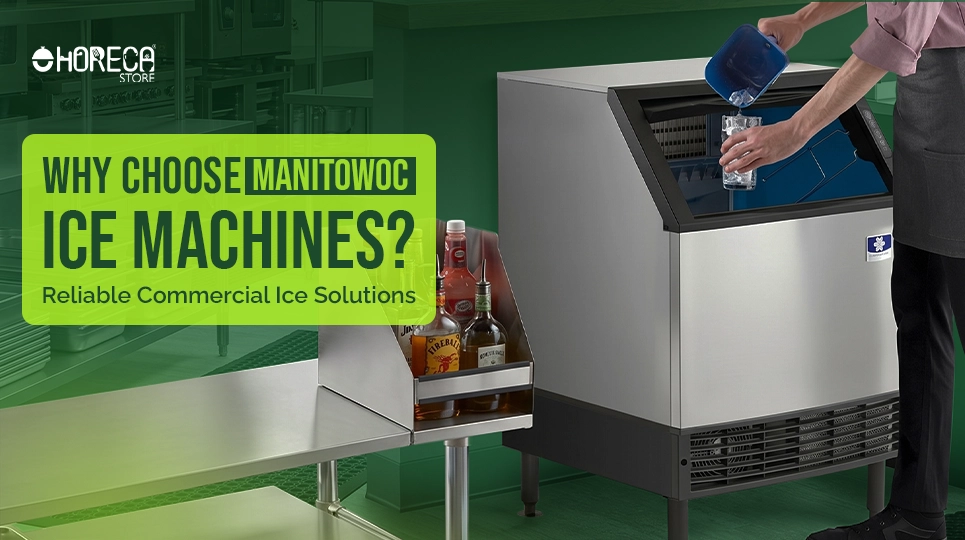
Beverages drive massive profit margins, and the quality of your ice matters. The current consumer trend heavily favors nugget ice (also known as pellet or sonic ice). Integrating a refrigerator with ice maker capabilities into your bar area is a great start.
However, to really impress your customers, consider a dedicated nugget ice fridge or a refrigerator with nugget ice maker. While a standalone nugget ice refrigerator is typically more common in residential or office break rooms, commercial undercounter nugget ice machines can be slotted seamlessly into your cafe or bar layout.
Multipurpose Undercounter Units
For prep stations separate from the hot line, you might not need a heavy-duty chef base. Instead, a standard undercounter freezer refrigerator combo or a compact refrigerator freezer is perfect for salad stations or sandwich prep tables. These units provide vital cold storage without taking up additional vertical real estate.

Maintenance and Industry Standards
Buying the equipment is only half the battle; maintaining it ensures a long lifespan and return on investment.
Meeting Food Safety Standards
Commercial kitchens are heavily regulated, and for good reason. All equipment you purchase must meet NSF certified commercial food storage standards. NSF certification guarantees that the unit is constructed from food-grade materials, is easy to clean, and is designed to prevent bacterial harborage. The best chef base brands for high volume kitchens—such as True Refrigeration, Turbo Air, and Beverage-Air—all strictly adhere to these guidelines.
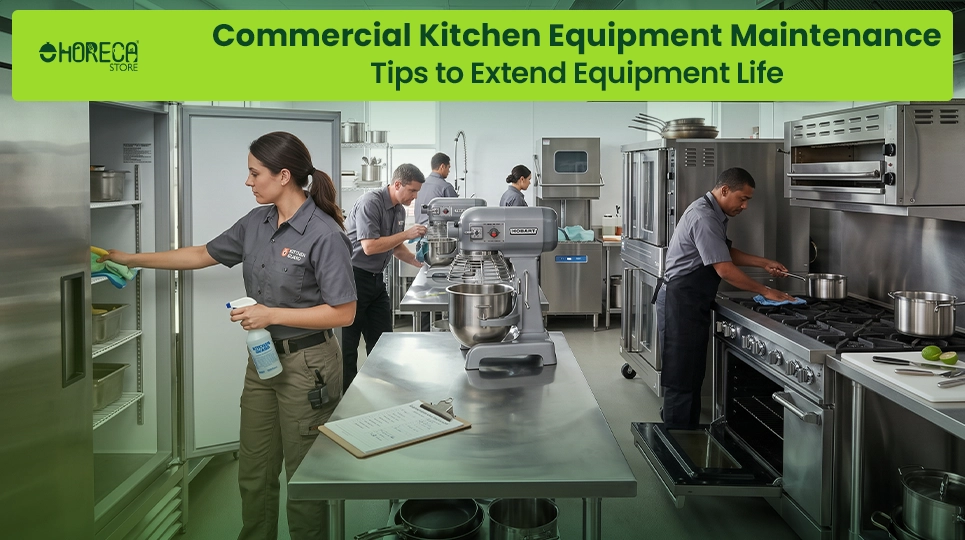
Essential Upkeep Tips
To keep your investment running like new, follow these stainless steel chef base maintenance tips:
- Clean the Condenser Coils: A chef base lives in the greasiest, flour-filled part of the kitchen. Vacuum and brush the condenser coils at least once a month to ensure the unit doesn't overwork itself.
- Inspect Drawer Gaskets: The rubber gaskets on your drawer refrigerator take a beating. Check them weekly for tears or food buildup. A compromised gasket lets cold air escape and hot cookline air enter.
- Clean Spills Immediately: While the top heat shield protects the unit, grease and acidic food spills can eventually corrode stainless steel. Wipe down the unit at the end of every shift with a soft cloth and a specialized stainless steel cleaner.
- Monitor Temperatures: Even the best energy efficient commercial cooling units can fluctuate. Keep analog thermometers inside the drawers as a backup to the digital display to ensure your food stays below 40°F (4°C).
Conclusion
Upgrading your commercial kitchen isn't just about buying new shiny equipment; it is about strategically optimizing your workflow to reduce waste, lower ticket times, and keep your staff happy. By choosing to incorporate a heavy-duty refrigerated chef base, you are investing in a smoother, more profitable operation.
Whether you need a massive 96-inch chef base to hold a sprawling griddle, a commercial fridge undercounter for your prep area, or a led display fridge for your front of house, taking the time to understand weight capacities, thermal protection, and proper ventilation will save you thousands of dollars in the long run. Equip your kitchen smartly, adhere to essential maintenance routines, and watch your culinary team thrive during the busiest dinner rushes.

About Mike Anderson
Commercial Refrigeration & HORECA Industry Expert
The author is a seasoned specialist in commercial refrigeration systems, sharing practical insights to help hospitality businesses select the right equipment for efficiency, food safety, and long-term cost savings. With over 15 years of industry experience, he stays updated on global trends in energy-efficient and sustainable cooling solutions.
Frequently Asked Questions
Restaurants use chef base refrigerators to save kitchen space, improve workflow efficiency, and keep ingredients easily accessible directly beneath cooking equipment.
Chef base refrigerators are commonly used to support countertop cooking equipment such as griddles, charbroilers, ranges, fryers, and sandwich presses in commercial kitchens.
Chef base refrigerators help maximize kitchen space, reduce employee movement, improve prep efficiency, maintain ingredient freshness, and combine refrigeration with workstation functionality.
Chef base refrigerators are available in multiple sizes ranging from compact 36-inch units to large 100+ inch models depending on kitchen layout, cooking equipment, and storage requirements.
Most chef base refrigerators maintain temperatures between 33°F and 40°F to keep ingredients safely refrigerated during kitchen operations.
Comments
0 comments
Login to Comment
Join the conversation! Please log in to share your thoughts.
No comments yet
Be the first to share your thoughts!