
Opening a café or coffee shop is exciting and overwhelming.
Most new café owners don’t fail because the coffee is bad.
They fail because of poor planning decisions made early, usually around equipment, layout, and budget.
This guide walks you through how to start a café step by step, from the moment the idea forms in your head to the day you unlock the door for customers without overcomplicating the process.
Café vs Coffee Shop: What Are You Actually Opening?
Before anything else, it’s important to understand what type of business you’re building.
A coffee shop focuses primarily on coffee and takeaway service.
A café usually includes seating, light food, and longer customer stays.
Both require similar planning, but:
A sit-down café needs more space, utilities, and staffing
A takeaway-focused coffee shop prioritizes speed and workflow
Knowing this early prevents costly layout and equipment mistakes later.
Step 1: Define Your Café Concept (Before Spending Any Money)
Every successful café starts with a clear concept, not equipment.
Ask yourself:
Are customers sitting or grabbing coffee to go?
What does a “busy hour” look like?
Who is walking in office workers, students, tourists?
This decision affects:
Your location
Your menu size
Your equipment capacity
Your staffing needs
Many new café owners skip this step and regret it after opening.
Step 2: Understand How Much It Really Costs to Start a Café
Starting a café is not cheap and underestimating costs is one of the most common reasons cafés close within the first two years.
One of the most reliable ways to estimate coffee shop startup costs is to break the budget down by square footage, then add equipment and working capital on top.
A commonly used benchmark for café décor and fit-out is approximately $250 per square foot, depending on design complexity, location, and local labor costs.
For example:
A 1,500 sq. ft. café at $250 per sq. ft. results in approximately $375,000 in décor and build-out costs alone.
Beyond décor, café owners should plan for:
$50,000 to $60,000 for commercial coffee and café equipment, depending on menu and volume.
Around 20% of the total project budget reserved for marketing and working capital, which helps cover staff wages, inventory, utilities, and early cash flow gaps during the first months of operation.
This structured approach helps prevent a common mistake: spending heavily on interiors while underfunding equipment, marketing, and day-to-day operations that actually keep the café running.
Startup costs usually include:
Rent and utilities
Equipment
Initial inventory
Furniture and fixtures
Licenses and permits
Technology (POS, payments)
Initial marketing
Costs vary widely depending on size and format, but planning conservatively protects you from early cash flow stress.
Step 3: Choose the Right Location (Not Just the Prettiest One)
A beautiful location that doesn’t match your business model will hurt you fast.
When evaluating a café location, consider:
Rent vs expected daily sales
Foot traffic at your busiest hours
Visibility from the street
Power, water, and drainage availability
Layout flexibility
Once you sign a lease, it’s very hard to fix a bad decision, take your time here.
Step 4: Build a Simple, Profitable Menu
New café owners often make menus too large.
A smart café menu:
Focuses on best-selling drinks
Uses shared ingredients
Is easy for staff to execute consistently
Matches your equipment capacity
Your menu should support operations, not complicate them.
Step 5: Choose Coffee and Suppliers Carefully
Coffee quality matters but so does consistency.
When choosing beans and suppliers:
Taste multiple options
Check delivery reliability
Understand pricing stability
Match quality to your target customer
Many cafés start with local roasters and adjust as volume grows.
Step 6: Buy the Right Café Equipment (This Is Where Most Money Is Lost) 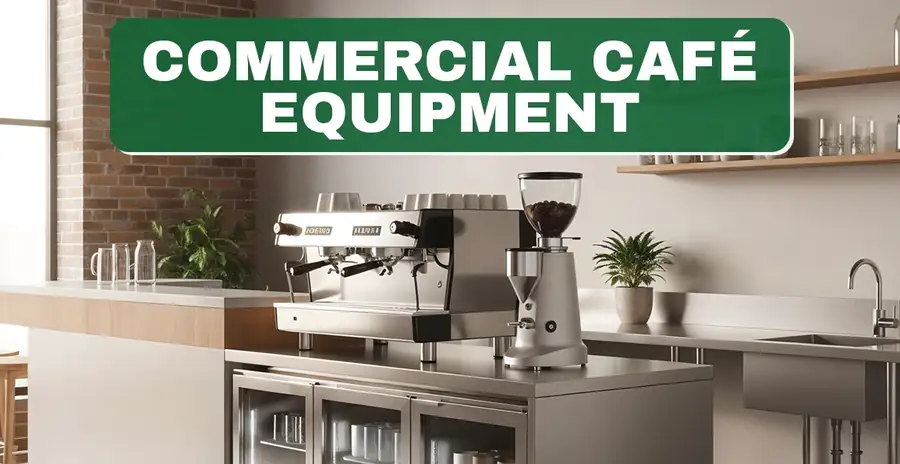
This is where many first-time café owners overspend.
You don’t need the most expensive equipment, you need equipment that matches your volume.
Core café equipment includes:
Refrigeration for milk and ingredients
POS system
Buying residential or underpowered equipment is one of the biggest long-term mistakes.
Many new café owners delay opening or compromise on equipment quality because of upfront costs. To reduce this pressure, HorecaStore offers financing options for commercial coffee and café equipment, allowing operators to spread payments over easy monthly installments for up to 5 years, with APR starting at 3.99%. This approach helps café owners preserve working capital for rent, staffing, and inventory, while still investing in commercial-grade espresso machines, refrigeration, and prep equipment from the start. Equipment financing is typically used during the setup phase to balance cash flow without delaying launch or lowering operational standards.
Step 7: Plan Electricity, Water, and Utilities Early
Utility planning is rarely exciting, but it’s critical.
Espresso machines, grinders, and refrigeration require:
Dedicated electrical circuits
Sufficient power capacity
Proper drainage
Water filtration
Many cafés face opening delays or equipment damage because utilities were overlooked.
Step 8: Design Your Layout for Speed, Not Looks
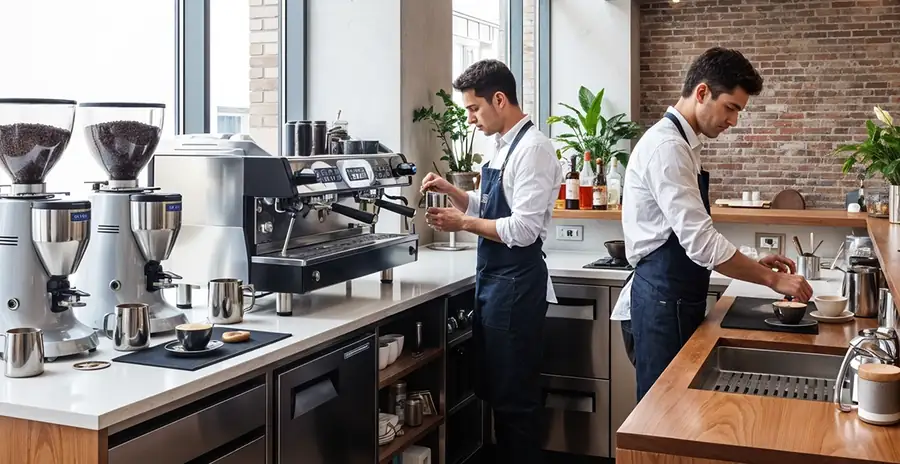
A beautiful café that works slowly will struggle.
A good café layout:
Minimizes staff movement
Reduces bottlenecks
Keeps prep and service organized
Supports peak-hour flow
Watch how baristas move, every step matters.
Step 9: Hire and Train Before Opening Day
Hiring too late creates chaos.
Good café teams:
Train on equipment before opening
Practice peak-hour scenarios
Understand workflow and standards
Training reduces mistakes, waste, and customer frustration.
Step 10: Price for Sustainability, Not Just Competition
Pricing isn’t about being the cheapest.
You must cover:
Ingredients
Labor
Rent
Utilities
Equipment wear
Many cafés fail while being “busy” because prices were set incorrectly.
Step 11: Licenses and Permits (Start Early)
Permits take time.
Depending on your location, you may need:
Business registration
Food handling permits
Health inspections
Fire approvals
Delays here can push opening day by weeks.
Step 12: Prepare for Opening Day
Before opening:
Test all equipment
Run trial shifts
Confirm inventory levels
Check POS setup
A calm opening week sets the tone for your business.
Common Mistakes New Café Owners Make
Spending on décor before equipment
Choosing the wrong equipment size
Ignoring power requirements
Overcomplicating menus
Hiring too late
Most of these mistakes are preventable with planning.
Final Takeaways for New Café Owners
Start with a clear concept, not equipment
Plan utilities before installation
Buy commercial-grade equipment
Keep menus simple
Design for speed and consistency
Budget conservatively
Opening a café is challenging, but with the right structure and planning, many operators recover their investment within 2 to 4 years. After that, every cup of coffee becomes a profit engine — which is why coffee shops continue to be one of the most attractive small businesses when built on solid planning from day one.
Get Everything You Need to Start Your Café at The Horeca Store
Starting a café or coffee shop requires more than just a great menu—it also depends on having the right commercial equipment and supplies from day one. The Horeca Store is your trusted partner for setting up cafés, coffee shops, bakeries, and quick-service restaurants with high-quality hospitality products. From espresso machines, coffee grinders, and beverage equipment to display counters, commercial kitchen appliances, furniture, tableware, storage solutions, and takeaway packaging, we offer everything you need to create a functional and inviting café.
Whether you're opening your first coffee shop or expanding to a new location, The Horeca Store provides reliable, commercial-grade equipment at competitive prices to help you stay within budget without compromising on quality. Our extensive product range, expert support, and dependable service make it easy to source all your café essentials from one place, allowing you to focus on delivering exceptional coffee and memorable customer experiences while building a successful business.