

Pizza shops are a staple in the restaurant industry. They offer a beloved product with wide appeal. But how profitable are they?
Understanding pizza shop profit margins is crucial for owners and investors. It helps in making informed business decisions.
Profit margins in the pizza industry can vary widely. Factors like location, ingredient costs, and competition play a significant role.
Pizza shops often enjoy higher margins than other restaurants. This is due to lower food costs and high demand.
In 2026, the pizza industry is expected to grow steadily. This growth presents opportunities for increased profitability.
Technological advancements and marketing strategies can further boost profits. Online ordering and social media are key tools.
Analyzing current trends and projections is essential. It helps in navigating challenges and maximizing profits.
This article explores the factors affecting pizza shop profitability in 2026.
Understanding Pizza Shop Profit Margins in 2026
Profit margins help measure financial health. They show how much revenue turns into profit. For pizza shops, understanding these margins is vital.
By 2026, several factors will shape profit margins. Market trends and consumer preferences are key influences.
The average profit margin for pizza shops tends to range between 7% and 13%. Compared to other restaurants, pizza shops generally maintain higher margins.
This advantage often stems from lower ingredient costs. However, constant monitoring of these costs is important. Cheese and flour prices can dramatically affect margins.
Labor expenses are another major concern. They typically account for 30% to 35% of total revenue. Efficient staffing and payroll management can help reduce these costs.
Beyond these basic factors, pizza shops also face unique challenges. Competition from new or existing businesses can pressure margins. Urban locations may offer higher revenue, but also higher competition.
Key Influences on Profit Margins:
- Ingredient and labor costs
- Competition and market saturation
- Location and demographic factors
- Technological advancements
- Marketing and customer engagement strategies
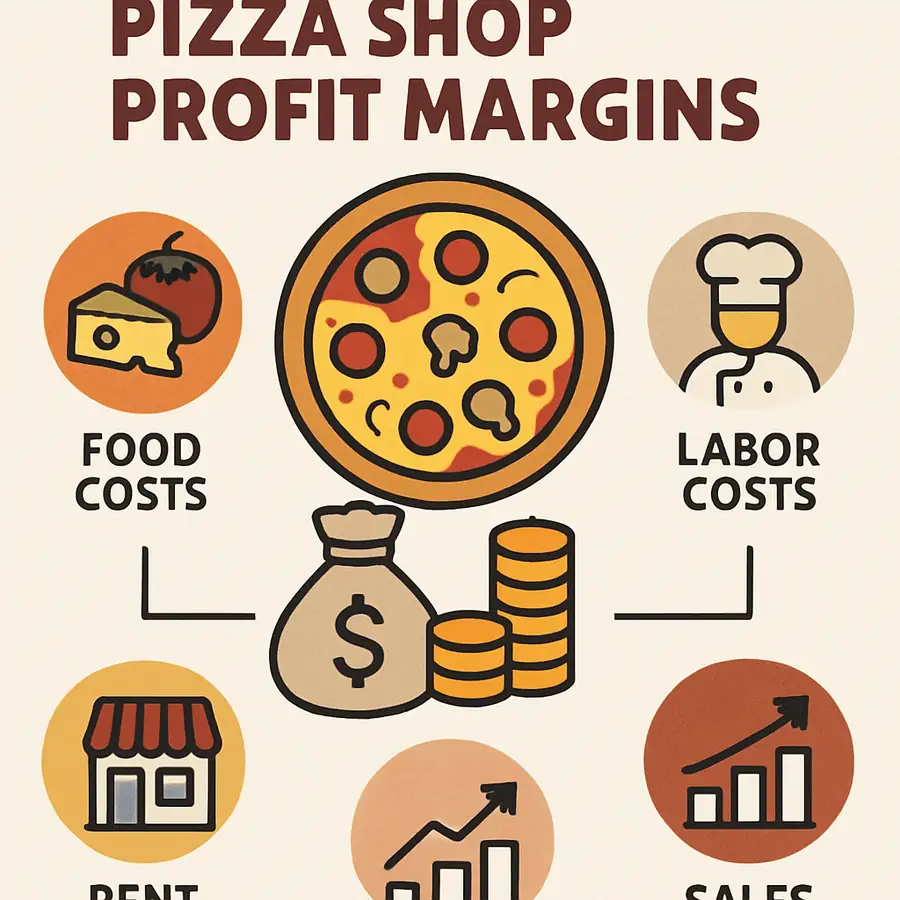
In 2026, pizza shop owners need to focus on innovation. Implementing cost-saving technologies will be essential. Enhanced customer experiences can lead to improved profitability. As the market evolves, staying adaptable and informed is crucial for success.
Average Profit Margin for Pizza Shops: 2026 Projections
Predicting the future profit margins of pizza shops involves analyzing several variables. The pizza industry has seen steady growth. This trend is likely to continue through 2026.
The profit margins for pizza shops are expected to remain between 7% to 13%. This range depends on various economic factors. Changes in the cost of ingredients are a major influence.
The cost of cheese and flour often fluctuates. Such fluctuations can impact the overall costs significantly. Monitoring these costs is essential for maintaining healthy margins.
While labor costs remain a constant concern, technology might help. Streamlined operations can potentially lower these expenses. Adopting new technology can make staffing more efficient.
Location also plays a crucial role in determining profit levels. Urban shops may see higher revenues due to a larger customer base. However, this can come with increased operational costs.
Franchise pizza shops could have slightly different margins. Brand recognition often leads to higher customer traffic. Operational support provided by the franchise can also reduce costs.
Here's a look at some projections for 2026:
- Continued reliance on delivery and takeout models
- Growing importance of digital marketing strategies
- Need for competitive pricing strategies
- Rise in energy costs affecting operational expenses
To stay competitive, pizza shops must be adaptable. Keeping up with industry trends and customer preferences will be key. Understanding these factors will help owners prepare for future profitability. The landscape may change, but core strategies will remain important in achieving success.
Key Factors Affecting Pizza Shop Profitability
Pizza shop profitability hinges on various critical factors. Understanding these can help owners optimize their operations. First on the list is location, which significantly impacts sales.
Urban areas often promise higher foot traffic. However, these locations can also lead to higher rental costs. The balance between costs and revenue potential is delicate.
Ingredient costs are another vital consideration. The prices of cheese and flour often see fluctuations. These changes can directly affect the profit margins.
Labor costs form a substantial part of expenses. Efficient staff management is crucial for keeping these costs in check. Offering competitive wages can attract and retain skilled employees.
Competition is a perennial challenge in the pizza industry. Standing out requires unique offerings and excellent service. This can significantly influence customer choice and loyalty.
Delivery and takeout services are increasingly vital. They can enhance a shop’s reach and revenue but at a cost. Fees from third-party services should be carefully managed.
The role of technology cannot be understated. Online ordering systems make operations more efficient. They also improve customer experience and retention.
Marketing strategies also influence profitability. Effective use of social media can boost brand visibility. Loyalty programs encourage repeat business and enhance revenue.
Here is a list of key factors to consider:
- Location and rental costs
- Fluctuating ingredient costs
- Labor management and wages
- Competition within the market
- Dependence on delivery and takeout
- Technology implementation
- Effective marketing strategies
Comparing Pizza Shop Margins to Other Restaurant Profit Margins
Pizza shops often enjoy stronger profit margins compared to other restaurants. These margins usually range between 7% and 13%. This figure is influenced by lower food costs, particularly for staples like dough and toppings.
In contrast, full-service restaurants frequently report narrower margins. Their profit percentages often lie between 3% to 5%. These establishments face higher costs due to more extensive menu offerings and service requirements.
Fast-food outlets might have similar profit margins to pizza shops. However, their business model relies heavily on high volume sales. Pizza shops benefit from the popularity and adaptability of their product.
Casual dining spots often land in the middle of the spectrum. Their margins are slightly better than full-service restaurants. Yet, they don’t match the efficiency of pizza operations.
The simplicity of pizza production contributes to its profitability. Fewer ingredients and straightforward preparation lower costs. Additionally, the robust demand for pizza drives consistent sales.
Key differences include:
- Lower food costs for pizzas
- Simple production processes
- Reliance on volume for fast-food profits
- Higher service costs in full-service restaurants
Revenue Streams for Pizza Shops: Dine-In, Delivery, and Takeout
Pizza shops thrive on diverse revenue channels. A well-rounded approach combines dine-in, delivery, and takeout services. Each stream brings unique opportunities and challenges for boosting profits.
Dine-in customers offer more than just sales. They enhance the ambiance and create a lively atmosphere, attracting more patrons. This option also allows for upselling, increasing the average check per customer.
Delivery services have surged, driven by convenience and tech advances. They expand customer reach beyond local foot traffic. However, delivery involves added costs like third-party fees and logistics.
Takeout is another reliable income source for pizza shops. It typically incurs lower operational costs compared to dine-in services. Customers handle their own logistics, simplifying operations for the business.
Balancing these three streams is essential. Diversifying revenue protects against fluctuations in any single channel. Strong management of all streams can significantly improve a shop's bottom line.
Key benefits of each revenue stream include:
- Dine-in: Atmosphere enhancement and upselling opportunities
- Delivery: Expanded reach and customer convenience
- Takeout: Lower operational costs and streamlined service
Major Expenses Impacting Pizza Shop Profit Margins
Pizza shops face several key expenses that influence their profit margins. Managing these costs is crucial for maintaining profitability.
Ingredient costs are a primary concern for pizza business owners. Cheese and flour prices can fluctuate due to supply chain dynamics. These ingredients often represent a significant portion of total expenses.
Labor costs are another major expense. They usually account for 30% to 35% of a shop's revenue. Efficient scheduling and training can help control these costs without sacrificing service quality.
Location-related expenses also affect profit margins. Rent and utilities vary greatly depending on the area. Urban locations may incur higher rent but benefit from increased foot traffic.
Marketing costs can add up, though they are vital for customer acquisition and retention. Investing in digital marketing can offer great returns by targeting the right audience.
Operating costs, such as energy consumption, must be regularly assessed. Pizza ovens are power-intensive, making energy expenses a notable cost. Energy-efficient appliances can help reduce this burden.
Additionally, maintenance of equipment is essential. Proper upkeep prevents unexpected repairs that disrupt operations.
Insurance and licensing fees, while unavoidable, should be budgeted wisely. They protect against unforeseen liabilities and ensure compliance with regulations.
The key expenses impacting pizza shop profit margins include:
- Ingredients (cheese, flour)
- Labor costs
- Rent and utilities
- Marketing expenses
- Energy and maintenance costs
- Insurance and licensing fees
Franchise vs. Independent Pizza Shops: Profit Margin Differences
Franchise and independent pizza shops differ in profit margins. Each model presents unique advantages and challenges for owners.
Franchise pizza shops often benefit from established brand recognition. This recognition can lead to higher initial revenue. Additionally, franchises typically offer operational support, reducing the learning curve for owners.
However, franchise fees can eat into potential profits. These fees usually include a percentage of sales and ongoing royalties. Such costs might reduce the overall profit margin despite higher sales.
Independent pizza shops enjoy more flexibility. Owners can tailor the menu and ambiance to local tastes. This adaptability can attract a niche customer base and boost loyalty.
That said, independent shops may face higher marketing costs. Building a brand from scratch requires substantial investment and effort.
Key differences between franchise and independent shop profit margins:
- Brand recognition versus local customization
- Operational support versus marketing autonomy
- Franchise fees versus independent expense management
The Role of Technology in Boosting Pizza Shop Profits
Technology plays a crucial role in boosting pizza shop profits. Advances simplify operations and improve customer experience.
Online ordering systems have transformed the industry. They streamline the ordering process, reducing errors and improving satisfaction.
Mobile apps offer convenience and encourage repeat business. Apps can include features like loyalty programs and personalized offers.
Kitchen management software enhances efficiency. It optimizes inventory, reduces waste, and ensures consistent quality.
Digital marketing tools expand reach. Social media and email campaigns attract and retain customers.
Key technological advancements enhancing pizza shop profits:
- Online ordering systems
- Mobile applications with loyalty features
- Kitchen management software
- Digital marketing tools
Menu Engineering: Maximizing High-Margin Items
Menu engineering is a strategic approach to boosting profits. It focuses on promoting high-margin dishes and optimizing menu layout.
Analyzing sales data is the first step. Determine which items are both popular and profitable. These items should be highlighted to increase sales.
Portion control is vital for maximizing margins. Precise portions reduce waste and maintain consistent quality.
Crafting a diverse menu attracts a broad audience. However, it's important to focus on items that yield the highest return.
Regularly updating the menu keeps it dynamic and interesting. Seasonal specials can also entice customers and test new items.
Effective menu engineering tactics include:
- Highlighting high-margin items
- Optimizing portion sizes
- Crafting a diverse yet focused menu
- Regular updates and seasonal specials
Marketing Strategies to Improve Pizza Shop Profitability
Effective marketing strategies are crucial for boosting pizza shop profits. Engaging with customers through various channels increases visibility and sales.
Social media plays a significant role in modern marketing. Platforms like Instagram and Facebook are perfect for showcasing delicious offerings and promotions.
Loyalty programs encourage repeat business. Rewarding customers for frequent purchases builds long-term relationships.
Community involvement enhances brand reputation. Sponsoring local events or participating in charity programs creates goodwill and attracts new patrons.
Online presence must also be optimized. A user-friendly website and listings on food delivery platforms help reach more customers.
Consider using these marketing tactics:
- Leverage social media for promotions
- Implement loyalty and reward programs
- Engage in community events and sponsorships
- Optimize online presence with a mobile-friendly website
The Impact of Location and Demographics on Profit Margins
Location is a crucial factor influencing pizza shop profitability. Urban areas often promise higher foot traffic and greater sales volumes.
Demographic factors also affect profit margins. Young populations or college towns frequently demand more pizza services.
Understanding community preferences helps tailor menus effectively. This alignment with local tastes can drive customer satisfaction and repeat business.
A strategic location checklist might include:
- Evaluating local competition density
- Assessing community age and lifestyle
- Considering foot traffic and visibility
Navigating Ingredient and Labor Cost Fluctuations
Pizza shops face constant changes in ingredient and labor costs. Managing these fluctuations is key to maintaining profit margins.
Cheese and flour prices impact expenses the most. Monitoring market trends helps anticipate changes and adjust pricing.
Labor costs also play a significant role, often consuming 30-35% of revenue. Efficient scheduling and cross-training staff can ease this burden.
Strategies for managing cost fluctuations include:
- Building strong supplier relationships for better pricing
- Implementing technology for inventory management
- Regularly reviewing menu prices
Seasonal Trends and Their Effect on Pizza Shop Revenue
Seasonal trends significantly influence pizza shop revenue. Colder months typically bring increased sales as demand rises.
Sporting events can also lead to higher orders. Pizza is a popular choice for group gatherings and parties.
To capitalize on seasonal trends, consider these strategies:
- Introducing seasonal menu items
- Offering promotional deals during major events
- Adjusting marketing strategies to align with seasonal activities
Common Challenges and How to Overcome Them
Running a pizza shop comes with its unique challenges. Managing rising costs and staying competitive are key issues.
Ingredient prices can fluctuate unexpectedly. This requires efficient inventory management and strategic supplier negotiations.
Staffing is another major challenge. High turnover rates in the industry can strain resources and affect service quality.
To tackle these challenges, consider the following approaches:
- Establish strong supplier relationships
- Implement employee retention programs
- Regularly review and adjust pricing strategies
Tips to Increase Your Pizza Shop Profit Margin in 2026
Increasing profit margins is crucial for sustaining your pizza shop in 2026. Focus on strategies that improve efficiency and reduce costs.
Optimizing menu offerings can significantly impact profitability. Identify high-margin items and promote them to boost sales.
Streamlining operations to minimize waste is another effective approach. Implementing precise inventory tracking helps reduce unnecessary expenses.
Consider enhancing customer experience through service improvements. Satisfied customers often become repeat buyers, thus increasing revenue.
Here are some actionable tips:
- Leverage online ordering systems
- Utilize data analytics for demand forecasting
- Offer promotions on high-margin products
Buy Commercial Pizza Equipment from The Horeca Store
A profitable pizza shop starts with reliable commercial equipment. The Horeca Store offers a complete range of pizza-making essentials, including commercial pizza ovens, dough mixers, pizza peels, baking trays, refrigeration units, ingredient storage solutions, and professional kitchen tools. Whether you're opening your first pizzeria or expanding an existing operation, our high-quality equipment helps improve productivity, maintain food consistency, and streamline daily kitchen operations.
From food preparation to serving and takeaway packaging, The Horeca Store is your trusted partner for commercial pizza equipment and restaurant supplies. With durable products, competitive pricing, and dependable customer support, we help pizzerias, cafés, cloud kitchens, and restaurants operate more efficiently while delivering exceptional customer experiences.
Conclusion: Is Owning a Pizza Shop Profitable in 2026?
Owning a pizza shop in 2026 can indeed be profitable. However, success depends on managing costs and boosting revenue.
Profit margins in the pizza industry are generally favorable. They often surpass those of other types of restaurants due to lower food costs.
To thrive in 2026, pizza shop owners must adapt to changing trends. Embracing technology and optimizing delivery systems are crucial.
Understanding your local market and maintaining high-quality offerings will be key to success. With the right strategies, a pizza shop can thrive in the competitive landscape of 2026.